
How Do I Research Crime Rates in an Area Before Buying a Home in Minnesota? (2026 Homebuyer Guide)
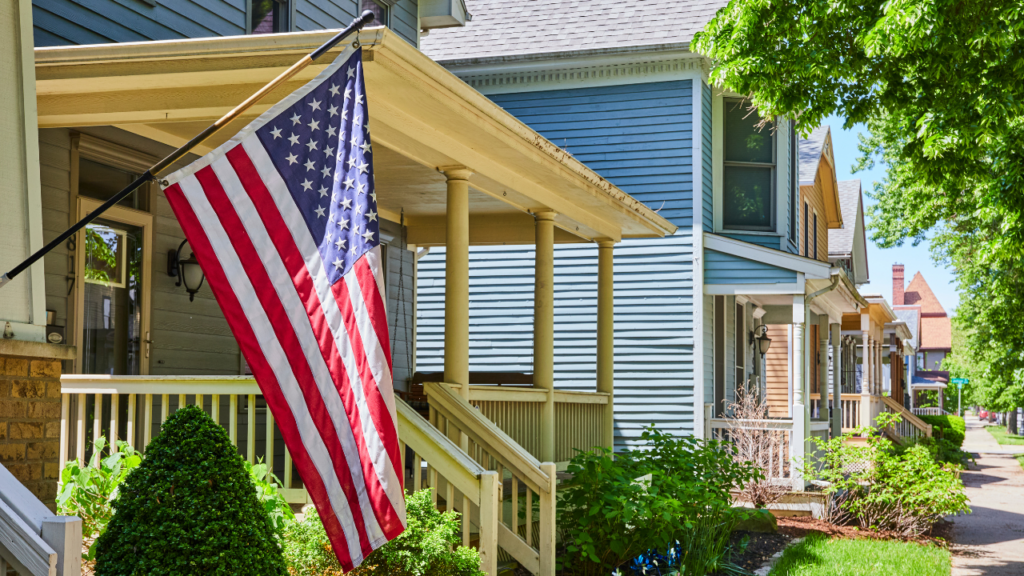
One of the most common questions homebuyers ask before making an offer is: 👉 “How do I research crime rates in a neighborhood?” And honestly? It’s a completely reasonable question. When you’re buying a home, you’re not just investing in a property. You’re choosing where you’ll park your car. Where you’ll walk your dog. Where your kids might ride their bikes. Where you’ll come home after work every day. Naturally, buyers want to feel comfortable about the area they’re considering. But here’s where things get tricky. Many buyers start researching crime online and quickly become overwhelmed. They find: ✔️ Crime maps ✔️ Social media posts ✔️ Neighborhood forums ✔️ News articles ✔️ Online rankings ✔️ Community groups And before long, they’re more confused than when they started. The reality is that researching neighborhood safety isn’t always as simple as looking at one website or reading a few headlines. In fact, some of the biggest mistakes buyers make happen because they rely on incomplete information. The goal isn’t just gathering data. The goal is understanding it. You might be wondering: • What is the best way to research crime rates? • Are online crime maps accurate? • Should I trust neighborhood Facebook groups? • How do I compare one area to another? • What information should I focus on? • Are crime statistics enough to make a decision? • How can I feel more confident about a neighborhood? Let’s talk about it. 🏡 Start With Official Sources When researching any neighborhood, it’s important to begin with reliable information. Many police departments and public agencies provide crime statistics and reports that are available to the public. These resources often include information about: ✔️ Reported incidents ✔️ Crime trends ✔️ Geographic data ✔️ Community reports ✔️ Public safety updates Official sources generally provide more context than social media discussions or neighborhood rumors. And honestly? Starting with facts usually helps buyers avoid unnecessary assumptions. 🏡 Understand That Crime Exists Everywhere This is important. Many buyers begin searching for: 👉 “The safest neighborhood.” But the reality is that every city, suburb, and neighborhood experiences some level of crime. There is no community where incidents never occur. The better question is often: 👉 “Does this neighborhood fit my comfort level and lifestyle?” Understanding local conditions is helpful. Expecting perfection usually isn’t realistic. 🏡 Don’t Rely Solely on Headlines News stories can be useful. But they can also create a distorted picture. Why? Because news organizations naturally focus on unusual or noteworthy events. A single incident may receive significant coverage even if it’s not representative of everyday life in the area. That’s why buyers should avoid forming opinions based entirely on: ✔️ Headlines ✔️ Viral social media posts ✔️ Isolated stories Context matters. 🏡 Look for Trends, Not Individual Incidents One of the smartest things buyers can do is focus on patterns. Ask yourself: ✔️ Are incidents increasing? ✔️ Are incidents decreasing? ✔️ Are certain types of crime more common? ✔️ Are there noticeable trends? Looking at broader patterns often provides more useful information than focusing on individual events. 🏡 Visit the Neighborhood Yourself This may sound obvious. But it’s one of the most valuable things you can do. Spend time in the area. Visit: ✔️ Weekdays ✔️ Weekends ✔️ Mornings ✔️ Evenings ✔️ Different seasons if possible Pay attention to: ✔️ Traffic ✔️ Activity levels ✔️ Property maintenance ✔️ Community engagement ✔️ General atmosphere Your personal experience matters. 🏡 Observe Property Maintenance While property maintenance doesn’t determine crime rates, it can offer insight into neighborhood conditions. Notice: ✔️ Lawn care ✔️ Home maintenance ✔️ Public spaces ✔️ Community appearance ✔️ General upkeep Many buyers find that well-maintained neighborhoods often reflect strong community involvement. 🏡 Talk to Local Residents This is one of the most overlooked research tools. If possible, talk to people who actually live there. Ask questions like: ✔️ What do you enjoy about the area? ✔️ How long have you lived here? ✔️ What surprised you after moving in? ✔️ What would you tell someone considering the neighborhood? Residents often provide perspectives you won’t find in statistics. 🏡 Use Multiple Sources One mistake buyers make is relying on a single website. Instead, gather information from several places. Compare: ✔️ Public reports ✔️ Local resources ✔️ Community information ✔️ Personal visits ✔️ Conversations with residents The more complete your picture, the better. 🏡 Understand That Data Has Limitations Crime statistics can be useful. But they don’t tell the whole story. For example: ✔️ Reporting practices vary ✔️ Population density varies ✔️ Neighborhood size varies ✔️ Community demographics vary Numbers alone don’t always reflect how an area feels to live in. That’s why personal research remains important. 🏡 Consider Your Daily Lifestyle A neighborhood that works well for one person may not work for another. Think about: ✔️ Your work schedule ✔️ Your commute ✔️ Family needs ✔️ Recreation habits ✔️ Walking preferences ✔️ Transportation needs Your lifestyle influences how you’ll experience a community. 🏡 Visit During Different Times of Day Neighborhoods can feel very different depending on when you visit. For example: A quiet residential street at noon may feel very different during: ✔️ Morning rush hour ✔️ Evening activity ✔️ Weekend gatherings That’s why multiple visits are helpful. 🏡 Research Community Amenities Neighborhood quality isn’t just about crime statistics. It’s also about: ✔️ Parks ✔️ Trails ✔️ Libraries ✔️ Recreation centers ✔️ Community programs ✔️ Local businesses Communities with strong amenities often attract long-term residents and community involvement. 🏡 Pay Attention to Community Pride One thing many buyers notice after moving into a neighborhood they love is: People care about the community. You may see: ✔️ Volunteer events ✔️ Community festivals ✔️ Neighborhood gatherings ✔️ Active local organizations Strong community engagement often contributes positively to neighborhood stability. 🏡 Social Media Can Be Helpful—But Carefully Neighborhood groups can provide insight. But they can also create unnecessary fear. Remember: People often post about: ✔️ Problems ✔️ Complaints ✔️ Concerns Far more frequently than they post
What Should I Look for When Visiting a Neighborhood Before Buying a Home in Minnesota? (2026 Homebuyer Guide)
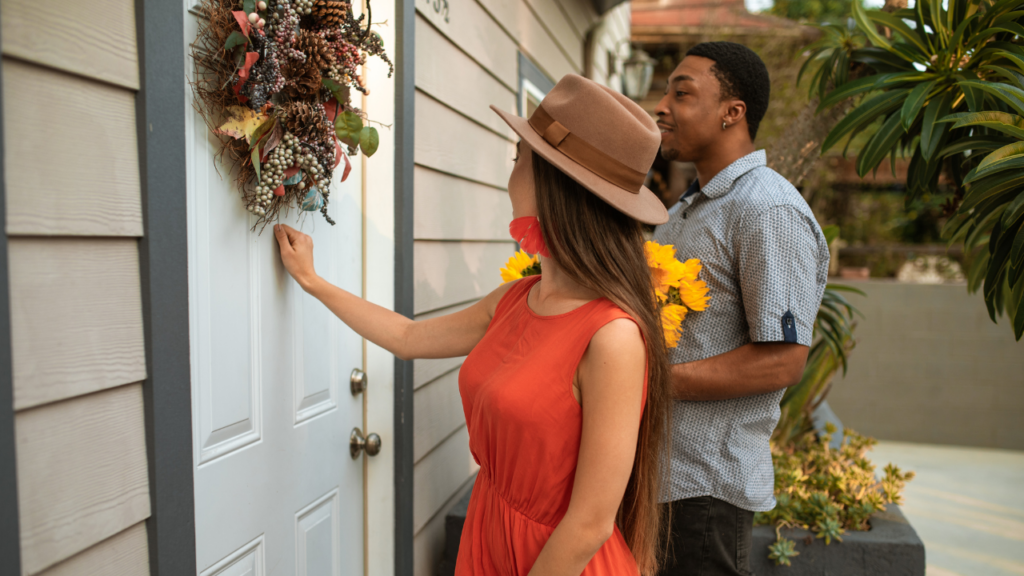
Finding the right home is exciting. You scroll through listings. You save your favorites. You schedule showings. You imagine where your furniture will go. But here’s something many buyers don’t realize until after they’ve moved: 👉 You’re not just buying a house. You’re buying the neighborhood too. In fact, the neighborhood often has a bigger impact on your daily happiness than the house itself. You can update a kitchen. You can paint walls. You can replace flooring. But you can’t easily change where the house is located. That’s why one of the smartest things you can do before making an offer is spend time evaluating the neighborhood itself. And honestly? Many buyers focus so much on the home that they barely pay attention to the area surrounding it. Then six months later they realize: ✔️ The commute is longer than expected ✔️ The neighborhood isn’t as quiet as they thought ✔️ Parking is difficult ✔️ The nearby amenities don’t fit their lifestyle ✔️ The area feels different than they imagined The good news? Most of these surprises can be avoided by knowing what to look for before you buy. You might be wondering: • What should I pay attention to when visiting a neighborhood? • How many times should I visit? • What should I look for beyond the house itself? • How do I know if the area fits my lifestyle? • What are common red flags buyers miss? • Should I visit at different times of day? • How do I know if I’ll enjoy living there long-term? These are exactly the right questions to ask. Because buying a home isn’t just about where you’ll sleep. It’s about where you’ll live your life. 🏡 Visit More Than Once This is probably the biggest piece of advice I give buyers. Don’t rely on a single visit. A neighborhood can feel completely different depending on: ✔️ The time of day ✔️ The day of the week ✔️ The season ✔️ Traffic patterns ✔️ Community activity A quiet neighborhood at 2 PM on a Tuesday may feel very different at 7 AM on a weekday morning. If possible, visit: ✔️ Weekdays ✔️ Weekends ✔️ Morning ✔️ Afternoon ✔️ Evening The more complete picture you have, the better your decision will be. 🏡 Drive the Route You’d Actually Use A lot of buyers estimate commute times using maps. That’s a good start. But honestly? Nothing replaces driving the route yourself. Pay attention to: ✔️ Traffic flow ✔️ Stoplights ✔️ Construction ✔️ Highway access ✔️ Bottlenecks ✔️ Winter driving concerns Minnesota winters can make a huge difference in commuting experiences. What feels like a simple drive in July may feel very different in January. 🏡 Walk the Neighborhood This tells you things driving never will. Take a walk and notice: ✔️ Sidewalks ✔️ Street lighting ✔️ Traffic speed ✔️ Noise levels ✔️ Walkability ✔️ General atmosphere Walking gives buyers a better sense of what everyday life may actually feel like. 🏡 Pay Attention to Noise Many buyers don’t notice noise during showings because they’re focused on the home. Listen for: ✔️ Highway traffic ✔️ Train activity ✔️ Airport flight paths ✔️ Busy intersections ✔️ Commercial activity ✔️ School traffic Some noise may not bother you. Some might become frustrating over time. The important thing is knowing what you’re buying into. 🏡 Look at Property Maintenance This can reveal a lot about a neighborhood. Notice: ✔️ Lawn care ✔️ Landscaping ✔️ Home upkeep ✔️ Exterior maintenance ✔️ General pride of ownership No neighborhood is perfect. But consistent property maintenance often suggests residents care about the community. 🏡 Evaluate Parking This is especially important in some Minnesota neighborhoods. Ask yourself: ✔️ Is street parking available? ✔️ How crowded does it feel? ✔️ Are there parking restrictions? ✔️ Will guests have parking options? ✔️ How does winter snow parking work? Parking frustrations can become daily frustrations if overlooked. 🏡 Explore Nearby Amenities Think about where you spend your time. Look for: ✔️ Grocery stores ✔️ Restaurants ✔️ Coffee shops ✔️ Parks ✔️ Trails ✔️ Fitness centers ✔️ Shopping ✔️ Healthcare facilities The right neighborhood often supports your lifestyle outside the home. 🏡 Check Out Local Parks and Outdoor Spaces Minnesota residents love outdoor living. Many buyers specifically prioritize: ✔️ Walking trails ✔️ Regional parks ✔️ Lakes ✔️ Playgrounds ✔️ Green space ✔️ Recreation areas If outdoor activities are important to you, spend time exploring nearby options. 🏡 Observe Traffic Patterns Traffic affects daily quality of life more than many buyers expect. Watch for: ✔️ Congestion ✔️ School drop-off traffic ✔️ Rush hour patterns ✔️ Shortcut routes ✔️ Busy intersections Especially if you work outside the home. 🏡 Notice the Community Feel Some neighborhoods feel: ✔️ Active ✔️ Social ✔️ Family-oriented Others feel: ✔️ Quiet ✔️ Private ✔️ Low-key Neither is better. The goal is finding the atmosphere that matches your personality. 🏡 Research Future Development What you see today may not be what exists five years from now. Look into: ✔️ Planned housing developments ✔️ Commercial projects ✔️ Road expansions ✔️ Transit projects ✔️ Future construction Growth can bring convenience. It can also change traffic, density, and neighborhood character. 🏡 Visit Nearby Businesses Stop at: ✔️ Local coffee shops ✔️ Restaurants ✔️ Grocery stores ✔️ Small businesses You’ll often get a better feel for the community by spending time where residents spend time. 🏡 Consider School Locations Even if you don’t have children, school proximity can influence: ✔️ Traffic ✔️ Noise ✔️ Home values ✔️ Future resale appeal It’s worth understanding how nearby schools affect the neighborhood. 🏡 Observe How Residents Use the Area One of the simplest things you can do is watch. Do you see: ✔️ People walking dogs? ✔️ Kids riding bikes? ✔️ Neighbors talking? ✔️ Families using parks? ✔️ Residents out enjoying the area? These observations can tell you a lot about neighborhood culture. 🏡 Check Cell Phone Reception and Internet Options This may sound minor. But it becomes important quickly.