
What Should I Know Before Buying From a Builder in Minnesota? (2026 Homebuyer Guide)
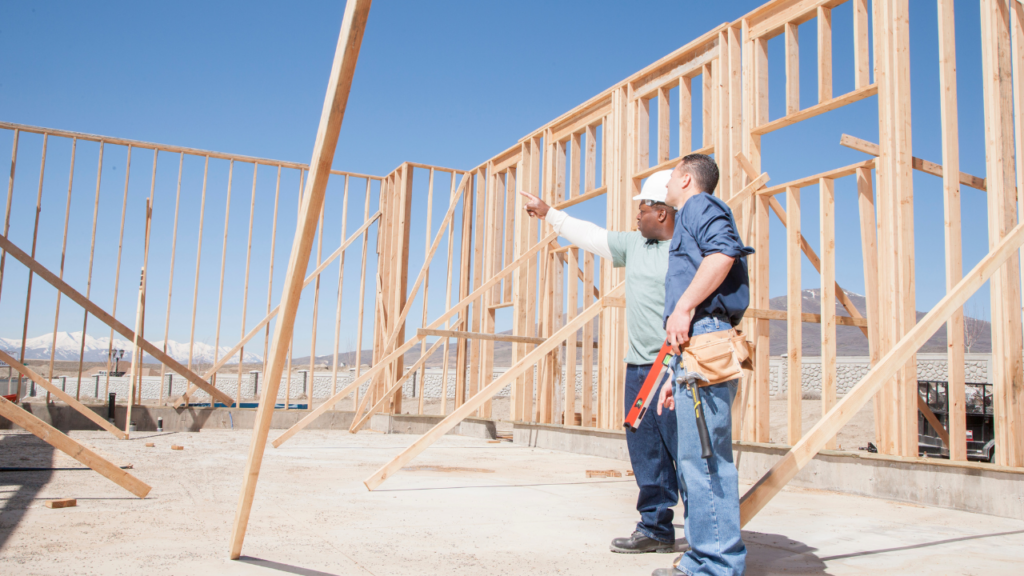
Buying a brand-new home from a builder can be exciting. You get to walk through model homes, explore new communities, choose finishes, and potentially move into a home where everything is brand new. For many buyers, it’s a dream scenario. But buying directly from a builder is different from buying a resale home. The process is different. The contracts are different. The timelines are different. And the costs can be different too. Many first-time buyers walk into a model home thinking the process will be simple because it’s a brand-new property. Then they discover there are decisions, deadlines, upgrades, builder contracts, and construction timelines they never anticipated. That doesn’t mean buying new construction is a bad idea. In fact, many Minnesota buyers love their experience with new construction. The key is understanding what you’re getting into before you sign the contract. If you’re considering buying from a builder in Minnesota, here are some of the most important things you should know. The Builder’s Sales Representative Works for the Builder One of the biggest misconceptions buyers have is assuming the sales representative at the model home represents them. They don’t. Builder representatives work for the builder. They’re knowledgeable. They’re helpful. They’re often wonderful people. But their job is to represent the builder’s interests. This is important to understand from the beginning. Many buyers assume they don’t need their own representation because they’re buying directly from the builder. That can be a costly assumption. Model Homes Usually Showcase Upgrades Model homes are designed to impress. That’s their purpose. When you walk through a beautiful model home, you’re often seeing: The base model may look very different. Always ask: “What is included in the base price?” And equally important: “What is considered an upgrade?” This simple question can prevent surprises later. The Base Price Isn’t Always the Final Price Many buyers see an advertised starting price and assume that’s close to what they’ll pay. In reality, several factors can increase the final purchase price. Common additions include: It’s not uncommon for buyers to spend significantly more than the advertised base price once selections are complete. Understand Lot Premiums This catches many buyers off guard. Not all lots cost the same. Builders often charge additional fees for lots with: A home advertised at one price may cost substantially more depending on the lot selected. Always ask for a complete breakdown. New Construction Communities Have HOA Considerations Many new developments include homeowner associations. HOAs may provide benefits such as: However, they also come with: Before buying, review HOA documents carefully. Understand exactly what you’re agreeing to. Construction Timelines Can Change Many buyers ask: “When will my home be finished?” Builders provide estimated completion dates. But construction timelines can be affected by: It’s wise to build flexibility into your plans. Especially if you’re coordinating a move or selling another property. Builder Contracts Are Different Builder contracts are not the same as traditional resale purchase agreements. Builder contracts are often: Some buyers are surprised by the language and provisions included. Take the time to review the contract carefully. Ask questions when something isn’t clear. Never feel rushed. Design Center Visits Can Affect Your Budget For many buyers, the design center is one of the most exciting parts of the process. It’s also one of the easiest places to exceed your budget. You’ll be making decisions about: Small upgrades can add up quickly. Before attending design appointments, establish a realistic budget. Some Upgrades Are Easier to Add Later Than Others Not every upgrade needs to be purchased through the builder. For example: Items like: May be easier to upgrade later. However, structural items are often much more expensive to add after construction. Examples include: Think carefully about long-term needs before construction begins. New Construction Still Requires Inspections Many buyers assume inspections aren’t necessary because the home is brand new. That’s a mistake. Even excellent builders can experience: Independent inspections can provide valuable peace of mind. A home being new doesn’t automatically mean it’s perfect. Understand Builder Warranties Most builders provide some form of warranty coverage. Coverage often varies by builder. Common warranty categories may include: Ask for details before signing. Understand: Knowing this information upfront can prevent frustration later. New Communities May Still Be Under Construction When you move into a new development, the community may not be finished. Construction activity could continue for months or years. You may experience: This isn’t necessarily bad. Just understand what to expect. Property Taxes May Change Another surprise for some buyers involves property taxes. Initial estimates are often based on incomplete valuations. As homes are completed and assessed, tax amounts may change. Ask questions about future tax expectations during the buying process. Financing Matters Some builders work closely with preferred lenders. These lenders may offer incentives such as: That doesn’t mean you must use the builder’s lender. It’s often wise to compare multiple loan options. A lower interest rate could save significantly more than an upfront incentive. Questions Every Buyer Should Ask Before signing a builder contract, ask: The more information you have upfront, the more confident you’ll feel. Real Example Imagine two buyers. Buyer A visits a model home and signs a contract immediately. Buyer B takes time to: Both may end up with beautiful homes. But Buyer B often feels more prepared because expectations were established early. Knowledge creates confidence. Frequently Asked Questions Is buying from a builder different than buying a resale home? Yes. Builder contracts, timelines, pricing structures, and upgrade options are often very different. Can I negotiate with a builder? Sometimes. Incentives may be more common than direct price reductions. Do I need a real estate agent when buying from a builder? Many buyers choose to have representation even when purchasing new construction. Are model homes included at the advertised price? Usually not. Many model homes showcase upgrades and options that cost extra. Should I get a home inspection on a new build? Yes. Many buyers choose to have independent inspections during the construction process.
Is It Better to Buy New Construction or Resale in Minnesota? (2026 Homebuyer Guide)
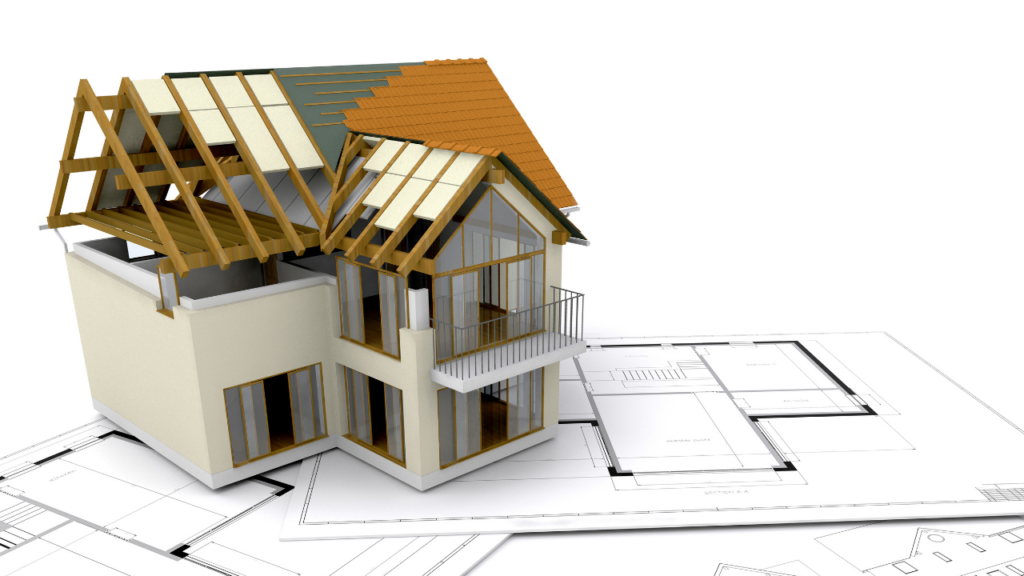
If you’re planning to buy a home in Minnesota, one of the biggest decisions you’ll face isn’t just where to live or how much to spend. It’s whether to buy a brand-new home or an existing one. At first glance, new construction can be incredibly appealing. Everything is brand new. Modern floor plans. Energy-efficient systems. Fresh paint. New appliances. No previous owners. But resale homes have advantages too. Established neighborhoods. Mature trees. Potentially lower purchase prices. More negotiating opportunities. The truth is there isn’t a one-size-fits-all answer. I’ve worked with many Minnesota homebuyers who were convinced they wanted new construction until they toured resale homes. I’ve also worked with buyers who thought they wanted an existing home but ended up building because it fit their long-term goals better. The right choice depends on your priorities, budget, timeline, and lifestyle. Let’s look at the pros and cons of both options so you can make an informed decision. Why New Construction Is So Popular in Minnesota Minnesota continues to see significant new construction growth throughout many communities. Cities such as: Have experienced substantial development in recent years. Many buyers are attracted to new construction because it offers something simple: A fresh start. Everything is new. You aren’t inheriting someone else’s maintenance decisions or outdated finishes. For many buyers, that’s extremely appealing. Advantages of Buying New Construction One of the biggest benefits of a new construction home is predictability. When you purchase a newly built home, you generally know: Everything starts at zero. That can reduce maintenance concerns during the first several years of ownership. Many buyers appreciate the peace of mind that comes with new systems and builder warranties. Modern Floor Plans Builders design homes around current buyer preferences. That often means: Many resale homes were built decades ago and may not reflect how families live today. For buyers seeking modern functionality, new construction can be attractive. Energy Efficiency Today’s homes are typically more energy efficient than homes built years ago. Features may include: Over time, these improvements can help reduce utility costs. Personalization Options One advantage many buyers love is customization. Depending on the stage of construction, you may be able to select: This creates a home that feels uniquely yours from day one. Advantages of Buying a Resale Home While new construction gets a lot of attention, resale homes offer significant advantages too. In fact, many buyers ultimately choose resale for reasons they didn’t initially expect. Established Neighborhoods One of the biggest benefits of resale homes is neighborhood maturity. Many established communities feature: New developments often take years to achieve the same feel. Some buyers immediately notice the difference when touring older neighborhoods. Potentially Better Locations Not all new construction occurs in central locations. Many new developments are built on the outer edges of growing communities. Resale homes often provide access to: For some buyers, location outweighs the benefits of a brand-new home. More Negotiation Opportunities Builders typically have pricing structures they prefer to maintain. Resale transactions may offer greater flexibility. Depending on market conditions, buyers may negotiate: Every situation is different, but resale homes can sometimes provide more negotiating leverage. What About Maintenance? This is where many buyers lean toward new construction. A resale home may eventually require: That doesn’t mean resale homes are bad investments. It simply means buyers should budget for future maintenance. A professional home inspection can help identify potential issues before closing. New Construction Doesn’t Mean Maintenance-Free This surprises many buyers. A brand-new home still requires maintenance. You may encounter: These costs are sometimes overlooked during budgeting. A new home may require more immediate post-closing expenses than buyers expect. New Construction Can Cost More Than the Base Price Many buyers visit a builder model home and fall in love. Then they discover the advertised price doesn’t include many of the features they admired. Upgrades can add significant costs. Examples may include: It’s important to understand what’s included versus what’s optional. Resale Homes May Offer More Value Per Dollar Depending on market conditions, resale homes sometimes provide: At a similar price point. This isn’t always true, but it’s worth comparing carefully. Construction Timelines Matter If you’re buying an existing home, you may close within weeks. New construction can take significantly longer. Depending on the builder and stage of construction: Timeline should be part of your decision. Inventory Can Influence Your Choice Sometimes buyers decide based on what’s available. In certain markets: In other situations, the opposite may be true. Keeping an open mind can help you identify opportunities. What Families Often Prefer Families frequently prioritize: Sometimes new construction communities provide these advantages. Sometimes established neighborhoods do. The right choice depends on your family’s goals. What First-Time Buyers Often Prefer Many first-time buyers appreciate: Others prefer resale because it may provide: Again, there isn’t a universal answer. Questions to Ask Yourself Before choosing new construction or resale, consider: Your answers will often point you toward the right decision. Frequently Asked Questions Is new construction more expensive than resale in Minnesota? Not always, but buyers should account for upgrades, lot premiums, landscaping, and other potential costs. Are new homes more energy efficient? Generally, yes. Modern building standards often improve efficiency. Do resale homes require more maintenance? Potentially, depending on the age and condition of the property. Which option has better resale value? Both can perform well. Location, condition, and market conditions often matter more than whether the home was new or resale. Is new construction worth it? For many buyers, yes. For others, established neighborhoods and existing homes provide a better fit. Final Thoughts The question isn’t whether new construction or resale is objectively better. The question is which one is better for you. Some buyers love the idea of selecting finishes, moving into a brand-new home, and enjoying modern features. Others prefer established neighborhoods, mature landscaping, and homes with character. Both options can be excellent choices. The key is understanding the tradeoffs before making a decision. If you’re considering new construction or resale homes in Minnesota
🏡 What Is It Like Living in the Outer Twin Cities Suburbs? (2026 Minnesota Guide)
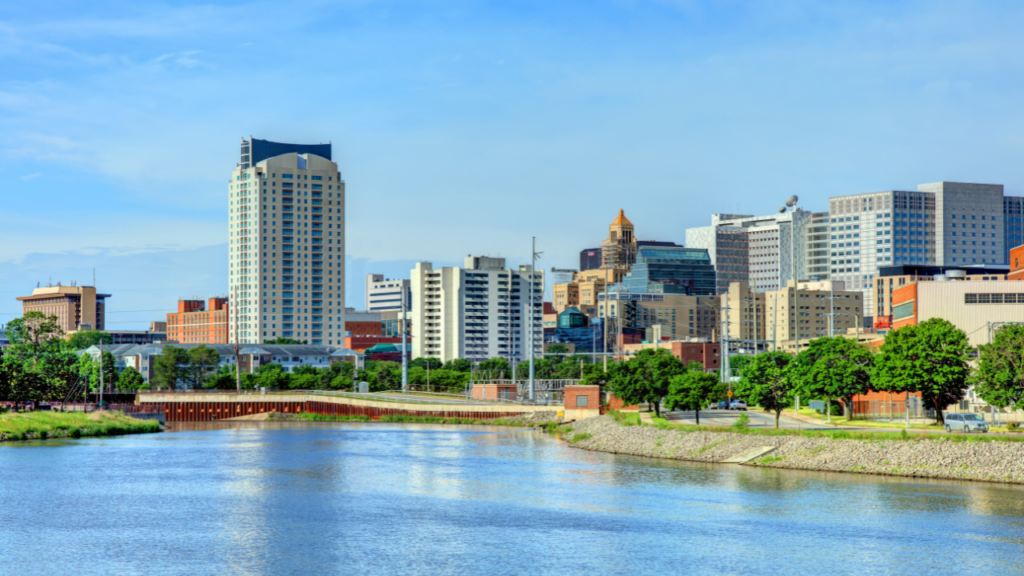
If you’re thinking about moving to Minnesota, there’s a good chance you’ve looked at homes farther outside the Twin Cities. And honestly? A lot of buyers eventually ask the same question: 👉 “What’s it actually like living in the outer Twin Cities suburbs?” Because many people want:• More space• Newer homes• Larger yards• Lower prices compared to inner suburbs• A quieter lifestyle But they also wonder: 👉 “Will I feel too far away from everything?” This is one of the biggest lifestyle decisions buyers face when moving to Minnesota. Because the outer suburbs offer:👉 A VERY different experience compared to:• Downtown Minneapolis• St. Paul• Inner-ring suburbs You might be wondering: • What counts as an outer suburb?• Are homes cheaper there?• Is the commute difficult?• Do families prefer outer suburbs?• Is there enough shopping and entertainment?• What are the pros and cons? These are smart questions. Because outer suburban living works REALLY well for some buyers… 👉 And feels frustrating for others. The key is understanding:👉 What daily life actually feels like. The Short Answer 👉 Living in the outer Twin Cities suburbs usually offers:• More space• Newer developments• Larger homes• Quieter neighborhoods• More suburban-family lifestyle But it may also mean:• Longer commutes• More driving• Less urban convenience• Farther access to entertainment and jobs The best fit depends on:👉 Your lifestyle and priorities. 🏡 What Are Considered Outer Twin Cities Suburbs? Outer suburbs are communities farther from the immediate Minneapolis/St. Paul metro core. Examples may include areas like:• Lakeville• Blaine• Rogers• Otsego• Dayton• Elko New Market• Chaska• Prior Lake• Hugo• Ramsey• Victoria These areas often sit:👉 30–60+ minutes from downtown depending on traffic. And they continue growing rapidly because buyers want:👉 More affordability and space. 🏡 What Do the Outer Suburbs Feel Like? Outer suburbs often feel:👉 More spacious and residential. You’ll notice:• Newer developments• Larger homes• Wider roads• More open land nearby• Less density• Quieter neighborhoods Many buyers describe outer suburban living as:👉 Slower-paced and family-oriented. Compared to inner-ring suburbs:👉 Life often feels less hectic. 🏡 Why Buyers Move to Outer Suburbs This is one of the biggest trends in Minnesota. Many buyers move outward because they want:• More home for the money• Larger yards• Newer construction• Better affordability• More suburban atmosphere Especially families who feel:👉 Inner suburbs are becoming too expensive. Outer suburbs often provide:👉 More space and newer housing options. 🏡 Home Prices and Value This is one of the biggest advantages. Compared to inner-ring suburbs: 👉 Outer suburbs may offer:• Larger homes• Newer homes• Bigger lots• More square footage For similar pricing. That’s one reason:👉 Move-up buyers often head farther outward. Many buyers compare:👉 Smaller inner-suburb homes Versus:👉 Larger outer-suburb homes. And outer suburbs often win on:👉 Space and value. 🏡 What Are the Neighborhoods Like? Outer suburban neighborhoods often feel:👉 Newer and more residential. You’ll commonly see:• New construction communities• Master-planned neighborhoods• Sidewalks and trails• Larger garages• Family-oriented developments Many neighborhoods feel:👉 Designed specifically for suburban-family living. 🏡 Is It Good for Families? Honestly? 👉 Outer suburbs are EXTREMELY popular with families. Families often love:• More space• Newer homes• Parks and trails• Neighborhood communities• Quieter streets Many buyers specifically move outward because:👉 They want more room for kids and daily life. 🏡 What About Schools? School preferences vary heavily by:👉 Specific district and location. But many outer suburban communities attract families partly because:👉 Buyers prioritize school systems and family-oriented environments. This becomes a major reason:👉 Families expand their home search farther from the city. 🏡 What About Commutes? This is the BIG tradeoff. Outer suburbs usually mean:👉 Longer commutes. Depending on your work location:👉 Commute times may increase significantly. Especially during:• Rush hour• Winter weather• Highway congestion Some buyers are comfortable with that. Others quickly realize:👉 Daily driving becomes exhausting. 🏡 How Much Driving Happens? Usually:👉 More than inner suburbs. You may drive farther for:• Restaurants• Entertainment• Work• Specialty shopping• Events Outer suburban life is often:👉 More car-dependent. That’s important to understand before moving. 🏡 What About Shopping and Convenience? Outer suburbs today offer:👉 MUCH more convenience than they used to. Many growing communities now have:• Target• Costco• Grocery stores• Restaurants• Fitness centers• Coffee shops However: 👉 Inner suburbs still generally offer:• More variety• Shorter access times• More entertainment options Outer suburban life still feels:👉 Less urban and more residential. 🏡 Which Lifestyle Feels Busier? Inner suburbs and city areas usually feel:👉 Busier and faster-paced. Outer suburbs feel:👉 More calm and spread out. Many buyers LOVE:👉 The quieter atmosphere. Especially people leaving:• Dense urban environments• High-traffic areas• More crowded communities 🏡 What About New Construction? Outer suburbs dominate here. Many buyers looking for:👉 New construction homes End up focusing on:👉 Outer suburban communities. Why? Because:👉 Land availability is higher. That allows builders to create:• New developments• Larger homes• Modern layouts• Expanding neighborhoods This is a HUGE reason buyers move outward. 🏡 What About Winter Living? Minnesota winters affect outer suburbs differently. You may experience:• Longer snowy commutes• More highway driving• Heavier winter travel time However: 👉 Many buyers still prefer outer suburban life despite winter driving. Because:👉 They value the space and lifestyle. 🏡 What Type of Buyer Usually Likes Outer Suburbs? Outer suburban living often attracts:• Growing families• Move-up buyers• New construction buyers• People wanting more space• Buyers leaving expensive inner suburbs Especially buyers prioritizing:👉 Home size and suburban lifestyle. 🏡 What Type of Buyer May NOT Like Outer Suburbs? Outer suburbs may feel difficult for buyers who want:• Walkability• Nightlife• Short commutes• Quick urban convenience• Dense city activity Those buyers often prefer:👉 Inner suburbs or urban neighborhoods. 🏡 Real Situation I See Often A buyer initially wants:👉 An inner-ring suburb. But after seeing:• Home prices• Smaller lots• Older homes They start exploring:👉 Outer suburban communities. Suddenly they realize:👉 They can afford:• More space• Newer homes• Bigger yards But then they must decide:👉 Is the longer commute worth it? That’s the REAL lifestyle question. 🏡 Outer Suburbs vs Inner Suburbs Outer Suburbs Usually offer:👉 More space and newer housing. Inner Suburbs Usually offer:👉