
What Should I Do Immediately After Buying a Home in Minnesota?
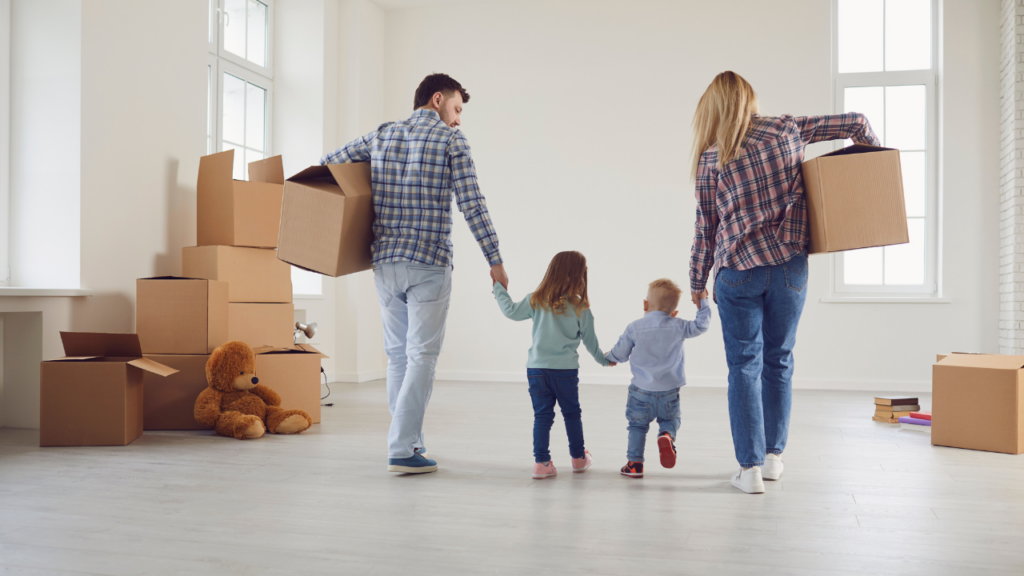
A first-time buyer called me the evening of her closing day. She had signed the papers. She had gotten the keys. She had stood in the driveway of her new home in Burnsville for a long moment just taking it in. And then she called me with a question that I have heard in some version from almost every first-time buyer I have ever worked with. “Okay, Lesley. I own a home now. What do I actually do next?” It is a completely reasonable question that almost nobody prepares buyers for. The entire homebuying process is focused on getting to closing day. The education, the preparation, the advice, the checklists, all of it points toward that moment when you sign the final document and receive the keys. What happens after that moment is largely left to the buyer to figure out on their own. The first few weeks after closing are genuinely important. There are practical tasks that need to happen in a specific order. There are safety steps that are easy to overlook in the excitement of moving in. And there are financial and administrative items that buyers who skip them sometimes discover they needed to handle much earlier than they realized. Here is a clear and practical guide to what to do immediately after buying a home in Minnesota. The Very First Thing: Change Your Locks Before you do anything else, before you unpack a single box, before you hang a single picture, change the locks on every exterior door of your home. This sounds like an obvious step but it is one that a surprising number of buyers skip or delay, and it is genuinely important for your security. When you close on a home, you receive keys from the seller. But you have absolutely no way of knowing how many copies of those keys exist and who has them. Previous owners, former tenants, contractors who worked on the home, neighbors who were given a spare, family members of previous owners who visited regularly. Any of them might have a key to your new home, and most of them have no idea you just moved in. Changing your locks is inexpensive. A standard deadbolt replacement runs between twenty and sixty dollars per lock at a hardware store, and installing it is a straightforward DIY task for most homeowners. A locksmith can do the job for all your exterior doors in an afternoon if you prefer professional installation. This single step gives you complete certainty that you are the only person with keys to your new home from your first night there. Do not skip it. Locate Your Home’s Critical Systems and Shut-Offs In the first day or two of homeownership, before anything goes wrong, take thirty minutes to walk through your home and locate every critical system and emergency shut-off. Find the main water shut-off valve and make sure you know how to operate it. In Minnesota homes, this is typically located in the basement or mechanical room, often near where the water supply enters the building. Knowing where this is and being able to turn it quickly in a pipe emergency can be the difference between minor water damage and a disaster. Find your electrical panel and confirm that the circuit breakers are labeled accurately. If they are not labeled, spend an afternoon with a helper testing which breaker controls which area of the home and labeling them clearly. This is a frustrating task to do in the middle of an electrical emergency. Find your gas shut-off valve if your home has natural gas service, which most Minnesota homes do given the climate. Know where it is and know the basic principle of how to operate it, though in an actual gas emergency you should leave the home immediately and call the gas company rather than attempting to operate the valve yourself. Find your HVAC system including your furnace and any air conditioning equipment, and locate the filter access point. Knowing where to change your furnace filter is more immediately practical than almost anything else in this list, since Minnesota’s heating season is long and a dirty filter is one of the most common causes of reduced efficiency and premature system failure. Locate your water heater and note its age if it is visible on the unit. Minnesota homes sometimes have aging water heaters that are approaching the end of their useful life, and knowing the age helps you anticipate whether replacement is on the near-term horizon. Set Up Your Utilities Immediately Utility setup is one of the administrative tasks that needs to happen immediately after closing and ideally before or on your move-in day. We cover this in more detail in the next article in this series, but the core principle is simple. Contact your utility providers before your closing date and schedule service to transfer or begin in your name on the day you take possession. In Minnesota, this includes natural gas, electric, water and sewer if separately billed, and trash and recycling service. The specific providers depend on your location. Xcel Energy serves much of the Twin Cities metro for both gas and electric service. CenterPoint Energy handles natural gas in many areas. Some suburban communities have their own municipal water and sewer billing. Your closing documents and your Realtor can confirm which providers serve your specific property. Do not assume utilities will automatically transfer to your name. They will not, and showing up to a home with no heat on a Minnesota winter night is a genuinely miserable experience that is entirely avoidable with a single phone call made before closing. Do a Thorough Documentation Walkthrough In the first few days of homeownership, before life gets busy and you adjust to the new space, do a thorough documentation walkthrough of your entire home and property. Take photos and video of every room, every system, every appliance, every exterior surface, and every area of concern that the inspection identified. Note the current