
What Should I Know Before Buying a Fixer-Upper in Minnesota?
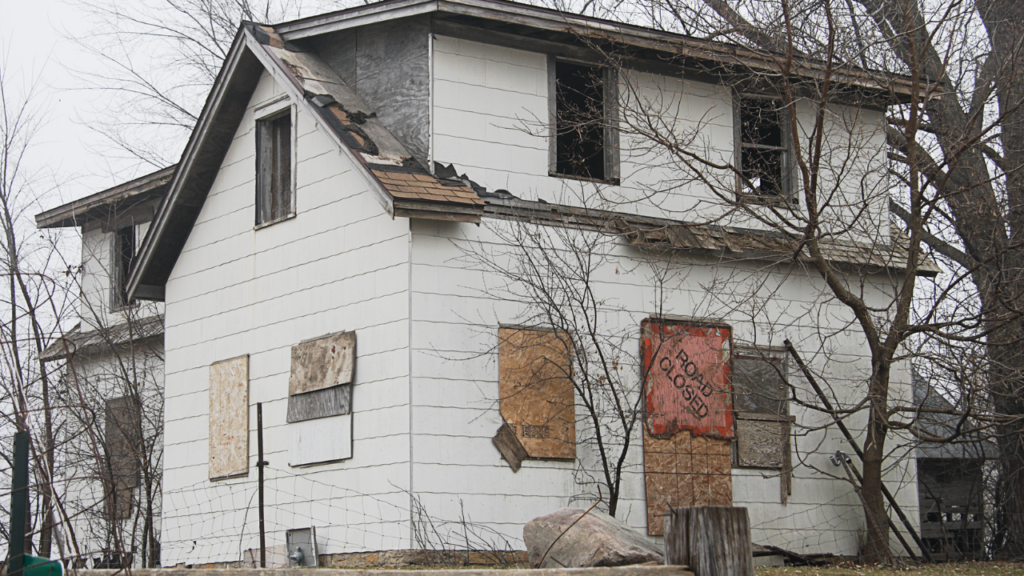
A couple called me last summer with stars in their eyes and a HGTV-shaped vision of what buying a fixer-upper would look like. They had found a house in South Minneapolis that needed work. Real work. The kitchen had not been touched since the Carter administration. The bathrooms were functional but barely. The basement had been partially finished by someone who clearly learned drywall from a YouTube video on a bad connection. And the backyard was less a yard and more an optimistic suggestion of one. But the bones were good. The location was excellent. And the price was low enough that the numbers seemed to make sense on paper. “We’re thinking we can fix it up ourselves on weekends,” the husband told me. “How hard can it really be?” I have heard that question more times than I can count. And I have seen the full range of outcomes it produces, from buyers who genuinely transformed a neglected property into something beautiful and built significant equity in the process, to buyers who badly underestimated what they were taking on and spent two years in a construction zone that cost three times what they projected and strained their relationship in ways they did not anticipate. The difference between those two outcomes is almost never luck. It is almost always preparation. Here is what you genuinely need to know before buying a fixer-upper in Minnesota. What a Fixer-Upper Actually Is and Is Not The term fixer-upper gets applied loosely to a wide range of properties, and being precise about what you are actually considering is the first important step in evaluating whether a specific property makes sense for you. At one end of the spectrum are homes that need primarily cosmetic updates. Fresh paint, new flooring, updated light fixtures, landscaping attention, and similar improvements that are relatively low cost, high impact, and well within the capability of a motivated homeowner with reasonable DIY skills or a modest renovation budget. These properties look rough in listing photos but are fundamentally sound and livable from day one with manageable improvements. At the other end are homes with significant structural, mechanical, or systems issues that require professional remediation. Foundation problems. Outdated knob and tube electrical wiring. Failed or failing plumbing. Roofs at or past the end of their useful life. HVAC systems that need complete replacement. Water intrusion issues with associated mold or structural damage. These are not cosmetic challenges. They are fundamental property conditions that require significant professional expertise and meaningful financial investment to address. Understanding which category any specific property falls into, and being brutally honest with yourself about your skills, your budget, and your timeline before you commit, is the most important thing you can do before making an offer on any fixer-upper. Why Fixer-Uppers Appeal to Minnesota Buyers The appeal of buying a home that needs work is genuine and multifaceted, and it is worth acknowledging honestly because the reasons matter to the decision. Price accessibility is the most common driver. Homes that need significant work typically sell at a discount to comparable move-in ready properties in the same area, reflecting the cost and effort a buyer will need to invest to bring the property up to its full potential. For buyers whose budget does not reach the move-in ready inventory in their preferred neighborhood, a fixer-upper in that same neighborhood at a lower entry price can be a genuinely appealing path to the community they want to be in. Equity building through renovation is another genuine appeal. A buyer who purchases a neglected property below its fully renovated value, invests in improvements that cost less than the value they add, and ends up with a significantly more valuable home than they paid for is executing a legitimate and time-tested real estate wealth-building strategy. Customization is the third major appeal. A fixer-upper gives you the ability to make choices about finishes, layouts, and design that a move-in ready home does not offer without additional renovation cost. Buyers who have strong preferences about how their home looks and functions sometimes prefer the blank canvas of a renovation project to accepting the choices a previous owner made. All three of these appeals are real. All three also come with significant caveats that the excitement of a fixer-upper opportunity sometimes obscures. The True Cost of a Fixer-Upper: Doing the Math Honestly The financial appeal of a fixer-upper depends entirely on whether the actual cost of purchasing and renovating the property, including all the hidden costs and contingency expenses that almost every renovation generates, results in a total investment that is genuinely lower than what a comparable move-in ready property would have cost. This calculation is surprisingly often unfavorable when done honestly, and surprisingly often looks favorable when done with optimism bias rather than realism. The honest version of the calculation requires getting actual contractor estimates for the work needed before you make an offer, not general estimates or guesses based on what you saw on a renovation television show. Real contractors in Minnesota in 2026 will give you real numbers, and those numbers need to form the basis of your financial analysis. The calculation also requires including a contingency budget of twenty to thirty percent above your estimated renovation costs, because virtually every renovation project uncovers additional issues once walls are opened, floors are removed, or plumbing is accessed that add cost and time beyond the original scope. It needs to include carrying costs during the renovation period, meaning the mortgage payments, property taxes, and insurance you pay while the home is not yet livable or while you are living in a construction zone. And it needs to include the value of your time if you are planning to do significant work yourself, because DIY renovation is genuinely free only if your time has zero value, which it does not. When you add all of these factors up honestly and compare the total to what a comparable renovated home would cost in