
What Is It Like Living Near Parks in Minnesota?
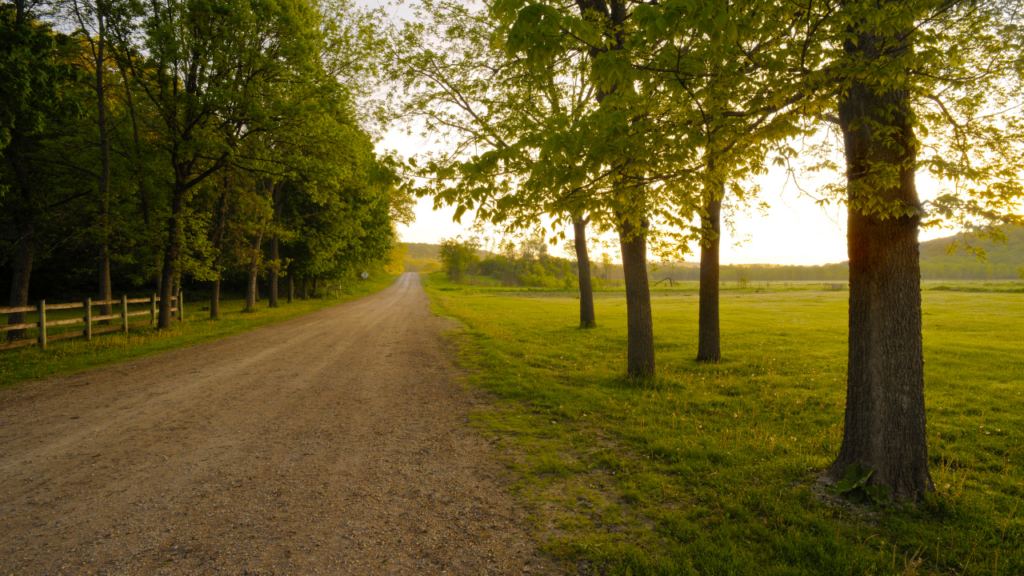
A buyer called me from her rental in Richfield on a Saturday morning with a question that came from a very specific moment in her house-hunting process. She had been touring homes in several different Minneapolis and first-ring suburban neighborhoods over the past few weeks and had visited two homes back to back on the previous Saturday that had produced different experiences she was still processing. The first home was a well-maintained craftsman on a street with no particular natural amenity nearby. The second home was a slightly smaller craftsman on a street that backed directly onto a neighborhood park with a large open grass area, a trail along the edge, and mature trees creating a green wall visible from the rear windows of the home. The second home had felt different to her in a way she was having some difficulty articulating. “I know I should be comparing square footage and condition and all the practical things,” she told me. “But I keep thinking about looking out those back windows and seeing the park. And I keep wondering whether that feeling I had is real and whether it would actually matter to me in daily life or whether it is just the romance of the idea.” Her question is genuinely important and reflects something that buyers who have not lived near a park before have no experiential basis for evaluating. The difference between living near a park and not living near one is not something that shows up in square footage calculations or commute time comparisons. It is a daily quality-of-life difference that accumulates in ways that are subtle, consistent, and over time significantly meaningful. Here is the honest picture of what living near parks in Minnesota actually delivers. The Difference Between Visiting a Park and Living Next to One Most people have visited parks. Most people enjoy parks when they are in them. But living adjacent to a park is a meaningfully different experience from visiting one, and the difference is primarily about access and the integration of the park into daily life rather than about the park itself. When you visit a park, you make a decision to go, you travel to it, you spend time in it, and you return home. It is a recreational activity with a beginning, a middle, and an end. Even when the park is close enough to walk to, the deliberate nature of the visit means it functions as a destination rather than as an extension of your living environment. When you live adjacent to or very near a park, the relationship is entirely different. The park is not a destination. It is an extension of your daily environment that you access without decision or planning and that you are present in as part of the ordinary flow of your day. You look out the kitchen window and see the green of the park while you make coffee. You let the dog out the back door and walk to the park in ninety seconds. You sit on the porch in the evening and hear the sounds of the park, children playing, birds in the trees, the general ambient sound of an outdoor community space, as background to your own evening. This integration produces a quality of daily life that buyers who have lived near parks consistently describe as one of the things they value most about their homes, and that they specifically seek out in subsequent home searches. It is not a feature that shows up on the MLS listing in a way that allows comparison, but it is one that long-term residents of park-adjacent homes mention with genuine and specific enthusiasm when asked what they love about where they live. The Practical Dimensions of Park Proximity Beyond the emotional and quality-of-life dimensions of living near a park, there are specific practical benefits that affect daily life in measurable ways. The access to green space without driving is the most immediate practical benefit and the one that matters most for families with children, for pet owners, and for anyone whose daily life includes regular use of outdoor space for exercise or relaxation. A family with two young children who lives across the street from a park with playground equipment does not need to plan, load the car, drive somewhere, and find parking to give the children an afternoon in a natural outdoor environment. They walk across the street. This frictionless access to outdoor play changes the frequency with which the family actually uses outdoor space, which changes the daily life of the children and the parents in genuinely meaningful ways. Pet owners experience a similar benefit. A dog owner who lives adjacent to a park with a trail or open grass area walks the dog to the park, lets it run, and returns home in twenty minutes without logistics. A dog owner who lives in a neighborhood without nearby park access either walks on sidewalks, drives to a park, or finds creative solutions to the dog’s need for outdoor space and exercise. The cumulative difference in convenience and in the dog’s daily quality of life is significant for households where the dog is a serious family member. The visual presence of green space is itself a practical benefit that affects the daily experience of being at home in ways that are harder to quantify but consistently reported by park-adjacent residents. Looking out a window at green trees, open grass, and the movement of people and nature in a park provides a visual environment that is restorative in a specific psychological way that looking at another house, a parking lot, or a street does not. Research on the psychological benefits of views of nature consistently shows that access to natural views, including through windows, reduces stress, improves mood, and produces measurable wellbeing benefits over time. The Minnesota-Specific Park Experience Minnesota’s park system is one of the most genuinely exceptional in the country, and understanding what parks in Minnesota specifically offer helps