
Should I Upgrade My Kitchen Before Selling in Minnesota?
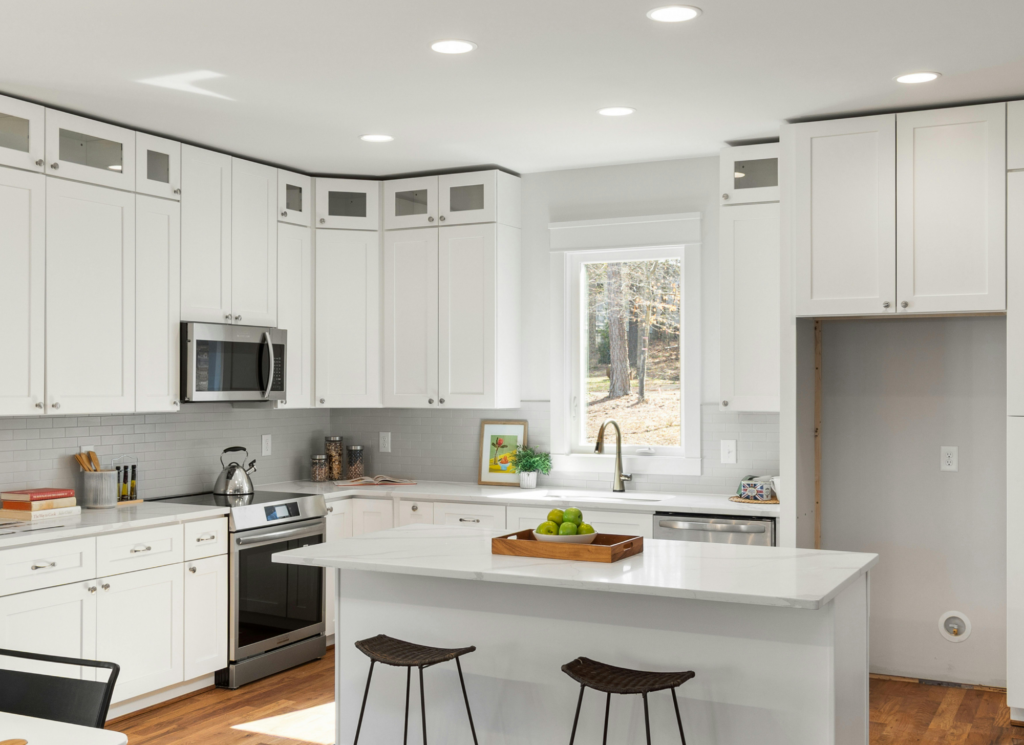
The kitchen sells the house, or so the saying goes, but that does not mean you need a full renovation before you list. In most cases, a full kitchen remodel is not worth the cost before selling. Smaller updates like fresh paint, updated hardware, and addressing anything visibly dated or worn usually offer a better return than a complete renovation. Why the kitchen carries so much weight with buyers The kitchen is one of the first spaces buyers evaluate closely, and it often shapes their overall impression of the home. A dated or poorly maintained kitchen can make buyers mentally subtract money from their offer, even if the rest of the home is in great shape. What a full remodel actually returns at sale Full kitchen remodels are expensive, and they rarely return their full cost at the time of sale. Buyers do not always value your specific design choices the same way you do, and a major renovation right before listing is often money that would be better spent elsewhere or simply reflected in your list price instead. Smaller updates that make a real impact Smaller updates tend to offer a much better return. Fresh paint on cabinets or walls, updated hardware, a modern light fixture, and a deep clean can meaningfully change how a kitchen feels without the cost or timeline of a full remodel. When a bigger update might make sense There are situations where a bigger update makes sense, particularly if your kitchen is genuinely outdated compared to similar homes in your price range and is actively working against your sale. This is a conversation worth having with your agent before deciding either way. Cabinets, counters, and appliances specifically Cabinets, counters, and appliances get the most attention from buyers. If cabinets are in good structural shape, refinishing or repainting is often more cost effective than replacing them. Countertops in poor condition can sometimes be addressed with more affordable material options rather than a full replacement. Appliances that are outdated but functional are usually not worth replacing unless they are visibly broken or mismatched in an obvious way. How condition affects buyer perception more than style Buyers respond more to a kitchen that feels clean, functional, and well maintained than one that is simply the most stylish. A dated kitchen that is spotless and in good repair often outperforms a trendier kitchen that shows signs of neglect. What I recommend before you spend a dollar Before spending money on your kitchen, walk through it with a clear eye, or better yet, walk through it with me. We can identify what is actually holding your kitchen back and decide together whether a small update, a bigger investment, or simply the right pricing strategy makes the most sense for your situation. FAQ Q: Will a full kitchen remodel help me sell faster? A: It might improve buyer interest, but it rarely returns its full cost at sale, so it is not usually the most financially sound choice right before listing. Q: What is the best low cost kitchen update before selling? A: Fresh paint, updated hardware, and a thorough deep clean typically offer the best return for the lowest investment. Q: Should I replace my countertops before listing? A: Not always. If your current counters are in reasonable condition, a full replacement may not be necessary, but we can evaluate your specific situation together. Q: My appliances still work but look old. Should I replace them? A: Usually not, unless they are visibly mismatched or in poor condition. Functional, clean appliances are generally fine to leave as is. Q: How do I know if my kitchen actually needs an upgrade before I sell? A: The best way is to compare your kitchen against similar homes currently on the market in your price range, which I can help you evaluate. If you are trying to decide whether your kitchen needs work before you list, let’s talk it through together. I will help you figure out what is actually worth doing, and what is not, before you spend a dollar.
How Important Is Curb Appeal When Selling a Home in Minnesota?

Buyers decide how they feel about your home before they ever step through the front door. Curb appeal matters a great deal because it sets the tone for every showing that follows. A clean, well maintained exterior tells buyers the rest of the home has likely been cared for too, while a neglected front yard can create doubt before they even see the inside. First impressions happen in seconds Buyer behavior consistently shows that first impressions form within seconds of arriving at a property. That first look sets an emotional tone that colors how a buyer experiences the rest of the showing, even if they do not consciously realize it. What buyers actually notice from the street Buyers notice the condition of the lawn, whether the landscaping looks maintained, the state of the front door and entryway, and whether the exterior of the home looks cared for. Peeling paint, an overgrown yard, or a cluttered porch can create hesitation before a buyer even walks inside. Minnesota’s seasons change what curb appeal looks like Curb appeal looks different depending on the season here. In spring and summer, a mowed lawn, trimmed bushes, and some seasonal color at the entry go a long way. In fall and winter, clean walkways, well maintained snow removal, and simple exterior lighting matter more, since buyers are often viewing homes in shorter daylight hours. Simple, low cost improvements that make a real difference You do not need a full landscaping overhaul to make an impact. Fresh mulch, trimmed edges, a clean front door, updated house numbers, and good exterior lighting are all relatively low cost updates that noticeably improve how a home presents from the street. Where sellers overspend on curb appeal Where sellers sometimes overspend is on major landscaping projects or hardscaping that rarely returns its full cost at sale. Focus on maintenance and small, visible improvements rather than large scale outdoor renovations before you list. How curb appeal affects online photos too Curb appeal is not just about the in person showing. It is also the first photo buyers see online when browsing listings. A strong exterior photo can be the difference between a buyer clicking into your listing or scrolling past it entirely. What I recommend before your first showing Before your first showing, walk up to your home as if you were a buyer seeing it for the first time. Note what stands out, good and bad, and address what you can. Small, consistent maintenance often matters more than any single big project. FAQ Q: Do I need to redo my landscaping before I list? A: Usually not. Focus on maintenance and small, visible improvements rather than a full landscaping overhaul. Q: How much should I spend on curb appeal before listing? A: Most impactful improvements are low cost, things like mulch, trimming, and cleaning up the entryway rather than major projects. Q: Does curb appeal matter as much in winter? A: Yes. Clean walkways, proper snow removal, and good exterior lighting become the most important factors during Minnesota winters. Q: Will curb appeal really affect my online listing photos? A: Yes, your exterior photo is often the first thing buyers see when browsing listings, so it plays a big role in whether they click in for more. Q: What is the single most impactful curb appeal fix? A: A clean, well maintained entryway, including the front door, house numbers, and lighting, tends to make the biggest impression for the least investment. If you want a second opinion on how your home’s exterior will land with buyers, I am happy to walk through it with you before your first showing. Reach out and let’s make sure your home makes the right first impression.
What Are the Most Important Repairs Before Listing My Home?
Not every repair on your list is worth doing before you sell, but a few of them absolutely are. Before listing, focus on repairs that affect safety, function, and first impressions, things like a leaking roof, an aging furnace, plumbing issues, or damaged flooring near entryways. These are the issues buyers and inspectors notice fastest, and they are the ones most likely to slow down or derail a sale later. Why some repairs matter more than others Sellers often want to know if they need to fix everything before listing. The honest answer is no. What matters is prioritizing repairs that affect a buyer’s confidence in the home and the ones most likely to come up during an inspection. Roof, furnace, and major systems come first Major systems carry the most weight. A roof nearing the end of its life, an aging furnace, or a water heater on its last leg are the kinds of issues that make buyers nervous and give them leverage to negotiate. Addressing these before listing, or at minimum having them evaluated so you know their condition, puts you in a much stronger position. Plumbing and electrical issues buyers will not ignore Plumbing leaks, slow drains, and outdated or unsafe electrical work are almost always flagged during a home inspection. These are not cosmetic issues buyers can overlook. Fixing them ahead of time keeps them from becoming a negotiation point after you already have an accepted offer. Flooring and surfaces in high visibility areas Flooring near entryways, kitchens, and bathrooms gets noticed immediately. Damaged, stained, or worn flooring in these high traffic areas can make a buyer question what else has been neglected, even if the rest of the home is in great shape. Small fixes that carry more weight than expected Small things add up. A door that does not close properly, a dripping faucet, or a light fixture that does not work are minor on their own, but a home with several small unresolved issues starts to feel unmaintained to a buyer walking through it. Repairs that usually are not worth doing before listing Not every repair needs to happen before you list. Full remodels, cosmetic updates based purely on personal taste, or major renovations rarely return their full cost at sale. These decisions are better made based on your specific home and market, not a blanket rule. How to decide what your home actually needs The best approach is walking through your home with a professional eye before you list, identifying what genuinely needs attention versus what can be left as is or addressed through pricing and disclosure instead. FAQ Q: Do I need a pre-listing inspection? A: It is not required, but it can help you identify issues before a buyer’s inspector does, giving you the chance to address or plan around them ahead of time. Q: What if I cannot afford to make repairs before listing? A: We can talk through pricing your home to reflect its current condition or offering credits instead of completing repairs upfront. Q: Will buyers walk away over small cosmetic issues? A: Usually not on their own, but several small issues together can affect how a buyer perceives the overall condition of your home. Q: Should I replace my roof before listing if it still has a few years left? A: Not necessarily. We would look at its actual condition and remaining life before deciding if replacement makes sense before you sell. Q: How do I know which repairs are worth the investment? A: I can walk through your home with you and help you prioritize based on what buyers and inspectors are most likely to focus on. If you are getting ready to list and are not sure what repairs are actually worth tackling first, let’s walk through your home together. I will help you prioritize what matters so you are not spending money or energy in the wrong places.