
Can I Back Out of a Home Purchase in Minnesota?

Buyer’s remorse is real, and so is the fear of losing your earnest money, so let’s talk honestly about what actually happens if you need to back out of a home purchase in Minnesota. Whether you can back out without financial consequences depends entirely on your purchase agreement’s contingencies and where you are in the timeline. Before your contingencies are removed, you generally have documented outs. After they are removed, backing out gets expensive fast. Your Purchase Agreement Is the Rulebook In Minnesota, once you and the seller sign a purchase agreement, you have a legally binding contract. That agreement spells out your contingencies, deadlines, and what happens if either side does not follow through. Before you panic about backing out, the very first thing to do is look at what your purchase agreement actually says, because it determines your options far more than general assumptions about real estate ever will. It helps to remember that a purchase agreement is not a one size fits all form. Every deal is negotiated a little differently, which means two buyers in similar situations can end up with very different options for backing out depending on exactly how their contingencies, deadlines, and special provisions were written. That is one more reason to read your own agreement closely rather than relying on what a friend or family member experienced in their own purchase. The Contingencies That Protect You Most Minnesota purchase agreements include contingencies such as a financing contingency, an inspection contingency, and sometimes an appraisal contingency. These exist specifically so you have documented, legitimate ways to exit the contract without forfeiting your earnest money, as long as you act within the deadlines your agreement sets. This is exactly why contingencies matter so much when you write your offer in the first place, not just as boilerplate language. Backing Out Before Contingencies Are Removed If you are still inside your inspection period, financing deadline, or another active contingency, you generally have the right to cancel the purchase agreement based on that contingency without losing your earnest money, as long as your reason actually falls within what the contingency covers. An inspection contingency, for example, lets you back out over problems the inspection reveals, not simply because you changed your mind about the neighborhood. Backing Out After Contingencies Are Removed Once contingencies are satisfied or waived, and especially once you have signed off that you are moving forward, backing out becomes much harder and much more expensive. At that point, you are typically in breach of contract if you refuse to close, which can mean forfeiting your earnest money and, in some cases, being pursued for additional damages the seller suffered as a result. What Happens to Your Earnest Money Earnest money is meant to show the seller you are serious, and it is the first thing at risk if you back out without a contractual right to do so. If you cancel within a valid contingency, your earnest money is typically returned to you. If you cancel outside of your contingencies, the seller may have a legitimate claim to keep it, and in Minnesota that can sometimes require mediation or even legal action if you and the seller cannot agree on where the money goes. Earnest money is usually held by a title company or in a broker’s trust account, not by the seller directly, which is a helpful protection for both sides. Neither party can simply decide to release the funds on their own. When there is a dispute over who should receive the earnest money, it typically stays held until both sides agree in writing or the matter is resolved through mediation, which is one more reason a clean, well documented cancellation matters so much. Cold Feet vs a Real Reason There is a real difference between getting a concerning inspection report or losing your financing versus simply feeling nervous about such a big decision. Nerves before a major purchase are completely normal and do not, by themselves, give you a contractual right to walk away without consequence. This is exactly why taking your contingency periods seriously, and using them to genuinely evaluate the home and your finances, matters so much. How to Back Out the Right Way If You Need To If you do need to back out, talk to your real estate agent immediately, not the seller directly. Your agent, and when needed a real estate attorney, will help you understand exactly what your purchase agreement allows and will handle the cancellation properly in writing, with the correct documentation, so you are protected rather than exposed. Timing matters just as much as the paperwork itself. Contingency deadlines are usually specific dates, not general windows, so canceling a day or two late, even for a completely legitimate reason, can weaken your position. If you know you are leaning toward backing out, do not wait until the deadline to start the conversation with your agent. Give yourself time to review the agreement carefully and put the cancellation in writing before the clock runs out. Frequently Asked Questions Will I lose my earnest money if I back out? It depends on whether you are backing out within a valid, active contingency. If you are, your earnest money is typically protected. If you are backing out outside of your contingencies, it is at risk. Can I back out because I found a home I like better? Not without risking your earnest money and potentially more, unless you happen to still be within an active contingency period and can document a legitimate reason tied to that contingency. What if my financing falls through? This is exactly what a financing contingency is for. If your loan is denied within the timeline your purchase agreement sets, you generally have the right to cancel and have your earnest money returned. Can the seller sue me for backing out? It is possible, particularly if you back out after contingencies are removed and the seller experiences financial losses as
🏡 What Is a Purchase Agreement in Minnesota?
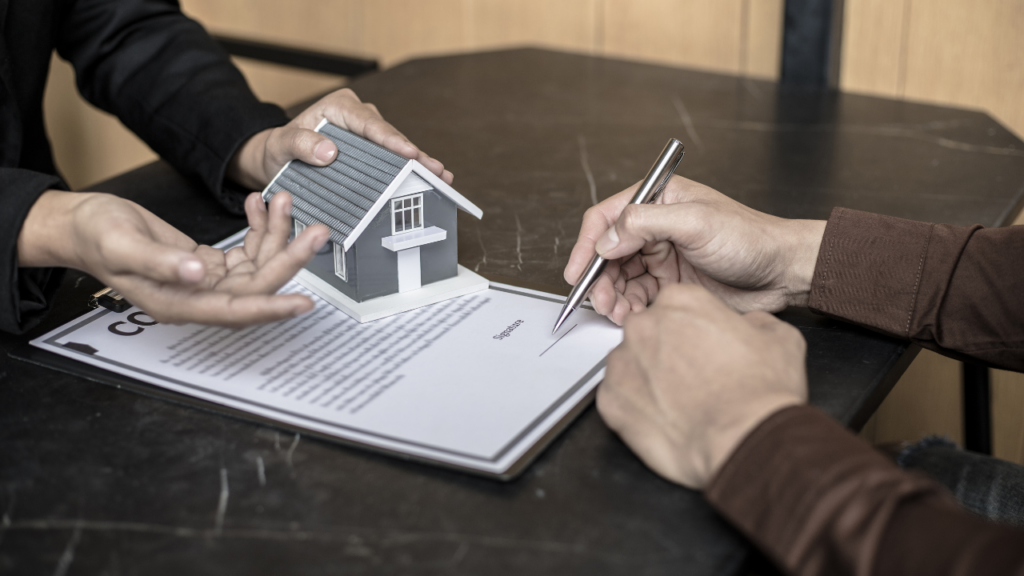
If you’re getting ready to buy a home in Minnesota, there’s one document that controls almost everything in your transaction: 👉 The purchase agreement And when buyers hear that for the first time, they usually think: 👉 “Is this just paperwork… or is this something serious?” The answer is simple: 👉 It’s one of the most important parts of the entire process. Because once the purchase agreement is signed and accepted: 👉 You are officially under contract to buy the home That’s the moment where things shift from: 👉 “I’m interested in this house” to 👉 “I am legally committing to buy this house” And that’s why it’s so important to understand what this document actually does. You might be wondering: • What exactly is in a purchase agreement?• Is everything negotiable?• What happens after I sign it?• Can I still back out later? These are all smart questions. Because the truth is: 👉 The purchase agreement is not just paperwork 👉 It’s the foundation of your entire home purchase The Short Answer 👉 A purchase agreement is a legal contract between a buyer and a seller 👉 It outlines: • The price of the home• The terms of the deal• The timeline• The contingencies• What is included in the sale 👉 Once both parties sign: 👉 It becomes legally binding 👉 That means: 👉 You cannot simply walk away without consequences unless you are protected by contingencies What the Purchase Agreement Actually Does Let’s simplify this. 👉 The purchase agreement answers one core question: 👉 “What exactly are we agreeing to?” It clearly defines: • What property is being purchased• How much is being paid• When everything will happen• What conditions must be met 👉 Without a purchase agreement: 👉 There is no official deal This is the document that turns a conversation into a contract. When the Purchase Agreement Happens The purchase agreement is created: 👉 When you submit an offer on a home At that point: 👉 It represents YOUR terms to the seller The seller can: • Accept it• Reject it• Counter it Once both parties agree and sign: 👉 You are officially under contract 👉 This is when the timeline begins What’s Included in a Minnesota Purchase Agreement Now let’s break down what’s actually inside the agreement. This is where buyers need clarity. ✔️ 1. Purchase Price This is the amount you are offering to pay for the home. It may include: • Your initial offer• Counteroffer adjustments• Final agreed price 👉 This is usually the headline number But it’s not the only thing that matters. ✔️ 2. Earnest Money The agreement will specify: 👉 How much earnest money you are putting down 👉 When it must be delivered This shows the seller: 👉 You are serious about buying It also becomes part of your total funds at closing. ✔️ 3. Contingencies These are one of the most important parts of the agreement. They protect you by allowing you to cancel or renegotiate under certain conditions. Common contingencies include: • Inspection contingency• Financing contingency• Appraisal contingency 👉 These give you flexibility and protection ✔️ 4. Closing Date This is the target date when: 👉 Ownership officially transfers to you Typical timeline: 👉 30 to 45 days after acceptance This date is important for: • Moving plans• Loan timelines• Seller coordination ✔️ 5. Included Items This section outlines: 👉 What stays with the home after closing Examples include: • Kitchen appliances• Light fixtures• Built-in shelving• Window treatments (sometimes) 👉 This is one of the most commonly misunderstood areas Real Scenario A buyer assumes the washer and dryer are included. But they are not listed in the agreement. 👉 The seller removes them 👉 The buyer has no claim 👉 This is why this section matters ✔️ 6. Possession Details This answers: 👉 When do you actually move in? Most of the time: 👉 Possession happens on closing day But sometimes: • The seller stays temporarily (rent-back)• Possession is delayed 👉 This must be clearly defined ✔️ 7. Seller Disclosures The agreement references disclosures provided by the seller. These may include: • Known issues with the home• Past repairs• Legal disclosures 👉 This helps you understand the property condition Why the Purchase Agreement Matters So Much This is not just a form you sign and move past. 👉 It controls: • Your rights as a buyer• Your responsibilities• The timeline of the deal• What happens if something goes wrong 👉 If there is ever a dispute: 👉 The purchase agreement is what everyone refers back to What Happens After the Agreement Is Signed Once both parties sign: 👉 The process moves forward You’ll go through: • Inspection• Appraisal• Loan approval• Final walkthrough• Closing 👉 Every step is guided by the terms in the agreement Can You Change the Agreement Later? Yes—but only under one condition: 👉 Both parties must agree Changes are made through: 👉 Amendments Examples include: • Repair agreements after inspection• Closing date adjustments• Price renegotiation after appraisal 👉 Nothing changes automatically What Happens If You Don’t Understand Something? This is where buyers need to slow down. 👉 You should NEVER sign something you don’t understand Because once you sign: 👉 You are legally committed 👉 This is why your agent walks you through each section A Real Situation I See Often A buyer rushes to submit an offer in a competitive market. They focus only on: 👉 The price Later, they realize: 👉 The closing date doesn’t match their moving timeline 👉 Now they have to scramble to adjust 👉 This could have been avoided with a careful review Common Mistakes Buyers Make ❌ Skimming the agreement too quickly ❌ Not asking questions ❌ Focusing only on price ❌ Ignoring timelines and details 👉 These mistakes can create stress later in the process Who Needs to Pay Extra Attention This is especially important for: • First-time buyers• Immigrant buyers• Out-of-state buyers 👉 Because the process may feel unfamiliar A Simple Way to Think