
How Do I Evaluate the Long-Term Value of a Home as an Immigrant Buyer in Minnesota?
Buying a home is one of the biggest financial decisions most people will ever make. For immigrant homebuyers, the decision often carries even more significance. You’re not just purchasing a place to live. You’re building stability. Creating roots. Establishing a future for your family. And often, you’re making an investment that you hope will grow in value over time. That’s why many immigrant buyers ask me a very important question: “How do I know if a home will be a good investment?” As a Minnesota real estate agent, I’ve worked with buyers who were excited about beautiful kitchens, finished basements, and large backyards. Those features matter. But when evaluating long-term value, there’s much more to consider. The truth is that nobody can guarantee exactly how much a home will be worth five, ten, or twenty years from now. Real estate markets change. Economic conditions shift. Neighborhoods evolve. However, there are certain factors that consistently influence a home’s long-term value. Understanding those factors can help you make a smarter decision today. Let’s explore what immigrant homebuyers should look for when evaluating the long-term value of a home in Minnesota. What Does Long-Term Value Mean? When people talk about long-term value, they’re usually referring to a home’s ability to: A home doesn’t need to double in value overnight to be a successful investment. Often, steady appreciation over many years creates significant wealth for homeowners. The goal isn’t finding a perfect investment. The goal is making a well-informed purchase. Location Still Matters More Than Almost Anything Else You’ve probably heard the phrase: “Location, location, location.” There’s a reason real estate professionals repeat it so often. The location of a home often influences long-term value more than any feature inside the property. You can remodel a kitchen. You can replace flooring. You can update bathrooms. But you cannot move the property. When evaluating location, consider: These factors often play major roles in future buyer demand. Look for Communities Experiencing Growth Growing communities often attract homebuyers. Growth may include: Examples of Minnesota communities that have experienced significant growth over the years include: Growth alone doesn’t guarantee appreciation. But communities attracting new residents often generate housing demand. Employment Centers Matter People generally prefer living near jobs. When evaluating long-term value, consider proximity to: Communities with strong employment access often maintain steady buyer interest. Even buyers working remotely today may value flexibility in the future. School Districts Can Influence Demand Even if you don’t have children, schools can affect long-term value. Many buyers prioritize school districts when searching for homes. As a result, homes located within desirable school districts often attract strong buyer demand. That demand may support future resale opportunities. School quality shouldn’t be your only consideration. But it’s certainly worth evaluating. Pay Attention to Transportation Access Convenience matters. Many buyers value access to: Homes with convenient transportation options often remain attractive to future buyers. Long commutes can become a deterrent. Accessibility frequently supports long-term demand. Neighborhood Stability Is Important When evaluating long-term value, ask: Is this neighborhood stable? Look for signs such as: Stable neighborhoods often attract buyers year after year. That consistency can support property values over time. Don’t Focus Only on the House This is a mistake many buyers make. They fall in love with: Those things are easy to change. Instead, pay attention to factors that are harder to alter: Lot size Neighborhood quality Location School district Community amenities These characteristics often influence long-term value more than cosmetic features. Consider the Home’s Functional Layout Trends come and go. However, functional homes tend to remain desirable. Features many buyers consistently value include: Highly unusual layouts may appeal to fewer buyers later. A home that works well for many households often has broader resale appeal. New Construction vs Older Homes Many immigrant buyers ask whether newer homes appreciate more than older homes. The answer isn’t simple. Both can perform well. A newer home may offer: An older home may offer: The surrounding community often matters more than the age of the home itself. Watch for Over-Improvement Sometimes buyers become focused on luxury features. While upgrades can be beneficial, it’s important not to overpay for features that exceed neighborhood expectations. For example: The most expensive home in a neighborhood doesn’t always appreciate the fastest. Understanding neighborhood price ranges helps maintain perspective. Minnesota Weather Should Influence Your Evaluation Minnesota’s climate is demanding. Long-term value is often supported by homes that perform well during: Pay attention to: Roofing condition Insulation quality Drainage systems Windows Heating systems These factors affect both comfort and future maintenance expenses. Community Amenities Matter Many buyers value access to: Communities offering strong amenities often remain attractive over time. Amenities contribute to quality of life, which influences buyer demand. Future Development Can Influence Value Before purchasing, investigate: Future development can sometimes create positive opportunities. It may also introduce changes buyers should understand before purchasing. Research is important. Think About Future Buyers One of the smartest things a buyer can do is think like a future buyer. Ask yourself: Would someone else want this home five years from now? Ten years from now? Common characteristics that often attract future buyers include: Broad buyer appeal can support future resale opportunities. Emotional Decisions Can Be Costly Buying a home is emotional. That’s normal. But emotional decisions should be balanced with objective analysis. Instead of asking only: “Do I love this house?” also ask: “Will other buyers likely love this house in the future?” That question often leads to better long-term decisions. Questions Immigrant Buyers Should Ask Before purchasing, consider: Is the neighborhood growing? Are jobs nearby? How strong is buyer demand in this area? Does the home have broad appeal? Will this property fit my future plans? The answers can help you evaluate long-term potential. Common Mistakes Immigrant Buyers Make Focusing Only on Price Value matters more than price alone. Ignoring Location Location remains critical. Following Trends Blindly Trends change quickly. Overlooking Future Resale Appeal Think beyond your personal preferences. Making Emotional Decisions Without Analysis Balance
What Neighborhoods Are Best for Newcomers Moving to Minnesota?
Moving to a new country is exciting. It’s also overwhelming. When immigrant families decide to buy a home in Minnesota, one of the biggest questions isn’t about mortgage rates or down payments. It’s about location. More specifically: “Where should we live?” As a Minnesota real estate agent, I’ve worked with immigrant families from many different countries and backgrounds. While every family is unique, most newcomers share similar concerns. They want a neighborhood that feels welcoming. They want access to jobs. They want safe communities. They want good schools. They want convenience. And they want confidence that they’re making the right decision for their future. The challenge is that Minnesota has hundreds of neighborhoods and dozens of cities throughout the Twin Cities metro area alone. There isn’t one perfect neighborhood for every newcomer. The best neighborhood depends on your lifestyle, budget, family size, employment situation, and long-term goals. However, there are certain communities that consistently attract newcomers because they offer a strong combination of affordability, opportunity, diversity, and quality of life. Let’s explore what makes a neighborhood newcomer-friendly and which Minnesota communities many immigrant buyers choose when starting their homeownership journey. What Makes a Neighborhood Good for Newcomers? Before looking at specific locations, it’s important to understand what many immigrant families prioritize. The most common factors include: A neighborhood doesn’t need to excel in every category. But the best newcomer communities usually perform well across several of these areas. Diversity Often Matters One thing I hear frequently from immigrant buyers is: “We’d like to be somewhere where we don’t feel completely alone.” That’s understandable. Moving to a new country often involves adjusting to: Communities with diverse populations can sometimes make this transition easier. They may offer: Many newcomers appreciate having access to familiar resources while adapting to life in Minnesota. Brooklyn Park Brooklyn Park is one of the communities many immigrant families consider. Why? Because it offers a combination of: Brooklyn Park has become home to residents from many different backgrounds. Buyers often appreciate the range of housing options available at various price points. For families seeking affordability combined with accessibility, Brooklyn Park frequently appears on the shortlist. Brooklyn Center Brooklyn Center is another community that often attracts first-time and immigrant homebuyers. Advantages include: Many buyers appreciate being close to employment centers while maintaining reasonable housing costs. Fridley Fridley offers an appealing balance between suburban living and urban accessibility. Benefits include: For buyers who want proximity to both Minneapolis and suburban amenities, Fridley can be worth exploring. Columbia Heights Columbia Heights remains popular among buyers seeking affordability close to Minneapolis. The community offers: Many newcomers appreciate the ability to remain close to urban employment opportunities while pursuing homeownership. Richfield Richfield often appeals to buyers who want central access to the Twin Cities. The location provides: For families who travel frequently or commute throughout the metro area, Richfield offers significant convenience. Maple Grove For buyers with larger budgets, Maple Grove frequently becomes a strong contender. Reasons include: Many families appreciate the combination of suburban living and modern development. Maple Grove continues to attract newcomers from across the country and around the world. Woodbury Woodbury has experienced tremendous growth over the years. Today it remains one of the most popular suburban communities in Minnesota. Buyers often appreciate: Woodbury offers options ranging from starter homes to luxury properties. Lakeville Lakeville consistently attracts growing families. Reasons include: Many immigrant buyers looking for long-term family homes find Lakeville appealing. Blaine Blaine has become one of the fastest-growing communities in the Twin Cities. Benefits include: For buyers seeking growth and opportunity, Blaine frequently deserves consideration. Cottage Grove Cottage Grove continues attracting buyers looking for value and newer housing opportunities. Many families appreciate: It’s often a strong option for buyers seeking a balance between budget and growth potential. Consider Your Workplace One mistake newcomers sometimes make is focusing exclusively on the house. The commute matters too. A beautiful home can become frustrating if you’re spending hours commuting every week. Before choosing a neighborhood, consider: Where do I work? How often do I commute? Do I work remotely? Might my employment location change? The answers should influence your neighborhood search. School Considerations Even buyers without children should understand how schools affect neighborhoods. School district reputation often influences: Families with children should carefully evaluate educational options. But even buyers without school-aged children may benefit from understanding how schools impact housing markets. Transportation and Accessibility Transportation needs vary. Some newcomers prioritize: Others focus more heavily on: There is no universal right answer. The best neighborhood supports your specific lifestyle. Don’t Focus Only on Today’s Needs One of the most important pieces of advice I give immigrant buyers is this: Think beyond today. Ask yourself: Will my family grow? Could my income increase? Might I change jobs? Will I need more space later? Buying a home is often a long-term decision. Choosing a neighborhood that supports future goals can be just as important as meeting current needs. Visit Communities in Person Online research is helpful. But it has limits. I strongly encourage buyers to: The feeling of a neighborhood is difficult to understand from photographs alone. Many buyers change their opinions after visiting communities in person. Common Mistakes Newcomers Make Following Someone Else’s Advice Without Research What works for one family may not work for another. Choosing Based Only on Price Affordability matters, but lifestyle matters too. Ignoring Commute Times Transportation affects daily quality of life. Overlooking Future Needs Think long-term. Limiting Neighborhood Options Too Early Some of the best opportunities exist in communities buyers initially overlook. FAQ What is the best city in Minnesota for immigrants? There isn’t one best city. Communities such as Brooklyn Park, Maple Grove, Woodbury, Lakeville, Blaine, Richfield, and Fridley are frequently considered by immigrant buyers. Where do many immigrant families buy homes? Many purchase homes in diverse suburban communities offering affordability, accessibility, and family-friendly environments. Are suburbs better than Minneapolis for newcomers? Not necessarily. The right choice depends on lifestyle, work location, budget, and personal
How Do I Choose Between Living in the City or the Suburbs in Minnesota?
One of the most important decisions immigrant homebuyers make isn’t just what house to buy. It’s where to buy it. As a Minnesota real estate agent, I’ve worked with many immigrant families who begin their home search focused on bedrooms, bathrooms, and price. But after viewing a few homes, the conversation often changes. Instead of asking: “How many bedrooms does this house have?” they begin asking: “Should we live in Minneapolis or a suburb?” “Would the suburbs be better for our family?” “Will I regret moving too far from the city?” These are excellent questions because your location affects your daily life just as much as the home itself. The truth is that neither city living nor suburban living is automatically better. Each offers advantages and trade-offs. The best choice depends on your lifestyle, family needs, work situation, budget, and long-term goals. Let’s explore how immigrant homebuyers can make the right decision. Why This Decision Matters So Much A house can be changed. You can remodel a kitchen. Finish a basement. Paint walls. Upgrade flooring. But changing location is much harder. That’s why choosing the right community is one of the most important parts of the homebuying process. Your location affects: Many buyers spend more time comparing homes than comparing locations. Often, the opposite approach is more beneficial. What Do We Mean by “City Living”? In Minnesota, city living often refers to areas such as: These locations tend to offer: Homes may include: City living appeals to many different buyer groups. Benefits of Living in the City There are several reasons immigrant buyers choose urban areas. Shorter Commutes For buyers working downtown or near major employment centers, city living may significantly reduce travel time. Less time commuting often means: For many professionals, this convenience is extremely valuable. More Public Transportation Options Minnesota’s public transportation system is strongest in urban areas. Residents often have easier access to: This can reduce dependence on personal vehicles. For newcomers adjusting to life in Minnesota, having transportation options can be beneficial. Cultural Diversity Many immigrant families appreciate living in communities with diverse populations. Certain Minneapolis and St. Paul neighborhoods offer: For families seeking familiar cultural connections, urban areas can provide important resources. Greater Walkability Many city neighborhoods offer convenient access to: Some residents enjoy being able to complete daily activities without driving long distances. Challenges of City Living Urban living isn’t perfect for everyone. There are trade-offs. Higher Housing Costs in Some Areas Popular neighborhoods may command premium prices. Smaller Lots Many urban homes sit on smaller parcels of land. Limited Parking Parking may be more challenging in some locations. Increased Activity Some buyers prefer quieter environments. The right fit depends on personal preference. What Do We Mean by “Suburban Living”? Suburban living typically refers to communities surrounding Minneapolis and St. Paul. Examples include: Suburbs often provide a different lifestyle experience. Benefits of Living in the Suburbs Many immigrant families ultimately choose suburban communities. Here’s why. More Space One of the biggest advantages is space. Suburban homes often offer: For growing families, this can be very attractive. Newer Housing Options Many newer developments are located in suburban communities. Buyers may find: For families wanting newer homes, suburbs often provide more choices. Family-Oriented Communities Many suburbs emphasize: Families frequently appreciate these amenities. Less Congestion While every community is different, suburban areas often provide: Some buyers value this slower pace of life. Challenges of Suburban Living Suburban living also comes with trade-offs. Longer Commutes Depending on your workplace, commuting may take more time. Greater Dependence on Vehicles Many suburban residents drive frequently. Fewer Public Transportation Options Transit access is often more limited compared to urban areas. Distance From Urban Amenities Restaurants, entertainment, and cultural attractions may require more travel. Again, these factors affect buyers differently. What About Schools? For families with children, schools often influence the decision. Many suburban districts are highly regarded. However, Minnesota also has excellent urban schools, charter schools, and specialty programs. Rather than assuming one option is superior, evaluate schools based on your family’s specific needs. How Budget Affects the Decision Budget often plays a major role. In some situations: A suburban home may provide: for the same price as a smaller urban property. In other situations, city neighborhoods may provide better affordability. Market conditions constantly change. This is why buyers should compare actual options rather than relying on assumptions. Think About Your Daily Routine One of the best exercises is imagining your typical week. Ask yourself: Where do I work? How often do I commute? Where do my children attend school? How important is dining and entertainment? How often do I travel? The answers often reveal which environment may be a better fit. Consider Future Plans Don’t focus only on today’s needs. Think about: Family growth Career changes Future relocations Lifestyle goals A location that works today should ideally support your future plans as well. Minnesota Offers Both Options One reason many people love Minnesota is that you don’t have to choose one extreme or the other. Many communities offer a blend of urban and suburban characteristics. Examples include: Richfield St. Louis Park Hopkins Golden Valley Eagan These communities often provide: while maintaining suburban advantages. Questions Immigrant Buyers Should Ask Before choosing city or suburban living, ask: What lifestyle do I want? How important is commute time? Do I want a larger home or greater convenience? How important is cultural access? What environment will make my family happiest? Your answers often point toward the right decision. Common Mistakes Immigrant Buyers Make Following Friends’ Preferences What works for someone else may not work for you. Focusing Only on Home Size Lifestyle matters too. Ignoring Commute Times Transportation affects daily life. Not Visiting Communities Experience neighborhoods firsthand. Thinking Only About Today Consider your long-term plans. FAQ Is Minneapolis better than the suburbs? Neither is universally better. The right choice depends on your lifestyle and goals. Are suburbs cheaper? Sometimes. It depends on the community and housing market. Which option is better for families?
Should I Buy New Construction or a Resale Home as an Immigrant in Minnesota?
One of the biggest decisions immigrant homebuyers face isn’t whether to buy a home. It’s deciding what type of home to buy. As a Minnesota real estate agent, I’ve worked with many immigrant families who arrive at the same crossroads during their home search: “Should we buy a brand-new home or an existing home?” At first glance, the answer may seem obvious. New homes are beautiful. Everything is modern. Nobody has lived there before. But resale homes also offer advantages that many buyers overlook. In reality, there is no universally right answer. The best choice depends on your goals, budget, timeline, lifestyle, and long-term plans. I’ve helped immigrant buyers purchase both new construction and resale homes throughout Minnesota, and I’ve seen families thrive with either option. The key is understanding the trade-offs before making a decision. Let’s walk through the advantages and challenges of each approach so you can decide which path fits your situation best. What Is New Construction? A new construction home is a property that has either: These homes are often located in developing communities throughout Minnesota. Many popular new construction areas can be found in: Builders continue expanding into growing suburbs where land is available for new developments. What Is a Resale Home? A resale home is simply a home that has been previously owned and occupied. Resale homes make up the majority of available housing inventory in Minnesota. These properties range from: The condition, style, and maintenance history vary significantly from property to property. Why Many Immigrant Buyers Like New Construction There are several reasons new construction attracts buyers. Everything Is Brand New This is often the biggest appeal. New homes typically include: Many buyers appreciate knowing they are the first owners. There’s a certain peace of mind that comes with that. Less Immediate Maintenance One concern many immigrant buyers have is unexpected repairs. New construction can help reduce that concern. While no home is completely maintenance-free, major systems are generally new and often covered by builder warranties. This may reduce the likelihood of large repair expenses during the first few years of ownership. Modern Floor Plans Many builders design homes based on current lifestyle preferences. Features often include: For buyers seeking modern living spaces, new construction can be very appealing. Energy Efficiency New homes are often built to current energy standards. This may result in: Given Minnesota’s winters, energy efficiency can be an important consideration. Builder Warranties Many builders provide warranties covering certain components of the home. While warranty coverage varies, this can provide additional reassurance for buyers who are unfamiliar with homeownership responsibilities in the United States. Challenges of New Construction New construction isn’t perfect. There are trade-offs. Higher Purchase Prices New homes often cost more than comparable resale homes. You’re paying for: This can stretch budgets. Landscaping May Be Incomplete One surprise for many buyers is that new homes often don’t include everything they expect. Items that may require additional investment include: These expenses can add up quickly after closing. Longer Timelines If the home isn’t completed yet, construction delays can occur. Weather. Labor shortages. Material delays. Unexpected circumstances. Buyers need flexibility when building a home. Why Many Immigrant Buyers Like Resale Homes Resale homes offer advantages that shouldn’t be overlooked. More Established Neighborhoods Many resale homes are located in mature communities. These neighborhoods often feature: Many buyers appreciate the character and stability of established areas. More Housing Choices The resale market typically offers more variety. Buyers may choose from: This flexibility often expands available options. Potentially Lower Purchase Prices Depending on the market, resale homes may offer more affordability than new construction. This can help buyers allocate funds toward: Immediate Availability Unlike homes still under construction, resale homes are usually ready for occupancy shortly after closing. For families needing housing quickly, this can be a major advantage. Challenges of Resale Homes Of course, resale homes have drawbacks too. Maintenance Needs Older homes may require: Not every home will need repairs immediately, but maintenance becomes a bigger consideration. Older Layouts Some homes were designed decades ago. This may mean: Preferences vary, but some buyers strongly prefer newer designs. Less Energy Efficiency Older homes may not perform as efficiently as newly constructed properties. Utility costs can sometimes be higher. What About Appreciation? Many buyers ask: “Which one appreciates faster?” The truth is that appreciation depends on many factors. Examples include: Both new construction and resale homes can appreciate. The neighborhood often matters more than whether the home is new or old. Minnesota-Specific Considerations Minnesota’s climate creates unique considerations. Winters are demanding. Homes need: Whether you’re buying new construction or resale, it’s important to evaluate how well the property handles Minnesota weather. Which Option Is Better for First-Time Immigrant Buyers? The answer depends on priorities. New construction may be attractive if you: Resale homes may be attractive if you: Neither option is automatically better. The best choice is the one that aligns with your goals. Questions Immigrant Buyers Should Ask Before deciding, ask yourself: How much maintenance am I comfortable handling? Is modern design important to me? How quickly do I need to move? Do I prefer established neighborhoods? What does my budget allow? These questions often clarify the decision. Common Mistakes Immigrant Buyers Make Assuming New Means Perfect New homes can still have issues. Ignoring Post-Closing Costs Landscaping and upgrades can be expensive. Focusing Only on Age Location matters tremendously. Overlooking Neighborhood Quality The community is just as important as the house. Choosing Based on Emotion Alone Balance excitement with practical considerations. FAQ Is new construction better than resale? Not necessarily. Both offer advantages depending on your goals. Are new homes more expensive? Often yes, although pricing varies by location and market conditions. Do resale homes require more maintenance? Generally, older homes may require more upkeep over time. Are builder warranties valuable? Many buyers appreciate the added protection, especially during early ownership. Can resale homes appreciate just as much as new homes? Absolutely. Appreciation depends heavily on location and market demand. What
What Is It Like Living Near Major Highways in Minnesota?
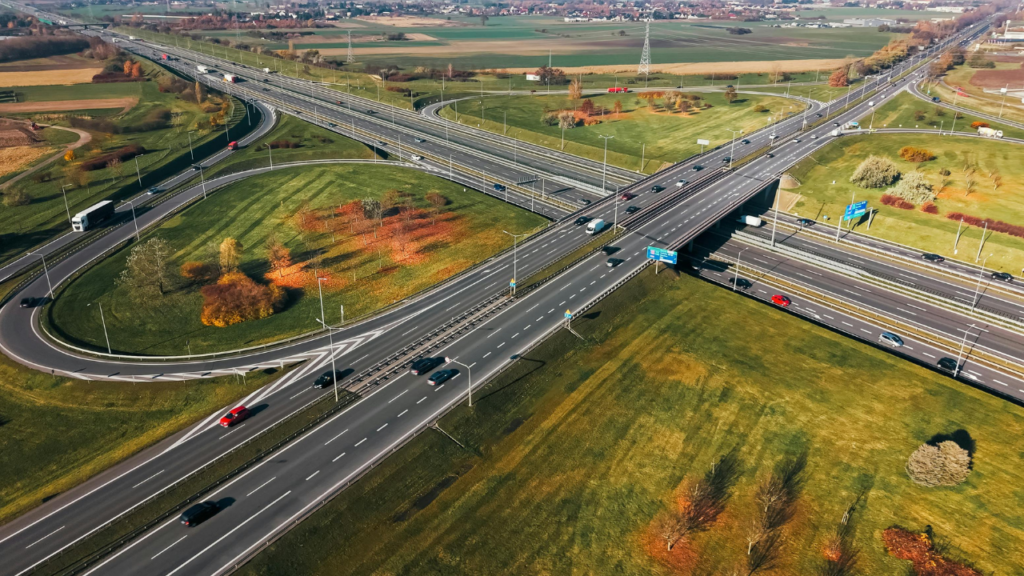
When people begin searching for a home, they usually focus on the house itself. The number of bedrooms. The kitchen. The yard. The neighborhood. But as buyers get deeper into the process, another factor often becomes incredibly important: The commute. As a Minnesota real estate agent, I’ve worked with many buyers who initially ruled out certain areas based on distance alone. Then we looked at travel times, highway access, and daily commuting patterns, and suddenly their perspective changed. Why? Because in Minnesota, where you live isn’t just about miles. It’s about accessibility. A home that’s farther away but located near a major highway can sometimes feel much more convenient than a closer home with limited transportation access. That’s why many buyers specifically ask: “What is it like living near major highways in Minnesota?” The answer depends on your lifestyle, work schedule, and priorities. For many homeowners, proximity to major highways creates tremendous convenience. For others, there may be trade-offs worth considering. Let’s explore what living near major highways is really like and why it plays such an important role in many Minnesota home searches. Why Highway Access Matters More Than Distance One of the biggest misconceptions buyers have is assuming distance equals commute time. It doesn’t. A home located 20 miles from work with excellent highway access may provide a faster commute than a home located 10 miles away with frequent traffic lights and local roads. That’s why experienced Minnesota buyers often focus on: instead of simply looking at mileage. Accessibility often matters more than proximity. Minnesota’s Major Highway Network The Twin Cities metro area is connected by an extensive highway system. Major routes include: These corridors connect many of Minnesota’s most popular communities. For homeowners, easy access often means greater flexibility and convenience. Daily Commuting Becomes Easier One of the most obvious benefits of living near major highways is commuting efficiency. Whether you’re traveling to: highway access often reduces travel complexity. Instead of navigating numerous local streets, many commuters can reach their destination more directly. This can save valuable time throughout the week. Flexibility Matters Even for people who don’t commute every day, highway access provides flexibility. Think about all the places you regularly travel: Easy highway access often makes all of those trips simpler. Many homeowners appreciate having multiple routes available depending on traffic conditions. Access to the Entire Metro Area One overlooked benefit of living near major highways is regional accessibility. Minnesota’s metro area offers tremendous variety. You may live in one community but frequently visit others. For example: A resident of Lakeville may regularly travel to: A homeowner in Maple Grove may frequently visit: Highway access allows homeowners to enjoy opportunities throughout the region. Airport Travel Becomes More Convenient Many Minnesota residents travel regularly for: Living near major highways often means easier access to Minneapolis-St. Paul International Airport (MSP). This can significantly reduce travel stress. For frequent travelers, highway accessibility may become one of the most appreciated aspects of a neighborhood. Popular Minnesota Communities With Strong Highway Access Several communities consistently attract buyers because of their transportation convenience. Examples include: Maple Grove Provides excellent access to I-94, Highway 610, and Highway 169. Plymouth Offers convenient access to major west metro corridors. Woodbury Benefits from access to I-94 and connections throughout the east metro. Eagan Provides access to multiple highways and the airport. Lakeville Offers strong connections through I-35. Blaine Provides convenient access to northern metro routes. Bloomington Offers exceptional regional accessibility. Each community provides different lifestyle benefits while maintaining strong transportation connections. Highway Access Can Expand Home Options Many buyers initially limit themselves to a small geographic area. Then they realize that excellent highway access can dramatically expand their choices. A community that initially seemed too far away may actually offer: This often opens up opportunities buyers hadn’t considered. Convenience During Minnesota Winters Minnesota winters make transportation especially important. Snow, ice, and reduced daylight can make commuting more challenging. Many homeowners appreciate living near major roads that are often prioritized for snow removal. This can make winter travel more predictable. While weather affects everyone, strong transportation infrastructure can make daily life easier during winter months. Access to Employment Centers Many major employment hubs in Minnesota are located near highways. Examples include areas around: Living near transportation corridors often improves access to these employment centers. This can be particularly valuable for households where family members work in different parts of the metro area. Highway Access Supports Active Lifestyles Transportation convenience doesn’t only affect work. It also impacts recreation. Easy highway access can make it simpler to enjoy: Many homeowners enjoy having the freedom to explore different parts of Minnesota without lengthy travel times. Different Buyers Value Highway Access Differently Not every buyer prioritizes highways equally. Professionals Often focus heavily on commuting efficiency. Families May value easier transportation to activities and events. Relocating Buyers Often appreciate regional accessibility while learning a new area. Retirees May prioritize convenience for appointments, travel, and family visits. Remote Workers May care less about daily commuting but still appreciate accessibility. The importance depends on lifestyle. Potential Considerations Like any location feature, living near major highways comes with trade-offs. Traffic Popular corridors can become busy during peak hours. Noise Homes immediately adjacent to highways may experience more traffic noise. Activity Levels Major transportation routes naturally generate movement. Air Quality Concerns Some buyers prefer greater distance from high-traffic corridors. These considerations vary significantly depending on the exact location. Many neighborhoods enjoy convenient access without being directly adjacent to highways. Finding the Right Balance One of the most important considerations is balance. Many buyers want: Easy access without Being directly next to the highway. Fortunately, many Minnesota communities offer exactly that. Homes located a few minutes away often provide transportation convenience while maintaining a quieter residential atmosphere. Questions Buyers Should Ask When evaluating highway access, consider: How often do I commute? What destinations do I visit regularly? How important is travel convenience? Would easier airport access improve my lifestyle? Am I comfortable with busier areas?
How Do I Choose the Right Lender for My Situation as an Immigrant Homebuyer in Minnesota? A 2026 Guide

For many immigrant homebuyers, one of the most important decisions you’ll make isn’t choosing a house. It’s choosing the right lender. In fact, the lender you select can significantly impact your entire homebuying experience. A great lender can help you understand your options, explain complicated requirements, communicate clearly, and guide you toward a successful closing. The wrong lender can create confusion, delays, unnecessary stress, and sometimes even prevent an otherwise qualified buyer from purchasing a home. If you’re an immigrant planning to buy a home in Minnesota, you may already have questions like: The good news is that many lenders successfully work with immigrant buyers every day. The key is finding one that understands your specific situation. Let’s walk through what immigrant buyers should know when selecting a lender in Minnesota. Why Your Lender Matters So Much Many first-time buyers assume all lenders are essentially the same. That’s not true. While many lenders offer similar loan products, their experience, communication style, underwriting flexibility, and knowledge of immigrant homebuyer situations can vary significantly. The lender you choose will help determine: A knowledgeable lender often makes the entire process feel less intimidating. Start With Your Situation Before comparing lenders, take time to understand your own circumstances. Questions to consider include: Your answers will help identify which lenders may be the best fit. Not Every Lender Handles Immigrant Buyers the Same Way This is one of the biggest surprises for many buyers. Some lenders regularly work with: Others may have limited experience with these situations. That doesn’t mean one lender is better than another. It simply means experience matters. Working with someone familiar with immigrant homeownership can reduce confusion and delays. Ask About Experience With Immigrant Buyers One of the first questions you should ask a lender is: “How often do you work with immigrant homebuyers?” Listen carefully to their answer. A lender who regularly works with immigrant clients will often be familiar with: This experience can be valuable throughout the process. Understand Available Loan Programs Different lenders may offer different loan products. Some common possibilities include: The goal isn’t finding the lender with the largest menu of options. The goal is finding a lender who understands which programs fit your situation. A good lender focuses on your needs rather than simply selling a product. Communication Is Extremely Important Buying a home involves a lot of paperwork and deadlines. Clear communication matters. When evaluating lenders, ask yourself: Many immigrant buyers are navigating unfamiliar terminology and systems. A lender should help simplify the process, not make it more confusing. Compare More Than Interest Rates One common mistake buyers make is choosing a lender based solely on interest rates. While rates are important, they are only one piece of the puzzle. You should also consider: A slightly lower rate doesn’t always create a better experience. Ask About Documentation Requirements Immigrant buyers often need additional documentation. Examples may include: Understanding requirements early helps prevent surprises later. A good lender will clearly explain what is needed. Understand Down Payment Requirements Many first-time buyers believe they need a 20% down payment. That’s not always true. Different loan programs have different requirements. Ask lenders: The answers may surprise you. Consider Local Knowledge National lenders can be excellent. Local lenders can also provide advantages. A lender familiar with Minnesota real estate may better understand: This doesn’t mean local is always better. It simply means local experience can be valuable. Ask About Foreign Assets Many immigrant buyers have funds located outside the United States. If this applies to you, ask lenders: Proper planning can prevent delays later in the process. Pre-Approval Is an Important Test One of the best ways to evaluate a lender is during pre-approval. Pay attention to: How a lender handles pre-approval often provides insight into how they’ll handle the rest of the transaction. Red Flags to Watch For Not every lender will be the right fit. Warning signs may include: Poor Communication If it’s difficult to get answers before applying, it may become more difficult later. Lack of Experience If a lender seems unfamiliar with immigrant buyer situations, additional challenges may arise. Unclear Explanations You should understand every major step of the process. Pressure Tactics A good lender educates rather than pressures. Why Comparing Multiple Lenders Can Help Many buyers speak with only one lender. There’s nothing wrong with that if the lender is a great fit. However, comparing options can provide valuable perspective. You may learn: The goal isn’t collecting endless quotes. It’s finding confidence in your decision. How Your Real Estate Agent Can Help Many immigrant buyers aren’t sure where to begin. This is one reason contacting a real estate agent early can help. An experienced Minnesota real estate agent often works with lenders regularly and may be able to recommend professionals who have experience with immigrant homebuyers. Your agent and lender become important members of your homebuying team. Real Example Imagine two buyers with nearly identical financial profiles. Buyer A chooses a lender unfamiliar with immigrant documentation requirements. The process becomes stressful and confusing. Buyer B works with a lender experienced in immigrant homeownership. Documentation requests are explained clearly. Questions are answered quickly. The transaction moves smoothly. The difference isn’t necessarily the loan. It’s the experience. Common Mistakes Immigrant Buyers Make Choosing Based Only on Interest Rates Rates matter, but service matters too. Waiting Too Long to Contact a Lender Early conversations often create better preparation. Assuming All Lenders Are the Same Experience and communication can vary significantly. Hiding Financial Information Always be transparent with your lender. They are trying to help structure a successful transaction. Frequently Asked Questions Do all lenders work with immigrant buyers? Many do, but experience levels vary. Should I choose a local lender? Local experience can be valuable, but the right choice depends on your situation. Can I use foreign funds for a home purchase? In many cases, yes, provided proper documentation requirements are met. How many lenders should I talk to? Many buyers speak with two or
When Should I Contact a Real Estate Agent as an Immigrant Homebuyer in Minnesota? A 2026 Guide

One of the biggest mistakes many first-time immigrant homebuyers make isn’t choosing the wrong house. It’s waiting too long to contact a real estate agent. Many buyers assume they should wait until they have perfect credit. Others think they need a mortgage pre-approval first. Some spend months looking at homes online before ever speaking with an agent. And many immigrant buyers worry they’re “not ready yet.” The reality is that one of the best times to contact a real estate agent is much earlier than most people think. A good real estate agent isn’t just there to unlock doors and show homes. They’re there to help you understand the process, avoid costly mistakes, connect with trusted professionals, and create a plan that fits your situation. If you’re an immigrant planning to buy a home in Minnesota, understanding when to involve a real estate agent can save you time, money, and stress. Let’s walk through the process. The Short Answer The best time to contact a real estate agent is before you start seriously shopping for homes. In fact, many buyers benefit from speaking with an agent several months before they plan to purchase. You do not need to: A conversation with an agent can help you determine your next steps. Think of it as gathering information rather than making a commitment. Why Many Immigrant Buyers Wait Too Long Many first-time buyers assume they should figure everything out on their own first. Common reasons people delay contacting an agent include: “I Don’t Think I’m Ready” Many buyers believe they need everything organized before reaching out. The truth is that helping buyers get organized is part of an agent’s job. “I Need a Mortgage Approval First” While financing is important, a real estate agent can often connect you with lenders who understand immigrant homebuyer situations. “I’m Just Looking” That’s perfectly fine. Many successful buyers spend time learning about the market before making any decisions. “I Don’t Want to Waste Anyone’s Time” A good agent understands that buying a home is a process. Many clients begin planning months before they purchase. What a Real Estate Agent Can Help With Early Meeting with an agent early gives you access to valuable information. An experienced Minnesota real estate agent can help explain: The earlier you understand these topics, the easier your journey becomes. Before You Start Looking at Homes Online Many buyers spend countless hours browsing listings before speaking with an agent. There’s nothing wrong with exploring online. However, listings rarely tell the full story. An agent can help explain: This context often saves buyers from pursuing homes that may not fit their goals. When You’re Still Building Credit Many immigrant buyers assume they must wait until their credit is perfect. In reality, speaking with an agent earlier can help you create a plan. For example: You may learn: The sooner you understand your options, the more prepared you’ll be later. When You’re Saving for a Down Payment Many buyers don’t realize how much they need until they start the process. An agent can help explain common costs such as: Having a clear target often makes saving easier. When You’re New to Minnesota This is one of the best times to contact an agent. Many relocation buyers are unfamiliar with: Minnesota offers tremendous variety. The right community for one family may be completely different from the right community for another. Learning about your options early can prevent future regrets. When You’re Unsure About Your Immigration Status and Financing Many immigrant buyers worry their immigration status may prevent homeownership. The reality is that eligibility depends on many factors. A knowledgeable real estate professional can often connect you with lenders who understand: Every situation is unique. Early conversations help clarify what’s possible. Before You Get Pre-Approved Many buyers wonder whether they should contact a lender or agent first. Either path can work. However, many buyers find it helpful to speak with an agent before pre-approval because the agent can often recommend trusted lenders. This creates a stronger team from the beginning. When You Start Thinking About Homeownership You don’t need to be actively house hunting. In fact, many buyers contact an agent when they first begin asking questions such as: These are excellent reasons to schedule a conversation. What Questions Should You Ask? When meeting with a real estate agent, consider asking: The more information you gather early, the better decisions you’ll make later. What Happens After You Contact an Agent? Most buyers are surprised by how simple the first conversation is. Typically, you’ll discuss: There is usually no pressure to buy immediately. The purpose is simply creating a plan. Why Building a Team Early Matters Buying a home involves multiple professionals. Your team may include: Starting early allows everyone to work together more effectively. This often creates a smoother experience later. Real Example Imagine two buyers. Buyer A spends six months looking at homes online before speaking with an agent. They become frustrated because many homes exceed their budget or don’t meet lender requirements. Buyer B contacts an agent early. The agent helps them understand: Six months later, Buyer B feels prepared and confident. The difference isn’t luck. It’s preparation. Common Mistakes Immigrant Buyers Make Waiting Until They Find a House By then, valuable preparation time has been lost. Assuming They Won’t Qualify Many buyers underestimate their options. Trying to Learn Everything Alone The process becomes much easier with guidance. Focusing Only on Home Prices Community, taxes, schools, and commute times matter too. Frequently Asked Questions Should I contact a real estate agent before getting pre-approved? Yes. Many buyers find early conversations helpful. Can an agent help if I’m still saving money? Absolutely. Planning ahead is often beneficial. What if I’m not ready to buy yet? That’s okay. Many buyers start gathering information months in advance. Do I need a Green Card before contacting an agent? No. An agent can help you understand your options and connect you with appropriate professionals. Is there a cost
What Is the Step-by-Step Process for Immigrant Homebuyers in Minnesota? A 2026 Guide

Buying a home can feel overwhelming for anyone. If you’re an immigrant buying a home in Minnesota for the first time, it can feel even more complicated. You may be asking questions like: The good news is that thousands of immigrants successfully purchase homes across Minnesota every year. Whether you’re a permanent resident, visa holder, refugee, asylee, DACA recipient, or naturalized citizen, homeownership may be more attainable than you think. The key is understanding the process before you start. Let’s walk through the homebuying journey step-by-step so you know exactly what to expect. Step 1: Evaluate Your Financial Situation Before looking at homes online, it’s important to understand your finances. This includes: Many immigrant buyers assume they need perfect credit or a massive down payment. That’s usually not the case. However, lenders will want to review your overall financial picture. Ask yourself: Having a clear picture of your finances makes every step easier. Step 2: Understand Your Immigration Status and Loan Options Many buyers worry their immigration status automatically prevents them from buying a home. Fortunately, several loan programs may be available depending on your situation. Eligible buyers may include: Every lender has different requirements. This is why working with an experienced mortgage professional is important. Understanding your options early prevents surprises later. Step 3: Check Your Credit Your credit profile plays an important role in the mortgage process. If you’ve established credit in the United States, lenders will review factors such as: If you’re newer to the country, some lenders may have alternative methods for evaluating creditworthiness. The sooner you review your credit, the more time you’ll have to improve it if necessary. Step 4: Save for Your Home Purchase Many first-time immigrant buyers assume they need a 20% down payment. In reality, many loan programs require significantly less. However, buyers should prepare for expenses such as: Having savings available creates flexibility and confidence during the buying process. Step 5: Contact a Lender for Pre-Approval This is one of the most important steps. A mortgage pre-approval helps determine: Pre-approval also strengthens your position when making offers. Sellers often prefer working with buyers who have already completed this step. Many homebuyers discover their budget is different than they originally expected. That’s why pre-approval should happen before house hunting. Step 6: Hire a Real Estate Agent Once you understand your financing options, it’s time to connect with a real estate agent. An experienced Minnesota real estate agent can help: For immigrant buyers, having someone who understands the process can make a huge difference. Buying a home involves many moving pieces. You don’t have to navigate them alone. Step 7: Start Your Home Search Now comes the exciting part. Looking at homes. At this stage, buyers typically evaluate: One common mistake is focusing only on the house itself. The community matters too. Think about: The goal is finding the right fit for your lifestyle. Step 8: Make an Offer When you find a home you love, your agent will help you submit an offer. The offer includes details such as: The seller may: Negotiations are normal. Many successful transactions involve multiple conversations before an agreement is reached. Step 9: Earnest Money Deposit Once your offer is accepted, you’ll typically submit earnest money. This deposit demonstrates your commitment to the transaction. The funds are usually applied toward your purchase at closing. Your agent will explain local Minnesota practices and timelines. Step 10: Complete the Home Inspection One of the most important protections available to buyers is the inspection. A licensed inspector evaluates major components of the home, including: The inspection helps identify potential issues before closing. Many buyers feel significantly more confident after understanding the home’s condition. Step 11: Mortgage Processing and Underwriting After your offer is accepted, the lender begins reviewing your file. This process often includes: It’s common for lenders to request additional paperwork. This doesn’t necessarily indicate a problem. It is simply part of the underwriting process. Responding quickly helps keep your transaction moving forward. Step 12: Home Appraisal Most financed purchases require an appraisal. The appraiser evaluates the property’s value. The lender wants confirmation that the home supports the loan amount. In most cases, this step proceeds smoothly. If questions arise, your agent and lender can explain available options. Step 13: Review Final Closing Documents As closing approaches, you’ll receive documents outlining: Review these carefully. Ask questions. A good lender and real estate agent will help ensure you understand everything before signing. Step 14: Closing Day Closing day is when ownership officially transfers. You’ll sign documents, provide required funds, and finalize the transaction. Once everything is complete, you’ll receive the keys to your new home. For many immigrant buyers, this is a major milestone. It’s often the result of years of hard work, saving, planning, and persistence. Common Mistakes Immigrant Buyers Should Avoid Waiting Too Long to Speak with a Lender Many buyers delay conversations because they assume they won’t qualify. The only way to know is to ask. Making Large Financial Changes During the Process Avoid: Without discussing them with your lender first. Moving Money Without Documentation Maintain clear records for all funds used in the transaction. Documentation is extremely important. Shopping Beyond Your Comfort Zone Just because a lender approves a certain amount doesn’t mean you should spend it. Choose a payment that supports your overall financial goals. Frequently Asked Questions Can immigrants buy homes in Minnesota? Yes. Many immigrants purchase homes successfully every year. Do I need a Green Card to buy a house? Not necessarily. Some loan programs are available for certain visa holders and other eligible residents. How much money do I need? The amount varies depending on the loan program, property, and financial situation. Do I need a Social Security Number? Requirements vary by lender and loan type. How long does the homebuying process take? Many transactions take 30 to 60 days after an offer is accepted, though timelines vary. Final Thoughts Buying a home as an immigrant may feel intimidating at
What Is the Real Cost of Living in Minnesota? A 2026 Guide for New Residents and Homebuyers

When people ask about the cost of living in Minnesota, they usually want a simple answer. Is it expensive? Is it affordable? Will my money go further there? Can I buy a home and still enjoy my life? The honest answer is this: Minnesota is not the cheapest state, but for many people, it offers strong value for the lifestyle you get. That value is what makes Minnesota attractive to relocating families, first-time buyers, professionals, retirees, and people simply looking for a better balance between cost and quality of life. The real cost of living in Minnesota depends on where you live, whether you rent or buy, how far you commute, your household size, and the kind of lifestyle you want. Someone living in downtown Minneapolis will have a very different monthly budget than someone living in Buffalo, Farmington, Rochester, St. Cloud, or a smaller town outside the metro. So instead of asking whether Minnesota is cheap or expensive, a better question is: “What does it actually cost to live well in Minnesota?” Let’s break it down. Housing Is Usually the Biggest Expense For most people, housing is the largest part of the monthly budget. Minnesota offers a wide range of housing options, including: In the Twin Cities metro, prices vary widely depending on the community. Areas like Edina, Wayzata, Minnetonka, and parts of Minneapolis tend to be more expensive. Communities like Cottage Grove, Farmington, Elk River, Otsego, Big Lake, Buffalo, and Cambridge may offer more budget-friendly options. This is why location matters so much. Two homes with similar square footage can have very different prices depending on the neighborhood, school district, lot size, and commute. Renting vs Buying in Minnesota New residents often ask whether it makes more sense to rent first or buy right away. There is no one-size-fits-all answer. Renting may make sense if: Buying may make sense if: The real cost of living changes depending on which path you choose. Renting may offer flexibility, while buying may provide long-term financial benefits. Property Taxes Matter Property taxes are an important part of homeownership in Minnesota. They vary by: When comparing homes, don’t look only at the purchase price. Look at the full monthly payment, including taxes and insurance. A lower-priced home with higher property taxes may not be as affordable as it first appears. Utilities and Winter Costs Minnesota has real winters. That means heating costs are part of life here. During colder months, homeowners should plan for higher utility bills. Common utility costs may include: The good news is that many Minnesota homes are built for cold weather. Newer homes often include better insulation, energy-efficient windows, and modern heating systems. Older homes may have more character, but they can sometimes require more heating and maintenance. Transportation Costs Transportation depends heavily on where you live. If you live in Minneapolis or St. Paul, you may have access to: If you live in the suburbs or a smaller town, you may rely more on a vehicle. That means budgeting for: Sometimes a cheaper home farther away can cost more than expected once transportation is factored in. That’s why the real cost of living includes time, not just money. Groceries and Everyday Expenses Grocery costs in Minnesota are generally manageable for many households, but spending varies based on lifestyle. Families may spend more depending on: Minnesota has access to major grocery stores, local co-ops, farmers markets, warehouse stores, and neighborhood markets. Your choices will affect your monthly budget. Healthcare Costs Minnesota is known for strong healthcare access. Many residents value being near major healthcare systems, specialty care, and medical providers. Healthcare costs still depend on: For many families and retirees, access to quality healthcare is part of Minnesota’s overall value. Childcare and Family Costs For families with young children, childcare can be one of the largest monthly expenses. This is not unique to Minnesota, but it is important to plan for. Families should consider: The good news is that many Minnesota communities offer parks, libraries, youth programs, and school activities that help support family life. Lifestyle Costs Minnesota offers a lot of lifestyle value. Many enjoyable activities are low-cost or free. Residents enjoy: You can spend a lot on entertainment if you want to, especially in Minneapolis and St. Paul. But you can also enjoy a full life here without spending heavily every weekend. That’s one of the reasons many people feel Minnesota offers strong quality of life. What New Residents Often Notice People moving from higher-cost states often notice that their money may go further in Minnesota housing. They may be able to afford: People moving from lower-cost areas may find certain expenses higher, especially in desirable Twin Cities suburbs. That’s why your previous location plays a big role in how Minnesota feels financially. The Real Tradeoff Minnesota’s cost of living is about tradeoffs. You may pay more for: You may save more by choosing: The key is knowing what matters most to you. Is Minnesota Worth the Cost? For many residents, yes. Minnesota offers a strong mix of: It may not be the cheapest place to live, but many people feel the value is strong because of what they receive in return. Frequently Asked Questions Is Minnesota expensive to live in? Minnesota is not the cheapest state, but many residents find it offers strong value compared to the quality of life. What is the biggest cost in Minnesota? Housing is usually the largest expense for most households. Are Minnesota suburbs affordable? Some are, while others are more expensive. It depends on location, schools, commute, and housing type. Do winters make Minnesota expensive? Winter can increase heating and maintenance costs, but most residents plan for those seasonal expenses. Is Minnesota good for families financially? Many families find Minnesota offers a strong balance of schools, parks, housing, healthcare, and community amenities. Final Thoughts The real cost of living in Minnesota depends on how and where you want to live. For some people, Minnesota feels very affordable compared to
Is Minnesota Expensive for New Residents? A 2026 Relocation Guide
If you’re considering moving to Minnesota, one of the biggest questions on your mind is probably: “Is Minnesota expensive?” It’s a fair question. Whether you’re relocating from California, Texas, Florida, Illinois, Colorado, or somewhere else entirely, understanding the cost of living is an important part of deciding where to put down roots. The answer isn’t a simple yes or no. For some people, Minnesota feels surprisingly affordable. For others, certain costs may be higher than expected. What makes Minnesota unique is that it often offers a balance that many people are looking for: strong job opportunities, excellent schools, access to nature, quality healthcare, and a high quality of life without the extreme housing costs found in some of the country’s most expensive markets. But before packing your boxes, it’s important to understand what life in Minnesota actually costs and what surprises many newcomers after they arrive. The Short Answer For most new residents, Minnesota is not considered one of the most expensive states in the country. At the same time, it’s not among the cheapest. Instead, Minnesota tends to fall into a middle ground where many residents feel they receive strong value for what they spend. Housing, transportation, taxes, utilities, and lifestyle expenses all play a role in determining whether Minnesota feels affordable to you. The answer largely depends on where you’re moving from and what kind of lifestyle you’re expecting. Housing Costs: The Biggest Factor Housing is typically the largest monthly expense for most households. For many people relocating from states such as: Minnesota often feels much more affordable. Many buyers discover they can afford: Compared to many coastal markets, Minnesota housing can provide significantly more value. However, if you’re moving from a smaller rural community in another state, Minnesota’s housing costs may feel similar or even slightly higher depending on the area. Where You Live Matters Minnesota is a diverse state with a wide range of housing markets. For example: A home in Wayzata, Edina, or along Lake Minnetonka will likely cost significantly more than a similar home in communities such as: The state offers options for many budgets, which is one reason so many relocation buyers find a good fit. Minnesota vs California One of the most common relocation conversations involves buyers moving from California. Many California residents are shocked by how much home they can purchase in Minnesota. For example, a housing budget that might purchase a small condominium in parts of California could potentially provide: This is one reason Minnesota continues attracting families and professionals seeking a lower housing cost without sacrificing opportunity. Minnesota vs Texas Texas has long been viewed as an affordable destination. However, affordability involves more than home prices. Buyers should also consider: Many families find that Minnesota offers competitive overall value when these factors are considered together. Minnesota vs Florida Florida attracts many newcomers each year. However, rising insurance costs and weather-related expenses have become growing concerns. Many relocating buyers compare: Minnesota presents different challenges, particularly winter weather, but many residents appreciate the predictability of homeownership expenses. Utilities and Winter Costs Let’s talk about the topic everyone asks about: Winter. Yes, Minnesota winters can increase heating costs. However, many newcomers are surprised to learn that homes are generally built with cold weather in mind. Modern insulation, energy-efficient systems, and well-maintained housing stock help manage seasonal expenses. Many residents find winter utility costs manageable once they understand what to expect. Transportation Costs Transportation expenses depend largely on where you choose to live. If you live in Minneapolis or St. Paul, you may benefit from: If you choose an outer-ring suburb or rural area, transportation costs may increase due to: This is one reason affordability should always be viewed holistically. Grocery Costs Many new residents find grocery prices fairly consistent with national averages. Minnesota offers access to: Like most states, food costs vary based on personal shopping habits and household size. Healthcare Access Minnesota is often recognized for its healthcare systems. Many residents value access to: While healthcare costs vary by individual circumstances, access to quality care remains a significant advantage for many residents. Childcare and Family Expenses For families with young children, childcare can represent a substantial monthly expense. This isn’t unique to Minnesota. However, it’s an important consideration for relocation planning. When comparing states, families should evaluate: Together rather than independently. Why Many Residents Feel Minnesota Offers Strong Value One reason people stay in Minnesota is because they feel the overall value is strong. Residents often point to: Many of these benefits contribute to quality of life without dramatically increasing everyday expenses. What Surprises New Residents Most When people relocate to Minnesota, several things often stand out. More House for the Money This is probably the most common observation. Access to Outdoor Recreation Many newcomers appreciate the abundance of: Strong Communities Minnesota communities often place a strong emphasis on local events, recreation, and neighborhood involvement. Real Example Imagine a family relocating from Southern California. Their budget may allow for a small home with limited outdoor space. In many Minnesota communities, that same budget could provide: This is one reason many relocation buyers believe Minnesota offers strong value. Common Misconceptions Minnesota Is Cheap Not necessarily. Some communities command premium prices. Minnesota Is Expensive Compared to certain states, perhaps. Compared to many coastal markets, many buyers find substantial value. Winter Makes Living Here Unaffordable Most residents find winter expenses manageable with proper planning. Frequently Asked Questions Is Minnesota affordable for families? Many families find Minnesota offers a strong balance between affordability and quality of life. Is housing expensive in Minnesota? That depends on the community, but many buyers relocating from higher-cost states find housing relatively affordable. Are utilities expensive? Winter heating costs can be higher seasonally, but modern homes often help offset expenses. Is Minnesota a good value compared to other states? Many residents believe so because of the combination of housing, employment opportunities, schools, and amenities. What is the biggest expense for most residents? Housing remains the largest expense for most