
How Do Immigrant Homebuyers Estimate Closing Costs Accurately in Minnesota?

One of the biggest moments of excitement during the homebuying process is getting pre-approved for a mortgage. Many immigrant buyers finally see a path to homeownership. They know how much house they can afford. They start browsing listings. They begin imagining life in their future home. Then the next question comes: “How much money do I actually need at closing?” That’s when many buyers discover something called closing costs. As a Minnesota real estate agent, I’ve noticed that closing costs are one of the most misunderstood parts of the homebuying process, especially among first-time buyers and immigrant families. Many people know they need a down payment. Far fewer understand what closing costs are, why they exist, and how to estimate them accurately. The good news is that closing costs don’t have to be confusing. Once you understand the components, you can budget properly, avoid surprises, and move toward closing day with confidence. Let’s break down exactly what immigrant homebuyers should know about estimating closing costs in Minnesota. What Are Closing Costs? Closing costs are the expenses associated with completing a real estate transaction. Think of them as the administrative, legal, lender, and ownership-transfer costs involved in buying a home. They are separate from your down payment. Many buyers are surprised to learn that even after saving for a down payment, they still need funds for closing costs. That’s why understanding these expenses early is so important. Why Closing Costs Surprise Many Immigrant Buyers In many countries, real estate transactions work differently. Some countries: When buyers arrive in the United States, they often assume the process works the same way. Then they discover additional expenses associated with obtaining a mortgage and transferring ownership. The key is knowing about these costs before you start shopping for homes. What Typically Makes Up Closing Costs? Closing costs are not one single fee. They are a collection of different charges that serve different purposes. Common categories include: The exact breakdown varies from one transaction to another. Lender Fees Your mortgage lender performs a significant amount of work behind the scenes. This may include: Some of the closing costs are related to these services. Every lender structures fees differently. This is one reason why comparing lenders can be valuable. Appraisal Fees Most mortgage lenders require an appraisal. An appraisal helps determine whether the property’s value supports the loan amount. The lender wants confirmation that the home is worth what you’re paying. The appraisal is generally ordered shortly after the purchase agreement is accepted. Buyers are typically responsible for this cost. Title Company Fees One area that often confuses first-time buyers is title-related expenses. The title company helps ensure that ownership of the property can legally transfer from seller to buyer. The title process helps verify: The title company also often coordinates many aspects of the closing process. These services are part of your closing costs. Recording Fees When you buy a home, certain documents must be officially recorded with local government agencies. These recording fees are generally small compared to the overall transaction but remain an important part of closing costs. They help document the legal transfer of ownership. Homeowners Insurance Many buyers don’t realize that homeowners insurance often impacts their cash needed at closing. Most lenders require proof of insurance before the transaction can be completed. Depending on the timing and structure of your loan, portions of your insurance costs may be collected during closing. Property Tax Prepayments Minnesota property taxes can create confusion for many buyers. In many cases, lenders collect funds at closing that will eventually be used to pay future property tax obligations. These funds are often placed into an escrow account. Although these aren’t technically extra fees, they do increase the amount of money needed at closing. Escrow Account Funding Many mortgage loans include an escrow account. The lender uses this account to help manage: Part of your closing funds may be used to establish the account. This helps ensure future tax and insurance payments are made on time. Prepaid Interest One expense many buyers have never heard of is prepaid interest. Depending on when you close during the month, lenders may collect interest covering the period between closing day and the start of your regular mortgage payments. This amount varies based on: Because of this, two buyers purchasing similar homes may have slightly different closing costs. Why Estimates Change One reason closing costs can seem confusing is that estimates may change during the transaction. Several factors can affect final numbers: Closing Date Changing the closing date may affect prepaid interest and escrow calculations. Property Taxes Different homes have different tax obligations. Insurance Costs Insurance premiums vary depending on: Loan Program Different mortgage programs may involve different fee structures. Because of these variables, estimates are exactly that—estimates. The final numbers become more accurate as the transaction progresses. What Is a Loan Estimate? After applying for a mortgage, buyers typically receive a document called a Loan Estimate. This document provides important information about: For immigrant buyers, this document becomes one of the most valuable planning tools available. Review it carefully. Ask questions. Make sure you understand every section. What Is a Closing Disclosure? As closing approaches, buyers typically receive another important document called the Closing Disclosure. This document contains the finalized numbers for the transaction. Reviewing it carefully helps avoid surprises on closing day. This is often the best opportunity to verify exactly how much money you’ll need to bring to closing. Can Sellers Help Pay Closing Costs? Many immigrant buyers are pleasantly surprised to learn that sellers can sometimes contribute toward closing costs. These contributions are commonly called seller concessions. Whether seller contributions are possible depends on: In a highly competitive market, seller concessions may be less common. In other situations, they can significantly reduce upfront expenses. Assistance Programs Can Help Minnesota offers various assistance programs that may help eligible buyers reduce upfront costs. Some programs may provide support for: Eligibility depends on factors such as: Many immigrant buyers qualify
What Should I Expect on Closing Day as an Immigrant Homebuyer in Minnesota? A 2026 Guide

After weeks—or sometimes months—of searching for homes, gathering documents, speaking with lenders, completing inspections, reviewing disclosures, and waiting for loan approval, you’ve finally reached one of the most exciting milestones in the entire homebuying process: Closing Day. For many immigrant homebuyers, closing day is more than just a real estate transaction. It’s often the culmination of years of hard work, saving money, building credit, establishing roots in a new country, and working toward the dream of homeownership. But even though it’s exciting, closing day can also feel intimidating. You may be wondering: The good news is that closing day is usually much less stressful when you know what to expect. Let’s walk through the process step-by-step so you can feel confident and prepared. What Is Closing Day? Closing day is the day ownership of the property officially transfers from the seller to the buyer. It’s the final step in the homebuying process. Before closing day, you’ve already completed most of the hard work: Closing is when everything becomes official. Once the required documents are signed and funds are transferred, you become the owner of the property. Why Closing Day Matters Many people focus heavily on finding a house and getting their offer accepted. But closing is the step that legally completes the transaction. Without closing, ownership does not transfer. Think of closing as the finish line that brings together all the work completed during the previous several weeks. What Happens Before Closing Day? Several important things happen before the actual closing appointment. Final Loan Approval Your lender completes the underwriting process and issues final approval. At this stage: Final approval means the lender is ready to move forward. Title Work Is Completed The title company completes its review of ownership records. The goal is ensuring there are no unresolved issues that would prevent ownership from transferring. Homeowners Insurance Is Confirmed Most lenders require proof of homeowners insurance before closing. Your insurance policy helps protect the property after you become the owner. Closing Disclosure Is Delivered Federal regulations generally require buyers to receive a Closing Disclosure before closing. This document summarizes: Reviewing this document carefully is extremely important. Review Your Closing Disclosure Carefully One of the most important things you can do before closing day is carefully review your Closing Disclosure. Compare it to earlier loan estimates. Pay attention to: If something looks different than expected, ask questions immediately. Your lender should explain every number. The Final Walk-Through Most buyers complete a final walk-through shortly before closing. This usually occurs within 24 to 48 hours of closing. The purpose is simple: Verify that the home is in the expected condition. During the walk-through, buyers often confirm: This is not another inspection. It’s simply a final check before ownership transfers. What Should You Bring to Closing? Requirements vary, but buyers are often asked to bring: Government-Issued Identification Examples may include: Your closing company will explain acceptable forms of identification. Required Funds If money is required at closing, you’ll receive instructions beforehand. These funds may include: Always verify wiring instructions carefully. Wire fraud is a serious concern in real estate transactions. Never rely solely on emailed instructions without verification. Questions Bring any questions you still have. Closing is not the time to stay silent if something is unclear. Who Attends the Closing? The people present may vary. Common participants include: In many cases, the seller signs documents separately. Closing appointments are often simpler than buyers expect. What Documents Will You Sign? Many first-time buyers are surprised by the number of documents involved. The paperwork may include: Mortgage Documents These outline your loan terms and obligations. Promissory Note This document states your promise to repay the loan. Deed Documents These help transfer ownership. Closing Disclosures These summarize financial details of the transaction. Additional Legal Documents Other forms may be required depending on the transaction. Don’t worry if you don’t recognize every document. The closing professional will guide you through the process. Can You Ask Questions During Closing? Absolutely. In fact, you should. Never sign something you don’t understand. If English is not your first language and something feels unclear, ask for clarification. Buying a home is a significant investment. You deserve to understand the documents you’re signing. A good closing team welcomes questions. How Long Does Closing Take? Most closings take between 45 minutes and two hours. The exact timeline depends on factors such as: Many buyers are surprised by how smoothly the process moves once everything has been prepared properly. What Happens After Signing? After all documents are signed: Once everything is finalized, ownership officially transfers. This is often the moment buyers become homeowners. When Do You Get the Keys? One of the most common questions buyers ask is: “When do I get the keys?” The answer depends on the terms of the purchase agreement. In many Minnesota transactions, buyers receive keys shortly after closing is completed. However, possession timing can vary. Your real estate agent will explain the specific timeline for your transaction. Why Closing Day Can Feel Emotional For many immigrant buyers, closing day is about much more than real estate. It may represent: It’s completely normal to feel excited, nervous, relieved, and proud all at the same time. Many buyers remember closing day for the rest of their lives. Common Mistakes Buyers Make Before Closing Making Large Purchases Avoid financing furniture, vehicles, or major purchases before closing. Your lender may continue monitoring your financial profile. Changing Jobs Employment changes can affect loan approval. Always discuss major changes with your lender. Moving Money Without Documentation Keep clear records of all financial transactions. Ignoring Emails Closing involves deadlines. Respond promptly to lender and title company requests. Waiting Until Closing to Ask Questions Whenever possible, ask questions before closing day arrives. What If Something Goes Wrong? Most transactions close successfully. However, delays occasionally occur. Examples may include: If challenges arise, your lender, title company, and real estate agent will work together to resolve them. The vast majority of issues can be addressed
How Do I Review Disclosures as a First-Time Immigrant Homebuyer in Minnesota? A 2026 Guide
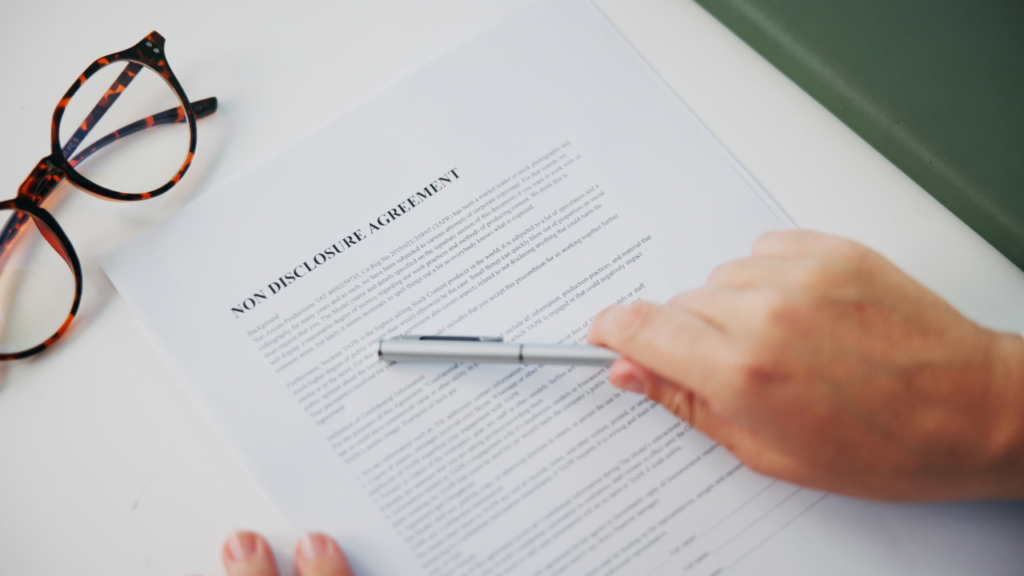
When you’re buying a home for the first time, it’s easy to focus on the exciting parts of the process. Looking at homes. Finding the right neighborhood. Getting your offer accepted. Planning where your furniture will go. But one of the most important parts of buying a home happens after your offer is accepted and before closing. It’s called reviewing disclosures. For many immigrant homebuyers, disclosures can feel overwhelming because they often contain unfamiliar terms, legal language, and detailed information about the property. You may find yourself wondering: The answer is yes. Disclosures are one of the most important tools buyers have for understanding a property’s history and condition before completing the purchase. Let’s walk through what disclosures are, why they matter, and how immigrant buyers can review them with confidence. What Are Real Estate Disclosures? A disclosure is information that a seller provides about a property. The purpose is to help buyers understand important facts that may affect the home’s value, condition, or desirability. In Minnesota, sellers are generally required to disclose known material facts about a property. A material fact is something that could influence a buyer’s decision to purchase the home. Disclosures help create transparency. They provide information that buyers may not discover during a simple showing. Why Disclosures Matter for First-Time Buyers Imagine purchasing a home and later discovering: These discoveries can be stressful and expensive. Disclosures help reduce surprises by sharing information the seller already knows. For immigrant buyers unfamiliar with Minnesota real estate practices, disclosures provide valuable insight into the property’s history. What Information Is Typically Included? Every property is different, but disclosures may address topics such as: The goal is helping buyers make informed decisions. Seller Knowledge Matters One important thing to understand is that sellers disclose what they know. Sellers are not expected to be professional inspectors. They are typically required to share known information about the property. For example: If a seller knows the basement flooded several times, that information may need to be disclosed. If a seller genuinely does not know about a hidden issue, it may not appear in the disclosure. This is one reason inspections remain important even when disclosures are provided. Reviewing the Property History One of the most valuable parts of disclosures is learning about the property’s history. Questions disclosures may answer include: This information helps buyers understand how the home has been maintained over time. Pay Attention to Water Issues In Minnesota, water-related disclosures deserve special attention. Because of snow, ice, rain, and seasonal weather conditions, water can affect homes in various ways. Look for references to: Not every water issue is serious. However, understanding the history helps you ask better questions. Review Roof Information Carefully Roofs are expensive to replace. Disclosures may include information about: If the roof is older, you may want additional information from your inspector. Understand Mechanical Systems Many Minnesota homes rely heavily on: Disclosures may indicate: Knowing system ages helps buyers prepare for future maintenance. Look for Remodeling and Improvements Many homes have undergone renovations. Disclosures may identify: If major work was completed, buyers may want to ask whether permits were obtained when required. Environmental Disclosures Some disclosures may address environmental concerns. Depending on the property, this could include information about: If concerns arise, buyers can often perform additional investigations during the inspection period. Read Every Page One common mistake first-time buyers make is assuming disclosures are routine paperwork. Some buyers skim documents without reading carefully. That’s a mistake. Every page may contain valuable information. Take your time. Review the documents carefully. Ask questions whenever something seems unclear. Don’t Panic Over Every Disclosure It’s important to remember that disclosures often contain a lot of information. Many items are completely normal. For example: Not every disclosure indicates a major problem. The goal is understanding the property, not finding perfection. How Disclosures Work With Inspections Some buyers mistakenly believe disclosures eliminate the need for inspections. They don’t. Disclosures and inspections work together. Disclosures tell you what the seller knows. Inspections evaluate the property’s current visible condition. Together they provide a more complete picture. Questions to Ask After Reviewing Disclosures After reviewing disclosures, you may want to ask: A good real estate agent can help you identify appropriate follow-up questions. What If You Don’t Understand Something? This is extremely common. Many first-time buyers, including native English speakers, find disclosures confusing. Never hesitate to ask questions. Your real estate agent can help explain: The goal is understanding the information before moving forward. Red Flags Worth Investigating While every property is unique, some disclosures may deserve additional attention. Examples include: Repeated Water Problems Recurring issues may warrant further investigation. Structural Concerns Foundation movement or structural repairs should be understood thoroughly. Major Insurance Claims Large claims may indicate prior significant damage. Ongoing Mechanical Problems Repeated HVAC, plumbing, or electrical issues may deserve closer review. Again, these items don’t automatically kill a deal. They simply require more information. Real Example Imagine you’re purchasing your first home in Minnesota. The disclosure indicates that the basement experienced water intrusion several years ago. At first, this sounds alarming. However, further review reveals: Without reviewing the disclosure carefully, you might never have learned this information. The disclosure didn’t necessarily reveal a deal-breaking problem. It provided useful context. That’s exactly why disclosures exist. Common Mistakes Buyers Make Not Reading the Entire Disclosure Every page matters. Assuming No Disclosure Means No Problem Disclosures reflect known information only. Ignoring Older Repairs Past issues can provide valuable insight into property history. Failing to Ask Questions Clarification is part of the process. Treating Disclosures as a Substitute for Inspections Both are important. Frequently Asked Questions Are disclosures required in Minnesota? In many situations, sellers must disclose known material facts about the property. Do disclosures guarantee there are no problems? No. They provide information known to the seller. Should I still get a home inspection? Absolutely. Inspections remain one of the most important buyer protections. What if I don’t understand something in the disclosure? Ask your
How Do Inspections Protect Me as an Immigrant Homebuyer in Minnesota? A 2026 Guide

Buying a home is one of the biggest financial decisions most people will ever make. For immigrant homebuyers, the process can feel even more overwhelming because you’re not only evaluating a property—you’re also learning how the American real estate system works. One of the most important protections available to buyers is the home inspection. Yet many first-time buyers don’t fully understand what an inspection does, what it doesn’t do, or why it matters so much. You may be asking: The short answer is simple: A home inspection helps you understand what you’re buying before you become the owner. It won’t guarantee a perfect home, but it can help uncover issues that may cost thousands of dollars later. For immigrant buyers purchasing a home in Minnesota, inspections are often one of the most valuable tools available during the transaction. Let’s look at how inspections work and why they matter. What Is a Home Inspection? A home inspection is a professional evaluation of a property’s visible and accessible systems. After your offer is accepted, you’ll typically have an opportunity to hire a licensed home inspector. The inspector’s job is not to decide whether you should buy the home. Their job is to provide information. Think of it like a health checkup for the house. The inspector looks for signs of: The goal is helping you make an informed decision. Why Inspections Matter for Immigrant Buyers Many immigrant buyers come from countries where real estate transactions work very differently. In some places, inspections are uncommon. In others, buyers have limited opportunities to evaluate a property before purchase. The United States homebuying process often provides buyers with significant opportunities to investigate the property before closing. That’s a major advantage. An inspection allows you to learn about the home before it officially becomes your responsibility. What Does a Home Inspector Examine? While every inspection is different, inspectors commonly evaluate: Roof The roof is one of the most expensive components of a home. Inspectors look for: Minnesota weather can be tough on roofs, making this area especially important. Foundation The foundation supports the entire structure. Inspectors look for: Not every crack is a major problem, but understanding what you’re seeing matters. Plumbing Inspectors evaluate visible plumbing systems for: Water problems can become expensive if left unnoticed. Electrical Systems Electrical safety is critical. Inspectors may review: Older homes may have outdated electrical components that deserve attention. Heating and Cooling Systems Minnesota winters make heating systems especially important. Inspectors often examine: Knowing the age and condition of these systems helps buyers prepare for future maintenance. Windows and Doors Inspectors may identify: These items can affect both comfort and energy efficiency. Attics and Insulation Minnesota homeowners depend heavily on proper insulation. Inspectors look for: These factors can impact utility costs and long-term home performance. What a Home Inspection Does Not Do This is important. Many first-time buyers assume an inspection guarantees the home is perfect. It does not. A home inspection is limited to visible and accessible areas. Inspectors generally cannot: The inspection provides valuable information, but no inspection can eliminate all risk. Why Minnesota Homes Deserve Careful Inspections Minnesota’s climate creates unique challenges. Homes here experience: These conditions can affect: An experienced inspector understands what to look for in Minnesota properties. What Happens After the Inspection? Once the inspection is complete, you’ll receive a report. For first-time buyers, the report can feel intimidating. Most inspection reports contain dozens of items. That’s normal. Even well-maintained homes have issues. The key is understanding which findings are: Your real estate agent can help you interpret the report and decide what steps make sense. Common Findings That Are Usually Manageable Many reports include items such as: These items are common and don’t necessarily indicate a bad property. Findings That May Require More Attention Some issues deserve closer review, including: Not every serious finding kills a deal. However, buyers should fully understand the situation before proceeding. Can You Negotiate After an Inspection? In many cases, yes. Depending on the contract and findings, buyers may: Every situation is unique. The inspection provides information that helps guide these conversations. What About New Construction Homes? One of the biggest misconceptions is: “It’s brand new, so it doesn’t need an inspection.” New homes can still have issues. Construction involves many contractors, timelines, and moving parts. Some buyers choose inspections on new construction homes because they want an independent evaluation before closing. Even newly built homes can benefit from a second set of eyes. Specialized Inspections Depending on the property, buyers may choose additional inspections. Examples include: These specialized inspections may provide additional information depending on the property type and location. Real Example Imagine a buyer finds a beautiful home in Minnesota. The kitchen is updated. The floors look great. Everything appears perfect. During the inspection, however, the inspector discovers significant attic ventilation issues that could eventually create moisture problems. Without the inspection, the buyer may never have known. The inspection didn’t necessarily stop the purchase. It simply gave the buyer information to make a better decision. That’s exactly what inspections are designed to do. Common Mistakes Buyers Make Skipping the Inspection This increases risk significantly. Focusing on Minor Cosmetic Issues Most homes have small maintenance items. Focus on major concerns first. Expecting a Perfect Report Every home has flaws. Even new homes. Ignoring the Inspector Attend the inspection if possible. You’ll often learn valuable information directly from the inspector. Panicking Over Long Reports Length does not automatically indicate major problems. Most reports are detailed by design. Frequently Asked Questions Do I need a home inspection? Most buyers benefit from one, especially first-time buyers. Can I attend the inspection? Yes. Many buyers attend and ask questions. How long does an inspection take? Many inspections take several hours depending on the property. What if problems are found? You may have options depending on the contract and findings. Are inspections required? Not always, but they are often strongly recommended. Final Thoughts A home inspection is one of the most