
What Lifestyle Factors Should I Consider Before Buying a Home in Minnesota? (2026 Homebuyer Guide)

When most people start looking for a home, they focus on things like: ✔️ Price ✔️ Bedrooms ✔️ Bathrooms ✔️ Square footage ✔️ School districts ✔️ Interest rates And while those things absolutely matter… They’re only part of the equation. Because after the excitement of closing day wears off, your daily lifestyle is what you’ll experience every single day. The reality is that many buyers spend weeks comparing homes but only a few minutes thinking about how they actually want to live. And honestly? That’s often where regrets happen. I’ve worked with buyers who purchased beautiful homes that checked every box on paper. The house was perfect. The neighborhood looked great. The payment fit their budget. But six months later they realized something wasn’t quite right. Why? Because the home fit their budget… But it didn’t fit their lifestyle. Meanwhile, I’ve seen buyers choose a home that wasn’t quite as large or as updated, but it supported the way they wanted to live. Years later they’re still happy with their decision. That’s because buying a home isn’t just a financial decision. It’s a lifestyle decision. You might be wondering: • What lifestyle factors matter most? • How do I know what I’ll want in five years? • Should I prioritize commute or space? • How important are nearby amenities? • Does walkability matter? • What should I think about beyond the house itself? • How do I avoid buyer’s remorse? Let’s talk about it. 🏡 Start With How You Actually Live One of the biggest mistakes buyers make is shopping for an idealized version of their life. Instead, start with reality. Ask yourself: ✔️ How do I spend my weekdays? ✔️ What do my weekends look like? ✔️ How often do I go out? ✔️ How often do I entertain? ✔️ Do I enjoy being around people? ✔️ Do I prefer privacy? For example: If you rarely go downtown, paying a premium to live near downtown may not improve your quality of life. If you love outdoor activities, being near parks and trails may matter far more. The right home supports how you actually live—not how you imagine yourself living. 🏡 Consider Your Commute Carefully A commute affects your life more than many buyers realize. Think about: ✔️ Time spent driving ✔️ Traffic patterns ✔️ Winter weather ✔️ Work schedule ✔️ Fuel costs ✔️ Stress levels Many buyers initially prioritize getting more house. Then they realize the extra commute time affects them every day. Ask yourself: 👉 Would I rather have a bigger home or more free time? There isn’t a wrong answer. But it’s worth thinking through before buying. 🏡 Think About Your Social Life Some buyers love being near: ✔️ Restaurants ✔️ Coffee shops ✔️ Breweries ✔️ Entertainment ✔️ Community events Others prefer: ✔️ Quiet evenings ✔️ Larger lots ✔️ Privacy ✔️ Less traffic Neither choice is better. The key is matching your home location to the lifestyle you enjoy. 🏡 Outdoor Recreation Matters in Minnesota Minnesota is known for outdoor living. Many residents spend significant time enjoying: ✔️ Lakes ✔️ Parks ✔️ Walking trails ✔️ Bike paths ✔️ Golf courses ✔️ Outdoor events If outdoor recreation is important to you, proximity to these amenities may significantly impact your happiness. Some buyers rarely use them. Others use them every week. Know which category you’re in. 🏡 Consider Future Family Plans Even if your family situation isn’t changing today, think about where you might be in a few years. Questions to consider: ✔️ Do I plan to have children? ✔️ Will aging parents need support? ✔️ Could family size change? ✔️ Will I need additional space later? You don’t need to predict the future perfectly. But thinking ahead can help you make a smarter decision. 🏡 Walkability Isn’t Important to Everyone Walkability gets a lot of attention. And for some buyers, it’s extremely important. They love being able to walk to: ✔️ Restaurants ✔️ Parks ✔️ Stores ✔️ Coffee shops Others don’t care at all. They’d rather drive and have: ✔️ More space ✔️ Larger lots ✔️ Greater privacy The important thing is understanding your own preferences. 🏡 How Much Home Do You Really Need? This question surprises a lot of buyers. Because many people assume: 👉 Bigger is better. But bigger homes often come with: ✔️ Higher utility bills ✔️ More maintenance ✔️ More cleaning ✔️ Higher furnishing costs Extra space is wonderful when you’ll actually use it. But unused square footage doesn’t necessarily improve your lifestyle. 🏡 Community Feel Matters More Than Many Buyers Expect Some neighborhoods feel: ✔️ Active ✔️ Social ✔️ Community-oriented Others feel: ✔️ Quiet ✔️ Private ✔️ Independent Neither is right or wrong. But after moving in, many buyers discover the neighborhood atmosphere matters almost as much as the home itself. 🏡 Think About Convenience Convenience affects your daily life in ways many buyers underestimate. Consider proximity to: ✔️ Grocery stores ✔️ Healthcare ✔️ Schools ✔️ Fitness centers ✔️ Restaurants ✔️ Shopping ✔️ Services Running everyday errands becomes much easier when essential destinations are nearby. 🏡 Remote Work Changes Homebuying Decisions A lot of Minnesota buyers now work: ✔️ Fully remote ✔️ Hybrid schedules ✔️ Flexible schedules This changes what matters. If you’re home most days, you may prioritize: ✔️ Home office space ✔️ Internet service ✔️ Neighborhood atmosphere ✔️ Outdoor living ✔️ Quiet surroundings Rather than commute convenience. 🏡 Consider Seasonal Living Minnesota has four distinct seasons. And your home should work for all of them. Think about: ✔️ Winter driving ✔️ Snow removal ✔️ Summer recreation ✔️ Seasonal activities ✔️ Outdoor space A neighborhood that feels perfect in July should still work for you in January. 🏡 Budget Impacts Lifestyle Too This is something many buyers forget. The goal isn’t simply buying the most house possible. It’s maintaining a lifestyle you enjoy after moving in. A home that stretches your budget too far may limit: ✔️ Travel ✔️ Hobbies ✔️ Savings ✔️ Entertainment ✔️ Financial flexibility Sometimes a slightly less
How Do I Research Crime Rates in an Area Before Buying a Home in Minnesota? (2026 Homebuyer Guide)
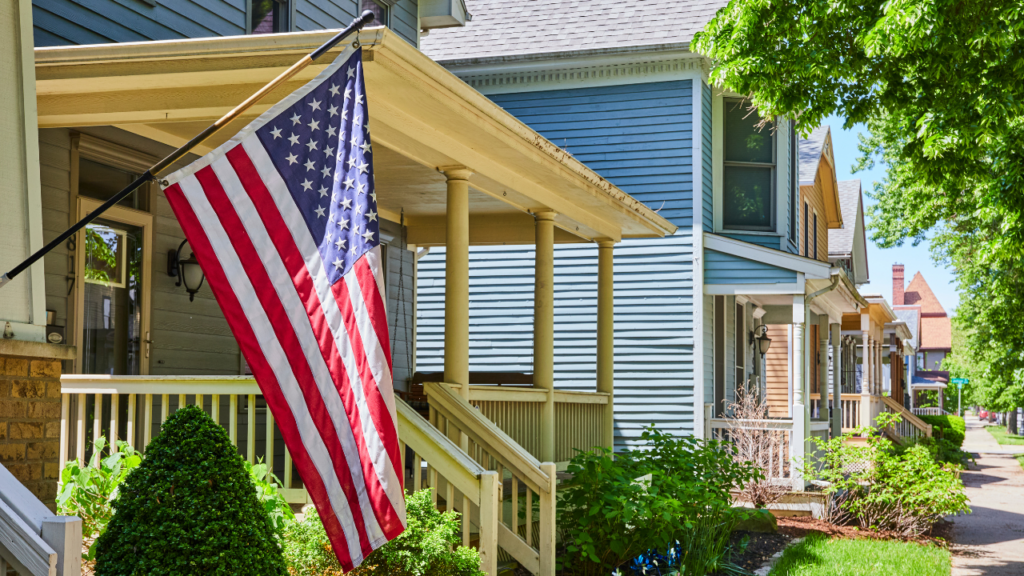
One of the most common questions homebuyers ask before making an offer is: 👉 “How do I research crime rates in a neighborhood?” And honestly? It’s a completely reasonable question. When you’re buying a home, you’re not just investing in a property. You’re choosing where you’ll park your car. Where you’ll walk your dog. Where your kids might ride their bikes. Where you’ll come home after work every day. Naturally, buyers want to feel comfortable about the area they’re considering. But here’s where things get tricky. Many buyers start researching crime online and quickly become overwhelmed. They find: ✔️ Crime maps ✔️ Social media posts ✔️ Neighborhood forums ✔️ News articles ✔️ Online rankings ✔️ Community groups And before long, they’re more confused than when they started. The reality is that researching neighborhood safety isn’t always as simple as looking at one website or reading a few headlines. In fact, some of the biggest mistakes buyers make happen because they rely on incomplete information. The goal isn’t just gathering data. The goal is understanding it. You might be wondering: • What is the best way to research crime rates? • Are online crime maps accurate? • Should I trust neighborhood Facebook groups? • How do I compare one area to another? • What information should I focus on? • Are crime statistics enough to make a decision? • How can I feel more confident about a neighborhood? Let’s talk about it. 🏡 Start With Official Sources When researching any neighborhood, it’s important to begin with reliable information. Many police departments and public agencies provide crime statistics and reports that are available to the public. These resources often include information about: ✔️ Reported incidents ✔️ Crime trends ✔️ Geographic data ✔️ Community reports ✔️ Public safety updates Official sources generally provide more context than social media discussions or neighborhood rumors. And honestly? Starting with facts usually helps buyers avoid unnecessary assumptions. 🏡 Understand That Crime Exists Everywhere This is important. Many buyers begin searching for: 👉 “The safest neighborhood.” But the reality is that every city, suburb, and neighborhood experiences some level of crime. There is no community where incidents never occur. The better question is often: 👉 “Does this neighborhood fit my comfort level and lifestyle?” Understanding local conditions is helpful. Expecting perfection usually isn’t realistic. 🏡 Don’t Rely Solely on Headlines News stories can be useful. But they can also create a distorted picture. Why? Because news organizations naturally focus on unusual or noteworthy events. A single incident may receive significant coverage even if it’s not representative of everyday life in the area. That’s why buyers should avoid forming opinions based entirely on: ✔️ Headlines ✔️ Viral social media posts ✔️ Isolated stories Context matters. 🏡 Look for Trends, Not Individual Incidents One of the smartest things buyers can do is focus on patterns. Ask yourself: ✔️ Are incidents increasing? ✔️ Are incidents decreasing? ✔️ Are certain types of crime more common? ✔️ Are there noticeable trends? Looking at broader patterns often provides more useful information than focusing on individual events. 🏡 Visit the Neighborhood Yourself This may sound obvious. But it’s one of the most valuable things you can do. Spend time in the area. Visit: ✔️ Weekdays ✔️ Weekends ✔️ Mornings ✔️ Evenings ✔️ Different seasons if possible Pay attention to: ✔️ Traffic ✔️ Activity levels ✔️ Property maintenance ✔️ Community engagement ✔️ General atmosphere Your personal experience matters. 🏡 Observe Property Maintenance While property maintenance doesn’t determine crime rates, it can offer insight into neighborhood conditions. Notice: ✔️ Lawn care ✔️ Home maintenance ✔️ Public spaces ✔️ Community appearance ✔️ General upkeep Many buyers find that well-maintained neighborhoods often reflect strong community involvement. 🏡 Talk to Local Residents This is one of the most overlooked research tools. If possible, talk to people who actually live there. Ask questions like: ✔️ What do you enjoy about the area? ✔️ How long have you lived here? ✔️ What surprised you after moving in? ✔️ What would you tell someone considering the neighborhood? Residents often provide perspectives you won’t find in statistics. 🏡 Use Multiple Sources One mistake buyers make is relying on a single website. Instead, gather information from several places. Compare: ✔️ Public reports ✔️ Local resources ✔️ Community information ✔️ Personal visits ✔️ Conversations with residents The more complete your picture, the better. 🏡 Understand That Data Has Limitations Crime statistics can be useful. But they don’t tell the whole story. For example: ✔️ Reporting practices vary ✔️ Population density varies ✔️ Neighborhood size varies ✔️ Community demographics vary Numbers alone don’t always reflect how an area feels to live in. That’s why personal research remains important. 🏡 Consider Your Daily Lifestyle A neighborhood that works well for one person may not work for another. Think about: ✔️ Your work schedule ✔️ Your commute ✔️ Family needs ✔️ Recreation habits ✔️ Walking preferences ✔️ Transportation needs Your lifestyle influences how you’ll experience a community. 🏡 Visit During Different Times of Day Neighborhoods can feel very different depending on when you visit. For example: A quiet residential street at noon may feel very different during: ✔️ Morning rush hour ✔️ Evening activity ✔️ Weekend gatherings That’s why multiple visits are helpful. 🏡 Research Community Amenities Neighborhood quality isn’t just about crime statistics. It’s also about: ✔️ Parks ✔️ Trails ✔️ Libraries ✔️ Recreation centers ✔️ Community programs ✔️ Local businesses Communities with strong amenities often attract long-term residents and community involvement. 🏡 Pay Attention to Community Pride One thing many buyers notice after moving into a neighborhood they love is: People care about the community. You may see: ✔️ Volunteer events ✔️ Community festivals ✔️ Neighborhood gatherings ✔️ Active local organizations Strong community engagement often contributes positively to neighborhood stability. 🏡 Social Media Can Be Helpful—But Carefully Neighborhood groups can provide insight. But they can also create unnecessary fear. Remember: People often post about: ✔️ Problems ✔️ Complaints ✔️ Concerns Far more frequently than they post
What Neighborhoods Are Up-and-Coming in Minnesota? (2026 Homebuyer Guide)
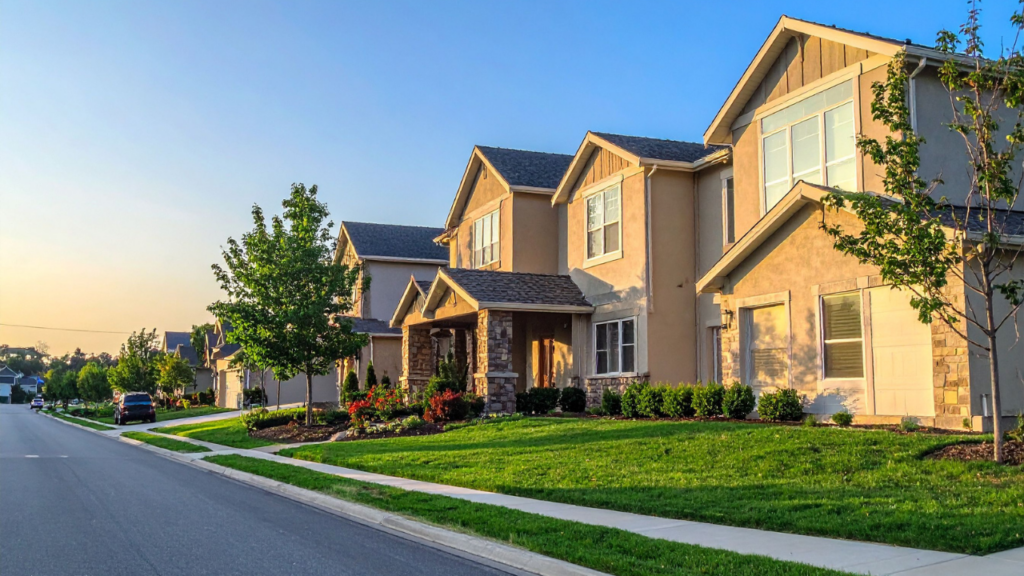
One of the most common questions I hear from buyers is: 👉 “What neighborhoods are up-and-coming right now?” And honestly? I completely understand why people ask. Everyone loves the idea of finding an area before it becomes the place everyone wants to live. Buyers often hope to: ✔️ Get more house for their money ✔️ Build equity over time ✔️ Move into a growing community ✔️ Benefit from future improvements ✔️ Be part of a neighborhood’s transformation The challenge is that “up-and-coming” means different things to different people. For some buyers, it means: ✔️ New construction ✔️ New restaurants ✔️ Retail development ✔️ Infrastructure improvements For others, it means: ✔️ Increasing buyer demand ✔️ Rising home values ✔️ Neighborhood revitalization ✔️ Community investment And here’s the reality: Nobody can predict the future. No real estate agent can guarantee which neighborhood will appreciate the most or become the next hot market. But there are often signs that an area is experiencing positive momentum. And learning how to identify those signs can help buyers make smarter decisions. You might be wondering: • What makes a neighborhood “up-and-coming”? • How do I spot growth before everyone else? • Are up-and-coming neighborhoods good investments? • Should first-time buyers focus on emerging areas? • What signs should I look for? • Are newer suburbs considered up-and-coming? • What matters more—location or growth potential? Let’s talk about it. 🏡 What Does “Up-and-Coming” Actually Mean? A lot of buyers use this phrase without really defining it. Generally speaking, an up-and-coming neighborhood is an area experiencing positive changes such as: ✔️ New development ✔️ Infrastructure improvements ✔️ Increased buyer interest ✔️ Business investment ✔️ Community improvements ✔️ Population growth ✔️ Revitalization efforts These changes often attract more residents, businesses, and investment over time. But growth can look very different depending on the area. 🏡 New Construction Is Often a Clue One thing many buyers notice is new housing development. When builders begin investing heavily in an area, it often signals confidence in future demand. You may see: ✔️ New subdivisions ✔️ Townhome communities ✔️ Mixed-use developments ✔️ Apartment projects ✔️ Retail expansion This doesn’t automatically mean the neighborhood will explode in popularity. But it can indicate growth potential. 🏡 Watch for New Businesses Businesses spend a lot of money researching locations before opening. That’s why new business activity often gets buyers’ attention. Examples include: ✔️ Restaurants ✔️ Coffee shops ✔️ Grocery stores ✔️ Fitness centers ✔️ Medical facilities ✔️ Retail development When businesses begin investing in an area, it may suggest confidence in future population growth. 🏡 Transportation Improvements Matter One of the biggest drivers of neighborhood growth is accessibility. People want convenience. That’s why transportation projects often influence buyer interest. Examples include: ✔️ Highway improvements ✔️ Road expansions ✔️ Transit investments ✔️ Trail systems ✔️ Infrastructure upgrades When accessibility improves, demand often follows. 🏡 Community Investment Is a Good Sign Many buyers focus only on homes. But community investment can be just as important. Look for: ✔️ Park improvements ✔️ Public facilities ✔️ Streetscape upgrades ✔️ Community centers ✔️ Recreation projects These investments often signal a commitment to long-term growth. 🏡 The Twin Cities Continue to Evolve Throughout the Minneapolis-St. Paul metro area, buyers continue exploring neighborhoods that offer: ✔️ Relative affordability ✔️ Convenient access ✔️ Community amenities ✔️ Future development opportunities As housing prices fluctuate, buyers often look beyond traditional hot spots and discover neighborhoods they may have previously overlooked. 🏡 Some Suburbs Continue Growing Rapidly Communities in the outer portions of the Twin Cities metro often attract buyers seeking: ✔️ More space ✔️ New construction ✔️ Growing amenities ✔️ Modern housing inventory Areas experiencing population growth often attract additional investment and development over time. 🏡 Affordability Often Drives Interest Many up-and-coming neighborhoods initially attract buyers because they offer value. People begin noticing: ✔️ More affordable housing ✔️ Larger homes ✔️ Better price-per-square-foot ✔️ Development opportunities As demand increases, more buyers begin paying attention. 🏡 Don’t Confuse Growth With Guaranteed Appreciation This is important. Just because a neighborhood is growing doesn’t guarantee future home values. Real estate markets are influenced by: ✔️ Interest rates ✔️ Inventory ✔️ Employment trends ✔️ Economic conditions ✔️ Buyer demand ✔️ Local development Growth can be a positive sign. But it should never be the only reason you buy a home. 🏡 Lifestyle Still Matters I’ve seen buyers become so focused on finding the “next hot neighborhood” that they forget to ask: 👉 Do I actually want to live here? Remember: You’re not buying a stock. You’re buying a home. Your neighborhood should support your: ✔️ Commute ✔️ Family goals ✔️ Daily routine ✔️ Social life ✔️ Lifestyle preferences Potential growth is great. But enjoying where you live matters more. 🏡 Look for Neighborhood Pride One sign many buyers overlook is community pride. Pay attention to: ✔️ Home maintenance ✔️ Landscaping ✔️ Community involvement ✔️ Local events ✔️ Public spaces People who care about their neighborhood often contribute to long-term stability and growth. 🏡 School Districts Can Influence Demand School districts aren’t the only factor buyers consider. But they can influence: ✔️ Buyer interest ✔️ Relocation decisions ✔️ Neighborhood demand As families move into an area, demand for housing often follows. 🏡 Follow Development News Many cities publish information about: ✔️ Proposed projects ✔️ Planning initiatives ✔️ Zoning updates ✔️ Future investments Reviewing local planning information can provide valuable insight into where growth may occur. 🏡 Walkability Is Becoming More Popular Many buyers increasingly prioritize: ✔️ Walkability ✔️ Local businesses ✔️ Mixed-use development ✔️ Community gathering spaces Neighborhoods that successfully combine housing, shopping, dining, and recreation often attract strong buyer interest. 🏡 Don’t Chase Trends Alone This is one of the biggest mistakes I see. A buyer hears: 👉 “Everyone is moving there.” And immediately assumes they should too. But popularity alone doesn’t mean a neighborhood fits your needs. Always evaluate: ✔️ Budget ✔️ Lifestyle ✔️ Commute ✔️ Long-term goals The best neighborhood for someone else may not be the
What Areas in Minnesota Are Best for Commuters? (2026 Homebuyer Guide)

If you’re buying a home in Minnesota and commuting is part of your daily routine, you’ve probably asked yourself: 👉 “Where should I live if I want an easier commute?” Honestly, this is one of the smartest questions a homebuyer can ask. Because while most people focus on: ✔️ Square footage ✔️ Bedrooms ✔️ Updated kitchens ✔️ Big backyards The reality is that your commute affects your life almost every single day. A home can be beautiful. The neighborhood can be amazing. The price can fit your budget perfectly. But if you’re spending an extra hour or two in traffic every day, that excitement can fade quickly. I’ve worked with buyers who purchased the largest house they could afford only to discover they hated the daily drive. I’ve also worked with buyers who chose a slightly smaller home closer to work and couldn’t imagine living any other way. The truth is: The best commuter location depends on: ✔️ Where you work ✔️ How often you commute ✔️ Whether you work remotely ✔️ Your budget ✔️ Your lifestyle priorities ✔️ How much driving you’re willing to tolerate And in Minnesota, there’s another factor that matters: 👉 Winter. Because a commute that feels manageable in July can feel very different during a January snowstorm. Let’s look at what Minnesota commuters should consider and some of the areas that frequently attract buyers who want convenient access to major employment centers. 🏡 What Makes a Neighborhood Good for Commuters? A lot of buyers assume commuting is simply about distance. But honestly? Distance is only part of the equation. A neighborhood may be: ✔️ Close in miles Yet still have: ❌ Heavy traffic ❌ Congestion ❌ Difficult highway access ❌ Multiple bottlenecks Meanwhile another neighborhood may be farther away but offer: ✔️ Easier freeway access ✔️ More efficient routes ✔️ Better traffic flow A strong commuter location typically offers: ✔️ Convenient highway access ✔️ Multiple route options ✔️ Public transit opportunities ✔️ Access to employment centers ✔️ Predictable travel times 🏡 Minneapolis Commuters Often Prioritize Convenience Many people working downtown Minneapolis look for communities that provide easy access to: ✔️ Interstate 94 ✔️ Interstate 394 ✔️ Highway 100 ✔️ Interstate 35W ✔️ Highway 169 The goal isn’t necessarily living closest to downtown. The goal is reducing stress and maximizing flexibility. 🏡 St. Paul Commuters Have Different Considerations For buyers working in St. Paul, convenient access to: ✔️ Interstate 94 ✔️ Interstate 35E ✔️ Highway 61 ✔️ Highway 36 Often becomes a major factor. Again, commute quality isn’t just about distance. Route efficiency matters. 🏡 Roseville Is Popular for Central Access One reason Roseville consistently attracts commuters is location. It’s positioned between Minneapolis and St. Paul. That means many residents enjoy access to: ✔️ Both downtowns ✔️ Multiple highways ✔️ Shopping ✔️ Employment centers For buyers who work throughout the metro area, that flexibility can be extremely valuable. 🏡 Golden Valley Appeals to Minneapolis Commuters Golden Valley often attracts buyers who want: ✔️ Quick Minneapolis access ✔️ Established neighborhoods ✔️ Convenient transportation routes ✔️ Suburban living with urban proximity Many residents appreciate how quickly they can reach downtown while still enjoying a residential environment. 🏡 Richfield Continues to Be a Strong Choice Richfield’s location remains one of its biggest advantages. Buyers often appreciate access to: ✔️ Minneapolis ✔️ The airport ✔️ Major highways ✔️ Shopping and dining For commuters, convenience often becomes a major selling point. 🏡 St. Louis Park Is Frequently on Buyers’ Short Lists St. Louis Park is often mentioned when buyers want: ✔️ Easy access to Minneapolis ✔️ Walkable amenities ✔️ Established neighborhoods ✔️ Strong transportation connections Because of its location, many commuters find it attractive. 🏡 Eagan Offers Accessibility to Multiple Employment Centers Located south of the metro area, Eagan often appeals to buyers who work throughout the Twin Cities. Advantages may include access to: ✔️ St. Paul ✔️ Minneapolis ✔️ Airport employment ✔️ Major transportation corridors For some buyers, flexibility matters more than proximity to a single downtown. 🏡 Bloomington Remains Popular Bloomington continues attracting commuters because of its central location. Residents often enjoy access to: ✔️ Interstate highways ✔️ Major employers ✔️ Shopping ✔️ Airport access ✔️ Recreation opportunities For many buyers, Bloomington offers a balance between convenience and lifestyle. 🏡 Maplewood Appeals to East Metro Commuters For buyers working in St. Paul or eastern portions of the metro area, Maplewood often becomes part of the conversation. Benefits can include: ✔️ Transportation access ✔️ Community amenities ✔️ Residential neighborhoods ✔️ Convenient commuting routes 🏡 Plymouth Is Popular Despite Being Farther West Many buyers are willing to live farther west because Plymouth offers: ✔️ Strong amenities ✔️ Residential appeal ✔️ Highway access ✔️ Employment accessibility While some commutes may be longer, many residents feel the tradeoff is worthwhile. 🏡 Remote Work Has Changed Everything Five years ago, commute time often dominated buying decisions. Today? Many buyers work: ✔️ Fully remote ✔️ Hybrid schedules ✔️ Flexible arrangements This has dramatically changed how some people evaluate location. If you’re commuting: ✔️ Once per week The calculation may look very different than someone commuting: ✔️ Five days per week That’s why understanding your actual work schedule is important. 🏡 Think Beyond Today’s Job This is something many buyers overlook. Ask yourself: 👉 What happens if I change jobs? Will your location still work? A centrally located home may provide more flexibility if your career changes later. 🏡 Public Transportation Matters for Some Buyers Not everyone wants to drive every day. Depending on your lifestyle, you may want to explore access to: ✔️ Light rail ✔️ Bus routes ✔️ Park-and-ride locations ✔️ Transit stations For some commuters, public transportation significantly improves quality of life. 🏡 Winter Commutes Change the Equation Minnesota winters deserve their own section. Because distance and driving conditions aren’t always the same thing. Factors include: ✔️ Snow accumulation ✔️ Ice ✔️ Reduced visibility ✔️ Slower traffic ✔️ Longer travel times That’s why I encourage buyers to think realistically about winter commuting
What Are the Best Suburbs Near Minneapolis for First-Time Buyers? (2026 Homebuyer Guide)
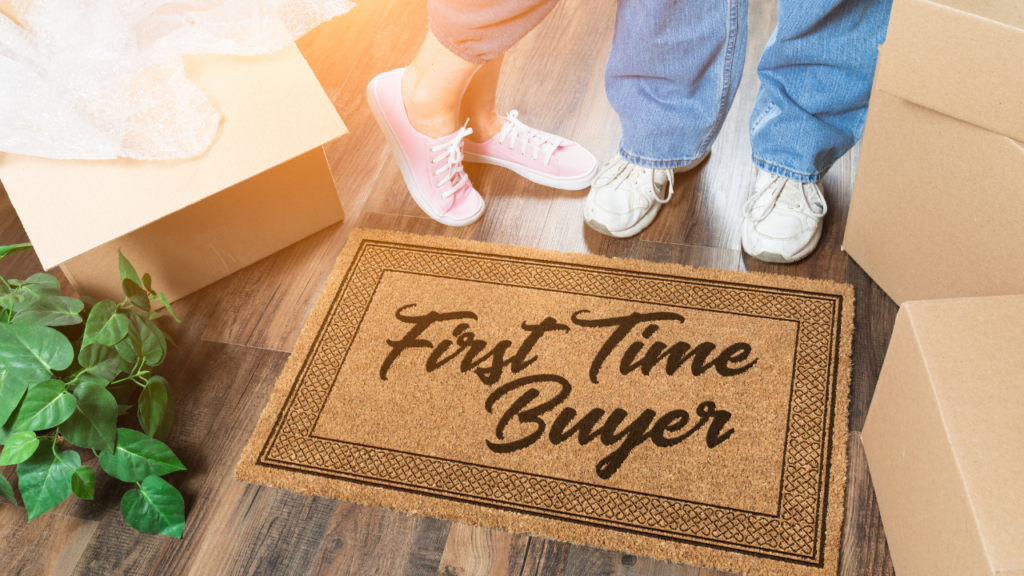
If you’re thinking about buying your first home in Minnesota, there’s a good chance you’ve asked this question: 👉 “What are the best suburbs near Minneapolis for first-time buyers?” And honestly? It’s one of the most common questions I hear. Because buying your first home isn’t just about finding a house. It’s about finding a place where you can build a life. A place where you can comfortably afford the payment. A place that fits your commute. A place that supports your lifestyle. A place you’ll still be happy living in a few years from now. The challenge is that there isn’t one perfect answer. The best suburb for a young professional may be completely different from the best suburb for a growing family. Someone working downtown Minneapolis may prioritize convenience. Someone working remotely may prioritize space and affordability. That’s why instead of focusing on the “best” suburb overall, it’s usually smarter to focus on: 👉 The best suburb for YOU. Let’s look at what first-time buyers should consider and some of the Minneapolis-area suburbs that consistently attract buyers entering the market. 🏡 What Makes a Good First-Time Buyer Suburb? Before we talk about specific cities, let’s define what most first-time buyers are looking for. Typically, buyers want a balance of: ✔️ Affordability ✔️ Safety ✔️ Community amenities ✔️ Reasonable commute times ✔️ Future resale potential ✔️ Parks and recreation ✔️ Shopping and dining access ✔️ Strong neighborhood appeal The challenge is that very few places score perfectly in every category. Most buyers are making tradeoffs. The goal is identifying which tradeoffs matter least to you. 🏡 Why Many First-Time Buyers Start in the Suburbs Minneapolis offers amazing urban living opportunities. But many first-time buyers find themselves exploring suburban communities because they can often get: ✔️ More square footage ✔️ Larger yards ✔️ Newer homes ✔️ Additional parking ✔️ More privacy For many buyers, the suburbs provide a balance between affordability and quality of life. Especially when compared to some higher-priced urban neighborhoods. 🏡 Brooklyn Park Brooklyn Park continues to attract many first-time buyers. One reason is location. It offers convenient access to: ✔️ Minneapolis ✔️ Major highways ✔️ Employment centers ✔️ Shopping and dining Many buyers appreciate that Brooklyn Park offers a variety of housing options at different price points. You’ll find: ✔️ Single-family homes ✔️ Townhomes ✔️ Newer developments ✔️ Established neighborhoods For buyers wanting flexibility, it’s often worth considering. 🏡 Brooklyn Center Brooklyn Center is another community many first-time buyers explore. Its location provides relatively easy access to both Minneapolis and surrounding suburbs. Buyers often like: ✔️ Central location ✔️ Established neighborhoods ✔️ Recreational opportunities ✔️ Convenient commuting routes As always, individual neighborhoods can vary significantly, so spending time exploring the area is important. 🏡 Maple Grove Maple Grove is frequently mentioned by buyers relocating to the Twin Cities. Why? Because it offers: ✔️ Extensive shopping ✔️ Restaurants ✔️ Parks ✔️ Walking trails ✔️ Community amenities Many buyers appreciate the convenience factor. However, depending on the market and inventory, pricing may be higher than some nearby suburbs. That’s why affordability should always be evaluated alongside location. 🏡 Champlin Champlin often appeals to buyers looking for a suburban feel while maintaining access to the metro area. Features buyers often like include: ✔️ Parks ✔️ River access ✔️ Residential neighborhoods ✔️ Community atmosphere Many first-time buyers find Champlin provides a balance between convenience and quieter suburban living. 🏡 Coon Rapids Coon Rapids consistently remains popular with first-time buyers. Reasons include: ✔️ Variety of housing options ✔️ Recreational amenities ✔️ Established neighborhoods ✔️ Transportation access ✔️ Community resources For buyers seeking affordability and convenience, Coon Rapids frequently ends up on the shortlist. 🏡 Blaine Blaine has experienced significant growth over the years. Many buyers are attracted by: ✔️ New construction opportunities ✔️ Parks and trails ✔️ Sports facilities ✔️ Growing retail options ✔️ Community development For buyers wanting newer housing inventory, Blaine often deserves consideration. 🏡 Crystal Crystal is often overlooked by buyers initially. But many discover it offers: ✔️ Convenient location ✔️ Established housing ✔️ Quick access to Minneapolis ✔️ Strong community feel Because it’s closer to the city than some outer-ring suburbs, buyers often find commuting attractive. 🏡 New Hope New Hope offers another option for buyers seeking proximity to Minneapolis. Buyers often appreciate: ✔️ Mature neighborhoods ✔️ Community parks ✔️ Recreation opportunities ✔️ Accessible location For first-time buyers wanting to stay relatively close to the city, New Hope is often worth exploring. 🏡 Plymouth Plymouth is frequently considered by buyers seeking: ✔️ Strong amenities ✔️ Park systems ✔️ Convenient freeway access ✔️ Diverse housing inventory Because Plymouth is a larger suburb, different neighborhoods can offer very different experiences. Buyers should spend time exploring multiple areas. 🏡 Roseville Roseville’s central location continues to attract buyers. One of its biggest advantages is access. Residents can often reach: ✔️ Minneapolis ✔️ St. Paul ✔️ Major highways ✔️ Shopping districts Relatively easily. For buyers who value convenience, Roseville often stands out. 🏡 What First-Time Buyers Should Focus On Here’s something important. The “best suburb” isn’t always the one your friends recommend. It’s the one that supports your goals. Ask yourself: ✔️ What monthly payment feels comfortable? ✔️ How important is commute time? ✔️ Do I want a yard? ✔️ How much space do I actually need? ✔️ Do I want newer construction? ✔️ How important are nearby amenities? The answers matter more than online rankings. 🏡 Affordability Matters More Than Popularity A suburb may be highly desirable. But if buying there stretches your budget too far, it may not be the best fit. Remember: The goal isn’t just buying a home. The goal is comfortably owning a home. That means leaving room in your budget for: ✔️ Emergencies ✔️ Repairs ✔️ Maintenance ✔️ Savings ✔️ Enjoying life 🏡 Visit Before You Decide One of the biggest mistakes buyers make is relying too heavily on internet research. Photos and rankings only tell part of the story. Visit neighborhoods. Walk around. Drive
Should I Buy Closer to Work or Farther Out for More Space? (2026 Minnesota Homebuyer Guide)

If you’re buying a home in Minnesota, there’s a good chance you’ll eventually face one of the biggest tradeoffs in real estate: 👉 Do I buy closer to work? Or… 👉 Do I move farther out and get more house for my money? Honestly, this decision has become even more common over the last few years. Many buyers start their home search thinking: “I want the biggest house possible.” Then they start calculating commute times. Suddenly they’re asking: “Do I really want to spend an extra 90 minutes a day in my car?” On the other hand, some buyers start by focusing on location. Then they realize: ✔️ Homes closer to employment centers may cost more ✔️ Lots may be smaller ✔️ Property taxes may be higher ✔️ Competition may be stronger And now they’re wondering if moving farther out makes more sense financially. The truth? There isn’t a universal right answer. I’ve worked with buyers who were happiest living 10 minutes from work. I’ve also worked with buyers who gladly accepted a longer commute in exchange for a larger home, bigger yard, and quieter neighborhood. The key is understanding the tradeoffs before making a decision. Because this choice affects your daily life far more than many buyers realize. You might be wondering: • Is a shorter commute worth paying more? • How much house can I get farther from Minneapolis or St. Paul? • What are the hidden costs of a longer commute? • Will working remotely change the equation? • Which choice helps resale value more? • How do I know what’s best for my family? • What do most Minnesota buyers choose? Let’s break it down. 🏡 The Biggest Mistake Buyers Make One of the most common mistakes I see is buyers focusing entirely on the house. They find: ✔️ More square footage ✔️ More bedrooms ✔️ A larger backyard ✔️ A newer home ✔️ A lower purchase price And they immediately fall in love. But they haven’t fully considered: ✔️ Commute time ✔️ Gas costs ✔️ Vehicle wear and tear ✔️ Winter driving ✔️ Lost personal time A bigger home can feel amazing. But a daily commute can affect your quality of life every single day. 🏡 Why Many Buyers Want to Live Closer to Work Convenience. It’s really that simple. When you live near work, you often gain back something that’s incredibly valuable: 👉 Time. A shorter commute may mean: ✔️ More family time ✔️ More sleep ✔️ Less stress ✔️ Lower transportation costs ✔️ More flexibility ✔️ Easier scheduling Imagine saving: 30 minutes each way Five days per week That’s approximately: ✔️ Five hours every week ✔️ Twenty hours every month ✔️ More than ten full days every year That’s a lot of life. 🏡 Why Buyers Move Farther Out Of course, there’s another side to the equation. Moving farther from major employment centers often provides: ✔️ Larger homes ✔️ Bigger lots ✔️ Newer construction ✔️ Lower price per square foot ✔️ More privacy ✔️ Less density Many buyers look at homes in outer-ring suburbs and immediately notice: 👉 “Wow, I can get so much more house.” And they’re often right. A budget that buys a modest home closer to Minneapolis may purchase significantly more space in some surrounding communities. 🏡 Minnesota’s Geography Creates Real Tradeoffs The Twin Cities metro offers a wide range of living options. Buyers may choose: ✔️ Urban living ✔️ Inner-ring suburbs ✔️ Outer-ring suburbs ✔️ Exurban communities Each offers different benefits. Generally speaking: Closer to employment centers often means: ✔️ Higher prices ✔️ Smaller lots ✔️ Shorter commutes Farther away often means: ✔️ More space ✔️ Lower housing costs ✔️ Longer drive times 🏡 The Cost of a Commute Isn’t Just Gas This is where many buyers underestimate the true cost. A longer commute can mean: ✔️ Fuel expenses ✔️ Vehicle maintenance ✔️ Tire replacement ✔️ Increased depreciation ✔️ More oil changes ✔️ Parking costs But perhaps the biggest cost isn’t financial. It’s time. And once time is gone, you don’t get it back. 🏡 Remote Work Has Changed Everything Five years ago, commute time was often one of the biggest deciding factors. Today? Many buyers work: ✔️ Fully remote ✔️ Hybrid schedules ✔️ Flexible arrangements If you’re only commuting twice per week, living farther out may feel much more reasonable. That’s why it’s important to evaluate your current work situation realistically. And honestly? Consider where your career may be in five years too. 🏡 Think About Winter Driving This is Minnesota. A 30-minute commute in July may become: ✔️ 45 minutes ✔️ 60 minutes ✔️ Even longer During snowstorms and icy conditions. Buyers relocating from warmer climates often underestimate this reality. Distance matters more during Minnesota winters. 🏡 Family Lifestyle Matters Ask yourself: What does a typical weekday look like? Consider: ✔️ School activities ✔️ Sports ✔️ Childcare ✔️ Family dinners ✔️ Errands ✔️ Social events A longer commute may reduce flexibility for all of these. On the other hand, more space at home may improve family life in different ways. That’s why the answer is highly personal. 🏡 Bigger Isn’t Always Better Many buyers initially prioritize square footage. But after moving in, they realize: ✔️ Extra rooms rarely get used ✔️ Larger homes cost more to maintain ✔️ Utility bills increase ✔️ Cleaning takes longer ✔️ Maintenance expenses grow More space is wonderful when it serves a purpose. But unused space doesn’t necessarily improve quality of life. 🏡 Neighborhood Quality Often Matters More Than House Size This is something many experienced homeowners eventually learn. A great neighborhood may provide: ✔️ Parks ✔️ Trails ✔️ Community events ✔️ Walkability ✔️ Better convenience ✔️ Stronger sense of community Sometimes a slightly smaller home in a neighborhood you love creates greater happiness than a larger home in a location that’s less convenient. 🏡 Resale Value Considerations No one can predict the future. However, homes with: ✔️ Convenient locations ✔️ Strong access to employment centers ✔️ Good transportation routes Often