
Is Landscaping Worth Updating Before Listing in Minnesota?

Landscaping is easy to overlook when you are focused on getting the inside of your home ready to sell, but it is often the very first thing a buyer sees, sometimes before they even get out of the car. So is it actually worth the time and money to update it before listing? The short answer is yes, in most cases some level of landscaping investment is worth it, but it does not need to be extensive or expensive. Simple, well maintained landscaping consistently makes a strong first impression and can meaningfully affect how buyers feel about your home before they even walk through the front door. Here is what actually matters and where to focus your effort. First impressions happen before the front door Buyers form an opinion about a home within the first few seconds of seeing it, whether that is pulling up in person or scrolling through photos online. Overgrown bushes, patchy grass, or cluttered flower beds can create doubt before a buyer has seen a single room inside. Clean, simple landscaping does the opposite. It signals that the home has been cared for, which sets a positive tone for the entire showing. You do not need a full landscape overhaul Sellers sometimes assume curb appeal means a complete redesign with new plantings, hardscaping, and professional landscape design. For most homes, that level of investment is not necessary and will not return what you put into it. Basic maintenance and cleanup almost always matter more than adding new, elaborate features. Focus on maintenance first Mowing, edging, trimming overgrown bushes and trees, removing dead plants, and clearing weeds from beds are the highest impact, lowest cost improvements you can make. These tasks cost little more than time and effort, and they immediately make a property look more cared for. Mulch and edging go a long way Fresh mulch in garden beds and clean, defined edges between lawn and landscaping create a polished look without a major investment. This is one of the most cost effective ways to make landscaping look intentional and well kept rather than neglected. Minnesota’s seasons affect your approach What matters most depends on when you are listing. In spring and summer, a healthy green lawn, trimmed shrubs, and some simple color from flowers or planters make a strong impression. In fall, clearing leaves and keeping beds tidy matters most. In winter, clear walkways, well maintained gutters, and simple exterior lighting can substitute for the greenery buyers cannot see, along with keeping the property free of snow and ice for safe, easy showings. Consider the entry point specifically The path from the driveway or sidewalk to the front door deserves extra attention, since it is the space buyers walk through right before forming their first real impression of the home. A clean walkway, a tidy entry area, and a well maintained front door area make a disproportionate impact relative to their cost. Bigger landscaping projects are rarely worth it before listing Major hardscaping projects like new patios, retaining walls, or extensive new plantings are unlikely to return their full cost at resale, and there is no guarantee the next owner even wants what you chose to install. These larger investments are usually better made for your own enjoyment while living in the home, not specifically to prepare for a sale. When to bring in professional help If your landscaping needs are beyond a weekend of yard work, such as removing a large dead tree, dealing with drainage issues, or repairing a damaged walkway, it is worth bringing in a professional rather than leaving a visible problem for buyers to notice. These are the kinds of issues that can raise questions during a buyer’s walkthrough, even if they seem minor to you. The bottom line for most sellers For the vast majority of Minnesota homes, basic maintenance and cleanup deliver the best return relative to the cost involved. Save the bigger landscaping investments for your own home, and focus your pre listing energy on making the yard look clean, cared for, and inviting. FAQ Do I need to hire a landscaper before listing my home? Most homes do not need professional landscaping services beyond basic yard cleanup, unless there is a specific issue like a dead tree or drainage problem that requires expert attention. What season matters most for curb appeal in Minnesota? Curb appeal matters year round, but the specific tasks shift with the seasons, from lawn care and planters in warmer months to clear walkways and tidy beds in fall and winter. Is it worth adding new landscaping features before I sell? Generally no. Major new landscaping features rarely return their full cost at resale and are better suited to homeowners planning to stay and enjoy them. How much should I budget for pre listing landscaping? For most homes, basic cleanup, mowing, mulch, and minor repairs can be done affordably. Costs rise significantly only if larger issues like dead trees or damaged hardscaping need addressing. Does landscaping really affect the sale price? Poor landscaping can create a negative first impression that affects how buyers perceive the entire home, while clean, simple landscaping helps set a positive tone from the very first look.
Should I Replace Flooring Before Selling My Home?
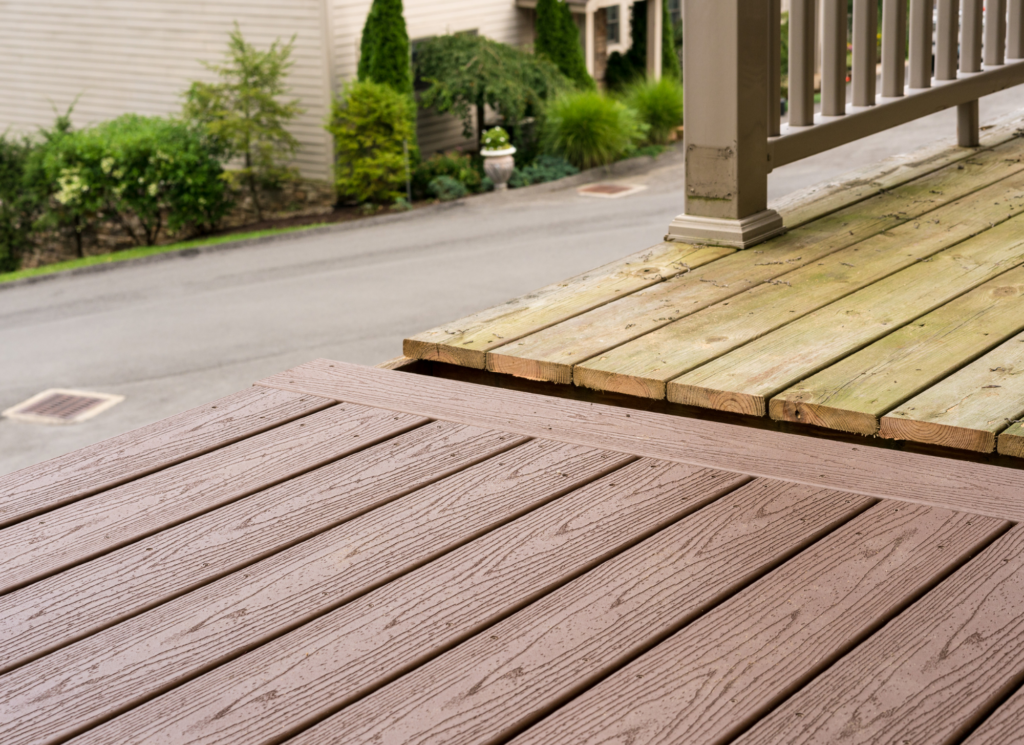
Flooring is one of the first things buyers notice and one of the last things sellers want to spend money on right before listing. So is replacing it actually worth it, or is that money better spent somewhere else? The short answer is it depends on the condition of your current flooring and which rooms we are talking about. Worn, stained, or outdated flooring in high visibility areas like the entry, kitchen, and living room can genuinely hold back your sale price and your showings. But not every floor needs to be replaced, and there are often more cost effective options than a full replacement. Here is how to think through the decision room by room and budget. Start with condition, not age An older floor that is clean, well maintained, and in good repair can absolutely work in your favor, especially if it is a classic material like hardwood. The real red flags are damage, staining, heavy wear patterns, or flooring that smells, particularly from pet stains or moisture issues. Buyers notice these things immediately, and they read them as a sign of deferred maintenance throughout the rest of the home, even if that is not actually true. High visibility rooms matter most Flooring in the entry, kitchen, and main living areas gets the most attention because buyers form their first impressions there. If you are going to invest in flooring updates, these rooms give you the most return on that investment. Flooring in less visible spaces, like a basement rec room or a rarely used guest bedroom, matters less to most buyers touring the home. Refinishing can be more cost effective than replacing If you have hardwood floors that are scratched, dull, or discolored but structurally sound, refinishing is often significantly less expensive than a full replacement and can make the floors look brand new. This is one of the best value improvements available to Minnesota sellers with older homes that have hardwood underneath carpet or worn finishes. Carpet has a shorter shelf life than people expect Worn or stained carpet is one of the fastest ways to make a home feel dated, even if everything else has been updated. If your carpet is visibly matted, stained, or simply old, replacing it in main living areas is usually a worthwhile investment. A professional deep clean can sometimes buy you more time if the carpet is in decent shape but just needs freshening up. Neutral choices sell better than personal preferences If you are replacing flooring before listing, this is not the time to choose based on your personal taste. Buyers respond best to neutral tones and materials that feel timeless rather than trendy. The goal is flooring that helps buyers picture their own furniture and life in the space, not flooring that makes a strong personal statement. Consider the cost against your expected return Flooring replacement costs vary widely depending on material and square footage, so this is a conversation worth having with your agent before committing to a specific product or contractor. In some cases, a targeted refresh in just the highest impact rooms delivers most of the benefit without the cost of replacing every floor in the home. When it makes sense to skip replacement entirely If your flooring is clean, in good condition, and simply a bit dated in style, replacement is often unnecessary. Buyers are generally more forgiving of style preferences than they are of visible wear or damage. In these cases, your money is often better spent on other preparation priorities like fresh paint, decluttering, or addressing any actual repairs. Getting a second opinion before you spend Before committing to a flooring project, it is worth walking through your home with your agent to get an honest read on whether it will meaningfully impact buyer interest and sale price, or whether that budget is better directed elsewhere. Not every home needs the same preparation, and a room by room walkthrough helps prioritize where your money actually makes a difference. Flooring can be one of the more impactful updates before listing, but it is not automatic, and it is not always necessary. The right call depends on your specific home, your specific budget, and what buyers in your price range are actually expecting to see. FAQ Do I need to replace flooring in every room before listing? No. Focus on high visibility areas like the entry, kitchen, and main living spaces first. Less visible rooms typically have less impact on buyer perception. Is refinishing hardwood cheaper than replacing it? In most cases, yes, and it can dramatically improve the appearance of hardwood that is scratched or dull but still structurally sound. What flooring colors sell best? Neutral tones tend to appeal to the widest range of buyers, since they are easier for buyers to picture alongside their own furniture and style. Should I replace carpet or just have it cleaned? If the carpet is stained, matted, or clearly worn, replacement is usually worth it. If it is in decent shape but looks tired, a professional deep clean may be enough. How do I know if flooring is actually hurting my sale? Your agent can walk through the home with you and give an honest assessment of which rooms are likely to affect buyer impressions the most.
Should I Get an Appraisal Before Listing My Home?

Sellers ask me this one a lot, usually because they want a number they can trust before they commit to a list price. Getting an appraisal before listing seems like it should be the obvious move. In most cases, though, it is not the tool I recommend for this particular job. The short answer is that a pre listing appraisal is not necessary for most Minnesota sellers. A comparative market analysis from an experienced agent typically gives you the pricing insight you need, without the cost or the limitations that come with a formal appraisal done before you have a buyer. Here is how to think about the difference and when a pre listing appraisal might actually make sense. An appraisal and a comparative market analysis are not the same tool An appraisal is a formal, licensed valuation typically ordered by a lender to confirm a home supports a specific loan amount for a specific buyer’s transaction. A comparative market analysis, often called a CMA, is prepared by your real estate agent using recent sales of similar homes in your area, current active listings, and market trends to estimate what your home is likely to sell for in today’s market. A CMA is built specifically to help you set a competitive list price, which is exactly the question most sellers are trying to answer before they list. A pre listing appraisal has real limitations An appraiser is working from a snapshot of past sales data and a standardized valuation approach. They are not necessarily factoring in current buyer demand, how many similar homes are actively competing for buyers right now, or how your home’s specific features are trending in today’s market. A CMA from an agent who is actively working in your neighborhood often reflects real time market conditions more accurately than a formal appraisal can. There is a cost consideration A private, pre listing appraisal typically costs several hundred dollars out of pocket, paid directly by the seller. A CMA prepared by your listing agent is typically provided at no cost as part of the listing process. For most sellers, spending money on a formal appraisal before you even have a buyer is not the best use of those dollars, especially when a reliable CMA is available for free. The appraisal that actually matters comes later Once you accept an offer from a buyer using financing, their lender will order an appraisal as part of the loan approval process. This is the appraisal that truly matters for your transaction, because it determines whether the home supports the agreed upon purchase price for that specific loan. A pre listing appraisal does not replace this step or guarantee the buyer’s lender will reach the same number. When a pre listing appraisal might make sense There are a few situations where getting a formal appraisal before listing can be worth it. If your home is highly unique with very few comparable sales nearby, if you are navigating a sensitive situation like a divorce or an estate sale where an independent third party valuation is needed for legal or family reasons, or if you simply want an additional data point alongside your agent’s CMA for your own peace of mind, an appraisal can add value in those specific cases. What a strong CMA actually includes A thorough comparative market analysis looks at recently sold homes similar to yours in size, condition, and location, current competing listings you would be up against, how long similar homes have been taking to sell, and adjustments for any unique features or updates your home has. This gives you a realistic, current picture of what buyers in today’s market are actually willing to pay, which is the real goal when you are setting a list price. My recommendation for most sellers Start with a detailed CMA from an agent who knows your specific neighborhood and is actively watching how homes like yours are performing right now. If you have a unique situation that calls for an independent formal appraisal, that is a conversation worth having, but it is the exception rather than the standard first step. Getting your price right from the start matters more than almost anything else in how your home performs on the market, and a solid CMA is usually the most practical way to get there. FAQ Is a CMA as accurate as an appraisal? For pricing purposes, a CMA from an experienced local agent is often more useful, because it reflects current market activity and buyer demand rather than a standardized valuation method. Do I need to pay for a CMA? No, a CMA is typically included as part of the services a listing agent provides when helping you prepare to sell. Will the buyer’s lender use my pre listing appraisal? No. The buyer’s lender will order their own independent appraisal as part of the loan approval process, regardless of any appraisal you obtained before listing. When does a pre listing appraisal make the most sense? It tends to be most useful for unique properties with few comparable sales, or in situations like an estate or divorce where an independent valuation is needed for legal or family purposes. How often should I update my pricing information before listing? Market conditions can shift, so it is worth getting an updated CMA close to your actual listing date rather than relying on numbers pulled months earlier.
What Happens If I Underprice My Home?

Underpricing a home sounds like a mistake nobody would make on purpose, yet it happens more often than you might think, and sometimes it happens by design. So what actually happens when a Minnesota home hits the market priced below its true value? The short answer is that underpricing can go one of two very different directions. Done strategically, it can spark a bidding war that pushes your final sale price above where a higher list price ever would have landed. Done by accident, it can mean leaving real money on the table. The outcome depends almost entirely on whether the low price was intentional and well supported, or simply a pricing mistake. Here is what to actually expect and how to tell the difference. Strategic underpricing can create competition In a strong seller’s market, some agents intentionally list a home slightly below its estimated value to generate a surge of interest right out of the gate. More buyers touring the home in the first few days often means more offers, and multiple interested buyers competing against each other can drive the final sale price above what a higher initial list price would have achieved on its own. This only works when the market genuinely supports it and buyer demand is strong enough to create that competition. Accidental underpricing usually means leaving money behind If a home is priced too low simply because the comparable sales were misread, the condition was undervalued, or a unique feature was overlooked, the most likely outcome is that the home sells quickly, but for less than it could have. Buyers are not obligated to offer more than the asking price just because a home seems like a good deal. Many buyers will offer at or near list price precisely because it looks attractive, and the seller never finds out what the home was truly worth. A fast sale is not always a good sign Sellers sometimes see a quick sale as proof they priced correctly. In reality, a home that sells within the first day or two, especially with only one offer and no competing bids, is often a sign the price was set too low. A well priced home in a healthy market usually generates enough interest to create at least some competition among buyers. Underpricing can also raise buyer suspicion It might seem like buyers would jump at a below market price without hesitation, but some buyers and their agents get cautious when a price looks unusually low for the condition and location. They may wonder if there is a hidden issue with the property, which can lead to more scrutiny during inspection negotiations rather than less. The appraisal can still work against you One thing underpricing does not protect you from is the appraisal process. If your home receives multiple offers and the winning bid goes well above list price, the appraisal still has to support that final number for a financed buyer. A strategically low list price paired with strong competitive bidding needs to be backed by solid comparable sales data, or the deal can run into appraisal gap issues later. How to tell if your price is a strategy or a mistake The difference comes down to preparation. A strategic low price is set after a thorough comparative market analysis, with a clear understanding of current buyer demand and recent sale prices in your specific area. An accidental low price usually comes from skipping that step, relying on an outdated estimate, or not accounting for updates and improvements that add real value. What I recommend to sellers If you are considering pricing below market value to generate interest, that conversation should happen with real data behind it, not a guess. We would look at recent comparable sales, current buyer activity in your neighborhood, and how quickly similar homes have been moving, so any pricing decision is intentional rather than accidental. Whether your home is priced right at market value or strategically below it, the goal is the same: understanding exactly what that price is likely to produce before the sign goes in the yard. FAQ Is underpricing ever a good strategy in Minnesota’s market? It can be, particularly in neighborhoods or price points with strong buyer demand, but it should always be backed by a solid comparative market analysis rather than guesswork. How do I know if my home is priced too low? If your agent’s pricing recommendation seems noticeably below recent comparable sales without a clear strategic reason, it is worth asking for the full breakdown of those comps before listing. Does underpricing guarantee multiple offers? No. It increases the likelihood of more showings and interest, but buyer demand still depends on the overall market, the season, and how the home shows in person. Can underpricing cause problems with the appraisal? It can, if the winning offer ends up significantly above the list price without comparable sales to support that final number for a financed buyer. Should I ever price low just to sell faster? Selling quickly is not the same as selling well. If the goal is a fast sale, that is a fair conversation to have, but it should be a deliberate choice, not a side effect of an inaccurate price.
Can I Price Above Market to Leave Room for Negotiation?

Every seller has thought about it at least once. Price it a little higher, leave some cushion, let the buyer feel like they won something at the negotiating table. It sounds smart on paper. In practice, it can quietly cost you the exact outcome you were hoping for. The short answer is no, pricing above market value to leave room for negotiation is not a strategy I recommend to my Minnesota sellers, and it rarely works the way people think it will. Buyers today do their homework before they ever request a showing, and an inflated price usually just pushes the right buyers away instead of inviting them to negotiate. Here is why this approach backfires more often than it helps, and what actually works instead. Buyers see the same data you do Every serious buyer in Minnesota is working with an agent who pulls comparable sales before writing an offer. They know what homes like yours have actually sold for in the last few months. When your list price is noticeably higher than those comps, buyers do not think “there’s room to negotiate.” They think “this seller doesn’t know their market” or “this home isn’t worth a serious look.” Either way, you lose credibility before a single showing happens. Overpricing shrinks your buyer pool Most buyers search by price range. If your home is priced 5 to 10 percent above where it should be, you are not just asking for a little extra room. You are removing yourself from the search results of buyers who would have been perfectly qualified and interested at the correct price. Fewer eyes on your listing means fewer showings, and fewer showings means fewer offers to negotiate with in the first place. The first two weeks matter more than people realize New listings get the most attention they will ever get in their first 10 to 14 days on the market. This is when buyer interest, showing requests, and offer activity peak. If your home is overpriced during that window, you burn through your best exposure with little to show for it. By the time you lower the price to where it should have been, the listing already looks stale, even if it has only been on the market a few weeks. Price reductions send a signal, even when they shouldn’t Once a price drops, buyers notice, and they start asking why. Was there no interest? Is something wrong with the home? A price that starts accurate and generates strong early activity tells a very different story than a price that starts high and gets chipped away over time. Pricing accurately creates real negotiating leverage This is the part that surprises a lot of sellers. When you price at true market value, you often generate more showings and, in a competitive situation, multiple offers. That is where your actual negotiating power comes from, not from padding the list price and hoping a buyer offers close to it. A well priced home that draws several interested buyers puts you in a much stronger position than a single buyer negotiating down from an inflated number. There is a difference between strategic pricing and inflated pricing I am not saying every home should be priced at the rock bottom of its range. There are legitimate pricing strategies, like pricing slightly under market in a hot segment to spark competition, or pricing at the top of a tight, well supported range when your home genuinely stands out. The difference is that these strategies are based on real market data and a clear purpose, not on the hope that a buyer will simply negotiate up to where you wanted to be anyway. What sellers should focus on instead If your goal is a strong sale price, the answer is not padding your number and waiting for a lowball offer to negotiate against. It is working with your agent to set a price backed by current, accurate comparable sales, preparing the home well, and letting real buyer demand do the work. That is what actually creates negotiating leverage in your favor. Pricing a home correctly from day one is still the single biggest factor in how well it performs on the market. If you are weighing pricing strategy for your own sale, I am always happy to walk through the comps with you and talk through what makes sense for your specific home and timeline. FAQ Does pricing above market ever make sense in Minnesota? In very rare cases, if a home has a truly unique feature with no comparable sales to measure against, a seller might test a slightly higher price. Even then, it should be based on a clear rationale, not just a cushion for negotiation. Will buyers automatically lowball an overpriced home? Often the opposite happens. Buyers may simply skip the listing rather than submit an offer, because they assume there is no room for a fair conversation or they do not want to insult the seller with a number far below asking. How do I know if my price is accurate? A comparative market analysis based on recent, similar sales in your area is the most reliable starting point. Your agent should be able to show you exactly which homes were used and why. What if I still want some negotiating room? Talk to your agent about building flexibility into your terms instead, such as closing date or included items, rather than inflating the price itself. Can I adjust my price later if it is not working? Yes, but a price reduction rarely recovers all the momentum lost from overpricing at launch. It is almost always better to price correctly from the start.