
Is Landscaping Worth Updating Before Listing in Minnesota?

Curb appeal starts the moment a buyer pulls into the driveway, long before they ever step inside, which makes landscaping one of the first things sellers wonder if they should invest in before listing. Quick Answer Basic landscaping cleanup, like fresh mulch, trimmed shrubs, and a well-kept lawn, is almost always worth doing before you list. Larger landscaping projects rarely return their full cost in the sale price, so the smarter move is prioritizing cleanup and small, targeted upgrades over major renovations. Why Landscaping Shapes a Buyer’s First Impression Before a buyer ever sees your kitchen or your bathrooms, they see your yard. Overgrown bushes, patchy grass, or cluttered flower beds send a signal before a buyer even opens the car door, and that first impression colors how they view everything else about the home, even if it isn’t fair to the rest of the property. A tidy, well-maintained exterior does the opposite. It signals that the home has been cared for, which builds buyer confidence walking in the front door, and that confidence tends to carry through the rest of the showing in a way that works in your favor. What Minnesota’s Seasons Mean for Timing Your Updates Landscaping in Minnesota comes with a seasonal reality that sellers in warmer climates don’t have to think about. A lawn that looks lush in June can be under snow in December, and timing your listing and your landscaping efforts around the season matters more here than in many other markets. If you’re listing in spring or summer, focus on lawn health, mulch, and seasonal color. If you’re listing in fall or winter, prioritize a clean, well-kept look, cleared walkways, and tidy structural landscaping like trimmed shrubs and edged beds, since flowering plants and green lawns simply aren’t part of the picture at that time of year. Low-Cost Landscaping Fixes That Make the Biggest Difference Some of the most effective landscaping updates cost very little. Fresh mulch in flower beds, trimmed and shaped shrubs, a freshly mowed and edged lawn, and cleared walkways instantly make a property look more cared for. Removing dead plants, weeds, or debris around the foundation also goes a long way toward a clean, put-together look. These small fixes are usually a weekend project or a modest investment in professional lawn care, and they tend to make a noticeable difference in how the exterior photographs and shows in person. When Bigger Landscaping Projects Might Be Worth It Larger landscaping investments, like a full backyard redesign, new hardscaping, or extensive plantings, rarely return their full cost dollar for dollar in the sale price. That said, there are situations where a bigger project makes sense, such as addressing a clearly overgrown or neglected yard that’s actively hurting curb appeal, or fixing a landscaping issue that’s affecting the home’s function, like poor drainage near the foundation. In most other cases, it’s more cost-effective to focus your budget on cleanup and small upgrades rather than a full landscaping overhaul. Landscaping Mistakes That Can Hurt Your Sale Overgrown trees or shrubs that block windows or the front door, dead or dying plants left in place, cluttered yard decorations, and visible drainage issues are all things that can actively work against you. These issues tend to stand out to buyers and can raise questions about how well the rest of the home has been maintained. Neglecting basic upkeep in the weeks before listing, like letting the lawn go too long between mowings, is an easy mistake to avoid but one that’s surprisingly common among busy sellers juggling everything else involved in getting ready to list. How Landscaping Affects Photos and Online Impressions The vast majority of buyers see your home online before they ever see it in person, and your exterior photos are often the very first image in the listing. A messy or overgrown yard in that first photo can lead buyers to scroll past your listing entirely, no matter how nice the inside of the home actually is. Taking the time to clean up landscaping before your listing photos are taken is one of the highest-impact, lowest-cost things you can do to improve how many buyers actually click into your listing. Prioritizing Your Time and Budget Before Listing If you’re working with limited time or budget before listing, focus first on visible cleanup: mowing, trimming, mulching, and removing anything dead or cluttered. From there, address any landscaping issues that are actively affecting the home’s function or that stand out as clear red flags to buyers. Save larger landscaping projects for situations where they’re solving a real problem, rather than assuming a bigger investment automatically means a bigger return. A simple way to prioritize is to walk your property line to line and note anything that would make you pause if you were seeing it as a buyer for the first time. Tackle those items first, then circle back to smaller cosmetic touches if time and budget allow before your listing photos are scheduled. Not every seller has the time, tools, or knowledge to tackle yard work before a listing deadline, and that’s completely normal. A local lawn care service or landscaper can often handle basic cleanup quickly and affordably, especially if you explain that the goal is preparing the property for sale rather than a long-term landscaping investment. If you’re unsure whether a specific issue in your yard is worth addressing before you list, it’s always worth asking your agent for a second opinion, since what matters most to buyers can vary by neighborhood and price point. Frequently Asked Questions Do I need to completely redo my landscaping before listing? No. Most sellers only need basic cleanup, like mowing, trimming, mulching, and removing dead plants, to make a strong impression. Full redesigns are rarely necessary or cost-effective. What’s the best time of year to do landscaping work in Minnesota? Spring and early summer are ideal for lawn and plant-focused updates, while fall and winter listings should focus more on tidy structural
Should I Replace Flooring Before Selling My Home?
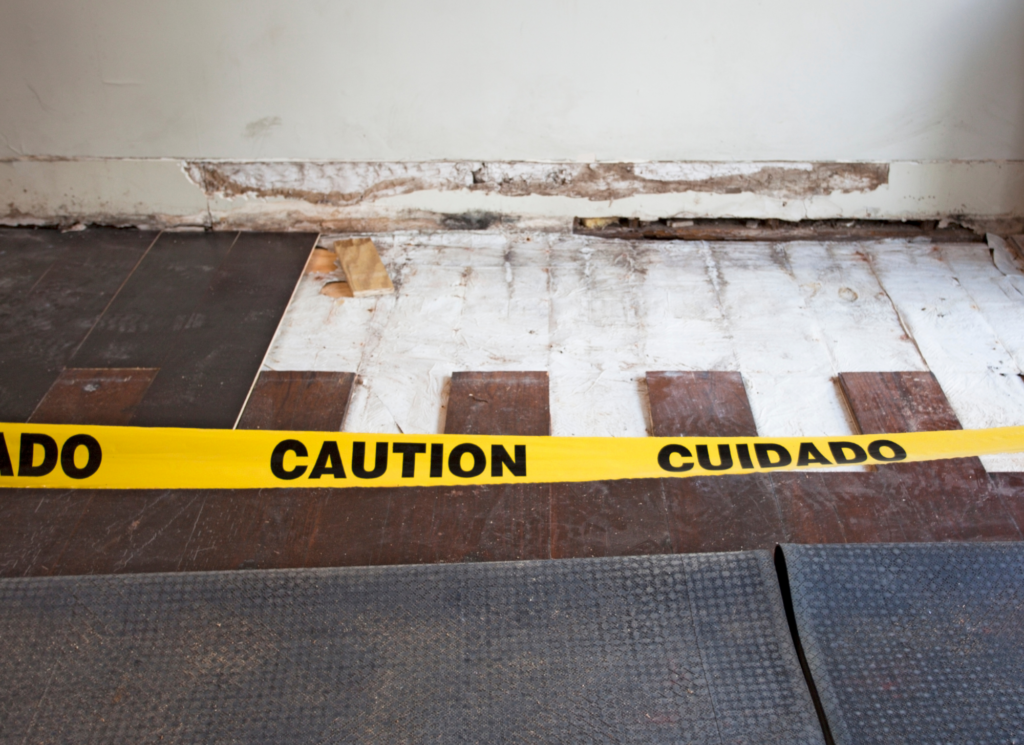
Flooring is one of the first things buyers notice the moment they walk through the door, which makes it one of the most stressful updates for sellers trying to decide where to spend money before listing. Quick Answer Whether you should replace flooring depends on its current condition, type, and location within the home. Worn carpet or heavily damaged flooring in main living areas is often worth addressing, but you do not need to replace every floor in the house to make a strong impression. Why Flooring Makes Such a Strong First Impression Flooring covers more visual real estate than almost any other surface in your home. Buyers see it in every single room, and because it’s underfoot, wear and damage are hard to disguise. Stained carpet, scratched hardwood, or dated linoleum can make an otherwise well-kept home feel neglected, even if everything else is in great shape. On the flip side, clean, well-maintained flooring helps buyers feel like the home has been cared for, which builds confidence in the rest of the property, even in areas they haven’t inspected closely yet. That confidence matters more than it might seem, because buyers who feel good about the details they can see are more likely to give you the benefit of the doubt on the things they can’t inspect during a showing. How to Evaluate Whether Your Flooring Needs to Go Start with an honest walk-through of your home as if you were a buyer seeing it for the first time. Look for obvious wear like matted or stained carpet, visible scratches or gouges in hardwood, cracked or lifting tile, and flooring that is clearly outdated in style compared to the rest of the home. If the flooring is simply older but well maintained and neutral in color, a deep clean might be all it needs. If it’s visibly damaged, heavily stained, or actively distracting from the room, that’s a stronger signal that replacement or repair is worth considering. Which Rooms Matter Most Not all flooring carries equal weight with buyers. Entryways, kitchens, and main living areas get the most attention because they set the tone for the whole home and are seen first and most often during a showing. Flooring issues in these high-visibility spaces tend to have an outsized impact on buyer perception. Secondary bedrooms and basements, while still important, generally get less scrutiny. If your budget is limited, prioritizing the spaces buyers see and spend the most time in usually makes more sense than trying to address every square foot of the house equally. Full Replacement vs Refinishing vs Deep Cleaning Replacement isn’t the only option, and it’s often not the most cost-effective one. Hardwood floors with surface scratches but solid structure underneath can frequently be refinished rather than replaced, which costs less and still delivers a like-new appearance. Carpet that’s dirty but not worn out may just need a thorough professional cleaning. Full replacement makes the most sense when flooring is structurally damaged, extremely outdated, or so worn that cleaning and refinishing won’t meaningfully improve its appearance. Budget-Friendly Alternatives to a Full Replacement If a full replacement isn’t in the budget, there are still ways to improve how your flooring presents. Professional deep cleaning for carpets, refinishing for hardwood, and even replacing just the flooring in the most visible rooms rather than the whole house can meaningfully change buyer perception without the cost of a complete overhaul. In some cases, simply removing an old area rug or repositioning furniture to draw attention away from a worn section can help, especially if a larger renovation isn’t realistic before your listing date. What Buyers Actually Factor Into Their Offer Buyers tend to mentally subtract more from their offer than the actual cost of fixing flooring issues, because worn or dated floors read as a bigger project in their minds than it might actually be. This means addressing visible flooring problems before listing often protects your sale price more effectively than leaving it for buyers to negotiate down later. It’s also worth remembering that flooring shows up prominently in listing photos, which shapes how many buyers even choose to schedule a showing in the first place. How to Decide What’s Worth Doing Before You List The right decision depends on your specific home, your timeline, and your budget. A good starting point is asking your agent to walk through the home with you and point out which flooring issues are likely to affect buyer perception and negotiations the most, versus which ones are minor enough to leave alone. This kind of targeted guidance helps you avoid overspending on unnecessary replacement while still addressing the issues most likely to affect your bottom line. It also helps to think about timing. If you have several months before you plan to list, larger flooring projects are more manageable to schedule around contractor availability and your own daily life. If your timeline is tighter, prioritizing the quickest, highest-impact fixes, like a professional cleaning or addressing just the most visible rooms, makes more sense than trying to tackle every floor in the house at once. Flooring projects can range widely in cost, and it’s easy to either overspend on something buyers won’t notice much or underspend on something that ends up costing you more in a lower offer. Before committing to a project, it’s worth getting your agent’s read on how buyers in your specific price range and neighborhood tend to react to flooring condition, so your decision is based on what’s actually likely to move the needle rather than a guess. Frequently Asked Questions Do I need to replace carpet in every room? Not necessarily. Focus first on carpet in main living areas and bedrooms that get the most buyer attention. Secondary spaces with less wear can often be left as is or simply cleaned. Is it better to refinish hardwood or replace it? If the hardwood is structurally sound with only surface wear, refinishing is usually more cost-effective and gives a similar
Should I Get an Appraisal Before Listing My Home?
Sellers sometimes wonder if paying out of pocket for an appraisal before listing is a smart way to nail down the right price. It’s a reasonable question, and the answer depends on your specific situation. Quick Answer Most Minnesota sellers do not need a pre-listing appraisal because a real estate agent’s comparative market analysis accomplishes a similar goal at no cost. There are specific situations, though, like unique properties or certain legal circumstances, where paying for a pre-listing appraisal can genuinely be worth it. What a Pre-Listing Appraisal Actually Involves A pre-listing appraisal is a formal valuation performed by a licensed appraiser before you put your home on the market. The appraiser visits your home, measures and evaluates it, reviews comparable sales, and produces a written report with an estimated value based on established appraisal standards. This is the same basic process a buyer’s lender will use later in the transaction, except this version is commissioned by you as the seller, before a buyer is even in the picture. How It Differs From a Comparative Market Analysis A comparative market analysis, or CMA, is prepared by a real estate agent using recent sales of similar homes in your area, current active listings, and market trends. It is not a formal appraisal, but experienced agents use real data and local market knowledge to arrive at a well-supported price recommendation. The biggest practical difference is cost and purpose. A CMA is typically provided free by your agent as part of preparing to list, while a formal appraisal involves a fee and a more rigid, standardized process intended to satisfy lending requirements. The Cost and Time Involved A pre-listing appraisal typically costs a few hundred dollars and can take anywhere from several days to a couple of weeks to schedule and complete, depending on appraiser availability in your area. That’s real time and money spent before you’ve even listed your home or had a single showing. For sellers on a normal timeline without unusual circumstances, that cost and delay often doesn’t add enough value over a solid CMA to justify it. When a Pre-Listing Appraisal Is Actually Worth It There are situations where paying for a pre-listing appraisal makes real sense. If your home is unique enough that comparable sales are hard to find, a formal appraisal can provide more confidence in your pricing. Legal situations like divorce settlements, estate distributions among heirs, or partnership dissolutions often require or benefit from a neutral, third-party valuation that a CMA cannot provide in the same way. In these cases, the appraisal isn’t really about setting your list price so much as it is about having a defensible, professional number that all parties can agree on. Why Most Sellers Don’t Need One For a typical single-family home in a neighborhood with recent comparable sales, an experienced agent can put together a CMA that reflects true market value just as effectively as a formal appraisal, without the cost or the wait. Since your agent already has to research comparable sales to help you price the home, a separate appraisal often duplicates work that’s already being done for you. Most Minnesota sellers are better served putting that time and money toward preparing the home itself, whether that’s cleaning, minor repairs, or staging. What the Buyer’s Lender Appraisal Means for You Later Regardless of whether you get a pre-listing appraisal, once you accept an offer from a buyer using financing, their lender will almost always order its own appraisal. This appraisal has to support the purchase price for the loan to be approved as written. A pre-listing appraisal does not replace this step, and it does not guarantee the buyer’s lender appraisal will come back at the same number. Knowing this in advance helps set realistic expectations. The real appraisal that matters for the transaction happens after you have an accepted offer, not before. How to Get an Accurate Value Without Paying for an Appraisal The most practical path for most sellers is requesting a detailed comparative market analysis from an experienced local agent. Ask specifically what comparable sales were used, how your home’s condition and features were factored in, and how current market trends are affecting pricing in your area right now. A thorough, honest CMA gives you the confidence of an accurate price without the added cost and delay of a formal appraisal, and it comes from someone who will also help you market and negotiate the sale. Don’t be afraid to ask questions about the CMA before you settle on a price. A good agent should be able to walk you through why each comparable property was chosen, how adjustments were made for differences between your home and those comps, and how recent market activity is shaping the recommendation. That level of transparency is a good sign you’re working with a reliable number. Ultimately, the choice between a pre-listing appraisal and a strong CMA comes down to your specific property and circumstances rather than a blanket rule that applies to everyone. Most sellers with a fairly typical home in a neighborhood with recent comparable sales will find a CMA more than sufficient, and if you’re still unsure, it never hurts to ask your agent directly whether a formal appraisal would add meaningful value in your specific case. Frequently Asked Questions Is a pre-listing appraisal the same as the buyer’s lender appraisal? No. A pre-listing appraisal is one you commission before listing, and it does not replace the appraisal a buyer’s lender will order later in the transaction once you have an accepted offer. How much does a pre-listing appraisal cost? Costs vary, but a pre-listing appraisal typically runs a few hundred dollars, depending on your home’s size, location, and the appraiser you hire. Can a CMA be just as accurate as an appraisal? For most typical homes with plenty of comparable sales nearby, a well-researched CMA from an experienced agent can be just as reliable for setting a list price, without the added cost. What
What Happens If I Underprice My Home?

Pricing low feels like the safe choice. A lower number seems guaranteed to sell fast and maybe even spark a bidding war. The reality for Minnesota sellers is more complicated than that. Quick Answer Underpricing can sometimes create a bidding war, but more often it simply means you sell for less than your home was worth. Multiple offers do not guarantee the final price catches up to true market value, and once buyers anchor to a low number, it can be difficult to negotiate the price back up. Why Sellers Sometimes Underprice on Purpose Some sellers and agents intentionally price a home below market value as a strategy to generate a flood of interest and multiple offers right out of the gate. The idea is that a lower price gets more eyes on the listing, more showings scheduled, and more buyers competing against each other, which can drive the final sale price up past what the home would have gotten with a higher starting number. This strategy can work in a hot market with strong buyer demand and limited inventory, but it is not a guaranteed formula, and it comes with real risks that are easy to overlook when you’re focused on the idea of a bidding war. The Multiple Offer Myth A lot of sellers assume that underpricing automatically leads to a bidding war that pushes the price above market value. In reality, multiple offers do not always mean buyers are competing aggressively. Sometimes you get several offers that are all close to your low asking price, because buyers see the number and anchor to it rather than to what the home might actually be worth. If demand isn’t strong enough in your specific market segment, price range, or time of year, you may end up with a handful of offers that are all lower than what a properly priced home would have brought in a single, well-informed offer. How Buyer Psychology Works Against You at a Low Price Once buyers see a price, that number becomes their reference point, even if the home is worth more. This is a well-documented pattern in negotiation generally, not just real estate. Buyers rarely think, this home is priced low, so I should offer more than asking. Instead, they tend to think in terms of how much over that number they’re willing to go, which is a very different mental starting point than pricing accurately and letting buyers compete based on true value. This means the ceiling on your final sale price can end up lower than it should be, simply because of where the anchor was set. What an Appraisal Can and Cannot Fix If you do get a bidding war and a buyer offers well above your low asking price, the appraisal still has to support that number for a financed purchase to go through. Appraisals lean on recent comparable sales, so if your home was priced significantly under market and buyers escalated based on emotion, there’s a chance the appraisal comes in lower than the accepted offer. When that happens, the deal can require renegotiation, a buyer bringing extra cash to closing, or in some cases falling apart entirely. Underpricing does not eliminate appraisal risk, it just shifts where the risk shows up. The Emotional Trap of At Least It Sold Fast A fast sale feels like a win, and in some ways it is, less time on market, less uncertainty, less showing prep. But a quick sale at a price below true value means you’re trading actual dollars for speed and convenience. For most sellers, especially those relying on their home’s equity for their next move, that trade is not worth it once you look at the numbers honestly. It’s worth separating the emotional relief of a fast sale from the financial outcome, because those are two different things. When Strategic Underpricing Can Work In a genuinely strong seller’s market, with low inventory and high buyer demand in your specific area and price range, a modest underpricing strategy managed carefully by an experienced agent can generate real competition and a strong final sale price. The key word is modest and carefully managed, not a significant discount applied without a clear read on current market conditions. This is a strategy that works best when it’s intentional and data driven, not when it’s a default because a seller is unsure what their home is actually worth. How to Find the Real Value Instead of Guessing The safest path for most sellers is understanding true market value first, through a comparative market analysis based on actual recent sales in your neighborhood, then deciding intentionally whether a pricing strategy above, at, or slightly below that value makes sense for your specific situation and goals. Guessing on either end, too high or too low, introduces risk that a clear, data-backed price simply avoids. It also helps to talk through your goals directly with your agent before you settle on a number. A seller who needs a fast, certain sale for a job relocation has different priorities than a seller who has more flexibility on timeline and wants to maximize price. Those goals should shape your pricing strategy, not just a general instinct about pricing low to move quickly. It’s also worth sitting down and actually running the numbers before deciding that a faster sale is automatically the better outcome. A home that sells in a week at a meaningfully discounted price and a home that sells in a month at full market value can end up with very different amounts landing in your pocket after closing. For most sellers, the extra weeks on market are a much smaller cost than the gap between an underpriced sale and a properly priced one. Frequently Asked Questions Doesn’t underpricing guarantee multiple offers? It increases the likelihood of more showings and interest, but it does not guarantee a bidding war strong enough to push the price back up to or above true market value. Can I