
What Is a Short Sale and Should I Buy One in Minnesota?
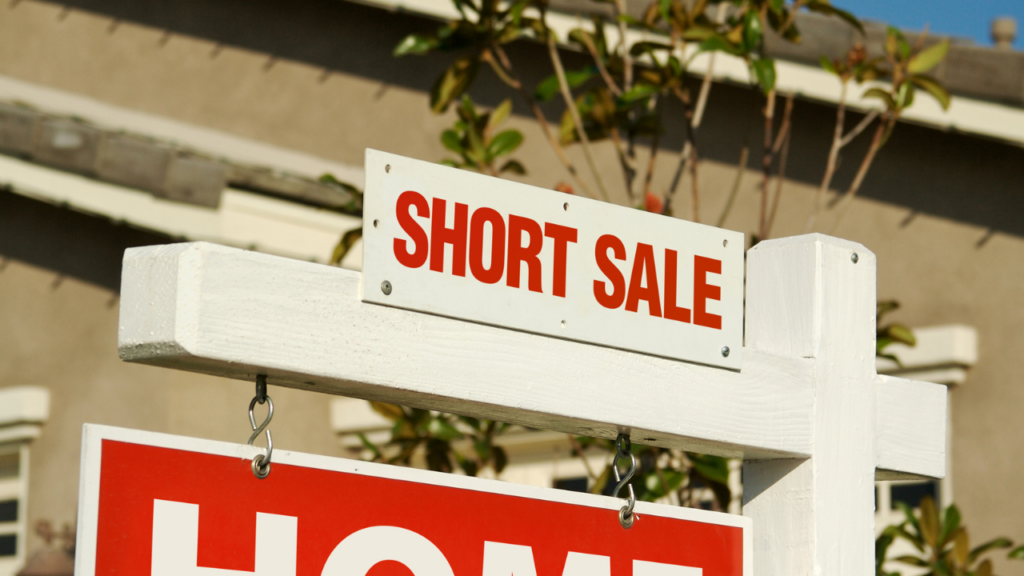
Many Minnesota homebuyers have heard the term “short sale” but aren’t exactly sure what it means. Some assume it’s the same thing as a foreclosure. Others believe it’s an easy way to get a house at a huge discount. And many buyers simply skip over short sale listings because they sound complicated. The truth is that a short sale is neither a foreclosure nor a guaranteed bargain. It is a unique type of real estate transaction that can create opportunities for buyers, but it can also involve patience, uncertainty, and additional risks. As a Minnesota real estate agent, I’ve worked with buyers who were excited about short sales because of the potential savings. I’ve also seen buyers become frustrated when they didn’t fully understand how the process works. Before you decide whether a short sale is worth pursuing, it’s important to understand exactly what it is, why it happens, how the process works, and what challenges you may encounter along the way. Let’s break it down in simple terms. What Is a Short Sale? A short sale occurs when a homeowner owes more on their mortgage than the home is worth and asks their lender to approve the sale of the property for less than the remaining mortgage balance. For example: Imagine a homeowner owes $350,000 on their mortgage. The current market value of the home is only $310,000. If the homeowner sells the property for $310,000, there isn’t enough money to fully pay off the loan. The lender must agree to accept less than what is owed. That agreement is what creates a short sale. Without lender approval, the sale cannot move forward. Why Do Short Sales Happen? Short sales often occur when homeowners experience financial hardship. Examples include: In some situations, property values may have declined while mortgage balances remained high. Rather than allowing the property to go into foreclosure, the lender may agree to a short sale. How Is a Short Sale Different From a Foreclosure? Many buyers confuse these two terms. They’re related, but they’re not the same thing. Short Sale The homeowner still owns the property. The lender must approve the sale. The homeowner is actively involved in the transaction. Foreclosure The lender has already taken legal action to recover the property. Ownership has typically transferred away from the homeowner. The property may become bank-owned. This distinction is important because the buying process differs significantly. Why Buyers Consider Short Sales The biggest reason buyers look at short sales is price. Many assume: “Maybe I can get a deal.” Sometimes that happens. But not always. A short sale may be priced competitively to attract buyers and encourage lender approval. However, lenders generally try to recover as much money as possible. They’re not necessarily interested in giving properties away. The best approach is to evaluate the property based on market value, condition, and overall opportunity rather than assuming the price is automatically a bargain. Potential Benefit #1: Lower Purchase Price Some short sales may be listed below comparable homes in the area. This can create opportunities for buyers seeking affordability. However, buyers should still analyze: A lower list price doesn’t automatically mean a better value. Potential Benefit #2: Less Competition in Some Situations Some buyers avoid short sales because they don’t want to deal with uncertainty. As a result, certain short sale properties may attract fewer offers than comparable traditional listings. This isn’t always the case, but it can happen. Less competition may improve a buyer’s chances of securing a property. Potential Benefit #3: Established Neighborhoods Many short sales are located in desirable, established communities. Buyers may find opportunities in neighborhoods they previously thought were out of reach financially. Again, every property is different. But location can be a major advantage. Risk #1: The Process Can Take a Long Time This is perhaps the biggest drawback. Traditional home purchases often move relatively quickly. Short sales frequently take longer. Why? Because the lender must review and approve the transaction. That review process can involve: Buyers may wait weeks or even months for a final decision. Patience becomes essential. Risk #2: Approval Is Not Guaranteed This surprises many buyers. Even if the seller accepts your offer, the lender may still reject it. The lender has the final say. Reasons for denial may include: Until lender approval is received, uncertainty remains. Risk #3: The Property May Be Sold As-Is Many short sales are sold as-is. That means: Buyers should carefully evaluate property condition before proceeding. Risk #4: Deferred Maintenance Financial hardship often affects property maintenance. If homeowners have struggled financially, they may have postponed repairs. Potential issues could include: Inspections remain extremely important. Risk #5: Financing Challenges Certain property conditions may affect financing eligibility. For example: may create challenges with some loan programs. Before pursuing a short sale, buyers should discuss financing with their lender. Minnesota-Specific Considerations Minnesota weather adds another layer of evaluation. Homes that have experienced deferred maintenance may face additional risks involving: Roof Damage Heavy snow and ice can accelerate wear. Frozen Pipes Especially if utilities were interrupted. Moisture Problems Basements require careful evaluation. Heating Systems Reliable heating is essential during Minnesota winters. These issues should never be overlooked. Why Inspections Matter A home inspection can help buyers identify: Even if the property is being sold as-is, inspections provide valuable information. The inspection doesn’t eliminate risk. It helps you understand it. That’s a major difference. Can First-Time Buyers Purchase Short Sales? Absolutely. Many first-time buyers successfully purchase short sale properties. However, buyers should understand: If you need a home immediately, a short sale may not be the best fit. If you’re flexible and understand the process, it may be worth considering. Questions Buyers Should Ask Before pursuing a short sale, consider: How long has the property been on the market? Has the lender received previous offers? What repairs are visible? Can I complete inspections? Am I prepared for delays? Do I have financial reserves for repairs? The answers can help you determine whether the opportunity aligns