
What Is the Cost of Living in Minneapolis vs the Suburbs? A 2026 Guide for Homebuyers and Relocating Families

One of the biggest decisions people face when moving to Minnesota isn’t whether to buy a home. It’s where to buy one. For many buyers, the debate often comes down to two options: Should I live in Minneapolis? Or should I move to the suburbs? It’s a question that comes up almost every week when I talk with relocating families, first-time buyers, and even longtime Minnesota residents looking for a change. The answer depends on your priorities. Some people love the energy, convenience, and walkability of Minneapolis. Others prefer the extra space, newer homes, and quieter neighborhoods often found in the suburbs. But beyond lifestyle, there’s another major factor to consider: Cost. Many buyers assume Minneapolis is automatically more expensive. Others assume the suburbs are always cheaper. The reality is much more nuanced. Let’s look at what it really costs to live in Minneapolis versus the suburbs and how to decide which option might fit your lifestyle and budget. Why This Comparison Matters The Twin Cities metro is one of the largest and most diverse housing markets in the Midwest. Within a relatively short drive, you can find: That variety creates opportunities for buyers at many different price points. However, your monthly expenses can vary significantly depending on where you choose to live. Housing Costs: Minneapolis vs Suburbs Housing is usually the largest expense for most households. That’s why it’s often the first place buyers start when comparing locations. One thing that surprises many newcomers is that Minneapolis isn’t always more expensive than the suburbs. In fact, some highly desirable suburban communities command home prices that exceed many Minneapolis neighborhoods. The difference often comes down to: For example, certain Minneapolis neighborhoods may offer smaller homes on smaller lots at price points comparable to suburban properties. Meanwhile, some highly sought-after suburbs may feature larger homes with higher overall purchase prices. There is no universal rule. Each neighborhood should be evaluated individually. What Buyers Get in Minneapolis People who choose Minneapolis often prioritize convenience and lifestyle. Benefits may include: For some buyers, these lifestyle benefits justify higher housing costs in specific neighborhoods. Others appreciate the unique character of Minneapolis homes. Many neighborhoods feature: That’s difficult to replicate in newer developments. What Buyers Get in the Suburbs Suburban buyers are often looking for something different. Common priorities include: For families especially, the suburbs can provide space that may be difficult to find within the city. Many suburban communities also continue to add: The suburban lifestyle has evolved considerably over the years. Property Taxes Can Vary Many relocating buyers focus entirely on purchase price. However, property taxes can significantly impact monthly housing costs. Taxes vary based on: A lower purchase price doesn’t always translate into a lower monthly cost if property taxes differ significantly. This is one reason it’s important to evaluate the complete financial picture rather than focusing solely on list prices. Transportation Costs Transportation is one of the biggest differences between city and suburban living. Many Minneapolis residents enjoy: Suburban residents often drive more frequently. That may increase expenses related to: However, some suburban residents work remotely or have flexible schedules, reducing the impact of commuting costs. Your personal situation matters. Utilities and Home Maintenance Home size often affects utility expenses. In general: That said, newer suburban homes often feature: Older Minneapolis homes may offer charm and character, but they sometimes require additional maintenance or updates. Neither option is inherently better. It’s simply important to understand the tradeoffs. Lifestyle Spending This is a category many buyers overlook. Where you live often influences how you spend your money. For example, Minneapolis residents may spend more on: Suburban residents may spend more on: Again, neither approach is right or wrong. Lifestyle preferences often drive these decisions. Families Often Compare School Districts For households with children, schools frequently influence location decisions. Many suburban communities are known for highly regarded school districts. As a result, strong demand often supports housing values. That doesn’t mean Minneapolis lacks quality educational opportunities. However, school considerations often become a major factor during the home search process. Safety and Community Feel Every buyer defines community differently. Some people love vibrant urban environments. Others prefer quieter neighborhoods. When evaluating locations, buyers often consider: The right fit depends entirely on personal preference. Minneapolis Offers Unique Neighborhoods One reason many buyers choose Minneapolis is the variety of neighborhood experiences available. Examples include: Each area offers a distinct personality. This variety appeals to buyers seeking walkability, culture, and community identity. Popular Suburbs for Different Budgets Minnesota suburbs vary dramatically in price and lifestyle. Some popular choices include: Each community attracts different buyers based on housing styles, schools, amenities, and commuting preferences. What Relocating Families Often Notice Many people moving from states like California, Washington, Colorado, or New York are surprised by the amount of space available throughout the Twin Cities region. In Minneapolis, they often appreciate: In the suburbs, they often appreciate: Both lifestyles offer compelling advantages. Real Example Imagine two families relocating to Minnesota. Family A prioritizes: They choose Minneapolis. Family B prioritizes: They choose a suburb like Lakeville or Maple Grove. Both families may spend similar amounts overall, but they allocate their money differently based on priorities. Common Misconceptions Minneapolis Is Always More Expensive Not necessarily. Some suburbs have significantly higher housing costs than many city neighborhoods. Suburban Living Is Always Cheaper Also not true. Highly desirable suburban communities can command premium prices. The Decision Is Only About Money Lifestyle preferences often matter just as much as affordability. Frequently Asked Questions Is Minneapolis more expensive than the suburbs? It depends on the neighborhood and suburb being compared. Where can I get more house for my money? Many suburban communities offer larger homes and lots for similar budgets. Are utilities higher in the suburbs? Sometimes, especially if homes are larger. Is commuting more expensive from the suburbs? It can be, depending on distance and driving habits. Which is better for families? That depends on family priorities, schools, lifestyle preferences, and housing goals. Final
What Is the Cost of Living in Minnesota Suburbs? A 2026 Guide for Homebuyers and Relocating Families
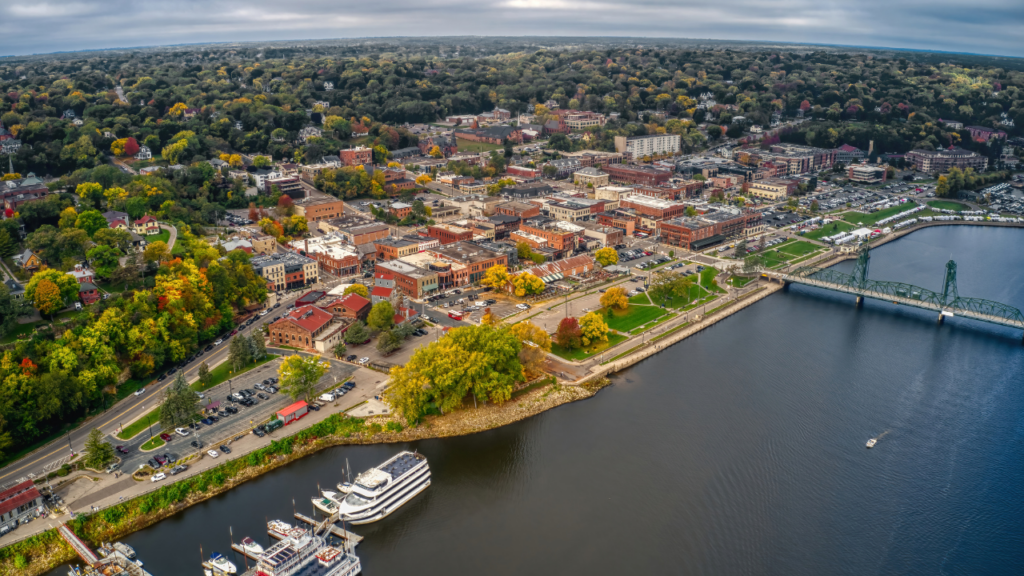
If you’re thinking about moving to Minnesota, there’s a good chance you’ve spent time looking at suburbs around Minneapolis and St. Paul. And one of the first questions people ask is: “What does it actually cost to live in the suburbs?” It’s a smart question. Many people relocating to Minnesota assume suburban living automatically means higher costs. Others believe moving farther away from the city guarantees affordability. The truth usually falls somewhere in the middle. Minnesota suburbs offer a wide range of lifestyles, housing options, school districts, amenities, and price points. Some communities are known for luxury homes and executive neighborhoods. Others attract first-time buyers looking for affordability and value. The good news is that most buyers can find a Minnesota suburb that fits their budget if they understand what factors influence the true cost of living. Let’s take a realistic look at what it costs to live in Minnesota suburbs and what buyers should consider before choosing a community. Why So Many People Choose the Suburbs For decades, suburban living has been one of the most popular choices for Minnesota homeowners. People are often attracted to suburbs because they offer: For many families, the suburbs provide a balance between convenience and lifestyle. You can often enjoy access to major employment centers while still having more room to spread out. Housing Is Usually Your Biggest Expense When discussing cost of living, housing is usually the largest monthly expense. The good news is that Minnesota suburbs offer tremendous variety. You’ll find: The suburb you choose will have a major impact on your monthly housing costs. For example, communities closer to downtown Minneapolis or St. Paul may command higher prices due to location and convenience. Meanwhile, outer-ring suburbs may offer more square footage for the same budget. First-Ring vs Outer-Ring Suburbs Not all suburbs are the same. Minnesota suburbs are often categorized by proximity to the Twin Cities. First-Ring Suburbs These communities are located closest to Minneapolis and St. Paul. Examples include: Benefits often include: However, housing costs can sometimes be higher because of demand and limited inventory. Outer-Ring Suburbs Examples include: Benefits often include: Many buyers find their housing dollars stretch further in these areas. Property Taxes Matter One factor many relocating buyers overlook is property taxes. When comparing homes, it’s important to evaluate: Two homes with similar prices may have different ownership costs because of tax differences. Taxes vary by city, county, school district, and property characteristics. That’s why it’s important to look beyond the listing price alone. Utilities in Minnesota Suburbs Utilities are another cost homeowners should consider. Common utility expenses include: Many suburban homes are larger than urban condos or apartments. As a result, utility costs may vary depending on: Newer homes often benefit from improved insulation and energy-efficient systems. Transportation Costs One advantage of suburban living is access to more housing options. One tradeoff can be transportation. Many suburban residents commute to work. Transportation expenses may include: The impact depends largely on where you work and how frequently you commute. For some households, a longer commute is worth the additional space and affordability. For others, proximity becomes more important. Grocery and Everyday Costs One pleasant surprise for many newcomers is that everyday living expenses tend to remain relatively manageable throughout much of Minnesota. Most suburban communities provide easy access to: Competition among businesses often helps keep costs reasonable. School Districts Can Influence Housing Costs Even buyers without children often pay attention to school districts. Why? Because school district reputation can influence: Communities known for highly regarded schools often experience stronger buyer demand. That demand can affect housing prices. Popular Minnesota Suburbs for Value Many buyers searching for affordability explore communities such as: Each community offers a unique balance of affordability, amenities, and lifestyle. The right fit depends on your goals. What Relocating Families Often Notice Families moving from higher-cost states frequently comment on the amount of space available in Minnesota suburbs. For example, buyers relocating from: Often discover they can purchase: For many families, this creates significant value. Recreation Adds Value Minnesota suburbs are known for outdoor amenities. Many communities offer: These amenities contribute to quality of life without requiring expensive memberships or travel. Many residents consider this one of the hidden benefits of suburban living. New Construction Opportunities Minnesota continues to experience suburban growth. As a result, many communities offer new construction neighborhoods. Benefits may include: For some buyers, these advantages justify slightly higher purchase prices. What Surprises New Residents Most Many people expect suburban life to feel disconnected from major amenities. Instead, they often discover: Minnesota suburbs often provide a blend of convenience and space that attracts a wide range of buyers. Real Example Imagine a family relocating from a major metropolitan area. Their budget allows for a modest home near the city center where they currently live. In many Minnesota suburbs, that same budget may provide: This is one reason many relocating families find strong value in suburban communities. Common Misconceptions All Minnesota Suburbs Are Expensive Not true. Many communities offer affordable housing opportunities. Living Farther Out Is Always Cheaper Not necessarily. Some outer-ring communities are highly desirable and command premium prices. Property Taxes Are the Only Cost That Matters Housing costs, transportation, utilities, and lifestyle expenses all contribute to affordability. Frequently Asked Questions Are Minnesota suburbs affordable? Many are, especially compared to larger metropolitan areas in other states. What is the most affordable suburb near Minneapolis? Affordability varies, but communities such as Farmington, Otsego, Buffalo, and Elk River are often explored by budget-conscious buyers. Are suburban homes larger? In many cases, yes. Buyers often find larger homes and lots compared to urban neighborhoods. Is suburban living cheaper than living in Minneapolis? It depends on the suburb, housing type, commute, and lifestyle preferences. What is the biggest cost of suburban living? Housing is typically the largest expense for most households. Final Thoughts The cost of living in Minnesota suburbs depends on where you choose to live, how much space you want, and the
What Are the Best Suburbs Near Minneapolis for First-Time Buyers? (2026 Homebuyer Guide)

If you’re thinking about buying your first home in Minnesota, there’s a good chance you’ve asked this question: 👉 “What are the best suburbs near Minneapolis for first-time buyers?” And honestly? It’s one of the most common questions I hear. Because buying your first home isn’t just about finding a house. It’s about finding a place where you can build a life. A place where you can comfortably afford the payment. A place that fits your commute. A place that supports your lifestyle. A place you’ll still be happy living in a few years from now. The challenge is that there isn’t one perfect answer. The best suburb for a young professional may be completely different from the best suburb for a growing family. Someone working downtown Minneapolis may prioritize convenience. Someone working remotely may prioritize space and affordability. That’s why instead of focusing on the “best” suburb overall, it’s usually smarter to focus on: 👉 The best suburb for YOU. Let’s look at what first-time buyers should consider and some of the Minneapolis-area suburbs that consistently attract buyers entering the market. 🏡 What Makes a Good First-Time Buyer Suburb? Before we talk about specific cities, let’s define what most first-time buyers are looking for. Typically, buyers want a balance of: ✔️ Affordability ✔️ Safety ✔️ Community amenities ✔️ Reasonable commute times ✔️ Future resale potential ✔️ Parks and recreation ✔️ Shopping and dining access ✔️ Strong neighborhood appeal The challenge is that very few places score perfectly in every category. Most buyers are making tradeoffs. The goal is identifying which tradeoffs matter least to you. 🏡 Why Many First-Time Buyers Start in the Suburbs Minneapolis offers amazing urban living opportunities. But many first-time buyers find themselves exploring suburban communities because they can often get: ✔️ More square footage ✔️ Larger yards ✔️ Newer homes ✔️ Additional parking ✔️ More privacy For many buyers, the suburbs provide a balance between affordability and quality of life. Especially when compared to some higher-priced urban neighborhoods. 🏡 Brooklyn Park Brooklyn Park continues to attract many first-time buyers. One reason is location. It offers convenient access to: ✔️ Minneapolis ✔️ Major highways ✔️ Employment centers ✔️ Shopping and dining Many buyers appreciate that Brooklyn Park offers a variety of housing options at different price points. You’ll find: ✔️ Single-family homes ✔️ Townhomes ✔️ Newer developments ✔️ Established neighborhoods For buyers wanting flexibility, it’s often worth considering. 🏡 Brooklyn Center Brooklyn Center is another community many first-time buyers explore. Its location provides relatively easy access to both Minneapolis and surrounding suburbs. Buyers often like: ✔️ Central location ✔️ Established neighborhoods ✔️ Recreational opportunities ✔️ Convenient commuting routes As always, individual neighborhoods can vary significantly, so spending time exploring the area is important. 🏡 Maple Grove Maple Grove is frequently mentioned by buyers relocating to the Twin Cities. Why? Because it offers: ✔️ Extensive shopping ✔️ Restaurants ✔️ Parks ✔️ Walking trails ✔️ Community amenities Many buyers appreciate the convenience factor. However, depending on the market and inventory, pricing may be higher than some nearby suburbs. That’s why affordability should always be evaluated alongside location. 🏡 Champlin Champlin often appeals to buyers looking for a suburban feel while maintaining access to the metro area. Features buyers often like include: ✔️ Parks ✔️ River access ✔️ Residential neighborhoods ✔️ Community atmosphere Many first-time buyers find Champlin provides a balance between convenience and quieter suburban living. 🏡 Coon Rapids Coon Rapids consistently remains popular with first-time buyers. Reasons include: ✔️ Variety of housing options ✔️ Recreational amenities ✔️ Established neighborhoods ✔️ Transportation access ✔️ Community resources For buyers seeking affordability and convenience, Coon Rapids frequently ends up on the shortlist. 🏡 Blaine Blaine has experienced significant growth over the years. Many buyers are attracted by: ✔️ New construction opportunities ✔️ Parks and trails ✔️ Sports facilities ✔️ Growing retail options ✔️ Community development For buyers wanting newer housing inventory, Blaine often deserves consideration. 🏡 Crystal Crystal is often overlooked by buyers initially. But many discover it offers: ✔️ Convenient location ✔️ Established housing ✔️ Quick access to Minneapolis ✔️ Strong community feel Because it’s closer to the city than some outer-ring suburbs, buyers often find commuting attractive. 🏡 New Hope New Hope offers another option for buyers seeking proximity to Minneapolis. Buyers often appreciate: ✔️ Mature neighborhoods ✔️ Community parks ✔️ Recreation opportunities ✔️ Accessible location For first-time buyers wanting to stay relatively close to the city, New Hope is often worth exploring. 🏡 Plymouth Plymouth is frequently considered by buyers seeking: ✔️ Strong amenities ✔️ Park systems ✔️ Convenient freeway access ✔️ Diverse housing inventory Because Plymouth is a larger suburb, different neighborhoods can offer very different experiences. Buyers should spend time exploring multiple areas. 🏡 Roseville Roseville’s central location continues to attract buyers. One of its biggest advantages is access. Residents can often reach: ✔️ Minneapolis ✔️ St. Paul ✔️ Major highways ✔️ Shopping districts Relatively easily. For buyers who value convenience, Roseville often stands out. 🏡 What First-Time Buyers Should Focus On Here’s something important. The “best suburb” isn’t always the one your friends recommend. It’s the one that supports your goals. Ask yourself: ✔️ What monthly payment feels comfortable? ✔️ How important is commute time? ✔️ Do I want a yard? ✔️ How much space do I actually need? ✔️ Do I want newer construction? ✔️ How important are nearby amenities? The answers matter more than online rankings. 🏡 Affordability Matters More Than Popularity A suburb may be highly desirable. But if buying there stretches your budget too far, it may not be the best fit. Remember: The goal isn’t just buying a home. The goal is comfortably owning a home. That means leaving room in your budget for: ✔️ Emergencies ✔️ Repairs ✔️ Maintenance ✔️ Savings ✔️ Enjoying life 🏡 Visit Before You Decide One of the biggest mistakes buyers make is relying too heavily on internet research. Photos and rankings only tell part of the story. Visit neighborhoods. Walk around. Drive