
Can I Waive an Inspection in Minnesota?
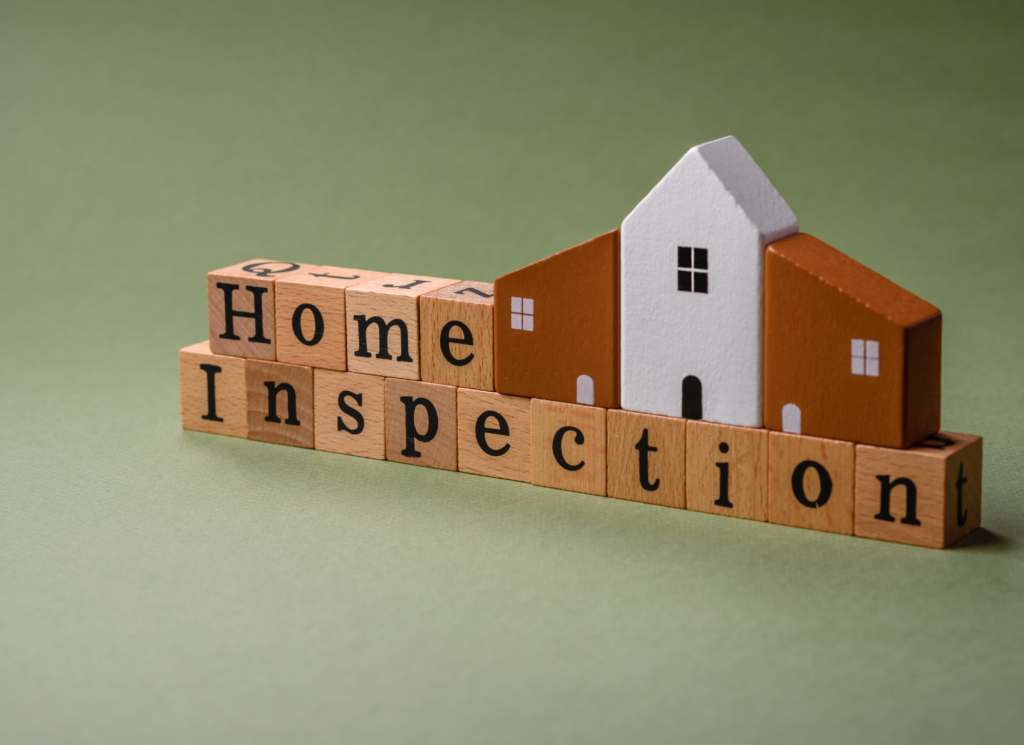
In a competitive market, someone tells you waiving the inspection will make your offer stand out. Before you do that, it is worth understanding exactly what you would be giving up. Yes, you can legally waive a home inspection in Minnesota, and some buyers do it to make their offer more competitive. But waiving the inspection means you are accepting the home as is, with no ability to negotiate repairs or credits based on what an inspector might find, and no ability to walk away if a major issue turns up after closing. What Waiving an Inspection Actually Means Your purchase agreement can include an inspection contingency, which gives you a set number of days to have the home professionally inspected and the right to negotiate or cancel based on what is found. Waiving that contingency means you skip that protection entirely, or you might still get an inspection purely for your own information but give up the right to act on the results. Why Buyers Consider Waiving It In a market where a home receives multiple offers, an inspection contingency can make a buyer’s offer look less attractive to a seller because it introduces uncertainty about whether the deal will actually close. Some buyers waive the contingency, or shorten the inspection period significantly, hoping it will help their offer win out over others. What You Are Risking When You Waive It This is the part that deserves real thought. Homes can have issues that are not visible during a normal walkthrough, including problems with the roof, foundation, electrical systems, plumbing, or hidden water damage. Without an inspection contingency, if something serious turns up after you own the home, you have very limited recourse and the repair costs land entirely on you. A Middle Ground Worth Considering You do not have to choose between a full inspection contingency and no protection at all. Some buyers still get an inspection for informational purposes only, meaning they cannot negotiate based on it, but they at least know what they are walking into. Others shorten the timeline instead of waiving it entirely, or limit the negotiation to only major structural or safety issues rather than every minor item on the list. When Waiving Might Make More Sense If you are buying a newer home with a builder warranty, or a property you already know well, the risk of waiving may be lower. Buyers with a larger financial cushion who can absorb an unexpected repair are also in a different position than buyers who are stretching their budget to make the purchase work at all. When You Should Not Waive It If you are a first time buyer, working with a tight budget, or looking at an older home, keeping the inspection contingency is usually the safer choice. The goal of buying a home should not be winning the negotiation at the cost of taking on hidden problems you cannot afford to fix later. Frequently Asked Questions Q: Is waiving an inspection legal in Minnesota? A: Yes, it is legal. It is a decision made between you and your agent as part of how your offer is structured, not something prohibited by law. Q: Can I still get an inspection even if I waive the contingency? A: Yes. Many buyers get an inspection for information only, meaning they cannot use it to renegotiate or cancel, but they still learn what condition the home is in. Q: Does waiving an inspection guarantee my offer wins? A: No. It can make your offer more competitive, but sellers weigh many factors including price, financing terms, and closing timeline, not just the inspection contingency. Q: What is a shortened inspection period? A: Instead of the standard timeframe, you agree to a much shorter window, sometimes just a day or two, to complete the inspection and raise any concerns. It is a middle ground between a full contingency and waiving it entirely. Q: Can I negotiate repairs if I waived the inspection contingency? A: Generally no, since waiving the contingency removes your right to negotiate based on inspection findings. This is why the decision should not be made lightly. Q: Should my agent be involved in this decision? A: Absolutely. This is one of the most important strategy conversations to have before writing an offer, and it should be based on your specific financial situation and the specific home, not a blanket approach. Closing Call to Action Deciding whether to waive an inspection is not something to guess at. If you are preparing to make an offer and want to talk through what makes sense for your situation and the specific home you are considering, reach out to me and we will map out a strategy together.
Where Are New Housing Developments Happening in Minnesota?

If you’ve driven through parts of the Twin Cities metro recently, you’ve probably noticed construction cranes, new roads, freshly paved streets, and entire neighborhoods appearing where farmland once stood. Minnesota continues to experience steady population growth, and with that growth comes demand for housing. As a Minnesota real estate agent, I regularly hear buyers ask: “Where are all the new housing developments happening right now?” Sometimes the question comes from first-time buyers looking for affordable new homes. Sometimes it’s from families who want newer schools and neighborhoods. Other times it’s from investors who want to understand where growth is occurring before everyone else notices. The reality is that new housing developments are happening throughout Minnesota, but certain communities are seeing far more activity than others. Understanding where development is occurring can help buyers make informed decisions about where to live, where to invest, and which communities may continue growing over the next several years. Let’s explore where new housing developments are happening across Minnesota and why these areas continue attracting builders and buyers. Why New Housing Developments Matter Many buyers focus only on the home itself. However, the surrounding community often matters just as much. New development can bring: For many homeowners, buying in a growing area means benefiting from improvements that may continue for years after they move in. Of course, growth also brings challenges such as increased traffic and construction activity. The key is understanding what type of growth is occurring and whether it aligns with your goals. The Twin Cities Continue to Drive Growth The majority of Minnesota’s residential development continues to occur around the Minneapolis-St. Paul metropolitan area. This makes sense because the Twin Cities region remains the state’s largest economic center. Builders continue focusing on areas where buyers want: As land becomes scarcer closer to Minneapolis and St. Paul, development continues pushing outward into surrounding communities. Lakeville Continues Expanding Lakeville remains one of the most active residential development markets in Minnesota. New neighborhoods continue appearing throughout the city because demand remains strong. Buyers are attracted by: Lakeville appeals to a wide range of buyers, including: Because of this broad demand, builders continue investing heavily in the area. Rosemount Sees Ongoing Development Rosemount has experienced significant residential expansion over the past decade. New housing developments continue appearing throughout the community. Growth has been supported by: Many buyers appreciate that Rosemount still offers opportunities to purchase newer homes while maintaining a strong sense of community. Farmington Remains a Growth Market Farmington continues attracting both builders and buyers. One reason is affordability. Many buyers find they can purchase larger homes or newer construction in Farmington compared to some closer-in suburbs. New developments continue to emerge as demand remains strong among: Farmington’s growth trajectory continues to make it one of the more interesting markets in the south metro. Woodbury Continues to Expand Woodbury has become one of Minnesota’s most desirable suburban communities. Although much of the city is already developed, new residential opportunities continue emerging. Buyers are attracted to: New housing developments in Woodbury often attract move-up buyers seeking modern homes and strong community amenities. Cottage Grove Continues Building Cottage Grove has become increasingly popular with both builders and homebuyers. The city continues adding: Many buyers appreciate the balance between affordability and convenience. The community continues investing in infrastructure that supports ongoing growth. Blaine’s Development Continues Blaine remains one of the most active development markets north of Minneapolis. Growth drivers include: Builders continue introducing a variety of housing options to meet demand from different buyer groups. Otsego Has Become a Development Hotspot Otsego may be one of Minnesota’s most significant growth stories. Many buyers who haven’t visited the area recently are surprised by how much development has occurred. The city continues seeing: Buyers often appreciate the value they can find compared to more established suburbs. Rogers Continues Growing Rogers has become increasingly attractive because of its location along Interstate 94. Growth has been fueled by: Many buyers find Rogers offers a convenient balance between suburban living and metro accessibility. Dayton Continues Adding Housing Dayton has become another area where builders remain active. New housing developments continue attracting buyers who want: As nearby communities become more expensive, Dayton continues attracting attention from buyers looking for value. Victoria and the Southwest Metro Victoria continues to see development activity as more buyers discover the area. The community offers: Many buyers appreciate Victoria’s small-town feel combined with access to metro amenities. Growth continues steadily throughout the area. What Types of Housing Are Being Built? Many people assume new development only means large single-family homes. In reality, builders are constructing a wide variety of housing types. Single-Family Homes Traditional detached homes remain the most visible form of development. Townhomes Townhomes continue growing in popularity because they often provide: Condominiums Condo developments remain important in certain markets. Luxury Homes Higher-end communities continue expanding in select suburbs. Active Adult Communities Minnesota is also seeing increased development focused on downsizing and retirement lifestyles. Why Builders Choose Certain Areas Builders don’t randomly select locations. Several factors influence development decisions. Available Land Communities with larger undeveloped areas naturally attract builders. School District Demand Strong school districts often drive buyer demand. Transportation Access Highway access remains a major consideration. Population Growth Growing populations create housing demand. Community Support Cities that plan effectively for growth often attract more development. What Growth Means for Home Values One of the most common questions buyers ask is: “If I buy in a growing area, will my home appreciate?” While nobody can predict future values, growth often creates conditions that support demand. Factors may include: However, buyers should focus first on finding a home that meets their needs rather than attempting to predict future market performance. Questions Buyers Should Ask About New Developments Before purchasing in a growing area, consider asking: What additional development is planned? The area may continue changing for years. Are new schools planned? This can impact families and future demand. What commercial projects are coming? New shopping and services may
What Areas Are the Most Affordable in the Twin Cities? A 2026 Guide for Homebuyers
If you’re planning to buy a home in the Minneapolis-St. Paul metro area, chances are you’ve asked some version of this question: “Where can I still find an affordable home in the Twin Cities?” It’s one of the most common questions I hear from first-time buyers, relocating families, young professionals, and even longtime Minnesota residents looking to make a move. The Twin Cities housing market has changed significantly over the past decade. Many communities have experienced substantial appreciation, and buyers often worry they’ve missed their opportunity to find a home at a reasonable price. The reality is much more encouraging. While some Twin Cities suburbs have become increasingly expensive, there are still many communities that offer excellent value, attainable homeownership opportunities, and a high quality of life. The key is understanding where to look and knowing what factors matter most beyond just the listing price. Let’s explore some of the most affordable areas in the Twin Cities and why buyers continue to choose them. What Does Affordable Really Mean? Before discussing specific communities, let’s define affordability. For many buyers, affordability isn’t simply about finding the lowest-priced home. It’s about balancing: The cheapest home may not always provide the best value. Likewise, a slightly higher-priced home in a growing community may create better long-term opportunities. Affordability should always be viewed through the lens of your overall financial picture. Why Buyers Are Looking Beyond Minneapolis and St. Paul Many buyers initially focus their search on Minneapolis or St. Paul. However, as budgets become a consideration, they often begin exploring suburban and outer-ring communities. These areas frequently offer: For many households, the tradeoff is worth it. Cottage Grove: One of the Most Popular Affordable Options Cottage Grove continues to attract buyers looking for a balance of affordability and convenience. Located southeast of St. Paul, the community offers: Many buyers find they can purchase a larger home in Cottage Grove compared to some closer-in suburbs. The community has also experienced significant growth, making it attractive to both first-time buyers and growing families. Farmington: Value Without Sacrificing Community Farmington is another suburb that frequently appears on affordable housing searches. Buyers often appreciate: Many first-time buyers find Farmington offers opportunities that are increasingly difficult to find in higher-priced communities. Elk River: Space and Affordability Located northwest of Minneapolis, Elk River continues to attract buyers seeking: For buyers willing to commute a bit farther, Elk River often delivers significant value. Many homeowners appreciate the combination of affordability and quality of life. Otsego: Growing Fast for Good Reason Otsego has become one of the fastest-growing communities in the region. Why? Because buyers often find: Many relocation buyers are surprised by how much home they can afford in Otsego compared to other parts of the metro area. Big Lake: Affordable with Small-Town Appeal Big Lake offers a unique combination of affordability and convenience. Residents enjoy: For buyers who prioritize value and lifestyle, Big Lake is worth considering. Buffalo: Affordable and Growing Buffalo has become increasingly popular among buyers looking for: Although farther from downtown Minneapolis, many buyers believe the affordability tradeoff is worthwhile. Cambridge: A Budget-Friendly Alternative North of the metro area, Cambridge offers: Buyers who want to maximize their budget often include Cambridge in their search. Hastings: Historic Charm and Value Hastings combines affordability with character. Located along the Mississippi River, the community offers: Many buyers appreciate the unique feel of Hastings while still benefiting from relatively attainable housing prices. What About New Construction? One common misconception is that new construction is always expensive. While some luxury developments command premium pricing, many growing communities continue offering new construction opportunities at competitive price points. Areas such as: Often provide buyers with options that include: For some buyers, these benefits create long-term value. Commute Costs Matter One reason affordability can be tricky is that lower home prices often come with longer commutes. It’s important to consider: A lower mortgage payment doesn’t always mean a lower overall cost of living. Sometimes a slightly more expensive location closer to work may save money in other ways. School Districts and Affordability School districts often influence home values. Communities with strong school reputations frequently attract greater demand. That doesn’t mean affordable communities lack quality schools. Many budget-friendly suburbs continue investing heavily in education and community resources. It’s worth researching each district individually rather than relying on assumptions. What First-Time Buyers Often Prioritize Most first-time buyers focus on: The goal isn’t simply finding the cheapest property. It’s finding a home that supports long-term financial success. What Relocating Buyers Notice Most Many buyers moving from states like California, Washington, Colorado, and New York are pleasantly surprised by what their budget can purchase in the Twin Cities. Common observations include: This increased purchasing power is one reason Minnesota remains attractive to relocation buyers. Real Example Imagine a buyer moving from a high-cost housing market. Their budget may allow for a small condominium in their current city. In communities such as Elk River, Farmington, or Cottage Grove, that same budget may provide: For many buyers, that’s a significant lifestyle upgrade. Common Misconceptions Affordable Means Far Away Not necessarily. Several affordable communities remain within reasonable commuting distance of the Twin Cities. Affordable Means Lower Quality Many affordable communities offer excellent schools, parks, and amenities. New Construction Is Out of Reach Not always. Several growing suburbs continue offering attainable new construction opportunities. Frequently Asked Questions What is the most affordable Twin Cities suburb? There isn’t one answer, but communities such as Farmington, Otsego, Elk River, Big Lake, Buffalo, and Cottage Grove are often considered by budget-conscious buyers. Can I still buy a home in the Twin Cities on a budget? Yes. Opportunities still exist across many communities and price points. Are outer-ring suburbs worth considering? For many buyers, yes. They often provide more space and affordability. Is Minneapolis affordable compared to the suburbs? Some neighborhoods are, but many buyers find additional value in suburban communities. How do I choose the right affordable area? Consider your commute, budget, schools, lifestyle
What Areas Offer the Best Value for Homebuyers in Minnesota? A 2026 Buyer’s Guide

If you’re planning to buy a home in Minnesota, there’s a good chance you’re asking a question that almost every buyer asks at some point: “Where can I get the most value for my money?” Notice I didn’t say the cheapest home. Because value and affordability aren’t always the same thing. The cheapest house isn’t necessarily the best investment. And the most expensive neighborhood isn’t always the best place to build long-term wealth. When buyers talk about value, they’re usually looking for a combination of factors: The good news is that Minnesota offers a wide variety of communities that provide excellent value depending on your goals. Whether you’re a first-time buyer, a growing family, a relocation buyer, or someone looking to downsize, there are areas throughout Minnesota that deliver a lot of bang for your buck. Let’s explore what value really means and where buyers are finding it in 2026. What Does “Value” Mean in Real Estate? One of the biggest mistakes buyers make is assuming value equals price. It doesn’t. A $300,000 home that appreciates steadily over time may provide far more value than a $250,000 home that struggles to attract future buyers. Real estate value often comes from a combination of: The goal isn’t simply buying the least expensive property. The goal is purchasing a home that supports both your lifestyle and your financial future. Why Minnesota Continues to Attract Buyers Minnesota remains attractive because it offers something many buyers struggle to find elsewhere: Balance. The state combines: Compared to many coastal states, buyers often find more opportunities to purchase a home without sacrificing lifestyle. That combination creates value in itself. Lakeville: Consistent Value for Families Lakeville continues to attract buyers looking for a balance between affordability and amenities. Many homeowners appreciate: Lakeville has experienced significant growth while maintaining a family-friendly atmosphere. For many buyers, it offers the right mix of convenience and long-term potential. Woodbury: Growth and Convenience Woodbury remains one of the most popular communities in the eastern Twin Cities metro. Buyers are often drawn to: Woodbury isn’t necessarily the cheapest suburb, but many buyers believe the overall lifestyle and amenities provide strong value. Otsego: Affordable New Construction Opportunities One of the communities that frequently appears on buyers’ radar is Otsego. Why? Because many buyers can still find: For first-time buyers and relocation buyers, Otsego often provides opportunities that may be harder to find in more established communities. Rogers: Location and Growth Rogers has become increasingly attractive because of its location. Residents often appreciate: As development continues, many buyers view Rogers as a community with strong future potential. Cottage Grove: A Popular Value Market Cottage Grove has gained attention among buyers seeking: Many buyers find that Cottage Grove offers more home for their money compared to some neighboring communities. Maple Grove: Premium Value Maple Grove is an interesting example because it’s not typically considered inexpensive. Yet many buyers still view it as a strong value. Why? Because value isn’t only about price. Maple Grove offers: Many residents believe the lifestyle benefits justify the investment. Farmington: A Hidden Gem Farmington often flies under the radar compared to larger suburban communities. However, many buyers appreciate: For buyers focused on stretching their budget, Farmington deserves consideration. St. Michael: Popular Among Growing Families St. Michael continues attracting buyers who want: Many families moving from inner-ring suburbs discover they can gain additional space without sacrificing quality of life. Value Beyond the Twin Cities The Twin Cities aren’t the only place where buyers find value. Several regional cities continue attracting homebuyers. Rochester Rochester offers: Mankato Mankato remains popular because of: St. Cloud Many buyers appreciate St. Cloud’s combination of: Schools Can Influence Long-Term Value Even buyers without children often pay attention to school districts. Strong schools can influence: Communities with desirable schools often maintain stronger housing demand over time. Parks, Trails, and Recreation Matter Minnesota residents love outdoor recreation. Communities with: Often attract buyers seeking an active lifestyle. These amenities can contribute significantly to long-term value. Future Development Creates Opportunity Many buyers look for communities experiencing growth. New investments may include: Growth doesn’t guarantee appreciation, but it often signals strong community demand. What Relocating Buyers Notice People moving from states like California, Washington, Colorado, and New York often notice how much more housing they can afford. They frequently find: This increased purchasing power creates value beyond simple price comparisons. Real Example Imagine two buyers with the same budget. Buyer One chooses a community with stagnant growth and limited amenities. Buyer Two chooses a growing suburb with strong schools, expanding infrastructure, and increasing demand. Ten years later, Buyer Two may experience stronger appreciation and greater marketability. That’s the difference between price and value. Common Misconceptions Cheapest Means Best Value Not always. Value includes long-term potential and lifestyle considerations. Expensive Areas Have No Value Premium communities often offer strong amenities and long-term demand. Value Is Only About Appreciation Lifestyle, convenience, and community matter too. Frequently Asked Questions What Minnesota suburb offers the best value? It depends on your goals, but communities like Lakeville, Woodbury, Otsego, Rogers, Cottage Grove, and Farmington are frequently considered. Is new construction a good value? For many buyers, yes, especially when considering maintenance and energy efficiency. Do schools affect home values? Often, yes. Strong schools can increase buyer demand. Are smaller communities a better value? Sometimes. Many offer affordability and quality of life benefits. How can I identify future value? Look at community growth, infrastructure improvements, housing demand, and local amenities. Final Thoughts The best value in Minnesota real estate isn’t necessarily found in the cheapest neighborhood. It’s found in communities that provide a strong combination of affordability, lifestyle, amenities, and future potential. Every buyer’s definition of value is different. Some prioritize schools. Others prioritize commute times. Others want more square footage or access to outdoor recreation. The key is finding a community that supports both your current needs and your long-term goals. If you’re considering buying a home in Minnesota and want help identifying communities that offer the
Is New Construction Cheaper Than Resale Homes in Minnesota? (2026 Guide)
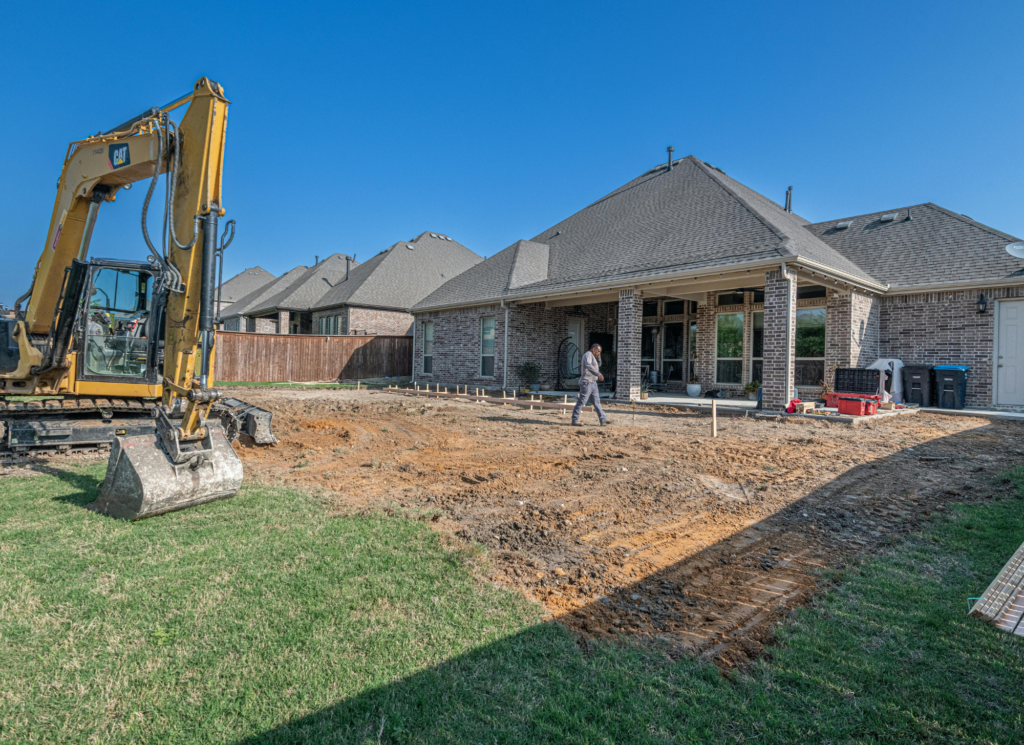
If you’re thinking about buying a home in Minnesota, you’ve probably asked yourself: 👉 “Is it cheaper to buy a new construction home or a resale home?” Because at first glance, new construction looks more expensive… But then you hear things like: And now you’re trying to figure out: 👉 Which option actually makes more financial sense? The truth is: 👉 New construction is usually more expensive upfront… 👉 But resale homes can cost more over time depending on the situation. The Short Answer 👉 In most cases: 👉 But the better question is: 👉 Which one is cheaper for YOU? Let’s Define the Two Options 🏗️ New Construction 👉 Brand-new homes built by a builder 👉 Features: 🏡 Resale Homes 👉 Previously owned homes 👉 Features: 👉 Now let’s compare them side by side 1. Purchase Price (Upfront Cost) 💰 New Construction 👉 Typically higher 👉 In Minnesota (2026 estimates): 💰 Resale Homes 👉 Usually lower 👉 You can often find: 👉 Winner (Upfront): 👉 Resale homes 2. Total Cost After Upgrades ⚠️ New Construction Surprise 👉 Builders advertise: 👉 “Starting at $399,000” 👉 But actual price often includes: 👉 Final cost can increase: 👉 $20K–$80K+ 🏡 Resale Homes 👉 What you see is what you pay 👉 BUT: 👉 You may need: 👉 These costs can add up later 👉 Reality: 👉 Both can increase in cost—just at different times 3. Monthly Payment 👉 New construction: 👉 Resale homes: 👉 BUT: 👉 Maintenance costs matter 4. Maintenance and Repairs 🏗️ New Construction 👉 Everything is new 👉 That means: 👉 First 5–10 years: 👉 Typically low expenses 🏡 Resale Homes 👉 Depends on age and condition 👉 You may face: 👉 These can cost: 👉 Thousands over time 👉 Winner (Maintenance): 👉 New construction 5. Energy Efficiency 🏗️ New Construction 👉 Built to modern standards 👉 Benefits: 👉 Especially important in Minnesota winters 🏡 Resale Homes 👉 Older homes may be: 👉 Winner: 👉 New construction 6. Builder Incentives vs Negotiation 🏗️ New Construction 👉 Builders often offer: 👉 This can reduce upfront costs 🏡 Resale Homes 👉 You negotiate with the seller 👉 Possible benefits: 👉 Winner: 👉 Depends on the deal 7. Location Differences 🏗️ New Construction 👉 Typically in: 👉 Examples in Minnesota: 🏡 Resale Homes 👉 Available everywhere 👉 Including: 👉 This impacts value and lifestyle 8. Time to Move In 🏗️ New Construction 👉 Can take: 👉 4–8+ months to build 👉 Some quick move-in homes exist 🏡 Resale Homes 👉 Typically: 👉 30–45 days 👉 Faster process 👉 Winner: 👉 Resale homes A Real Scenario Comparison Let’s compare two buyers: Buyer A – New Construction Buyer B – Resale Home 👉 After several years: 👉 Total cost difference may shrink 👉 That’s why: 👉 Upfront price isn’t everything When New Construction Is “Cheaper” 👉 It can feel cheaper when: 👉 Especially if: 👉 You value predictability When Resale Is “Cheaper” 👉 It’s usually cheaper when: 👉 Especially for: 👉 Budget-conscious buyers Biggest Mistakes Buyers Make ❌ Only comparing purchase price 👉 Doesn’t show full picture ❌ Ignoring maintenance costs 👉 Resale homes can get expensive ❌ Over-upgrading new construction 👉 Can push you over budget ❌ Not comparing both options 👉 Always evaluate both 👉 These mistakes affect your decision The Smart Way to Decide 👉 Ask yourself: ✔️ What monthly payment am I comfortable with? ✔️ Do I want predictable costs or lower upfront price? ✔️ Am I okay with repairs and maintenance? ✔️ How long do I plan to stay? 👉 These answers guide your decision Minnesota Market Insight 👉 Both new construction and resale: 👉 Are active in Minnesota 👉 Demand depends on: 👉 Buyers often compare both 👉 And choose based on lifestyle + budget FAQ: New Construction vs Resale Is new construction more expensive than resale?Usually yes upfront—but not always long-term. Which is better financially?It depends on your budget, goals, and timeline. Do new homes save money on repairs?Yes—especially in the first several years. Are resale homes cheaper?Often upfront—but may require maintenance costs. Which is better for first-time buyers?Both can work—it depends on your situation. Final Thoughts New construction is not always “too expensive”… 👉 And resale homes are not always “cheaper” 👉 The real answer is: 👉 It depends on how you look at cost 👉 When you consider: 👉 You can make a smarter decision 👉 The goal isn’t to choose what’s cheaper… 👉 It’s to choose what’s right for YOU Next Step If you want to compare new construction vs resale homes in Minnesota based on your budget, the next step is to explore your options: 👉 https://buy.dreamhomesminnesota.com/ 👉 This will help you: Lesley The RealtorReal Estate Agent in MinnesotaHelping buyers compare options clearly and make confident home buying decisions