
What Should I Fix Before Selling My House in Minnesota? (2026 Guide)
If you’re getting ready to sell your home, one of the first questions that comes up is: 👉 “What should I actually fix before selling?” Because once you start thinking about listing your home, it’s easy to feel overwhelmed. You might be wondering: And this is where many sellers get stuck. Some people go all-in and over-renovate…Others do nothing and hope for the best… The truth is: 👉 You don’t need to fix everything—but you do need to fix the right things. And knowing the difference can directly impact: 👉 Your sale price👉 How fast your home sells👉 How smooth your transaction is The Short Answer 👉 Before selling your home in Minnesota, you should focus on: 👉 NOT full renovations 👉 The goal is: 👉 Make your home feel well-maintained and move-in ready Why This Matters More Than You Think When buyers walk into your home… 👉 They’re not just looking 👉 They’re evaluating risk Even small issues can trigger thoughts like: 👉 That hesitation can lead to: 👉 Fixing the right things builds confidence The 3 Categories of Repairs (This Simplifies Everything) Instead of guessing, break everything into 3 categories: 1. Must-Fix Repairs (Non-Negotiable) These are the ones you should strongly consider fixing before listing. 👉 These include: 👉 Why these matter: 👉 These are NOT optional 👉 These protect your sale 2. High-Impact Fixes (Worth Doing) These are the “small things” that make a big difference. 👉 Examples: 👉 Why these matter: 👉 These are usually: 👉 Low cost → High return 3. Cosmetic / Optional Updates (Be Careful Here) This is where most sellers overdo it. 👉 Examples: 👉 These are NOT always necessary 👉 And often: 👉 You won’t get your money back 👉 This is where strategy matters most A Real Situation I See All the Time A seller says: 👉 “I think I need to renovate everything before I sell” We walk through the home together… 👉 And identify: 👉 Result: 👉 This happens all the time What Buyers Actually Care About This is key. Buyers are focused on: 1. Condition 👉 “Is this home taken care of?” 2. Major Systems 👉 Roof, HVAC, plumbing, electrical 3. Clean + Move-In Ready Feel 👉 Not perfect—just well presented 👉 They are NOT expecting perfection 👉 They want confidence The Inspection Factor (Very Important) Even if you don’t fix things upfront… 👉 The buyer’s inspection will uncover them 👉 Then buyers may: 👉 This is why preparation matters 👉 Fixing things early gives you control Should You Fix Everything Before Selling? 👉 No 👉 You should: 👉 Fix what matters 👉 And avoid: 👉 Spending money where it won’t return 👉 The goal is: 👉 Smart preparation—not perfection How to Decide What to Fix Ask yourself: 👉 Will this show up in inspection?👉 Will this make buyers hesitate?👉 Does this affect safety or function? 👉 If yes: 👉 It’s worth addressing 👉 If no: 👉 It may not be necessary The Biggest Mistakes Sellers Make ❌ Over-fixing the home 👉 Spending too much on upgrades ❌ Under-preparing the home 👉 Ignoring obvious issues 👉 Both can hurt your outcome 👉 Balance is key The Role of the Right REALTOR® This is where everything becomes clear. 👉 The right REALTOR® helps you: 👉 And most importantly: 👉 Create a clear plan Resources Matter A well-connected REALTOR® can connect you with: 👉 So you’re not guessing 👉 You’re making informed decisions Cost vs Return (Simple Breakdown) 👉 Small fixes: 👉 Major renovations: 👉 Focus on what moves the needle Who This Applies To First-Time Sellers Sellers on a Budget Relocation Sellers 👉 This applies to almost every seller FAQ: What Should I Fix Before Selling? Do I need to fix everything before selling?No—focus on major and high-impact repairs. What matters most to buyers?Condition, systems, and overall presentation. Should I renovate before selling?Usually not—small updates often work better. Can I sell without fixing anything?Yes—but it may impact price and demand. Final Thoughts You don’t need a perfect home to sell… 👉 You need a well-prepared home Because buyers aren’t looking for perfection… 👉 They’re looking for confidence And the right repairs: 👉 Reduce hesitation👉 Increase value👉 Create smoother transactions 👉 That’s the goal Next Step If you’re thinking about selling your home in the Twin Cities & surrounding metro Minnesota, the next step is to understand what your home actually needs before listing: 👉 https://sell.dreamhomesminnesota.com/ 👉 This will help you: Lesley The RealtorRealtor in the Twin Cities & Surrounding Metro, MinnesotaHelping homeowners sell with clarity, strategy, and confidence
How Do I Buy My First Home in Minnesota? (2026 Step-by-Step Guide)
If you’re thinking about buying your first home, you’re probably asking: 👉 “How do I actually buy a house in Minnesota?” And more importantly: 👉 “Where do I even start?” Because for most first-time buyers, the process feels: You might be thinking: The truth is: 👉 Buying your first home in Minnesota is a step-by-step process—and once you understand it, it becomes much more manageable. You don’t need to know everything. 👉 You just need to know what comes next. The Short Answer 👉 Buying your first home follows a simple path: 👉 That’s the entire process at a high level Now let’s walk through it in a way that actually makes sense. Step 1: Get Pre-Approved (Start Here) Before you look at homes… 👉 You need to know what you can afford What Happens During Pre-Approval? A lender looks at: 👉 Then they tell you: Why This Step Is So Important Without pre-approval: 👉 You’re guessing 👉 And sellers won’t take your offer seriously With pre-approval: 👉 You know your numbers 👉 You’re ready to move when you find the right home 👉 This step usually takes 1–2 days Step 2: Understand Your Real Budget Here’s something most buyers don’t realize: 👉 Just because you’re approved for a certain amount… 👉 Doesn’t mean you should spend it You want to ask yourself: 👉 This is about buying smart—not stretching yourself Step 3: Start House Hunting Now you start looking at homes. 👉 This is where things get exciting—but also emotional You’ll look at homes based on: What to Expect 👉 This process can take: 👉 A few days → a few weeks (depending on your timeline) Step 4: Make an Offer Once you find a home you love: 👉 You submit an offer Your offer includes: 👉 This is where strategy matters Because the goal is: 👉 Get the home without overpaying Step 5: Offer Accepted (You’re Under Contract) Once the seller accepts your offer: 👉 You’re officially under contract 👉 This is when the real timeline begins 👉 Typically 30–45 days to closing 👉 From here, everything becomes structured Step 6: Home Inspection (Protect Yourself) After your offer is accepted: 👉 You’ll schedule a home inspection This helps you uncover: 👉 Then you can: 👉 This step protects you from costly surprises Step 7: Loan Approval (Underwriting) Now your lender completes the process. 👉 They verify: 👉 This is called underwriting 👉 It’s one of the most important steps behind the scenes Step 8: Appraisal The lender orders an appraisal. 👉 This confirms the home is worth what you’re paying 👉 If everything checks out: 👉 You move forward 👉 If not: 👉 There may be renegotiation Step 9: Final Approval Once everything is cleared: 👉 You receive Clear to Close 👉 This means: 👉 You’re ready to finish the process Step 10: Closing Day 🎉 This is the final step. 👉 You: 👉 And then: 👉 You get your keys 👉 You are officially a homeowner How Much Money Do You Actually Need? This is one of the biggest concerns. 👉 Most first-time buyers in Minnesota need: 👉 Around 3% to 3.5% down 👉 Plus closing costs (which can sometimes be negotiated) 👉 And here’s the good news: 👉 There are down payment assistance programs available 👉 Many buyers need less upfront than they expect The Biggest Misconception ❌ “I need to be 100% ready before I start” 👉 Not true Most buyers think they need: 👉 But that’s not the reality 👉 The first step is simply: 👉 Finding out where you stand A Real Situation I See All the Time A buyer says: 👉 “I’m just researching for now” We connect them with a lender… 👉 And they find out: 👉 That’s when things shift Why Working With the Right REALTOR® Matters Buying your first home isn’t just about steps… 👉 It’s about guidance 👉 The right REALTOR® helps you: 👉 You’re not figuring it out alone 👉 You’re guided through it Who This Applies To First-Time Buyers Renters Thinking About Buying Relocation Buyers 👉 This is your starting point FAQ: Buying Your First Home in Minnesota How do I start buying a home?Start with pre-approval—it tells you what you can afford. How long does it take to buy a house?Typically 30–45 days once you’re under contract. How much do I need upfront?Often 3%–3.5% down, depending on the loan. Do I need a real estate agent?It’s highly recommended for guidance and strategy. Final Thoughts Buying your first home may feel overwhelming at first… 👉 But it’s actually a clear, step-by-step process Once you understand: 👉 It becomes much easier to move forward Because the hardest part isn’t buying a home… 👉 It’s starting Next Step If you’re thinking about buying your first home in the Twin Cities & surrounding metro Minnesota, the next step is to understand what you qualify for and create a plan: 👉 https://buy.dreamhomesminnesota.com/ 👉 This will help you: Lesley The RealtorRealtor in the Twin Cities & Surrounding Metro, MinnesotaHelping first-time buyers navigate the home buying process with clarity and confidence
Where Should I Live in the Twin Cities Area? (2026 Guide)

If you’re thinking about moving to Minnesota, one of the biggest questions you’re probably asking is: 👉 “Where should I live in the Twin Cities?” And this is where most buyers start to feel overwhelmed. Because once you begin looking, you quickly realize: 👉 There isn’t just one answer You’re not choosing between just one or two places—you’re choosing between: 👉 And without a clear approach, it can feel like too many options all at once The Short Answer 👉 The best place to live in the Twin Cities depends on: 👉 There is no “best area” 👉 There is only the best fit for you Why This Decision Feels So Difficult Most buyers start with location first. They say: 👉 “I want Minneapolis”👉 “I want St. Paul” But here’s the problem: 👉 You’re choosing a location before understanding your options And that leads to: 👉 The better approach is to start with your lifestyle first Step 1: Define Your Lifestyle First Before you look at homes, ask yourself: What kind of daily life do I want? 👉 These answers matter more than the city name Because two buyers in the same city can have: 👉 Completely different lifestyles Step 2: Understand the Twin Cities Layout Let’s simplify this. The Twin Cities is not just two cities. 👉 It’s a connected metro with multiple options The Core Areas: Surrounding Metro Areas: 👉 Each one offers something slightly different Minneapolis: What It Offers Minneapolis is often the starting point for many buyers. It’s Known For: You’ll find: 👉 It’s not one type of living—it’s multiple options in one place Who It Fits Best: St. Paul: What It Offers St. Paul has a different feel. It’s Known For: You’ll find: 👉 It feels more residential overall Who It Fits Best: Surrounding Metro Areas: Where Many Buyers End Up This is one of the biggest insights most buyers don’t realize early on. 👉 Many buyers do NOT end up in Minneapolis or St. Paul Instead, they choose nearby communities. Why? Because these areas often offer: Examples of Popular Areas: 👉 These areas give you more flexibility in what you can get for your budget Step 3: Let Your Home Type Guide You Where you live is heavily influenced by the type of home you want. If You Want a Condo or Townhome 👉 You’ll find more options in: If You Want a Single-Family Home 👉 Available across all areas If You Want New Construction 👉 More common in: 👉 This is a major decision driver Step 4: Understand What Your Budget Gets You Here’s a key point: 👉 Your budget doesn’t just determine IF you can buy 👉 It determines WHERE and WHAT you can buy General Price Ranges: But Here’s What Matters: 👉 The SAME budget gives you DIFFERENT results depending on location Example: At $400K: 👉 This is why exploring multiple areas is critical Step 5: Don’t Lock Yourself Into One Area Too Early This is one of the biggest mistakes buyers make. They say: 👉 “I only want this specific area” Before they’ve seen: 👉 What’s available elsewhere 👉 This limits your opportunities A Real Situation I See All the Time A buyer comes in saying: 👉 “I want Minneapolis” We start looking at homes… Then we expand the search And they discover: 👉 In nearby areas 👉 And they change direction How to Narrow It Down (Simple Process) Step 1: Pick 2–3 Areas Don’t limit yourself to one. Step 2: Compare Homes Side-by-Side Look at: Step 3: Pay Attention to How It Feels Ask yourself: 👉 “Where do I actually see myself living?” 👉 That answer is usually very clear once you explore Lifestyle Matching (Quick Guide) If You Want Flexibility 👉 Minneapolis may be a better fit If You Want a More Residential Feel 👉 St. Paul may fit better If You Want More Space or Newer Homes 👉 Surrounding metro areas may be the right move 👉 This helps you narrow your focus quickly Why Buyers Choose the Twin Cities The biggest advantage: 👉 You have options You’re not stuck with: 👉 You can choose what fits YOU FAQ: Where Should I Live in the Twin Cities? Should I live in Minneapolis or St. Paul?It depends on your lifestyle—Minneapolis offers more variety, while St. Paul feels more residential. Are the suburbs better?Not better—just different. Many buyers choose them for space and newer homes. Where do most first-time buyers go?Across all areas, depending on budget and preferences. Do I need to pick one area right away?No—you should explore multiple areas first. Final Thoughts Choosing where to live in the Twin Cities isn’t about picking the “top” city. 👉 It’s about finding the right fit for your life Because the best decision comes down to: 👉 And once those align, the decision becomes much easier Next Step If you’re trying to figure out where you should live in the Twin Cities & surrounding metro Minnesota, the next step is to explore what actually fits your lifestyle and budget: 👉 https://buy.dreamhomesminnesota.com/ 👉 You can also explore homes by area: 👉 Minnesota Homes 👉 St. Paul Homes Lesley The RealtorRealtor in the Twin Cities & Surrounding Metro, MinnesotaHelping first-time and relocation buyers find the right home and location
What Is the Lifestyle Like in the Twin Cities, Minnesota? (2026 Guide)
If you’re thinking about moving to Minnesota, one of the biggest questions you’re probably asking is: 👉 “What is the lifestyle actually like in the Twin Cities?” Because choosing where to live isn’t just about the home. It’s about: The truth is: 👉 The Twin Cities offers a mix of lifestyles—not just one type of living. And that’s what makes it appealing to so many buyers. The Short Answer 👉 The lifestyle in the Twin Cities offers: 👉 It’s not one experience 👉 It’s multiple lifestyles within one connected area What “Lifestyle” Means in the Twin Cities When people ask about lifestyle, they’re really asking: 👉 “What will my day-to-day life feel like?” In the Twin Cities, that answer depends on: 👉 Two people living 20 minutes apart can have completely different lifestyles A Metro With Options (This Is Key) One of the biggest things to understand: 👉 The Twin Cities is not just Minneapolis and St. Paul It includes: 👉 Each area offers a slightly different lifestyle 👉 This is why buyers have so many options City Living vs Residential Living One of the defining features of the Twin Cities lifestyle is: 👉 You can choose your environment City-Style Living Some areas offer: 👉 This is where you’ll find: Residential Living Other areas offer: 👉 This is common in: 👉 You’re not locked into one or the other Flexibility in Lifestyle This is one of the biggest advantages of the Twin Cities. 👉 You can adjust your lifestyle based on: Example: Two buyers with the same budget can choose: 👉 Both are valid—and both are common Housing and Lifestyle Connection Your lifestyle is directly connected to: 👉 The type of home you choose In the Twin Cities, you’ll find: What This Means: 👉 Your lifestyle can shift based on your home For example: 👉 This is a key part of lifestyle planning The Role of Surrounding Metro Areas Many buyers assume: 👉 “I need to choose between Minneapolis or St. Paul” But in reality: 👉 Many buyers choose surrounding areas Why? Because these areas often offer: 👉 And you’re still connected to the core cities A Real Situation I See All the Time A buyer starts by saying: 👉 “I want to live in Minneapolis” We start looking… Then we explore nearby areas And they realize: 👉 They prefer: 👉 And they shift their plan 👉 This is very common Daily Life in the Twin Cities While everyone’s routine is different, most people experience: 1. Flexible Daily Structure You can choose: 👉 Your location plays a big role 2. Connected Living Even if you don’t live in the center: 👉 You’re still connected to everything 👉 Everything is part of the same metro 3. Seasonal Living Minnesota has four seasons. 👉 This affects: 👉 Many residents adjust their routines throughout the year Who the Twin Cities Lifestyle Is a Good Fit For First-Time Buyers Relocation Buyers Move-Up Buyers 👉 It works for many different types of buyers The Biggest Advantage: Options The number one reason people choose the Twin Cities: 👉 You have options You’re not limited to: 👉 You can choose what fits YOU Common Misconceptions ❌ “The Twin Cities is one type of living” 👉 Not true—it offers multiple lifestyle options ❌ “I have to live in one specific city” 👉 You have many surrounding areas to explore ❌ “I need to decide right away” 👉 You should explore before choosing How to Find Your Ideal Lifestyle Step 1: Define What You Want Ask yourself: Step 2: Explore Multiple Areas Don’t limit yourself too early Step 3: Compare Your Options Look at: 👉 This is where clarity happens FAQ: Lifestyle in the Twin Cities What is the lifestyle like in the Twin Cities?It’s flexible—you can choose between different types of living depending on your preferences. Is it more city or suburban?Both—it depends on where you live. Do I have to live in Minneapolis or St. Paul?No—many buyers choose surrounding metro areas. Is it a good place for relocation?Yes—because of the variety of options available. Final Thoughts The lifestyle in the Twin Cities isn’t one fixed experience. 👉 It’s a combination of: 👉 And that’s what makes it so appealing Because instead of adjusting your life to fit the area… 👉 You can choose an area that fits your life Next Step If you’re exploring what kind of lifestyle fits you in the Twin Cities & surrounding metro Minnesota, the next step is to see what options match your goals: 👉 https://buy.dreamhomesminnesota.com/ 👉 You can also explore homes by area: 👉 Minnesota Homes 👉 St. Paul Homes Lesley The RealtorRealtor in the Twin Cities & Surrounding Metro, MinnesotaHelping first-time and relocation buyers find the right home and location
What Is It Like Moving to the Twin Cities, Minnesota? (2026 Guide)
If you’re thinking about relocating, one of the biggest questions on your mind is probably: 👉 “What is it actually like moving to the Twin Cities?” Because moving isn’t just about finding a home. It’s about: The truth is: 👉 Moving to the Twin Cities is less about picking a city—and more about understanding your options within a larger metro. And once you understand how it’s structured: 👉 The process becomes much easier. The Short Answer 👉 Moving to the Twin Cities means: 👉 It’s not just a move 👉 It’s choosing the right fit within a larger system What “The Twin Cities” Really Means One of the first things to understand: 👉 The Twin Cities is NOT just two cities Yes, it includes: But it also includes: 👉 This is where many buyers get confused at first Because they think: 👉 “I have to pick Minneapolis or St. Paul” 👉 But in reality: 👉 You have many options within the same metro The First Challenge: Too Many Choices When people first move to the Twin Cities, they often feel: 👉 Overwhelmed Because they’re trying to figure out: 👉 And without guidance, everything starts to blend together Step 1: Focus on Lifestyle First Before choosing a location, ask: 👉 “What do I want my daily life to feel like?” Consider: 👉 These answers will guide your decision more than anything else Step 2: Understand the Core Differences Minneapolis 👉 Tends to offer: You’ll find: 👉 It gives you options within one city St. Paul 👉 Tends to offer: You’ll find: 👉 It feels more steady overall Surrounding Metro Areas This is where many relocation buyers end up. 👉 Why? Because these areas often offer: 👉 This is a key part of the Twin Cities experience Step 3: Understand Housing Options One of the biggest parts of moving is: 👉 Finding the right home In the Twin Cities, you’ll find: 👉 Your location will depend heavily on: 👉 The type of home you want Important Insight: Many buyers moving to Minnesota are looking for: 👉 Newer homes And those are often found: 👉 In surrounding metro areas—not always inside the city Step 4: Understand Price and Budget Here’s a general breakdown: Entry-Level Homes 👉 $250K – $400K Move-Up Homes 👉 $450K – $700K Higher-End Homes 👉 $800K+ 👉 But here’s what matters most: 👉 What your budget gets you depends on location Example: At $400K: 👉 This is why exploring multiple areas is key A Real Situation I See All the Time A buyer relocates and says: 👉 “I want Minneapolis” We start looking… Then they explore nearby areas And realize: 👉 They can get more space👉 A newer home👉 A better overall fit 👉 For the same budget 👉 And they change direction Step 5: Adjusting to a New Area Moving isn’t just about the home. It’s about: 👉 This takes time—but it becomes easier once you settle in The Biggest Mistake Relocation Buyers Make 👉 Trying to decide everything before they explore They think: 👉 “I need to pick the perfect area right away” 👉 But that’s not how it works The better approach: 👉 Explore first → then decide How to Make the Move Easier Step 1: Narrow Down 2–3 Areas Don’t try to pick just one immediately Step 2: Compare Your Options Look at: Step 3: Focus on Fit Ask: 👉 “Where do I see myself living?” 👉 That’s your answer Why People Are Moving to the Twin Cities The biggest reason: 👉 Flexibility You’re not limited to one type of living. You can choose: 👉 All within one connected metro Who the Twin Cities Is a Good Fit For First-Time Buyers Relocation Buyers Move-Up Buyers 👉 It works for many different buyers FAQ: Moving to the Twin Cities Is it hard to move to the Twin Cities?Not when you understand your options and have a clear plan. Do I have to choose between Minneapolis and St. Paul?No—you have many surrounding areas to explore. Are there newer homes available?Yes—especially in surrounding metro communities. Where should I start?Start with your lifestyle and budget—not just location. Final Thoughts Moving to the Twin Cities isn’t about picking the “right city.” 👉 It’s about finding the right fit within the area Because the best move comes down to: 👉 And once those align: 👉 The move becomes much easier and more confident Next Step If you’re planning a move to the Twin Cities & surrounding metro Minnesota, the next step is to explore what fits your lifestyle and budget: 👉 https://buy.dreamhomesminnesota.com/ 👉 You can also explore homes by area: 👉 Minnesota Homes 👉 St. Paul Homes Lesley The RealtorRealtor in the Twin Cities & Surrounding Metro, MinnesotaHelping first-time and relocation buyers find the right home and location
Minneapolis vs St. Paul: Which Fits Your Lifestyle Better? (2026 Guide)
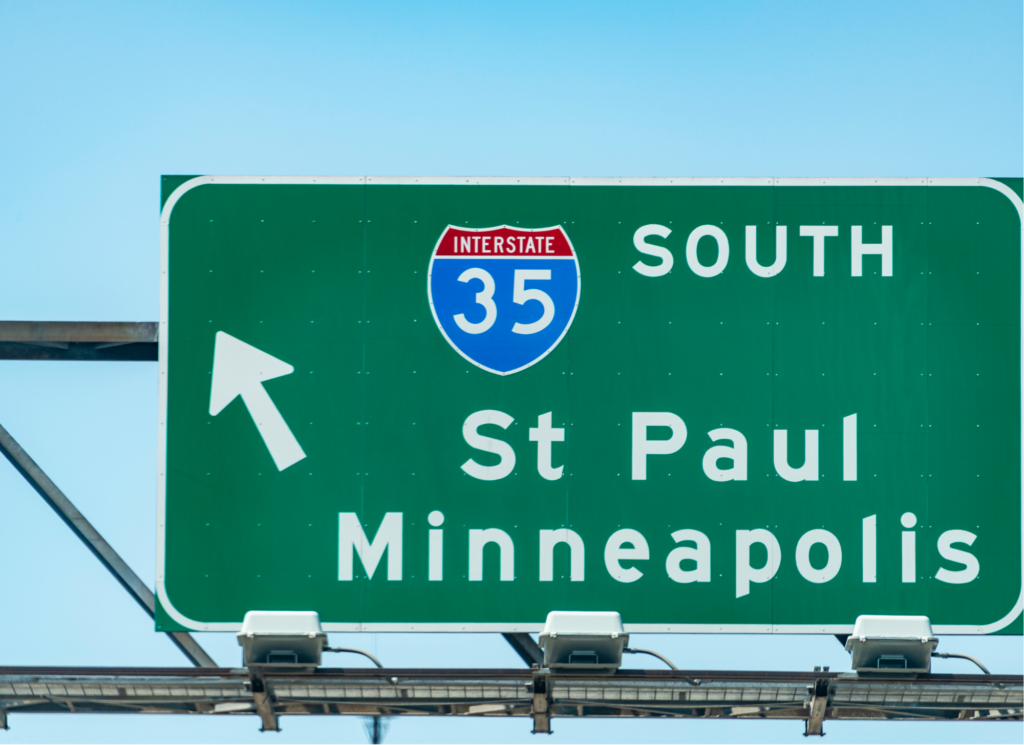
If you’re thinking about moving to the Twin Cities, one of the biggest questions you’ll likely run into is: 👉 “Should I live in Minneapolis or St. Paul?” At first, it might seem like they’re basically the same. They’re right next to each other.They’re both part of the Twin Cities. But once you start looking closer: 👉 They feel very different—and that difference matters when choosing where to live. The goal isn’t to pick which one is “better.” 👉 It’s to figure out which one fits your lifestyle, your preferences, and your goals. The Short Answer 👉 Minneapolis tends to feel: 👉 St. Paul tends to feel: 👉 Neither is better 👉 They just offer different living experiences The Biggest Difference: How It Feels Before we talk about homes or price… 👉 Let’s talk about the feel Minneapolis Minneapolis often feels: You might find: 👉 It has more variation St. Paul St. Paul tends to feel: You’ll often notice: 👉 It feels more predictable Daily Life: What to Expect Living in Minneapolis Daily life may include: 👉 Some areas feel very active👉 Others feel more residential Living in St. Paul Daily life tends to feel: 👉 You know what to expect day-to-day Housing Differences Now let’s talk about what most buyers care about: 👉 What kind of home can I get? Minneapolis Housing You’ll find: 👉 There’s more variety in housing styles and layouts St. Paul Housing You’ll find: 👉 Feels more neighborhood-driven What About New Construction? This is important for today’s buyers. Reality: 👉 Most new construction is in surrounding metro areas So whether you choose: 👉 You’ll likely explore nearby areas if you want: 👉 This is a major factor for many buyers today Price Ranges (General Comparison) Both cities fall into similar ranges, but options vary. Entry-Level 👉 ~$250K – $400K Move-Up 👉 ~$450K – $700K Higher-End 👉 $800K+ 👉 The difference isn’t just price 👉 It’s what you get for that price Lifestyle Comparison This is where the decision really happens. Minneapolis Lifestyle 👉 Best described as: You can: 👉 It gives you options within the same location St. Paul Lifestyle 👉 Best described as: You’ll find: 👉 It’s more about consistency than variety A Real Situation I See All the Time A buyer starts with: 👉 “I want Minneapolis” Then we explore both cities. They realize: 👉 They actually prefer the feel of St. Paul Or the opposite: 👉 They want more variety → Minneapolis fits better 👉 The decision usually comes down to: 👉 How it feels when you experience both The Role of Surrounding Metro Areas Here’s something most buyers don’t realize early: 👉 You’re not limited to either city The Twin Cities includes: 👉 Many buyers choose: 👉 “Near Minneapolis” or “Near St. Paul” Instead of inside the city itself Common Misconceptions ❌ “They’re basically the same” 👉 They’re not—the feel is different ❌ “One is better than the other” 👉 It depends on your lifestyle ❌ “You have to pick one” 👉 You have options across the metro How to Decide Between Minneapolis and St. Paul Step 1: Think About Your Pace Do you want: Step 2: Think About Your Home Do you want: Step 3: Think About Your Lifestyle Do you prefer: 👉 This is what usually determines the decision Who Each City Is Best For Minneapolis May Be Better For: St. Paul May Be Better For: 👉 Again—neither is better 👉 It’s about fit FAQ: Minneapolis vs St. Paul Is Minneapolis better than St. Paul?No—they offer different lifestyles. Which is more affordable?It depends on the specific area and home type. Which is better for first-time buyers?Both can work—it depends on preferences and budget. Can I look in both areas?Yes—and most buyers should. Final Thoughts Choosing between Minneapolis and St. Paul isn’t about picking the “right” city. 👉 It’s about choosing what fits YOU best Because the real difference is: 👉 Not just location👉 But lifestyle 👉 That’s what will guide your decision Next Step If you’re trying to decide between Minneapolis, St. Paul, or anywhere in the Twin Cities & surrounding metro Minnesota, the next step is to explore what actually fits your lifestyle and budget: 👉 https://buy.dreamhomesminnesota.com/ 👉 You can also explore homes here: 👉 Minnesota Homes 👉 St. Paul Homes Lesley The RealtorRealtor in the Twin Cities & Surrounding Metro, MinnesotaHelping first-time and relocation buyers find the right home and location
Is Minneapolis a Good Place to Live in 2026? (Full Guide)

If you’re thinking about moving to Minnesota, one of the biggest questions you’re probably asking is: 👉 “Is Minneapolis a good place to live?” And more specifically: 👉 “Is it a good place for me?” Because this isn’t just about the city itself. It’s about: The truth is: 👉 Minneapolis can be a great place to live—but it depends on what you’re looking for. And once you understand how it works as part of the Twin Cities: 👉 It becomes much easier to decide. The Short Answer 👉 Yes—Minneapolis can be a great place to live in 2026 because it offers: 👉 But the key is this: 👉 It’s not one type of living—it’s multiple lifestyle options within one area What Makes Minneapolis Appealing to Buyers When buyers consider Minneapolis, they’re usually looking for: 👉 Flexibility Because Minneapolis offers: 👉 You’re not locked into one way of living Lifestyle in Minneapolis Let’s break this down into what daily life can feel like. 1. A Mix of Environments Minneapolis is not one consistent experience. You’ll find: 👉 This gives you the ability to choose what fits you 2. Connected Living Minneapolis is part of the larger Twin Cities metro. That means you have access to: 👉 You’re not limited to one city 3. Flexibility in Pace Some buyers want: Others want: 👉 Minneapolis allows for both—depending on where you live Housing Options in Minneapolis One of the biggest reasons people move here: 👉 The variety of homes available Inside Minneapolis You’ll typically find: Surrounding Metro Areas This is where many buyers expand their search. You’ll find: 👉 This is a major factor for buyers today Price Ranges in Minneapolis (2026) Here’s a general breakdown: Entry-Level Homes 👉 $250K – $400K Move-Up Homes 👉 $450K – $700K Higher-End Homes 👉 $800K+ 👉 What matters most is: 👉 What your budget gets you in each area The Role of the Twin Cities This is critical to understand. 👉 Minneapolis is not a standalone decision It’s part of: 👉 The Twin Cities & surrounding metro Minnesota This includes: 👉 Many buyers don’t stay strictly within Minneapolis 👉 They explore nearby areas for better fit A Real Situation I See All the Time A buyer relocates and says: 👉 “I want to live in Minneapolis” We start searching… Then we explore surrounding areas And they realize: 👉 They can get: 👉 For the same budget 👉 And they adjust their plan Why People Choose Minneapolis The biggest reason: 👉 Options You’re not limited to: 👉 You can adjust based on your needs What You Should Consider Before Moving Instead of asking: 👉 “Is Minneapolis good?” Ask: 👉 “Is Minneapolis right for ME?” Consider: 👉 These questions matter more than the city name When Minneapolis Might Be a Good Fit Minneapolis may work well for you if: You Want Flexibility You Want Access to a Larger Metro You Want Options in Housing 👉 It works well for many types of buyers When You Might Explore Other Options Sometimes buyers start with Minneapolis… But realize they prefer: 👉 Surrounding metro areas Because they want: 👉 This is very common The Biggest Misconception ❌ “Minneapolis is one type of lifestyle” 👉 Not true—it offers multiple options ❌ “I have to live in the city itself” 👉 You can explore nearby areas ❌ “I need to decide right away” 👉 You should explore first How to Decide If It’s Right for You Step 1: Define Your Lifestyle What do you want your daily life to feel like? Step 2: Understand Your Budget What can you realistically afford? Step 3: Explore Multiple Areas Don’t limit yourself too early 👉 This is where clarity happens FAQ: Living in Minneapolis Is Minneapolis a good place to live in 2026?Yes—for many buyers, it offers flexibility and a range of options. Is it good for first-time buyers?Yes—there are entry-level options and surrounding areas to explore. Are there newer homes available?Yes—especially in nearby metro communities. Do I have to live in the city itself?No—you have many options in surrounding areas. Final Thoughts Minneapolis can absolutely be a great place to live. 👉 But the real question is: 👉 Does it fit your lifestyle, budget, and goals? Because the best decision isn’t about: 👉 Picking the “best city” 👉 It’s about choosing the right fit for your life And once you understand your options: 👉 That decision becomes much easier Next Step If you’re thinking about moving to Minneapolis or anywhere in the Twin Cities & surrounding metro Minnesota, the next step is to explore what fits your lifestyle and budget: 👉 https://buy.dreamhomesminnesota.com/ 👉 You can also explore homes in Minneapolis here:👉 Minnesota Homes Lesley The RealtorRealtor in the Twin Cities & Surrounding Metro, MinnesotaHelping first-time and relocation buyers find the right home and location