
How Do Mortgage Lenders Decide How Much to Lend Me?

It can feel like lenders pull your approved loan amount out of thin air, but the process is actually built on a handful of specific factors that you can understand and even influence before you apply. Knowing how the math works takes a lot of the mystery, and the anxiety, out of the process. Here is the direct answer. Lenders decide how much to lend you based primarily on your income, your existing debt obligations, your credit history, your down payment, and your cash reserves. They combine those factors into a debt-to-income ratio and a risk profile, and that combination determines both whether you qualify and how much you qualify for. Your income is the foundation Lenders need to verify that your income is stable, reliable, and likely to continue. That typically means reviewing pay stubs, W-2s, or tax returns depending on your employment type. Self-employed buyers and those with variable income, like commission-based earners, should expect a more detailed review, often involving multiple years of documentation to establish a consistent income pattern. Debt-to-income ratio explained simply Your debt-to-income ratio, often shortened to DTI, compares your total monthly debt payments to your gross monthly income. Lenders use this ratio to judge how much additional mortgage payment you can reasonably take on without becoming overextended. Existing obligations like car payments, student loans, credit card minimums, and other debts all factor into this calculation, so paying down debt before applying can meaningfully increase how much you qualify for. Why your credit history matters here too Beyond determining your interest rate, your credit history also plays a role in how much a lender is willing to lend you. A stronger credit history signals lower risk, which can open the door to more favorable loan terms and, in some cases, a higher approved loan amount within the lender’s guidelines. How your down payment affects the equation The size of your down payment affects your loan-to-value ratio, meaning how much you are borrowing relative to the home’s value. A larger down payment lowers that ratio, which can reduce the lender’s risk and sometimes improve your terms. It also directly affects your monthly payment, since a larger down payment means a smaller loan amount overall. Cash reserves and why lenders ask about them Some loan programs require you to show a certain amount of cash reserves remaining after closing, meaning funds beyond your down payment and closing costs. This gives the lender confidence that you can weather an unexpected expense without immediately falling behind on your mortgage. The exact reserve requirements vary by loan type and lender. How employment history factors in Lenders generally want to see a consistent employment history, typically looking at the past two years, though the exact requirements depend on your specific situation and the loan program. A recent job change is not automatically disqualifying, but be prepared to explain it and provide documentation showing your new income is stable. Why the number a lender approves might be higher than what you should actually spend This is one of the most important things to understand in the entire process. The maximum amount a lender approves you for is based on their underwriting formulas, not on your personal comfort level with a monthly payment. Many buyers qualify for more than they actually want to spend once they factor in savings goals, other financial priorities, and simple day-to-day breathing room in their budget. Treat your approval amount as a ceiling, not a target. FAQ Can I increase how much I qualify for before applying? Often yes. Paying down existing debt, avoiding new credit accounts before applying, and saving a larger down payment can all improve how much you qualify for. Talk to a lender early so you know exactly what would move the needle for your specific situation. Does a job change affect how much I can borrow? It can, especially if the change involves a shift from salary to commission or self-employment, since lenders look closely at income stability. Loop your lender in as soon as a change happens so you understand how it affects your approval. Why did I qualify for less than I expected? This usually comes down to your debt-to-income ratio, credit profile, or documentation of your income. Ask your lender for a specific breakdown so you understand exactly which factor is limiting your approval. Should I borrow the maximum amount a lender approves me for? Not necessarily. Your approval reflects what a lender’s guidelines allow, not necessarily what fits comfortably in your monthly budget once you account for other goals and expenses. Do lenders look at my savings beyond the down payment? Yes, many loan programs require verified cash reserves beyond your down payment and closing costs, and lenders will ask to see documentation of those funds. How far in advance should I talk to a lender about my loan amount? As early as possible, ideally before you start seriously touring homes. That way you know your realistic price range and can shop with confidence instead of guessing. Closing Call to Action If you want to understand exactly how much you could qualify for and what might help you qualify for more, reach out to Lesley The Realtor. I can connect you with lenders who will walk through your specific numbers and help you plan your next move with confidence.
What Is a Conventional Loan and Who Qualifies?
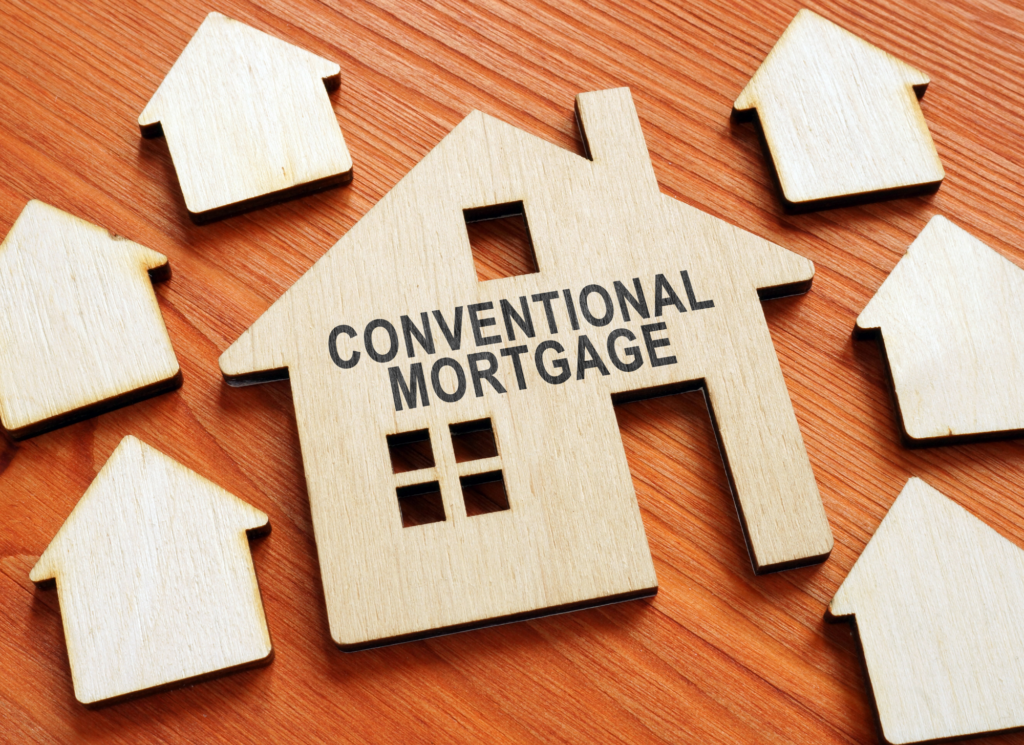
Conventional loans are the most common type of mortgage in the country, yet plenty of buyers picture something complicated when they hear the term. It really is not. Once you know what “conventional” actually means and what lenders look for, you can quickly tell whether it is the right fit for your purchase. Here is the direct answer. A conventional loan is a mortgage that is not insured or guaranteed by a government agency. It is originated by a private lender and typically follows underwriting guidelines set by Fannie Mae or Freddie Mac. Buyers generally qualify with a solid credit history, a manageable debt-to-income ratio, steady and verifiable income, and a down payment that fits within the lender’s program requirements. What makes a loan “conventional” The word conventional simply distinguishes these loans from government-backed programs like FHA, VA, and USDA. Because there is no government agency insuring the loan against default, private lenders set their own underwriting standards, generally aligned with guidelines from Fannie Mae and Freddie Mac, the two entities that buy and package the majority of conventional loans in the secondary market. Credit expectations for conventional loans Conventional loans tend to reward stronger credit profiles with better pricing, which means the credit score and history you bring to the table can directly affect your interest rate and terms. That does not mean you need flawless credit, but it does mean lenders will look closely at your payment history, your credit utilization, and how long your credit accounts have been established. Down payment options One of the biggest myths about conventional loans is that they always require a large down payment. In reality, conventional loan programs offer a range of down payment options depending on the lender, your credit profile, and whether you are a first-time buyer. It is worth asking your lender directly what your specific down payment options look like rather than assuming you need a large amount saved. Debt-to-income ratio and income verification Lenders evaluate your debt-to-income ratio, meaning your monthly debt obligations compared to your gross monthly income, to determine how much loan you can comfortably support. You will also need to document your income through pay stubs, tax returns, or other verification depending on your employment situation. Self-employed buyers should expect a slightly more detailed documentation process. Private mortgage insurance and how it works If your down payment falls below a certain threshold on a conventional loan, you will likely pay private mortgage insurance, often called PMI, until you build enough equity in the home. PMI protects the lender, not you, but it is what allows many buyers to purchase with a smaller down payment than they might otherwise need. Ask your lender exactly when and how PMI can be removed once you have built sufficient equity. Property types conventional loans allow Conventional loans offer more flexibility than most government-backed programs when it comes to property type. Depending on the specific loan program, conventional financing can be used for primary residences, second homes, and investment properties, which is not always the case with FHA, VA, or USDA loans. Who tends to be a strong fit for a conventional loan Buyers with steady income, a solid credit history, and either a healthy down payment saved or a willingness to pay PMI in exchange for a smaller down payment tend to be strong candidates for conventional financing. It is also a common choice for buyers purchasing a second home or investment property, since those property types are more restricted under government-backed loan programs. FAQ Do I need perfect credit to get a conventional loan? No. You do not need perfect credit, but your credit profile will influence your rate and terms, so it is worth reviewing your credit report before you start shopping for a loan. How much down payment do I actually need? It depends on the specific lender and program, your credit profile, and whether you are a first-time buyer. Ask your lender directly for the down payment options available to you. What is the difference between a conventional loan and an FHA loan? A conventional loan is not government-insured and generally rewards stronger credit with better terms, while an FHA loan is insured by the Federal Housing Administration and is often more accessible for buyers with lower credit scores or smaller down payments. Comparing both with your lender is the best way to see which fits your numbers. Can I remove PMI once I have it? Yes, once you reach the required equity threshold in your home, you can typically request that PMI be removed. Ask your lender for the specific requirements and process. Can self-employed buyers get a conventional loan? Yes, though the documentation process is typically more detailed, often involving additional tax returns and income verification. Talk to your lender early about what paperwork to gather. Is a conventional loan a good fit for buying an investment property? It can be, since conventional loans generally allow more flexibility for investment properties than government-backed loan programs. Your lender can walk you through the specific requirements for a non-primary residence. Closing Call to Action If you are trying to figure out whether a conventional loan fits your situation, I would love to help you think it through. Reach out to Lesley The Realtor and let’s map out your best path forward.