
What Happens If New Construction Is Delayed in Minnesota? (2026 Homebuyer Guide)
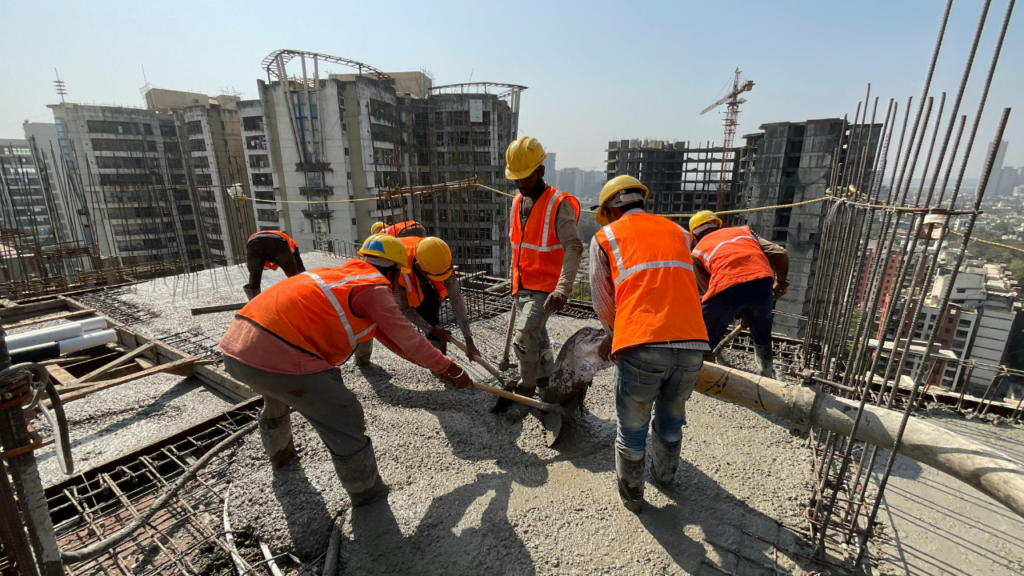
Few things are more exciting than building a brand-new home. You choose the floor plan. You select your finishes. You watch the construction progress. You begin imagining where your furniture will go and what life will look like once you’re moved in. Then the question comes up: “What happens if the construction gets delayed?” It’s one of the most common concerns among new construction buyers, and for good reason. Most people building a home aren’t doing so in a vacuum. They’re coordinating real life. They may be: When a construction timeline changes, it can create stress and uncertainty. The good news is that delays are often manageable when buyers understand why they happen and how to prepare for them. If you’re building a home in Minnesota, here’s what you should know about construction delays and how to navigate them with confidence. First, Understand That Estimated Completion Dates Are Estimates One of the biggest misconceptions buyers have is believing the completion date provided at contract signing is guaranteed. In most cases, builders provide an estimated completion date. The reason is simple. A home build involves dozens of moving parts, many of which are outside the builder’s direct control. Even the most organized builder cannot control: Builders do their best to project realistic timelines, but construction remains a dynamic process. That’s why flexibility is important. Weather Is One of the Biggest Factors in Minnesota Minnesota weather can be beautiful. It can also be unpredictable. Heavy snow. Extreme cold. Spring rains. High winds. All can impact various phases of construction. For example: Excavation may be delayed due to frozen ground. Concrete work may be postponed because of weather conditions. Exterior work may need to wait until temperatures improve. Weather delays are among the most common reasons construction schedules shift. Material Shortages Still Happen Many buyers remember hearing about supply chain challenges during recent years. While conditions have improved in many areas, material delays can still occur. Builders rely on products such as: If a manufacturer experiences production delays, construction schedules can be affected. Even a single missing component can impact progress. Labor Availability Can Affect Timelines Building a home requires multiple specialized trades. These may include: If subcontractor schedules shift, construction timelines can change. This is particularly common during busy building seasons when demand is high. Permit and Inspection Delays Every new home must move through various approvals and inspections. Local municipalities review: Most of the time these processes move smoothly. Occasionally, however, scheduling or administrative delays occur. Builders cannot always control government processing timelines. Change Orders Can Extend Construction Sometimes buyers unintentionally contribute to delays. For example: A buyer decides to: These changes often require: Change orders aren’t bad. But they can affect timelines. The more changes made during construction, the greater the potential impact. Delays Don’t Necessarily Mean Something Is Wrong This is important. Many buyers hear the word “delay” and immediately assume there is a major problem. Often that’s not the case. A delay may simply mean: Most delays are logistical rather than structural. The key is maintaining communication with the builder. What Happens If You’re Selling Another Home? This is where planning becomes especially important. Many buyers are simultaneously: The challenge is timing both transactions. If construction takes longer than expected, temporary housing may become necessary. Some buyers choose: Discuss timing strategies with your real estate agent early in the process. What If Your Lease Is Ending? Renters often face similar concerns. If your lease expires before construction is complete, you may need: Whenever possible, build flexibility into your plans. It’s much easier to prepare for a potential delay than scramble at the last minute. Communication Matters One of the best ways to reduce stress during construction is regular communication. Ask your builder: The more informed you are, the less stressful the process tends to feel. Don’t Schedule Movers Too Early Many buyers make the mistake of scheduling movers months in advance. That can be risky. Until construction is nearing completion, exact move-in dates may remain uncertain. Waiting until your closing schedule becomes more concrete can help avoid unnecessary complications. Financing Considerations Construction delays can occasionally affect mortgage timelines as well. For example: Interest rate locks may have expiration dates. Loan documents may require updates. Additional paperwork may be needed. Fortunately, lenders who regularly work with new construction transactions are familiar with these situations. Communication between your lender and builder is important. Stay Focused on the Big Picture When buyers experience delays, frustration is understandable. But it’s important to remember: You’re building a home. Not ordering a product from a warehouse. Construction involves hundreds of steps and countless decisions. While delays can be inconvenient, most buyers ultimately agree that getting the home built properly matters more than saving a few weeks. What Experienced Buyers Do Differently Buyers who handle construction delays best tend to share several traits. They: This mindset often reduces stress significantly. Questions to Ask Before Signing Before committing to a builder, ask: The answers can provide valuable insight into the builder’s process. Real Example Imagine two buyers building similar homes. Buyer A assumes the estimated completion date is guaranteed. They schedule movers, terminate their lease, and make plans around a fixed date. Buyer B understands construction timelines can shift. They build flexibility into their schedule and prepare for potential changes. When weather causes a three-week delay, Buyer B experiences significantly less stress because expectations were realistic from the beginning. Frequently Asked Questions Are construction delays common? Yes. Delays can occur for many reasons, including weather, materials, labor availability, and inspections. Should I worry if construction is delayed? Not necessarily. Many delays are normal and do not indicate major problems. Can weather affect new construction timelines in Minnesota? Absolutely. Minnesota weather is one of the most common factors influencing schedules. What if my lease expires before my home is finished? You may need temporary housing, lease extensions, or alternative arrangements depending on the situation. Can delays affect my mortgage? Sometimes. It’s important to stay in communication
How Long Does It Take to Build a Home in Minnesota? (2026 New Construction Homebuyer Guide)
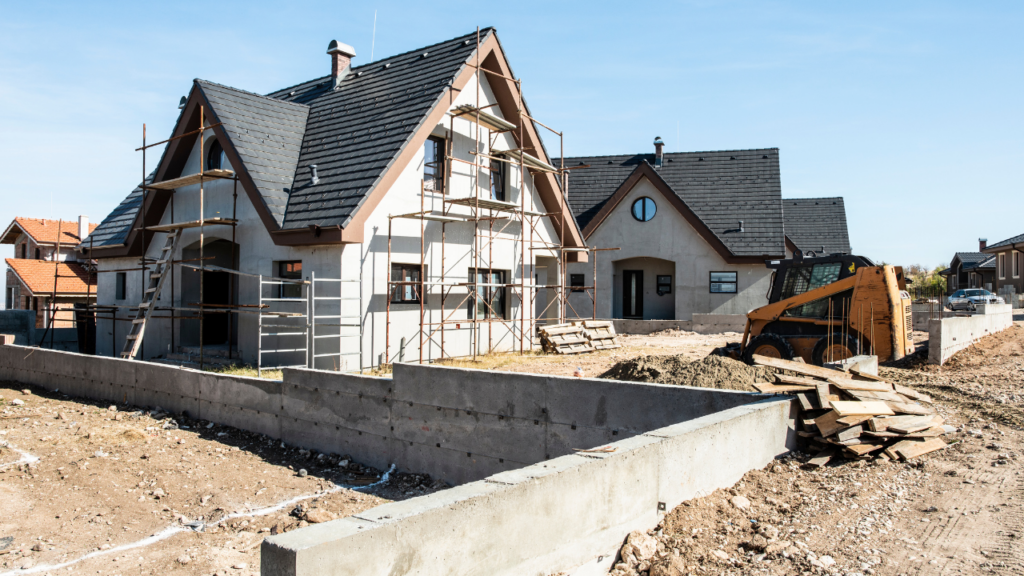
One of the first questions buyers ask when considering new construction is: “How long will it take?” It’s a fair question. After all, if you’re selling your current home, ending a lease, relocating for work, or simply eager to move into your new house, timing matters. The challenge is that there isn’t one simple answer. Some new construction homes in Minnesota can be completed in a matter of weeks. Others may take several months. Custom homes may take even longer. Many buyers walk into a model home expecting an exact completion date, only to discover that home construction involves dozens of moving parts that can affect the timeline. The good news is that understanding the building process ahead of time can help you set realistic expectations and avoid unnecessary stress. Let’s look at what influences construction timelines and what Minnesota buyers should know before building a home. Not All New Construction Homes Follow the Same Timeline One of the biggest misconceptions buyers have is assuming every new construction home takes the same amount of time. That’s not how it works. The timeline depends largely on the type of home you’re buying. Generally speaking, new construction homes fall into three categories: Each comes with a different timeline. Quick Move-In Homes Quick move-in homes, sometimes called inventory homes or spec homes, are already under construction or fully completed when buyers purchase them. Builders often construct these homes before a buyer is identified. Why? Because many buyers want a new home without waiting several months. If a builder has a completed home available, your timeline may be similar to purchasing a resale property. In some cases, you may close within a few weeks. This is often the fastest path to new construction. To-Be-Built Homes This is the option most buyers picture when they think about building a home. You choose: Construction begins after the purchase agreement is finalized. In Minnesota, many production builders estimate several months from contract to completion. However, timelines vary significantly depending on: This option provides personalization but requires patience. Custom Homes Custom homes usually involve the longest timeline. Unlike production builders, custom builders often create homes specifically designed for the buyer. This may include: The additional planning and customization typically extend the overall timeline. The tradeoff is greater flexibility and personalization. The Homebuilding Process To understand timing, it helps to understand the construction process itself. A home doesn’t simply appear overnight. There are multiple phases involved. Each phase must be completed before the next one begins. Phase One: Site Preparation Before construction starts, the lot must be prepared. This may involve: Minnesota weather can occasionally affect this stage, particularly during winter months or periods of heavy rain. Phase Two: Foundation Work Once the site is prepared, foundation work begins. Depending on the home design, this may involve: The foundation is one of the most important parts of the home, so builders take this stage seriously. Weather conditions can influence scheduling. Phase Three: Framing Framing is when buyers finally begin seeing the house take shape. Walls go up. Roof structures appear. Rooms become recognizable. For many buyers, this is one of the most exciting stages because the home suddenly feels real. Phase Four: Mechanical Systems After framing comes the installation of major systems such as: These systems are installed before walls are finished. Inspections often occur during this phase to verify compliance with building requirements. Phase Five: Insulation and Drywall Once systems are installed and approved, insulation and drywall work begin. At this point, the interior starts resembling a finished home. Rooms become defined. Walls are enclosed. Progress often feels much faster. Phase Six: Interior Finishes This stage includes many of the design selections buyers spend so much time choosing. Examples include: The home begins transforming from a construction site into a living space. Phase Seven: Final Touches The final stage includes: Once everything is complete, closing can be scheduled. What Causes Construction Delays? Every buyer wants a guaranteed completion date. Unfortunately, construction doesn’t always cooperate. Several factors can affect timing. Weather Minnesota weather is beautiful. It’s also unpredictable. Snow. Rain. Extreme cold. Wind. All can influence construction schedules. Builders work hard to keep projects moving, but weather sometimes creates unavoidable delays. Material Availability The construction industry relies on thousands of products. Examples include: If a manufacturer experiences delays, construction schedules may be affected. Material shortages became particularly noticeable during recent years, but availability issues can arise at any time. Labor Availability Building a home requires skilled professionals. Scheduling challenges involving subcontractors may occasionally affect timelines. This is especially true during busy construction seasons. Permit Delays Local governments review and approve construction permits. Most approvals occur smoothly. However, processing times can vary depending on location and workload. Buyer Changes Surprisingly, buyers themselves sometimes contribute to delays. For example: Changes after construction begins can affect scheduling. That’s one reason builders encourage buyers to finalize selections early. Why Builders Give Estimated Completion Dates Many buyers become frustrated when they receive an estimated completion date instead of a guaranteed one. The reason is simple. Builders can’t control every variable. They can estimate based on experience, but weather, labor, materials, and inspections all influence the final timeline. Most builders would rather provide realistic expectations than make promises they can’t control. Planning Your Move If you’re building a home, flexibility is your friend. Avoid making assumptions about exact dates months in advance. Whenever possible: Preparation helps reduce stress. Questions to Ask Your Builder Before signing a contract, ask: These conversations can help set realistic expectations. Real Example Imagine two buyers building similar homes. Buyer A expects the home to be finished on a specific date and becomes frustrated when weather causes delays. Buyer B understands the timeline is an estimate and plans accordingly. Both receive beautiful homes. But Buyer B experiences significantly less stress because expectations were realistic from the beginning. Frequently Asked Questions How long does it usually take to build a home in Minnesota? Timelines vary depending on the builder, home type,
What Hidden Costs Come With New Construction Homes in Minnesota? (2026 Homebuyer Guide)
One of the biggest surprises for many homebuyers isn’t the purchase price of a new construction home. It’s everything that comes after. Many buyers walk into a beautiful model home, see the advertised starting price, and assume that’s close to what they’ll ultimately spend. Then reality sets in. The lot they want costs extra. The kitchen they love isn’t standard. The backyard is dirt. The blinds aren’t included. The deck isn’t included. The finished basement isn’t included. And suddenly, the final investment looks very different from the number that originally caught their attention. This doesn’t mean new construction is a bad financial decision. In fact, many Minnesota buyers absolutely love building a home. The key is understanding the full picture before signing a contract. Let’s walk through some of the most common hidden costs that buyers encounter when building a new home in Minnesota. The Model Home Is Usually Not the Base Price This is one of the most common misunderstandings in new construction. Builders design model homes to showcase the best possible version of a floor plan. When you walk through a model home, you’re often seeing: Many buyers assume everything they see is included. In reality, some model homes contain tens of thousands of dollars in upgrades. Before falling in love with a model, ask: “What exactly is included in the base price?” That question alone can prevent major surprises. Lot Premiums Can Add Thousands Not all homesites are priced equally. Builders often charge additional fees for desirable lots. Examples include: Depending on the community, lot premiums can range from a few thousand dollars to significantly more. Many buyers don’t learn about these costs until after selecting their preferred homesite. Design Center Upgrades Add Up Quickly The design center is where many budgets expand. At first, every decision feels small. A slightly better countertop. A nicer cabinet style. A flooring upgrade. An upgraded staircase. A larger kitchen island. Individually, these upgrades may seem reasonable. Combined, they can dramatically increase the final purchase price. This is why setting a design budget before your appointment is so important. Appliances May Not Be Included Some builders include appliance packages. Others don’t. Depending on the builder, you may need to purchase: Many buyers budget carefully for their mortgage but forget to account for these additional expenses. Always ask exactly what appliances are included. Window Treatments Are Often Missing When you move into a resale home, blinds and window coverings are usually already installed. With new construction, that isn’t always the case. Many buyers move into a beautiful new home only to realize every window is uncovered. Depending on the size of the home, window treatments can become a significant expense. This is a frequently overlooked cost. Landscaping May Not Be Finished Many model homes feature beautiful landscaping. What buyers sometimes forget is that those professionally landscaped model homes aren’t necessarily representative of what comes with the home. Depending on the builder, your yard may initially include: You may still need: These costs can add up quickly. Decks, Patios, and Outdoor Spaces Minnesota homeowners love outdoor living. Unfortunately, many new homes don’t automatically include outdoor living features. You may need to budget separately for: Buyers are often surprised by how much these projects cost after closing. Fencing Costs Families with children and pet owners frequently plan to install fencing after moving in. However, fencing costs are rarely included in the builder’s pricing. Depending on: Fencing can represent a meaningful additional expense. It’s wise to plan ahead. Homeowner Association Fees Many new developments in Minnesota include homeowner associations. HOA fees may cover: While these services can be valuable, they also represent an ongoing monthly or annual expense. Buyers should understand both current and potential future HOA costs. Property Taxes May Increase One hidden cost many buyers don’t anticipate is property taxes. During the construction process, tax estimates may be based on: Once the home is fully assessed, taxes often increase. This doesn’t mean taxes are unfair. It simply means buyers should understand how future assessments may affect monthly housing costs. Closing Costs Still Exist Some buyers mistakenly assume new construction eliminates closing costs. It doesn’t. Typical closing costs may include: Builder incentives may help offset some of these expenses, but buyers should still plan accordingly. Utility Startup Costs Moving into a new home often means setting up: These aren’t massive expenses individually, but they contribute to the overall cost of homeownership. Additional Storage Solutions Model homes are professionally organized. After moving in, buyers often realize they need: These projects are rarely included but often become priorities after move-in. Basement Finishing Many Minnesota builders offer unfinished basements. An unfinished basement may be perfectly acceptable initially. However, many families eventually decide to add: Future basement finishing can become one of the largest post-purchase expenses. Maintenance Equipment New homeowners frequently overlook practical purchases such as: These aren’t glamorous purchases, but they’re often necessary. Minnesota seasons demand preparation. Furniture Costs A larger home often requires additional furniture. Many buyers upgrade from: Suddenly they need: These expenses aren’t part of the mortgage but still affect the budget. Smart Home Features and Technology Many builders include basic smart home features. However, buyers often choose to expand their systems with: Technology upgrades can become another unexpected expense. Why Budgeting Beyond the Purchase Price Matters The smartest buyers don’t focus only on the sales price. They look at: A home that feels affordable on paper can become stressful if post-closing expenses weren’t considered. Real Example Imagine two buyers purchasing identical homes. Buyer A budgets only for the purchase price. Buyer B budgets for: Both buy the same home. But Buyer B feels far more prepared because expectations were realistic from the beginning. Questions to Ask Before Signing a Builder Contract Before committing to a new construction home, ask: The answers can help you create a much more accurate budget. Frequently Asked Questions Are new construction homes more expensive than resale homes? Not always, but buyers should account for additional costs beyond
Can I Negotiate With Builders in Minnesota? (2026 New Construction Homebuyer Guide)

One of the biggest misconceptions in real estate is that builder prices are fixed and non-negotiable. Many buyers walk into a model home believing the advertised price is the final price and there is no room for discussion. Others assume builders negotiate the same way individual homeowners do when selling a resale property. The truth is somewhere in the middle. Yes, builders can negotiate. But they often negotiate differently than traditional home sellers. If you’re considering a new construction home in Minnesota, understanding how builders approach negotiations could potentially save you thousands of dollars or help you secure valuable incentives that improve your overall purchase. The key is knowing what to ask for, when to ask, and understanding what motivates builders in different market conditions. Let’s look at how builder negotiations typically work and what buyers should know before signing a purchase agreement. Why Builders Don’t Always Reduce Prices When a homeowner sells a resale property, price negotiations are common. Builders often operate differently. One reason is future sales. Imagine a builder lowers the price of one home by $30,000. That sale becomes part of the community’s pricing history. Future buyers may expect similar discounts. Appraisers may also use recent sales when evaluating nearby homes. Because of this, many builders prefer protecting their advertised pricing structure. That doesn’t mean negotiations are impossible. It simply means builders may offer value in different ways. Builders Often Negotiate Through Incentives Instead of reducing the base price, builders may offer: From a buyer’s perspective, these incentives can be just as valuable as a price reduction. Sometimes even more valuable. The important thing is evaluating the total financial package rather than focusing solely on purchase price. Market Conditions Matter Negotiation opportunities often depend on market conditions. When demand is extremely strong: Builders may have less motivation to offer concessions. When inventory levels rise: Builders may become more flexible. Like any business, builders respond to supply and demand. The more inventory available, the greater the likelihood that incentives may appear. Spec Homes Often Offer More Negotiation Opportunities Not all new construction homes are the same. Some buyers build from the ground up. Others purchase spec homes. A spec home is a property already under construction or completed before a buyer is identified. Builders sometimes have additional flexibility with spec homes because they want to move completed inventory. This may create opportunities involving: If your timeline is flexible, spec homes can be worth exploring. End-of-Quarter and End-of-Year Timing Builders, like many businesses, often have sales goals. Depending on the builder, certain times of year may create additional opportunities. For example: This doesn’t guarantee a better deal. However, motivated builders may occasionally offer incentives to meet sales objectives. Timing alone shouldn’t drive your decision, but it can be a factor. Model Homes Are Not Always the Best Price Indicator Many buyers fall in love with model homes. That’s understandable. Model homes showcase: What buyers often don’t realize is that many features shown in the model may not be included in the base price. Before negotiating, understand: You can’t effectively negotiate something you don’t fully understand. Lot Premiums May Have Flexibility Builders frequently charge premiums for desirable lots. Examples include: In some situations, builders may have flexibility regarding lot premiums. This is particularly true if certain lots have been available for an extended period. It’s worth asking. Design Center Credits Can Be Valuable One of the most common builder incentives involves design center credits. These credits can be applied toward: Many buyers underestimate how quickly upgrade costs add up. A design center credit may provide significant savings. Closing Costs Are Often Negotiable Builders frequently partner with preferred lenders. When buyers use those lenders, builders may offer: These incentives can reduce out-of-pocket expenses at closing. However, always compare loan options carefully. A larger incentive doesn’t necessarily mean the financing is the best long-term option. Don’t Focus Only on Price This is one of the biggest mistakes buyers make. They become obsessed with negotiating the lowest purchase price. Meanwhile, they overlook opportunities involving: Sometimes a builder may be unwilling to reduce the price but willing to offer thousands of dollars in additional value. Look at the entire package. Understand Builder Motivation Every builder has different goals. Some may be focused on: Understanding builder motivation can help identify potential negotiation opportunities. Why Representation Matters Many buyers assume they don’t need professional guidance because they’re purchasing directly from the builder. However, an experienced real estate agent may help identify: Knowledge often creates leverage. Ask Questions Many buyers never negotiate because they assume the answer will be no. Instead, consider asking: You may be surprised by the answers. New Phases vs Established Phases Builder flexibility can vary depending on where a community is in its development cycle. Early phases: Builders may be establishing pricing. Later phases: Builders may have different inventory goals. Each situation is unique. Quick Move-In Homes Builders often prioritize moving completed inventory. If a home is: There may be more flexibility than with a home being built from scratch. Quick move-in homes are worth considering if negotiations are important to you. Real Example Let’s compare two buyers. Buyer A visits a model home and accepts the first offer presented. Buyer B asks questions. They explore: Both may purchase similar homes. But Buyer B often discovers opportunities Buyer A never knew existed. Knowledge creates options. Common Negotiation Mistakes Some buyers: The best negotiators understand the entire transaction. Frequently Asked Questions Can builders lower the price of a home? Sometimes, but builders often prefer offering incentives instead of reducing the base price. What is the easiest thing to negotiate with a builder? Closing costs, upgrade credits, and financing incentives are common areas of flexibility. Are spec homes more negotiable? In some cases, yes. Builders may have additional motivation to sell completed inventory. Should I use the builder’s lender? Not automatically. Always compare financing options before making a decision. Do all builders negotiate? Every builder is different. Some are more flexible than others.
How Do Builder Warranties Work in Minnesota? (2026 New Construction Homebuyer Guide)

One of the biggest advantages buyers see when purchasing a new construction home is the warranty. After all, if you’re buying a brand-new house, it’s reasonable to expect that major systems, appliances, and construction components should work properly. And in most cases, they do. But many buyers are surprised to learn that builder warranties aren’t as simple as they sound. Some people assume a builder warranty covers absolutely everything. Others believe that once they move in, every future issue becomes the builder’s responsibility. The reality falls somewhere in the middle. Builder warranties can provide tremendous peace of mind, but it’s important to understand what they cover, what they don’t cover, and what responsibilities still belong to the homeowner. If you’re considering new construction in Minnesota, here’s what you should know about builder warranties before you sign a contract. Why Builder Warranties Exist New homes are complex. Even a modest home contains thousands of components installed by numerous contractors and suppliers. A typical new construction project may involve: Despite quality control processes, occasional issues can occur. Builder warranties exist to address certain defects that may appear after closing. They help provide buyers with confidence and create a process for addressing covered concerns. Not All Builder Warranties Are the Same One of the biggest misconceptions is assuming every builder offers identical warranty coverage. That’s not true. Warranty programs can vary significantly between builders. Some builders provide: Others may have different terms and limitations. Before purchasing a new home, ask for a copy of the warranty documentation. Read it carefully. Understanding the warranty before signing a contract is far easier than trying to understand it after a problem arises. The Common Warranty Structure Many builders organize warranties into different time periods. Although every builder is different, a common structure may include coverage for: One-Year Workmanship Coverage This often covers items such as: These are generally items related to craftsmanship and finishing work. During the first year, homeowners often identify minor items that need attention as they begin living in the home. Two-Year Systems Coverage Some builders provide additional coverage for certain mechanical systems. Examples may include: Again, coverage varies. Always review your builder’s specific warranty documentation. Structural Coverage Many builders provide longer-term structural coverage. Structural issues may involve: Structural warranties often extend beyond the initial workmanship warranty period. However, definitions of “structural defects” can vary. Never assume a structural warranty covers every issue involving your home. What’s Usually Covered? Coverage depends on the builder and warranty provider, but common covered items may include: The warranty generally exists to address problems resulting from construction or materials rather than homeowner maintenance. What’s Usually Not Covered? This is where misunderstandings often occur. Many buyers assume every issue that appears after move-in is covered. That’s rarely the case. Items commonly excluded may include: Reading the exclusions section is just as important as reading the coverage section. Normal Settling Is Common Minnesota homes experience seasonal temperature swings. As homes settle, buyers may notice: These situations are often normal. Many builders schedule warranty appointments specifically to address settling-related items during the first year. Your Appliances May Have Separate Warranties Another common misconception is assuming the builder warranty covers appliances. In many cases: Are covered by manufacturer warranties rather than builder warranties. If an appliance stops working, the appropriate contact may be the manufacturer instead of the builder. Keep all appliance documentation after closing. Understanding Warranty Requests Most builders have a process for submitting warranty claims. This may include: When you notice a concern, document it. Take photos. Keep records. Submit requests according to the builder’s procedures. Organization can help speed up the process. Why a Final Walkthrough Matters Before closing, buyers typically complete a final walkthrough. This is your opportunity to identify: Don’t rush through this step. Take your time. Open doors. Test fixtures. Check appliances. Look carefully. A detailed walkthrough can help identify concerns before move-in. Seasonal Changes Can Reveal Issues Minnesota weather is unique. A home completed during summer may experience very different conditions during winter. Seasonal changes can reveal: This is one reason many warranty programs extend beyond the first few months after closing. Keep a Homeowner Maintenance Schedule Builder warranties are not a substitute for maintenance. As a homeowner, you’ll still be responsible for: Proper maintenance helps protect your home and may affect warranty coverage. The Importance of Documentation If a warranty issue arises, documentation is your friend. Keep: The better organized you are, the easier warranty discussions typically become. Why You Should Still Get an Inspection Some buyers assume: “There’s a warranty, so I don’t need an inspection.” That’s a mistake. A warranty and an inspection serve different purposes. A professional inspection can help identify concerns before they become larger issues. Many buyers choose: These inspections can provide valuable information. The 11-Month Inspection Many experienced homeowners schedule an inspection near the end of the first warranty year. Why? Because it allows them to identify issues while workmanship coverage may still be active. This is often one of the smartest investments a buyer can make. Real Example Imagine two homeowners. Homeowner A: Homeowner B: Which homeowner is likely to have a smoother experience? Preparation matters. Questions to Ask Your Builder Before signing a contract, ask: These questions can help clarify expectations. Frequently Asked Questions Do all new homes come with warranties? Most builders provide some form of warranty coverage, but details vary. Does a builder warranty cover everything? No. Most warranties contain limitations and exclusions. How long do builder warranties last? Coverage periods vary depending on the builder and warranty category. Should I get an inspection if there’s a warranty? Yes. Many buyers still choose independent inspections. What happens if I discover a problem after moving in? Follow the builder’s warranty process and submit the issue according to their procedures. Final Thoughts Builder warranties are one of the biggest benefits of purchasing a new construction home. They provide peace of mind and protection against certain defects that may appear after closing. However, warranties are
What Upgrades Are Worth It in a New Construction Home in Minnesota? (2026 Homebuyer Guide)

One of the most exciting parts of building a new construction home is personalization. You get to choose finishes, colors, layouts, fixtures, and features that fit your lifestyle. For many buyers, the design center feels like walking into a dream. Beautiful kitchens. Luxury flooring. Custom lighting. Spa-like bathrooms. Upgraded appliances. It’s easy to imagine saying yes to everything. Unfortunately, it’s also easy to blow your budget. I’ve seen buyers walk into a builder’s design center expecting to spend a few thousand dollars on upgrades and leave with tens of thousands in additional selections. That doesn’t mean upgrades are bad. Some upgrades are absolutely worth the investment. Others may be better completed after closing. The challenge is knowing the difference. If you’re building a home in Minnesota, understanding which upgrades provide long-term value and which ones can wait may save you thousands of dollars while helping you create a home you’ll enjoy for years. Start With Structural Upgrades First One of the biggest mistakes buyers make is focusing on cosmetic upgrades before considering structural ones. Paint colors can be changed. Light fixtures can be replaced. Backsplashes can be updated. Structural changes are much harder and more expensive to modify later. If your budget is limited, prioritize structural features first. Examples include: These are the types of upgrades that become difficult or costly after construction is complete. Think About How Long You’ll Stay in the Home Not every buyer has the same goals. If you’re planning to stay for: Your upgrade decisions may look different. For example: A growing family may prioritize extra bedrooms. A remote worker may prioritize a home office. Someone planning to age in place may value main-level living. Focus on upgrades that support your lifestyle rather than simply following trends. Kitchen Upgrades Usually Deliver Strong Value The kitchen remains one of the most important areas of any home. Buyers spend a tremendous amount of time there. Future buyers notice kitchens too. Popular kitchen upgrades often include: Not every upgrade is necessary, but functional kitchen improvements are often money well spent. Cabinet Upgrades Deserve Careful Consideration Many buyers focus heavily on countertops while overlooking cabinetry. Cabinets have a significant impact on both appearance and functionality. Features worth considering may include: Replacing cabinets later can be expensive and disruptive. That’s one reason many buyers choose to invest here during construction. Flooring Upgrades Can Be Worth It Flooring is another area that’s difficult to change after moving in. While flooring can technically be replaced later, doing so often involves: Many buyers find it easier to select preferred flooring upfront. Popular options include: Minnesota buyers often appreciate durable flooring that handles seasonal weather conditions well. Electrical Upgrades Are Often Underrated This is one of the least exciting upgrade categories. It’s also one of the smartest. Many buyers later wish they had added: Electrical upgrades are often relatively affordable during construction and much more expensive afterward. Consider Future Technology Needs Modern homes rely heavily on technology. Depending on your lifestyle, you may want: Planning ahead can save frustration later. Focus on Bathroom Functionality Luxury bathroom features are attractive. But functionality matters too. Worthwhile considerations may include: These features can improve daily living and future resale appeal. Windows Matter More Than Buyers Realize Windows affect: Many buyers wish they had added more windows during construction. While window upgrades increase costs, they often have a noticeable impact on how a home feels. What About Finished Basements? This is one of the most common questions Minnesota buyers ask. Should you finish the basement now or later? The answer depends on: Including basement finishes in your mortgage may be easier than paying for them later out of pocket. However, some buyers prefer to finish basements after moving in. There isn’t a universal answer. Garage Upgrades Can Be Valuable in Minnesota Minnesota winters make garage space particularly important. Many buyers regret choosing the smallest garage available. Upgrades worth considering include: Think about future vehicles, storage needs, and seasonal equipment. Upgrades That May Be Easier Later Not every builder upgrade needs to happen immediately. Some items can often be completed more affordably after closing. Examples may include: Every situation is different, but these are often less disruptive projects. Landscaping Costs Are Frequently Overlooked Many buyers focus entirely on the house itself. Then they move in and realize they still need: These expenses can add up quickly. Include landscaping in your overall budget planning. Don’t Upgrade Just for Resale This may sound surprising. Many buyers choose upgrades based entirely on future resale value. While resale matters, you’re the one living in the home. Choose upgrades that improve your everyday experience. The best upgrades often balance personal enjoyment and future marketability. Create a Design Center Budget Before You Arrive One of the smartest things you can do is establish a firm upgrade budget before attending design appointments. Without a budget, it’s easy to say yes repeatedly. Many buyers experience sticker shock after seeing the final numbers. Knowing your limits ahead of time creates better decision-making. Compare Builder Upgrade Pricing Not all builder upgrades offer equal value. Some are competitively priced. Others carry substantial markups. Ask questions. Understand costs. Evaluate alternatives. An informed buyer makes better decisions. Real Example Imagine two buyers building similar homes. Buyer A upgrades everything. Buyer B focuses on: Five years later, Buyer B often feels satisfied because their budget was allocated toward upgrades they use every day. Strategic upgrades typically outperform emotional upgrades. Frequently Asked Questions What upgrade adds the most value? Structural upgrades and kitchen improvements often provide strong long-term value. Should I upgrade flooring through the builder? Many buyers do because replacing flooring later can be expensive and disruptive. Are builder upgrades overpriced? Some may be. It’s important to compare costs and understand your options. Is a finished basement worth it in Minnesota? For many families, additional finished living space is highly desirable. Should I upgrade everything now? Not necessarily. Focus on upgrades that are difficult or costly to complete later. Final Thoughts The
Do I Need a Real Estate Agent for New Construction in Minnesota? (2026 Homebuyer Guide)
One of the most common misconceptions about buying a newly built home is that you don’t need a real estate agent. After all, you’re buying directly from the builder, right? There’s a sales office. There’s a model home. There’s a community representative ready to answer questions. So why would you need an agent? It’s a fair question. In fact, many buyers walk into a model home for the first time assuming the builder’s representative will guide them through the entire process. And while builder representatives are incredibly knowledgeable about their communities, floor plans, and available homesites, it’s important to understand who they represent. The builder’s sales representative works for the builder. Your real estate agent works for you. That distinction becomes very important once contracts, upgrades, inspections, financing, and negotiations enter the picture. If you’re considering building a home in Minnesota, here’s what you should know before deciding whether or not to have your own representation. Why Many Buyers Think They Don’t Need an Agent The confusion is understandable. When buying a resale home, there is usually: The roles seem obvious. New construction feels different. The builder owns the property. The builder has a sales office. The builder has staff available to answer questions. Because of this setup, many buyers assume the builder’s representative is automatically helping both sides. But that’s not how the relationship typically works. Who Does the Builder’s Sales Representative Represent? The builder representative’s role is to represent the builder’s interests. That doesn’t mean they’re dishonest. It doesn’t mean they’re trying to take advantage of buyers. In fact, most builder representatives are extremely professional and helpful. However, their responsibility is ultimately to the builder. Their job includes: They are not acting as your personal advocate. That’s where a buyer’s agent can play a different role. What a Buyer’s Agent Does During New Construction Many people think a buyer’s agent only helps locate homes. That’s only a small part of the job. When purchasing new construction, an experienced real estate agent may help you: The value often extends far beyond finding the property. Builders Use Their Own Contracts One thing that surprises many first-time buyers is that builder contracts are usually very different from standard resale contracts. Builder agreements are often: The contract language may address: A buyer’s agent can help explain how these provisions affect you throughout the building process. Comparing Builders Is Harder Than It Looks Many buyers fall in love with the first model home they visit. That’s understandable. Model homes are designed to impress. However, comparing builders involves much more than appearance. Questions worth asking include: An experienced agent can help you compare options objectively. Understanding Upgrade Costs One area where buyers often exceed their budgets is the design center. It starts innocently. You upgrade flooring. Then cabinets. Then countertops. Then lighting. Before long, thousands of dollars have been added to the purchase price. A real estate agent can help you evaluate: That perspective can be incredibly helpful. Lot Selection Matters More Than Buyers Realize Not all lots are equal. Many builders offer: Each may carry different premiums. A buyer’s agent can help you think beyond today’s excitement and consider future resale value as well. Location within the neighborhood often matters more than buyers initially realize. Negotiation Isn’t Always About Price Many buyers assume builders never negotiate. That’s not entirely true. While some builders may be reluctant to reduce base prices, negotiations can sometimes involve: A knowledgeable agent understands where flexibility may exist. Inspections Are Still Important One of the biggest mistakes buyers make is assuming a new home doesn’t need an inspection. The logic sounds reasonable. “It’s brand new. Why inspect it?” The reality is that new homes are still built by people. Even excellent builders can experience: Many buyers choose to have inspections performed at various stages of construction. An agent can help coordinate those inspections and ensure concerns are addressed appropriately. Construction Delays Happen Every builder aims to complete homes on schedule. Unfortunately, delays can occur. Common causes include: When delays happen, having someone helping you navigate communication and expectations can be valuable. Financing Decisions Matter Builders often work with preferred lenders. These lenders may offer incentives such as: Those incentives can be attractive. However, it’s still wise to compare financing options. A buyer’s agent can encourage buyers to evaluate the entire financial picture rather than focusing solely on builder incentives. The First Visit Is Important Many builders require agents to accompany buyers on the first visit. This is critical. If you plan to use a real estate agent, let the builder know before registering or signing in at the sales office. Waiting until later may limit how representation is handled. Every builder has different policies. It’s best to discuss this upfront. Why Some Buyers Skip Representation Some buyers choose not to use an agent because they believe it will save money. Others simply don’t realize representation is available. And some buyers feel comfortable managing the process independently. That’s certainly their choice. The important thing is making an informed decision rather than assuming representation isn’t an option. Real Example Let’s imagine two buyers visit the same builder community. Buyer A: Buyer B: Both may end up with wonderful homes. However, Buyer B often feels more informed because decisions were made with additional guidance. Questions to Ask Before Building If you’re considering new construction, ask: These questions can help prevent surprises later. Frequently Asked Questions Do builders pay buyer’s agents? Compensation structures vary by builder and community, but many builders have programs that include buyer representation. Can I use my own agent for new construction? In many cases, yes. However, it’s important to discuss representation before registering with the builder. Will using an agent increase the price? Not necessarily. Builder pricing is generally established regardless of whether a buyer has representation. Do I still need inspections on a new home? Many buyers choose to have inspections because new construction can still have defects or unfinished items. Is buying new construction easier
How Long Does It Take to Build a House in Minnesota? (2026 Guide)
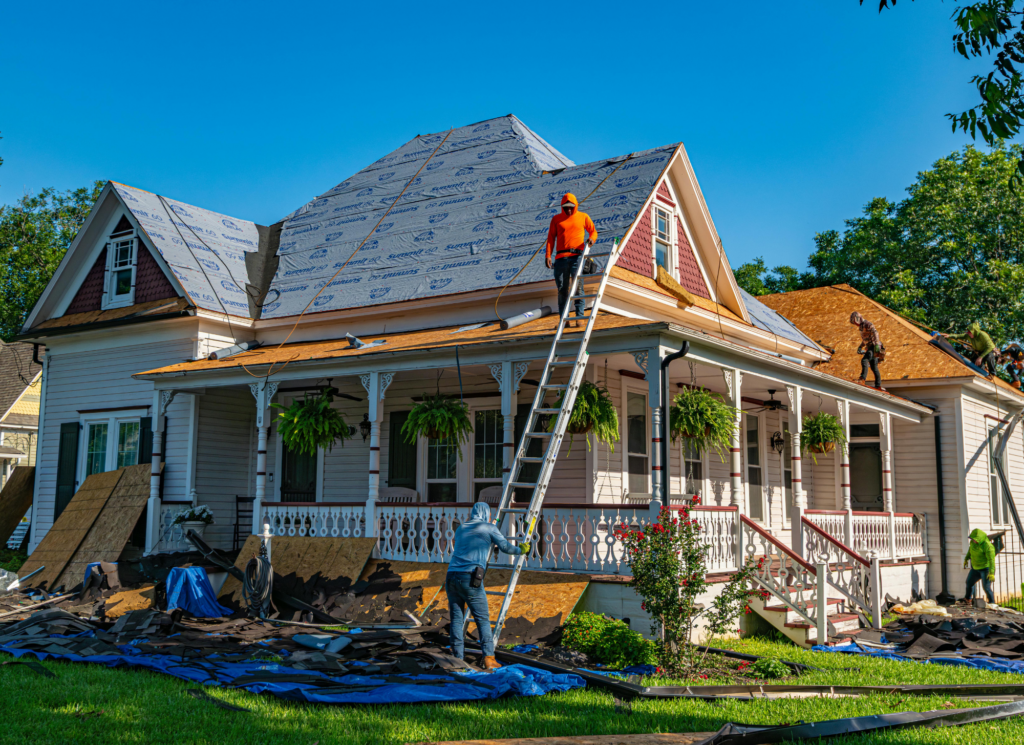
If you’re considering buying a new construction home in Minnesota, one of the first questions that comes up is: 👉 “How long does it actually take to build a house?” Because timing matters. You might be wondering: The truth is: 👉 Building a house in Minnesota typically takes 4 to 8 months… But… 👉 That timeline can vary depending on several factors. The Short Answer 👉 Most new construction homes in Minnesota take: 👉 4–8 months to build 👉 But depending on the situation, it could be: 👉 The key is understanding: 👉 What affects the timeline The 3 Main Scenarios (This Matters) Not all new construction timelines are the same. 🏡 1. Move-In Ready Homes (Fastest Option) 👉 These are homes: 👉 Already built or nearly complete 👉 Timeline: 👉 30–60 days 👉 This is similar to buying a resale home 👉 Best for: 👉 Trade-off: 👉 Limited customization 🏗️ 2. Semi-Custom / Production Homes 👉 This is the most common option 👉 You choose: 👉 Timeline: 👉 4–6 months (on average) 👉 This gives a balance of: 🏠 3. Fully Custom Homes (Longest) 👉 Built from scratch with full customization 👉 Timeline: 👉 6–12+ months 👉 Depends on: 👉 Best for: 👉 Buyers who want full control 👉 But requires patience Step-by-Step Timeline (What Actually Happens) Let’s walk through the full process so you know what to expect. 📝 Step 1: Contract & Planning (1–3 weeks) 👉 You: 👉 This part moves fairly quickly 🎨 Step 2: Design & Selections (2–4 weeks) 👉 You choose: 👉 This is exciting… 👉 But can also feel overwhelming 👉 Delays here can push everything back 📄 Step 3: Permits & Approvals (2–6 weeks) 👉 Builder submits plans to the city 👉 Timeline depends on: 👉 This step is often: 👉 Out of your control 🏗️ Step 4: Construction Phase (3–6 months) 👉 This is where the home is built Typical Stages: 👉 This is the longest part of the process 👉 Weather plays a BIG role in Minnesota 🔍 Step 5: Final Walkthrough & Closing (2–4 weeks) 👉 You: 👉 Then: 👉 You get the keys 🎉 What Can Delay the Timeline? This is important—because delays DO happen. ❄️ 1. Weather (Big in Minnesota) 👉 Winter conditions can: 👉 Extreme cold or snow: 👉 Impacts timelines 🧱 2. Material Delays 👉 Supply issues can affect: 👉 This has improved recently… 👉 But still happens 👷 3. Labor Availability 👉 Builders rely on: 👉 Scheduling conflicts can cause delays 🏛️ 4. Permit Delays 👉 Cities control approvals 👉 Some areas move faster than others 👉 This can add weeks 🎨 5. Buyer Decisions 👉 Yes—you can delay your own build 👉 Examples: 👉 Staying organized helps A Real Scenario I See All the Time A buyer expects: 👉 “I’ll be in my home in 4 months” 👉 But: 👉 Final timeline: 👉 6–7 months 👉 They feel frustrated… 👉 Because expectations weren’t clear 👉 Same situation—done correctly: 👉 Result: 👉 Less stress How to Plan Your Move Around This 👉 If you’re building a home: 👉 You need flexibility ✔️ Plan for a buffer 👉 Add 1–2 months to estimated timeline ✔️ Avoid strict deadlines 👉 Don’t rely on an exact move-in date ✔️ Have temporary housing options 👉 Just in case delays happen 👉 This reduces stress significantly Can the Timeline Be Faster? 👉 Yes—in some cases 👉 Faster timelines happen when: 👉 But for full builds: 👉 Expect several months Minnesota-Specific Insight 👉 Minnesota weather plays a major role 👉 Spring and summer builds: 👉 Often move faster 👉 Winter builds: 👉 May take longer 👉 Builders plan for this—but delays still happen Biggest Mistakes to Avoid ❌ Expecting an exact move-in date 👉 Always allow flexibility ❌ Not planning for delays 👉 They are normal ❌ Waiting too long to start the process 👉 Building takes time ❌ Rushing decisions 👉 This can slow things down 👉 These mistakes increase stress Who Should Choose New Construction (Timing-Wise) 👉 New construction is ideal if: 👉 If you need to move quickly: 👉 Resale or move-in ready homes may be better FAQ: Building a House in Minnesota How long does it take to build a house in Minnesota?Typically 4–8 months, depending on the build type. What is the fastest option?Move-in ready homes (30–60 days). What causes delays?Weather, permits, materials, and scheduling. Can I move in sooner?Only if the home is already built or nearly complete. Should I plan for delays?Yes—always build in extra time. Final Thoughts Building a home in Minnesota is exciting… 👉 But it requires patience 👉 While timelines vary: 👉 Most builds take several months 👉 The key is not just knowing the timeline… 👉 It’s planning for it 👉 When you: 👉 The experience becomes much smoother 👉 And in the end: 👉 You get a home built for YOU Next Step If you’re considering building a home in Minnesota and want to understand your timeline based on your situation, the next step is to explore your options: 👉 https://buy.dreamhomesminnesota.com/ 👉 This will help you: Lesley The RealtorReal Estate Agent in MinnesotaHelping buyers navigate new construction timelines and plan their move with confidence
Do Builders Pay Closing Costs in Minnesota? (2026 Guide)

If you’re thinking about buying a new construction home in Minnesota, one of the most common questions is: 👉 “Do builders pay closing costs?” Because after looking at: 👉 Closing costs can feel like one more big expense. So naturally, you’re wondering: The truth is: 👉 Yes—builders often help pay closing costs in Minnesota. But… 👉 It doesn’t work the same way as a traditional resale deal. The Short Answer 👉 Builders can and often do pay part (or sometimes most) of your closing costs 👉 But usually: 👉 It comes in the form of: 👉 And often: 👉 You must use their preferred lender What Are “Builder-Paid Closing Costs”? 👉 This is when the builder offers: 👉 Money or credits to help cover your closing costs 👉 Instead of you paying everything… 👉 The builder contributes toward those expenses 👉 This can include: 👉 Just like seller concessions… 👉 But structured differently Why Builders Offer Closing Cost Incentives 👉 Builders are not just selling homes… 👉 They’re running a business with inventory 👉 Offering incentives helps them: 👉 Instead of reducing price: 👉 They offer value through incentives 👉 This keeps home values stable How Builder Incentives Typically Work ✔️ 1. Preferred Lender Requirement 👉 Most builders will say: 👉 “We’ll help with closing costs if you use our lender” 👉 This is VERY common 👉 Why? 👉 Because: 👉 Example: ✔️ 2. Set Incentive Amounts 👉 Builders may offer: 👉 Depending on: 👉 Sometimes even more ✔️ 3. Limited-Time Promotions 👉 Incentives often change 👉 Builders may offer: 👉 Timing matters What Closing Costs Can Be Covered? 👉 Builder incentives can often cover: 👉 In many cases: 👉 A large portion of your closing costs 👉 Sometimes: 👉 Nearly all of them A Real Situation I See All the Time A buyer is looking at a new construction home: 👉 The builder offers: 👉 $10,000 incentive with preferred lender 👉 Result: 👉 Buyer pays little to no closing costs out of pocket 👉 That changes affordability significantly Is There a “Catch”? 👉 Not a catch—but trade-offs ⚠️ 1. Interest Rate May Be Slightly Higher 👉 Preferred lenders may not always have: 👉 The lowest possible rate 👉 But: 👉 The incentive may offset the difference 👉 You need to compare ⚠️ 2. Less Flexibility in Lender Choice 👉 If you want the incentive: 👉 You usually must use their lender 👉 If you choose your own lender: 👉 You may lose the incentive ⚠️ 3. Incentives May Replace Negotiation 👉 Builders may not lower price much 👉 Instead, they offer: 👉 Credits and incentives 👉 Different from resale negotiations How This Compares to Resale Homes 🏡 Resale: 🏗️ New Construction: 👉 Both can reduce your costs 👉 Just in different ways How to Maximize Builder Incentives ✔️ 1. Ask What’s Currently Available 👉 Always ask: 👉 “What incentives are being offered right now?” 👉 They change often ✔️ 2. Compare Preferred Lender vs Outside Lender 👉 Look at: 👉 Sometimes: 👉 The incentive is worth it 👉 Sometimes: 👉 Another lender is better ✔️ 3. Focus on TOTAL Cost 👉 Don’t just look at: 👉 Closing costs 👉 Look at: 👉 That’s what matters most ✔️ 4. Work with Your Own Agent 👉 Important: 👉 Builder reps work for the builder 👉 Your agent works for YOU 👉 They help: 👉 This is critical Minnesota Market Insight 👉 In Minnesota: 👉 Builder incentives are VERY common 👉 Especially in: 👉 Builders often compete with each other 👉 Which creates: 👉 Opportunities for buyers When Builders Are More Likely to Offer Incentives 👉 You’re more likely to see strong incentives when: 👉 Timing matters Biggest Mistakes to Avoid ❌ Assuming all builders offer the same incentives 👉 They vary widely ❌ Not comparing lenders 👉 Don’t automatically accept the offer ❌ Focusing only on upfront savings 👉 Look at long-term cost ❌ Not using an agent 👉 You need representation 👉 These mistakes can cost you Who Benefits Most from Builder-Paid Closing Costs 👉 This is especially helpful for: 👉 It allows you to: 👉 Enter the market sooner FAQ: Builder Closing Costs Do builders pay closing costs in Minnesota?Yes—often through incentives and credits. Do I have to use their lender?Usually yes to qualify for the incentive. How much do builders typically offer?Often $5,000–$15,000+, depending on the home. Is it better than using my own lender?It depends—compare total cost. Can it cover all closing costs?Sometimes—depending on the incentive amount. Final Thoughts Yes—builders in Minnesota can help pay your closing costs… 👉 And in many cases, they do 👉 But the key is understanding: 👉 How those incentives actually work 👉 When you: 👉 You can significantly reduce your upfront costs 👉 And make new construction more affordable 👉 It’s not just about getting help… 👉 It’s about using it wisely Next Step If you want to explore new construction homes in Minnesota and see what builder incentives are currently available, the next step is to review your options: 👉 https://buy.dreamhomesminnesota.com/ 👉 This will help you: Lesley The RealtorReal Estate Agent in MinnesotaHelping buyers navigate builder incentives and reduce upfront costs when purchasing new construction homes
Can I Afford a New Construction Home in Minnesota? (2026 Guide)
If you’ve been thinking about buying a home in Minnesota, there’s a good chance you’ve looked at new construction and thought: 👉 “Can I actually afford a brand-new home?” Because new construction homes are appealing: But at the same time, you might be wondering: The truth is: 👉 Yes, you may be able to afford a new construction home in Minnesota. But… 👉 It depends on how you approach it. The Short Answer 👉 You can afford a new construction home if: 👉 Many buyers assume new construction is out of reach… 👉 But in some cases: 👉 It’s more achievable than they think What Does “Affordable” Really Mean? Before we talk numbers, let’s define this clearly. 👉 Affordability is NOT just: 👉 “Can I get approved?” 👉 It’s: 👉 A lender may approve you for a certain amount… 👉 But your comfort level matters just as much Average New Construction Prices in Minnesota (2026) 👉 While prices vary by location, here’s a general idea: 👉 Compared to resale homes: 👉 New construction is often slightly higher 👉 But not always dramatically higher Monthly Payment Example Let’s make this real. 👉 On a $400,000 new construction home: 👉 This depends on: 👉 The key question is: 👉 Does this fit your monthly budget? What Makes New Construction Feel Expensive 1. Base Price vs Final Price 👉 Builders advertise: 👉 “Starting at $399,000” 👉 But that often DOESN’T include: 👉 Final price may be: 👉 $420K–$460K+ 👉 This surprises many buyers 2. Upgrades Add Up Quickly 👉 Common upgrades: 👉 Small decisions can add: 👉 $10K–$50K+ 👉 This is where affordability can shift 3. Property Taxes on New Builds 👉 Taxes may increase after construction is complete 👉 Your monthly payment may go up slightly 👉 This is important to plan for What Makes New Construction MORE Affordable ✔️ 1. Builder Incentives 👉 Many builders offer: 👉 These can save: 👉 Thousands of dollars ✔️ 2. Lower Maintenance Costs 👉 Everything is new: 👉 Fewer repairs early on 👉 That saves money over time ✔️ 3. Energy Efficiency 👉 New homes are more efficient 👉 Lower: 👉 Especially important in Minnesota winters Can First-Time Buyers Afford New Construction? 👉 Yes—many do 👉 Especially with: 👉 The key is: 👉 Structuring the deal correctly A Real Scenario A first-time buyer in Minnesota: 👉 They explore new construction: 👉 Builder offers: 👉 Result: 👉 Buyer moves forward comfortably 👉 Without needing 20% down What Lenders Look At 👉 To determine affordability, lenders review: 👉 This determines: 👉 How much you can borrow 👉 But again: 👉 Approval ≠ comfort When New Construction Might NOT Be Ideal 👉 It may not be the best fit if: 👉 In those cases: 👉 Resale homes may offer better value When It DOES Make Sense 👉 New construction is a great option if: 👉 It’s about lifestyle + financial fit Minnesota-Specific Insight 👉 New construction is popular in: 👉 Cities like: 👉 Offer strong new build opportunities Biggest Mistakes to Avoid ❌ Only looking at base price 👉 Always calculate final cost ❌ Over-upgrading 👉 Stay within budget ❌ Not using builder incentives 👉 You could miss savings ❌ Not comparing resale options 👉 Always evaluate both 👉 These mistakes impact affordability The Smart Approach 👉 If you’re considering new construction: ✔️ Step 1: Get pre-approved 👉 Know your real budget ✔️ Step 2: Visit model homes 👉 Understand pricing + upgrades ✔️ Step 3: Ask about incentives 👉 Builders often have promotions ✔️ Step 4: Work with an agent 👉 Representation matters (builder reps work for the builder) 👉 This gives you clarity and confidence FAQ: New Construction Affordability Is new construction more expensive than resale?Often slightly higher—but not always significantly. Do I need a bigger down payment?No—many buyers use 3%–5% down. Are there extra costs with new builds?Yes—upgrades and lot premiums. Can first-time buyers afford new construction?Yes—with the right loan and strategy. Do builders offer incentives?Yes—often including closing cost help and rate buy-downs. Final Thoughts New construction homes in Minnesota can feel out of reach at first… 👉 But for many buyers, they’re more achievable than expected 👉 The key is understanding: 👉 When you approach it the right way: 👉 You can make a smart, confident decision 👉 It’s not about buying the most expensive home… 👉 It’s about buying the right one for you Next Step If you want to find out whether you can afford a new construction home in Minnesota, the next step is to get your numbers clearly mapped out: 👉 https://buy.dreamhomesminnesota.com/ 👉 This will help you: Lesley The RealtorReal Estate Agent in MinnesotaHelping buyers understand their options and confidently decide between new construction and resale homes