
What Is It Like Living Near Walking Trails in Minnesota?
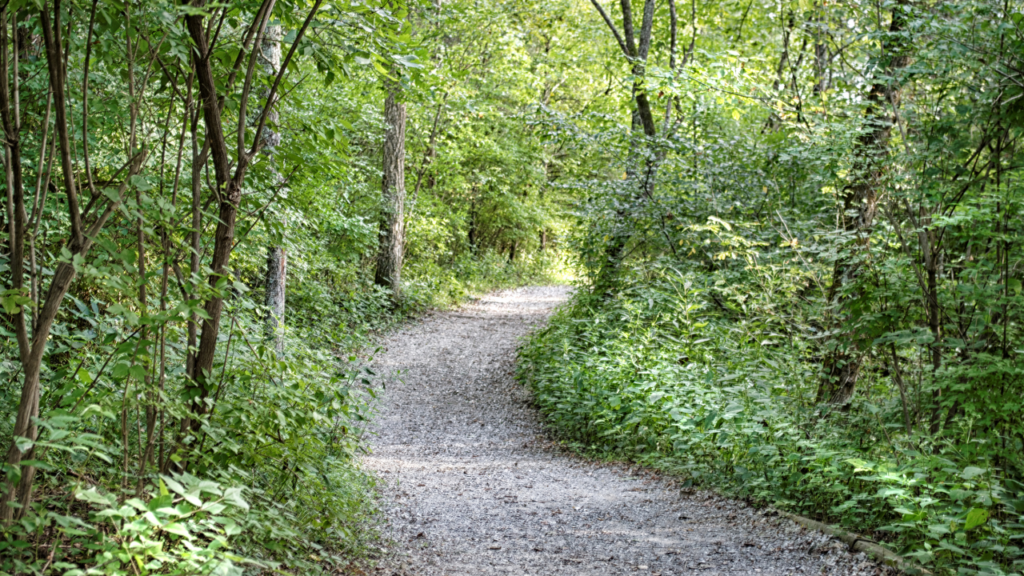
When most people start looking for a home, they focus on the obvious things. The number of bedrooms. The kitchen layout. The size of the backyard. The school district. But after helping buyers throughout Minnesota for years, I’ve noticed that one of the features people appreciate most after they move isn’t always inside the house. It’s what’s outside their front door. Specifically, many homeowners fall in love with having easy access to walking trails. As a Minnesota real estate agent, I’ve worked with buyers who didn’t initially have trails on their wish list. Then we toured neighborhoods with beautiful trail systems, and suddenly it became one of their top priorities. Why? Because walking trails can completely change how you experience your community. They create opportunities for exercise, relaxation, family time, social interaction, and a stronger connection to nature. For many homeowners, living near walking trails becomes one of the most valuable parts of their daily routine. Let’s explore what it’s really like living near walking trails in Minnesota and why so many buyers actively seek communities that offer them. Minnesota Is One of the Best States for Trail Access One thing that surprises many people relocating to Minnesota is how extensive the trail systems are. Throughout Minneapolis, St. Paul, and the surrounding suburbs, you’ll find thousands of miles of trails connecting: In many communities, residents can walk or bike for miles without ever needing to drive. Trail systems have become an important part of community planning throughout Minnesota. And for homeowners, that’s a huge benefit. Walking Becomes Easier When Trails Are Nearby Most people know walking is good for them. The challenge is finding the motivation and opportunity to do it consistently. When a trail is several miles away, it’s easy to skip. When a trail starts at the end of your street, it’s much harder to make excuses. Many homeowners discover they walk significantly more after moving into trail-connected communities. Morning walks become routine. Evening strolls become part of family life. Weekend exercise becomes more enjoyable. The easier access becomes, the more frequently people use it. Walking Trails Improve Quality of Life One reason trails are so popular is that they offer benefits beyond exercise. Many residents use trails to: For some homeowners, their favorite part of the day becomes a simple walk through the neighborhood trail system. It’s a small lifestyle improvement that often has a surprisingly large impact. Minnesota Trails Are Beautiful Year-Round One misconception some newcomers have is that Minnesota trails are only useful during summer. Nothing could be further from the truth. Each season creates a different experience. Spring As temperatures warm, trails fill with walkers, runners, and cyclists eager to get outside again. Wildflowers begin to bloom. Trees become green. Communities come alive. Summer Summer is peak trail season. Many residents enjoy: Long daylight hours make trails especially appealing. Fall Many Minnesotans consider fall trail season to be the most beautiful. Colorful leaves transform the landscape. Cool temperatures make outdoor exercise comfortable. The scenery is spectacular. Winter Yes, people use trails in winter too. Depending on conditions, residents enjoy: Minnesotans tend to embrace outdoor living year-round. Walking Trails Encourage Healthier Habits One reason buyers increasingly prioritize trail access is health. When trails are nearby, people often become more active without intentionally changing their lifestyle. Instead of: Driving somewhere to exercise they simply walk out the door. Many homeowners find themselves: The convenience makes a difference. Trails Create Family Opportunities Families often discover that trails provide much more than exercise. They create opportunities for: Children benefit from having safe outdoor spaces nearby. Parents appreciate having easy access to activities that don’t require extensive planning. Sometimes the best family memories come from simple walks around the neighborhood. Dog Owners Love Trail Communities If you own a dog, trail access can become one of the most valuable neighborhood amenities. Many dog owners specifically seek communities with: Daily walks become easier and more enjoyable. Dogs get more exercise. Owners spend more time outdoors. Everyone benefits. As a result, trail-oriented neighborhoods often attract pet owners. Popular Minnesota Communities With Extensive Trail Systems Many Minnesota communities are known for outstanding trail networks. Examples include: Maple Grove Offers extensive interconnected trails throughout the city. Woodbury Features miles of trails connecting neighborhoods, parks, and schools. Eden Prairie Known for scenic trails and natural beauty. Plymouth Provides excellent recreational access throughout the community. Lakeville Offers numerous trails and outdoor amenities. Chanhassen Combines natural beauty with well-developed trail systems. Minneapolis Features some of the most iconic urban trail systems in the Midwest. Each community offers a unique experience. Trails Create a Stronger Sense of Community One of the most overlooked benefits of walking trails is the social aspect. People naturally encounter each other while: Neighbors become familiar faces. Conversations happen naturally. Communities often feel more connected. For buyers relocating to Minnesota, trails can be a surprisingly effective way to become part of a new community. The Mental Health Benefits Are Significant Ask homeowners why they love living near trails and many won’t start by talking about exercise. Instead, they’ll talk about how it makes them feel. Many residents use walking trails as a way to: Nature has a way of slowing things down. After a busy day, a quiet walk can make a tremendous difference. Many homeowners find that trail access improves their overall well-being. Trails Can Add Long-Term Appeal Buyers aren’t the only people who value trails. Future buyers often do too. Many home searches include preferences such as: Because trail systems are difficult to replicate, they often remain attractive features over time. That’s one reason homes near trails frequently generate strong buyer interest. Potential Considerations Like every neighborhood feature, trails aren’t perfect for everyone. Some considerations include: Increased Activity Popular trails attract users. Privacy Concerns Homes directly adjacent to trails may experience more foot traffic. Seasonal Use Patterns Some trails become busier during peak seasons. Maintenance Activity Communities often maintain and improve trail systems regularly. For most buyers, the benefits far
What Is It Like Living Near Outdoor Recreation in Minnesota?
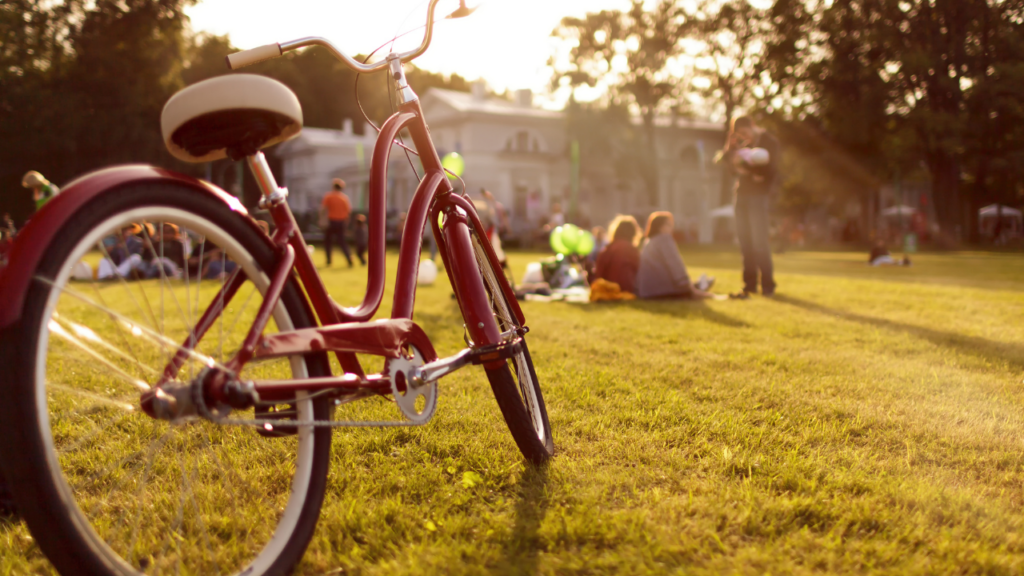
One of the biggest reasons people fall in love with Minnesota isn’t just the homes. It’s what happens outside of them. Whether you’re relocating from another state, buying your first home, upsizing for your growing family, or downsizing into your next chapter, one thing quickly becomes clear: Minnesotans love the outdoors. As a Minnesota real estate agent, I’ve worked with countless buyers who specifically tell me they want to live near parks, trails, lakes, golf courses, nature preserves, or recreational areas. Sometimes they don’t even realize how important it is until we start looking at neighborhoods. A beautiful home may check every box. But if it doesn’t fit the lifestyle they want, something still feels missing. That’s why outdoor recreation has become one of the most important factors many buyers consider when choosing where to live. The good news? Minnesota offers some of the best outdoor recreational opportunities in the country. Let’s talk about what it’s really like living near outdoor recreation in Minnesota and why so many homeowners consider it one of the biggest perks of living here. Minnesota Is Built for Outdoor Living Minnesota has earned its reputation as the “Land of 10,000 Lakes,” but outdoor recreation goes far beyond lakes. Throughout the state you’ll find: In many communities, outdoor recreation isn’t something you drive hours to enjoy. It’s part of everyday life. For many homeowners, that’s one of the best aspects of living in Minnesota. Outdoor Recreation Becomes Part of Your Daily Routine One thing buyers often underestimate is how much their environment influences their habits. If a beautiful walking trail is five minutes away, you’re more likely to use it. If a park is across the street, your children will probably spend more time outside. If a lake is nearby, you may find yourself kayaking on a weeknight after work. The easier outdoor recreation is to access, the more likely it becomes part of your lifestyle. Many homeowners tell me that living near recreational amenities has improved: Minnesota’s Four Seasons Create Four Different Outdoor Experiences One thing that makes Minnesota unique is that outdoor recreation changes with the seasons. Unlike some states where outdoor activities remain largely the same year-round, Minnesota offers something different every season. Spring As the snow melts, trails fill with walkers, runners, and cyclists. Parks become active again. Outdoor sports leagues return. Fishing season approaches. Communities come alive. Summer Summer is outdoor recreation season in full force. Residents enjoy: Many homeowners spend more time outside than inside during Minnesota summers. Fall Fall is arguably one of Minnesota’s most beautiful seasons. Colorful leaves transform parks and trails. Temperatures become ideal for hiking and biking. Apple orchards and outdoor festivals become popular destinations. Winter Many newcomers assume outdoor recreation disappears in winter. The opposite is true. Minnesotans embrace winter with activities such as: Outdoor recreation simply changes with the season. The Health Benefits of Living Near Recreation Many buyers initially focus on home features. However, some of the biggest benefits of location relate to health. Living near parks and recreational areas often encourages: Numerous homeowners report becoming more active simply because opportunities are nearby. Instead of driving somewhere to exercise, the recreation is already part of the neighborhood. That convenience matters. Popular Outdoor-Oriented Communities in Minnesota Many Minnesota communities are known for their recreational amenities. Some examples include: Maple Grove Offers extensive trail systems, parks, and recreational facilities. Eden Prairie Known for lakes, trails, and natural beauty. Plymouth Features numerous parks and outdoor spaces. Woodbury Offers miles of trails and community parks. Lakeville Popular for lakes, parks, and family recreation. Chanhassen Combines suburban living with easy access to nature. Stillwater Provides scenic riverfront recreation and outdoor activities. Each community offers a different outdoor experience. Families Often Prioritize Recreation Families frequently place outdoor recreation near the top of their wish list. Why? Because outdoor spaces provide opportunities for: Parks often become gathering places where children meet friends and families connect with neighbors. Many parents appreciate having recreational options within walking or biking distance. Outdoor Recreation Creates Community One overlooked benefit of recreational areas is community connection. People naturally meet while: Many friendships begin through shared activities. This can be especially valuable for people relocating to Minnesota who are looking to build new connections. Buyers Are Increasingly Prioritizing Lifestyle Years ago, many buyers focused almost exclusively on square footage. Today, lifestyle often plays a much bigger role. Many people are asking: “What will life actually feel like here?” A home near outdoor recreation often provides experiences that can’t be measured by square footage alone. You can renovate a kitchen. You can finish a basement. You can’t easily create a lake, trail system, or regional park next door. Location amenities tend to remain valuable over time. Outdoor Recreation Can Support Property Values While every real estate market is different, homes near desirable amenities often attract strong buyer interest. Many buyers specifically search for homes near: Because these features are difficult to replicate, they often remain attractive to future buyers as well. This doesn’t guarantee appreciation, but recreational access is frequently viewed as a positive feature. The Mental Health Benefits Are Real One thing many homeowners don’t anticipate is how much outdoor access affects mental well-being. After a stressful day, having a nearby trail or park can make a tremendous difference. Many residents enjoy: The ability to easily connect with nature often becomes one of the most appreciated aspects of homeownership. Potential Considerations Like every location choice, living near outdoor recreation isn’t perfect for everyone. Some considerations may include: Increased Activity Popular trails and parks attract visitors. Seasonal Traffic Certain recreational destinations become busier during peak seasons. Parking Demand Popular parks sometimes experience crowded parking areas. Event Activity Community events may increase activity levels. For most buyers, these trade-offs are relatively minor compared to the benefits. Questions Buyers Should Ask When evaluating homes near recreational amenities, consider: How often do I spend time outdoors? Which activities do I enjoy most? Do I want walkable access? Is year-round