
How Do I Avoid Buyer’s Remorse After Buying a Home?

She called me three weeks after closing. Her voice was quieter than I remembered from the day we handed her the keys. The excitement had settled into something heavier. She told me she kept waking up at night wondering if she had made the right decision. The mortgage payment felt real now in a way it did not when she was signing documents. The neighborhood was quieter than she expected. One of the neighbors had already knocked on her door about a property line she knew nothing about. “Lesley,” she said, “did I make a mistake?” I have had that conversation more times than I can count. And almost every time, the answer is no. The home was fine. The decision was sound. What she was experiencing was buyer’s remorse, and it is one of the most common emotional responses to purchasing a home that almost nobody talks about openly. Buyer’s remorse after a home purchase is not a sign that you made the wrong decision. Most of the time it is a sign that the weight of the decision has finally landed. You signed the papers. You got the keys. The fantasy became reality. And reality always comes with edges that the fantasy did not have. But there is a difference between the normal emotional adjustment of becoming a homeowner and the genuine regret that comes from a decision made without enough preparation. One fades over time. The other can follow you for years. Here is how to protect yourself from the kind of buyer’s remorse that is actually avoidable. Understand What Buyer’s Remorse Actually Is Buyer’s remorse is the feeling of doubt, anxiety, or regret that shows up after making a major purchase or decision. In real estate, it typically surfaces in the first few weeks or months after closing when the novelty wears off and the reality of homeownership sets in. It can look like second-guessing the neighborhood. Wondering if you overpaid. Noticing things about the home that did not bother you during tours but suddenly feel significant. Feeling the weight of the mortgage in a way that feels different from writing a rent check. For most buyers, these feelings are temporary. They are part of adjusting to a major life change. But for buyers who rushed the process, compromised on things that mattered deeply to them, or bought without a clear picture of what they actually wanted, the regret can feel much more lasting. The goal is to make decisions during the buying process that your future self will be grateful for. Get Honest With Yourself Before You Start Looking Most buyer’s remorse actually starts before the home is ever purchased. It starts when a buyer has not done the internal work of figuring out what they truly want and need before they start touring properties. When you walk into enough homes, something interesting happens. The market starts shaping your preferences instead of your genuine needs shaping your search. You start adjusting what you thought you wanted based on what is available. You start convincing yourself that the extra commute is manageable, that the smaller backyard is fine, that the basement you were not sure about is actually not a big deal. Before you tour a single property, sit down and write out two separate lists. The first list is everything you need in a home for your daily life to function well. The second list is everything you want but could live without if it meant finding the right home faster. Then commit to protecting your needs list. The wants are negotiable. The needs are not. That distinction, made before the pressure of the market is on you, is one of the most powerful things you can do to protect yourself from remorse later. Do Not Let the Market Rush You Into a Decision Minnesota’s real estate market can move fast. Multiple offers, tight deadlines, and limited inventory in certain price ranges can create a sense of urgency that pushes buyers to make decisions faster than they are comfortable with. That urgency is real. But it is also the environment where buyer’s remorse grows most easily. When a buyer makes an offer in a panic because they are afraid of losing the home, they often skip steps they should not skip. They do not ask enough questions. They do not take time to sit with the decision. They confuse the fear of losing a house with the genuine desire to own that specific house. There is a difference between moving quickly because you are confident and moving quickly because you are afraid. One leads to clarity. The other leads to regret. If you find yourself in a multiple-offer situation and the deadline is approaching, give yourself ten quiet minutes before you finalize your decision. Ask yourself honestly whether you are offering on this home because it genuinely fits your life or because you do not want to lose to another buyer. The answer to that question matters more than the deadline. Take the Inspection Seriously One of the most common sources of buyer’s remorse is discovering problems with a home after closing that could have been uncovered or addressed during the inspection period. A home inspection is not just a formality. It is your best opportunity to understand exactly what you are buying before you are legally obligated to own it. Every issue the inspector identifies is information you can use to make a more informed decision, renegotiate the price, request repairs, or in some cases walk away entirely. Buyers who rush through the inspection, choose the cheapest inspector available, or skip reading the report carefully because it feels overwhelming are setting themselves up for regret. Read the full report. Ask your Realtor to help you understand which findings are routine maintenance items and which ones are genuinely significant. Request a second opinion on anything that feels unclear. If something major is discovered, negotiate or walk away before it becomes your problem to solve
🏡 Can I Waive an Inspection in Minnesota? (What Buyers Need to Know Before You Decide)
If you’re buying a home in Minnesota—especially in a competitive market—you might hear this advice from agents, friends, or even online: 👉 “If you want to win the house, you may need to waive the inspection.” And for most buyers, that creates immediate hesitation. Because your first instinct is: 👉 “That sounds risky… is that really something people do?” You might be wondering: • What does waiving an inspection actually mean?• Why would anyone skip something so important?• Am I putting myself in a bad situation financially?• Is there a smarter way to stay competitive without taking on risk? These are exactly the right questions to be asking. Because the truth is: 👉 Yes, you can waive an inspection in Minnesota But… 👉 It’s one of the biggest strategic decisions you’ll make when writing an offer And if you don’t fully understand it: 👉 It can lead to expensive surprises after closing The Short Answer 👉 Waiving an inspection means: 👉 You are agreeing to purchase the home without the ability to negotiate or cancel based on inspection findings 👉 In simple terms: 👉 You are accepting the home as-is 👉 This can make your offer stronger to a seller But: 👉 It removes one of your most important protections as a buyer What a Home Inspection Normally Does Before you decide whether to waive an inspection, you need to understand what you’re giving up. 👉 A home inspection is a professional evaluation of the home’s condition A licensed inspector checks: • Foundation and structure• Roof condition• Electrical systems• Plumbing• Heating and cooling systems• Potential safety concerns 👉 The goal is to uncover issues you can’t see during a showing Because during a typical showing: 👉 You’re not opening walls, climbing on the roof, or testing every system 👉 The inspection fills in those gaps What It Means to Waive the Inspection Let’s break this down very clearly. 👉 If you waive the inspection contingency: • You cannot request repairs• You cannot ask for credits• You cannot cancel the deal due to inspection findings 👉 Even if problems are discovered later: 👉 You are still committed to buying the home 👉 That’s the risk Why Buyers Waive Inspections This is not random. It’s driven by market conditions. 👉 In competitive markets: • Homes receive multiple offers• Sellers compare risk between buyers• Cleaner offers stand out 👉 From a seller’s perspective: An offer without an inspection means: • No repair negotiations• Fewer delays• Less uncertainty 👉 That’s why these offers are attractive Real Scenario Two buyers submit offers: Buyer A: • Strong price• Includes inspection contingency Buyer B: • Slightly lower price• Waives inspection 👉 Seller chooses Buyer B 👉 Why? 👉 The deal is simpler and more predictable The Real Risks of Waiving an Inspection This is the part you need to take seriously. 👉 When you waive an inspection: 👉 You are taking on unknown risk Potential Issues That Could Be Missed • Foundation cracks• Roof damage• Old or failing HVAC system• Plumbing leaks• Electrical hazards• Mold or water damage 👉 These are not small fixes 👉 They can cost: • $5,000• $10,000• $20,000+ A Real Situation I See Often A buyer waives inspection to win a competitive home. Everything looks fine during showings. After closing: 👉 The furnace fails during winter 👉 Replacement cost: 👉 $7,500 👉 There is no negotiation at that point 👉 The buyer covers the full cost When Waiving an Inspection Might Make Sense This is important: 👉 Waiving inspection is not always a bad move But it should be: 👉 Intentional and strategic It may make sense if: • The home is newer (less wear and tear)• You have strong financial reserves• You are experienced with home repairs• The market is extremely competitive• You are comfortable with risk 👉 Even then: 👉 It should never be done blindly Smarter Alternatives to Waiving Inspection This is where strategy becomes powerful. ✔️ Option 1: Informational Inspection 👉 You still do the inspection 👉 But you agree not to request repairs 👉 This gives you awareness without hurting your offer as much ✔️ Option 2: Shortened Inspection Period 👉 Instead of waiving: 👉 You reduce the timeline (example: 3–5 days) 👉 This shows the seller: 👉 You’re serious and fast ✔️ Option 3: Pre-Inspection 👉 You inspect the home BEFORE submitting your offer 👉 This gives you full knowledge upfront 👉 But: 👉 You pay for inspection before knowing if you’ll win ✔️ Option 4: Limit Repair Requests 👉 You include inspection… 👉 But only request major repairs 👉 This balances protection and competitiveness How Sellers View Inspection Waivers From the seller’s perspective: 👉 Waiving inspection reduces uncertainty They don’t have to worry about: • Repair negotiations• Deal falling apart• Last-minute surprises 👉 That’s why these offers often stand out How to Decide What’s Right for You There is no one-size-fits-all answer. Ask yourself: • Am I comfortable taking on risk?• Do I have money set aside for repairs?• How competitive is this market?• How much do I want this specific home? 👉 Your answers guide your strategy Common Mistakes Buyers Make ❌ Waiving inspection just to win the house ❌ Not understanding the financial risk ❌ Assuming newer homes have no issues ❌ Skipping all safer alternatives 👉 These mistakes can be very expensive Who Should Be Extra Careful Waiving inspection is especially risky for: • First-time buyers• Immigrant buyers• Buyers with limited savings 👉 Because unexpected costs can create financial stress A Simple Way to Think About It 👉 Waiving inspection = Less protection, stronger offer 👉 Keeping inspection = More protection, slightly weaker offer 👉 It’s a trade-off FAQ: Waiving Inspection Is it common in Minnesota?Yes, especially in competitive markets. Can I still inspect after waiving?Yes—but you cannot negotiate or cancel. Is it risky?Yes—it removes a major safety net. What’s the safest alternative?Informational or shortened inspection periods. Should I waive inspection?Only if you fully understand and accept the risk. Final Thoughts Waiving
🏡 What Is a Purchase Agreement in Minnesota?
If you’re getting ready to buy a home in Minnesota, there’s one document that controls almost everything in your transaction: 👉 The purchase agreement And when buyers hear that for the first time, they usually think: 👉 “Is this just paperwork… or is this something serious?” The answer is simple: 👉 It’s one of the most important parts of the entire process. Because once the purchase agreement is signed and accepted: 👉 You are officially under contract to buy the home That’s the moment where things shift from: 👉 “I’m interested in this house” to 👉 “I am legally committing to buy this house” And that’s why it’s so important to understand what this document actually does. You might be wondering: • What exactly is in a purchase agreement?• Is everything negotiable?• What happens after I sign it?• Can I still back out later? These are all smart questions. Because the truth is: 👉 The purchase agreement is not just paperwork 👉 It’s the foundation of your entire home purchase The Short Answer 👉 A purchase agreement is a legal contract between a buyer and a seller 👉 It outlines: • The price of the home• The terms of the deal• The timeline• The contingencies• What is included in the sale 👉 Once both parties sign: 👉 It becomes legally binding 👉 That means: 👉 You cannot simply walk away without consequences unless you are protected by contingencies What the Purchase Agreement Actually Does Let’s simplify this. 👉 The purchase agreement answers one core question: 👉 “What exactly are we agreeing to?” It clearly defines: • What property is being purchased• How much is being paid• When everything will happen• What conditions must be met 👉 Without a purchase agreement: 👉 There is no official deal This is the document that turns a conversation into a contract. When the Purchase Agreement Happens The purchase agreement is created: 👉 When you submit an offer on a home At that point: 👉 It represents YOUR terms to the seller The seller can: • Accept it• Reject it• Counter it Once both parties agree and sign: 👉 You are officially under contract 👉 This is when the timeline begins What’s Included in a Minnesota Purchase Agreement Now let’s break down what’s actually inside the agreement. This is where buyers need clarity. ✔️ 1. Purchase Price This is the amount you are offering to pay for the home. It may include: • Your initial offer• Counteroffer adjustments• Final agreed price 👉 This is usually the headline number But it’s not the only thing that matters. ✔️ 2. Earnest Money The agreement will specify: 👉 How much earnest money you are putting down 👉 When it must be delivered This shows the seller: 👉 You are serious about buying It also becomes part of your total funds at closing. ✔️ 3. Contingencies These are one of the most important parts of the agreement. They protect you by allowing you to cancel or renegotiate under certain conditions. Common contingencies include: • Inspection contingency• Financing contingency• Appraisal contingency 👉 These give you flexibility and protection ✔️ 4. Closing Date This is the target date when: 👉 Ownership officially transfers to you Typical timeline: 👉 30 to 45 days after acceptance This date is important for: • Moving plans• Loan timelines• Seller coordination ✔️ 5. Included Items This section outlines: 👉 What stays with the home after closing Examples include: • Kitchen appliances• Light fixtures• Built-in shelving• Window treatments (sometimes) 👉 This is one of the most commonly misunderstood areas Real Scenario A buyer assumes the washer and dryer are included. But they are not listed in the agreement. 👉 The seller removes them 👉 The buyer has no claim 👉 This is why this section matters ✔️ 6. Possession Details This answers: 👉 When do you actually move in? Most of the time: 👉 Possession happens on closing day But sometimes: • The seller stays temporarily (rent-back)• Possession is delayed 👉 This must be clearly defined ✔️ 7. Seller Disclosures The agreement references disclosures provided by the seller. These may include: • Known issues with the home• Past repairs• Legal disclosures 👉 This helps you understand the property condition Why the Purchase Agreement Matters So Much This is not just a form you sign and move past. 👉 It controls: • Your rights as a buyer• Your responsibilities• The timeline of the deal• What happens if something goes wrong 👉 If there is ever a dispute: 👉 The purchase agreement is what everyone refers back to What Happens After the Agreement Is Signed Once both parties sign: 👉 The process moves forward You’ll go through: • Inspection• Appraisal• Loan approval• Final walkthrough• Closing 👉 Every step is guided by the terms in the agreement Can You Change the Agreement Later? Yes—but only under one condition: 👉 Both parties must agree Changes are made through: 👉 Amendments Examples include: • Repair agreements after inspection• Closing date adjustments• Price renegotiation after appraisal 👉 Nothing changes automatically What Happens If You Don’t Understand Something? This is where buyers need to slow down. 👉 You should NEVER sign something you don’t understand Because once you sign: 👉 You are legally committed 👉 This is why your agent walks you through each section A Real Situation I See Often A buyer rushes to submit an offer in a competitive market. They focus only on: 👉 The price Later, they realize: 👉 The closing date doesn’t match their moving timeline 👉 Now they have to scramble to adjust 👉 This could have been avoided with a careful review Common Mistakes Buyers Make ❌ Skimming the agreement too quickly ❌ Not asking questions ❌ Focusing only on price ❌ Ignoring timelines and details 👉 These mistakes can create stress later in the process Who Needs to Pay Extra Attention This is especially important for: • First-time buyers• Immigrant buyers• Out-of-state buyers 👉 Because the process may feel unfamiliar A Simple Way to Think
🏡 What Is Earnest Money and How Does It Work in Minnesota?

If you’re buying a home in Minnesota, you’re going to hear this term pretty early in the process: 👉 “Earnest money” And for most buyers—especially first-time buyers or immigrants—it immediately raises questions. Because it sounds serious. You might be thinking: 👉 “Am I giving money before I even own the home?”👉 “Do I get that money back?”👉 “What happens if something goes wrong?”👉 “Is this a risk?” Those are all valid concerns. And the truth is: 👉 Earnest money is a normal part of buying a home in Minnesota👉 But you need to understand how it works so you don’t make mistakes Once you understand it, it actually becomes very simple. The Short Answer 👉 Earnest money is a deposit you make when you submit an offer 👉 It shows the seller: • You’re serious about buying• You’re financially committed• You’re not going to walk away casually 👉 The money is: • Held in a neutral account (usually escrow)• Applied toward your purchase at closing 👉 In most cases: 👉 You DO get it back (or it goes toward your home) But… 👉 There are situations where you can lose it That’s why this matters. What Earnest Money Actually Is (Simple Explanation) Let’s strip this down. 👉 Earnest money is: 👉 A “good faith” deposit It’s your way of saying: 👉 “I’m serious about this purchase.” Think of it like this: 👉 You’re putting a small amount of money on the table to show commitment Without it: 👉 Sellers may not take your offer seriously How Much Earnest Money Is Typical in Minnesota? This is one of the most common questions. 👉 In Minnesota, typical earnest money is: • 1% to 3% of the purchase price Example: If you’re buying a $300,000 home: • 1% = $3,000• 3% = $9,000 👉 The exact amount depends on: • Market conditions• Competition• Your offer strategy In a competitive market: 👉 Higher earnest money can make your offer stronger Where Does the Earnest Money Go? A lot of buyers worry about this. 👉 Your earnest money is NOT given directly to the seller 👉 It is held by a neutral third party, such as: • Title company• Brokerage trust account 👉 This protects both you and the seller The money stays there until: 👉 Closing OR cancellation of the contract When Do You Pay Earnest Money? Typically: 👉 Within a few days after your offer is accepted Your purchase agreement will specify: 👉 The exact deadline 👉 Missing this deadline can create problems So timing matters. What Happens to Earnest Money at Closing? Good news: 👉 You don’t “lose” this money 👉 It gets applied toward your purchase That means it can go toward: • Down payment• Closing costs 👉 It’s part of your total funds—not extra When Do You Get Earnest Money Back? This is where buyers need clarity. 👉 You usually get your earnest money back IF: • The deal falls through for a valid reason• You are protected by contingencies Common protections include: • Inspection contingency• Financing contingency• Appraisal contingency 👉 These are built into your contract When Can You Lose Earnest Money? This is the part that makes buyers nervous. 👉 You can lose earnest money if: • You back out for no valid reason• You miss important deadlines• You violate contract terms Real Scenario A buyer decides they “just don’t like the house anymore” after contingencies are removed. 👉 At that point: 👉 They risk losing their earnest money Why Sellers Care About Earnest Money From the seller’s perspective: 👉 Earnest money reduces risk They want to know: • The buyer won’t walk away easily• The deal has real commitment• The process won’t be wasted 👉 A stronger deposit can make your offer more attractive Earnest Money vs Down Payment (Common Confusion) These are NOT the same thing. 👉 Earnest Money:• Paid early• Shows commitment• Goes toward purchase 👉 Down Payment:• Paid at closing• Part of your loan structure 👉 Earnest money is just part of your total funds A Real Situation I See Often A buyer is nervous about putting down earnest money. They say: 👉 “What if something goes wrong?” We structure the offer with: • Inspection contingency• Financing contingency 👉 Result: 👉 Their earnest money is protected How Earnest Money Affects Your Offer This is where strategy comes in. 👉 Higher earnest money can: • Show stronger commitment• Make your offer stand out• Build seller confidence 👉 But: 👉 It should match your comfort level What Happens If the Deal Falls Apart? Let’s walk through it clearly. Scenario 1: Protected Situation Example: Inspection reveals major issues 👉 You can back out 👉 You get your earnest money back Scenario 2: Unprotected Situation Example: You simply change your mind late in the process 👉 You may lose your earnest money Common Mistakes Buyers Make ❌ Not understanding contract deadlines ❌ Assuming earnest money is always refundable ❌ Offering too little in competitive markets ❌ Offering too much without understanding risk 👉 This is where guidance matters Who Needs to Pay Extra Attention to This Earnest money is especially important for: • First-time buyers• Immigrant buyers• Buyers in competitive markets 👉 Because misunderstanding it can cost money A Simple Way to Think About It 👉 Earnest money is your “commitment deposit” 👉 It shows: 👉 “I’m serious—and I’m moving forward” FAQ: Earnest Money Do I always have to pay earnest money?In most cases, yes—it’s expected. Do I get it back if I don’t buy the home?Yes, if you’re protected by contingencies. Can I lose it?Yes, if you break the contract terms. Is more earnest money better?Sometimes—it can strengthen your offer. Where is it held?In a neutral escrow or trust account. Final Thoughts Earnest money might sound intimidating at first. But once you understand it: 👉 It’s simply part of the process It’s there to: • Show commitment• Protect both parties• Keep the transaction moving forward 👉 The key is understanding when it’s protected—and when it’s not
Will Mortgage Rates Go Down in 2026? (Minnesota Homebuyer Guide)
If you’ve been thinking about buying a home, you’ve probably asked: 👉 “Will mortgage rates go down in 2026?” Because interest rates affect everything: And you’re likely hearing mixed opinions: So naturally, you’re trying to figure out: 👉 Should I wait… or move forward now? The Short Answer 👉 Mortgage rates may go down in 2026… but there are no guarantees. 👉 Rates can: 👉 The key is: 👉 No one can predict the exact timing Why Mortgage Rates Change Let’s simplify this—because this is where confusion usually starts. 👉 Mortgage rates are influenced by: 👉 When inflation is high: 👉 Rates tend to go up 👉 When inflation slows: 👉 Rates may come down 👉 But it’s not instant 👉 It’s a gradual shift What We’re Seeing Right Now (2026 Context) 👉 Compared to a few years ago: 👉 Rates are higher 👉 But they’ve started to: 👉 This tells us: 👉 The market is adjusting—not crashing Why People Expect Rates to Go Down 👉 Many buyers believe: 👉 “Rates will drop soon” 👉 And that idea comes from: 👉 But here’s the reality: 👉 Even if rates go down… 👉 It may not be dramatic 👉 And it may take time What Happens If Rates DO Go Down 👉 This is important to understand 👉 If rates drop: 👉 More buyers enter the market 👉 Which leads to: 👉 So while rates may improve… 👉 The overall cost of buying may not drop 👉 It can actually increase What Happens If You Wait 👉 Let’s say you decide to wait for lower rates 👉 Here’s what could happen: Scenario 1: Rates drop slightly 👉 More buyers compete 👉 Prices go up Scenario 2: Rates stay the same 👉 You waited with no real benefit Scenario 3: Rates increase 👉 Your buying power decreases 👉 This is why waiting is risky A Real Situation I See All the Time A buyer says: 👉 “I’m going to wait for rates to drop” 👉 Months pass 👉 What happens? 👉 They end up: 👉 Buying later at a similar or higher cost 👉 That’s the reality for many buyers The Strategy Many Buyers Are Using Right Now 👉 Instead of waiting… 👉 Many buyers are doing this: ✔️ Buy Now 👉 Secure a home at today’s price ✔️ Refinance Later 👉 If rates drop, they refinance 👉 This allows them to: 👉 It’s a flexible strategy Why This Strategy Works 👉 You can’t control: 👉 But you CAN control: 👉 Refinancing gives you: 👉 Future flexibility What Actually Matters More Than Rates 👉 This might surprise you 👉 Rates matter—but they’re not everything 👉 What matters more is: 👉 Your monthly payment 👉 Because that’s what affects your life 👉 If the payment works: 👉 The timing can still make sense When It Makes Sense to Buy Now 👉 Buying now may make sense if: 👉 Those factors matter more than predicting rates When Waiting Might Make Sense 👉 Waiting could make sense if: 👉 That’s about YOU—not the market Minnesota-Specific Insight 👉 In Minnesota: 👉 This supports: 👉 Stable pricing 👉 Even if rates change 👉 So waiting for rates alone may not create a huge advantage Biggest Mistakes Buyers Make ❌ Waiting for the “perfect rate” 👉 It may never come ❌ Ignoring home prices 👉 Prices can increase while you wait ❌ Trying to time everything perfectly 👉 Nearly impossible ❌ Not exploring options now 👉 You could already qualify 👉 These mistakes delay progress A Smarter Way to Think About Rates 👉 Instead of asking: 👉 “Will rates go down?” 👉 Ask: 👉 “Does this purchase make sense for me right now?” 👉 That question leads to better decisions FAQ: Mortgage Rates in 2026 Will mortgage rates go down in 2026?They may—but there are no guarantees. Should I wait for lower rates?Not always—it depends on your situation. Can I refinance later?Yes—many buyers plan to refinance if rates drop. Do rates affect affordability?Yes—but monthly payment matters more. Is now a bad time to buy?Not necessarily—it depends on your readiness. Final Thoughts Mortgage rates will always move… 👉 Up, down, and sideways 👉 But waiting for the “perfect” rate: 👉 Can keep you stuck 👉 The buyers who move forward: 👉 Focus on what they can control 👉 And adjust later if needed 👉 If buying a home makes sense for your situation… 👉 Then it may already be the right time Next Step If you want to understand what interest rates mean for YOUR budget and whether buying now makes sense, the next step is to explore your options: 👉 https://buy.dreamhomesminnesota.com/ 👉 This will help you: Lesley The RealtorReal Estate Agent in MinnesotaHelping buyers understand rates, timing, and strategy so they can make confident home buying decisions
What Are the Pros and Cons of New Construction Homes in Minnesota? (2026 Guide)
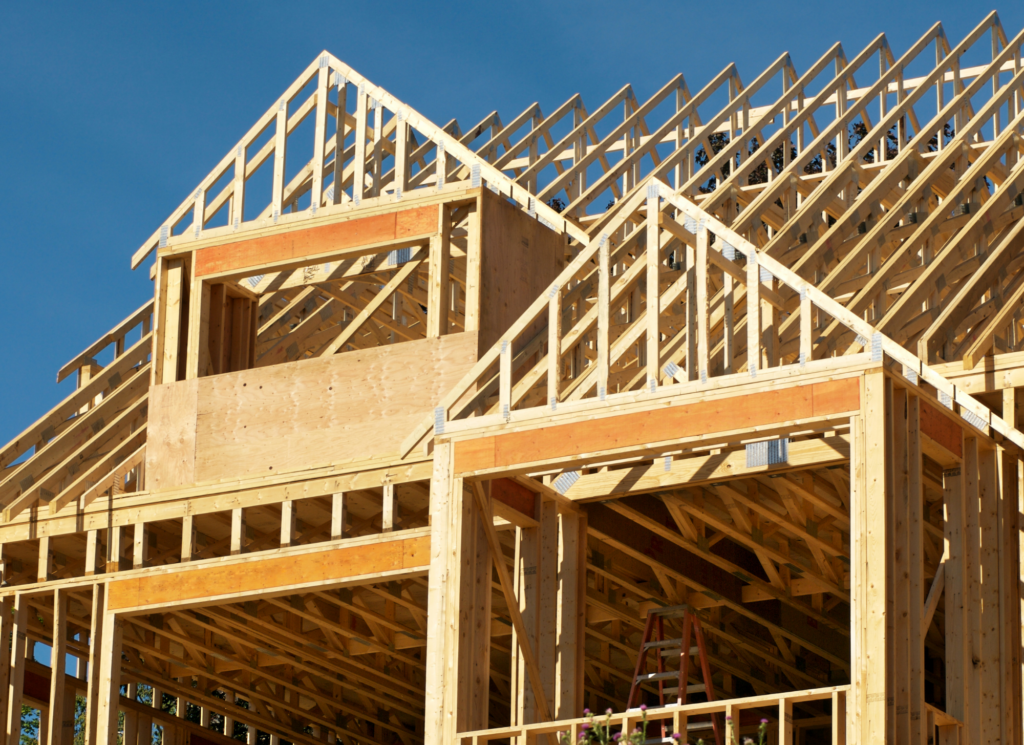
If you’re thinking about buying a home in Minnesota, there’s a good chance you’ve looked at new construction and thought: 👉 “This looks amazing… but is it actually worth it?” Because new construction homes offer: But at the same time, you might be wondering: The truth is: 👉 New construction homes come with strong advantages—but also real trade-offs. The Short Answer 👉 New construction homes are: ✅ Modern, low-maintenance, and efficient 👉 But they can also be: ⚠️ More expensive, less flexible, and located farther out 👉 The key is: 👉 Understanding BOTH sides before deciding The PROS of New Construction Homes Let’s start with why so many buyers are drawn to new builds. ✅ 1. Everything Is Brand New 👉 This is the biggest appeal 👉 When you buy new construction: 👉 That means: 👉 Less stress and fewer surprises 👉 Especially in the first 5–10 years ✅ 2. Low Maintenance Costs 👉 Because everything is new: 👉 You’re less likely to deal with: 👉 Compare that to older homes: 👉 Where repairs can cost thousands 👉 This makes budgeting easier ✅ 3. Builder Warranties 👉 Most builders offer: 👉 This gives you: 👉 Extra protection 👉 Something resale homes don’t offer ✅ 4. Modern Layouts and Design 👉 New homes are built for how people live today 👉 Features often include: 👉 Compared to older homes: 👉 Layouts feel more functional ✅ 5. Energy Efficiency (BIG in Minnesota) 👉 New homes are built to modern standards 👉 Benefits include: 👉 Result: 👉 Lower utility bills 👉 Especially important in cold Minnesota winters ✅ 6. Customization Options 👉 With new construction: 👉 You may be able to choose: 👉 This allows you to: 👉 Personalize your home 👉 Instead of renovating later ✅ 7. Move-In Ready Condition 👉 No need to: 👉 You can move in and start living 👉 This is a huge convenience factor The CONS of New Construction Homes Now let’s talk about the other side—because this is where buyers get surprised. ⚠️ 1. Higher Purchase Price 👉 New construction is usually: 👉 More expensive than resale homes 👉 You’re paying for: 👉 This impacts: 👉 Monthly payment ⚠️ 2. Base Price vs Final Price 👉 Builders advertise: 👉 “Starting at $399,000” 👉 But that’s rarely the final price 👉 You’ll likely add: 👉 Final price may increase: 👉 $20K–$80K+ 👉 This surprises many buyers ⚠️ 3. Limited Negotiation 👉 Unlike resale homes: 👉 Builders don’t always negotiate much on price 👉 Instead, they offer: 👉 But less price flexibility ⚠️ 4. Location (Often Farther Out) 👉 New construction is usually in: 👉 Examples in Minnesota: 👉 This may mean: ⚠️ 5. Construction Timeline 👉 If you’re building from scratch: 👉 It can take: 👉 4–8+ months 👉 Delays can happen 👉 If you need to move quickly: 👉 This may not work ⚠️ 6. Landscaping and Extras Not Included 👉 Many new homes don’t include: 👉 These can cost: 👉 Thousands after closing 👉 Important to budget for ⚠️ 7. Decision Fatigue 👉 Choosing upgrades sounds fun… 👉 Until you’re making 50+ decisions 👉 It can feel: 👉 Overwhelming 👉 And expensive if not controlled A Real Situation I See All the Time A buyer walks into a model home and says: 👉 “This is exactly what I want” 👉 Then they look at pricing: 👉 They feel: 👉 Confused or overwhelmed 👉 Same situation—done correctly: 👉 Result: 👉 Confident decision New Construction vs Resale (Quick Reality Check) 👉 New Construction: 👉 Resale Homes: 👉 Neither is “better” 👉 It depends on YOU Who New Construction Is BEST For 👉 New construction is ideal if you: Who It Might NOT Be Ideal For 👉 It may not be the best fit if you: Biggest Mistakes to Avoid ❌ Only looking at base price 👉 Always calculate total cost ❌ Over-upgrading 👉 Stay within your budget ❌ Ignoring future costs 👉 Landscaping, taxes, etc. ❌ Not comparing resale homes 👉 Always evaluate both 👉 These mistakes affect your outcome The Smart Way to Decide 👉 Ask yourself: ✔️ Do I want convenience or lower cost? ✔️ Am I okay paying more upfront for fewer repairs? ✔️ Do I want a newer home or established neighborhood? ✔️ How long will I stay? 👉 These answers guide your decision Minnesota Market Insight 👉 New construction is growing across Minnesota 👉 Especially in: 👉 Builders continue to offer: 👉 Incentives and options 👉 Making it more accessible FAQ: New Construction Homes Are new construction homes worth it?Yes—for buyers who value low maintenance and modern features. Are they more expensive?Usually yes upfront—but may save on repairs. Do I have to choose upgrades?Yes, but you can control your budget. How long does it take to build?Typically 4–8+ months. Can first-time buyers buy new construction?Yes—with the right financing and strategy. Final Thoughts New construction homes in Minnesota offer: 👉 Simplicity👉 Comfort👉 Modern living 👉 But they also require: 👉 Planning👉 Budget awareness👉 Smart decisions 👉 The goal isn’t to choose what looks best… 👉 It’s to choose what works best for your life and finances 👉 When you understand the pros AND cons: 👉 You can move forward with confidence Next Step If you want to explore new construction vs resale homes in Minnesota based on your budget, the next step is to compare your options: 👉 https://buy.dreamhomesminnesota.com/ 👉 This will help you: Lesley The RealtorReal Estate Agent in MinnesotaHelping buyers weigh their options and confidently choose the right home
Should I Wait to Buy a House or Buy Now in Minnesota? (2026 Guide)

If you’ve been thinking about buying a home, this is probably the biggest question on your mind: 👉 “Should I wait… or should I buy now?” And if you’re being honest, it’s not just about the market. It’s about: You’re trying to get it right. And with everything you’re hearing… …it can feel overwhelming. So let’s simplify it. The Short Answer 👉 You should buy now if you’re financially ready and planning to stay for a few years. 👉 You should wait if your finances or situation aren’t stable yet. 👉 It’s not about timing the market perfectly. 👉 It’s about timing your life correctly. Why This Question Feels So Hard 👉 Because you’re trying to predict the future 👉 You’re thinking: 👉 That pressure creates hesitation 👉 But here’s the thing: 👉 There is NO perfect time 👉 Only: 👉 Better or worse timing for YOU What Happens If You Wait Let’s walk through this honestly. 👉 If you decide to wait: Scenario 1: Rates Go Down 👉 Sounds great, right? 👉 But then: 👉 You may end up paying more anyway Scenario 2: Prices Drop Slightly 👉 You might save a little on price 👉 But if rates are higher: 👉 Your monthly payment may not improve Scenario 3: Nothing Changes Much 👉 You waited months… 👉 For the same conditions 👉 This happens more often than people expect 👉 So waiting isn’t always a win What Happens If You Buy Now 👉 If you buy now: ✔️ You secure a home ✔️ You lock in today’s price ✔️ You avoid future competition spikes ✔️ You can refinance later if rates drop 👉 This gives you: 👉 Control 👉 Instead of waiting and guessing A Real Situation I See All the Time A buyer says: 👉 “I think I’ll wait until things get better” 👉 We check in 6–12 months later 👉 What usually happens? 👉 Meanwhile: 👉 Buyers who moved forward… 👉 Are already in homes 👉 That’s the difference The Biggest Mistake Buyers Make 👉 Trying to time the market perfectly 👉 This leads to: 👉 Instead of progress 👉 The smarter move is: 👉 Focus on YOUR readiness What Actually Matters More Than Timing 👉 These matter more than anything: ✔️ Your income stability ✔️ Your savings ✔️ Your monthly budget ✔️ Your long-term plans 👉 If those are solid… 👉 You’re in a strong position When You Should Buy Now 👉 Buying now makes sense if: ✔️ You have stable income ✔️ You’re planning to stay 3–5+ years ✔️ You’re financially comfortable ✔️ You find the right home 👉 These are strong signals When You Should Wait 👉 Waiting makes sense if: ❌ You don’t have savings yet ❌ Your income is unstable ❌ You may move soon ❌ You’re not comfortable with the payment 👉 In those cases: 👉 Waiting is smart Renting vs Buying Right Now 👉 If you’re currently renting: 👉 Ask yourself: 👉 Renting gives flexibility 👉 Buying builds ownership 👉 Both are valid 👉 But they lead to different outcomes Minnesota Market Reality 👉 Minnesota is a: 👉 This means: 👉 Big crashes are less likely 👉 And long-term value remains strong The “Refinance Later” Strategy 👉 This is what many buyers are doing: 👉 Buy now at today’s rate 👉 Refinance if rates drop 👉 This gives you: 👉 Instead of waiting indefinitely A Simpler Way to Decide 👉 Ask yourself this: 👉 “If nothing changed in the market… would I still buy?” 👉 If the answer is yes: 👉 You’re probably ready 👉 If the answer is no: 👉 There’s something to fix first 👉 That’s your clarity Biggest Myths About Waiting ❌ “I’ll save a lot by waiting” 👉 Not guaranteed ❌ “The market will crash” 👉 No strong signs of that in Minnesota ❌ “Next year will be better” 👉 Maybe… maybe not 👉 Waiting is based on uncertainty 👉 Buying is based on a decision FAQ: Buy Now or Wait Should I wait to buy a house in Minnesota?Only if you’re not financially ready. Is now a bad time to buy?Not necessarily—it depends on your situation. What if rates go down after I buy?You can refinance. What if prices drop?Real estate is a long-term investment. How do I know if I’m ready?Look at your income, savings, and plans. Final Thoughts There’s no perfect moment to buy a home… 👉 Just the right moment for YOU 👉 The market will always change 👉 But your decision doesn’t need to be perfect 👉 It needs to be: 👉 Thoughtful👉 Informed👉 Aligned with your life 👉 If you’re ready: 👉 Waiting may only delay your progress 👉 If you’re not ready: 👉 Waiting is the right move 👉 Either way: 👉 The goal is clarity Next Step If you want to figure out whether you should buy now or wait based on YOUR situation in Minnesota, the next step is to get a clear plan: 👉 https://buy.dreamhomesminnesota.com/ 👉 This will help you: Lesley The RealtorReal Estate Agent in MinnesotaHelping buyers make confident decisions about when to buy—and when to wait—based on their real situation
Is Now a Good Time to Buy a House in Minnesota? (2026 Guide)
If you’ve been thinking about buying a home, you’ve probably asked yourself: 👉 “Is now actually a good time to buy?” Because everywhere you look, you’re hearing mixed messages: It’s confusing. And if you’re like most buyers, you’re not just thinking about the market… 👉 You’re thinking about YOUR situation. So the real question becomes: 👉 “Is now a good time for me to buy a house in Minnesota?” The Short Answer 👉 It can be a good time to buy right now… 👉 If it makes sense for your financial situation, timeline, and goals 👉 It’s NOT just about: 👉 It’s about: 👉 Your readiness and strategy What’s Happening in the Minnesota Market Right Now (2026) Let’s talk about what buyers are actually dealing with. 📊 1. Interest Rates Are Higher Than a Few Years Ago 👉 Compared to 2020–2021: 👉 Rates are higher 👉 This affects: 👉 But here’s what matters: 👉 Buyers are adjusting 📊 2. Home Prices Are Still Holding Strong 👉 In many parts of Minnesota: 👉 Why? 👉 This means: 👉 Prices haven’t dropped dramatically 📊 3. Less Competition Than Before 👉 Compared to the peak market: 👉 This gives buyers: 👉 More opportunity 📊 4. More Negotiation Power 👉 Buyers can sometimes: 👉 This wasn’t possible a few years ago Why Some People Say “Wait” 👉 You’ve probably heard this: 👉 “Wait for prices to drop”👉 “Wait for rates to go down” 👉 Sounds logical… 👉 But here’s the problem: ⚠️ Nobody Can Predict the Market Perfectly 👉 Not agents👉 Not economists👉 Not the news 👉 Waiting is based on: 👉 Guessing ⚠️ Prices May Not Drop Significantly 👉 In Minnesota: 👉 Inventory is still limited 👉 That supports pricing ⚠️ Rates May Change—But Timing Matters 👉 If rates drop: 👉 More buyers enter the market 👉 Which increases competition 👉 Which can push prices up 👉 So waiting doesn’t always mean saving money Why Some Buyers Are Choosing to Buy Now ✔️ 1. Less Competition 👉 Easier to: ✔️ 2. More Negotiation Options 👉 You can often: ✔️ 3. Refinance Later Option 👉 Many buyers think: 👉 “I’ll buy now and refinance if rates drop” 👉 This is a common strategy ✔️ 4. Start Building Equity Sooner 👉 Instead of: 👉 Waiting and renting 👉 You begin: 👉 Building ownership A Real Situation I See All the Time A buyer says: 👉 “I think I should wait” 👉 We look at their situation: 👉 If they wait: 👉 If they buy now: 👉 The decision becomes clearer 👉 It’s not about timing the market perfectly 👉 It’s about making a smart move When It IS a Good Time for YOU to Buy 👉 It may be a good time if: ✔️ You have stable income ✔️ You’re planning to stay 3–5+ years ✔️ You’re financially ready ✔️ You’re tired of renting or waiting 👉 These matter more than headlines When It Might NOT Be the Right Time 👉 It may NOT be the best time if: ❌ Your income is unstable ❌ You don’t have any savings ❌ You may need to move soon ❌ You’re not financially comfortable 👉 In those cases: 👉 Waiting could make sense The Biggest Mistake Buyers Make 👉 Trying to “time the market perfectly” 👉 This leads to: 👉 The better approach: 👉 Focus on YOUR timing Renting vs Buying Right Now 👉 If you’re currently renting: 👉 Ask yourself: 👉 Buying may offer: 👉 That matters just as much as timing Minnesota Advantage 👉 Minnesota remains: 👉 This supports: 👉 Long-term homeownership A Smarter Way to Think About Timing 👉 Instead of asking: 👉 “Is now the perfect time?” 👉 Ask: 👉 “Am I ready, and does this make sense for me?” 👉 That question leads to better decisions FAQ: Buying Right Now in Minnesota Is now a good time to buy a house in Minnesota?It can be—depending on your financial situation and goals. Should I wait for prices to drop?There’s no guarantee they will drop significantly. Will interest rates go down?They may change—but timing is unpredictable. Is there less competition now?Yes—compared to recent peak years. Can I refinance later?Yes—many buyers plan to refinance if rates drop. Final Thoughts There’s no “perfect” time to buy a home… 👉 Only the right time for YOU 👉 The market will always change 👉 But your life, your goals, and your readiness… 👉 That’s what matters most 👉 If you’re financially ready and planning long-term: 👉 Buying now can absolutely make sense 👉 The key is: 👉 Making a smart, informed decision Next Step If you want to figure out whether now is the right time for YOU to buy in Minnesota, the next step is to look at your situation clearly: 👉 https://buy.dreamhomesminnesota.com/ 👉 This will help you: Lesley The RealtorReal Estate Agent in MinnesotaHelping buyers understand the market and confidently decide when to make their move
Is New Construction Cheaper Than Resale Homes in Minnesota? (2026 Guide)
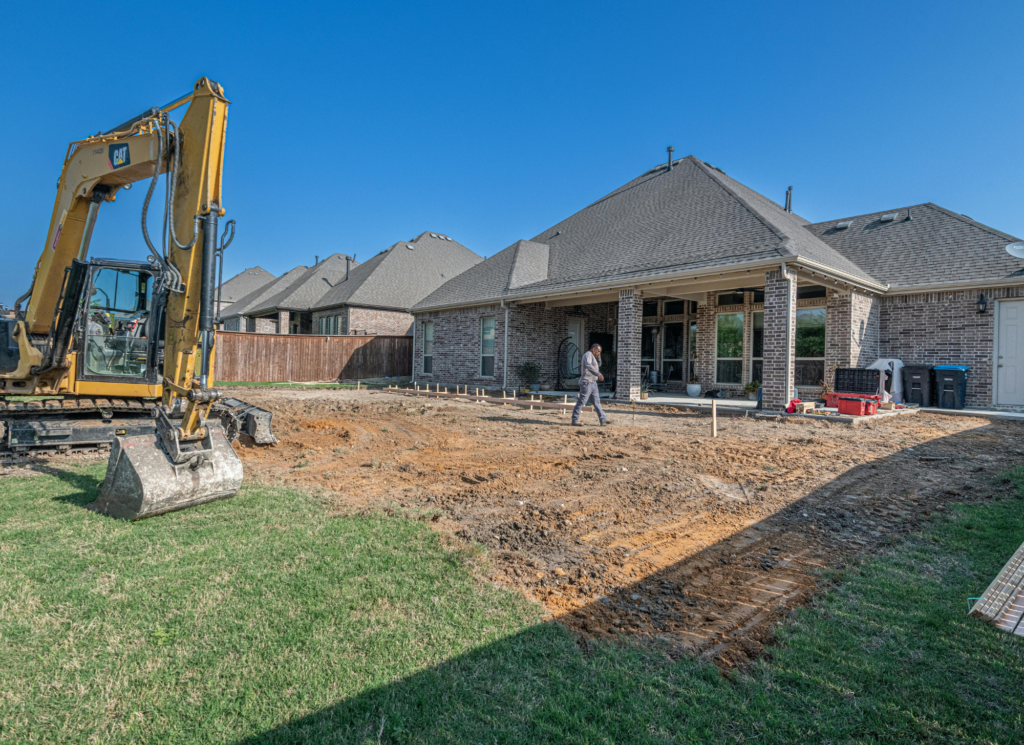
If you’re thinking about buying a home in Minnesota, you’ve probably asked yourself: 👉 “Is it cheaper to buy a new construction home or a resale home?” Because at first glance, new construction looks more expensive… But then you hear things like: And now you’re trying to figure out: 👉 Which option actually makes more financial sense? The truth is: 👉 New construction is usually more expensive upfront… 👉 But resale homes can cost more over time depending on the situation. The Short Answer 👉 In most cases: 👉 But the better question is: 👉 Which one is cheaper for YOU? Let’s Define the Two Options 🏗️ New Construction 👉 Brand-new homes built by a builder 👉 Features: 🏡 Resale Homes 👉 Previously owned homes 👉 Features: 👉 Now let’s compare them side by side 1. Purchase Price (Upfront Cost) 💰 New Construction 👉 Typically higher 👉 In Minnesota (2026 estimates): 💰 Resale Homes 👉 Usually lower 👉 You can often find: 👉 Winner (Upfront): 👉 Resale homes 2. Total Cost After Upgrades ⚠️ New Construction Surprise 👉 Builders advertise: 👉 “Starting at $399,000” 👉 But actual price often includes: 👉 Final cost can increase: 👉 $20K–$80K+ 🏡 Resale Homes 👉 What you see is what you pay 👉 BUT: 👉 You may need: 👉 These costs can add up later 👉 Reality: 👉 Both can increase in cost—just at different times 3. Monthly Payment 👉 New construction: 👉 Resale homes: 👉 BUT: 👉 Maintenance costs matter 4. Maintenance and Repairs 🏗️ New Construction 👉 Everything is new 👉 That means: 👉 First 5–10 years: 👉 Typically low expenses 🏡 Resale Homes 👉 Depends on age and condition 👉 You may face: 👉 These can cost: 👉 Thousands over time 👉 Winner (Maintenance): 👉 New construction 5. Energy Efficiency 🏗️ New Construction 👉 Built to modern standards 👉 Benefits: 👉 Especially important in Minnesota winters 🏡 Resale Homes 👉 Older homes may be: 👉 Winner: 👉 New construction 6. Builder Incentives vs Negotiation 🏗️ New Construction 👉 Builders often offer: 👉 This can reduce upfront costs 🏡 Resale Homes 👉 You negotiate with the seller 👉 Possible benefits: 👉 Winner: 👉 Depends on the deal 7. Location Differences 🏗️ New Construction 👉 Typically in: 👉 Examples in Minnesota: 🏡 Resale Homes 👉 Available everywhere 👉 Including: 👉 This impacts value and lifestyle 8. Time to Move In 🏗️ New Construction 👉 Can take: 👉 4–8+ months to build 👉 Some quick move-in homes exist 🏡 Resale Homes 👉 Typically: 👉 30–45 days 👉 Faster process 👉 Winner: 👉 Resale homes A Real Scenario Comparison Let’s compare two buyers: Buyer A – New Construction Buyer B – Resale Home 👉 After several years: 👉 Total cost difference may shrink 👉 That’s why: 👉 Upfront price isn’t everything When New Construction Is “Cheaper” 👉 It can feel cheaper when: 👉 Especially if: 👉 You value predictability When Resale Is “Cheaper” 👉 It’s usually cheaper when: 👉 Especially for: 👉 Budget-conscious buyers Biggest Mistakes Buyers Make ❌ Only comparing purchase price 👉 Doesn’t show full picture ❌ Ignoring maintenance costs 👉 Resale homes can get expensive ❌ Over-upgrading new construction 👉 Can push you over budget ❌ Not comparing both options 👉 Always evaluate both 👉 These mistakes affect your decision The Smart Way to Decide 👉 Ask yourself: ✔️ What monthly payment am I comfortable with? ✔️ Do I want predictable costs or lower upfront price? ✔️ Am I okay with repairs and maintenance? ✔️ How long do I plan to stay? 👉 These answers guide your decision Minnesota Market Insight 👉 Both new construction and resale: 👉 Are active in Minnesota 👉 Demand depends on: 👉 Buyers often compare both 👉 And choose based on lifestyle + budget FAQ: New Construction vs Resale Is new construction more expensive than resale?Usually yes upfront—but not always long-term. Which is better financially?It depends on your budget, goals, and timeline. Do new homes save money on repairs?Yes—especially in the first several years. Are resale homes cheaper?Often upfront—but may require maintenance costs. Which is better for first-time buyers?Both can work—it depends on your situation. Final Thoughts New construction is not always “too expensive”… 👉 And resale homes are not always “cheaper” 👉 The real answer is: 👉 It depends on how you look at cost 👉 When you consider: 👉 You can make a smarter decision 👉 The goal isn’t to choose what’s cheaper… 👉 It’s to choose what’s right for YOU Next Step If you want to compare new construction vs resale homes in Minnesota based on your budget, the next step is to explore your options: 👉 https://buy.dreamhomesminnesota.com/ 👉 This will help you: Lesley The RealtorReal Estate Agent in MinnesotaHelping buyers compare options clearly and make confident home buying decisions
How Long Does It Take to Build a House in Minnesota? (2026 Guide)
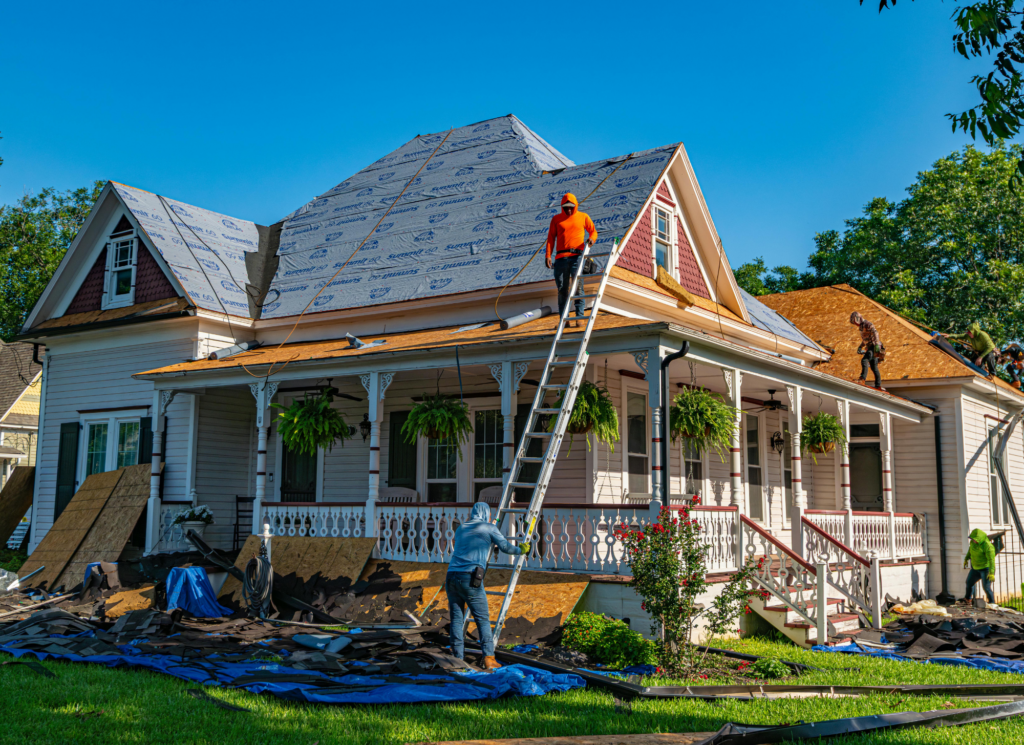
If you’re considering buying a new construction home in Minnesota, one of the first questions that comes up is: 👉 “How long does it actually take to build a house?” Because timing matters. You might be wondering: The truth is: 👉 Building a house in Minnesota typically takes 4 to 8 months… But… 👉 That timeline can vary depending on several factors. The Short Answer 👉 Most new construction homes in Minnesota take: 👉 4–8 months to build 👉 But depending on the situation, it could be: 👉 The key is understanding: 👉 What affects the timeline The 3 Main Scenarios (This Matters) Not all new construction timelines are the same. 🏡 1. Move-In Ready Homes (Fastest Option) 👉 These are homes: 👉 Already built or nearly complete 👉 Timeline: 👉 30–60 days 👉 This is similar to buying a resale home 👉 Best for: 👉 Trade-off: 👉 Limited customization 🏗️ 2. Semi-Custom / Production Homes 👉 This is the most common option 👉 You choose: 👉 Timeline: 👉 4–6 months (on average) 👉 This gives a balance of: 🏠 3. Fully Custom Homes (Longest) 👉 Built from scratch with full customization 👉 Timeline: 👉 6–12+ months 👉 Depends on: 👉 Best for: 👉 Buyers who want full control 👉 But requires patience Step-by-Step Timeline (What Actually Happens) Let’s walk through the full process so you know what to expect. 📝 Step 1: Contract & Planning (1–3 weeks) 👉 You: 👉 This part moves fairly quickly 🎨 Step 2: Design & Selections (2–4 weeks) 👉 You choose: 👉 This is exciting… 👉 But can also feel overwhelming 👉 Delays here can push everything back 📄 Step 3: Permits & Approvals (2–6 weeks) 👉 Builder submits plans to the city 👉 Timeline depends on: 👉 This step is often: 👉 Out of your control 🏗️ Step 4: Construction Phase (3–6 months) 👉 This is where the home is built Typical Stages: 👉 This is the longest part of the process 👉 Weather plays a BIG role in Minnesota 🔍 Step 5: Final Walkthrough & Closing (2–4 weeks) 👉 You: 👉 Then: 👉 You get the keys 🎉 What Can Delay the Timeline? This is important—because delays DO happen. ❄️ 1. Weather (Big in Minnesota) 👉 Winter conditions can: 👉 Extreme cold or snow: 👉 Impacts timelines 🧱 2. Material Delays 👉 Supply issues can affect: 👉 This has improved recently… 👉 But still happens 👷 3. Labor Availability 👉 Builders rely on: 👉 Scheduling conflicts can cause delays 🏛️ 4. Permit Delays 👉 Cities control approvals 👉 Some areas move faster than others 👉 This can add weeks 🎨 5. Buyer Decisions 👉 Yes—you can delay your own build 👉 Examples: 👉 Staying organized helps A Real Scenario I See All the Time A buyer expects: 👉 “I’ll be in my home in 4 months” 👉 But: 👉 Final timeline: 👉 6–7 months 👉 They feel frustrated… 👉 Because expectations weren’t clear 👉 Same situation—done correctly: 👉 Result: 👉 Less stress How to Plan Your Move Around This 👉 If you’re building a home: 👉 You need flexibility ✔️ Plan for a buffer 👉 Add 1–2 months to estimated timeline ✔️ Avoid strict deadlines 👉 Don’t rely on an exact move-in date ✔️ Have temporary housing options 👉 Just in case delays happen 👉 This reduces stress significantly Can the Timeline Be Faster? 👉 Yes—in some cases 👉 Faster timelines happen when: 👉 But for full builds: 👉 Expect several months Minnesota-Specific Insight 👉 Minnesota weather plays a major role 👉 Spring and summer builds: 👉 Often move faster 👉 Winter builds: 👉 May take longer 👉 Builders plan for this—but delays still happen Biggest Mistakes to Avoid ❌ Expecting an exact move-in date 👉 Always allow flexibility ❌ Not planning for delays 👉 They are normal ❌ Waiting too long to start the process 👉 Building takes time ❌ Rushing decisions 👉 This can slow things down 👉 These mistakes increase stress Who Should Choose New Construction (Timing-Wise) 👉 New construction is ideal if: 👉 If you need to move quickly: 👉 Resale or move-in ready homes may be better FAQ: Building a House in Minnesota How long does it take to build a house in Minnesota?Typically 4–8 months, depending on the build type. What is the fastest option?Move-in ready homes (30–60 days). What causes delays?Weather, permits, materials, and scheduling. Can I move in sooner?Only if the home is already built or nearly complete. Should I plan for delays?Yes—always build in extra time. Final Thoughts Building a home in Minnesota is exciting… 👉 But it requires patience 👉 While timelines vary: 👉 Most builds take several months 👉 The key is not just knowing the timeline… 👉 It’s planning for it 👉 When you: 👉 The experience becomes much smoother 👉 And in the end: 👉 You get a home built for YOU Next Step If you’re considering building a home in Minnesota and want to understand your timeline based on your situation, the next step is to explore your options: 👉 https://buy.dreamhomesminnesota.com/ 👉 This will help you: Lesley The RealtorReal Estate Agent in MinnesotaHelping buyers navigate new construction timelines and plan their move with confidence