
Do Builders Pay Closing Costs in Minnesota? (2026 Guide)
If you’re thinking about buying a new construction home in Minnesota, one of the most common questions is: 👉 “Do builders pay closing costs?” Because after looking at: 👉 Closing costs can feel like one more big expense. So naturally, you’re wondering: The truth is: 👉 Yes—builders often help pay closing costs in Minnesota. But… 👉 It doesn’t work the same way as a traditional resale deal. The Short Answer 👉 Builders can and often do pay part (or sometimes most) of your closing costs 👉 But usually: 👉 It comes in the form of: 👉 And often: 👉 You must use their preferred lender What Are “Builder-Paid Closing Costs”? 👉 This is when the builder offers: 👉 Money or credits to help cover your closing costs 👉 Instead of you paying everything… 👉 The builder contributes toward those expenses 👉 This can include: 👉 Just like seller concessions… 👉 But structured differently Why Builders Offer Closing Cost Incentives 👉 Builders are not just selling homes… 👉 They’re running a business with inventory 👉 Offering incentives helps them: 👉 Instead of reducing price: 👉 They offer value through incentives 👉 This keeps home values stable How Builder Incentives Typically Work ✔️ 1. Preferred Lender Requirement 👉 Most builders will say: 👉 “We’ll help with closing costs if you use our lender” 👉 This is VERY common 👉 Why? 👉 Because: 👉 Example: ✔️ 2. Set Incentive Amounts 👉 Builders may offer: 👉 Depending on: 👉 Sometimes even more ✔️ 3. Limited-Time Promotions 👉 Incentives often change 👉 Builders may offer: 👉 Timing matters What Closing Costs Can Be Covered? 👉 Builder incentives can often cover: 👉 In many cases: 👉 A large portion of your closing costs 👉 Sometimes: 👉 Nearly all of them A Real Situation I See All the Time A buyer is looking at a new construction home: 👉 The builder offers: 👉 $10,000 incentive with preferred lender 👉 Result: 👉 Buyer pays little to no closing costs out of pocket 👉 That changes affordability significantly Is There a “Catch”? 👉 Not a catch—but trade-offs ⚠️ 1. Interest Rate May Be Slightly Higher 👉 Preferred lenders may not always have: 👉 The lowest possible rate 👉 But: 👉 The incentive may offset the difference 👉 You need to compare ⚠️ 2. Less Flexibility in Lender Choice 👉 If you want the incentive: 👉 You usually must use their lender 👉 If you choose your own lender: 👉 You may lose the incentive ⚠️ 3. Incentives May Replace Negotiation 👉 Builders may not lower price much 👉 Instead, they offer: 👉 Credits and incentives 👉 Different from resale negotiations How This Compares to Resale Homes 🏡 Resale: 🏗️ New Construction: 👉 Both can reduce your costs 👉 Just in different ways How to Maximize Builder Incentives ✔️ 1. Ask What’s Currently Available 👉 Always ask: 👉 “What incentives are being offered right now?” 👉 They change often ✔️ 2. Compare Preferred Lender vs Outside Lender 👉 Look at: 👉 Sometimes: 👉 The incentive is worth it 👉 Sometimes: 👉 Another lender is better ✔️ 3. Focus on TOTAL Cost 👉 Don’t just look at: 👉 Closing costs 👉 Look at: 👉 That’s what matters most ✔️ 4. Work with Your Own Agent 👉 Important: 👉 Builder reps work for the builder 👉 Your agent works for YOU 👉 They help: 👉 This is critical Minnesota Market Insight 👉 In Minnesota: 👉 Builder incentives are VERY common 👉 Especially in: 👉 Builders often compete with each other 👉 Which creates: 👉 Opportunities for buyers When Builders Are More Likely to Offer Incentives 👉 You’re more likely to see strong incentives when: 👉 Timing matters Biggest Mistakes to Avoid ❌ Assuming all builders offer the same incentives 👉 They vary widely ❌ Not comparing lenders 👉 Don’t automatically accept the offer ❌ Focusing only on upfront savings 👉 Look at long-term cost ❌ Not using an agent 👉 You need representation 👉 These mistakes can cost you Who Benefits Most from Builder-Paid Closing Costs 👉 This is especially helpful for: 👉 It allows you to: 👉 Enter the market sooner FAQ: Builder Closing Costs Do builders pay closing costs in Minnesota?Yes—often through incentives and credits. Do I have to use their lender?Usually yes to qualify for the incentive. How much do builders typically offer?Often $5,000–$15,000+, depending on the home. Is it better than using my own lender?It depends—compare total cost. Can it cover all closing costs?Sometimes—depending on the incentive amount. Final Thoughts Yes—builders in Minnesota can help pay your closing costs… 👉 And in many cases, they do 👉 But the key is understanding: 👉 How those incentives actually work 👉 When you: 👉 You can significantly reduce your upfront costs 👉 And make new construction more affordable 👉 It’s not just about getting help… 👉 It’s about using it wisely Next Step If you want to explore new construction homes in Minnesota and see what builder incentives are currently available, the next step is to review your options: 👉 https://buy.dreamhomesminnesota.com/ 👉 This will help you: Lesley The RealtorReal Estate Agent in MinnesotaHelping buyers navigate builder incentives and reduce upfront costs when purchasing new construction homes
Can I Afford a New Construction Home in Minnesota? (2026 Guide)
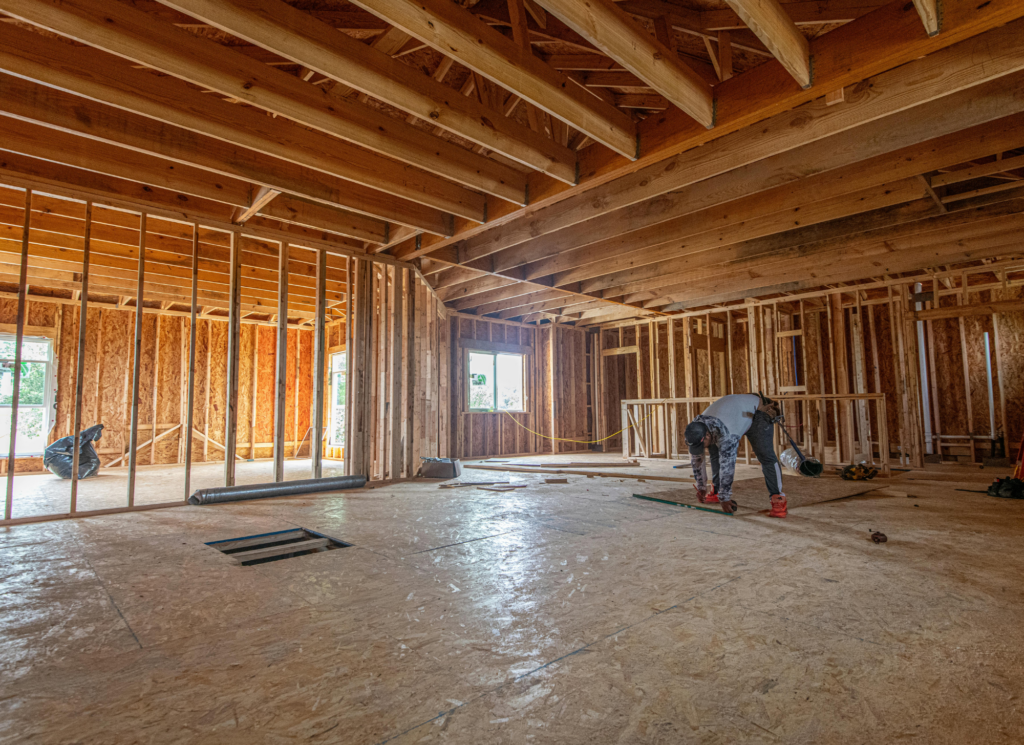
If you’ve been thinking about buying a home in Minnesota, there’s a good chance you’ve looked at new construction and thought: 👉 “Can I actually afford a brand-new home?” Because new construction homes are appealing: But at the same time, you might be wondering: The truth is: 👉 Yes, you may be able to afford a new construction home in Minnesota. But… 👉 It depends on how you approach it. The Short Answer 👉 You can afford a new construction home if: 👉 Many buyers assume new construction is out of reach… 👉 But in some cases: 👉 It’s more achievable than they think What Does “Affordable” Really Mean? Before we talk numbers, let’s define this clearly. 👉 Affordability is NOT just: 👉 “Can I get approved?” 👉 It’s: 👉 A lender may approve you for a certain amount… 👉 But your comfort level matters just as much Average New Construction Prices in Minnesota (2026) 👉 While prices vary by location, here’s a general idea: 👉 Compared to resale homes: 👉 New construction is often slightly higher 👉 But not always dramatically higher Monthly Payment Example Let’s make this real. 👉 On a $400,000 new construction home: 👉 This depends on: 👉 The key question is: 👉 Does this fit your monthly budget? What Makes New Construction Feel Expensive 1. Base Price vs Final Price 👉 Builders advertise: 👉 “Starting at $399,000” 👉 But that often DOESN’T include: 👉 Final price may be: 👉 $420K–$460K+ 👉 This surprises many buyers 2. Upgrades Add Up Quickly 👉 Common upgrades: 👉 Small decisions can add: 👉 $10K–$50K+ 👉 This is where affordability can shift 3. Property Taxes on New Builds 👉 Taxes may increase after construction is complete 👉 Your monthly payment may go up slightly 👉 This is important to plan for What Makes New Construction MORE Affordable ✔️ 1. Builder Incentives 👉 Many builders offer: 👉 These can save: 👉 Thousands of dollars ✔️ 2. Lower Maintenance Costs 👉 Everything is new: 👉 Fewer repairs early on 👉 That saves money over time ✔️ 3. Energy Efficiency 👉 New homes are more efficient 👉 Lower: 👉 Especially important in Minnesota winters Can First-Time Buyers Afford New Construction? 👉 Yes—many do 👉 Especially with: 👉 The key is: 👉 Structuring the deal correctly A Real Scenario A first-time buyer in Minnesota: 👉 They explore new construction: 👉 Builder offers: 👉 Result: 👉 Buyer moves forward comfortably 👉 Without needing 20% down What Lenders Look At 👉 To determine affordability, lenders review: 👉 This determines: 👉 How much you can borrow 👉 But again: 👉 Approval ≠ comfort When New Construction Might NOT Be Ideal 👉 It may not be the best fit if: 👉 In those cases: 👉 Resale homes may offer better value When It DOES Make Sense 👉 New construction is a great option if: 👉 It’s about lifestyle + financial fit Minnesota-Specific Insight 👉 New construction is popular in: 👉 Cities like: 👉 Offer strong new build opportunities Biggest Mistakes to Avoid ❌ Only looking at base price 👉 Always calculate final cost ❌ Over-upgrading 👉 Stay within budget ❌ Not using builder incentives 👉 You could miss savings ❌ Not comparing resale options 👉 Always evaluate both 👉 These mistakes impact affordability The Smart Approach 👉 If you’re considering new construction: ✔️ Step 1: Get pre-approved 👉 Know your real budget ✔️ Step 2: Visit model homes 👉 Understand pricing + upgrades ✔️ Step 3: Ask about incentives 👉 Builders often have promotions ✔️ Step 4: Work with an agent 👉 Representation matters (builder reps work for the builder) 👉 This gives you clarity and confidence FAQ: New Construction Affordability Is new construction more expensive than resale?Often slightly higher—but not always significantly. Do I need a bigger down payment?No—many buyers use 3%–5% down. Are there extra costs with new builds?Yes—upgrades and lot premiums. Can first-time buyers afford new construction?Yes—with the right loan and strategy. Do builders offer incentives?Yes—often including closing cost help and rate buy-downs. Final Thoughts New construction homes in Minnesota can feel out of reach at first… 👉 But for many buyers, they’re more achievable than expected 👉 The key is understanding: 👉 When you approach it the right way: 👉 You can make a smart, confident decision 👉 It’s not about buying the most expensive home… 👉 It’s about buying the right one for you Next Step If you want to find out whether you can afford a new construction home in Minnesota, the next step is to get your numbers clearly mapped out: 👉 https://buy.dreamhomesminnesota.com/ 👉 This will help you: Lesley The RealtorReal Estate Agent in MinnesotaHelping buyers understand their options and confidently decide between new construction and resale homes
Can the Seller Help Pay My Closing Costs in Minnesota? (2026 Guide)
If you’re thinking about buying a home and worried about upfront costs, you might be asking: 👉 “Can the seller help pay my closing costs?” This is one of the most important questions buyers ask—especially if: The good news is: 👉 Yes—the seller CAN help pay your closing costs in Minnesota. But… 👉 It depends on how you structure your offer. The Short Answer 👉 Yes, sellers can pay part (or sometimes all) of your closing costs 👉 This is called: 👉 “Seller concessions” 👉 It’s negotiated as part of your offer 👉 And it’s very common in many situations What Are Seller Concessions? 👉 Seller concessions are: 👉 Money the seller agrees to contribute toward your closing costs 👉 Instead of you paying everything… 👉 The seller helps cover those expenses 👉 This can include: 👉 It’s one of the most powerful tools buyers have How It Works (Simple Example) 👉 Let’s say: 👉 You submit an offer like this: 👉 “Purchase price: $300,000 with $8,000 in seller concessions” 👉 If the seller agrees: 👉 They pay that $8,000 at closing 👉 Result: 👉 You don’t pay those costs out of pocket Why Would a Seller Agree to This? 👉 Good question 👉 Sellers may agree if: 👉 Sometimes: 👉 It’s the difference between getting a deal done or not When Seller Concessions Are More Likely 👉 You’re more likely to get concessions when: 🏡 The Market Is Balanced or Buyer-Friendly 👉 More inventory 👉 Less competition ⏳ The Home Has Been on the Market Longer 👉 Sellers may be more flexible 💰 Your Offer Is Strong Overall 👉 Price + terms matter 🛠️ The Home Needs Updates 👉 Sellers may offer credits instead of making repairs When It’s Harder to Get Seller Concessions 👉 In a strong seller’s market: 👉 Sellers may: 👉 Reject concession requests 👉 Or choose offers without them 👉 This is why: 👉 Strategy matters How Much Can a Seller Pay? 👉 There are limits based on: 👉 Your loan type 📊 Typical Limits 👉 On a $300,000 home: 👉 That could be: 👉 $9,000–$18,000 👉 More than enough to cover most closing costs Important Strategy: Price vs. Concessions 👉 Sometimes buyers do this: 👉 Offer slightly higher price… 👉 In exchange for seller concessions 💡 Example 👉 Seller still nets similar amount 👉 Buyer reduces upfront cost 👉 This is a very common strategy 👉 But: 👉 The home must appraise for that price A Real Situation I See All the Time A buyer says: 👉 “I don’t have enough for closing costs” 👉 Instead of waiting… 👉 We structure the offer with concessions 👉 The seller agrees to cover most costs 👉 Buyer moves forward 👉 Without needing to save thousands more 👉 That’s the power of negotiation What Happens If the Seller Says No? 👉 You still have options 👉 You can: 👉 It’s not all-or-nothing 👉 This is where working with the right agent matters Combining Seller Concessions with Other Strategies 👉 Many buyers combine: 👉 Result: 👉 Very low out-of-pocket cost 👉 Sometimes: 👉 Buyers bring only a few thousand dollars to closing What Lenders Require 👉 Seller concessions must be: 👉 They cannot: 👉 Exceed your actual closing costs 👉 This keeps everything compliant Common Misunderstandings ❌ “The seller just gives me cash” 👉 No—it’s applied to your closing costs ❌ “I can always get concessions” 👉 It depends on the market and strategy ❌ “This makes my offer weaker” 👉 Not necessarily—if structured properly 👉 Understanding this helps you: 👉 Use it correctly Why This Matters for Immigrant Buyers 👉 Many buyers: 👉 Seller concessions help: 👉 Bridge that gap 👉 This allows you to: 👉 Buy sooner 👉 Instead of waiting years to save more The Smart Way to Approach This 👉 If you want the seller to help: ✔️ Work with an agent who understands strategy 👉 This is not just about asking—it’s about positioning ✔️ Understand the market 👉 Timing matters ✔️ Structure your offer correctly 👉 Price + terms + concessions ✔️ Have backup options 👉 Always plan for alternatives 👉 This increases your chances of success Minnesota Market Insight 👉 In many Minnesota markets: 👉 Seller concessions are still common 👉 Especially in: 👉 This creates opportunity FAQ: Seller Paying Closing Costs Can the seller pay all my closing costs?Sometimes—depending on the deal and loan limits. What are seller concessions?Money the seller contributes toward your closing costs. Does this make my offer weaker?Not if structured correctly. Can I combine this with assistance programs?Yes—many buyers do. What if the seller refuses?You can adjust your strategy or explore other options. Final Thoughts Yes—the seller can help pay your closing costs… 👉 And for many buyers, this is what makes homeownership possible 👉 The key is not just knowing this exists… 👉 It’s knowing how to use it 👉 When you: 👉 You can reduce your upfront costs significantly 👉 And move forward with confidence Next Step If you want to buy a home in Minnesota and reduce your upfront costs using seller concessions, the next step is to build the right strategy: 👉 https://buy.dreamhomesminnesota.com/ 👉 This will help you: Lesley The RealtorReal Estate Agent in the Twin Cities & Surrounding Metro, MinnesotaHelping buyers use smart strategies to reduce upfront costs and successfully purchase a home
Can I Buy a House Without a Down Payment in Minnesota? (2026 Guide)
If you’re thinking about buying a home, one of the first things you’ve probably heard is: 👉 “You need a down payment.” And that leads to the big question: 👉 “Can I buy a house without a down payment?” Because saving money is often the hardest part of buying a home. You might be wondering: The truth is: 👉 Yes—you CAN buy a house without a down payment in Minnesota. But… 👉 Only in certain situations. The Short Answer 👉 You can buy a home with 0% down if you qualify for: 👉 For most buyers: 👉 You’ll still need a small down payment (3%–3.5%) 👉 But: 👉 There are ways to reduce or even eliminate your upfront cost Why Down Payments Exist Let’s quickly simplify this. 👉 A down payment is: 👉 The portion of the home price you pay upfront 👉 It shows the lender: 👉 That’s why most loans require one 👉 But not all The 2 Main Zero Down Payment Options ✔️ 1. VA Loans (0% Down) 👉 VA loans are available to: 💰 What Makes VA Loans Powerful 👉 This is one of the BEST loan options available ⚠️ Limitation 👉 You must be eligible through military service ✔️ 2. USDA Loans (0% Down) 👉 USDA loans are for: 👉 Homes in eligible rural or suburban areas 👉 In Minnesota, this includes: 👉 Many areas outside major city centers 💰 What Makes USDA Loans Attractive ⚠️ Limitations 👉 Not every home qualifies What If You Don’t Qualify for 0% Down? This is where most buyers fall. 👉 The good news: 👉 You still don’t need a large down payment ✔️ Low Down Payment Options 👉 Common programs: 👉 On a $300,000 home: 👉 Much lower than most people expect How Buyers Still Buy with “Almost No Money” Even if it’s not technically 0%… 👉 Many buyers get VERY close ✔️ Strategy 1: Down Payment Assistance 👉 Minnesota offers programs that help with: 👉 Some buyers receive: 👉 Thousands in assistance 👉 This can reduce your upfront cost significantly ✔️ Strategy 2: Seller-Paid Closing Costs 👉 You can negotiate for the seller to pay: 👉 Part (or all) of your closing costs 👉 This can save: 👉 $5,000–$10,000+ ✔️ Strategy 3: Gift Funds 👉 Family can help with: 👉 This is very common 👉 As long as: 👉 It’s documented properly ✔️ Strategy 4: Combining Strategies 👉 Many buyers use: 👉 Result: 👉 VERY low out-of-pocket cost A Real Situation I See All the Time A buyer says: 👉 “I can’t buy because I don’t have 20% down” 👉 We review their situation: 👉 Their actual cash needed: 👉 Around $5,000–$10,000 👉 In some cases: 👉 Even less 👉 That’s a completely different reality What “No Down Payment” Doesn’t Mean Let’s clear this up. 👉 Even if you qualify for 0% down: 👉 You may still need: 👉 So it’s not: 👉 “No money at all” 👉 It’s: 👉 “No down payment—but still some costs” What Lenders Will Still Look At Even with 0% down programs: 👉 Lenders still evaluate: 👉 Down payment is just ONE part 👉 You still need to qualify Minnesota Advantage 👉 Minnesota offers: 👉 This makes homeownership: 👉 More accessible than many people think Biggest Mistakes to Avoid ❌ Waiting for 20% down 👉 You may not need it ❌ Assuming you can’t qualify 👉 Many buyers qualify sooner than expected ❌ Not exploring assistance programs 👉 You could be leaving money on the table ❌ Not talking to a lender early 👉 This is where clarity starts 👉 These mistakes delay homeownership Who Benefits Most from Low or No Down Payment 👉 This works well for: 👉 It helps you: 👉 Enter the market sooner When It Might NOT Be Ideal 👉 Sometimes putting more money down can: 👉 So it’s not always about: 👉 Putting the least down 👉 It’s about: 👉 The right strategy for YOU FAQ: Buying Without a Down Payment Can I really buy a house with 0% down?Yes—but only with VA or USDA loans. What if I don’t qualify for those?You can still buy with 3%–3.5% down. Are there programs to help with down payment?Yes—Minnesota offers assistance programs. Can I combine assistance and seller credits?Yes—many buyers do this. Do I still need money for closing costs?Yes—but they can sometimes be reduced or covered. Final Thoughts Buying a home without a down payment is possible… 👉 But it depends on your situation 👉 The bigger takeaway is this: 👉 You don’t need as much money as you think to get started 👉 When you understand: 👉 Homeownership becomes much more realistic 👉 The goal isn’t just “zero down”… 👉 It’s getting into the right home with the right plan Next Step If you want to find out whether you qualify for low or no down payment options in Minnesota, the next step is to get a clear breakdown: 👉 https://buy.dreamhomesminnesota.com/ 👉 This will help you: Lesley The RealtorReal Estate Agent in the Twin Cities & Surrounding Metro, MinnesotaHelping buyers find smart, realistic ways to become homeowners—without unnecessary delays