
How Do I Write a Strong Offer on a House in Minnesota? A Guide for Immigrant Homebuyers

Finding the right home is exciting. Writing the offer that actually gets you the home? That’s where many buyers become nervous. For many immigrant homebuyers, the offer process feels unfamiliar because it’s often very different from how homes are purchased in other countries. In some places, buying a home involves little or no negotiation. In others, everything is negotiated face-to-face. In the United States—and especially in Minnesota—the purchase offer is a legal document that does much more than state the price you’re willing to pay. It outlines the terms of the transaction, your financing, timelines, contingencies, responsibilities, and protections for both you and the seller. Many first-time buyers assume the highest offer always wins. That isn’t always true. As a Realtor working with many immigrant families throughout Minnesota, I’ve seen buyers win against higher offers because their overall offer was stronger. I’ve also seen buyers lose despite offering more money because other parts of their offer created uncertainty for the seller. Writing a strong offer isn’t about taking unnecessary risks. It’s about understanding what sellers value and presenting yourself as a serious, prepared, and reliable buyer. Here’s what you should know before writing an offer on a home in Minnesota. What Is a Purchase Offer? A purchase offer is a written legal agreement proposing the terms under which you’re willing to buy a home. It typically includes: Once accepted and signed by both parties, the offer becomes a legally binding purchase agreement. This is why working with an experienced Realtor is so important. A Strong Offer Starts Before You Find the Home Many buyers think writing a strong offer begins after they find a property. Actually, it begins weeks earlier. Preparation is one of the biggest competitive advantages you can have. Before shopping seriously, you should: When the right home appears, prepared buyers can act confidently and quickly. Get Fully Pre-Approved, Not Just Pre-Qualified This is one of the most important steps. A pre-qualification is often based on information you provide verbally. A pre-approval typically involves a lender reviewing your financial documents more thoroughly. Sellers often feel more confident accepting offers from buyers who have completed the stronger approval process. A solid pre-approval letter demonstrates that you’re financially prepared. Know the Local Market Before writing an offer, understand what type of market you’re entering. Ask questions such as: A strategy that works in one market may not work in another. For example, an aggressive offer may be appropriate in a highly competitive neighborhood but unnecessary in a slower market. Price Is Important—But It’s Not Everything Many buyers assume the seller only cares about the highest price. That’s not always true. Sellers often consider: Imagine these two offers: Offer A: Offer B: Many sellers would choose Offer B. Offer a Fair Market Price One mistake some buyers make is submitting very low offers simply to “see what happens.” In a competitive market, that strategy can backfire. A strong offer is usually based on: Your Realtor should help you determine a price supported by current market data. Include Strong Earnest Money Earnest money shows you’re serious about purchasing the home. It demonstrates commitment. While there’s no universal amount, stronger earnest money deposits often give sellers greater confidence. The money is generally applied toward your purchase if the transaction closes. If certain contingencies allow you to cancel the contract properly, you may also be entitled to have it returned. Choose a Reasonable Closing Date Flexibility can make an offer more attractive. Some sellers need to move quickly. Others need additional time. Whenever possible, try to accommodate the seller’s preferred timeline. This small adjustment can sometimes outweigh a slightly higher purchase price from another buyer. Keep Contingencies Reasonable Contingencies protect buyers. They are important. Common contingencies include: These protections shouldn’t be eliminated without careful consideration. However, unnecessary contingencies can make an offer less attractive. The goal is balance. Protect yourself while presenting a clean, organized offer. Limit Unnecessary Requests Some buyers include long lists of requests before the seller has even accepted the offer. Examples include asking for: Too many requests can distract from the strength of your offer. Focus first on securing the contract. Be Prepared to Move Quickly Good homes sometimes receive offers within hours of being listed. Preparation allows you to respond quickly. This means: Delays can mean losing an opportunity. Understand the Seller’s Priorities Every seller has different goals. Some prioritize: Others value: Learning what matters most to the seller helps shape a stronger offer. Include Proof of Financial Strength If appropriate, additional financial documentation may strengthen your offer. Examples include: A seller wants confidence that you’ll be able to close. Avoid Emotional Decisions It’s easy to become emotionally attached to a home. But emotional buyers sometimes: A strong offer remains strategic. Winning the house should never come at the expense of making a smart financial decision. Trust Your Realtor’s Advice Experienced Realtors analyze local trends daily. They understand: While every decision belongs to you, relying on experienced guidance often improves your chances of success. Common Mistakes Immigrant Buyers Make Assuming the List Price Is Final The asking price is often the starting point for negotiation. Waiting Too Long Good homes may sell quickly. Shopping Before Getting Pre-Approved Preparation matters. Focusing Only on Price Terms matter too. Ignoring Market Conditions Every market requires a different strategy. Making Decisions Based on How Homes Are Purchased Back Home The Minnesota process has its own rules, contracts, and timelines. Understanding those differences helps avoid costly mistakes. Tips for Writing a Strong Offer Frequently Asked Questions Do I always need to offer above asking price? No. It depends on the property’s value, competition, and current market conditions. Is earnest money required? Most Minnesota purchase agreements include earnest money, although the amount varies. Can I negotiate after making an offer? Yes. Sellers may accept, reject, or counter your offer. What happens if multiple buyers submit offers? The seller chooses the offer that best meets their goals, which isn’t always the highest price. Can I
What Is a Seller’s Market vs. a Buyer’s Market in Minnesota?

If you’ve spent any time researching real estate, you’ve probably heard terms like: “It’s a seller’s market.” Or: “The market is shifting toward buyers.” For many homebuyers, these phrases sound important, but they aren’t always explained clearly. As a Minnesota real estate agent, I’ve found that many buyers hear these terms on the news, from friends, or on social media without fully understanding what they mean or how they affect their ability to buy a home. The truth is that whether you’re shopping in Minneapolis, St. Paul, Woodbury, Maple Grove, Lakeville, Rochester, or another Minnesota community, understanding the type of market you’re entering can have a major impact on your homebuying strategy. A buyer’s market and a seller’s market create very different experiences for buyers. They affect: Knowing which type of market you’re facing can help you make smarter decisions, avoid frustration, and create realistic expectations before you start touring homes. Let’s break it all down. What Is a Real Estate Market? Before discussing buyer’s and seller’s markets, let’s start with the basics. A housing market is simply the relationship between: The balance between supply and demand determines which side has more negotiating power. When supply and demand are balanced, neither side has a major advantage. When one side significantly outweighs the other, the market shifts. That’s where the terms buyer’s market and seller’s market come from. What Is a Seller’s Market? A seller’s market occurs when there are more buyers than available homes. In other words: Demand exceeds supply. When this happens, sellers often gain the advantage. Why? Because buyers are competing for a limited number of homes. Imagine there are 20 buyers looking for homes in a neighborhood but only 5 homes available. Those buyers are likely to compete with each other. As a result, sellers may have more leverage during negotiations. Common Signs of a Seller’s Market Several indicators often suggest a seller’s market. Homes Sell Quickly Properties may receive strong interest within days of being listed. Multiple Offers Become Common Several buyers may submit offers on the same home. Prices Remain Strong Competitive demand often helps support pricing. Sellers Receive Favorable Terms Buyers may compete by offering stronger contract terms. Inventory Is Limited There are fewer homes available for sale. These conditions often create a faster-paced environment for buyers. What Buying Feels Like in a Seller’s Market Many Minnesota buyers experienced this type of market in recent years. In a seller’s market, buyers often need to: The process can feel competitive because desirable homes may attract significant attention. That doesn’t mean buyers should panic. It simply means preparation becomes even more important. What Is a Buyer’s Market? A buyer’s market is the opposite. A buyer’s market occurs when there are more homes available than buyers actively looking to purchase. In this situation: Supply exceeds demand. When buyers have more options, sellers face greater competition. As a result, buyers often gain more negotiating power. Common Signs of a Buyer’s Market Several indicators may suggest a buyer’s market. Homes Stay on the Market Longer Properties may take weeks or months to sell. Inventory Increases Buyers have more choices. Price Reductions Become More Common Some sellers adjust pricing to attract attention. Seller Concessions Increase Sellers may offer credits or incentives. Buyers Have More Time The pace often feels less intense. For many buyers, this environment feels more comfortable. What Buying Feels Like in a Buyer’s Market In a buyer’s market, buyers often have opportunities to: That doesn’t mean every property becomes a bargain. Well-priced, desirable homes can still attract attention. However, buyers often feel less pressure overall. What Is a Balanced Market? Not every market is clearly a buyer’s market or seller’s market. Sometimes conditions are relatively balanced. In a balanced market: Many real estate professionals consider balanced markets healthy because both buyers and sellers have opportunities. Why Markets Change Housing markets aren’t static. They constantly evolve. Several factors influence whether a market favors buyers or sellers. Inventory Levels More homes generally benefit buyers. Fewer homes generally benefit sellers. Interest Rates Mortgage rates influence affordability and demand. Economic Conditions Employment and consumer confidence matter. Population Growth Areas attracting new residents often experience increased demand. Seasonal Trends Market activity changes throughout the year. These factors interact continuously. That’s why markets shift over time. Minnesota Markets Can Vary by Location One important thing buyers should understand is that Minnesota does not operate as a single housing market. For example: Even neighborhoods within the same city can have very different conditions. A seller’s market in one area may feel balanced in another. This is why local expertise matters. Why Buyers Should Care Some buyers assume these labels are only useful for real estate professionals. They’re not. Understanding market conditions helps buyers: Set Realistic Expectations You know what you’re walking into. Create Better Offer Strategies Different markets require different approaches. Avoid Frustration Preparation reduces surprises. Understand Pricing Market conditions influence pricing behavior. Improve Negotiation Outcomes Knowledge creates leverage. How Buyers Can Succeed in Any Market The good news is that buyers successfully purchase homes in every type of market. The strategy simply changes. In a Seller’s Market Focus on preparation. Strong financing and quick decision-making become important. In a Buyer’s Market Focus on opportunities. Negotiation options may expand. In a Balanced Market Focus on finding the right home and creating a reasonable offer strategy. Every market presents opportunities. Common Misconceptions Seller’s Markets Mean Buyers Can’t Win Not true. Buyers successfully purchase homes in seller’s markets every day. Buyer’s Markets Mean Every Home Is Cheap Not necessarily. Desirable homes often maintain strong value. Markets Change Overnight Most shifts happen gradually. Every Neighborhood Is the Same Local conditions matter enormously. Market Labels Guarantee Outcomes They provide context, not certainty. Questions Buyers Should Ask Before starting your search, ask: Is my target area a buyer’s market or seller’s market? How long are homes staying on the market? Are multiple offers common? Are sellers offering concessions? How much inventory exists? These answers help shape your strategy.
What Are Property Taxes Like in Minnesota?

Buying a home is exciting, but for many first-time homebuyers, one of the biggest surprises comes after closing day. It’s not the mortgage payment. It’s not the utility bills. It’s property taxes. Almost every buyer asks me some version of the same question: “Lesley, what are property taxes like in Minnesota?” It’s a smart question because property taxes can significantly impact your monthly housing costs. Two homes with similar prices can have very different tax bills depending on where they’re located. If you’re planning to buy a home in Minneapolis, St. Paul, the suburbs, or anywhere else in Minnesota, understanding how property taxes work will help you budget more accurately and avoid surprises after moving in. As a Minnesota real estate agent, I spend a lot of time helping buyers understand not just the purchase price of a home, but the true cost of ownership. Property taxes are a major piece of that puzzle. What Are Property Taxes? Property taxes are taxes paid by homeowners to local governments based on the value of their property. The money collected helps fund essential community services such as: In simple terms, property taxes help keep your community running. Unlike your mortgage, which eventually gets paid off, property taxes continue for as long as you own the property. Are Property Taxes High in Minnesota? Compared to many states, Minnesota generally has moderate to higher property taxes. That doesn’t necessarily mean Minnesota is expensive overall. In fact, many buyers find they get more house for their money here compared to places like California, Washington, New York, or Massachusetts. However, property taxes are something you should pay close attention to when shopping for homes. Minnesota’s average effective property tax rate is often above the national average, although exact rates vary significantly by city, county, school district, and property value. A home in one suburb may have annual taxes thousands of dollars higher than a similar home just a few miles away. Why Do Property Taxes Vary So Much? Many buyers assume property taxes are based only on home value. That’s only part of the equation. Property taxes can vary because of: County Location Different counties have different tax rates. For example: all calculate taxes slightly differently based on local budgets and levies. School District Funding Schools are one of the biggest drivers of property taxes. Homes located in highly rated school districts often contribute more toward education funding. City Services Communities offering more amenities and services often require larger tax revenues. Examples include: Special Assessments Some neighborhoods have special assessments that can increase annual property taxes. Examples include: These costs may be temporary or long-term depending on the project. What Do Property Taxes Look Like on a Typical Minnesota Home? Let’s look at a simplified example. Imagine a home priced at $400,000. Annual property taxes might range somewhere between: depending on location. That’s a substantial difference. At $4,000 per year, your monthly tax portion is about $333. At $6,500 per year, your monthly tax portion jumps to about $542. That’s over $200 more every month despite having the same purchase price. This is why I encourage buyers to focus on total monthly payment rather than purchase price alone. How Property Taxes Affect Mortgage Payments Most homeowners pay property taxes through an escrow account. Here’s how it works: Your lender estimates annual taxes. That amount is divided into monthly payments. Each month, you pay: The lender collects the tax portion and holds it in escrow until taxes are due. This means higher property taxes directly increase your monthly mortgage payment. Why New Homeowners Sometimes Get Surprised One common surprise happens after a buyer purchases a home that was previously owned by someone who qualified for special tax benefits. The tax amount shown before closing may not always reflect what the new owner will pay. Property values can also be reassessed. This is one reason why buyers should review property tax history carefully and discuss future tax estimates with their lender and Realtor. Are Property Taxes Deductible? For some homeowners, property taxes may provide certain federal tax benefits. Tax laws change regularly and individual situations vary. It’s always best to speak with a qualified tax professional or CPA regarding deductions available to you. Many homeowners find that homeownership offers tax advantages that renting does not provide. Can Property Taxes Increase? Yes. Property taxes can rise over time. Common reasons include: Increased Property Value As home values rise, assessed values may increase. Local Budget Changes Cities and counties occasionally adjust tax levies to fund services. New Community Improvements Infrastructure projects can affect local tax obligations. School Funding Changes School district budgets may also impact future tax bills. While increases don’t happen dramatically every year, homeowners should expect some changes over time. How Buyers Should Evaluate Property Taxes Before Making an Offer When helping buyers evaluate homes, I encourage them to ask: What were the taxes last year? Reviewing tax history helps identify trends. Has the property been recently reassessed? A reassessment could impact future costs. Are there special assessments? These can add unexpected expenses. What is the total monthly payment? Focus on: The monthly payment is often more important than the home’s purchase price. Minnesota Homestead Status Matters Minnesota offers a Homestead Classification for owner-occupied homes. When a property qualifies as a homestead: Most buyers purchasing a primary residence will want to ensure they apply for homestead status after closing. This can help reduce long-term property tax costs. Property Taxes vs Rent Increases Some renters worry about property taxes making homeownership expensive. But it’s important to compare them against rent increases. When you rent: When you own: Many Minnesota homeowners find that ownership provides greater long-term financial stability despite ongoing property tax obligations. Common Property Tax Mistakes Buyers Make Looking Only at Purchase Price A cheaper home with high taxes may cost more monthly than a slightly more expensive home with lower taxes. Ignoring Tax History Past tax records often reveal important trends. Forgetting Future Increases Taxes rarely
What Are Contingencies and Which Do I Need as an Immigrant Homebuyer in Minnesota? A 2026 Guide

When you’re buying a home in Minnesota, one word you’ll hear often is: Contingency. For many first-time buyers, especially immigrant buyers who are learning the U.S. homebuying process, this word can feel confusing at first. You may wonder: The simple answer is this: A contingency is a protection written into your offer that gives you a way to move forward, renegotiate, or sometimes cancel the purchase if something important does not happen. Contingencies are not bad. They are normal. They exist to protect buyers from taking unnecessary risks. But in a competitive market, some buyers feel pressure to remove contingencies to make their offer stronger. That can be risky, especially if you are a first-time buyer or unfamiliar with the process. Let’s break down the most common contingencies and which ones immigrant homebuyers in Minnesota should understand before making an offer. What Is a Contingency? A contingency is a condition that must be met for the home purchase to continue. Think of it like saying: “I agree to buy this home, as long as certain things happen first.” For example: If something goes wrong, the contingency may give you options. Those options depend on the contract language and the situation. Why Contingencies Matter for Immigrant Buyers Buying a home is a major financial decision. For immigrant buyers, contingencies can be especially important because you may be navigating: Contingencies give you protection while you learn and move through the process. They help you avoid rushing into a purchase without enough information. Inspection Contingency The inspection contingency is one of the most important buyer protections. After your offer is accepted, you usually have the right to inspect the property. A professional home inspector reviews major parts of the home, including: The inspection helps you understand the true condition of the home. This is important because a home can look beautiful during a showing but still have hidden issues. Do You Need an Inspection Contingency? For most first-time buyers, yes. Especially if you are unfamiliar with U.S. home construction, Minnesota weather issues, basements, furnaces, roofs, or older housing systems. Minnesota homes deal with: An inspection can help you avoid surprises. What Happens After the Inspection? After the inspection, you may decide to: Most inspections find something. That does not mean the home is bad. It simply gives you more information before you fully commit. Financing Contingency A financing contingency protects you if your mortgage loan is not approved. Even if you are pre-approved, the lender still needs to complete final underwriting after your offer is accepted. They will review: For immigrant buyers, this step may include additional documentation depending on your status, lender, and loan program. Do You Need a Financing Contingency? If you are using a mortgage, this contingency is usually very important. Without it, you could be at risk if the lender later denies the loan. Most immigrant buyers should be careful about removing financing protections unless they fully understand the risk. Appraisal Contingency If you are using a mortgage, the lender usually orders an appraisal. An appraisal is an independent opinion of the home’s value. The lender wants to make sure the property is worth enough to support the loan amount. For example: If you agree to buy a home for $350,000, but the appraisal comes in at $330,000, there may be a problem. The lender may not loan based on the higher price. What Happens If the Appraisal Is Low? If the appraisal comes in low, possible options may include: This is why appraisal language matters. Do You Need an Appraisal Contingency? If you are using financing, you should understand this carefully. In competitive markets, some buyers offer appraisal gap coverage, which means they agree to cover part or all of the difference if the appraisal is low. That can strengthen an offer, but it also increases financial risk. Do not agree to an appraisal gap unless you understand exactly how much extra cash you may need. Title Contingency Title refers to legal ownership of the property. Before closing, a title company reviews the property records to make sure the seller has the legal right to transfer ownership. They look for issues such as: A title contingency protects you if serious title issues appear. Do You Need Title Protection? Yes. Clear title is extremely important. You do not want to buy a home and later discover ownership problems or unpaid claims attached to the property. This is also where title insurance becomes important, which we’ll cover in another article. Home Sale Contingency A home sale contingency applies when a buyer must sell their current home before buying the next one. For many first-time immigrant buyers, this may not apply. But if you already own a home and need to sell it first, this contingency may be relevant. Is a Home Sale Contingency Helpful? It can protect you from owning two homes at once or being unable to complete the purchase. However, sellers often view home sale contingencies as riskier because your purchase depends on another transaction. Sale of Property vs. Closing of Property These are slightly different. A buyer may need to: Sell their home Or Close on a home that is already under contract A home already under contract may be viewed as less risky than a home that has not yet been listed. Insurance Contingency In some cases, buyers may want to confirm they can obtain homeowners insurance. This can matter if the home has: Most homes can be insured, but it is still smart to shop for insurance early. HOA Document Review If you are buying a condo, townhome, or home in an association, you may need time to review HOA documents. These documents may include: This is important because HOA rules can affect your daily life. For example, there may be rules about: Do not ignore HOA documents. Which Contingencies Do You Actually Need? For many immigrant first-time buyers in Minnesota, the most important contingencies are usually: Your exact needs depend on the property,
What Happens Between Offer and Closing? A Guide for Immigrant Homebuyers in Minnesota

For many immigrant homebuyers, getting an offer accepted feels like crossing the finish line. After weeks or months of saving money, improving credit, gathering documents, speaking with lenders, and touring homes, it’s easy to think the hard part is over. In reality, getting your offer accepted is a major milestone—but it’s not the final step. There’s an entire process that takes place between the day a seller accepts your offer and the day you receive the keys to your new home. For first-time buyers, especially immigrant buyers who may be unfamiliar with the U.S. real estate system, this period can feel confusing. You may suddenly hear terms like: And if no one explains what these terms mean, the process can quickly become overwhelming. The good news is that most home purchases follow a fairly predictable path. Once you understand what happens between offer acceptance and closing day, you’ll feel much more confident moving forward. Let’s walk through each step. The Moment Your Offer Is Accepted Once the seller signs and accepts your offer, the property officially moves under contract. This means both parties have agreed to the terms of the purchase. The contract typically includes details such as: At this point, the home is not officially yours yet. Several important steps still need to happen before ownership transfers. Step 1: Earnest Money Is Deposited One of the first things buyers usually do after an accepted offer is submit earnest money. Earnest money is a deposit that shows the seller you’re serious about purchasing the property. The amount varies depending on: In Minnesota, your real estate agent will explain where and when the earnest money must be submitted. In most successful transactions, the earnest money is later applied toward your purchase. Step 2: Schedule the Home Inspection The inspection is one of the most important protections available to buyers. A licensed home inspector evaluates the property’s major systems and components. Typical inspection areas include: The inspection helps uncover issues that may not be visible during a showing. Many buyers feel nervous about inspections. That’s normal. Keep in mind that nearly every home has some findings. The goal is understanding the condition of the property, not finding a perfect house. Step 3: Review the Inspection Results After the inspection, you’ll receive a report outlining the inspector’s findings. Some items may be minor. Others may require further discussion. Depending on the results, buyers may choose to: Your real estate agent will help explain the options available under your purchase agreement. Step 4: Submit Additional Documents to Your Lender While inspections are taking place, your lender is working behind the scenes. Many immigrant buyers are surprised to learn that lenders often request additional documentation after the offer is accepted. Common requests may include: This is a normal part of the process. Providing documents quickly helps avoid delays. Step 5: The Appraisal Is Ordered Most financed purchases require an appraisal. The lender hires an independent appraiser to determine the property’s market value. Why? Because the lender wants confirmation that the home’s value supports the loan amount. The appraiser evaluates factors such as: Most appraisals proceed smoothly. However, buyers should understand how the process works in case questions arise. Step 6: The Underwriting Process This is often the most mysterious part of the transaction. Underwriting is the lender’s final review of your financial profile. The underwriter evaluates: Their job is to ensure the loan meets program requirements. Many buyers become nervous when additional questions arise. Remember: Requests for more information are common and do not automatically indicate a problem. Step 7: Title Work Begins A title company plays an important role in every real estate transaction. Their job is to confirm that the property can legally transfer ownership. The title company reviews public records to identify issues such as: Most transactions move through this stage without major issues. The goal is protecting both the buyer and lender. Step 8: Homeowners Insurance Is Arranged Before closing, you’ll need homeowners insurance. The lender typically requires proof of insurance before final loan approval. Insurance protects your investment against covered losses and damages. Many buyers compare quotes from multiple providers before selecting coverage. It’s wise to start this process early rather than waiting until the last minute. Step 9: Final Loan Approval Once underwriting requirements are satisfied, the lender issues final approval. This is one of the most exciting milestones in the process. At this stage: Although you’re not at closing yet, you’re getting very close. Step 10: Receive the Closing Disclosure Federal regulations require buyers to receive a Closing Disclosure before closing. This document outlines: Review it carefully. Ask questions if anything seems unclear. Understanding the numbers before closing day helps prevent surprises. Step 11: Complete the Final Walk-Through Shortly before closing, buyers typically conduct a final walk-through. The purpose is to verify: This is not another inspection. It’s simply a final confirmation before ownership transfers. Step 12: Prepare Your Funds for Closing Before closing day, you’ll receive instructions regarding the funds needed to complete the purchase. These funds may include: Many immigrant buyers use wire transfers for large amounts. Always verify instructions carefully and communicate directly with trusted professionals. Step 13: Closing Day Closing day is when everything becomes official. During closing, you’ll: The process often takes less time than buyers expect. Once all documents are completed and funds are received, ownership transfers according to local procedures. Step 14: Receive the Keys This is the moment buyers have been waiting for. Once the transaction is finalized, you’ll receive access to your new home. For many immigrant buyers, homeownership represents much more than a real estate transaction. It represents stability, opportunity, and years of hard work. Common Mistakes Buyers Should Avoid During This Period Making Large Purchases Avoid: Unless you’ve discussed them with your lender. Changing Jobs Employment changes can affect loan approval. Always communicate major changes immediately. Moving Money Without Documentation Large deposits often require explanations. Maintain clear records. Ignoring Lender Requests Responding quickly helps keep your
When Should I Contact a Real Estate Agent as an Immigrant Homebuyer in Minnesota? A 2026 Guide

One of the biggest mistakes many first-time immigrant homebuyers make isn’t choosing the wrong house. It’s waiting too long to contact a real estate agent. Many buyers assume they should wait until they have perfect credit. Others think they need a mortgage pre-approval first. Some spend months looking at homes online before ever speaking with an agent. And many immigrant buyers worry they’re “not ready yet.” The reality is that one of the best times to contact a real estate agent is much earlier than most people think. A good real estate agent isn’t just there to unlock doors and show homes. They’re there to help you understand the process, avoid costly mistakes, connect with trusted professionals, and create a plan that fits your situation. If you’re an immigrant planning to buy a home in Minnesota, understanding when to involve a real estate agent can save you time, money, and stress. Let’s walk through the process. The Short Answer The best time to contact a real estate agent is before you start seriously shopping for homes. In fact, many buyers benefit from speaking with an agent several months before they plan to purchase. You do not need to: A conversation with an agent can help you determine your next steps. Think of it as gathering information rather than making a commitment. Why Many Immigrant Buyers Wait Too Long Many first-time buyers assume they should figure everything out on their own first. Common reasons people delay contacting an agent include: “I Don’t Think I’m Ready” Many buyers believe they need everything organized before reaching out. The truth is that helping buyers get organized is part of an agent’s job. “I Need a Mortgage Approval First” While financing is important, a real estate agent can often connect you with lenders who understand immigrant homebuyer situations. “I’m Just Looking” That’s perfectly fine. Many successful buyers spend time learning about the market before making any decisions. “I Don’t Want to Waste Anyone’s Time” A good agent understands that buying a home is a process. Many clients begin planning months before they purchase. What a Real Estate Agent Can Help With Early Meeting with an agent early gives you access to valuable information. An experienced Minnesota real estate agent can help explain: The earlier you understand these topics, the easier your journey becomes. Before You Start Looking at Homes Online Many buyers spend countless hours browsing listings before speaking with an agent. There’s nothing wrong with exploring online. However, listings rarely tell the full story. An agent can help explain: This context often saves buyers from pursuing homes that may not fit their goals. When You’re Still Building Credit Many immigrant buyers assume they must wait until their credit is perfect. In reality, speaking with an agent earlier can help you create a plan. For example: You may learn: The sooner you understand your options, the more prepared you’ll be later. When You’re Saving for a Down Payment Many buyers don’t realize how much they need until they start the process. An agent can help explain common costs such as: Having a clear target often makes saving easier. When You’re New to Minnesota This is one of the best times to contact an agent. Many relocation buyers are unfamiliar with: Minnesota offers tremendous variety. The right community for one family may be completely different from the right community for another. Learning about your options early can prevent future regrets. When You’re Unsure About Your Immigration Status and Financing Many immigrant buyers worry their immigration status may prevent homeownership. The reality is that eligibility depends on many factors. A knowledgeable real estate professional can often connect you with lenders who understand: Every situation is unique. Early conversations help clarify what’s possible. Before You Get Pre-Approved Many buyers wonder whether they should contact a lender or agent first. Either path can work. However, many buyers find it helpful to speak with an agent before pre-approval because the agent can often recommend trusted lenders. This creates a stronger team from the beginning. When You Start Thinking About Homeownership You don’t need to be actively house hunting. In fact, many buyers contact an agent when they first begin asking questions such as: These are excellent reasons to schedule a conversation. What Questions Should You Ask? When meeting with a real estate agent, consider asking: The more information you gather early, the better decisions you’ll make later. What Happens After You Contact an Agent? Most buyers are surprised by how simple the first conversation is. Typically, you’ll discuss: There is usually no pressure to buy immediately. The purpose is simply creating a plan. Why Building a Team Early Matters Buying a home involves multiple professionals. Your team may include: Starting early allows everyone to work together more effectively. This often creates a smoother experience later. Real Example Imagine two buyers. Buyer A spends six months looking at homes online before speaking with an agent. They become frustrated because many homes exceed their budget or don’t meet lender requirements. Buyer B contacts an agent early. The agent helps them understand: Six months later, Buyer B feels prepared and confident. The difference isn’t luck. It’s preparation. Common Mistakes Immigrant Buyers Make Waiting Until They Find a House By then, valuable preparation time has been lost. Assuming They Won’t Qualify Many buyers underestimate their options. Trying to Learn Everything Alone The process becomes much easier with guidance. Focusing Only on Home Prices Community, taxes, schools, and commute times matter too. Frequently Asked Questions Should I contact a real estate agent before getting pre-approved? Yes. Many buyers find early conversations helpful. Can an agent help if I’m still saving money? Absolutely. Planning ahead is often beneficial. What if I’m not ready to buy yet? That’s okay. Many buyers start gathering information months in advance. Do I need a Green Card before contacting an agent? No. An agent can help you understand your options and connect you with appropriate professionals. Is there a cost
What Is the Step-by-Step Process for Immigrant Homebuyers in Minnesota? A 2026 Guide

Buying a home can feel overwhelming for anyone. If you’re an immigrant buying a home in Minnesota for the first time, it can feel even more complicated. You may be asking questions like: The good news is that thousands of immigrants successfully purchase homes across Minnesota every year. Whether you’re a permanent resident, visa holder, refugee, asylee, DACA recipient, or naturalized citizen, homeownership may be more attainable than you think. The key is understanding the process before you start. Let’s walk through the homebuying journey step-by-step so you know exactly what to expect. Step 1: Evaluate Your Financial Situation Before looking at homes online, it’s important to understand your finances. This includes: Many immigrant buyers assume they need perfect credit or a massive down payment. That’s usually not the case. However, lenders will want to review your overall financial picture. Ask yourself: Having a clear picture of your finances makes every step easier. Step 2: Understand Your Immigration Status and Loan Options Many buyers worry their immigration status automatically prevents them from buying a home. Fortunately, several loan programs may be available depending on your situation. Eligible buyers may include: Every lender has different requirements. This is why working with an experienced mortgage professional is important. Understanding your options early prevents surprises later. Step 3: Check Your Credit Your credit profile plays an important role in the mortgage process. If you’ve established credit in the United States, lenders will review factors such as: If you’re newer to the country, some lenders may have alternative methods for evaluating creditworthiness. The sooner you review your credit, the more time you’ll have to improve it if necessary. Step 4: Save for Your Home Purchase Many first-time immigrant buyers assume they need a 20% down payment. In reality, many loan programs require significantly less. However, buyers should prepare for expenses such as: Having savings available creates flexibility and confidence during the buying process. Step 5: Contact a Lender for Pre-Approval This is one of the most important steps. A mortgage pre-approval helps determine: Pre-approval also strengthens your position when making offers. Sellers often prefer working with buyers who have already completed this step. Many homebuyers discover their budget is different than they originally expected. That’s why pre-approval should happen before house hunting. Step 6: Hire a Real Estate Agent Once you understand your financing options, it’s time to connect with a real estate agent. An experienced Minnesota real estate agent can help: For immigrant buyers, having someone who understands the process can make a huge difference. Buying a home involves many moving pieces. You don’t have to navigate them alone. Step 7: Start Your Home Search Now comes the exciting part. Looking at homes. At this stage, buyers typically evaluate: One common mistake is focusing only on the house itself. The community matters too. Think about: The goal is finding the right fit for your lifestyle. Step 8: Make an Offer When you find a home you love, your agent will help you submit an offer. The offer includes details such as: The seller may: Negotiations are normal. Many successful transactions involve multiple conversations before an agreement is reached. Step 9: Earnest Money Deposit Once your offer is accepted, you’ll typically submit earnest money. This deposit demonstrates your commitment to the transaction. The funds are usually applied toward your purchase at closing. Your agent will explain local Minnesota practices and timelines. Step 10: Complete the Home Inspection One of the most important protections available to buyers is the inspection. A licensed inspector evaluates major components of the home, including: The inspection helps identify potential issues before closing. Many buyers feel significantly more confident after understanding the home’s condition. Step 11: Mortgage Processing and Underwriting After your offer is accepted, the lender begins reviewing your file. This process often includes: It’s common for lenders to request additional paperwork. This doesn’t necessarily indicate a problem. It is simply part of the underwriting process. Responding quickly helps keep your transaction moving forward. Step 12: Home Appraisal Most financed purchases require an appraisal. The appraiser evaluates the property’s value. The lender wants confirmation that the home supports the loan amount. In most cases, this step proceeds smoothly. If questions arise, your agent and lender can explain available options. Step 13: Review Final Closing Documents As closing approaches, you’ll receive documents outlining: Review these carefully. Ask questions. A good lender and real estate agent will help ensure you understand everything before signing. Step 14: Closing Day Closing day is when ownership officially transfers. You’ll sign documents, provide required funds, and finalize the transaction. Once everything is complete, you’ll receive the keys to your new home. For many immigrant buyers, this is a major milestone. It’s often the result of years of hard work, saving, planning, and persistence. Common Mistakes Immigrant Buyers Should Avoid Waiting Too Long to Speak with a Lender Many buyers delay conversations because they assume they won’t qualify. The only way to know is to ask. Making Large Financial Changes During the Process Avoid: Without discussing them with your lender first. Moving Money Without Documentation Maintain clear records for all funds used in the transaction. Documentation is extremely important. Shopping Beyond Your Comfort Zone Just because a lender approves a certain amount doesn’t mean you should spend it. Choose a payment that supports your overall financial goals. Frequently Asked Questions Can immigrants buy homes in Minnesota? Yes. Many immigrants purchase homes successfully every year. Do I need a Green Card to buy a house? Not necessarily. Some loan programs are available for certain visa holders and other eligible residents. How much money do I need? The amount varies depending on the loan program, property, and financial situation. Do I need a Social Security Number? Requirements vary by lender and loan type. How long does the homebuying process take? Many transactions take 30 to 60 days after an offer is accepted, though timelines vary. Final Thoughts Buying a home as an immigrant may feel intimidating at
What Areas Are the Most Affordable in the Twin Cities? A 2026 Guide for Homebuyers
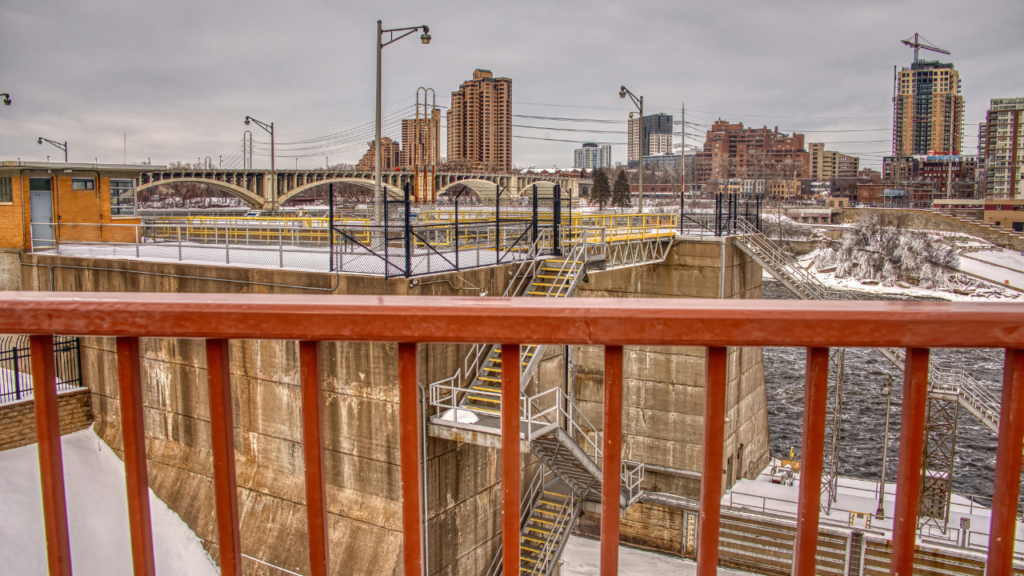
If you’re planning to buy a home in the Minneapolis-St. Paul metro area, chances are you’ve asked some version of this question: “Where can I still find an affordable home in the Twin Cities?” It’s one of the most common questions I hear from first-time buyers, relocating families, young professionals, and even longtime Minnesota residents looking to make a move. The Twin Cities housing market has changed significantly over the past decade. Many communities have experienced substantial appreciation, and buyers often worry they’ve missed their opportunity to find a home at a reasonable price. The reality is much more encouraging. While some Twin Cities suburbs have become increasingly expensive, there are still many communities that offer excellent value, attainable homeownership opportunities, and a high quality of life. The key is understanding where to look and knowing what factors matter most beyond just the listing price. Let’s explore some of the most affordable areas in the Twin Cities and why buyers continue to choose them. What Does Affordable Really Mean? Before discussing specific communities, let’s define affordability. For many buyers, affordability isn’t simply about finding the lowest-priced home. It’s about balancing: The cheapest home may not always provide the best value. Likewise, a slightly higher-priced home in a growing community may create better long-term opportunities. Affordability should always be viewed through the lens of your overall financial picture. Why Buyers Are Looking Beyond Minneapolis and St. Paul Many buyers initially focus their search on Minneapolis or St. Paul. However, as budgets become a consideration, they often begin exploring suburban and outer-ring communities. These areas frequently offer: For many households, the tradeoff is worth it. Cottage Grove: One of the Most Popular Affordable Options Cottage Grove continues to attract buyers looking for a balance of affordability and convenience. Located southeast of St. Paul, the community offers: Many buyers find they can purchase a larger home in Cottage Grove compared to some closer-in suburbs. The community has also experienced significant growth, making it attractive to both first-time buyers and growing families. Farmington: Value Without Sacrificing Community Farmington is another suburb that frequently appears on affordable housing searches. Buyers often appreciate: Many first-time buyers find Farmington offers opportunities that are increasingly difficult to find in higher-priced communities. Elk River: Space and Affordability Located northwest of Minneapolis, Elk River continues to attract buyers seeking: For buyers willing to commute a bit farther, Elk River often delivers significant value. Many homeowners appreciate the combination of affordability and quality of life. Otsego: Growing Fast for Good Reason Otsego has become one of the fastest-growing communities in the region. Why? Because buyers often find: Many relocation buyers are surprised by how much home they can afford in Otsego compared to other parts of the metro area. Big Lake: Affordable with Small-Town Appeal Big Lake offers a unique combination of affordability and convenience. Residents enjoy: For buyers who prioritize value and lifestyle, Big Lake is worth considering. Buffalo: Affordable and Growing Buffalo has become increasingly popular among buyers looking for: Although farther from downtown Minneapolis, many buyers believe the affordability tradeoff is worthwhile. Cambridge: A Budget-Friendly Alternative North of the metro area, Cambridge offers: Buyers who want to maximize their budget often include Cambridge in their search. Hastings: Historic Charm and Value Hastings combines affordability with character. Located along the Mississippi River, the community offers: Many buyers appreciate the unique feel of Hastings while still benefiting from relatively attainable housing prices. What About New Construction? One common misconception is that new construction is always expensive. While some luxury developments command premium pricing, many growing communities continue offering new construction opportunities at competitive price points. Areas such as: Often provide buyers with options that include: For some buyers, these benefits create long-term value. Commute Costs Matter One reason affordability can be tricky is that lower home prices often come with longer commutes. It’s important to consider: A lower mortgage payment doesn’t always mean a lower overall cost of living. Sometimes a slightly more expensive location closer to work may save money in other ways. School Districts and Affordability School districts often influence home values. Communities with strong school reputations frequently attract greater demand. That doesn’t mean affordable communities lack quality schools. Many budget-friendly suburbs continue investing heavily in education and community resources. It’s worth researching each district individually rather than relying on assumptions. What First-Time Buyers Often Prioritize Most first-time buyers focus on: The goal isn’t simply finding the cheapest property. It’s finding a home that supports long-term financial success. What Relocating Buyers Notice Most Many buyers moving from states like California, Washington, Colorado, and New York are pleasantly surprised by what their budget can purchase in the Twin Cities. Common observations include: This increased purchasing power is one reason Minnesota remains attractive to relocation buyers. Real Example Imagine a buyer moving from a high-cost housing market. Their budget may allow for a small condominium in their current city. In communities such as Elk River, Farmington, or Cottage Grove, that same budget may provide: For many buyers, that’s a significant lifestyle upgrade. Common Misconceptions Affordable Means Far Away Not necessarily. Several affordable communities remain within reasonable commuting distance of the Twin Cities. Affordable Means Lower Quality Many affordable communities offer excellent schools, parks, and amenities. New Construction Is Out of Reach Not always. Several growing suburbs continue offering attainable new construction opportunities. Frequently Asked Questions What is the most affordable Twin Cities suburb? There isn’t one answer, but communities such as Farmington, Otsego, Elk River, Big Lake, Buffalo, and Cottage Grove are often considered by budget-conscious buyers. Can I still buy a home in the Twin Cities on a budget? Yes. Opportunities still exist across many communities and price points. Are outer-ring suburbs worth considering? For many buyers, yes. They often provide more space and affordability. Is Minneapolis affordable compared to the suburbs? Some neighborhoods are, but many buyers find additional value in suburban communities. How do I choose the right affordable area? Consider your commute, budget, schools, lifestyle
Where Can I Live in Minnesota on a Budget? A 2026 Guide for Affordable Living

If you’re thinking about moving to Minnesota, buying your first home, or simply looking for a community that offers more value for your money, you’ve probably asked this question: “Where can I live in Minnesota on a budget?” It’s one of the most common questions I hear from first-time buyers, relocating families, young professionals, and even retirees. The good news is that Minnesota offers far more affordable options than many people realize. While headlines often focus on rising home prices, competitive markets, and housing shortages, there are still many communities throughout Minnesota where buyers can find excellent value without sacrificing quality of life. The challenge isn’t finding affordable places to live. The challenge is finding the right balance between affordability, commute times, schools, amenities, lifestyle, and long-term goals. Let’s explore some of the best budget-friendly places to live in Minnesota and what buyers should consider before making a move. What Does “Affordable” Mean? Before we talk about specific communities, it’s important to define affordability. The truth is that affordability means something different to everyone. For one buyer, affordable may mean: For another, it may mean: For another, it may mean: Affordability isn’t just about purchase price. It also includes: The most affordable home isn’t always the least expensive home. Sometimes a slightly higher purchase price creates better long-term value. Why Minnesota Offers Strong Value One reason many people relocate to Minnesota is because the state offers a balance that’s becoming harder to find in many parts of the country. Minnesota combines: Compared to many coastal markets, buyers often find more housing options within their budget. For many families, that creates opportunities to achieve homeownership sooner. Affordable Communities Near the Twin Cities Many buyers want affordability without being too far from Minneapolis or St. Paul. Fortunately, several communities provide a strong combination of value and accessibility. Buffalo Located west of the Twin Cities, Buffalo is often popular with buyers seeking: Buffalo offers a strong sense of community while still providing access to the metro area. Elk River Elk River continues to attract buyers looking for: Many first-time buyers find Elk River offers good value compared to some closer-in suburbs. Otsego Otsego has experienced significant growth in recent years. Buyers are often drawn to: For buyers seeking newer homes, Otsego frequently appears on the shortlist. Big Lake Big Lake offers: It remains a popular choice for buyers looking to maximize value. Affordable Southern Metro Communities The southern portion of the Twin Cities metro also offers several communities worth exploring. Farmington Farmington has become increasingly popular among budget-conscious buyers. Benefits include: Many buyers appreciate the balance between affordability and convenience. New Prague Although slightly farther from the urban core, New Prague attracts buyers seeking: The community continues to appeal to families looking for space and value. Belle Plaine Belle Plaine offers a quieter lifestyle while maintaining reasonable access to larger employment centers. Many buyers find that their housing budget stretches further here. Affordable Communities East of the Twin Cities Cottage Grove Cottage Grove remains one of the more popular options for buyers seeking value. Residents often appreciate: Hastings Hastings combines: It’s often overlooked by out-of-state buyers but deserves consideration. Affordable Communities North of the Twin Cities Cambridge Cambridge offers: Many buyers looking for affordability without moving too far from the metro area explore Cambridge. Zimmerman Zimmerman has become increasingly attractive for buyers seeking: What About Living Outside the Metro? Some of Minnesota’s best values exist outside the Twin Cities entirely. Communities throughout Greater Minnesota often provide: Examples include: Each city offers a different lifestyle and employment environment. How Commute Costs Affect Affordability One common mistake buyers make is focusing only on the purchase price. For example: A home may cost less farther from the metro area. However, additional commuting expenses may include: It’s important to evaluate the full financial picture. Sometimes a slightly more expensive home closer to work creates better overall value. New Construction vs Existing Homes Buyers searching for affordability often assume older homes are always cheaper. That’s not necessarily true. New construction communities in areas like: May offer attractive financing incentives and lower maintenance costs. Meanwhile, older homes may require updates or repairs. Evaluating total ownership costs is important. What First-Time Buyers Often Prioritize Many first-time buyers focus on: The goal isn’t simply buying the cheapest house. It’s finding a home that supports long-term financial stability. What Relocating Families Often Notice Families moving from states like California, Washington, Colorado, or New York often experience sticker shock—in a good way. Many discover they can afford: This is one reason Minnesota continues attracting relocation buyers. Real Example Imagine a family relocating from a high-cost market. Their budget allows for a small condo where they currently live. In Minnesota, that same budget may provide: This type of value proposition drives many relocation decisions. Common Misconceptions Affordable Means Remote Not true. Many affordable communities are located within commuting distance of the Twin Cities. Cheap Homes Are Always Better Deals Value matters more than price alone. Every Suburb Is Expensive Minnesota suburbs offer a wide range of price points. Frequently Asked Questions What is the most affordable place to live near Minneapolis? Communities like Buffalo, Elk River, Otsego, Farmington, and Big Lake are often explored by budget-conscious buyers. Can I buy a home in Minnesota on a modest income? Many buyers successfully purchase homes throughout Minnesota at various income levels. Are rural areas significantly cheaper? Sometimes, but lifestyle and commute considerations should also be evaluated. Is Minnesota affordable compared to other states? Many buyers relocating from higher-cost regions believe so. How can I find the best value? Work with a local expert who understands both pricing and long-term market trends. Final Thoughts Minnesota offers a wide range of affordable communities for buyers at different stages of life. Whether you’re a first-time buyer, relocating family, retiree, or simply looking for better value, there are many places where your housing dollars can stretch further. The key is looking beyond price alone and evaluating the complete picture:
What Hidden Costs Come With New Construction Homes in Minnesota? (2026 Homebuyer Guide)

One of the biggest surprises for many homebuyers isn’t the purchase price of a new construction home. It’s everything that comes after. Many buyers walk into a beautiful model home, see the advertised starting price, and assume that’s close to what they’ll ultimately spend. Then reality sets in. The lot they want costs extra. The kitchen they love isn’t standard. The backyard is dirt. The blinds aren’t included. The deck isn’t included. The finished basement isn’t included. And suddenly, the final investment looks very different from the number that originally caught their attention. This doesn’t mean new construction is a bad financial decision. In fact, many Minnesota buyers absolutely love building a home. The key is understanding the full picture before signing a contract. Let’s walk through some of the most common hidden costs that buyers encounter when building a new home in Minnesota. The Model Home Is Usually Not the Base Price This is one of the most common misunderstandings in new construction. Builders design model homes to showcase the best possible version of a floor plan. When you walk through a model home, you’re often seeing: Many buyers assume everything they see is included. In reality, some model homes contain tens of thousands of dollars in upgrades. Before falling in love with a model, ask: “What exactly is included in the base price?” That question alone can prevent major surprises. Lot Premiums Can Add Thousands Not all homesites are priced equally. Builders often charge additional fees for desirable lots. Examples include: Depending on the community, lot premiums can range from a few thousand dollars to significantly more. Many buyers don’t learn about these costs until after selecting their preferred homesite. Design Center Upgrades Add Up Quickly The design center is where many budgets expand. At first, every decision feels small. A slightly better countertop. A nicer cabinet style. A flooring upgrade. An upgraded staircase. A larger kitchen island. Individually, these upgrades may seem reasonable. Combined, they can dramatically increase the final purchase price. This is why setting a design budget before your appointment is so important. Appliances May Not Be Included Some builders include appliance packages. Others don’t. Depending on the builder, you may need to purchase: Many buyers budget carefully for their mortgage but forget to account for these additional expenses. Always ask exactly what appliances are included. Window Treatments Are Often Missing When you move into a resale home, blinds and window coverings are usually already installed. With new construction, that isn’t always the case. Many buyers move into a beautiful new home only to realize every window is uncovered. Depending on the size of the home, window treatments can become a significant expense. This is a frequently overlooked cost. Landscaping May Not Be Finished Many model homes feature beautiful landscaping. What buyers sometimes forget is that those professionally landscaped model homes aren’t necessarily representative of what comes with the home. Depending on the builder, your yard may initially include: You may still need: These costs can add up quickly. Decks, Patios, and Outdoor Spaces Minnesota homeowners love outdoor living. Unfortunately, many new homes don’t automatically include outdoor living features. You may need to budget separately for: Buyers are often surprised by how much these projects cost after closing. Fencing Costs Families with children and pet owners frequently plan to install fencing after moving in. However, fencing costs are rarely included in the builder’s pricing. Depending on: Fencing can represent a meaningful additional expense. It’s wise to plan ahead. Homeowner Association Fees Many new developments in Minnesota include homeowner associations. HOA fees may cover: While these services can be valuable, they also represent an ongoing monthly or annual expense. Buyers should understand both current and potential future HOA costs. Property Taxes May Increase One hidden cost many buyers don’t anticipate is property taxes. During the construction process, tax estimates may be based on: Once the home is fully assessed, taxes often increase. This doesn’t mean taxes are unfair. It simply means buyers should understand how future assessments may affect monthly housing costs. Closing Costs Still Exist Some buyers mistakenly assume new construction eliminates closing costs. It doesn’t. Typical closing costs may include: Builder incentives may help offset some of these expenses, but buyers should still plan accordingly. Utility Startup Costs Moving into a new home often means setting up: These aren’t massive expenses individually, but they contribute to the overall cost of homeownership. Additional Storage Solutions Model homes are professionally organized. After moving in, buyers often realize they need: These projects are rarely included but often become priorities after move-in. Basement Finishing Many Minnesota builders offer unfinished basements. An unfinished basement may be perfectly acceptable initially. However, many families eventually decide to add: Future basement finishing can become one of the largest post-purchase expenses. Maintenance Equipment New homeowners frequently overlook practical purchases such as: These aren’t glamorous purchases, but they’re often necessary. Minnesota seasons demand preparation. Furniture Costs A larger home often requires additional furniture. Many buyers upgrade from: Suddenly they need: These expenses aren’t part of the mortgage but still affect the budget. Smart Home Features and Technology Many builders include basic smart home features. However, buyers often choose to expand their systems with: Technology upgrades can become another unexpected expense. Why Budgeting Beyond the Purchase Price Matters The smartest buyers don’t focus only on the sales price. They look at: A home that feels affordable on paper can become stressful if post-closing expenses weren’t considered. Real Example Imagine two buyers purchasing identical homes. Buyer A budgets only for the purchase price. Buyer B budgets for: Both buy the same home. But Buyer B feels far more prepared because expectations were realistic from the beginning. Questions to Ask Before Signing a Builder Contract Before committing to a new construction home, ask: The answers can help you create a much more accurate budget. Frequently Asked Questions Are new construction homes more expensive than resale homes? Not always, but buyers should account for additional costs beyond