
What Is the Cost of Living in Minnesota Suburbs? A 2026 Guide for Homebuyers and Relocating Families

If you’re thinking about moving to Minnesota, there’s a good chance you’ve spent time looking at suburbs around Minneapolis and St. Paul. And one of the first questions people ask is: “What does it actually cost to live in the suburbs?” It’s a smart question. Many people relocating to Minnesota assume suburban living automatically means higher costs. Others believe moving farther away from the city guarantees affordability. The truth usually falls somewhere in the middle. Minnesota suburbs offer a wide range of lifestyles, housing options, school districts, amenities, and price points. Some communities are known for luxury homes and executive neighborhoods. Others attract first-time buyers looking for affordability and value. The good news is that most buyers can find a Minnesota suburb that fits their budget if they understand what factors influence the true cost of living. Let’s take a realistic look at what it costs to live in Minnesota suburbs and what buyers should consider before choosing a community. Why So Many People Choose the Suburbs For decades, suburban living has been one of the most popular choices for Minnesota homeowners. People are often attracted to suburbs because they offer: For many families, the suburbs provide a balance between convenience and lifestyle. You can often enjoy access to major employment centers while still having more room to spread out. Housing Is Usually Your Biggest Expense When discussing cost of living, housing is usually the largest monthly expense. The good news is that Minnesota suburbs offer tremendous variety. You’ll find: The suburb you choose will have a major impact on your monthly housing costs. For example, communities closer to downtown Minneapolis or St. Paul may command higher prices due to location and convenience. Meanwhile, outer-ring suburbs may offer more square footage for the same budget. First-Ring vs Outer-Ring Suburbs Not all suburbs are the same. Minnesota suburbs are often categorized by proximity to the Twin Cities. First-Ring Suburbs These communities are located closest to Minneapolis and St. Paul. Examples include: Benefits often include: However, housing costs can sometimes be higher because of demand and limited inventory. Outer-Ring Suburbs Examples include: Benefits often include: Many buyers find their housing dollars stretch further in these areas. Property Taxes Matter One factor many relocating buyers overlook is property taxes. When comparing homes, it’s important to evaluate: Two homes with similar prices may have different ownership costs because of tax differences. Taxes vary by city, county, school district, and property characteristics. That’s why it’s important to look beyond the listing price alone. Utilities in Minnesota Suburbs Utilities are another cost homeowners should consider. Common utility expenses include: Many suburban homes are larger than urban condos or apartments. As a result, utility costs may vary depending on: Newer homes often benefit from improved insulation and energy-efficient systems. Transportation Costs One advantage of suburban living is access to more housing options. One tradeoff can be transportation. Many suburban residents commute to work. Transportation expenses may include: The impact depends largely on where you work and how frequently you commute. For some households, a longer commute is worth the additional space and affordability. For others, proximity becomes more important. Grocery and Everyday Costs One pleasant surprise for many newcomers is that everyday living expenses tend to remain relatively manageable throughout much of Minnesota. Most suburban communities provide easy access to: Competition among businesses often helps keep costs reasonable. School Districts Can Influence Housing Costs Even buyers without children often pay attention to school districts. Why? Because school district reputation can influence: Communities known for highly regarded schools often experience stronger buyer demand. That demand can affect housing prices. Popular Minnesota Suburbs for Value Many buyers searching for affordability explore communities such as: Each community offers a unique balance of affordability, amenities, and lifestyle. The right fit depends on your goals. What Relocating Families Often Notice Families moving from higher-cost states frequently comment on the amount of space available in Minnesota suburbs. For example, buyers relocating from: Often discover they can purchase: For many families, this creates significant value. Recreation Adds Value Minnesota suburbs are known for outdoor amenities. Many communities offer: These amenities contribute to quality of life without requiring expensive memberships or travel. Many residents consider this one of the hidden benefits of suburban living. New Construction Opportunities Minnesota continues to experience suburban growth. As a result, many communities offer new construction neighborhoods. Benefits may include: For some buyers, these advantages justify slightly higher purchase prices. What Surprises New Residents Most Many people expect suburban life to feel disconnected from major amenities. Instead, they often discover: Minnesota suburbs often provide a blend of convenience and space that attracts a wide range of buyers. Real Example Imagine a family relocating from a major metropolitan area. Their budget allows for a modest home near the city center where they currently live. In many Minnesota suburbs, that same budget may provide: This is one reason many relocating families find strong value in suburban communities. Common Misconceptions All Minnesota Suburbs Are Expensive Not true. Many communities offer affordable housing opportunities. Living Farther Out Is Always Cheaper Not necessarily. Some outer-ring communities are highly desirable and command premium prices. Property Taxes Are the Only Cost That Matters Housing costs, transportation, utilities, and lifestyle expenses all contribute to affordability. Frequently Asked Questions Are Minnesota suburbs affordable? Many are, especially compared to larger metropolitan areas in other states. What is the most affordable suburb near Minneapolis? Affordability varies, but communities such as Farmington, Otsego, Buffalo, and Elk River are often explored by budget-conscious buyers. Are suburban homes larger? In many cases, yes. Buyers often find larger homes and lots compared to urban neighborhoods. Is suburban living cheaper than living in Minneapolis? It depends on the suburb, housing type, commute, and lifestyle preferences. What is the biggest cost of suburban living? Housing is typically the largest expense for most households. Final Thoughts The cost of living in Minnesota suburbs depends on where you choose to live, how much space you want, and the
Is Minnesota Affordable Compared to Other States? A 2026 Relocation Guide

If you’re considering a move to Minnesota, one of the first questions you’ll probably ask is: “Can I actually afford to live there?” It’s a fair question. Whether you’re relocating from California, Texas, Florida, Illinois, or somewhere else entirely, the cost of living can have a major impact on your quality of life. The good news is that Minnesota often surprises people. Many newcomers expect Minnesota to be expensive because of its strong economy, highly rated schools, growing job market, and excellent quality of life. While there are certainly expensive areas throughout the state, many people find that their money stretches further in Minnesota than it does in other parts of the country. The answer isn’t as simple as saying Minnesota is cheap or expensive. Like most states, affordability depends on where you’re moving from, where you’re moving within Minnesota, your housing goals, and your lifestyle expectations. Let’s take a realistic look at how Minnesota compares to other states and what you can expect if you’re considering a move here in 2026. The Short Answer For many people, Minnesota offers a strong balance between affordability and quality of life. Compared to many coastal states, housing costs are often lower. Compared to many lower-cost states, Minnesota frequently offers stronger wages, better infrastructure, and access to more public services. That combination is one reason so many families, professionals, and retirees continue relocating to Minnesota each year. Housing Is Usually the Biggest Factor When people talk about affordability, they’re usually talking about housing. Housing tends to be the largest monthly expense for most households. This is where Minnesota often compares favorably to many other parts of the country. For example, someone moving from: May discover significantly more housing options within their budget. The difference can be substantial. Many buyers who felt priced out of certain metro areas elsewhere are surprised by the variety of housing options available throughout Minnesota. Minnesota vs California This is one of the most common relocation conversations. Many Californians are shocked by what their housing budget can buy in Minnesota. For example: A home budget that might purchase a smaller condo in parts of California may provide access to: That doesn’t mean every Minnesota market is inexpensive. However, housing affordability is often one of the biggest reasons Californians relocate. Minnesota vs Texas Texas has long been viewed as an affordable state. However, many newcomers discover that affordability isn’t just about housing prices. Property taxes, insurance costs, infrastructure, utilities, and commuting expenses all matter. Depending on location, some families find the overall financial difference between Texas and Minnesota smaller than expected. Minnesota also offers benefits that some relocating families prioritize, including strong public schools and extensive parks and recreation systems. Minnesota vs Florida Florida continues attracting residents from across the country. However, rising insurance costs have become a major consideration for many homeowners. Some buyers moving from Florida are surprised to learn that Minnesota can offer a more predictable ownership experience in certain areas. While winter is certainly a factor, many homeowners appreciate avoiding some of the weather-related expenses that can impact coastal markets. Minnesota vs Illinois Many Illinois residents relocating north find Minnesota offers a similar Midwestern lifestyle with strong economic opportunities and desirable communities. Housing costs vary by market, but many Twin Cities suburbs compare favorably with larger metropolitan areas throughout Illinois. Affordability Isn’t Just About Home Prices One of the biggest mistakes people make when comparing states is focusing only on home values. True affordability includes: A lower home price doesn’t always mean a lower overall cost of living. That’s why it’s important to evaluate the full financial picture. The Twin Cities Offer Variety One advantage Minnesota offers is choice. Within the Twin Cities metro area alone, buyers can find: Different locations create different price points. Someone looking for maximum affordability may choose differently than someone prioritizing walkability or a shorter commute. This flexibility helps many buyers find communities that fit both their budget and lifestyle. Strong Employment Helps Offset Costs Minnesota has historically benefited from a diverse economy. Major industries include: Strong employment opportunities can play a significant role in affordability. Income matters just as much as expenses. Many relocating professionals find Minnesota’s job market to be a positive factor when evaluating overall value. What Surprises Many New Residents One thing newcomers often mention is the quality of public amenities. Minnesota is known for: Many of these amenities enhance quality of life without dramatically increasing household spending. It’s one of the reasons residents often feel they’re receiving strong value for their tax dollars. The Cost of Transportation Transportation expenses vary depending on where you live. Urban residents may enjoy: Suburban residents may prioritize: Every household’s transportation budget will look slightly different. Utilities and Seasonal Costs Let’s address the obvious topic: Winter. Yes, Minnesota winters can increase heating expenses. However, many residents find these seasonal costs manageable because homes are built and maintained with cold-weather conditions in mind. Newcomers often discover that winter is less intimidating than they expected once they’re properly prepared. Affordability Depends on Lifestyle Two families can live in the same city and have very different financial experiences. Consider: Family A: Family B: Lifestyle choices influence affordability as much as location. Popular Affordable Areas Many buyers searching for value explore communities throughout: Each area offers different advantages, price points, and lifestyle opportunities. The best fit depends on your goals. Real Example Imagine a family relocating from Southern California. Their housing budget allows for a small condo near their current workplace. In Minnesota, that same budget may provide access to: While every situation is unique, this is one reason affordability conversations often favor Minnesota. Common Misconceptions Minnesota Is Cheap Not necessarily. Some areas are highly desirable and command premium prices. Minnesota Is Expensive Also not necessarily. Many communities remain accessible compared to major coastal markets. Winter Makes Everything More Expensive Winter creates certain costs, but many residents find those expenses manageable and predictable. Frequently Asked Questions Is Minnesota cheaper than California? For many housing-related
How Do I Counteroffer Strategically When Selling My Home in Minnesota? (2026 Seller Guide)
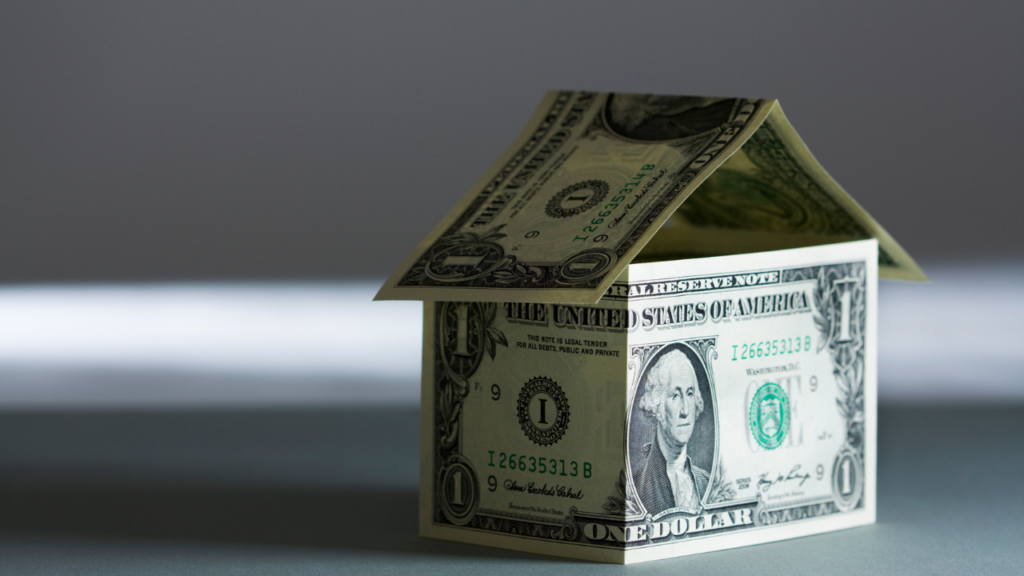
Receiving an offer on your home is exciting. It means a buyer sees value in your property and wants to move forward. But what happens when the offer isn’t exactly what you hoped for? Maybe the price is lower than expected. Maybe the closing timeline doesn’t work for you. Maybe the buyer is asking for concessions or including contingencies that make you uncomfortable. This is where the counteroffer comes into play. For many Minnesota sellers, counteroffers feel intimidating. There’s often a fear of asking for too much and losing the buyer. Others worry about leaving money on the table by accepting too quickly. The truth is that counteroffers are one of the most common parts of a real estate transaction. In fact, many successful home sales involve at least one round of negotiation. The key is learning how to counteroffer strategically. A strong counteroffer can help you improve your position while keeping the buyer engaged and moving toward a successful closing. If you’re selling your home in Minnesota, here’s what you should know. What Is a Counteroffer? A counteroffer is a response to a buyer’s offer that changes one or more terms of the contract. Instead of accepting or rejecting the offer outright, the seller proposes different terms. Common counteroffer changes include: A counteroffer keeps the conversation going. It’s essentially the seller saying: “I’m interested, but I’d like to adjust a few things.” Why Sellers Use Counteroffers Not every offer arrives perfectly aligned with your goals. Counteroffers allow sellers to: Rather than walking away from an otherwise strong buyer, a counteroffer creates an opportunity to find common ground. Don’t Assume Every Offer Needs a Counteroffer This may sound surprising. Many sellers assume they should always counter. That’s not necessarily true. Sometimes the initial offer is already strong. For example, if a buyer offers: The best decision may be acceptance rather than negotiation. A counteroffer should have a purpose. It shouldn’t happen simply because negotiating feels expected. Understand Your Priorities First Before responding to any offer, identify what matters most. Ask yourself: Without clear priorities, it’s difficult to negotiate effectively. Successful counteroffers focus on the issues that truly matter. Price Is Only One Piece of the Puzzle Many homeowners immediately focus on the purchase price. While price is important, it isn’t the only negotiable item. Sometimes sellers gain more value by adjusting: A well-structured contract often creates more value than a slightly higher purchase price alone. Avoid Emotional Negotiations Selling a home can feel personal. After all, you’ve invested: When buyers submit offers below expectations, some sellers feel insulted. Others become defensive. The best negotiations remain focused on facts. Remember: The buyer isn’t judging you. They’re evaluating a real estate investment. Keeping emotions in check helps you make stronger decisions. Counter Realistically One of the biggest mistakes sellers make is issuing unrealistic counteroffers. Imagine your home is listed at $500,000. A buyer offers $490,000. Instead of countering at $495,000, the seller demands $530,000. That kind of response may immediately discourage the buyer. Strategic counteroffers feel reasonable and achievable. The goal is keeping the buyer engaged. Timing Matters Prompt responses help maintain momentum. When negotiations drag on for days without communication, buyers may: You don’t need to rush. But you do want to remain responsive. Momentum often contributes to successful outcomes. Understand Buyer Motivation Strong negotiators try to understand what the buyer wants. Questions to consider include: The more you understand buyer priorities, the easier it becomes to structure an effective counteroffer. Common Counteroffer Strategies Adjusting Price This is the most common approach. If a buyer offers less than expected, the seller may respond with a higher number. Simple and straightforward. Adjusting Closing Dates Sometimes timeline flexibility creates value for both parties. A small adjustment can solve major logistical challenges. Increasing Earnest Money A larger earnest money deposit may provide additional confidence. It signals commitment from the buyer. Limiting Concessions Rather than reducing the purchase price, sellers sometimes negotiate seller-paid expenses or credits. Clarifying Contingencies Reducing uncertainty can strengthen the transaction. What Happens After You Counter? Once you submit a counteroffer, the buyer has options. They may: Negotiations often involve several rounds. That’s normal. The goal is finding terms both parties can accept. Multiple Offers Change the Strategy Counteroffers become more complex when multiple buyers are involved. In these situations, sellers may choose to: Every situation is unique. The strategy depends on market conditions and seller objectives. Be Careful About Over-Negotiating Many sellers focus heavily on squeezing out every possible dollar. While maximizing value is important, there’s a point where excessive negotiation may create unnecessary risk. Imagine losing a qualified buyer over a relatively small difference. That outcome may ultimately cost more than it saves. The goal is achieving a strong result—not necessarily a perfect one. Real Example Suppose a seller receives an offer for $475,000. The seller hoped for $485,000. Instead of rejecting the offer, the seller counters at $482,500. The buyer responds at $480,000. The seller accepts. Both parties feel heard. The transaction moves forward. This is how many successful negotiations actually unfold. Not through confrontation. Through collaboration. Questions Sellers Should Ask Before Countering Before responding, consider: These questions help keep negotiations grounded in strategy rather than emotion. Common Seller Mistakes Countering Every Offer Automatically Not every offer requires negotiation. Focusing Only on Price Terms, timelines, and contingencies matter too. Taking Low Offers Personally Business decisions produce better outcomes than emotional reactions. Assuming Another Buyer Is Coming Future opportunities aren’t guaranteed. Evaluate the buyer currently in front of you. Frequently Asked Questions Can a buyer reject my counteroffer? Yes. Buyers can accept, reject, or submit another counteroffer. How many counteroffers are normal? Every transaction is different. Some involve one counteroffer, while others involve several rounds. Should I counter a low offer? It depends on the offer strength and your goals, but many sellers choose to negotiate rather than reject outright. Can I change terms besides price? Absolutely. Many counteroffers focus on timelines, contingencies, and other contract terms. What if
Should I Accept a Cash Offer Over a Financed Offer When Selling My Home in Minnesota? (2026 Seller Guide)

If you’re selling your home in Minnesota and reviewing offers, few words grab a seller’s attention faster than: “Cash Offer.” Many homeowners immediately assume a cash offer is automatically the best offer. After all, no lender is involved. No mortgage approval is needed. No financing contingency exists. It sounds simple, fast, and secure. But here’s what surprises many sellers: A cash offer isn’t always the strongest offer. And it isn’t always the offer that puts the most money in your pocket. Sometimes a financed buyer offers significantly more than a cash buyer. Other times, the certainty and convenience of a cash offer outweigh a higher financed offer. The right choice depends on the details. If you’re trying to decide between a cash offer and a financed offer, here’s what you should know before making a decision. What Is a Cash Offer? A cash offer means the buyer intends to purchase the property without obtaining a mortgage. Instead of borrowing money from a lender, the buyer uses their own available funds to complete the purchase. The funds may come from: Because no lender is involved, the transaction often becomes simpler. However, sellers should remember that “cash” doesn’t necessarily mean the buyer is carrying around a suitcase full of money. It simply means financing is not required. Why Sellers Like Cash Offers There are several reasons cash offers are attractive. Fewer Moving Parts A financed transaction involves: Cash offers eliminate many of these steps. Fewer steps often mean fewer opportunities for delays. Faster Closings Cash buyers can often close more quickly because lender timelines don’t apply. In some situations, a cash transaction may close in days rather than weeks. This can be particularly appealing to sellers who need: Reduced Financing Risk One of the most common reasons transactions fail is financing. Buyers may: A true cash offer removes much of that risk. Cash Doesn’t Mean Contingency-Free This is an important distinction. Many sellers assume cash buyers waive all contingencies. That’s not necessarily true. Cash buyers may still include: Just because an offer is cash doesn’t mean it’s risk-free. Always review the entire contract. Proof of Funds Matters Whenever a buyer submits a cash offer, sellers should request proof of funds. This documentation typically verifies that sufficient funds are available to complete the purchase. Examples may include: Without proof of funds, a cash offer is simply a promise. Verification matters. Why Financed Offers Sometimes Win Many sellers are surprised to learn that financed offers frequently beat cash offers. Why? Because financed buyers often offer more money. Imagine this scenario: Offer A: Offer B: The financed buyer may ultimately provide a better financial outcome. This is why evaluating the entire offer matters. Strong Financing Can Be Very Competitive Not all financed offers carry the same level of risk. Some buyers are extremely well qualified. They may have: A highly qualified financed buyer can create confidence similar to a cash buyer. Appraisals Can Affect Financed Offers One difference between cash and financed transactions involves appraisals. Most lenders require an appraisal. If the property appraises below the purchase price, complications may arise. Potential outcomes include: Cash buyers may choose whether or not to obtain an appraisal. Financed buyers usually don’t have that flexibility. When Cash Offers May Make More Sense There are situations where cash offers become especially attractive. The Seller Needs Speed If timing is critical, a cash offer may help accelerate the process. The Property Has Unique Challenges Certain properties may present financing difficulties. Examples may include: Cash buyers may be more willing to move forward. The Seller Values Certainty Some sellers prioritize: In these cases, a cash offer may be appealing even if it’s slightly lower. When a Financed Offer May Be Better Other situations favor financed buyers. Significant Price Difference If a financed buyer offers substantially more, the financial benefit may outweigh the additional complexity. Strong Buyer Qualifications A highly qualified buyer may present minimal financing concerns. Favorable Terms Financed offers sometimes include: The overall package matters. What About Multiple Offers? In multiple-offer situations, cash often creates a competitive advantage. However, it still doesn’t guarantee success. Sellers may compare: The strongest offer isn’t always determined by a single factor. How Risk Should Influence Your Decision Every offer contains some degree of risk. The question isn’t: “Which offer is perfect?” The better question is: “Which offer provides the best balance of price, certainty, and convenience?” For some sellers, maximizing proceeds is the priority. For others, reducing uncertainty matters more. Neither approach is wrong. Real Example Imagine you’re selling your home and receive two offers. Offer One: Offer Two: Which offer should you choose? The answer depends on your goals. If speed is critical, the cash offer may be attractive. If maximizing proceeds is the priority, the financed offer may deserve serious consideration. This is why every situation should be evaluated individually. Common Seller Mistakes Assuming Cash Automatically Wins Cash is attractive, but it’s not automatically superior. Ignoring Price Differences A significant price difference deserves careful evaluation. Overlooking Buyer Strength Not all financed buyers carry the same risk. Focusing on One Factor The strongest offers balance multiple considerations. Questions Sellers Should Ask Before accepting either offer, ask: These questions often clarify the decision. Frequently Asked Questions Is a cash offer always better? No. Cash offers provide advantages, but financed offers may offer higher prices or better terms. Can a cash offer still fall through? Yes. Cash buyers may still have contingencies or change their plans. Should I accept a lower cash offer? It depends on the price difference, your priorities, and the overall contract strength. Do cash buyers need appraisals? Not necessarily. Cash buyers may choose whether to obtain an appraisal. How can I verify a cash buyer? Request proof of funds before accepting the offer. Final Thoughts Cash offers often provide speed, simplicity, and reduced financing risk. Those advantages can be valuable. However, they don’t automatically make a cash offer the best offer. The strongest offer is the one that best aligns
What Happens If an Offer Falls Through When Selling a Home in Minnesota? (2026 Seller Guide)

One of the biggest fears homeowners have after accepting an offer is hearing the words: “The deal fell apart.” After all the preparation, showings, negotiations, paperwork, and excitement, it can feel like you’re back at square one. The good news is that a failed transaction does not necessarily mean your home won’t sell. In fact, deals falling apart is more common than many sellers realize. Most real estate transactions close successfully, but there are situations where buyers walk away, financing falls through, contingencies aren’t satisfied, or unexpected issues emerge. If you’re selling your home in Minnesota, understanding why offers fall through and knowing what to do next can help you navigate the situation with confidence. Let’s take a closer look at what happens when a transaction doesn’t make it to the closing table. First, Understand That Not Every Accepted Offer Closes Many sellers assume that once they accept an offer, the hard part is over. In reality, accepting an offer is only the beginning of the next phase. Between contract acceptance and closing, several important milestones still need to occur. These may include: Until those steps are completed, there is still some level of uncertainty. This is why experienced real estate professionals often say: “A deal isn’t done until it closes.” Why Offers Fall Through There isn’t one single reason transactions fail. There are several common causes. Understanding them can help sellers evaluate future offers more effectively. Inspection Issues One of the most common reasons deals fall apart is the home inspection. After the buyer conducts an inspection, they may discover concerns involving: Sometimes buyers request repairs. Sometimes they request credits. Occasionally the parties cannot reach an agreement. When that happens, the buyer may choose to terminate the contract if the contingency allows it. Financing Problems Even buyers with pre-approval letters can encounter financing challenges. Examples include: Most buyers don’t intentionally create financing issues. However, lenders verify information throughout the process, and circumstances can change. Low Appraisals In competitive markets, buyers sometimes offer more than asking price. While that’s exciting for sellers, the lender still requires an appraisal. If the property appraises below the contract price, several things can happen: Low appraisals don’t automatically kill deals, but they can create complications. Home Sale Contingencies Some buyers need to sell their current home before purchasing yours. If their home doesn’t sell, their transaction may be delayed or canceled. This is one reason sellers carefully evaluate home sale contingencies before accepting an offer. The success of your transaction may depend on another transaction entirely. Cold Feet It doesn’t happen often, but occasionally buyers simply change their minds. Buying a home is a major financial decision. Stress, uncertainty, or personal circumstances can sometimes lead buyers to reconsider. While contracts provide legal protections, buyer emotions occasionally affect transactions. Title Issues Most title work proceeds smoothly. However, unexpected issues occasionally appear. Examples may include: Most title issues can be resolved, but they sometimes delay or derail a transaction. What Happens After a Deal Falls Through? Many sellers immediately assume they’re starting over from scratch. That’s not always true. In many cases, your home simply returns to active status. Depending on the circumstances, several opportunities may still exist. Other Interested Buyers May Still Exist This is especially true in competitive markets. If your home received significant interest before accepting the offer, there may be: A failed transaction doesn’t necessarily eliminate demand. Sometimes another buyer emerges quickly. Backup Offers Can Be Valuable One reason many sellers consider backup offers is because transactions occasionally fall apart. A backup offer creates a secondary position. If the primary contract fails, the backup buyer may move into first position without requiring the home to return fully to the market. Not every seller receives backup offers, but when available, they can provide peace of mind. Does a Failed Sale Hurt Your Listing? Many sellers worry that buyers will assume something is wrong if a deal falls through. Sometimes buyers do ask questions. However, context matters. For example: A financing failure is very different from a major inspection issue. Future buyers may want to understand what happened, but a failed transaction doesn’t automatically damage your home’s marketability. Communication Matters When a contract falls apart, transparency is important. Your real estate agent can help communicate appropriately with future buyers while maintaining compliance with disclosure requirements. The goal is maintaining credibility and confidence in the marketplace. How Sellers Can Reduce the Risk of Failed Transactions While no transaction is risk-free, certain strategies may reduce the likelihood of problems. Evaluate Financing Carefully Review: Stronger financing often creates greater confidence. Understand Contingencies Contingencies are important protections, but they also introduce uncertainty. Make sure you understand: The fewer surprises, the better. Prepare Your Home Addressing obvious issues before listing can reduce inspection-related complications. Simple maintenance items may help create a smoother transaction. Price Realistically Overpricing may increase appraisal risk. Proper pricing often improves overall transaction stability. Real Example Imagine a seller accepts an offer at $500,000. Everything appears to be moving smoothly. Then the buyer’s financing falls apart two weeks before closing. The seller feels frustrated. However, because the home generated strong interest initially, another buyer submits an offer shortly after the property returns to active status. The transaction closes successfully a few weeks later. While the delay was inconvenient, the failed offer didn’t prevent the ultimate sale. Emotional Reactions Are Normal A failed transaction can feel personal. Many sellers experience: Those feelings are understandable. But it’s important to remember: Most failed transactions result from circumstances rather than personal attacks on the seller or property. Staying focused on solutions is usually the best path forward. Questions Sellers Should Ask If an offer falls through, consider asking: The answers can help shape your next steps. Frequently Asked Questions How common is it for an offer to fall through? Most transactions close successfully, but failed contracts do occur for various reasons. Do sellers keep earnest money if a deal falls apart? It depends on the contract terms and the
How Do Contingencies Affect My Sale When Selling a Home in Minnesota? (2026 Seller Guide)

When you receive an offer on your home, the price is usually the first thing you notice. That makes sense. But once you look closer, you’ll see another part of the offer that matters just as much: The contingencies. Contingencies are conditions that must be satisfied before the sale can move forward to closing. Some contingencies are normal. Some are negotiable. Some create very little concern. Others can add risk, delays, or uncertainty to your sale. If you’re selling your home in Minnesota, understanding contingencies can help you evaluate offers more confidently and avoid surprises after accepting one. What Is a Contingency? A contingency is a condition written into the purchase agreement that protects the buyer or seller if something specific does not happen. For example: A buyer may agree to purchase your home, but only if: If the contingency is not satisfied, the buyer may have options depending on the contract language. That could include renegotiating, requesting repairs, or canceling the agreement. Why Contingencies Matter to Sellers Contingencies affect the certainty of your sale. An offer with fewer contingencies may create a smoother path to closing. An offer with more contingencies may involve more steps, more deadlines, and more opportunities for complications. This doesn’t mean contingencies are bad. Most buyers use them for legitimate protection. But as a seller, you need to understand what each contingency means before accepting an offer. Inspection Contingency The inspection contingency is one of the most common contingencies in real estate. It allows the buyer to inspect the property after the offer is accepted. During the inspection period, the buyer may identify concerns such as: After the inspection, the buyer may request repairs, credits, price adjustments, or further negotiations. How Inspection Contingencies Affect Sellers Inspection contingencies can affect sellers because they may reopen negotiations after the offer is accepted. Even if you believe your home is in great condition, buyers may still find items they want addressed. This is why preparation matters. Before listing, it can be helpful to address obvious issues such as: Small repairs before listing may reduce inspection concerns later. Financing Contingency A financing contingency protects the buyer if they are unable to obtain mortgage approval. Most financed offers include some form of financing contingency. From a seller’s perspective, financing strength matters. A buyer with a strong pre-approval, stable income, and solid down payment may create less concern than a buyer with uncertain financing. This is why reviewing the buyer’s pre-approval and loan type matters. Appraisal Contingency If the buyer is using financing, the lender will usually require an appraisal. The appraisal determines whether the home’s value supports the purchase price. If the appraisal comes in lower than the contract price, it can create challenges. Possible outcomes may include: This is especially important when a buyer offers significantly above asking price. A high offer sounds great, but the appraisal still matters. Home Sale Contingency A home sale contingency means the buyer must sell their current home before they can purchase yours. This contingency can add more uncertainty because your sale now depends on another sale. If the buyer’s home sells smoothly, everything may be fine. If their sale is delayed or falls apart, your transaction may be affected. This doesn’t mean you should automatically reject a home sale contingency. But it does mean you should review it carefully. Why Home Sale Contingencies Require Extra Attention With a home sale contingency, sellers should ask: The more information available, the easier it is to evaluate the risk. Title Contingencies Title contingencies involve ownership and legal matters related to the property. Before closing, title work is reviewed to make sure ownership can transfer properly. Potential title issues may include: Most title issues are resolved before closing, but they can occasionally create delays. Sale of Buyer’s Property vs. Closing of Buyer’s Property These sound similar, but they can be very different. A buyer may need to: Sell their current home Or Close on their current home If their home is already under contract and waiting to close, that may feel less risky than a buyer who has not listed their property yet. The details matter. Contingency Deadlines Matter Every contingency should have a timeline. For example: Deadlines are important because they prevent uncertainty from dragging on indefinitely. Clear timelines help protect the seller. Fewer Contingencies Can Mean Less Risk In multiple-offer situations, buyers sometimes reduce or waive contingencies to make their offer stronger. For sellers, this may be attractive. However, it’s still important to evaluate the entire offer. A buyer with fewer contingencies may look stronger, but you should still consider: Should You Accept an Offer With Contingencies? Sometimes yes. Many strong offers include reasonable contingencies. The question is not whether contingencies exist. The better question is: How much risk do they create? An inspection contingency with a short timeline may be manageable. A home sale contingency with an unlisted property may create more concern. Every situation should be evaluated carefully. Can You Negotiate Contingencies? Yes. Contingencies can often be negotiated. For example, you may negotiate: Negotiation is not just about price. Contingency terms can be just as important. How Contingencies Affect Multiple Offers When reviewing multiple offers, contingencies can help separate strong offers from weaker ones. For example: Offer A: Offer B: Offer B may be more attractive depending on your goals. The best offer is not always the highest offer. Real Example Imagine you receive two offers on your Minnesota home. The first offer is $10,000 higher but includes a home sale contingency. The second offer is slightly lower but comes from a buyer who is fully pre-approved, has no home to sell, and can close on your preferred timeline. Which one is better? It depends on your risk tolerance, timing, and priorities. That’s why contingencies matter so much. Common Seller Mistakes Ignoring Contingencies Some sellers focus only on price and overlook contract conditions. That can create problems later. Assuming All Contingencies Are Equal They are not. Some are common and manageable.
What Is an Escalation Clause From a Buyer When Selling a Home in Minnesota? (2026 Seller Guide)

If you’re selling your home in Minnesota and receive multiple offers, you may come across a term that sounds more complicated than it actually is: Escalation Clause. For many sellers, this is the first time they’ve ever seen one. And when they do, the first reaction is usually: “Is this good for me?” The short answer is often yes—but not always. An escalation clause can help a buyer remain competitive in a multiple-offer situation without immediately offering their maximum price. For sellers, it can sometimes increase the final sales price and create leverage during negotiations. However, escalation clauses also come with rules, limitations, and considerations that every seller should understand before accepting an offer. If you’re preparing to sell your home in Minnesota, here’s what you need to know about escalation clauses and how they can affect your transaction. What Is an Escalation Clause? An escalation clause is a provision included in a buyer’s offer that allows the buyer to automatically increase their offer under certain circumstances. The purpose is simple: The buyer wants to remain competitive if another buyer submits a stronger offer. Instead of guessing how much they need to offer, they create a formula that automatically increases their price up to a predetermined limit. Think of it as a buyer saying: “If someone offers more than I did, I’m willing to increase my offer—but only up to a certain point.” A Simple Example Let’s say a buyer submits an offer of: $450,000 The offer includes an escalation clause that says: Now imagine another buyer offers: $460,000 The escalation clause may automatically increase the first buyer’s offer to: $465,000 If another offer comes in at $472,000, the escalation clause may increase the buyer’s offer to: $475,000 At that point, the buyer has reached their maximum limit. The clause stops escalating. Why Buyers Use Escalation Clauses Buyers often use escalation clauses in competitive markets. They may be concerned about: An escalation clause allows them to remain competitive without immediately revealing their highest number. From the buyer’s perspective, it’s a strategic tool. Why Sellers Like Escalation Clauses Many sellers appreciate escalation clauses because they can create upward pricing pressure. Instead of receiving a single fixed number, the seller may receive an offer that adjusts based on competition. In some situations, this can increase the final purchase price. For example: Without escalation: Offer = $500,000 With escalation: Final price = $515,000 That additional amount may never have been offered without the clause. Why Escalation Clauses Are Not Always Simple Although escalation clauses sound straightforward, they can create complications. Sellers should understand that every clause contains specific language. Important details may include: Not all escalation clauses are written the same way. Careful review is important. Documentation Requirements Most escalation clauses require proof of a competing offer. In other words, the buyer usually doesn’t agree to increase their offer based solely on the seller’s statement. The seller may need to provide documentation showing: The exact requirements vary by contract language. The Maximum Price Matters The maximum price is one of the most important parts of the escalation clause. Let’s revisit our example. Buyer submits: Even if another buyer offers $490,000, the escalation clause won’t help. The buyer’s ceiling remains $475,000. This means sellers should always review both: The maximum often tells the real story. Escalation Clauses Don’t Guarantee the Best Offer One common misconception is that an escalation clause automatically creates the strongest offer. That’s not necessarily true. Remember: Price is only one part of the contract. Sellers should also evaluate: A higher escalated price may still come with additional risk. The strongest overall offer isn’t always the highest number. What Happens in a Multiple-Offer Situation? Let’s imagine a seller receives three offers. Offer A: Offer B: Offer C: Offer C may automatically escalate to: $510,000 Assuming the clause is triggered appropriately. This could make Offer C the highest-priced offer. However, the seller must still evaluate all contract terms. Can Sellers Ignore Escalation Clauses? In some situations, sellers choose not to rely on escalation clauses. Instead, they may request: Highest and best offers from all buyers. Why? Because highest and best requests simplify comparisons. Rather than analyzing escalation formulas, every buyer submits their strongest offer upfront. Both approaches can work. The best strategy depends on the situation. Escalation Clauses and Appraisal Risk One issue sellers should consider is appraisal risk. Imagine an escalation clause pushes the purchase price significantly above recent comparable sales. What happens if the appraisal comes in lower? Potential outcomes include: This is why appraisal provisions remain important. A high price is beneficial only if the transaction can actually close. Cash Offers vs Escalation Clauses Suppose a seller receives: Offer A: Offer B: Which offer is better? There’s no universal answer. Some sellers prioritize: Others prioritize: This is why the entire offer package matters. Common Seller Mistakes Focusing Only on the Escalated Price The highest number doesn’t automatically create the strongest offer. Ignoring Maximum Limits Always review the buyer’s maximum price. Overlooking Financing Terms Financing strength still matters. Forgetting About Appraisal Risk A higher contract price may create additional appraisal challenges. Questions Sellers Should Ask When reviewing an escalation clause, consider: These questions help provide a complete picture. Real Example Imagine two buyers competing for the same home. Buyer One offers: $550,000 Buyer Two offers: $540,000 with an escalation clause up to $565,000 The escalation clause may eventually create the highest price. But if Buyer One has stronger financing, fewer contingencies, and a more favorable timeline, the seller may still choose Buyer One. This is why evaluating the whole contract is so important. Frequently Asked Questions Is an escalation clause good for sellers? Often, yes. It can increase competition and potentially raise the final purchase price. Can a seller reject an escalation clause? Yes. Sellers are not required to accept any specific offer structure. Do escalation clauses guarantee the highest price? No. They only work within the limits established by the buyer. Does the seller need proof of competing
What Terms Matter Besides Price When Selling a Home in Minnesota? (2026 Seller Guide)

When most homeowners think about reviewing offers, their attention immediately goes to one number: The purchase price. And that’s understandable. If you’re selling your home, you naturally want to maximize your proceeds. But one of the biggest mistakes sellers make is assuming the highest offer automatically equals the best offer. In reality, some of the most important parts of a real estate contract have nothing to do with price. I’ve seen Minnesota sellers accept a lower-priced offer because it provided stronger financing, fewer contingencies, or a timeline that fit their needs perfectly. I’ve also seen sellers choose the highest offer only to encounter financing issues, inspection disputes, appraisal problems, and delays that created unnecessary stress. A purchase agreement is much more than a dollar amount. It’s a complete package of terms, obligations, deadlines, and expectations. Understanding those terms can help you make better decisions and improve your chances of reaching the closing table successfully. If you’re preparing to sell your home in Minnesota, here are the most important terms to review besides price. Financing Terms One of the first things sellers should evaluate is how the buyer plans to pay for the property. Not all financing situations are equal. Some buyers are paying cash. Others are obtaining mortgages. Some have large down payments. Others may be using low-down-payment loan programs. The stronger the buyer’s financial position, the lower the risk of financing problems later. Ask yourself: Financing strength can be just as important as purchase price. Cash vs. Financing Cash offers often attract attention because they eliminate certain risks. Without a lender involved: However, cash isn’t automatically better. A financed buyer may offer significantly more money or stronger overall terms. Always evaluate the complete package. Earnest Money Deposit Earnest money represents the buyer’s commitment to the transaction. Think of it as a good-faith deposit. A larger earnest money deposit often signals: While the deposit amount shouldn’t be the sole factor in your decision, it can provide valuable insight into the buyer’s level of commitment. Closing Date Many sellers overlook the importance of timing. But closing dates can have a major impact on your experience. Some homeowners want to move quickly. Others need additional time to: An offer that aligns with your preferred timeline may be more valuable than a slightly higher offer that creates logistical challenges. Possession Date Many people assume possession occurs immediately after closing. Sometimes it does. Sometimes it doesn’t. Possession terms determine when the buyer actually takes occupancy of the home. For example: These details can significantly affect your moving plans. Inspection Contingencies Most buyers include inspection contingencies. This allows them to inspect the property and identify concerns before proceeding. Inspection contingencies are common and reasonable. However, sellers should review: A contract with a straightforward inspection process may feel very different from one with broad inspection language. Appraisal Contingencies When buyers obtain financing, lenders typically require an appraisal. The appraisal determines whether the home’s value supports the purchase price. If the appraisal comes in lower than expected, several outcomes are possible: Some buyers include appraisal gap language to address this possibility. These provisions can strengthen an offer. Financing Contingencies Financing contingencies protect buyers if they cannot obtain loan approval. While these contingencies are common, sellers should pay attention to: The stronger the financing profile, the less concerning these contingencies often become. Home Sale Contingencies A home sale contingency means the buyer must sell their current property before purchasing yours. This is one of the most important terms sellers should evaluate. Why? Because another transaction now affects your transaction. If the buyer’s home doesn’t sell, your sale may be impacted. That doesn’t mean you should automatically reject these offers. It simply means understanding the added complexity. Contingency Deadlines Deadlines matter. Every contingency comes with a timeline. Examples include: Contracts with clear timelines often create smoother transactions. Reviewing these dates helps you understand how long uncertainty may remain. Seller Concessions Some buyers request financial assistance from the seller. These requests may involve: A higher purchase price may not necessarily mean higher net proceeds if significant concessions are requested. Always evaluate your expected bottom line. Personal Property Requests Occasionally buyers ask for additional items. Examples include: These requests may seem minor, but they can affect the overall value of the transaction. Review them carefully. Escalation Clauses In competitive markets, buyers sometimes include escalation clauses. These clauses automatically increase an offer under certain circumstances. While attractive on the surface, sellers should review: The highest escalated price doesn’t automatically create the best offer. Flexibility Has Value Sometimes convenience matters more than money. For example: A buyer may offer: Those accommodations may significantly reduce stress for the seller. Don’t underestimate the value of flexibility. Risk Assessment Matters Every offer contains some degree of risk. When evaluating offers, consider: The strongest offer often balances opportunity and certainty. Real Example Imagine a seller receives two offers. Offer A: Offer B: Many sellers would seriously consider Offer B despite the lower price because the overall risk profile is different. This is why evaluating the entire contract matters. Questions Sellers Should Ask Before accepting an offer, ask: These questions often reveal more than the purchase price alone. Common Seller Mistakes Focusing Only on Price Price matters, but it’s only one part of the transaction. Ignoring Financing Strength A higher offer isn’t helpful if financing falls apart. Overlooking Possession Terms Moving logistics can create major headaches if not addressed properly. Underestimating Contingencies Every contingency introduces some level of uncertainty. Frequently Asked Questions Is the highest offer always the best offer? No. Financing, contingencies, timelines, and overall strength all matter. What contingency concerns sellers the most? Home sale contingencies often require careful evaluation because another transaction is involved. Should I prioritize cash offers? Cash can be attractive, but every offer should be reviewed holistically. Why does possession matter? Possession affects your moving timeline and overall convenience. What should sellers focus on besides price? Financing, contingencies, deadlines, concessions, and overall likelihood of closing. Final Thoughts Price is important. But
How Do I Negotiate Without Losing the Buyer When Selling My Home in Minnesota? (2026 Seller Guide)

One of the most stressful moments for many home sellers happens after receiving an offer. The buyer has expressed interest. The numbers look promising. The terms seem reasonable. But now comes the big question: Should you accept the offer, or should you negotiate? Most sellers want the best possible outcome. That’s completely understandable. After all, your home may be one of your largest financial assets. Naturally, you want to maximize your proceeds and secure favorable terms. At the same time, many sellers worry about pushing too hard. What if the buyer walks away? What if asking for more causes the deal to fall apart? What if there aren’t any other buyers waiting in the wings? The reality is that negotiation is a normal part of real estate. Buyers expect it. Agents expect it. Sellers should expect it too. The key isn’t avoiding negotiation. The key is negotiating strategically. If you’re selling a home in Minnesota, here’s how to negotiate effectively while keeping the transaction moving forward. Understand That Negotiation Is Normal One of the biggest misconceptions sellers have is that a counteroffer might offend the buyer. In most cases, that’s simply not true. Buyers submit offers knowing there may be negotiation. In fact, many buyers intentionally leave room for discussion. When a seller responds with a reasonable counteroffer, buyers rarely view it as confrontational. They view it as part of the process. The goal isn’t to “win” the negotiation. The goal is to reach an agreement both parties feel comfortable accepting. Know Your Priorities Before Negotiating Before responding to any offer, ask yourself: What matters most? For some sellers, the answer is: For others, it’s: Without clear priorities, negotiations become difficult. Knowing your goals helps you make smarter decisions throughout the process. Don’t Focus Only on Price Many negotiations become overly focused on the purchase price. While price matters, it’s only one component of an offer. Other factors may include: Sometimes a small adjustment to the terms creates more value than a larger adjustment to the purchase price. Respond Promptly Negotiations work best when communication remains active. This doesn’t mean rushing. It means staying engaged. When negotiations drag on unnecessarily, buyers may become uncertain or begin considering other opportunities. A timely response helps maintain momentum. Avoid Emotional Reactions Selling a home can be emotional. It’s where memories were made. It’s where life happened. Because of that, some seller reactions are based more on emotion than business. Examples include: Successful negotiations focus on facts rather than feelings. The buyer isn’t evaluating your memories. They’re evaluating a real estate purchase. Understand the Buyer’s Perspective One of the best negotiation strategies is understanding what the buyer wants. Ask yourself: The more you understand the buyer’s motivations, the easier it becomes to identify mutually beneficial solutions. Counteroffer Strategically Many sellers assume a counteroffer must involve a dramatic change. That’s not necessarily true. Sometimes small adjustments are enough. Examples may include: The strongest counteroffers often feel reasonable rather than aggressive. Avoid Negotiating Against Yourself This is a common mistake. Imagine a buyer offers $450,000. Instead of countering at $460,000, the seller immediately lowers expectations and counters at $452,000. Why? The buyer hasn’t indicated resistance yet. There’s no reason to make concessions before receiving feedback. Respond thoughtfully rather than assuming the buyer’s limits. Don’t Let Greed Get in the Way Every seller wants the best deal possible. But there is a point where maximizing every last dollar can create unnecessary risk. For example: A buyer submits a strong offer. The seller pushes aggressively for a slightly higher price. The buyer walks away. Now the seller must return to the market and start over. The goal is achieving a strong outcome—not necessarily squeezing every possible dollar from the transaction. Evaluate Risk Alongside Reward Every negotiation decision involves risk. For example: You may gain: But you may also risk: Successful negotiators evaluate both sides of the equation. Multiple Offers Change the Dynamic Negotiation looks different when multiple buyers are involved. In competitive situations, sellers often have more leverage. Options may include: However, even in competitive situations, professionalism remains important. Be Careful With Inspection Negotiations Inspection negotiations are often where deals become emotional. The buyer submits repair requests. The seller disagrees. Tension develops. The best approach is evaluating requests objectively. Ask: Reasonable solutions often keep transactions moving forward. Flexibility Can Be Valuable Sometimes the easiest negotiation wins have nothing to do with money. For example: A seller may offer: These accommodations can create goodwill and help preserve the transaction. Keep Communication Professional Negotiations work best when everyone remains respectful. Even when disagreements occur, professionalism matters. Remember: Today’s buyer may become tomorrow’s homeowner. Maintaining a constructive tone helps everyone move toward a solution. Real Example Imagine a seller receives an offer for $500,000. The seller hoped for $515,000. Instead of rejecting the offer outright, the seller counters at $510,000 while maintaining the buyer’s preferred closing date. The buyer responds at $507,500. Both parties reach an agreement. The transaction moves forward. This is how many successful negotiations actually work—not dramatic confrontations, but practical conversations. Common Negotiation Mistakes Rejecting Instead of Countering Many sellers lose opportunities by rejecting offers that could have been improved through negotiation. Focusing Only on Price Terms often matter as much as price. Taking Offers Personally Real estate is a business transaction. Try to separate emotions from decision-making. Assuming Another Buyer Is Coming Future buyers aren’t guaranteed. Evaluate the opportunities currently in front of you. Questions to Ask Before Countering Before responding, ask: These questions often provide clarity. Frequently Asked Questions Can a buyer walk away after a counteroffer? Yes. A buyer may reject a counteroffer and move on. Should I always counter an offer? Not necessarily. Sometimes accepting a strong offer is the best decision. How many rounds of negotiation are normal? Every transaction is different. Some involve one counteroffer, while others involve several. Is it okay to negotiate repairs? Absolutely. Repair negotiations are common after inspections. Can I negotiate terms other than price? Yes. Closing
Should I Accept the First Offer I Get When Selling My Home in Minnesota? (2026 Seller Guide)

One of the most common questions homeowners ask after listing their property is: “Should I accept the first offer?” It’s understandable why sellers hesitate. After all, if your home just hit the market, you may wonder: Many sellers assume the first offer is automatically a low offer. Others assume accepting the first offer means they left money on the table. The truth is much more nuanced. In many cases, the first offer ends up being the strongest offer. In other situations, waiting may make sense. The key is understanding the offer itself rather than focusing solely on when it arrived. If you’re selling a home in Minnesota, here’s what you should know before deciding whether to accept, reject, or negotiate your first offer. Why Sellers Often Distrust the First Offer Psychologically, many sellers expect buyers to negotiate. When an offer arrives quickly, it can feel suspicious. A homeowner might think: “They offered too fast.” “There must be something I’m missing.” “Maybe other buyers will offer more.” These reactions are normal. But speed doesn’t necessarily mean weakness. In fact, serious buyers often move quickly when they find the right property. Especially in desirable Minnesota neighborhoods, buyers know hesitation can cost them the home. The First Offer Is Often Highly Motivated Think about the buyer’s perspective. A buyer who schedules a showing immediately after your home hits the market is often someone who has been actively searching. They may have: These buyers are often highly motivated. And motivated buyers frequently submit strong offers. Market Timing Matters The first few days after a home hits the market are often the most important. This is when: Many serious buyers are watching closely. As time passes, buyer attention naturally shifts toward newer listings. This is why many strong offers arrive during the first week. A Quick Offer Doesn’t Mean You Priced Too Low This is another common misconception. Some sellers receive an offer within hours and immediately panic. They think: “We must have underpriced the house.” Not necessarily. A quick offer often means: The timing alone doesn’t tell the full story. The offer details matter far more. Evaluate the Offer, Not the Timing Instead of focusing on when the offer arrived, focus on what the offer contains. Review: A strong first offer should be evaluated exactly the same way as any other offer. The goal is to determine whether the offer helps you achieve your objectives. What If the Offer Is Full Price? This situation creates another dilemma. Many sellers think: “If someone offered full price immediately, maybe someone else would offer more.” Maybe. But maybe not. A full-price offer is generally a positive sign. It means a buyer agrees with your pricing strategy. Before rejecting a strong full-price offer, carefully consider the risks associated with waiting. The Risk of Waiting Many homeowners focus entirely on potential upside. They ask: “What if a better offer comes tomorrow?” That’s a fair question. But there’s another question worth asking: “What if it doesn’t?” Every decision involves tradeoffs. Waiting may produce: Or it may result in: There’s no way to predict the future with certainty. That’s why sellers should evaluate real opportunities rather than hypothetical ones. Multiple Offers Change the Conversation If multiple buyers are actively interested, the strategy may shift. In these situations, sellers sometimes: The presence of multiple interested buyers may justify waiting briefly before making a decision. However, that strategy should be based on actual buyer activity rather than assumptions. What Makes a First Offer Strong? Several factors can strengthen an offer. Competitive Price A strong purchase price obviously matters. However, sellers should look beyond the headline number. Financing Strength Consider: Strong financing often creates confidence. Limited Contingencies Fewer contingencies generally create fewer opportunities for complications. Flexible Terms Closing dates and possession timelines that match the seller’s needs can add significant value. Why Days on Market Matter The real estate market often rewards fresh listings. Buyers pay attention to: A home that receives immediate interest may actually be in a stronger position than a home that sits for several weeks. That’s why many experienced sellers take early offers seriously. Real Example Imagine two nearly identical homes. Home A receives a strong offer on day two. The seller declines and waits. The home remains active for another month before receiving a lower offer. Home B receives a similar offer on day two. The seller negotiates favorable terms and closes successfully. Which seller had the better outcome? The answer depends on the details, but it illustrates why waiting isn’t always the safer choice. What Sellers Should Ask Themselves Before rejecting a first offer, consider: These questions often help bring clarity. Negotiating Instead of Accepting Remember: Your options aren’t limited to: You can also negotiate. A counteroffer may allow you to: Many successful transactions involve negotiation. Common Seller Mistakes Assuming Another Offer Is Coming Additional offers may arrive. Or they may not. Never base decisions solely on assumptions. Focusing Only on Price Terms, financing, and contingencies matter too. Letting Emotions Take Over Selling a home is emotional. But decisions should remain grounded in facts. Ignoring Market Conditions Every market behaves differently. Current conditions should influence your strategy. Frequently Asked Questions Is the first offer usually the best offer? Not always, but it often deserves serious consideration. Should I wait for multiple offers? Only if there is evidence of additional buyer interest. Can I negotiate the first offer? Absolutely. Many sellers counteroffer before accepting. What if I receive a full-price offer? Evaluate the entire offer package before deciding whether to accept or negotiate. Does a quick offer mean my home was underpriced? Not necessarily. It may simply indicate strong demand and appropriate pricing. Final Thoughts The first offer isn’t automatically the best offer. But it isn’t automatically the worst offer either. One of the biggest mistakes sellers make is dismissing an early offer simply because it arrived quickly. The smartest approach is to evaluate the strength of the offer itself. Price. Financing. Terms. Contingencies. Timeline. These factors matter