
Are HOA Communities Worth It in Minnesota?
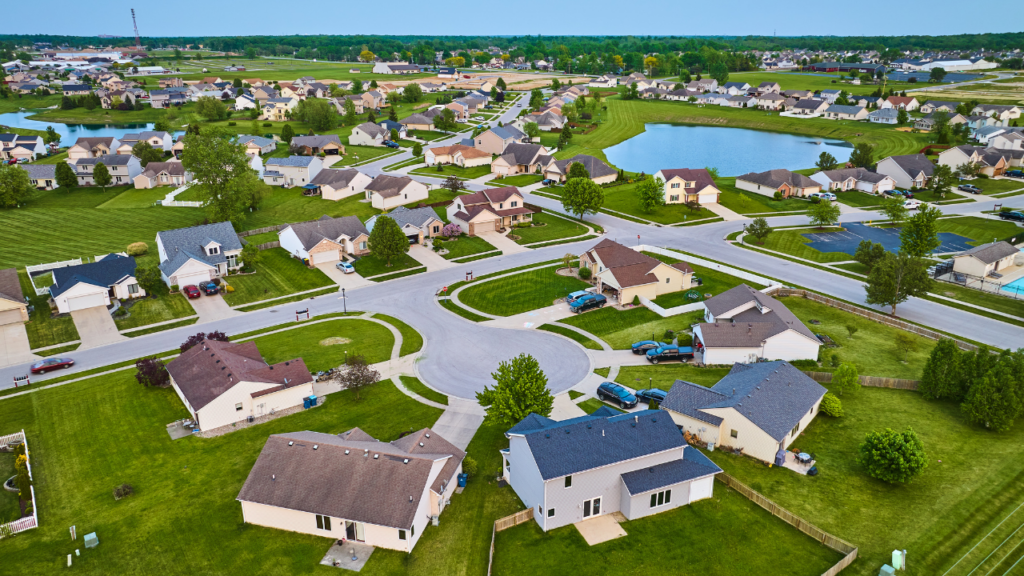
If you’ve been shopping for homes in Minnesota, you’ve probably noticed that some properties come with HOA fees while others don’t. Maybe you’ve found the perfect townhome in Woodbury, a beautiful condo in Minneapolis, or a newer development in Lakeville, and then you see a monthly HOA fee attached to the property. That’s usually when buyers ask me: “Lesley, are HOA communities actually worth it?” It’s a great question because there isn’t a one-size-fits-all answer. For some homeowners, HOA communities provide convenience, lower maintenance responsibilities, and amenities they truly enjoy. For others, HOA rules and monthly fees can feel restrictive. The key isn’t whether HOA communities are good or bad. The key is whether an HOA community matches your lifestyle, priorities, and homeownership goals. As a Minnesota real estate agent, I’ve worked with buyers who absolutely love HOA living and others who intentionally avoid it. Understanding the pros and cons can help you decide which type of community is right for you. Let’s take a realistic look at HOA communities in Minnesota and whether they’re worth considering. What Is an HOA Community? HOA stands for Homeowners Association. An HOA is an organization that manages certain aspects of a neighborhood or residential community. When you purchase a property within an HOA community, you automatically become a member and agree to follow the association’s governing documents. The HOA collects fees from homeowners and uses those funds to maintain common areas, provide services, and manage shared responsibilities. HOAs are common in: The level of HOA involvement varies significantly from one community to another. Why HOA Communities Have Become Popular Many homeowners today want convenience. Life is busy. Between work, family responsibilities, travel, and other commitments, many buyers appreciate having fewer maintenance tasks to worry about. An HOA often provides services that help reduce the day-to-day responsibilities of homeownership. For many people, that’s a major benefit. One of the Biggest Benefits: Snow Removal Let’s be honest. Minnesota winters can be beautiful. But they can also be exhausting. If you’ve ever spent an hour clearing your driveway before work after a heavy snowfall, you understand the appeal of HOA-managed snow removal. Many HOA communities handle: For retirees, busy professionals, frequent travelers, and homeowners with physical limitations, this benefit alone can make HOA living worthwhile. Imagine waking up after an eight-inch snowfall and not having to touch a shovel. Many homeowners consider that a luxury. Lawn Care and Landscaping Another major advantage is lawn maintenance. Many HOA communities provide: For buyers who dislike yard work, this can be extremely appealing. Instead of spending weekends mowing grass and maintaining landscaping, you can spend that time doing something you enjoy. Many relocation buyers especially appreciate this benefit because it simplifies homeownership. Less Exterior Maintenance Depending on the community, HOA fees may cover portions of exterior maintenance. In many townhome and condo communities, the HOA may manage: This doesn’t eliminate all homeowner responsibilities, but it can significantly reduce them. Many first-time buyers find comfort in knowing they aren’t solely responsible for every exterior issue. Amenities That Would Be Expensive to Own Individually One reason some buyers choose HOA communities is access to amenities. Examples include: Most homeowners couldn’t reasonably build these amenities themselves. Through an HOA, they gain access to them for a shared cost. Whether this represents value depends on how often you’ll actually use them. A fitness center may be a huge benefit for one homeowner and completely irrelevant to another. HOA Communities Often Look Consistent Many HOA communities have rules regarding property maintenance and appearance. This can help maintain: When homes are consistently maintained, the community often feels more polished and attractive. Many buyers appreciate this consistency. It can create a stronger sense of neighborhood pride and visual appeal. Can HOA Communities Help Protect Property Values? This is one reason many associations exist. While no HOA can guarantee property values, many buyers believe consistent maintenance standards help protect neighborhood appeal. For example, HOA rules may prevent situations such as: The goal is to maintain a cohesive community appearance that attracts future buyers. Why Some Buyers Prefer HOA Communities Certain groups often find HOA communities particularly appealing. Busy Professionals Many professionals simply don’t have time for extensive property maintenance. Frequent Travelers If you’re away often, having landscaping and snow removal handled can be reassuring. Retirees Many retirees enjoy reduced maintenance responsibilities. First-Time Buyers Some new homeowners appreciate having support structures already in place. Relocation Buyers Buyers moving to Minnesota often enjoy having fewer responsibilities while adjusting to a new area. Why Some Buyers Avoid HOA Communities Despite the advantages, HOA living isn’t ideal for everyone. Let’s talk about the potential downsides. Monthly HOA Fees The most obvious disadvantage is cost. HOA fees increase your monthly housing expenses. Even if the services provide value, the fees still affect affordability. For example: Home A: Home B: The second home effectively costs more each month. Buyers must determine whether the benefits justify the additional expense. HOA Rules and Restrictions Many associations have rules regarding: Some buyers appreciate these standards. Others prefer complete freedom. If you’re someone who values maximum control over your property, an HOA may feel restrictive. Fee Increases Can Happen Like most costs, HOA fees can increase over time. Reasons include: When evaluating an HOA, it’s helpful to review fee history and financial documents. Special Assessments One of the biggest concerns buyers have involves special assessments. A special assessment occurs when the HOA requires additional money beyond regular dues. Examples include: Depending on the situation, special assessments can range from modest amounts to significant expenses. This is why reviewing HOA reserves is important before purchasing. Not Every HOA Is Managed Equally One of the most important lessons buyers learn is that not all HOAs are the same. Some are extremely well-managed. Others struggle with: Before buying, it’s important to review: A strong HOA can enhance the ownership experience. A poorly managed HOA can create frustration. Questions to Ask Before Buying in an HOA Before purchasing, consider asking:
What Are HOA Fees and What Do They Cover in Minnesota?
If you’re shopping for a home in Minnesota, especially a condo, townhome, or property in a planned community, you’ll likely come across something called an HOA. And sooner or later, you’ll probably ask: “Lesley, what exactly are HOA fees, and what am I paying for?” It’s one of the most common questions I hear from first-time homebuyers. Many buyers see a home they love, notice a monthly HOA fee, and immediately assume it’s just another bill. Others worry that HOA fees are a waste of money. Some buyers refuse to even look at homes with HOAs because they don’t fully understand what they’re getting in return. The truth is that HOA fees aren’t automatically good or bad. Like most things in real estate, it depends on the property, the community, and what those fees actually cover. As a Minnesota real estate agent, I always encourage buyers to understand the full picture before deciding whether an HOA community is right for them. Let’s break down exactly what HOA fees are, what they commonly cover in Minnesota, and what buyers should know before purchasing a home in an HOA-managed community. What Is an HOA? HOA stands for Homeowners Association. A homeowners association is an organization that manages and maintains certain aspects of a residential community. When you purchase a home in an HOA community, you automatically become a member of that association. The HOA collects fees from homeowners and uses those funds to maintain common areas, provide services, and manage community responsibilities. Think of it as a shared maintenance and management system for the neighborhood. Instead of each homeowner handling certain responsibilities individually, the HOA coordinates and funds them collectively. Where Are HOA Fees Most Common? In Minnesota, HOA fees are commonly found in: Condominiums Condo communities almost always have HOA fees. Because owners share walls, roofs, hallways, parking lots, and common spaces, an HOA is needed to maintain these shared areas. Townhomes Many townhome developments also have HOAs. The level of HOA involvement varies by community. Planned Communities Some single-family home neighborhoods have HOAs as well. These communities often include shared amenities and neighborhood standards. Lake Communities Certain recreational and lake communities use HOAs to maintain shared property and amenities. Why Do HOA Fees Exist? Without an HOA, common areas would still need maintenance. Someone would still need to: HOA fees provide funding for these responsibilities. The goal is to keep the community functioning smoothly and maintain property values. What Do HOA Fees Typically Cover? This is where many buyers get confused. Not all HOA fees cover the same things. Every association is different. However, many Minnesota HOA fees commonly include some combination of the following. Snow Removal This is one of the biggest benefits for many Minnesota homeowners. Instead of waking up early after a snowstorm to clear driveways and sidewalks, the HOA may arrange professional snow removal services. Depending on the community, coverage may include: For many homeowners, especially retirees and busy professionals, this alone can be a major advantage. Lawn Care and Landscaping Many HOA communities handle: This can save homeowners both time and money. Many buyers appreciate not having to spend weekends maintaining the yard. Exterior Building Maintenance In many condo and townhome communities, HOA fees help cover exterior maintenance. Examples may include: This can reduce some of the maintenance responsibilities typically associated with homeownership. Trash and Recycling Services Some HOA communities include: Instead of arranging these services individually, homeowners benefit from group contracts negotiated by the association. Water and Sewer Services Certain communities include water and sewer costs within HOA fees. Others do not. This varies significantly by community. Buyers should always review HOA documents carefully to determine exactly what’s included. Community Amenities Many HOA fees help support shared amenities such as: Swimming Pools Pools require ongoing maintenance, cleaning, repairs, insurance, and staffing. Clubhouses Community gathering spaces often require regular upkeep. Fitness Centers Exercise equipment, cleaning, and maintenance all create costs. Walking Trails Trail maintenance may be funded through HOA dues. Playgrounds Playgrounds require inspections, repairs, and upkeep. Tennis and Pickleball Courts These facilities often require resurfacing and maintenance over time. Insurance Coverage This is an area where many buyers become confused. In condo communities, HOA fees often help pay for master insurance policies. These policies typically insure certain portions of the building and common areas. However, homeowners usually still need their own insurance coverage. Understanding the difference is important. Always consult with your insurance professional before purchasing. Community Management Most HOAs hire professional management companies. These companies handle: Part of your HOA fee helps fund these services. How Much Are HOA Fees in Minnesota? One of the biggest misconceptions is that all HOA fees are the same. In reality, they vary widely. Factors affecting HOA fees include: You might see HOA fees ranging from under $100 per month to several hundred dollars per month or more. Higher fees don’t automatically mean a bad deal. The important question is: “What am I getting for that fee?” Why Some HOA Fees Are Higher Than Others Imagine two communities. Community A includes: Community B includes: Naturally, Community B will likely have higher HOA fees. The value depends on whether you use and appreciate those services. What Are HOA Reserves? One of the most important things buyers should understand is reserve funds. Reserve funds are savings accounts maintained by the HOA for future major expenses. Examples include: Healthy reserve funds help reduce the likelihood of unexpected special assessments. What Is a Special Assessment? A special assessment is an additional charge imposed on homeowners when the HOA needs money beyond its regular budget. Examples may include: Special assessments can sometimes be substantial. This is one reason buyers should review HOA financial documents carefully. A low HOA fee may not always be a good thing if reserves are inadequate. What Rules Do HOAs Have? In addition to collecting fees, HOAs often establish community rules. These may address: Rules vary significantly from one community to another. Some associations are relatively relaxed.
How Much Should I Budget for Home Repairs Each Year in Minnesota?
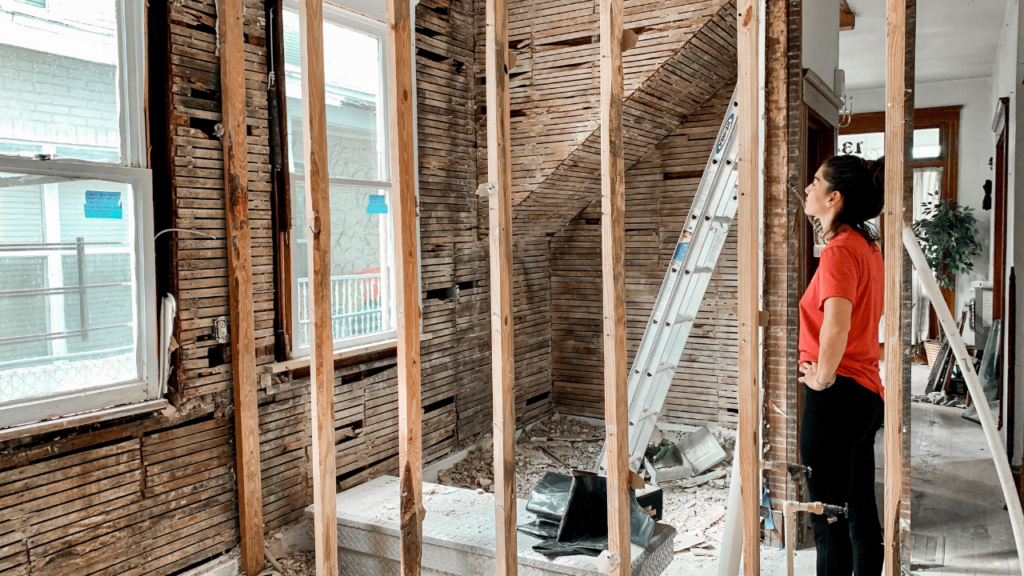
One of the most exciting moments in life is becoming a homeowner. You finally have a place that’s yours. You can paint the walls any color you want, renovate the kitchen, build a deck, or create the backyard you’ve always dreamed about. But along with that freedom comes responsibility. One of the biggest questions I hear from first-time homebuyers is: “Lesley, how much should I budget for repairs each year after I buy a house?” It’s an excellent question because many buyers focus entirely on the mortgage payment and forget that homes occasionally need repairs. A furnace eventually wears out. A water heater stops working. A roof may need repairs after a storm. An appliance reaches the end of its life. The good news is that most home repairs don’t become financial emergencies if you plan ahead. As a Minnesota real estate agent, I always encourage buyers to think beyond closing day. Understanding future repair costs can help you become a more confident homeowner and avoid unnecessary stress. Let’s talk about what Minnesota homeowners should realistically expect when budgeting for repairs. What’s the Difference Between Maintenance and Repairs? Many people use the terms maintenance and repairs interchangeably, but they are different. Maintenance Maintenance is proactive. Examples include: These tasks help prevent larger problems. Repairs Repairs happen when something breaks, fails, or stops functioning properly. Examples include: When budgeting for homeownership, you should plan for both maintenance and repairs. This article focuses specifically on repair costs. The Most Common Budgeting Rules There isn’t a perfect formula because every home is different. However, there are several commonly used guidelines. The 1% Rule One of the most popular rules suggests setting aside approximately 1% of your home’s value annually for repairs and maintenance. Examples: This isn’t a prediction of what you’ll spend every year. Instead, it helps create a long-term reserve. Some years you may spend very little. Other years you may replace expensive systems. The Monthly Savings Approach Many homeowners find it easier to save monthly. Examples: By treating repairs like a regular bill, you create a safety net before problems arise. Why Minnesota Homeowners Need a Repair Fund Minnesota homes face challenges that homes in many other states don’t. Our properties endure: These conditions create wear and tear on homes over time. Even well-maintained homes eventually require repairs. That’s why having a repair reserve is especially important in Minnesota. The Age of Your Home Matters One of the biggest factors affecting repair costs is the age of the property. New Construction Homes Newer homes often experience fewer major repairs during the first several years. Many systems are brand new: However, “new” doesn’t mean “repair-free.” Unexpected issues can still occur. Homes Built 10-20 Years Ago Many systems begin approaching the midpoint of their lifespan. Homeowners may start seeing repairs involving: Older Homes Older homes can be wonderful properties with character and craftsmanship. However, buyers should be prepared for potential repairs involving: A thorough home inspection becomes especially important when purchasing an older home. Common Home Repairs Minnesota Homeowners Face Furnace Repairs In Minnesota, your furnace is one of the hardest-working systems in your home. It may operate for months continuously during winter. Common repair issues include: Because winters can be severe, furnace repairs often become urgent. This is one reason many homeowners prioritize building a repair fund. Water Heater Repairs and Replacement Water heaters don’t last forever. Most eventually require: A failing water heater can create both inconvenience and water damage risks. Many homeowners don’t think about their water heater until there’s suddenly no hot water. Roof Repairs Minnesota weather can be tough on roofs. Common causes of roof repairs include: Minor roof repairs are usually far less expensive than waiting until water enters the home. Sump Pump Failures Minnesota homeowners often rely on sump pumps to protect basements from water intrusion. When a sump pump fails, the consequences can be significant. Regular testing helps, but homeowners should still budget for eventual replacement. Plumbing Repairs Plumbing issues are among the most common home repair expenses. Examples include: Fortunately, many plumbing problems can be addressed before they become major emergencies. Appliance Repairs Even newer appliances eventually wear out. Examples include: Homeowners often underestimate how frequently appliance replacement occurs over the life of ownership. Exterior Repairs Minnesota’s weather affects more than just the interior of a home. Exterior repairs may involve: Seasonal weather exposure creates wear over time. Why Some Years Cost Almost Nothing Many homeowners become concerned when they hear repair budgeting recommendations. They think: “Do I really need thousands of dollars every year?” Not necessarily. You may experience years where your repair expenses are minimal. Perhaps you only spend money on: The purpose of budgeting isn’t because every year will be expensive. The purpose is to prepare for the years that are. The Expensive Years Eventually Arrive Most homeowners eventually experience a year when multiple repairs occur at once. Imagine this scenario: Suddenly you’re facing several unexpected expenses. Homeowners with repair savings can often handle these situations much more comfortably. What Home Inspections Can Tell You One of the best ways to estimate future repair costs is through the home inspection. A quality inspection can provide valuable information about: Roof Age How much life remains? Furnace Age Will replacement likely be needed soon? Water Heater Condition How old is the system? Plumbing Condition Any warning signs? Electrical Systems Any upgrades recommended? The inspection won’t predict every future repair, but it can identify systems approaching the end of their useful life. How Much Should First-Time Buyers Save? For many first-time buyers, building a repair reserve can feel overwhelming. My recommendation is simple: Start somewhere. Even setting aside: is better than having no reserve at all. The habit of saving consistently often matters more than the initial amount. Home Warranty vs Repair Fund Some buyers purchase a home warranty after closing. A home warranty may help cover certain repairs for covered systems and appliances. However, warranties have limitations. They often include: A home
What Is Homeowners Insurance and How Much Does It Cost in Minnesota?
Buying a home is one of the biggest financial decisions you’ll ever make. Most buyers spend a lot of time thinking about the down payment, mortgage payment, and closing costs. But there is another important expense that every homeowner needs to understand before getting the keys: Homeowners insurance. As a Minnesota real estate agent, I’ve noticed that many first-time homebuyers don’t think much about homeowners insurance until their lender asks for proof of coverage a few days before closing. Then suddenly the questions start: “Do I really need it?” “What does it cover?” “How much will it cost?” “Why are the quotes so different?” Understanding homeowners insurance before you buy can help you budget more accurately and avoid unpleasant surprises after moving in. The good news is that homeowners insurance is usually one of the more predictable costs of homeownership. However, what you pay can vary based on the home, location, coverage level, and insurance company you choose. Let’s walk through what homeowners insurance is, what it covers, what it doesn’t cover, and what Minnesota buyers should expect to pay. What Is Homeowners Insurance? Homeowners insurance is a policy that helps protect your home and finances if certain types of damage, accidents, or losses occur. Think of it as a financial safety net. If your home is damaged by a covered event, your insurance policy may help pay for repairs, rebuilding costs, replacement of belongings, legal expenses, and temporary housing in some situations. Most mortgage lenders require homeowners insurance before they will fund your loan. Even if you buy a home with cash, carrying homeowners insurance is usually a smart decision because it protects one of your largest investments. Why Do Mortgage Lenders Require Homeowners Insurance? When a lender gives you hundreds of thousands of dollars to purchase a home, they have a financial interest in protecting that property. If a fire destroys the house tomorrow, both you and the lender could face significant financial losses. That’s why lenders typically require homeowners insurance throughout the life of the mortgage. In most cases, the insurance premium is included in your monthly mortgage payment through an escrow account. Your lender collects a portion each month and pays the insurance company when the premium is due. What Does Homeowners Insurance Typically Cover? While policies vary, most standard homeowners insurance policies provide several important types of protection. Dwelling Coverage This protects the physical structure of your home. Covered events may include: If your home suffers damage from a covered event, dwelling coverage helps pay for repairs or rebuilding. Personal Property Coverage This helps cover your belongings. Examples include: If these items are damaged or stolen due to a covered event, your policy may help replace them. Liability Protection Liability coverage can help protect you financially if someone is injured on your property and you are found responsible. For example: A visitor slips on an icy sidewalk and suffers an injury. Depending on the circumstances, liability coverage may help with legal costs and damages. Additional Living Expenses If your home becomes temporarily uninhabitable due to a covered loss, your policy may help pay for: This coverage can be extremely valuable after a major disaster. Other Structures Coverage This may protect structures that are separate from your home such as: What Doesn’t Homeowners Insurance Cover? One of the biggest misconceptions among homeowners is assuming insurance covers everything. It doesn’t. Several common situations may require additional coverage. Flooding Standard homeowners insurance usually does not cover flood damage. If a property is located in a flood-prone area, separate flood insurance may be necessary. Earth Movement Damage from earthquakes and certain types of ground movement are generally excluded. Wear and Tear Insurance is designed for sudden and accidental losses. It does not typically cover: Pest Damage Damage caused by: is generally considered a maintenance issue rather than an insurance claim. How Much Does Homeowners Insurance Cost in Minnesota? One of the first questions buyers ask is: “What’s the average cost?” The answer depends on several factors, but many Minnesota homeowners pay somewhere between approximately $1,500 and $3,000 per year for a standard homeowners insurance policy. Some homeowners pay less. Others pay significantly more. Your actual premium depends on a variety of factors unique to your situation. Factors That Affect Homeowners Insurance Costs Home Value Generally speaking, more expensive homes cost more to insure. This is because the cost to rebuild the home is higher. Home Size Larger homes usually require higher coverage limits. More square footage often means higher insurance premiums. Age of the Home Older homes sometimes cost more to insure because: Newer homes often qualify for lower premiums. Roof Condition Insurance companies pay close attention to roofs. A newer roof can often reduce insurance costs. An older roof may increase premiums or even create coverage challenges. Location Insurance companies evaluate local risks. Factors may include: Even homes within the same city may receive different insurance quotes. Claims History Previous insurance claims can affect future premiums. Both the property’s history and the homeowner’s personal claims history may be considered. Coverage Limits Higher coverage levels generally result in higher premiums. However, cutting coverage too aggressively may leave you underinsured when you need protection most. Minnesota Weather and Insurance Costs Minnesota’s climate plays a major role in homeowners insurance pricing. We experience: Because weather-related claims occur regularly, insurers factor these risks into pricing. For example, hail damage claims can be extremely expensive and may affect premiums in certain areas. This doesn’t mean insurance is unaffordable. It simply means Minnesota’s weather is part of the risk equation. Should You Shop Around for Insurance? Absolutely. One of the biggest mistakes buyers make is accepting the first insurance quote they receive. Different insurance companies evaluate risk differently. The same home can receive dramatically different quotes from multiple carriers. I often encourage buyers to: Spending an extra hour shopping can potentially save hundreds of dollars per year. Common Homeowners Insurance Discounts Many buyers qualify for discounts they don’t realize exist. Examples include: Bundling
What Are Property Taxes Like in Minnesota?

Buying a home is exciting, but for many first-time homebuyers, one of the biggest surprises comes after closing day. It’s not the mortgage payment. It’s not the utility bills. It’s property taxes. Almost every buyer asks me some version of the same question: “Lesley, what are property taxes like in Minnesota?” It’s a smart question because property taxes can significantly impact your monthly housing costs. Two homes with similar prices can have very different tax bills depending on where they’re located. If you’re planning to buy a home in Minneapolis, St. Paul, the suburbs, or anywhere else in Minnesota, understanding how property taxes work will help you budget more accurately and avoid surprises after moving in. As a Minnesota real estate agent, I spend a lot of time helping buyers understand not just the purchase price of a home, but the true cost of ownership. Property taxes are a major piece of that puzzle. What Are Property Taxes? Property taxes are taxes paid by homeowners to local governments based on the value of their property. The money collected helps fund essential community services such as: In simple terms, property taxes help keep your community running. Unlike your mortgage, which eventually gets paid off, property taxes continue for as long as you own the property. Are Property Taxes High in Minnesota? Compared to many states, Minnesota generally has moderate to higher property taxes. That doesn’t necessarily mean Minnesota is expensive overall. In fact, many buyers find they get more house for their money here compared to places like California, Washington, New York, or Massachusetts. However, property taxes are something you should pay close attention to when shopping for homes. Minnesota’s average effective property tax rate is often above the national average, although exact rates vary significantly by city, county, school district, and property value. A home in one suburb may have annual taxes thousands of dollars higher than a similar home just a few miles away. Why Do Property Taxes Vary So Much? Many buyers assume property taxes are based only on home value. That’s only part of the equation. Property taxes can vary because of: County Location Different counties have different tax rates. For example: all calculate taxes slightly differently based on local budgets and levies. School District Funding Schools are one of the biggest drivers of property taxes. Homes located in highly rated school districts often contribute more toward education funding. City Services Communities offering more amenities and services often require larger tax revenues. Examples include: Special Assessments Some neighborhoods have special assessments that can increase annual property taxes. Examples include: These costs may be temporary or long-term depending on the project. What Do Property Taxes Look Like on a Typical Minnesota Home? Let’s look at a simplified example. Imagine a home priced at $400,000. Annual property taxes might range somewhere between: depending on location. That’s a substantial difference. At $4,000 per year, your monthly tax portion is about $333. At $6,500 per year, your monthly tax portion jumps to about $542. That’s over $200 more every month despite having the same purchase price. This is why I encourage buyers to focus on total monthly payment rather than purchase price alone. How Property Taxes Affect Mortgage Payments Most homeowners pay property taxes through an escrow account. Here’s how it works: Your lender estimates annual taxes. That amount is divided into monthly payments. Each month, you pay: The lender collects the tax portion and holds it in escrow until taxes are due. This means higher property taxes directly increase your monthly mortgage payment. Why New Homeowners Sometimes Get Surprised One common surprise happens after a buyer purchases a home that was previously owned by someone who qualified for special tax benefits. The tax amount shown before closing may not always reflect what the new owner will pay. Property values can also be reassessed. This is one reason why buyers should review property tax history carefully and discuss future tax estimates with their lender and Realtor. Are Property Taxes Deductible? For some homeowners, property taxes may provide certain federal tax benefits. Tax laws change regularly and individual situations vary. It’s always best to speak with a qualified tax professional or CPA regarding deductions available to you. Many homeowners find that homeownership offers tax advantages that renting does not provide. Can Property Taxes Increase? Yes. Property taxes can rise over time. Common reasons include: Increased Property Value As home values rise, assessed values may increase. Local Budget Changes Cities and counties occasionally adjust tax levies to fund services. New Community Improvements Infrastructure projects can affect local tax obligations. School Funding Changes School district budgets may also impact future tax bills. While increases don’t happen dramatically every year, homeowners should expect some changes over time. How Buyers Should Evaluate Property Taxes Before Making an Offer When helping buyers evaluate homes, I encourage them to ask: What were the taxes last year? Reviewing tax history helps identify trends. Has the property been recently reassessed? A reassessment could impact future costs. Are there special assessments? These can add unexpected expenses. What is the total monthly payment? Focus on: The monthly payment is often more important than the home’s purchase price. Minnesota Homestead Status Matters Minnesota offers a Homestead Classification for owner-occupied homes. When a property qualifies as a homestead: Most buyers purchasing a primary residence will want to ensure they apply for homestead status after closing. This can help reduce long-term property tax costs. Property Taxes vs Rent Increases Some renters worry about property taxes making homeownership expensive. But it’s important to compare them against rent increases. When you rent: When you own: Many Minnesota homeowners find that ownership provides greater long-term financial stability despite ongoing property tax obligations. Common Property Tax Mistakes Buyers Make Looking Only at Purchase Price A cheaper home with high taxes may cost more monthly than a slightly more expensive home with lower taxes. Ignoring Tax History Past tax records often reveal important trends. Forgetting Future Increases Taxes rarely