
How Do I Choose Between Living in the City or the Suburbs in Minnesota?
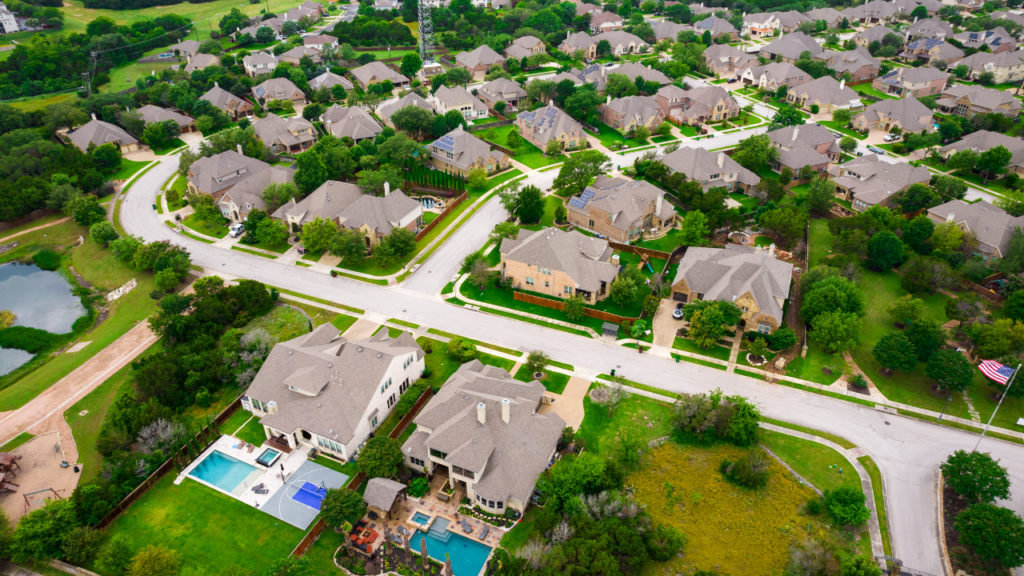
One of the most important decisions immigrant homebuyers make isn’t just what house to buy. It’s where to buy it. As a Minnesota real estate agent, I’ve worked with many immigrant families who begin their home search focused on bedrooms, bathrooms, and price. But after viewing a few homes, the conversation often changes. Instead of asking: “How many bedrooms does this house have?” they begin asking: “Should we live in Minneapolis or a suburb?” “Would the suburbs be better for our family?” “Will I regret moving too far from the city?” These are excellent questions because your location affects your daily life just as much as the home itself. The truth is that neither city living nor suburban living is automatically better. Each offers advantages and trade-offs. The best choice depends on your lifestyle, family needs, work situation, budget, and long-term goals. Let’s explore how immigrant homebuyers can make the right decision. Why This Decision Matters So Much A house can be changed. You can remodel a kitchen. Finish a basement. Paint walls. Upgrade flooring. But changing location is much harder. That’s why choosing the right community is one of the most important parts of the homebuying process. Your location affects: Many buyers spend more time comparing homes than comparing locations. Often, the opposite approach is more beneficial. What Do We Mean by “City Living”? In Minnesota, city living often refers to areas such as: These locations tend to offer: Homes may include: City living appeals to many different buyer groups. Benefits of Living in the City There are several reasons immigrant buyers choose urban areas. Shorter Commutes For buyers working downtown or near major employment centers, city living may significantly reduce travel time. Less time commuting often means: For many professionals, this convenience is extremely valuable. More Public Transportation Options Minnesota’s public transportation system is strongest in urban areas. Residents often have easier access to: This can reduce dependence on personal vehicles. For newcomers adjusting to life in Minnesota, having transportation options can be beneficial. Cultural Diversity Many immigrant families appreciate living in communities with diverse populations. Certain Minneapolis and St. Paul neighborhoods offer: For families seeking familiar cultural connections, urban areas can provide important resources. Greater Walkability Many city neighborhoods offer convenient access to: Some residents enjoy being able to complete daily activities without driving long distances. Challenges of City Living Urban living isn’t perfect for everyone. There are trade-offs. Higher Housing Costs in Some Areas Popular neighborhoods may command premium prices. Smaller Lots Many urban homes sit on smaller parcels of land. Limited Parking Parking may be more challenging in some locations. Increased Activity Some buyers prefer quieter environments. The right fit depends on personal preference. What Do We Mean by “Suburban Living”? Suburban living typically refers to communities surrounding Minneapolis and St. Paul. Examples include: Suburbs often provide a different lifestyle experience. Benefits of Living in the Suburbs Many immigrant families ultimately choose suburban communities. Here’s why. More Space One of the biggest advantages is space. Suburban homes often offer: For growing families, this can be very attractive. Newer Housing Options Many newer developments are located in suburban communities. Buyers may find: For families wanting newer homes, suburbs often provide more choices. Family-Oriented Communities Many suburbs emphasize: Families frequently appreciate these amenities. Less Congestion While every community is different, suburban areas often provide: Some buyers value this slower pace of life. Challenges of Suburban Living Suburban living also comes with trade-offs. Longer Commutes Depending on your workplace, commuting may take more time. Greater Dependence on Vehicles Many suburban residents drive frequently. Fewer Public Transportation Options Transit access is often more limited compared to urban areas. Distance From Urban Amenities Restaurants, entertainment, and cultural attractions may require more travel. Again, these factors affect buyers differently. What About Schools? For families with children, schools often influence the decision. Many suburban districts are highly regarded. However, Minnesota also has excellent urban schools, charter schools, and specialty programs. Rather than assuming one option is superior, evaluate schools based on your family’s specific needs. How Budget Affects the Decision Budget often plays a major role. In some situations: A suburban home may provide: for the same price as a smaller urban property. In other situations, city neighborhoods may provide better affordability. Market conditions constantly change. This is why buyers should compare actual options rather than relying on assumptions. Think About Your Daily Routine One of the best exercises is imagining your typical week. Ask yourself: Where do I work? How often do I commute? Where do my children attend school? How important is dining and entertainment? How often do I travel? The answers often reveal which environment may be a better fit. Consider Future Plans Don’t focus only on today’s needs. Think about: Family growth Career changes Future relocations Lifestyle goals A location that works today should ideally support your future plans as well. Minnesota Offers Both Options One reason many people love Minnesota is that you don’t have to choose one extreme or the other. Many communities offer a blend of urban and suburban characteristics. Examples include: Richfield St. Louis Park Hopkins Golden Valley Eagan These communities often provide: while maintaining suburban advantages. Questions Immigrant Buyers Should Ask Before choosing city or suburban living, ask: What lifestyle do I want? How important is commute time? Do I want a larger home or greater convenience? How important is cultural access? What environment will make my family happiest? Your answers often point toward the right decision. Common Mistakes Immigrant Buyers Make Following Friends’ Preferences What works for someone else may not work for you. Focusing Only on Home Size Lifestyle matters too. Ignoring Commute Times Transportation affects daily life. Not Visiting Communities Experience neighborhoods firsthand. Thinking Only About Today Consider your long-term plans. FAQ Is Minneapolis better than the suburbs? Neither is universally better. The right choice depends on your lifestyle and goals. Are suburbs cheaper? Sometimes. It depends on the community and housing market. Which option is better for families?
What Neighborhoods Are Up-and-Coming in Minnesota? (2026 Homebuyer Guide)
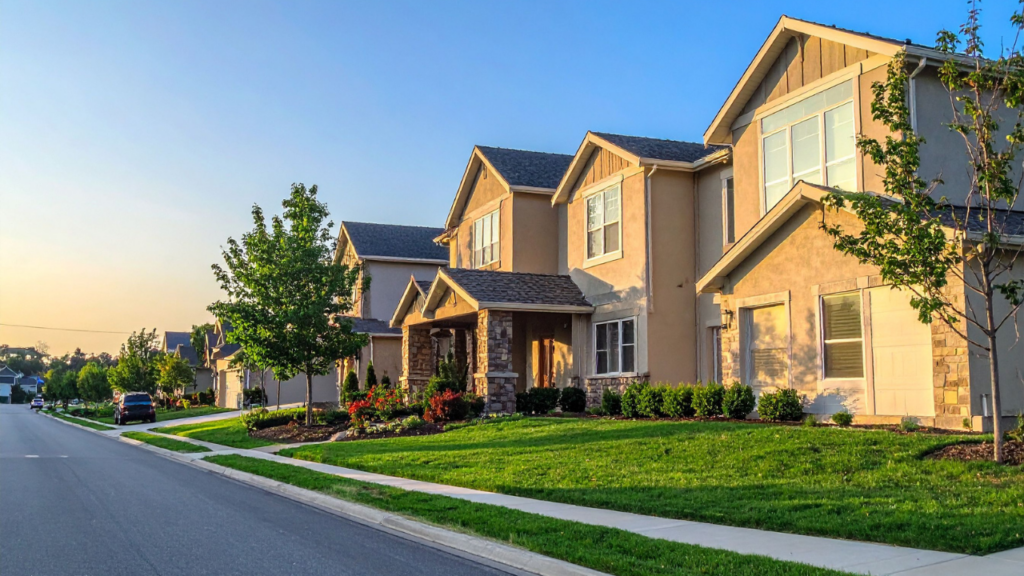
One of the most common questions I hear from buyers is: 👉 “What neighborhoods are up-and-coming right now?” And honestly? I completely understand why people ask. Everyone loves the idea of finding an area before it becomes the place everyone wants to live. Buyers often hope to: ✔️ Get more house for their money ✔️ Build equity over time ✔️ Move into a growing community ✔️ Benefit from future improvements ✔️ Be part of a neighborhood’s transformation The challenge is that “up-and-coming” means different things to different people. For some buyers, it means: ✔️ New construction ✔️ New restaurants ✔️ Retail development ✔️ Infrastructure improvements For others, it means: ✔️ Increasing buyer demand ✔️ Rising home values ✔️ Neighborhood revitalization ✔️ Community investment And here’s the reality: Nobody can predict the future. No real estate agent can guarantee which neighborhood will appreciate the most or become the next hot market. But there are often signs that an area is experiencing positive momentum. And learning how to identify those signs can help buyers make smarter decisions. You might be wondering: • What makes a neighborhood “up-and-coming”? • How do I spot growth before everyone else? • Are up-and-coming neighborhoods good investments? • Should first-time buyers focus on emerging areas? • What signs should I look for? • Are newer suburbs considered up-and-coming? • What matters more—location or growth potential? Let’s talk about it. 🏡 What Does “Up-and-Coming” Actually Mean? A lot of buyers use this phrase without really defining it. Generally speaking, an up-and-coming neighborhood is an area experiencing positive changes such as: ✔️ New development ✔️ Infrastructure improvements ✔️ Increased buyer interest ✔️ Business investment ✔️ Community improvements ✔️ Population growth ✔️ Revitalization efforts These changes often attract more residents, businesses, and investment over time. But growth can look very different depending on the area. 🏡 New Construction Is Often a Clue One thing many buyers notice is new housing development. When builders begin investing heavily in an area, it often signals confidence in future demand. You may see: ✔️ New subdivisions ✔️ Townhome communities ✔️ Mixed-use developments ✔️ Apartment projects ✔️ Retail expansion This doesn’t automatically mean the neighborhood will explode in popularity. But it can indicate growth potential. 🏡 Watch for New Businesses Businesses spend a lot of money researching locations before opening. That’s why new business activity often gets buyers’ attention. Examples include: ✔️ Restaurants ✔️ Coffee shops ✔️ Grocery stores ✔️ Fitness centers ✔️ Medical facilities ✔️ Retail development When businesses begin investing in an area, it may suggest confidence in future population growth. 🏡 Transportation Improvements Matter One of the biggest drivers of neighborhood growth is accessibility. People want convenience. That’s why transportation projects often influence buyer interest. Examples include: ✔️ Highway improvements ✔️ Road expansions ✔️ Transit investments ✔️ Trail systems ✔️ Infrastructure upgrades When accessibility improves, demand often follows. 🏡 Community Investment Is a Good Sign Many buyers focus only on homes. But community investment can be just as important. Look for: ✔️ Park improvements ✔️ Public facilities ✔️ Streetscape upgrades ✔️ Community centers ✔️ Recreation projects These investments often signal a commitment to long-term growth. 🏡 The Twin Cities Continue to Evolve Throughout the Minneapolis-St. Paul metro area, buyers continue exploring neighborhoods that offer: ✔️ Relative affordability ✔️ Convenient access ✔️ Community amenities ✔️ Future development opportunities As housing prices fluctuate, buyers often look beyond traditional hot spots and discover neighborhoods they may have previously overlooked. 🏡 Some Suburbs Continue Growing Rapidly Communities in the outer portions of the Twin Cities metro often attract buyers seeking: ✔️ More space ✔️ New construction ✔️ Growing amenities ✔️ Modern housing inventory Areas experiencing population growth often attract additional investment and development over time. 🏡 Affordability Often Drives Interest Many up-and-coming neighborhoods initially attract buyers because they offer value. People begin noticing: ✔️ More affordable housing ✔️ Larger homes ✔️ Better price-per-square-foot ✔️ Development opportunities As demand increases, more buyers begin paying attention. 🏡 Don’t Confuse Growth With Guaranteed Appreciation This is important. Just because a neighborhood is growing doesn’t guarantee future home values. Real estate markets are influenced by: ✔️ Interest rates ✔️ Inventory ✔️ Employment trends ✔️ Economic conditions ✔️ Buyer demand ✔️ Local development Growth can be a positive sign. But it should never be the only reason you buy a home. 🏡 Lifestyle Still Matters I’ve seen buyers become so focused on finding the “next hot neighborhood” that they forget to ask: 👉 Do I actually want to live here? Remember: You’re not buying a stock. You’re buying a home. Your neighborhood should support your: ✔️ Commute ✔️ Family goals ✔️ Daily routine ✔️ Social life ✔️ Lifestyle preferences Potential growth is great. But enjoying where you live matters more. 🏡 Look for Neighborhood Pride One sign many buyers overlook is community pride. Pay attention to: ✔️ Home maintenance ✔️ Landscaping ✔️ Community involvement ✔️ Local events ✔️ Public spaces People who care about their neighborhood often contribute to long-term stability and growth. 🏡 School Districts Can Influence Demand School districts aren’t the only factor buyers consider. But they can influence: ✔️ Buyer interest ✔️ Relocation decisions ✔️ Neighborhood demand As families move into an area, demand for housing often follows. 🏡 Follow Development News Many cities publish information about: ✔️ Proposed projects ✔️ Planning initiatives ✔️ Zoning updates ✔️ Future investments Reviewing local planning information can provide valuable insight into where growth may occur. 🏡 Walkability Is Becoming More Popular Many buyers increasingly prioritize: ✔️ Walkability ✔️ Local businesses ✔️ Mixed-use development ✔️ Community gathering spaces Neighborhoods that successfully combine housing, shopping, dining, and recreation often attract strong buyer interest. 🏡 Don’t Chase Trends Alone This is one of the biggest mistakes I see. A buyer hears: 👉 “Everyone is moving there.” And immediately assumes they should too. But popularity alone doesn’t mean a neighborhood fits your needs. Always evaluate: ✔️ Budget ✔️ Lifestyle ✔️ Commute ✔️ Long-term goals The best neighborhood for someone else may not be the
Is It Better to Live in Minneapolis or St. Paul? (2026 Minnesota Relocation & Homebuyer Guide)
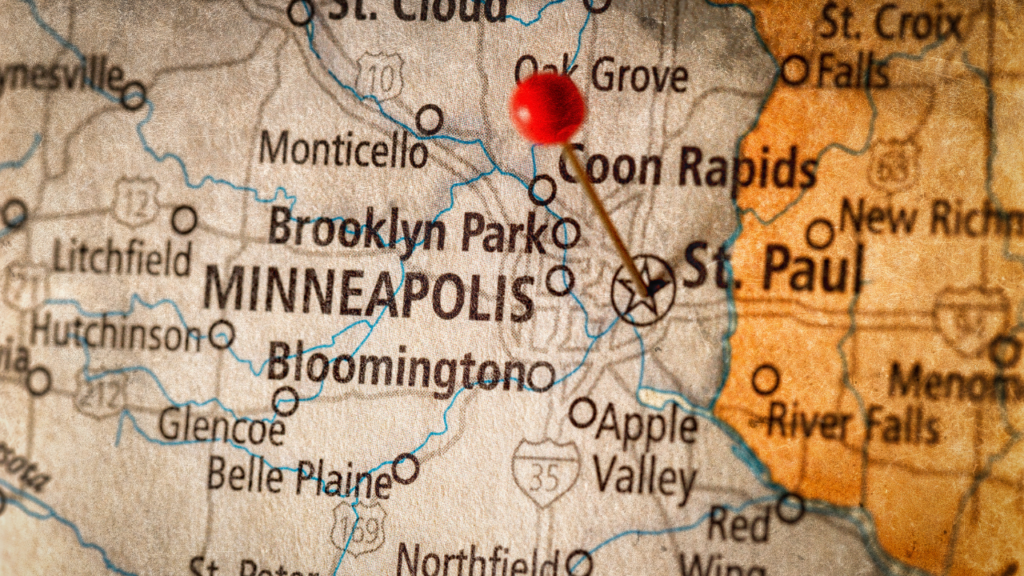
If you’re planning to move to the Twin Cities, one of the first questions you’ll probably ask is: 👉 “Should I live in Minneapolis or St. Paul?” And honestly? It’s a great question. Because while Minneapolis and St. Paul are often grouped together as the “Twin Cities,” they have very different personalities. They’re neighbors. They share many amenities. They connect through the same metro area. But living in Minneapolis feels very different from living in St. Paul. I’ve worked with buyers relocating from other states who assumed the two cities were basically identical. Then they spent a weekend exploring both and completely changed their minds. Some immediately fell in love with Minneapolis. Others couldn’t stop talking about St. Paul. Neither choice was wrong. They simply matched different lifestyles. The truth is: The best city depends on how you want to live. Your commute. Your budget. Your lifestyle. Your housing goals. And your long-term plans. You might be wondering: • Is Minneapolis more expensive than St. Paul? • Which city is better for families? • Where do young professionals prefer to live? • Which city has a better commute? • Are home prices different? • Which city feels more urban? • What are the biggest lifestyle differences? Let’s break it down. 🏡 Minneapolis and St. Paul: Similar Yet Very Different One of the easiest ways to understand the difference is this: Minneapolis often feels like a larger, faster-moving city. St. Paul often feels more residential and neighborhood-focused. That’s not a criticism of either one. It’s simply the vibe many residents describe. Minneapolis tends to attract people looking for: ✔️ Urban energy ✔️ Walkability ✔️ Dining and nightlife ✔️ Entertainment ✔️ Professional networking ✔️ Modern development Meanwhile, St. Paul often attracts people looking for: ✔️ Historic charm ✔️ Established neighborhoods ✔️ Community feel ✔️ Tree-lined streets ✔️ A quieter pace ✔️ Traditional residential areas Again, both cities offer all of these things to some degree. But the overall atmosphere feels different. 🏡 Minneapolis Often Feels More Fast-Paced If you enjoy: ✔️ Busy city life ✔️ Restaurants ✔️ Breweries ✔️ Entertainment districts ✔️ Sporting events ✔️ Nightlife Minneapolis may feel like a natural fit. Neighborhoods throughout Minneapolis offer: ✔️ Walkable business districts ✔️ Lake access ✔️ Shopping ✔️ Cultural attractions ✔️ Modern housing options Many young professionals and first-time buyers appreciate having so much nearby. 🏡 St. Paul Often Feels More Relaxed St. Paul tends to move at a different pace. Many residents describe it as: ✔️ More laid back ✔️ More neighborhood-oriented ✔️ More historic ✔️ Less hectic You’ll find beautiful architecture, mature trees, and strong community identity throughout many St. Paul neighborhoods. People often choose St. Paul because they want city amenities without feeling like they’re in the middle of constant activity. 🏡 Housing Styles Are Different One thing many buyers notice immediately is the housing stock. Minneapolis offers: ✔️ Modern condos ✔️ New developments ✔️ Historic homes ✔️ Urban townhomes ✔️ Diverse architectural styles St. Paul is often known for: ✔️ Historic homes ✔️ Classic architecture ✔️ Charming older neighborhoods ✔️ Established residential communities If you love character and historic details, you’ll likely find plenty to appreciate in both cities. But St. Paul often stands out for its architectural charm. 🏡 Commute Considerations For many buyers, location matters more than city identity. The real question becomes: 👉 Where do you work? A beautiful home becomes less attractive if the commute doesn’t fit your lifestyle. Fortunately, both Minneapolis and St. Paul provide access to: ✔️ Major highways ✔️ Public transportation ✔️ Employment centers ✔️ Regional connections The ideal location often depends more on your workplace than your city preference. 🏡 Outdoor Living Is Excellent in Both Cities Minnesota residents love outdoor recreation. The good news? You don’t have to choose between Minneapolis and St. Paul for that. Both offer: ✔️ Parks ✔️ Walking trails ✔️ Biking paths ✔️ River access ✔️ Green space ✔️ Community recreation Minneapolis is particularly known for its lakes and interconnected trail systems. St. Paul shines with riverfront access and extensive park networks. 🏡 Cost of Living Differences This is one area buyers frequently ask about. While market conditions constantly change, buyers often find pricing differences depend more on: ✔️ Specific neighborhoods ✔️ Property types ✔️ School districts ✔️ Home condition Than simply choosing Minneapolis versus St. Paul. Within each city you’ll find: ✔️ Entry-level opportunities ✔️ Mid-range homes ✔️ Luxury properties That’s why neighborhood research matters more than city comparisons alone. 🏡 Minneapolis Appeals to Many Young Professionals For buyers early in their careers, Minneapolis often attracts attention because of: ✔️ Employment opportunities ✔️ Walkability ✔️ Entertainment ✔️ Dining options ✔️ Professional networking ✔️ Urban energy Many people enjoy being close to where things are happening. 🏡 St. Paul Appeals to Many Families This isn’t a rule. But many families appreciate: ✔️ Residential neighborhoods ✔️ Community feel ✔️ Historic charm ✔️ Established housing stock ✔️ Local identity Many St. Paul neighborhoods feel more like individual communities than sections of a larger city. 🏡 Neighborhoods Matter More Than City Lines Here’s something important. When buyers ask: 👉 “Should I choose Minneapolis or St. Paul?” My response is often: 👉 “Let’s talk about neighborhoods first.” Because lifestyle differences between neighborhoods can sometimes be bigger than differences between the cities themselves. One Minneapolis neighborhood may feel more like St. Paul. One St. Paul neighborhood may feel more urban than expected. That’s why touring neighborhoods is so important. 🏡 Schools and Community Resources For families, schools often become part of the conversation. Both cities offer: ✔️ Public schools ✔️ Charter schools ✔️ Private schools ✔️ Educational programs The right fit depends on your priorities and long-term plans. 🏡 Entertainment and Culture Both cities have strong cultural identities. You’ll find: ✔️ Museums ✔️ Music venues ✔️ Festivals ✔️ Restaurants ✔️ Sports ✔️ Community events throughout the metro area. Minneapolis tends to receive more national attention. But St. Paul has a rich cultural scene of its own. 🏡 What Relocating Buyers
What Is It Like Living in Busy Areas of Minneapolis? (2026 Minnesota Lifestyle Guide)
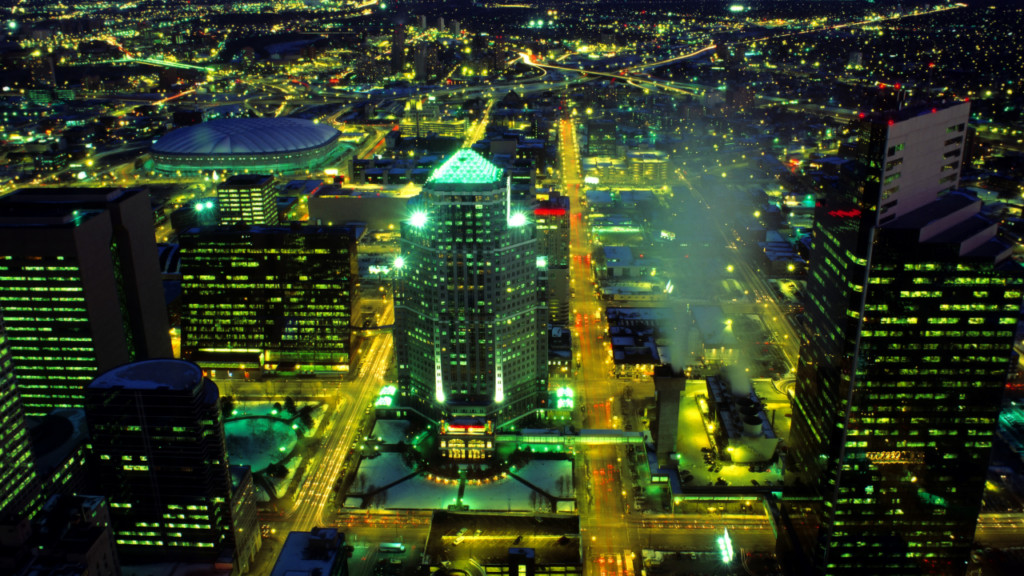
If you’re thinking about moving to Minneapolis, there’s a good chance you’ve looked at neighborhoods that feel: 👉 Walkable👉 Energetic👉 Social👉 Active And then probably wondered: 👉 “What’s it ACTUALLY like living in a busier part of Minneapolis?” Because honestly? Busy neighborhoods create:👉 A very different lifestyle experience compared to quieter suburban or residential areas. Some people absolutely LOVE:✔️ Constant activity✔️ Restaurants nearby✔️ Walkability✔️ Social energy✔️ City convenience Others eventually realize:👉 The pace feels overwhelming long-term. Neither experience is wrong. It really depends on:✔️ Your personality✔️ Your lifestyle✔️ Your work schedule✔️ Your social preferences✔️ Your tolerance for noise and activity You might be wondering: • Are busy Minneapolis neighborhoods noisy?• Is walkability worth it?• What’s parking like?• Do busy areas feel less safe?• Is it stressful living there?• Which neighborhoods feel the busiest?• What’s daily life ACTUALLY like? These are smart questions. Because choosing where to live is not just about:👉 Finding a home. It’s about:👉 Choosing the environment you experience every day. The good news is: 👉 Minneapolis offers several vibrant, highly walkable neighborhoods with strong personality and lifestyle appeal. But understanding what busy neighborhood living actually feels like can help you decide:👉 Whether it fits YOU. 🏡 The Short Answer 👉 Living in busy areas of Minneapolis often feels more social, walkable, energetic, and connected. Busy neighborhoods often attract:✔️ Young professionals✔️ Social residents✔️ Walkability-focused buyers✔️ Renters wanting nightlife and restaurants nearby✔️ Residents prioritizing convenience and urban lifestyle These areas often offer:✔️ Restaurants✔️ Coffee shops✔️ Entertainment✔️ Walkability✔️ Events✔️ Strong neighborhood personality But they may also include:✔️ More traffic✔️ More noise✔️ More parking challenges✔️ Higher activity levels✔️ Smaller living spaces in some areas Overall? Busy neighborhoods can create:👉 A VERY exciting and connected urban lifestyle. 🏡 Which Areas of Minneapolis Feel the Busiest? Some of the most active Minneapolis neighborhoods often include:✔️ North Loop✔️ Uptown✔️ Downtown Minneapolis✔️ Northeast Minneapolis✔️ Dinkytown✔️ Parts of South Minneapolis Each area has:👉 Its own personality and energy. Some feel:✔️ More upscale and polished. Others feel:✔️ More creative and eclectic. But they all generally offer:👉 Higher activity and walkability than quieter residential neighborhoods. 🏡 Walkability Is One of the Biggest Advantages This is HUGE. Many people choose busy Minneapolis neighborhoods specifically because:👉 They don’t want to drive everywhere. Residents often walk to:✔️ Coffee shops✔️ Restaurants✔️ Grocery stores✔️ Gyms✔️ Breweries✔️ Events✔️ Parks and trails That dramatically changes:👉 Daily routine. For many residents:👉 Walkability becomes one of the BEST parts of city living. 🏡 Busy Neighborhoods Feel More Social This is one of the biggest lifestyle differences. In busy areas:✔️ More people are outside✔️ More activity happens daily✔️ Social interaction feels easier✔️ Events and entertainment are nearby Many residents love:👉 Feeling connected to city life. Especially:✔️ Young professionals✔️ Singles✔️ Couples✔️ Remote workers wanting social environments 🏡 Restaurants and Coffee Shops Become Part of Daily Life This is a major lifestyle shift. Instead of:👉 Driving to entertainment or dining… Many residents simply:✔️ Walk downstairs✔️ Walk a few blocks✔️ Explore nearby businesses regularly That creates:👉 A very different urban rhythm. Especially in areas like:✔️ North Loop✔️ Uptown✔️ Northeast Minneapolis The neighborhood itself becomes:👉 Part of your lifestyle. 🏡 Noise Levels Feel Different This matters more than many buyers expect. Busy neighborhoods often include:✔️ Traffic noise✔️ Foot traffic✔️ Music and nightlife activity✔️ Construction✔️ Events and crowds Especially:✔️ Weekends✔️ Summer months✔️ Evening hours Some residents LOVE the energy. Others eventually realize:👉 They prefer calmer surroundings. Personality fit matters tremendously here. 🏡 Parking Can Be More Challenging This is one of the biggest adjustments for some residents. Busy Minneapolis neighborhoods may involve:✔️ Street parking✔️ Parking ramps✔️ Permit parking✔️ Paid parking✔️ Limited guest parking Especially in:✔️ Dense apartment areas✔️ Entertainment districts✔️ Downtown-adjacent neighborhoods For some people:👉 This becomes a major factor in daily convenience. 🏡 Busy Areas Often Feel More Connected to Minneapolis Culture This is something many residents LOVE. Living in active neighborhoods often means:✔️ Easier access to events✔️ Local business culture✔️ Arts and music scenes✔️ Food and brewery culture✔️ Sporting events✔️ Seasonal festivals The city itself becomes:👉 More integrated into your daily life. 🏡 Housing Styles Feel Different Too Busy neighborhoods often include:✔️ Condos✔️ Apartments✔️ Lofts✔️ Mixed-use buildings✔️ Smaller homes and townhomes Living spaces may feel:✔️ More compact✔️ More urban✔️ More walkability-focused Compared to:✔️ Larger suburban homes✔️ Quiet residential neighborhoods The tradeoff often becomes:👉 Space vs convenience and energy. 🏡 Busy Neighborhoods Can Feel More Expensive Daily This surprises some people. Not just because of housing… But because:✔️ Restaurants✔️ Coffee shops✔️ Entertainment✔️ Parking✔️ Lifestyle spending Often become:👉 Part of everyday routine. Urban convenience sometimes naturally leads to:👉 Higher lifestyle spending overall. 🏡 Are Busy Neighborhoods Better for Younger Residents? Often:👉 Yes. Especially for people prioritizing:✔️ Social opportunities✔️ Walkability✔️ Dating✔️ Entertainment✔️ Networking✔️ Active city lifestyle But honestly? Plenty of:✔️ Families✔️ Long-term homeowners✔️ Empty nesters Also LOVE busy urban neighborhoods. Again:👉 Lifestyle fit matters more than age. 🏡 Busy Areas Feel Different During Minnesota Winters This is important. Winter changes city living. Some residents love:✔️ Cozy coffee shop culture✔️ Walkable winter city atmosphere✔️ Downtown skyway access Others find:👉 Winter parking and walking become more challenging. Minnesota winters affect:👉 Urban living differently than suburban living. 🏡 Which Buyers Usually Love Busy Neighborhoods? Busy Minneapolis neighborhoods often attract:✔️ Young professionals✔️ Walkability-focused residents✔️ Social and nightlife-oriented people✔️ Urban lifestyle seekers✔️ Residents prioritizing convenience and activity Especially:✔️ People wanting connected city living. 🏡 Which Buyers May Prefer Quieter Areas Instead? Some buyers eventually realize they prefer:✔️ More space✔️ Less traffic✔️ More peace and quiet✔️ Easier parking✔️ Slower daily pace Especially:✔️ Families✔️ Remote workers✔️ Buyers prioritizing lower daily stimulation Again:👉 Neither lifestyle is universally better. 🏡 Busy Neighborhoods Often Feel More Alive This is what many residents love most. There’s often:✔️ Activity✔️ Movement✔️ Energy✔️ Events✔️ People outside For some people:👉 That creates excitement and happiness. For others:👉 It eventually feels exhausting. That’s why:👉 Personality fit matters so much. 🏡 Real Situation I See Often Someone relocates to Minneapolis thinking:👉 “I definitely want city energy.” And they LOVE:✔️ Walkability✔️ Restaurants✔️ Social life✔️ Urban convenience Other people move to busy
What Is It Like Living Near Lakes vs City Neighborhoods in Minneapolis? (2026 Minnesota Lifestyle Guide)
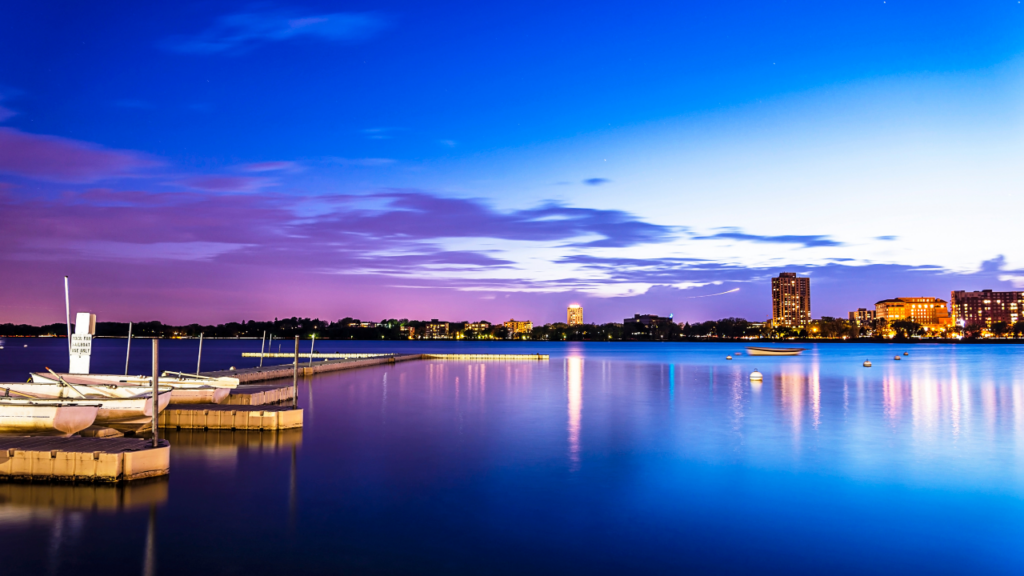
If you’re thinking about moving to Minneapolis, one of the biggest lifestyle questions you may run into is: 👉 “Should I live near the lakes or closer to the city neighborhoods?” And honestly? This decision affects:👉 Your daily life more than people realize. Because Minneapolis offers:✔️ Beautiful lake communities✔️ Walkable city neighborhoods✔️ Urban energy✔️ Outdoor lifestyle✔️ Residential charm But living near the lakes and living in more city-centered neighborhoods create:👉 VERY different experiences. Some people absolutely LOVE:👉 Being near the water, trails, and outdoor recreation. Others feel:👉 More connected and energized by walkable urban neighborhoods. Neither is automatically “better.” It really depends on:✔️ Your personality✔️ Your routine✔️ Your priorities✔️ Your lifestyle goals You might be wondering: • Is lake living quieter?• Are city neighborhoods more walkable?• Which lifestyle is better for families?• Is parking easier near the lakes?• Which areas feel more social?• Do lake areas feel isolated?• What’s daily life actually like in each environment? These are smart questions. Because choosing a neighborhood isn’t just about:👉 Buying the right house. It’s about:👉 Choosing the right lifestyle. The good news is: 👉 Minneapolis offers incredible options for BOTH lake living and city neighborhood living. But understanding the differences can help you figure out:👉 Which environment fits YOU best. 🏡 The Short Answer 👉 Living near lakes in Minneapolis feels more peaceful, outdoors-focused, scenic, and lifestyle-oriented. 👉 Living in city neighborhoods feels more connected, walkable, energetic, and urban-social. Lake-area living often attracts:✔️ Outdoor lovers✔️ Families✔️ Walkers and bikers✔️ Residents wanting quieter surroundings✔️ Buyers prioritizing nature and recreation City-neighborhood living often attracts:✔️ Young professionals✔️ Walkability-focused residents✔️ Social and nightlife-oriented people✔️ Residents wanting easier access to restaurants and entertainment✔️ Buyers prioritizing urban energy Both lifestyles offer:✔️ Strong community feel✔️ Great amenities✔️ Access to Minneapolis culture But they FEEL very different day-to-day. 🏡 What Is Lake Living Like in Minneapolis? Lake living in Minneapolis revolves around:✔️ Outdoor recreation✔️ Scenic beauty✔️ Parks and trails✔️ Slower-paced neighborhood energy Popular lake areas include neighborhoods near:✔️ Bde Maka Ska✔️ Lake Harriet✔️ Lake Nokomis✔️ Lake of the Isles These neighborhoods often feel:👉 Relaxed and lifestyle-focused. A lot of residents spend daily life:✔️ Walking trails✔️ Running✔️ Biking✔️ Paddleboarding✔️ Relaxing outdoors The lakes become:👉 Part of everyday routine. 🏡 What Is City Neighborhood Living Like? City-centered neighborhoods often revolve around:✔️ Restaurants✔️ Coffee shops✔️ Walkability✔️ Entertainment✔️ Social activity✔️ Urban convenience Popular city-oriented areas include:✔️ North Loop✔️ Uptown✔️ Northeast Minneapolis✔️ Downtown-adjacent neighborhoods These areas feel:👉 More energetic and connected. Daily life often involves:✔️ Walking to cafés✔️ Meeting friends nearby✔️ Exploring local businesses✔️ Attending events✔️ Enjoying nightlife and entertainment 🏡 Lake Areas Feel More Peaceful This is one of the biggest differences. Neighborhoods near lakes tend to feel:✔️ Calmer✔️ More scenic✔️ More residential✔️ More outdoors-focused Especially during:✔️ Early mornings✔️ Evenings✔️ Weekdays Many residents choose lake areas because:👉 They want city access WITHOUT constant city energy. 🏡 City Neighborhoods Feel More Active City neighborhoods often feel:✔️ Busier✔️ More social✔️ More walkable commercially✔️ More connected to nightlife and restaurants You’ll usually see:✔️ More foot traffic✔️ More activity✔️ More entertainment options✔️ More movement throughout the day Some people LOVE this energy. Others eventually realize:👉 They prefer quieter surroundings. 🏡 Walkability Feels Different in Both Both lifestyles offer walkability…But differently. Lake-area walkability usually means:✔️ Parks✔️ Trails✔️ Outdoor recreation✔️ Residential strolling City-neighborhood walkability usually means:✔️ Restaurants✔️ Shops✔️ Cafés✔️ Bars✔️ Entertainment The walking experience feels:👉 Completely different emotionally. 🏡 Which Lifestyle Is Better for Families? Honestly? Both can work VERY well. Families near the lakes often prioritize:✔️ Outdoor access✔️ Parks✔️ Calm residential streets✔️ Recreation opportunities Families in city neighborhoods often prioritize:✔️ Walkability✔️ Community activity✔️ Urban convenience✔️ Cultural experiences There’s no universal “better.” Only:👉 Better lifestyle fit. 🏡 Which Lifestyle Feels More Social? Generally:👉 City neighborhoods feel more socially active. Especially because:✔️ Restaurants✔️ Bars✔️ Events✔️ Entertainment venues Are nearby. Lake neighborhoods feel:👉 More lifestyle-social. People often connect through:✔️ Outdoor activities✔️ Walking✔️ Fitness✔️ Parks✔️ Community events The social environments feel:👉 Different, not better or worse. 🏡 Parking and Traffic Feel Different Too Lake neighborhoods often feel:👉 Easier and quieter for daily driving. But during:✔️ Summer weekends✔️ Nice weather✔️ Events Lake areas may become:👉 Surprisingly busy. City neighborhoods usually involve:✔️ More traffic✔️ More parking competition✔️ More urban movement daily Especially in highly walkable entertainment districts. 🏡 Housing Styles Feel Different Lake-area neighborhoods often feature:✔️ Traditional homes✔️ Residential streets✔️ Larger homes in some areas✔️ Scenic surroundings City neighborhoods often include:✔️ Condos✔️ Apartments✔️ Lofts✔️ Duplexes✔️ Dense urban housing The housing experience changes:👉 Daily lifestyle significantly. 🏡 Noise Levels Feel Different This matters more than many buyers expect. Lake neighborhoods tend to feel:✔️ Quieter✔️ More peaceful✔️ Less crowded City neighborhoods often include:✔️ Traffic noise✔️ Foot traffic✔️ Nightlife activity✔️ Event noise Some people thrive in:👉 City energy. Others prefer:👉 Calm outdoor environments. 🏡 Which Lifestyle Feels More “Minneapolis”? Honestly? Both do. But differently. Lake neighborhoods represent:👉 Minneapolis outdoor lifestyle culture. City neighborhoods represent:👉 Minneapolis urban lifestyle and creative culture. Both are deeply connected to:👉 Minneapolis identity. 🏡 Cost Differences Pricing depends heavily on:✔️ Exact neighborhood✔️ Home size✔️ Proximity to lakes✔️ Property type✔️ Walkability Homes directly near lakes may become:👉 VERY competitive and expensive. Popular city neighborhoods may also command:👉 Premium pricing. Both lifestyles are highly desirable. 🏡 Which Lifestyle Feels Less Stressful? Again:👉 This depends entirely on personality. Some people feel calmer near:✔️ Water✔️ Trails✔️ Residential streets Others feel:👉 Energized by walkable urban activity and social environments. The “best” environment depends on:👉 What recharges YOU personally. 🏡 Who Usually Prefers Living Near Lakes? Lake-area living often attracts:✔️ Outdoor lovers✔️ Families✔️ Long-term homeowners✔️ Walkers and bikers✔️ Residents wanting peaceful surroundings Especially:✔️ People prioritizing lifestyle balance and recreation. 🏡 Who Usually Prefers City Neighborhoods? City-neighborhood living often attracts:✔️ Young professionals✔️ Walkability-focused residents✔️ Social and nightlife-oriented people✔️ Residents wanting urban convenience✔️ People who enjoy city energy daily Especially:✔️ Singles✔️ Couples✔️ Creative professionals 🏡 Which Lifestyle Is Better? Honestly? Neither is universally better. They simply create:👉 Very different daily experiences. Living near lakes feels:✔️ Peaceful✔️ Scenic✔️ Outdoors-focused✔️ Relaxed Living in city neighborhoods feels:✔️ Connected✔️ Walkable✔️ Social✔️ Energetic The best fit
What Is It Like Living in Nokomis vs Longfellow in Minneapolis? (2026 Minnesota Lifestyle Guide)

If you’re thinking about moving to Minneapolis, there’s a good chance you’ve come across two neighborhoods that people absolutely love: 👉 Nokomis👉 Longfellow And honestly? These are two of the most charming and livable areas in Minneapolis. Both neighborhoods are known for:✔️ Strong community feel✔️ Parks and outdoor access✔️ Character homes✔️ Walkability✔️ Local businesses✔️ Residential charm But even though they’re relatively close to each other… They create:👉 VERY different daily lifestyles. A lot of people relocating to Minneapolis ask: 👉 “Which neighborhood would fit me better?” Because choosing a neighborhood is about MUCH more than:✔️ Home prices✔️ Square footage✔️ Commute times It’s really about:👉 How your life feels every day. You might be wondering: • Is Nokomis quieter than Longfellow?• Which area is more walkable?• What’s the vibe like in each neighborhood?• Which one is better for families?• Where is outdoor access better?• What’s traffic and parking like?• Which neighborhood feels more connected to the city? These are smart questions. Because both Nokomis and Longfellow are highly desirable…But for:👉 Different reasons. The good news is: 👉 Both neighborhoods offer fantastic Minneapolis living. But understanding the differences can help you figure out:👉 Which environment feels most like HOME to you. 🏡 The Short Answer 👉 Nokomis feels quieter, more residential, outdoors-focused, and family-oriented. 👉 Longfellow feels more eclectic, connected, urban-residential, and community-social. Nokomis often attracts:✔️ Families✔️ Outdoor lovers✔️ Long-term homeowners✔️ Buyers wanting quieter streets✔️ Residents prioritizing lake access and calmness Longfellow often attracts:✔️ Creative professionals✔️ Walkability-focused residents✔️ Younger homeowners✔️ People wanting neighborhood personality✔️ Residents wanting easier city connectivity Both neighborhoods offer:✔️ Character homes✔️ Strong local identity✔️ Parks and trails✔️ Minneapolis charm But they FEEL different day-to-day. 🏡 What Is Nokomis Like? Nokomis is centered around:👉 Lake Nokomis. And honestly? That lake lifestyle shapes the entire neighborhood. Nokomis is known for:✔️ Quiet residential streets✔️ Parks and trails✔️ Outdoor recreation✔️ Family-oriented atmosphere✔️ Traditional homes✔️ Calm neighborhood energy The area feels:👉 Relaxed and community-centered. Many people choose Nokomis because:👉 It offers city living that still feels peaceful. 🏡 What Is Longfellow Like? Longfellow sits east of Nokomis near the Mississippi River corridor. And the neighborhood has:👉 A very distinct personality. Longfellow is known for:✔️ Historic homes✔️ Artsy local vibe✔️ Coffee shops✔️ Restaurants✔️ Walkability✔️ Strong neighborhood identity The area feels:👉 Urban-residential and community-social. Many residents love:👉 The balance between city accessibility and neighborhood charm. 🏡 Nokomis Feels More Outdoors-Focused This is one of the BIGGEST differences. In Nokomis:👉 Outdoor lifestyle becomes part of daily life. Residents regularly:✔️ Walk around the lake✔️ Bike trails✔️ Run outdoors✔️ Visit parks✔️ Spend time near the water Lake Nokomis strongly shapes:👉 The neighborhood experience. Especially during:✔️ Spring✔️ Summer✔️ Fall The area feels:👉 Active but peaceful. 🏡 Longfellow Feels More Connected to City Life Longfellow still has:✔️ Parks✔️ Trails✔️ Green space But the vibe feels:👉 More urban-connected overall. Residents often enjoy:✔️ Local restaurants✔️ Coffee shops✔️ Neighborhood events✔️ Walkable commercial corridors✔️ Mississippi River access The neighborhood feels:👉 More socially connected and city-integrated. 🏡 Which Neighborhood Feels Quieter? Generally:👉 Nokomis feels quieter and calmer overall. Especially deeper into residential sections. Longfellow tends to feel:👉 Slightly busier and more active. Not necessarily “busy” like downtown… But more:✔️ Connected✔️ Walkable✔️ Urban-residential 🏡 Housing Styles Feel Different Too Nokomis often features:✔️ Traditional homes✔️ Well-kept residential blocks✔️ Family-oriented layouts✔️ Slightly more suburban feeling inside the city Longfellow often features:✔️ Historic homes✔️ Bungalows✔️ Duplexes✔️ Older Minneapolis architecture✔️ More eclectic residential character Both neighborhoods have:👉 Strong charm and personality. 🏡 Which Area Feels More Walkable? Both are walkable…But differently. Nokomis walkability feels:✔️ Park-focused✔️ Residential✔️ Relaxed Longfellow walkability feels:✔️ Neighborhood-commercial✔️ Café-oriented✔️ Community-social Longfellow often feels:👉 Slightly more integrated with local businesses and city activity. 🏡 Which Neighborhood Is Better for Families? Honestly? Both are VERY family-friendly. But Nokomis often attracts families wanting:✔️ Quiet streets✔️ Outdoor recreation✔️ Calm residential atmosphere✔️ Long-term stability Longfellow attracts families wanting:✔️ Community feel✔️ Walkability✔️ Local businesses nearby✔️ More urban-connected lifestyle Both neighborhoods offer:👉 Strong community environments. 🏡 Access to Parks and Trails This is HUGE in both neighborhoods. Nokomis offers:✔️ Lake Nokomis✔️ Waterfront trails✔️ Park systems✔️ Recreation areas Longfellow offers:✔️ Mississippi River access✔️ River trails✔️ Minnehaha Falls nearby✔️ Bike connectivity Outdoor lovers often enjoy:👉 BOTH areas for different reasons. 🏡 What About Commutes? Longfellow often feels:👉 Slightly more connected to broader city access. Especially for:✔️ Downtown Minneapolis access✔️ St. Paul commuting✔️ Transit connectivity Nokomis still offers:✔️ Strong access to major roads and transit But the neighborhood itself feels:👉 More residential and tucked away. 🏡 Which Neighborhood Feels More Social? Generally:👉 Longfellow feels more socially active. Especially around:✔️ Cafés✔️ Restaurants✔️ Neighborhood businesses✔️ Community gathering spaces Nokomis feels:👉 More calm and lifestyle-oriented socially. Many Nokomis residents socialize through:✔️ Parks✔️ Outdoor activities✔️ Community events 🏡 Parking and Traffic Feel Different Nokomis usually feels:👉 Easier and calmer for parking overall. Longfellow may experience:✔️ More neighborhood traffic✔️ More commercial-area parking activity Especially near:✔️ Restaurants✔️ River corridors✔️ Popular local businesses 🏡 Which Neighborhood Feels More “Minneapolis”? Honestly? Both do. But differently. Nokomis represents:👉 Outdoor residential Minneapolis lifestyle. Longfellow represents:👉 Historic urban-neighborhood Minneapolis culture. Both have:✔️ Strong local identity✔️ Community pride✔️ Loyal residents 🏡 Who Usually Prefers Nokomis? Nokomis often attracts people wanting:✔️ Calmness✔️ Lake lifestyle✔️ Residential comfort✔️ Outdoor recreation✔️ Family-oriented environment Especially:✔️ Families✔️ Long-term homeowners✔️ Outdoor-focused residents 🏡 Who Usually Prefers Longfellow? Longfellow often attracts people wanting:✔️ Community personality✔️ Walkability✔️ Local business culture✔️ Historic homes✔️ Urban-connected neighborhood living Especially:✔️ Creative professionals✔️ Younger homeowners✔️ Walkability-focused residents 🏡 Which Neighborhood Is Better? Honestly? Neither is universally “better.” They simply create:👉 Different versions of Minneapolis living. Nokomis feels:✔️ Peaceful✔️ Outdoors-focused✔️ Residential✔️ Relaxed Longfellow feels:✔️ Eclectic✔️ Social✔️ Connected✔️ Community-driven The best fit depends on:👉 What kind of lifestyle makes YOU happiest daily. 🏡 Real Situation I See Often Someone moves to Minneapolis thinking:👉 “I just want the most popular neighborhood.” But after living there…They realize:👉 Daily lifestyle fit matters MUCH more than popularity. Some people LOVE:✔️ Nokomis calmness and lake lifestyle. Others feel:👉 Longfellow’s energy and personality fit them better. That’s why:👉 Visiting both neighborhoods matters so much before choosing. 🏡 Common Mistakes People Make
What Is It Like Living in Northeast Minneapolis vs South Minneapolis? (2026 Minnesota Lifestyle Guide)

If you’re thinking about moving to Minneapolis, there’s a good chance you’ve heard people talk about: 👉 Northeast Minneapolisand👉 South Minneapolis And honestly? These are two of the MOST loved areas in the city. But they feel VERY different. A lot of people relocating to Minneapolis ask: 👉 “Which area would fit my lifestyle better?” Because choosing where to live isn’t just about:✔️ Home prices✔️ Apartments✔️ Square footage It’s about:👉 How your day-to-day life feels. And Northeast Minneapolis and South Minneapolis create:👉 Completely different living experiences. You might be wondering: • Is Northeast Minneapolis more artsy?• Is South Minneapolis quieter?• Which area is more family-friendly?• Where is nightlife better?• Which area feels safer?• What’s the vibe actually like?• Which neighborhood is more walkable? These are smart questions. Because Minneapolis neighborhoods each have:👉 Their own personality and lifestyle energy. The good news is: 👉 Both Northeast and South Minneapolis offer amazing things. But understanding the differences can help you decide:👉 Which environment fits YOU best. 🏡 The Short Answer 👉 Northeast Minneapolis feels more artsy, industrial, trendy, and creative. 👉 South Minneapolis feels more residential, neighborhood-oriented, relaxed, and community-focused. Northeast Minneapolis often attracts:✔️ Artists✔️ Young professionals✔️ Foodies✔️ Brewery lovers✔️ Creative personalities South Minneapolis often attracts:✔️ Families✔️ Long-term homeowners✔️ Outdoor lovers✔️ Residents wanting quieter neighborhood living✔️ Buyers wanting more traditional residential feel Both areas offer:✔️ Strong local culture✔️ Great restaurants✔️ Walkability✔️ Unique neighborhood personalities But the energy feels VERY different. 🏡 What Is Northeast Minneapolis Like? Northeast Minneapolis is often known for:👉 Creativity and personality. Historically:👉 It had strong industrial and immigrant roots. Over time:👉 It evolved into one of Minneapolis’ most creative neighborhoods. Today Northeast is known for:✔️ Breweries✔️ Art studios✔️ Warehouse spaces✔️ Coffee shops✔️ Restaurants✔️ Music venues✔️ Trendy local businesses The vibe feels:👉 Energetic and artistic. 🏡 What Is South Minneapolis Like? South Minneapolis is much larger geographically and includes:✔️ Residential neighborhoods✔️ Lakes✔️ Parks✔️ Schools✔️ Local shopping districts It tends to feel:👉 More residential and community-focused. South Minneapolis is often known for:✔️ Tree-lined streets✔️ Family neighborhoods✔️ Access to lakes✔️ Parks and trails✔️ Traditional homes✔️ Walkable residential areas The lifestyle feels:👉 Slower and more neighborhood-oriented. 🏡 Northeast Minneapolis Feels More Creative This is one of the biggest differences. Northeast has a strong:👉 Arts and maker culture. You’ll notice:✔️ Murals✔️ Converted warehouses✔️ Local galleries✔️ Independent shops✔️ Brewery culture✔️ Creative spaces everywhere Many residents love:👉 The neighborhood’s personality and uniqueness. It feels:✔️ Trendy✔️ Authentic✔️ Local-focused✔️ Social 🏡 South Minneapolis Feels More Residential South Minneapolis feels:👉 More established and home-oriented. You’ll see:✔️ Single-family homes✔️ Duplexes✔️ Quiet blocks✔️ Parks✔️ Families biking and walking✔️ More traditional residential living It often feels:👉 Calmer and more spacious. Especially compared to:👉 Busier entertainment-focused neighborhoods. 🏡 Which Area Is Better for Families? Generally:👉 South Minneapolis tends to attract more families. Especially because of:✔️ Parks✔️ Schools✔️ Larger homes✔️ Yard space✔️ Residential atmosphere Neighborhoods in South Minneapolis often feel:👉 More family-centered day-to-day. That said:👉 Northeast absolutely has family-friendly areas too. Especially for families wanting:✔️ Urban personality✔️ Walkability✔️ Community events✔️ Local business culture 🏡 Northeast Minneapolis Has Strong Food & Brewery Culture This is HUGE in Northeast. The area is famous for:✔️ Breweries✔️ Local restaurants✔️ Coffee shops✔️ Food halls✔️ Casual nightlife A lot of residents love:👉 Being able to walk between local spots easily. The neighborhood feels:👉 Very community-social. 🏡 South Minneapolis Is More Connected to Lakes and Parks South Minneapolis offers easier access to:✔️ Bde Maka Ska✔️ Lake Harriet✔️ Nokomis✔️ Minnehaha Falls✔️ Bike trails✔️ Walking paths That’s a huge lifestyle advantage for people who love:✔️ Outdoor activity✔️ Running✔️ Walking✔️ Biking✔️ Nature access Outdoor lifestyle is deeply connected to:👉 South Minneapolis living. 🏡 Housing Styles Feel Different Too Northeast Minneapolis often includes:✔️ Older homes✔️ Industrial lofts✔️ Duplexes✔️ Converted spaces✔️ Smaller lots South Minneapolis often includes:✔️ Traditional homes✔️ Larger residential areas✔️ Classic Minneapolis architecture✔️ More family-oriented layouts Both offer:👉 Character. But the style feels different. 🏡 Which Area Feels More Walkable? Both are walkable… But differently. Northeast walkability feels:✔️ Entertainment-focused✔️ Brewery-focused✔️ Social✔️ Commercial-corridor based South Minneapolis walkability feels:✔️ Residential✔️ Park-focused✔️ Community-oriented✔️ Lifestyle-focused The daily experience feels very different. 🏡 What About Nightlife? Northeast generally has:👉 More nightlife and social energy. Especially:✔️ Breweries✔️ Music venues✔️ Restaurants✔️ Bars✔️ Art events South Minneapolis tends to feel:👉 Quieter and more residential overall. Though it still offers:✔️ Restaurants✔️ Cafés✔️ Local business districts 🏡 Cost of Living Differences Pricing varies heavily by neighborhood and property type. But generally:👉 Both areas can be competitive. Some parts of South Minneapolis may offer:✔️ Larger homes✔️ Family-focused properties Northeast often attracts:✔️ Younger buyers✔️ Condo buyers✔️ Urban lifestyle seekers Demand remains strong in BOTH areas. 🏡 Which Area Feels Safer? This depends heavily on:✔️ Exact neighborhood✔️ Street✔️ Activity level✔️ Time of day Both Northeast and South Minneapolis contain:✔️ Very desirable areas✔️ Busier urban sections✔️ Quieter residential pockets It’s important to:👉 Visit areas personally and explore at different times. 🏡 Who Usually Prefers Northeast Minneapolis? Northeast often attracts people wanting:✔️ Creative energy✔️ Social environments✔️ Brewery culture✔️ Urban personality✔️ Walkable entertainment Especially:✔️ Young professionals✔️ Artists✔️ Food lovers✔️ Creative entrepreneurs 🏡 Who Usually Prefers South Minneapolis? South Minneapolis often attracts people wanting:✔️ Parks and lakes✔️ Residential comfort✔️ Outdoor lifestyle✔️ Family-focused living✔️ Neighborhood calmness Especially:✔️ Families✔️ Long-term homeowners✔️ Outdoor enthusiasts✔️ Buyers wanting quieter residential feel 🏡 Which Neighborhood Is Better? Honestly? Neither is universally “better.” They simply create:👉 Different lifestyles. Northeast feels:✔️ Creative✔️ Trendy✔️ Social✔️ Energetic South Minneapolis feels:✔️ Relaxed✔️ Residential✔️ Community-oriented✔️ Outdoor-focused The best choice depends on:👉 What kind of daily environment fits your personality best. 🏡 Real Situation I See Often Someone moves to Minneapolis thinking:👉 “I just want the most popular neighborhood.” But after living there…They realize:👉 Lifestyle fit matters MUCH more than hype. Some people LOVE:✔️ Northeast’s creative energy. Others feel:👉 South Minneapolis gives them more balance and calmness. This is why:👉 Spending time in both areas matters before choosing. 🏡 Common Mistakes People Make When Choosing Neighborhoods ❌ Choosing based only on social media ❌ Ignoring daily lifestyle needs ❌ Focusing only on nightlife ❌ Not exploring neighborhoods at different times ❌ Assuming
What Is It Like Living in the North Loop vs Uptown Minneapolis? (2026 Minnesota Lifestyle Guide)
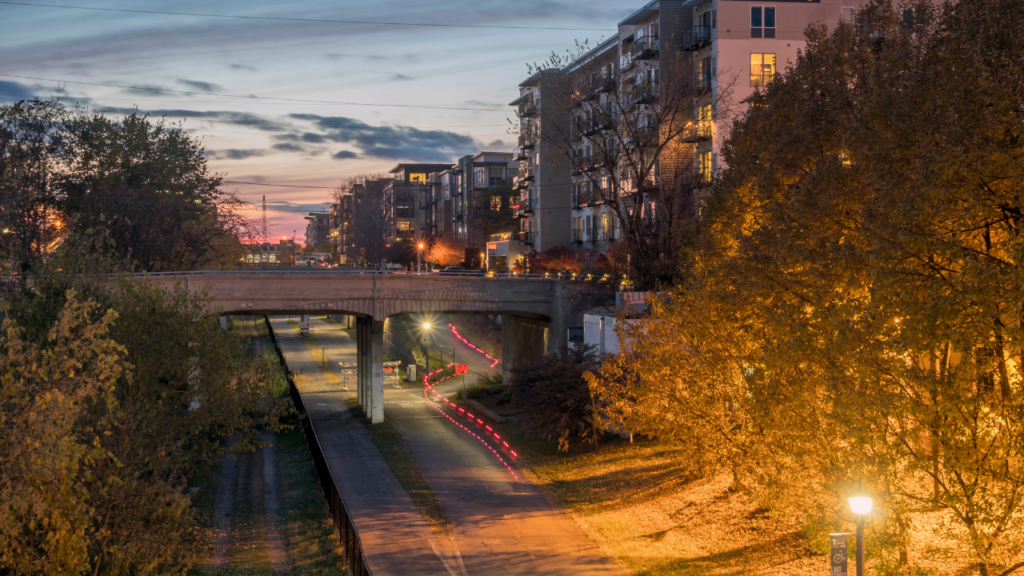
If you’re thinking about moving to Minneapolis, there’s a good chance you’ve come across two neighborhoods over and over again: 👉 North Loop👉 Uptown And honestly? These are two of the most talked-about areas in Minneapolis. But they feel VERY different. A lot of people moving to the Twin Cities ask: 👉 “Which area is better for me?” And the answer really depends on:✔️ Your lifestyle✔️ Your personality✔️ Your budget✔️ Your commute✔️ What kind of energy you want around you daily Because while both neighborhoods are popular… They attract very different types of residents. You might be wondering: • Is North Loop more expensive than Uptown?• Which area feels safer?• Where is nightlife better?• Which neighborhood is quieter?• What’s parking like?• Is Uptown still popular?• What’s it actually like living there day-to-day? These are smart questions. Because choosing a neighborhood is about MUCH more than:👉 Just buying a house or renting an apartment. It’s about:👉 How your daily life feels. The good news is: 👉 Both North Loop and Uptown offer unique lifestyles. But understanding the differences can help you figure out:👉 Which environment fits YOU better. 🏡 The Short Answer 👉 North Loop feels more modern, upscale, walkable, and downtown-focused. 👉 Uptown feels more eclectic, social, neighborhood-oriented, and historically artsy. North Loop tends to attract:✔️ Young professionals✔️ Luxury condo buyers✔️ Downtown commuters✔️ Foodies✔️ People wanting an urban lifestyle Uptown tends to attract:✔️ Creative personalities✔️ Social renters✔️ Younger residents✔️ People wanting nightlife and neighborhood energy✔️ Residents who enjoy a more laid-back city vibe Both offer:✔️ Walkability✔️ Restaurants✔️ Entertainment✔️ Minneapolis city living But they FEEL very different day-to-day. 🏡 What Is the North Loop Like? The North Loop is often considered:👉 One of the trendiest neighborhoods in Minneapolis. It’s located:👉 Just northwest of downtown Minneapolis. And over the years:👉 It transformed from an old warehouse district into a modern urban neighborhood. Today, North Loop is known for:✔️ Luxury apartments✔️ Modern condos✔️ Upscale restaurants✔️ Coffee shops✔️ Breweries✔️ Walkability✔️ Industrial-modern architecture It has a:👉 Polished urban feel. 🏡 What Is Uptown Like? Uptown sits southwest of downtown Minneapolis. Historically:👉 It became known for:✔️ Arts✔️ Music✔️ Nightlife✔️ Independent businesses✔️ Young social energy Uptown still has:✔️ Strong personality✔️ Walkability✔️ Restaurants✔️ Coffee shops✔️ Access to lakes✔️ Dense neighborhood living But the vibe feels:👉 More relaxed and eclectic compared to North Loop. 🏡 North Loop Feels More Modern This is one of the biggest differences. North Loop has:✔️ Newer development✔️ Luxury condos✔️ High-end apartments✔️ Modern restaurants✔️ Upscale gyms✔️ Rooftop spaces A lot of residents describe it as:👉 “Clean urban luxury.” You’ll notice:✔️ Brick warehouses converted into lofts✔️ Modern architecture✔️ Boutique businesses✔️ Higher-end finishes throughout the area 🏡 Uptown Feels More Neighborhood-Oriented Uptown feels:👉 More lived-in and community-oriented. You’ll see:✔️ Older apartments✔️ Duplexes✔️ Smaller homes✔️ Independent businesses✔️ Tree-lined streets✔️ More residential variety It tends to feel:👉 Less polished…But often more casual and approachable. 🏡 Walkability in Both Areas Is Strong Both neighborhoods are very walkable. That’s a major reason people love them. In both areas:✔️ Restaurants✔️ Coffee shops✔️ Grocery stores✔️ Bars✔️ Fitness studios✔️ Entertainment Are often within walking distance. But the walking experience FEELS different. 🏡 North Loop Walkability Feels More Downtown In North Loop:👉 Walkability feels:✔️ Dense✔️ Urban✔️ Modern✔️ Downtown-connected You’re very close to:✔️ Downtown offices✔️ Target Field✔️ Event venues✔️ Corporate spaces✔️ Luxury apartment living It feels very:👉 “City lifestyle.” 🏡 Uptown Walkability Feels More Local Uptown’s walkability feels:✔️ Neighborhood-focused✔️ Relaxed✔️ Community-oriented You’re often walking:✔️ Around lakes✔️ Between local businesses✔️ Through residential streets✔️ Into neighborhood cafés and bars It feels:👉 More casual and social. 🏡 What About Nightlife? Historically:👉 Uptown was famous for nightlife. And while it still has:✔️ Bars✔️ Restaurants✔️ Social energy North Loop has become:👉 A major nightlife and dining destination too. But the crowds feel different. 🏡 North Loop Nightlife Feels More Upscale North Loop nightlife often feels:✔️ Trendier✔️ Higher-end✔️ More polished Think:✔️ Cocktail bars✔️ Rooftop dining✔️ Stylish restaurants✔️ Brewery culture It tends to attract:👉 Professionals and higher-income residents. 🏡 Uptown Nightlife Feels More Casual Uptown nightlife feels:✔️ Younger✔️ More laid-back✔️ More spontaneous Historically it attracted:✔️ College students✔️ Artists✔️ Musicians✔️ Social renters It still carries:👉 More of that neighborhood personality today. 🏡 Cost of Living Differences Generally:👉 North Loop tends to be more expensive. Especially for:✔️ Condos✔️ Luxury apartments✔️ New developments Uptown often offers:👉 More pricing variety. But pricing depends heavily on:✔️ Building type✔️ Condition✔️ Exact location✔️ Amenities 🏡 Which Area Feels Quieter? Generally:👉 North Loop feels cleaner and more controlled. Uptown tends to feel:👉 More active and neighborhood-busy. But honestly? Both are urban environments. So:✔️ Noise✔️ Activity✔️ Foot traffic Come with city living. 🏡 Access to Lakes Is Better in Uptown This is a BIG difference. Uptown offers easier access to:✔️ Bde Maka Ska✔️ Lake Harriet✔️ Lake of the Isles That’s a huge lifestyle advantage for residents who love:✔️ Running✔️ Walking✔️ Biking✔️ Outdoor recreation North Loop is more connected to:👉 Downtown and riverfront areas. 🏡 Parking Is Easier in Some Parts of Uptown Parking varies heavily. But generally:👉 North Loop parking often involves:✔️ Parking ramps✔️ Paid parking✔️ Condo parking systems Uptown may offer:✔️ More street parking✔️ Older garages✔️ Residential parking setups But parking frustrations can exist in BOTH neighborhoods. 🏡 Who Usually Prefers North Loop? North Loop often attracts people who want:✔️ Modern urban living✔️ Luxury condo lifestyle✔️ Downtown access✔️ Walkable dining✔️ Upscale social environments Especially:✔️ Professionals✔️ Executives✔️ Corporate workers✔️ Higher-income buyers 🏡 Who Usually Prefers Uptown? Uptown often attracts people who want:✔️ Personality✔️ Social energy✔️ Lake access✔️ Neighborhood culture✔️ More relaxed city living Especially:✔️ Younger renters✔️ Creative professionals✔️ Social residents✔️ People wanting community feel 🏡 Which Neighborhood Is Better? Honestly? Neither is universally “better.” They’re just:👉 Different lifestyles. North Loop fits people wanting:✔️ Modern urban luxury✔️ Downtown convenience✔️ Polished city living Uptown fits people wanting:✔️ Character✔️ Neighborhood energy✔️ Lake lifestyle✔️ More casual social environments 🏡 Real Situation I See Often Someone moves to Minneapolis thinking:👉 “I just want the most popular area.” But after living there…They realize:👉 Lifestyle fit matters MUCH more than popularity. Some people LOVE:✔️ North Loop’s polished energy.
What Is the Cost of Living in Minneapolis in 2026? (Full Breakdown)

If you’re thinking about moving to Minneapolis, one of the first questions that usually comes up is: 👉 “What does it actually cost to live in Minneapolis?” Because before you make a move, you want to understand more than just home prices. You want to know: The truth is: 👉 The cost of living in Minneapolis isn’t just one number—it’s a combination of housing, lifestyle, and financial setup. And once you break it down clearly: 👉 It becomes much easier to understand—and plan for. The Short Answer 👉 The cost of living in Minneapolis includes: 👉 For most people: 👉 Housing is the biggest piece—and the most important to understand first Housing Costs in Minneapolis (2026) Housing is typically the largest factor in your overall cost of living. Home Purchase Price Ranges Here’s a general breakdown of what buyers are seeing: Entry-Level Homes 👉 ~$250,000 – $400,000 Move-Up Homes 👉 ~$450,000 – $700,000 Higher-End Homes 👉 $800,000+ 👉 These ranges vary depending on: What Monthly Payments Might Look Like Let’s make this more real. Example Monthly Payment Range For a home in the $350K–$450K range: 👉 Monthly payments may fall around: 👉 $2,200 – $3,300/month This typically includes: 👉 Your actual payment depends on: 👉 This is why two buyers at the same price point can have very different monthly costs Down Payment Reality (Important) One of the biggest misconceptions is: 👉 “I need a huge down payment to buy a home” In reality: 👉 Many first-time buyers in Minnesota qualify with: 👉 3% – 3.5% down And in some cases: 👉 Down payment assistance programs may help reduce upfront costs 👉 This is a key factor in making homeownership more accessible Renting vs Buying in Minneapolis A lot of people compare: 👉 “Should I rent or buy?” Renting Buying 👉 Many buyers decide to buy when they want: Utilities and Household Costs Beyond your mortgage or rent, you’ll need to budget for utilities. Common Monthly Utilities Include: 👉 Costs vary depending on: 👉 In Minnesota: Seasonal changes can impact heating and energy usage Transportation Costs Transportation is another key part of your monthly budget. Depending on Your Lifestyle: You may have: 👉 Your total depends on: 👉 Some buyers prioritize: 👉 Living closer to work to reduce commuting costs Food and Everyday Expenses Your daily lifestyle also affects your cost of living. Typical Monthly Spending May Include: 👉 This category varies widely depending on lifestyle 👉 Two households in the same city can have very different monthly expenses The Role of the Twin Cities Metro Here’s something many buyers don’t realize right away: 👉 You are not limited to just Minneapolis The Twin Cities includes: 👉 Exploring nearby areas can impact: 👉 In many cases: 👉 Buyers find more value just outside the city A Real Situation I See All the Time A buyer starts with a budget of: 👉 $400,000 They begin looking in Minneapolis… But then explore surrounding areas And find: 👉 At the same price point 👉 This gives them more flexibility in their cost of living What Impacts Your Cost the Most 1. Housing Choice This is the biggest factor. 2. Financing 3. Location 4. Lifestyle 👉 These four factors shape your total cost How to Know If You Can Afford It Step 1: Understand Your Budget Start with: 👉 What price range fits your financial situation Step 2: Estimate Monthly Payment Know: 👉 What that price looks like monthly Step 3: Factor in Total Expenses Include: 👉 This gives you a realistic picture Common Mistakes to Avoid ❌ Only focusing on purchase price 👉 Monthly cost matters more ❌ Assuming you need 20% down 👉 Many buyers qualify with much less ❌ Not exploring nearby areas 👉 This limits your options ❌ Not understanding loan options 👉 Financing plays a big role in affordability FAQ: Cost of Living in Minneapolis Is Minneapolis affordable?It depends on your income and lifestyle, but many buyers find options that work for them. What is a typical home price?Generally between $250K–$800K+ depending on the home. What is a typical monthly mortgage?Often around $2,200–$3,300 depending on financing and price. Do I need a large down payment?No—many buyers qualify with 3%–3.5%. Final Thoughts The cost of living in Minneapolis is not one fixed number. 👉 It’s a combination of: 👉 And once you understand how those pieces work together: 👉 It becomes much easier to plan your move Because the goal isn’t just to move to Minneapolis… 👉 It’s to live comfortably within your budget and lifestyle Next Step If you’re thinking about buying a home in Minneapolis or anywhere in the Twin Cities & surrounding metro Minnesota, the next step is to explore what fits your budget: 👉 https://buy.dreamhomesminnesota.com/ 👉 You can also explore homes in Minneapolis here:👉 Minnesota Homes Lesley The RealtorRealtor in the Twin Cities & Surrounding Metro, MinnesotaHelping first-time and relocation buyers find the right home and location
Minneapolis vs St. Paul: Which Fits Your Lifestyle Better? (2026 Guide)
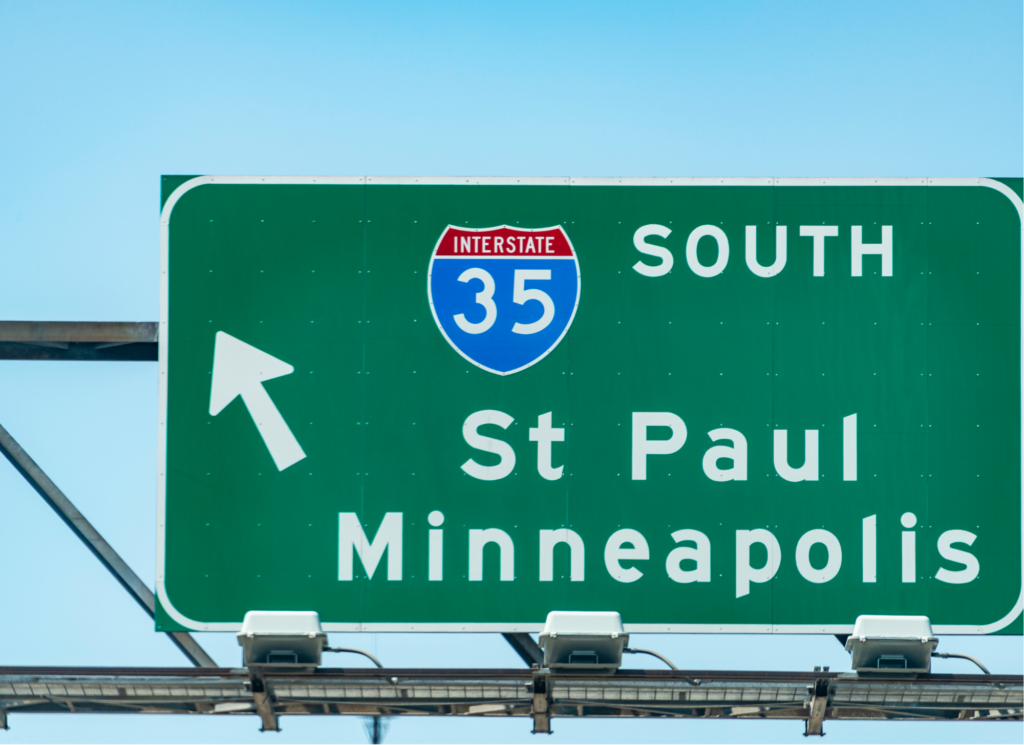
If you’re thinking about moving to the Twin Cities, one of the biggest questions you’ll likely run into is: 👉 “Should I live in Minneapolis or St. Paul?” At first, it might seem like they’re basically the same. They’re right next to each other.They’re both part of the Twin Cities. But once you start looking closer: 👉 They feel very different—and that difference matters when choosing where to live. The goal isn’t to pick which one is “better.” 👉 It’s to figure out which one fits your lifestyle, your preferences, and your goals. The Short Answer 👉 Minneapolis tends to feel: 👉 St. Paul tends to feel: 👉 Neither is better 👉 They just offer different living experiences The Biggest Difference: How It Feels Before we talk about homes or price… 👉 Let’s talk about the feel Minneapolis Minneapolis often feels: You might find: 👉 It has more variation St. Paul St. Paul tends to feel: You’ll often notice: 👉 It feels more predictable Daily Life: What to Expect Living in Minneapolis Daily life may include: 👉 Some areas feel very active👉 Others feel more residential Living in St. Paul Daily life tends to feel: 👉 You know what to expect day-to-day Housing Differences Now let’s talk about what most buyers care about: 👉 What kind of home can I get? Minneapolis Housing You’ll find: 👉 There’s more variety in housing styles and layouts St. Paul Housing You’ll find: 👉 Feels more neighborhood-driven What About New Construction? This is important for today’s buyers. Reality: 👉 Most new construction is in surrounding metro areas So whether you choose: 👉 You’ll likely explore nearby areas if you want: 👉 This is a major factor for many buyers today Price Ranges (General Comparison) Both cities fall into similar ranges, but options vary. Entry-Level 👉 ~$250K – $400K Move-Up 👉 ~$450K – $700K Higher-End 👉 $800K+ 👉 The difference isn’t just price 👉 It’s what you get for that price Lifestyle Comparison This is where the decision really happens. Minneapolis Lifestyle 👉 Best described as: You can: 👉 It gives you options within the same location St. Paul Lifestyle 👉 Best described as: You’ll find: 👉 It’s more about consistency than variety A Real Situation I See All the Time A buyer starts with: 👉 “I want Minneapolis” Then we explore both cities. They realize: 👉 They actually prefer the feel of St. Paul Or the opposite: 👉 They want more variety → Minneapolis fits better 👉 The decision usually comes down to: 👉 How it feels when you experience both The Role of Surrounding Metro Areas Here’s something most buyers don’t realize early: 👉 You’re not limited to either city The Twin Cities includes: 👉 Many buyers choose: 👉 “Near Minneapolis” or “Near St. Paul” Instead of inside the city itself Common Misconceptions ❌ “They’re basically the same” 👉 They’re not—the feel is different ❌ “One is better than the other” 👉 It depends on your lifestyle ❌ “You have to pick one” 👉 You have options across the metro How to Decide Between Minneapolis and St. Paul Step 1: Think About Your Pace Do you want: Step 2: Think About Your Home Do you want: Step 3: Think About Your Lifestyle Do you prefer: 👉 This is what usually determines the decision Who Each City Is Best For Minneapolis May Be Better For: St. Paul May Be Better For: 👉 Again—neither is better 👉 It’s about fit FAQ: Minneapolis vs St. Paul Is Minneapolis better than St. Paul?No—they offer different lifestyles. Which is more affordable?It depends on the specific area and home type. Which is better for first-time buyers?Both can work—it depends on preferences and budget. Can I look in both areas?Yes—and most buyers should. Final Thoughts Choosing between Minneapolis and St. Paul isn’t about picking the “right” city. 👉 It’s about choosing what fits YOU best Because the real difference is: 👉 Not just location👉 But lifestyle 👉 That’s what will guide your decision Next Step If you’re trying to decide between Minneapolis, St. Paul, or anywhere in the Twin Cities & surrounding metro Minnesota, the next step is to explore what actually fits your lifestyle and budget: 👉 https://buy.dreamhomesminnesota.com/ 👉 You can also explore homes here: 👉 Minnesota Homes 👉 St. Paul Homes Lesley The RealtorRealtor in the Twin Cities & Surrounding Metro, MinnesotaHelping first-time and relocation buyers find the right home and location