
What Is It Like Living Near Shopping Areas in Minnesota?

When people think about buying a home, they often focus on the house itself. How many bedrooms does it have? Is the kitchen updated? Does it have a finished basement? How big is the backyard? Those are all important questions. But after helping buyers throughout Minnesota for years, I’ve learned that one factor often has a bigger impact on daily happiness than many people realize: What’s around the house. Specifically, how convenient is everyday life? As a Minnesota real estate agent, I frequently work with buyers who initially focus on the property and later realize that location and lifestyle play an even bigger role in their long-term satisfaction. One of the most common lifestyle preferences I hear is: “I’d love to be close to shopping.” That doesn’t necessarily mean living next door to a massive retail center. It means having easy access to the places you visit regularly. The grocery store. Target. Costco. Coffee shops. Pharmacies. Home improvement stores. Restaurants. Everyday errands become part of your routine, and where you live can either make those errands easy or turn them into a time-consuming chore. So what is it really like living near shopping areas in Minnesota? Let’s take a closer look. Why Shopping Access Matters More Than People Expect Most people don’t think about shopping access until after they move. When you’re buying a home, it’s easy to focus on: But daily convenience often becomes one of the biggest quality-of-life factors. Think about how many times per week you visit: Those trips add up quickly. A location that saves you even 10 to 15 minutes per errand can save hours every month. Convenience Becomes Part of Your Daily Lifestyle One of the biggest advantages of living near shopping areas is convenience. Need milk? Five minutes away. Need a birthday gift? Quick trip. Forgot an ingredient for dinner? No problem. Need school supplies? Easy. When stores are nearby, everyday life feels easier. Many homeowners don’t fully appreciate this until they’ve experienced it. Minnesota’s Shopping Hubs Throughout Minnesota, several communities have developed into major shopping destinations. Areas such as: offer extensive retail options. Residents often enjoy access to: without driving across the metro. The Appeal for Busy Families Families often appreciate shopping convenience more than anyone. Life becomes busy quickly when you’re juggling: Living near shopping areas can simplify logistics. For example: A quick stop at Target after soccer practice becomes easy. Running errands between activities becomes manageable. Last-minute needs become less stressful. Small conveniences often create significant lifestyle improvements. Grocery Shopping Gets Easier Let’s be honest. Most people visit grocery stores far more often than they expected when they bought their home. Whether it’s: having convenient access can be a major advantage. Minnesota winters make this even more noticeable. A five-minute grocery run during a January snowstorm feels much different than a thirty-minute drive. Access to Everyday Services Shopping districts often bring more than stores. Many include: This creates what many people describe as an “all-in-one” lifestyle. Rather than driving to multiple areas, many daily needs can be handled nearby. The Benefits During Minnesota Winters Minnesota winters can change how people think about location. A home may seem perfectly located in July. Then January arrives. Snow. Ice. Cold temperatures. Short days. Suddenly, convenience becomes even more valuable. Living near shopping areas often means: For many Minnesota residents, this becomes a major quality-of-life benefit. Walkability and Shopping Some Minnesota communities offer opportunities to walk to nearby shopping and services. Areas with stronger walkability often appeal to buyers who enjoy: Walkability can contribute to a stronger sense of community and neighborhood connection. The Social Side of Shopping Areas Many modern shopping districts function as gathering places. They’re no longer simply places to buy things. People meet friends. Grab coffee. Enjoy outdoor events. Attend seasonal festivals. Visit farmers markets. Many Minnesota shopping districts have evolved into lifestyle destinations. Examples include areas around: These areas often become community hubs. Potential Downsides of Living Near Shopping Areas Like every location choice, there are trade-offs. Living near shopping districts isn’t perfect for everyone. Potential considerations include: Increased Traffic Popular shopping areas often attract more vehicles. Busier Roads Main commercial corridors may experience higher traffic volumes. Noise Some retail districts remain active throughout the day and evening. Higher Demand Homes near desirable amenities often attract strong buyer interest. None of these are necessarily deal-breakers. They simply represent factors buyers should evaluate. Resale Value Considerations Convenience often appeals to future buyers as well. Many homebuyers actively search for: As a result, homes in convenient locations may attract broader buyer interest when it’s time to sell. Of course, every property and market is different. But convenience generally remains attractive. Different Buyers Value Shopping Differently Not everyone prioritizes shopping access equally. First-Time Buyers Often appreciate convenience and shorter commutes. Busy Families Frequently value nearby services. Empty Nesters May prioritize walkability and convenience. Retirees Often appreciate reduced driving requirements. Remote Workers May enjoy having errands nearby throughout the day. The importance of shopping access depends on lifestyle preferences. Popular Minnesota Communities for Shopping Access Several Minnesota communities consistently attract buyers seeking convenience. Examples include: Maple Grove Known for extensive retail and entertainment options. Woodbury Offers major shopping centers and convenient services. Bloomington Provides access to retail, dining, and major transportation routes. Eden Prairie Combines shopping, dining, and residential communities. Roseville Conveniently located near both Minneapolis and St. Paul. Each offers a different lifestyle experience. Questions Buyers Should Ask When evaluating shopping access, consider: How often do I run errands? Do I enjoy walking to nearby destinations? How important is convenience? Am I comfortable with additional traffic? What services do I use most often? The answers help determine whether shopping proximity should be a priority. Common Mistakes Buyers Make Focusing Only on the House Lifestyle matters too. Ignoring Daily Convenience Small inconveniences add up. Overlooking Winter Realities Distance feels different in January. Assuming All Shopping Areas Are Similar Every community offers a different experience. Not Visiting During Different Times of Day Traffic
Where Are New Construction Communities in Minnesota?
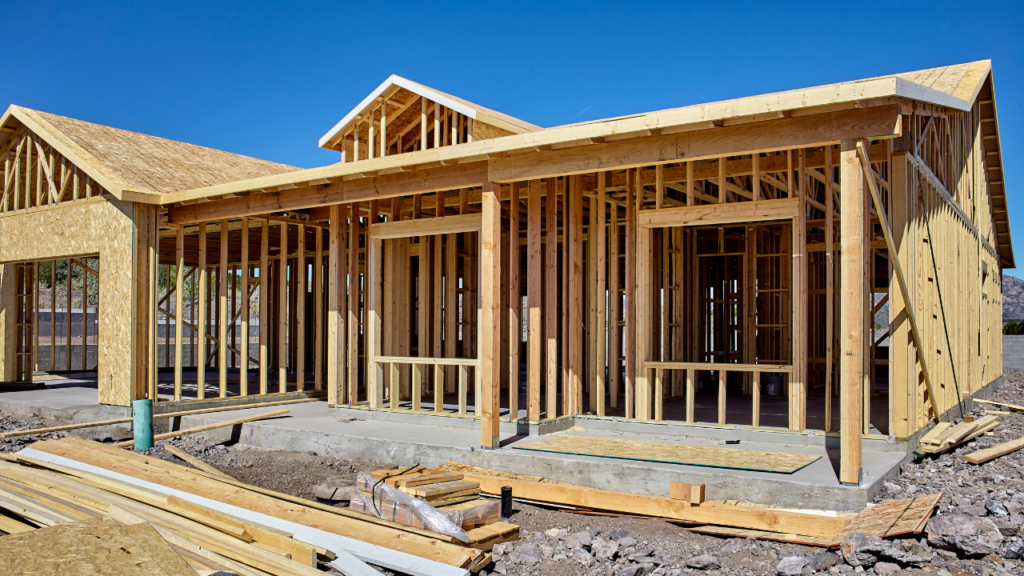
One of the biggest trends I’ve seen over the past several years is the growing number of buyers asking about new construction homes. Some buyers are tired of competing with multiple offers on resale homes. Others want modern layouts, energy efficiency, smart-home features, and the opportunity to personalize their home before moving in. And many first-time buyers are surprised to learn that in certain Minnesota communities, buying new construction can be just as affordable as purchasing an existing home. As a Minnesota real estate agent, I regularly work with buyers exploring both resale and new construction options. One of the first questions they ask is: “Lesley, where are the new construction communities in Minnesota?” The answer depends on your budget, lifestyle, commute preferences, and long-term goals. The Twin Cities metro continues to grow, and builders are actively developing new neighborhoods in many suburbs and surrounding communities. Let’s take a look at where new construction is happening, why these areas are growing, and what buyers should know before choosing a new construction community. Why So Many Buyers Are Choosing New Construction Before we talk about locations, it’s important to understand why new construction has become so popular. Many buyers are attracted to: Instead of spending money replacing roofs, furnaces, or appliances, buyers enjoy moving into a home where everything is brand new. For many families, that’s a major advantage. The Twin Cities Growth Pattern Most new construction activity follows growth corridors around the Minneapolis-St. Paul metro area. Builders generally look for: As a result, many of Minnesota’s newest communities are found in suburban areas surrounding Minneapolis and St. Paul. Lakeville Lakeville continues to be one of the most active new construction markets in Minnesota. Located south of the Twin Cities, Lakeville offers: Many builders continue developing new communities throughout Lakeville because buyer demand remains strong. Lakeville attracts: The city offers a balance between suburban living and convenient access to the metro. Farmington Farmington has experienced significant residential growth over the past decade. Many buyers appreciate: Farmington often appeals to buyers who want a newer home while stretching their budget further than they might in some closer-in suburbs. For many first-time buyers, Farmington offers excellent value. Rosemount Rosemount continues to attract buyers looking for newer construction communities. Popular features include: Many buyers find that Rosemount provides a newer suburban feel while remaining connected to the broader Twin Cities region. Otsego Otsego has become one of the fastest-growing communities in the northwest metro. Builders continue adding new neighborhoods because demand remains strong. Buyers are attracted by: Many families moving from more expensive suburbs discover they can get significantly more house for their money in Otsego. Rogers Rogers continues to see substantial residential growth. Located along the Interstate 94 corridor, Rogers attracts buyers seeking: Many new developments feature modern floor plans and family-friendly amenities. Dayton Dayton has become increasingly popular among buyers seeking newer homes. The city offers: Many buyers who previously focused on Maple Grove are now considering Dayton due to its growing inventory of new homes. Maple Grove While much of Maple Grove is already developed, new construction opportunities still exist in certain areas. Maple Grove remains attractive because of: New construction in Maple Grove often comes at a premium due to limited available land. Woodbury Woodbury continues to be one of the most sought-after suburbs in Minnesota. New construction remains active in various parts of the city. Buyers appreciate: Woodbury appeals to a wide range of buyers, including move-up families and professionals. Cottage Grove Cottage Grove continues experiencing residential expansion and new development activity. Many buyers choose Cottage Grove because of: Builders continue introducing new communities throughout the area. Blaine Blaine remains one of the most active northern metro suburbs for new construction. The city offers: Many buyers relocating within the Twin Cities place Blaine high on their list. Prior Lake Prior Lake continues attracting buyers seeking upscale suburban living. New construction opportunities often include: Buyers appreciate the community atmosphere and access to recreational opportunities. Victoria Victoria has become increasingly popular among buyers looking for newer communities with a small-town feel. Features include: Victoria often appeals to buyers seeking a quieter lifestyle while remaining connected to the metro area. What Builders Are Looking For Many buyers wonder why certain suburbs seem to have more new construction than others. Builders typically prioritize areas with: Available Land Without available land, large-scale development becomes difficult. School District Demand Strong school districts often attract families and drive demand. Transportation Access Proximity to highways remains important for many commuters. Retail and Employment Growth New restaurants, shopping centers, and employers often support residential growth. New Construction Isn’t Just for Luxury Buyers One misconception is that new construction only works for wealthy buyers. That’s simply not true. Minnesota builders currently offer homes ranging from: Many first-time buyers are surprised to discover that new construction may fit within their budget. Questions Buyers Should Ask Before choosing a new construction community, consider asking: What future development is planned? The empty field behind today’s home may become tomorrow’s neighborhood. What amenities are coming? New schools, parks, and shopping centers can impact long-term value. What homeowner association exists? Understand HOA fees and services. What upgrades are included? Model homes often display upgrades that increase the final purchase price. What is the timeline? Some homes are move-in ready while others require several months to complete. Why You Still Need a Realtor for New Construction One of the biggest mistakes buyers make is assuming they don’t need representation when buying from a builder. The builder’s sales representative works for the builder. Having your own Realtor can help you: Many buyers don’t realize this until they’re already deep into the process. FAQ Where is most new construction happening in Minnesota? Much of the activity is occurring in growing Twin Cities suburbs such as Lakeville, Woodbury, Blaine, Rogers, Farmington, Otsego, Dayton, and Rosemount. Are new construction homes more expensive? Not always. Pricing varies by location, builder, lot, and upgrades. Can first-time buyers purchase new construction?
What Are the Best Suburbs Near Minneapolis for First-Time Buyers? (2026 Homebuyer Guide)
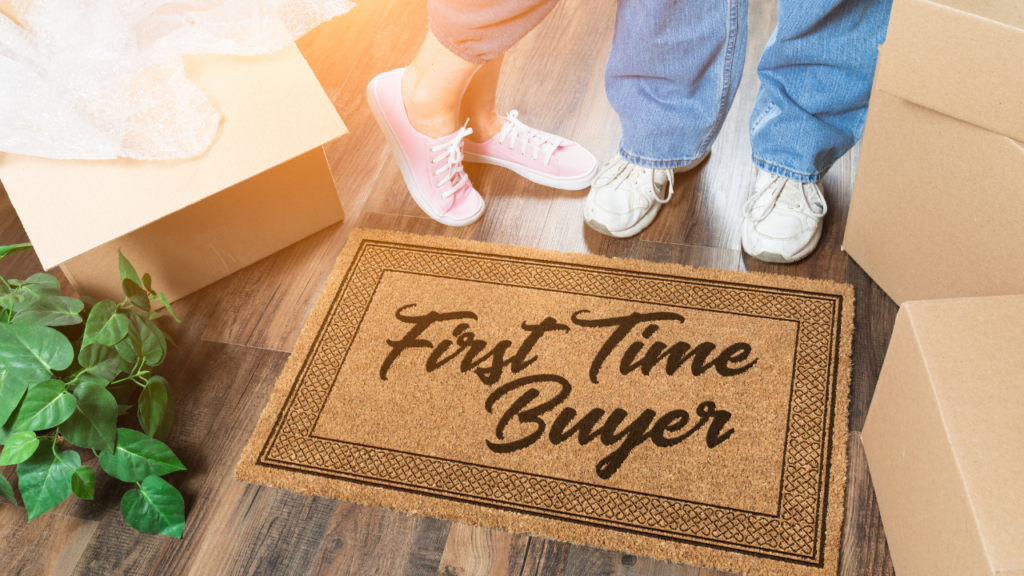
If you’re thinking about buying your first home in Minnesota, there’s a good chance you’ve asked this question: 👉 “What are the best suburbs near Minneapolis for first-time buyers?” And honestly? It’s one of the most common questions I hear. Because buying your first home isn’t just about finding a house. It’s about finding a place where you can build a life. A place where you can comfortably afford the payment. A place that fits your commute. A place that supports your lifestyle. A place you’ll still be happy living in a few years from now. The challenge is that there isn’t one perfect answer. The best suburb for a young professional may be completely different from the best suburb for a growing family. Someone working downtown Minneapolis may prioritize convenience. Someone working remotely may prioritize space and affordability. That’s why instead of focusing on the “best” suburb overall, it’s usually smarter to focus on: 👉 The best suburb for YOU. Let’s look at what first-time buyers should consider and some of the Minneapolis-area suburbs that consistently attract buyers entering the market. 🏡 What Makes a Good First-Time Buyer Suburb? Before we talk about specific cities, let’s define what most first-time buyers are looking for. Typically, buyers want a balance of: ✔️ Affordability ✔️ Safety ✔️ Community amenities ✔️ Reasonable commute times ✔️ Future resale potential ✔️ Parks and recreation ✔️ Shopping and dining access ✔️ Strong neighborhood appeal The challenge is that very few places score perfectly in every category. Most buyers are making tradeoffs. The goal is identifying which tradeoffs matter least to you. 🏡 Why Many First-Time Buyers Start in the Suburbs Minneapolis offers amazing urban living opportunities. But many first-time buyers find themselves exploring suburban communities because they can often get: ✔️ More square footage ✔️ Larger yards ✔️ Newer homes ✔️ Additional parking ✔️ More privacy For many buyers, the suburbs provide a balance between affordability and quality of life. Especially when compared to some higher-priced urban neighborhoods. 🏡 Brooklyn Park Brooklyn Park continues to attract many first-time buyers. One reason is location. It offers convenient access to: ✔️ Minneapolis ✔️ Major highways ✔️ Employment centers ✔️ Shopping and dining Many buyers appreciate that Brooklyn Park offers a variety of housing options at different price points. You’ll find: ✔️ Single-family homes ✔️ Townhomes ✔️ Newer developments ✔️ Established neighborhoods For buyers wanting flexibility, it’s often worth considering. 🏡 Brooklyn Center Brooklyn Center is another community many first-time buyers explore. Its location provides relatively easy access to both Minneapolis and surrounding suburbs. Buyers often like: ✔️ Central location ✔️ Established neighborhoods ✔️ Recreational opportunities ✔️ Convenient commuting routes As always, individual neighborhoods can vary significantly, so spending time exploring the area is important. 🏡 Maple Grove Maple Grove is frequently mentioned by buyers relocating to the Twin Cities. Why? Because it offers: ✔️ Extensive shopping ✔️ Restaurants ✔️ Parks ✔️ Walking trails ✔️ Community amenities Many buyers appreciate the convenience factor. However, depending on the market and inventory, pricing may be higher than some nearby suburbs. That’s why affordability should always be evaluated alongside location. 🏡 Champlin Champlin often appeals to buyers looking for a suburban feel while maintaining access to the metro area. Features buyers often like include: ✔️ Parks ✔️ River access ✔️ Residential neighborhoods ✔️ Community atmosphere Many first-time buyers find Champlin provides a balance between convenience and quieter suburban living. 🏡 Coon Rapids Coon Rapids consistently remains popular with first-time buyers. Reasons include: ✔️ Variety of housing options ✔️ Recreational amenities ✔️ Established neighborhoods ✔️ Transportation access ✔️ Community resources For buyers seeking affordability and convenience, Coon Rapids frequently ends up on the shortlist. 🏡 Blaine Blaine has experienced significant growth over the years. Many buyers are attracted by: ✔️ New construction opportunities ✔️ Parks and trails ✔️ Sports facilities ✔️ Growing retail options ✔️ Community development For buyers wanting newer housing inventory, Blaine often deserves consideration. 🏡 Crystal Crystal is often overlooked by buyers initially. But many discover it offers: ✔️ Convenient location ✔️ Established housing ✔️ Quick access to Minneapolis ✔️ Strong community feel Because it’s closer to the city than some outer-ring suburbs, buyers often find commuting attractive. 🏡 New Hope New Hope offers another option for buyers seeking proximity to Minneapolis. Buyers often appreciate: ✔️ Mature neighborhoods ✔️ Community parks ✔️ Recreation opportunities ✔️ Accessible location For first-time buyers wanting to stay relatively close to the city, New Hope is often worth exploring. 🏡 Plymouth Plymouth is frequently considered by buyers seeking: ✔️ Strong amenities ✔️ Park systems ✔️ Convenient freeway access ✔️ Diverse housing inventory Because Plymouth is a larger suburb, different neighborhoods can offer very different experiences. Buyers should spend time exploring multiple areas. 🏡 Roseville Roseville’s central location continues to attract buyers. One of its biggest advantages is access. Residents can often reach: ✔️ Minneapolis ✔️ St. Paul ✔️ Major highways ✔️ Shopping districts Relatively easily. For buyers who value convenience, Roseville often stands out. 🏡 What First-Time Buyers Should Focus On Here’s something important. The “best suburb” isn’t always the one your friends recommend. It’s the one that supports your goals. Ask yourself: ✔️ What monthly payment feels comfortable? ✔️ How important is commute time? ✔️ Do I want a yard? ✔️ How much space do I actually need? ✔️ Do I want newer construction? ✔️ How important are nearby amenities? The answers matter more than online rankings. 🏡 Affordability Matters More Than Popularity A suburb may be highly desirable. But if buying there stretches your budget too far, it may not be the best fit. Remember: The goal isn’t just buying a home. The goal is comfortably owning a home. That means leaving room in your budget for: ✔️ Emergencies ✔️ Repairs ✔️ Maintenance ✔️ Savings ✔️ Enjoying life 🏡 Visit Before You Decide One of the biggest mistakes buyers make is relying too heavily on internet research. Photos and rankings only tell part of the story. Visit neighborhoods. Walk around. Drive
How Do I Choose the Right Neighborhood in Minnesota? (2026 Homebuyer Guide)

Choosing a home is important. Choosing the neighborhood is even more important. Here’s why. You can remodel a kitchen. You can replace flooring. You can paint walls. But you can’t pick up a house and move it to a different neighborhood once you’ve closed on it. That’s why one of the biggest mistakes I see buyers make is spending weeks researching homes while spending very little time researching where those homes are actually located. A house may check every box on your wish list. But if the neighborhood doesn’t fit your lifestyle, your daily routine, your commute, or your long-term goals, you may find yourself regretting the purchase later. And honestly? The “best” neighborhood in Minnesota isn’t the same for everyone. A young professional working in downtown Minneapolis may want something completely different than a family with young children. Someone looking for nightlife may prioritize different things than someone seeking quiet streets and larger lots. That’s why choosing the right neighborhood starts with understanding your lifestyle first. You might be wondering: • How do I know which neighborhood fits me best?• Should I focus on schools even if I don’t have kids?• How important is commute time?• Should I prioritize affordability or convenience?• What neighborhood features matter most?• How do I know if I’ll enjoy living there long-term?• What should I research before making an offer? These are exactly the questions buyers should be asking. Because when you choose the right neighborhood, you’re not just buying a house. You’re choosing where you’ll spend your everyday life. 🏡 Start With Your Daily Routine Before researching neighborhoods, think about how you actually live. Not how you wish you lived. Not how social media says you should live. How you REALLY live. Ask yourself: ✔️ How often do I commute? ✔️ Do I work remotely? ✔️ How important is dining out? ✔️ Do I enjoy walking places? ✔️ Do I need quick freeway access? ✔️ Do I prefer quiet evenings? ✔️ How much driving am I comfortable with? The answers will help narrow your options quickly. A neighborhood that feels perfect for one buyer may feel completely wrong for another. 🏡 Think About Your Future, Not Just Today This is where many buyers get stuck. They focus only on their current situation. But buying a home often means planning several years ahead. Consider: ✔️ Family growth ✔️ Career changes ✔️ Future commuting needs ✔️ Aging parents ✔️ School considerations ✔️ Lifestyle goals Even if you don’t have children today, you may still want to understand future school options because they can affect resale value and buyer demand later. 🏡 Commute Time Matters More Than Most Buyers Expect A home may look amazing online. But if your commute adds an extra hour every day, that excitement can wear off quickly. Minnesota buyers often underestimate: ✔️ Winter driving conditions ✔️ Rush hour traffic ✔️ Construction seasons ✔️ Snow removal delays A neighborhood that’s 10 miles farther away may add significantly more time than expected depending on the route. That’s why I always encourage buyers to test drive the commute before making a decision. 🏡 Consider What You Like Doing Outside of Work Your home doesn’t exist in a vacuum. Think about: ✔️ Parks ✔️ Trails ✔️ Lakes ✔️ Restaurants ✔️ Shopping ✔️ Fitness centers ✔️ Community events Minnesota offers incredible lifestyle options depending on where you choose to live. Some buyers love being near the lakes. Others prioritize access to hiking trails. Some want walkable neighborhoods. Others want larger lots and more privacy. None are wrong. They’re simply different priorities. 🏡 Don’t Judge a Neighborhood From One Visit This is a mistake I see frequently. A buyer visits on: ✔️ A sunny Saturday afternoon And assumes they’ve seen everything. But neighborhoods can feel very different during: ✔️ Weekday mornings ✔️ Evening rush hour ✔️ Weekends ✔️ Winter months ✔️ Summer months If possible, visit multiple times. Drive around. Walk around. Get a feel for the area beyond the home itself. 🏡 Pay Attention to Home Maintenance One of the easiest ways to understand a neighborhood is to look around. Notice: ✔️ Yard maintenance ✔️ Property upkeep ✔️ General appearance ✔️ Pride of ownership No neighborhood is perfect. But overall condition often provides clues about long-term neighborhood stability. 🏡 Research Future Development Plans This is something many buyers overlook. A quiet area today may look very different five years from now. Research: ✔️ New housing developments ✔️ Commercial projects ✔️ Road expansions ✔️ Transit improvements ✔️ Future construction Sometimes development increases convenience. Other times it changes the character of an area significantly. 🏡 Schools Matter Even If You Don’t Have Children This surprises many buyers. School districts can influence: ✔️ Home values ✔️ Resale demand ✔️ Buyer interest Even buyers without children often benefit from understanding local school performance because future buyers may consider it important. 🏡 Talk to People Who Live There One of the best sources of information? Residents. Ask: ✔️ What do you love about the area? ✔️ What would you change? ✔️ How long have you lived here? ✔️ What surprised you after moving in? And honestly? You’ll often learn things you won’t find online. 🏡 Consider Seasonal Living in Minnesota Minnesota has four very distinct seasons. And neighborhoods can feel completely different depending on the time of year. Think about: ✔️ Snow removal ✔️ Winter driving ✔️ Ice conditions ✔️ Walking access ✔️ Summer activities ✔️ Seasonal traffic A neighborhood that’s wonderful in July should also work for you in January. 🏡 Affordability Still Matters It’s easy to fall in love with an area. But make sure the neighborhood fits your financial goals too. Don’t just look at: ✔️ Mortgage payment Also consider: ✔️ Property taxes ✔️ HOA fees ✔️ Utilities ✔️ Maintenance costs ✔️ Commuting expenses The right neighborhood should support your lifestyle without stretching your budget beyond what’s comfortable. 🏡 Think About Community Feel Some buyers want: ✔️ Active neighborhoods ✔️ Community events ✔️ Social interaction Others prefer:
What Is It Like Living Near Downtown Minneapolis vs the Suburbs? (2026 Minnesota Lifestyle Guide)

If you’re thinking about moving to the Twin Cities, one of the biggest questions you’ll probably face is: 👉 “Should I live near downtown Minneapolis or move to the suburbs?” And honestly? This is one of the MOST important lifestyle decisions people make when relocating to Minnesota. Because downtown living and suburban living create:👉 VERY different day-to-day experiences. Neither is automatically better. It really depends on:✔️ Your lifestyle✔️ Your personality✔️ Your priorities✔️ Your family situation✔️ Your commute✔️ The type of environment you enjoy daily Some people LOVE:👉 City energy and walkability. Others feel:👉 More comfortable with space, quietness, and suburban living. You might be wondering: • Is downtown Minneapolis safe?• What are the biggest pros and cons of suburban living?• Is city living more expensive?• Which areas are better for families?• What’s traffic like?• Which lifestyle feels less stressful?• What’s daily life actually like in each environment? These are smart questions. Because where you live affects:👉 Your daily routine more than almost anything else. The good news is: 👉 The Twin Cities offer BOTH strong urban living and excellent suburban communities. But understanding the differences can help you figure out:👉 Which lifestyle fits YOU best. 🏡 The Short Answer 👉 Living near downtown Minneapolis feels more walkable, energetic, connected, and urban. 👉 Living in the suburbs feels quieter, more spacious, family-oriented, and residential. Downtown-area living often attracts:✔️ Young professionals✔️ People wanting walkability✔️ Condo buyers✔️ Residents wanting nightlife and restaurants✔️ People prioritizing shorter city commutes Suburban living often attracts:✔️ Families✔️ Buyers wanting larger homes✔️ Residents prioritizing quieter environments✔️ People wanting yards and space✔️ Long-term homeowners Both lifestyles offer:✔️ Strong amenities✔️ Great communities✔️ Access to jobs and recreation But the daily experience feels VERY different. 🏡 What Is It Like Living Near Downtown Minneapolis? Living near downtown Minneapolis often means:👉 Faster-paced urban living. Residents typically enjoy:✔️ Walkability✔️ Restaurants✔️ Coffee shops✔️ Sporting events✔️ Entertainment✔️ Nightlife✔️ Apartment or condo living✔️ Public transit access The lifestyle feels:👉 More connected and active. People living downtown or near downtown often spend less time:👉 Driving everywhere. 🏡 What Is Suburban Living Like? Suburban living around Minneapolis tends to feel:👉 More spacious and residential. Suburbs often offer:✔️ Larger homes✔️ More yard space✔️ Quiet streets✔️ Parks✔️ Schools✔️ Family-oriented neighborhoods✔️ Easier parking The lifestyle usually feels:👉 Slower-paced and calmer. A lot of residents choose suburban living because:👉 They want more personal space and less daily noise/activity. 🏡 Walkability Is One of the Biggest Differences This is HUGE. Downtown Minneapolis and nearby neighborhoods often allow residents to:✔️ Walk to restaurants✔️ Walk to cafés✔️ Walk to events✔️ Walk to work✔️ Use transit more easily That creates:👉 A very different daily routine. Suburban life usually involves:👉 More driving. Even though many suburbs still offer:✔️ Shopping centers✔️ Restaurants✔️ Parks✔️ Trails The environment feels:👉 More car-oriented overall. 🏡 Downtown Living Feels More Energetic This is one of the biggest lifestyle differences. Living near downtown often means:✔️ More people✔️ More movement✔️ More activity✔️ More nightlife✔️ More city energy Some people LOVE that environment. Others feel:👉 It becomes overwhelming long-term. Personality fit matters tremendously here. 🏡 Suburban Living Feels More Relaxed Suburban areas often feel:✔️ Quieter✔️ Less crowded✔️ More predictable✔️ More family-centered Residents often prioritize:✔️ Peacefulness✔️ Outdoor space✔️ Privacy✔️ Residential comfort Especially after:✔️ Starting families✔️ Working remotely✔️ Wanting more home space 🏡 Housing Styles Feel Very Different Downtown-area living often includes:✔️ Condos✔️ Apartments✔️ Townhomes✔️ Loft-style buildings✔️ Smaller living spaces Suburban living often includes:✔️ Single-family homes✔️ Larger lots✔️ Garages✔️ Newer developments✔️ More square footage The type of home lifestyle changes dramatically. 🏡 Which Lifestyle Is Better for Families? Generally:👉 Many families prefer suburban living. Especially because suburbs often offer:✔️ Larger homes✔️ More yard space✔️ Quiet neighborhoods✔️ Schools nearby✔️ Less traffic and activity That said:👉 Some families absolutely LOVE city living too. Especially those prioritizing:✔️ Walkability✔️ Cultural experiences✔️ Urban lifestyle✔️ Reduced commuting There’s no universal “right” answer. 🏡 Commute Patterns Feel Different Too Living near downtown may reduce:👉 Commute time. Especially for people working:✔️ Downtown Minneapolis✔️ Nearby office districts✔️ Urban business centers Suburban residents may experience:✔️ Longer driving commutes✔️ More highway time✔️ Rush-hour traffic But remote work has changed this for many people. 🏡 Cost of Living Differences This depends heavily on:✔️ Neighborhood✔️ Property type✔️ Amenities✔️ School districts✔️ Exact suburb or downtown area Downtown living often includes:✔️ HOA fees✔️ Parking costs✔️ Smaller spaces at higher price-per-square-foot Suburban living often offers:✔️ More space✔️ Larger properties✔️ More home-focused value But some high-demand suburbs can also become VERY expensive. 🏡 Which Lifestyle Feels More Social? Downtown-area living often creates:👉 Easier spontaneous social activity. Because:✔️ Restaurants✔️ Bars✔️ Events✔️ Entertainment Are nearby. Suburban social life often feels:👉 More home-centered and planned. Many suburban residents socialize through:✔️ Schools✔️ Neighborhoods✔️ Parks✔️ Community events Both can feel highly social…Just differently. 🏡 Outdoor Access Exists in Both This surprises some people. Minneapolis offers:✔️ Parks✔️ Trails✔️ Lakes✔️ River access Even close to downtown. Suburbs often offer:✔️ Larger parks✔️ More green space✔️ Trails✔️ Recreational areas Minnesota overall is VERY strong for outdoor lifestyle. 🏡 Noise Levels Feel Different This matters more than many people realize. Downtown-area living often includes:✔️ Traffic noise✔️ Sirens✔️ Foot traffic✔️ Event activity✔️ Construction Suburban living tends to feel:👉 Much quieter overall. Especially at night. 🏡 Parking Is Easier in the Suburbs Generally:👉 Yes. Downtown-area living may involve:✔️ Parking ramps✔️ Street parking✔️ Paid parking✔️ Shared garages Suburbs usually offer:✔️ Driveways✔️ Garages✔️ Easier guest parking This becomes important for many residents over time. 🏡 Which Lifestyle Feels Less Stressful? Honestly? This depends entirely on personality. Some people feel:👉 Energized by city activity. Others feel:👉 Drained by constant movement and noise. Some people LOVE:✔️ Quiet suburban life. Others feel:👉 Bored without city energy. There’s no universally “better” lifestyle. Only:👉 Better personality fit. 🏡 Who Usually Prefers Downtown Living? Downtown-area living often attracts:✔️ Young professionals✔️ Condo buyers✔️ Walkability-focused residents✔️ Urban lifestyle seekers✔️ Residents prioritizing entertainment and convenience Especially:✔️ Singles✔️ Couples✔️ Professionals working downtown 🏡 Who Usually Prefers Suburban Living? Suburban living often attracts:✔️ Families✔️ Long-term homeowners✔️ Buyers wanting larger homes✔️ Residents prioritizing quietness and space✔️ People wanting traditional neighborhood environments