
What Seasons Do People Enjoy Most in Minnesota? The Answer Might Surprise You
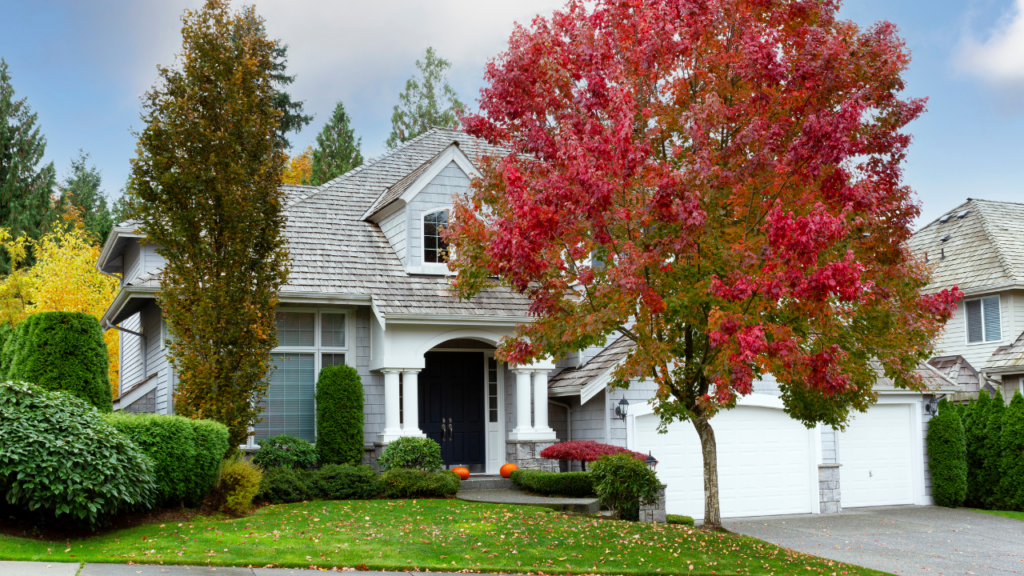
If you’re thinking about moving to Minnesota, you’ve probably heard a lot about the weather. You’ve heard about winter. You’ve heard about snow. You’ve probably heard someone make a joke about cold temperatures. But what many people don’t realize is that Minnesota residents don’t just talk about weather. They talk about seasons. And there’s a difference. Because living in Minnesota isn’t simply about dealing with cold winters or enjoying warm summers. It’s about experiencing four distinct seasons, each with its own personality, traditions, activities, and lifestyle. One of the most common questions relocation buyers ask is: “What season do people enjoy the most?” It’s a fair question. After all, if you’re considering a move, you want to understand what daily life feels like throughout the year. The surprising answer is that there isn’t one universally agreed-upon favorite season. Ask ten Minnesotans and you may get ten different answers. Some love summer. Others swear by fall. Many eagerly await spring. And yes, some people genuinely love winter. What makes Minnesota unique is that every season offers something special. The result is a lifestyle that feels dynamic, exciting, and constantly changing. Let’s explore why different people choose different seasons as their favorite and what each season brings to life in Minnesota. Why Minnesotans Think About Seasons Differently In many parts of the country, weather changes only slightly throughout the year. Temperatures may shift. Rainfall may increase. But daily life often remains relatively similar. Minnesota is different. The seasons are distinct. You don’t just notice them. You experience them. The clothing changes. The activities change. The scenery changes. Even the mood of communities changes. Because of this, residents often develop strong feelings about which season they enjoy most. Why Summer Often Wins If you conducted a statewide poll, summer might receive the most votes. And it’s easy to understand why. Minnesota summers are beautiful. The days are long. The lakes are active. The parks are busy. The weather encourages people to spend as much time outside as possible. For many residents, summer means: The combination creates an energetic atmosphere throughout the state. Many families plan vacations around summer. Neighborhoods feel active. Community calendars fill up quickly. For people who love outdoor recreation, summer often feels like paradise. The Magic of Minnesota’s Long Summer Days One reason summer stands out is daylight. During peak summer, daylight extends well into the evening. People can: All without feeling rushed. These long days contribute significantly to summer’s popularity. Why Many Residents Actually Prefer Fall This surprises newcomers. Many longtime Minnesotans will confidently tell you: “Fall is the best season.” And they make a strong argument. Fall offers: The weather often feels nearly perfect. Not too hot. Not too cold. Just comfortable. The Beauty of Fall Colors One reason autumn has such passionate supporters is the scenery. Minnesota’s forests transform into stunning displays of: The state becomes incredibly photogenic. Residents enjoy: Many people describe autumn as the most beautiful season of the year. Why Spring Has Its Own Loyal Fans Spring may not receive as much national attention as summer or fall, but in Minnesota it holds a special place in people’s hearts. After winter, spring feels exciting. The snow melts. The days grow longer. Trees regain their leaves. Outdoor life returns. The season brings a sense of renewal that many residents genuinely appreciate. For some people, spring represents hope and fresh beginnings. Spring Feels Earned Part of what makes spring so special is what comes before it. After months of winter, even small changes feel significant. A sunny day in the 50s can feel incredible. Patios reopen. Parks become active. People spend more time outdoors. The transition creates excitement that’s difficult to fully understand until you’ve experienced it. Yes, Some People Truly Love Winter This is the season that surprises outsiders the most. Many assume everyone simply tolerates winter. That’s not true. Some residents genuinely consider winter their favorite season. Why? Because winter offers experiences unavailable during any other time of year. Examples include: For winter enthusiasts, the season feels full of opportunities. Winter Creates a Unique Atmosphere There’s something distinctive about Minnesota during winter. Fresh snowfall. Frozen lakes. Holiday lights reflecting on snow. Cozy evenings indoors. Community traditions. Many residents find winter peaceful and beautiful. Rather than viewing it as a hardship, they view it as part of the state’s identity. Different Seasons Appeal to Different Lifestyles One reason there is no single favorite season is that people’s interests vary. For example: Outdoor Adventurers May prefer summer. Photographers Often love fall. Gardeners Frequently enjoy spring. Winter Sports Enthusiasts May choose winter. Your favorite season often reflects the activities you enjoy most. Families Often Love All Four Seasons Parents frequently tell me one of the best parts of raising children in Minnesota is experiencing all four seasons. Children enjoy: Winter Snow forts, sledding, skating. Spring Parks, playgrounds, sports. Summer Swimming, camping, lake life. Fall Pumpkin patches, orchards, football. Every season offers opportunities to create memories. Seasonal Variety Prevents Monotony One reason many residents stay in Minnesota is that life rarely feels repetitive. Just as one season begins feeling familiar, another arrives. The scenery changes. The activities change. The pace changes. This constant variety keeps life interesting. Newcomers Often Change Their Favorite Season Many relocation buyers arrive assuming summer will be their favorite. Then they experience fall. Or spring. Or even winter. Over time, preferences often shift. The season they feared most may become one they appreciate. The season they expected to love may surprise them in unexpected ways. Minnesota’s Seasons Create Community Traditions Each season brings its own traditions. Examples include: Winter Winter Carnival, hockey tournaments, holiday events. Spring Gardening, opening cabins, outdoor markets. Summer Festivals, lake weekends, community celebrations. Fall Harvest festivals, football games, apple orchards. These traditions help create a strong sense of place. The Economic and Lifestyle Benefits of Four Seasons The changing seasons support: They also encourage residents to stay active and engaged throughout the year. Each season brings new opportunities. What
Is Minnesota Too Cold to Live Comfortably? What Most Newcomers Discover After Moving Here

If you’re thinking about moving to Minnesota, chances are you’ve asked this question—or at least thought about it. “Is Minnesota too cold to live comfortably?” It’s one of the most common concerns people have before relocating here. Friends warn you. Family members make jokes. People who have never lived in Minnesota share stories they’ve heard from someone who knows someone who once visited in January. And before long, it can sound like Minnesota is a place where everyone spends six months battling the cold. The reality is much different. As a Realtor who works with relocation buyers, immigrant families, professionals moving for work, and people coming from warmer climates, I’ve noticed something interesting. Most people who worry about Minnesota’s cold before moving here stop worrying about it after they’ve lived here for a year. Why? Because they discover that cold weather and comfortable living are not mutually exclusive. Yes, Minnesota gets cold. Very cold sometimes. But comfort isn’t determined by the temperature outside. It’s determined by how well a community, a home, and a lifestyle are designed around the climate. Minnesota has had generations to figure that out. And it shows. If you’re wondering whether Minnesota is too cold to live comfortably, here’s what you should know before making assumptions based on weather reports alone. The Temperature Doesn’t Tell the Whole Story One of the biggest mistakes people make is focusing only on the number they see in a weather forecast. For example: If someone sees 5°F on their weather app, they immediately assume daily life must be miserable. But temperature is only one part of the story. Questions that matter just as much include: In Minnesota, the answer to those questions is usually yes. That’s because the entire state is built around the reality of winter. Homes Are Designed for Comfort This is one of the biggest surprises for newcomers. Minnesota homes are not built the same way homes are built in many warmer states. Features often include: As a result, many residents are perfectly comfortable indoors even when outdoor temperatures drop significantly. In fact, many newcomers tell me they feel warmer inside their Minnesota home during winter than they did in homes located in much milder climates. Heating Systems Are Built for Minnesota Heating isn’t an afterthought here. It’s a necessity. Most homes have systems specifically designed to handle cold weather efficiently. This means: People aren’t constantly battling the cold inside their homes. Most families spend winter comfortably watching movies, cooking meals, hosting friends, and living normal lives. Attached Garages Make a Huge Difference Many Minnesota homes include attached garages. That may sound like a small detail. It isn’t. Attached garages help residents: For newcomers, this often becomes one of the most appreciated features of Minnesota living. The State Is Prepared for Winter Another reason Minnesota remains comfortable despite the cold is preparation. Winter isn’t treated as an unexpected event. It’s expected. Road departments prepare. Schools prepare. Businesses prepare. Homeowners prepare. Because winter is anticipated, systems are designed to function effectively. This makes daily life much easier than outsiders often imagine. Most People Continue Living Normally One misconception is that cold weather forces people indoors for months. The reality? People continue: Life doesn’t stop because it’s cold. Residents simply adapt. And after a while, those adaptations become routine. Proper Clothing Changes Everything Many newcomers underestimate how much clothing matters. The difference between being uncomfortable and comfortable outdoors is often preparation. Minnesotans invest in: Quality Winter Coats Insulated Boots Warm Gloves Hats Layered Clothing Once properly dressed, many winter activities become surprisingly enjoyable. People who struggle with winter are often underprepared rather than incapable of handling the weather. Winter Doesn’t Last Forever This might sound obvious, but it’s worth mentioning. Minnesota has four distinct seasons. Winter gets the attention. But residents also enjoy: Many newcomers arrive focused entirely on winter and are surprised by how much they love the rest of the year. The seasonal variety becomes one of the state’s biggest attractions. Cold Weather Creates Strong Communities One unexpected benefit of Minnesota’s climate is the sense of community it often encourages. People gather. Neighbors help one another. Communities host events. Families spend time together. Rather than isolating people, winter frequently creates opportunities for connection. Many newcomers find Minnesota communities welcoming and supportive. Winter Recreation Is Part of the Lifestyle Another reason people remain comfortable is that they don’t spend winter waiting for it to end. They participate in it. Popular activities include: The season becomes something to experience rather than simply endure. Schools and Children Adapt Quickly Parents often worry about how children will handle winter. Interestingly, children usually adapt faster than adults. Kids quickly learn: For many families, winter becomes one of the most memorable parts of growing up in Minnesota. Mental Comfort Matters Too Comfort isn’t only physical. It’s psychological. People who constantly fight winter often find it harder to enjoy. People who embrace the season tend to have a very different experience. Minnesotans generally approach winter with realism. They understand: That mindset makes a significant difference. What Relocation Buyers Usually Tell Me After helping many relocation buyers settle in Minnesota, I’ve noticed a pattern. Before moving, they ask: “Can I really handle the winters?” After moving, they often say: “That wasn’t nearly as bad as I expected.” Why? Because expectations were based on headlines rather than reality. Experiencing Minnesota firsthand is very different from imagining it. The Biggest Challenge Isn’t Usually the Cold This may surprise you. For many newcomers, the biggest adjustment isn’t the temperature. It’s learning new routines. Examples include: Once these habits become routine, life becomes much easier. Why Millions of People Choose Minnesota If Minnesota were truly too cold to live comfortably, millions of people wouldn’t choose to live here. Yet the state continues attracting: People stay because the quality of life often outweighs concerns about weather. Strong communities. Excellent parks. Good schools. Economic opportunities. Outdoor recreation. These factors matter every day. Common Myths About Minnesota Cold Myth: It’s Always
How Does Weather Impact Daily Life in Minnesota? What New Residents Should Really Expect
If you’re thinking about moving to Minnesota, you’ve probably heard plenty of comments about the weather. Some people make it sound like life revolves around snowstorms. Others act like residents spend six months hiding indoors. And then there are the jokes: “If you don’t like the weather, wait five minutes.” While those comments might get a laugh, they don’t really answer the question many newcomers are asking: “How does weather actually affect everyday life in Minnesota?” The answer is simple. Yes, weather plays a role in daily life here. But probably not in the way you think. Minnesota residents don’t organize their lives around avoiding weather. Instead, they adapt to it. The result is a lifestyle that embraces all four seasons rather than fighting them. As a Realtor who works with relocation buyers, immigrant families, and people moving from warmer climates, I’ve noticed that most newcomers are surprised by how normal life feels after they settle in. The weather changes. The activities change. The clothing changes. But life keeps moving. If you’re considering a move to Minnesota, here’s an honest look at how weather affects everyday life and what you can realistically expect throughout the year. Weather Shapes the Seasons One of the biggest differences between Minnesota and many other parts of the country is that the seasons feel distinct. You don’t just notice them on a calendar. You experience them. Each season brings its own personality. Winter encourages cozy indoor gatherings and snow activities. Spring brings renewal and outdoor excitement. Summer fills lakes, trails, parks, and patios. Fall transforms landscapes and community events. Because the seasons are so different, residents often structure activities around them. Instead of viewing weather as an inconvenience, many people see it as part of what makes life here interesting. People Plan Ahead More Often One practical impact of weather is planning. Minnesotans tend to be proactive. For example: Before winter arrives, people prepare their homes. Before a snowstorm, they monitor forecasts. Before a summer lake weekend, they check weather apps. Planning becomes part of the culture. Not because life is difficult. But because being prepared makes everything easier. This mindset quickly becomes second nature. Winter Changes Transportation Habits Winter is probably the season that affects daily routines the most. However, the changes are often minor. For example: People may leave for work a few minutes earlier. Drivers allow more following distance. Vehicles are warmed up before departure. Residents keep winter emergency supplies in their cars. Most people continue working, commuting, shopping, and living normally. They simply make adjustments. Roads Stay Active Year-Round One misconception among people moving from warmer states is that snow shuts everything down. In reality, Minnesota communities are extremely experienced at handling winter weather. Road crews work aggressively. Snowplows operate quickly. Major roads are prioritized. Most residents continue their normal schedules. Occasionally, severe storms create delays. But for the vast majority of winter days, life moves forward. Clothing Becomes Seasonal In some parts of the country, wardrobes don’t change dramatically throughout the year. Minnesota is different. Weather influences what people wear. For example: Winter Spring Summer Fall Many residents genuinely enjoy the variety. Each season brings a fresh start. Outdoor Activities Change Throughout the Year One of the most interesting ways weather impacts life is through recreation. Minnesotans don’t stop spending time outdoors. They simply change activities. Summer favorites include: Winter favorites include: Spring and fall offer their own opportunities. The weather creates variety rather than limitations. Homes Are Built for the Climate Many newcomers worry about winter comfort. The good news is that Minnesota homes are designed for local conditions. Features often include: As a result, daily life indoors remains comfortable regardless of outdoor conditions. People aren’t sitting inside shivering. Most homes stay warm and comfortable all winter long. Weather Influences Community Events Seasonal weather helps shape community life. Throughout the year you’ll find: Winter Festivals Spring Events Summer Celebrations Fall Harvest Festivals Rather than avoiding weather, communities often build traditions around it. These events help create Minnesota’s strong sense of community. Summer Changes Daily Routines Summer brings dramatic changes in how people spend their time. Long daylight hours encourage: Many residents find themselves staying outside later simply because daylight lasts longer. Summer often feels energetic and active. Daylight Hours Affect Lifestyle One factor newcomers don’t always anticipate is daylight variation. Minnesota experiences noticeable seasonal differences. Winter days are shorter. Summer days are longer. These changes influence: Many people enjoy the rhythm this creates throughout the year. Spring Brings New Energy Ask most Minnesotans how weather impacts their mood and they’ll probably mention spring. After winter, warmer temperatures and longer days often create: Spring is one of the most anticipated seasons because of the energy it brings. Fall Creates a Different Pace Autumn affects daily life in a unique way. The weather becomes cooler. The scenery changes. People spend more time outdoors before winter arrives. Activities often include: Many residents consider fall the most enjoyable season of all. Gardening and Landscaping Become Important Weather heavily influences outdoor home projects. Homeowners often spend time: For many people, these activities become enjoyable seasonal traditions. Weather Creates Appreciation One thing many newcomers notice is that residents genuinely appreciate good weather. A sunny spring day feels exciting. A perfect fall afternoon feels special. A warm summer evening feels worth enjoying. The changing seasons create contrast. That contrast often increases appreciation. Schools Adapt Easily Parents considering a move often ask whether weather disrupts schools. The answer is: Usually not. Schools are prepared. Children are accustomed to seasonal conditions. While severe weather occasionally causes delays or closures, most winter days operate normally. Education continues without major interruptions. Businesses Operate Normally Weather rarely stops commerce in Minnesota. Businesses remain active throughout the year. Restaurants stay busy. Stores remain open. Professional services continue operating. The infrastructure is built to handle seasonal changes. Fitness Habits Evolve Many residents adjust fitness routines based on weather. Summer might include: Winter might include: People adapt rather than stop exercising. Social Life
What Do People Do in Winter in Minnesota? 25 Popular Activities That Might Surprise You

One of the biggest misconceptions about Minnesota is that people spend winter trapped indoors waiting for spring. If you’ve never lived here, it’s an understandable assumption. After all, when people hear words like: they often imagine months of inactivity. But the reality is very different. In fact, many Minnesotans are surprisingly active during winter. Some people even prefer winter to summer. As a Minnesota Realtor, I regularly work with families relocating from warmer states and from other countries. One question I hear often is: “What do people actually do all winter?” The answer is simple: A lot. Minnesota has spent generations learning how to embrace winter rather than avoid it. Communities are built for it. Activities are designed around it. People prepare for it. And once you understand how residents approach the season, you’ll realize winter isn’t something that stops life—it’s simply a different way of living it. If you’re thinking about moving to Minnesota, here’s a realistic look at what people do during winter and why many residents genuinely enjoy this time of year. Ice Skating Is Everywhere Let’s start with one of the most iconic winter activities. Ice skating. Throughout Minnesota you’ll find: Many cities maintain free or low-cost skating facilities. Families often spend weekends skating together. Children learn early. Adults continue participating for decades. Even people who aren’t particularly athletic often enjoy skating as a social activity. Hockey Is Practically a State Tradition Minnesota is often called the State of Hockey. And for good reason. Winter hockey culture is everywhere. You’ll find: Many families spend winter weekends attending games. Even if you don’t play, hockey quickly becomes part of the local culture. Ice Fishing Is Extremely Popular This surprises many newcomers. Yes, people really fish on frozen lakes. And yes, they genuinely enjoy it. Ice fishing often involves: For many Minnesotans, it’s as much about socializing as it is about fishing. Entire communities form around this winter tradition. Snowshoeing Is Easier Than You Think If you’ve never tried snowshoeing, Minnesota is a great place to start. Many parks offer trails specifically designed for it. Benefits include: It’s one of the most beginner-friendly winter activities available. Cross-Country Skiing Is a Favorite Minnesota has an outstanding cross-country skiing culture. Thousands of residents participate every winter. Parks and recreation areas maintain trails throughout the state. People enjoy it because: Many newcomers discover they enjoy it more than expected. Winter Hiking Is Surprisingly Popular Hiking doesn’t stop when snow arrives. In fact, many people enjoy winter hiking because: Minnesota’s parks remain active throughout winter. Visiting State Parks Minnesota’s state parks don’t shut down during winter. Many become even more beautiful. Visitors enjoy: The experience feels completely different from summer but equally rewarding. Snowmobiling Has a Huge Following Snowmobiling is especially popular in greater Minnesota. The state offers thousands of miles of trails. For enthusiasts, winter means: It’s a major recreational activity in many communities. Winter Festivals Fill the Calendar Minnesota communities know how to celebrate winter. Many host: One of the most famous examples is the Saint Paul Winter Carnival. These events attract residents and visitors alike. Visiting Coffee Shops and Cafés Not every winter activity involves snow. Many Minnesotans enjoy spending time in: There’s something uniquely enjoyable about sitting inside with a warm drink while snow falls outside. Attending Sporting Events Winter sports extend beyond participation. Residents attend: Sports become a major social activity during colder months. Exploring Indoor Recreation Centers Many communities offer: These spaces help residents stay active year-round. Visiting Museums Winter often provides opportunities to explore: The Twin Cities offer numerous indoor attractions. Families frequently use winter weekends for educational outings. Going to Concerts and Live Events Winter is actually a busy season for entertainment. Residents attend: The cultural scene remains active regardless of weather. Enjoying Local Restaurants Minnesota’s food scene stays busy throughout winter. Many residents use winter as an opportunity to explore: Dining out remains a popular social activity. Winter Photography Many photographers consider winter one of Minnesota’s most beautiful seasons. Popular subjects include: The landscapes create opportunities unavailable during any other season. Holiday Celebrations Winter includes some of the year’s most important celebrations. Families gather for: These traditions help make winter feel meaningful and social. Neighborhood Gatherings Continue Many newcomers assume winter reduces social interaction. Often the opposite happens. People intentionally gather for: Relationships remain active throughout the season. Walking Remains Popular You may be surprised how many people continue walking outdoors during winter. With proper clothing: Minnesotans generally don’t allow cold weather to eliminate outdoor activity. Fitness Becomes a Priority Many residents use winter to focus on health goals. Popular activities include: Staying active helps people enjoy the season more fully. Reading and Learning Winter often encourages slower activities as well. People spend more time: The season naturally creates opportunities for personal growth. Board Games and Family Activities Family-focused indoor activities remain popular. Examples include: Many people appreciate the extra time spent together. Exploring Small Towns Winter road trips remain common. Residents visit: Minnesota offers countless opportunities for exploration. Northern Lights Viewing On occasion, residents can see the Northern Lights. This is especially true in northern parts of the state. For many people, witnessing the aurora becomes a memorable winter experience. Simply Enjoying the Season Perhaps the biggest surprise for newcomers is that many residents genuinely enjoy winter itself. Not because they love cold temperatures. But because they’ve learned to appreciate: Winter becomes something to experience rather than endure. Why Newcomers Often Change Their Minds Many relocation buyers arrive nervous about winter. A year later, they’re often surprised by how much they enjoyed it. Why? Because winter feels different when you’re participating rather than observing. Once people start exploring activities and embracing local traditions, the season becomes much more enjoyable. Common Myths About Winter Life in Minnesota Myth: Everyone Stays Indoors Reality: Many residents remain extremely active. Myth: There Is Nothing To Do Reality: Community calendars stay packed. Myth: Winter Is Depressing Reality: Staying active and engaged makes a huge difference. Myth:
What Is Spring Like in Minnesota? The Season Everyone Waits For
If winter is the season that gets all the attention in Minnesota, spring is the season that gets all the appreciation. After months of snow, cold temperatures, and shorter days, something remarkable happens every year. The snow begins to melt. The days become longer. The sun feels warmer. People start spending more time outside. And suddenly, the entire state seems to come back to life. For many newcomers, spring in Minnesota is unlike anything they’ve experienced before. It’s not just a change in weather. It’s a change in mood. A change in energy. A change in lifestyle. As a Minnesota Realtor, I’ve worked with many families relocating from warmer climates. One thing they often tell me after experiencing their first Minnesota spring is: “Now I understand why everyone talks about it.” There’s a sense of excitement that arrives with spring because residents know what it represents. It’s the beginning of lake season. Patio season. Gardening season. Outdoor activity season. And after a long winter, people are ready for it. If you’re thinking about moving to Minnesota or simply curious about what life is like here throughout the year, here’s what spring is really like and why it holds such a special place in the hearts of so many residents. Spring Arrives Gradually One thing newcomers quickly learn is that spring in Minnesota doesn’t arrive overnight. Unlike some parts of the country where winter suddenly disappears, Minnesota experiences a gradual transition. The process unfolds in stages. At first, you notice: Then the snow begins melting. The ground starts appearing. Trees slowly wake up. Eventually, everything begins turning green again. It’s a transformation people genuinely look forward to every year. The Days Get Noticeably Longer One of the first signs of spring isn’t necessarily warmer temperatures. It’s daylight. After the shorter days of winter, spring brings dramatic changes in daylight hours. The sun rises earlier. The sun sets later. People suddenly find themselves with more usable time in the evenings. This change alone has a huge impact on daily life. You’ll notice more people: Longer days often create an immediate boost in energy. The Snow Melts Away For many newcomers, seeing the snow disappear feels symbolic. Winter slowly loosens its grip. Snowbanks shrink. Lawns begin reappearing. Parks become accessible again. The landscape transitions from white and gray to green and colorful. It’s a process residents anticipate every year. And when the final snow finally disappears, people celebrate. Temperatures Begin Climbing Spring temperatures can vary significantly throughout Minnesota. That’s part of the experience. One week may feel cool. The next week may feel surprisingly warm. Generally, temperatures gradually climb from: The changing temperatures encourage people to spend more time outdoors. Even a 50-degree day can feel wonderful after winter. Parks Become Busy Again Minnesota has an outstanding park system. Spring is when many residents begin returning to their favorite outdoor spaces. You’ll find people: Parks that felt quiet during winter suddenly become active again. Families return to playgrounds. Community events begin appearing. Outdoor recreation starts ramping up. The Lakes Begin Coming Back to Life Minnesota’s lakes are central to the state’s identity. Spring marks the return of lake activity. The ice eventually melts. Boat launches reopen. Fishing activity increases. People begin planning summer weekends. Even before swimming season arrives, many residents enjoy simply being near the water. The lakes create a sense of anticipation for everything summer has to offer. Gardening Season Begins Many Minnesota homeowners love gardening. Spring signals the beginning of planting season. Garden centers become busy. People shop for: Neighborhoods begin looking more colorful as landscaping projects get underway. For many residents, gardening is one of their favorite spring traditions. Outdoor Dining Returns Few things signal spring more clearly than outdoor patios reopening. After months of indoor dining, restaurants begin welcoming customers outside again. You’ll notice: Patio season is a big deal in Minnesota. People appreciate it because they know it’s seasonal. Spring Sports Return Sports play an important role in many Minnesota communities. Spring brings: Baseball Softball Soccer Track and Field Golf Parks and athletic fields become active again. Families spend weekends attending games and practices. Communities become energized. Wildlife Becomes More Active One of the more enjoyable aspects of spring is seeing nature reawaken. Bird activity increases. Animals become more visible. Flowers begin blooming. Trees regain their leaves. Even simple walks become more enjoyable because there’s so much happening in the environment. Real Estate Activity Increases Spring is traditionally one of the busiest seasons in Minnesota real estate. Many buyers begin actively searching for homes. Many sellers choose to list their properties. The comfortable weather and improving curb appeal help create momentum in the housing market. For relocation buyers, spring often feels like an ideal time to explore communities and neighborhoods. Community Events Start Returning Throughout the winter, many activities move indoors. Spring changes that. Communities begin hosting: Residents reconnect with friends and neighbors. The social atmosphere becomes noticeably more active. Spring Brings Optimism This may sound difficult to measure, but many Minnesota residents will tell you it’s true. Spring changes people’s moods. After spending months navigating winter, there’s a collective sense of optimism. People become more active. More social. More engaged. You can often feel the shift throughout neighborhoods and communities. The Air Feels Different Ask a longtime Minnesotan about spring and they’ll often mention the air. There’s something refreshing about stepping outside after winter. The air feels cleaner. Warmer. More inviting. Simple activities like taking a walk or sitting outside become enjoyable again. It’s one of those experiences that’s difficult to fully describe until you’ve lived through it. Spring Is a Season of Anticipation Part of what makes spring special is what it represents. It’s not just about the season itself. It’s about what’s coming next. People begin thinking about: Spring serves as a bridge between winter and summer. That anticipation creates excitement throughout the season. Common Myths About Minnesota Spring Myth: Spring Starts Late Everywhere Reality: Conditions vary throughout the state, and spring often
What Are Fall Seasons Like in Minnesota? Why Autumn Is Many Residents’ Favorite Time of Year
When people think about Minnesota, they usually think about one of two things: Winter. Or lakes. What many people don’t realize is that fall might be the most beautiful season of all. In fact, ask a group of longtime Minnesota residents which season they enjoy most, and you’ll hear “fall” surprisingly often. There’s something special about autumn here. The air changes. The colors explode across the landscape. The humidity fades. The mosquitoes disappear. Football returns. Apple orchards become busy. Families spend weekends outdoors. And the entire state seems to slow down just enough to enjoy it. As a Minnesota Realtor, I’ve worked with many relocation buyers who move here during summer and are completely surprised by how much they love fall. Many arrive expecting to enjoy the lakes and outdoor recreation. They leave their first autumn wondering why nobody told them how incredible Minnesota fall could be. If you’re considering moving to Minnesota or simply want to understand the local lifestyle better, here’s what fall is really like and why so many people consider it the best season in the state. Fall Doesn’t Arrive Overnight One thing that makes Minnesota autumn unique is the gradual transition. Summer doesn’t suddenly disappear. Instead, the season unfolds over several weeks. Late August often still feels like summer. By September, subtle changes begin appearing. You’ll notice: The transition feels natural rather than abrupt. Many residents consider this gradual shift one of the season’s greatest strengths. The Weather Becomes Extremely Comfortable One reason fall is so popular is the weather. After the heat and humidity of summer, autumn often feels refreshing. Typical temperatures frequently range between: Depending on the month and location. Many days feature: For people who enjoy being outdoors, fall can feel almost perfect. The Fall Colors Are Spectacular If you’ve never experienced a Minnesota autumn, the colors may surprise you. Trees transform into shades of: Entire neighborhoods change appearance. Parks become vibrant. Roadways turn scenic. Lakes reflect brilliant colors. Many residents schedule weekend drives specifically to enjoy the changing leaves. Leaf-peeping isn’t just something tourists do. Minnesotans love it too. Northern Minnesota Becomes a Destination Every fall, thousands of people travel north to experience peak color season. Popular destinations include: Duluth The North Shore Grand Marais Ely Itasca State Park Lutsen These areas become especially popular because of their dramatic scenery and expansive forests. For many families, autumn road trips become an annual tradition. Apple Orchards Become Weekend Favorites Fall and apple orchards go together in Minnesota. Throughout the state, families visit orchards to enjoy: These outings become a seasonal tradition for many households. For newcomers, orchard visits often become one of the highlights of their first Minnesota fall. Pumpkin Patches Are Everywhere Another sign that autumn has arrived? Pumpkin patches. Families throughout Minnesota spend weekends visiting local farms. Activities often include: For families with children, fall weekends often become packed with outdoor adventures. Football Season Returns Sports play a significant role in Minnesota culture. Fall marks the return of: High School Football College Football Professional Football Community support for local teams is strong. Friday night football games become social gatherings in many communities. The return of football often feels like an unofficial marker that autumn has arrived. Outdoor Activities Become More Comfortable Many people love summer. But some outdoor enthusiasts actually prefer fall. Why? The weather. Activities such as: often become more comfortable as temperatures cool. Without summer humidity, many residents spend even more time outdoors. Minnesota Trails Shine During Fall Minnesota’s trail systems become especially beautiful during autumn. Whether you’re in: You’ll find trails lined with colorful trees. Many residents make a point of taking walks specifically to enjoy the scenery. Fall Festivals Fill Community Calendars Autumn is packed with local events. Examples include: Harvest festivals Community celebrations Craft fairs Food festivals Seasonal markets Communities throughout Minnesota embrace the season. These events create opportunities to meet neighbors and experience local culture. Farmers Markets Remain Active Many farmers markets continue operating well into the fall season. Shoppers enjoy: The atmosphere often feels particularly festive during autumn. The Air Feels Different This may sound strange until you experience it. But many residents talk about “fall air.” It’s cooler. Cleaner. Crisper. Many people genuinely enjoy simply being outside. Even simple activities like walking the dog or drinking coffee on the porch feel different during autumn. Photography Becomes Popular Minnesota fall creates incredible photo opportunities. You’ll see people taking pictures of: Photographers often consider autumn one of the best times of year to capture Minnesota landscapes. Real Estate Activity Remains Strong Many newcomers assume the housing market slows dramatically after summer. In reality, fall remains a very active season. Buyers often continue shopping because they want to: The comfortable weather also makes home shopping enjoyable. Fall Is Often Easier for Home Projects Homeowners frequently use autumn to complete: The moderate temperatures make outdoor work more comfortable than during summer heat. Wildlife Becomes More Visible Nature lovers often appreciate fall because wildlife activity increases. Parks and natural areas offer opportunities to observe: Minnesota’s natural beauty becomes especially noticeable during this season. The Holidays Begin Approaching Another reason people love fall is the anticipation. Autumn serves as the bridge between summer and the holiday season. Families begin planning: There is a sense of excitement that builds throughout the season. Why Many Residents Prefer Fall Over Summer This surprises some newcomers. But many Minnesotans actually prefer fall. Common reasons include: More Comfortable Temperatures Less Humidity Beautiful Scenery Fewer Mosquitoes Outdoor Recreation Seasonal Activities The combination creates a lifestyle many people find difficult to beat. Common Myths About Minnesota Fall Myth: Fall Is Very Short Reality: The season often lasts several enjoyable weeks. Myth: It’s Too Cold Reality: Many people find fall temperatures ideal. Myth: There’s Nothing to Do Reality: Community calendars are packed. Myth: Fall Means Winter Is Immediately Coming Reality: Autumn unfolds gradually and can last quite a while. Myth: Only Northern Minnesota Has Good Fall Colors Reality: Beautiful fall scenery exists throughout the state.
What Is Summer Like in Minnesota? Why So Many People Fall in Love With It
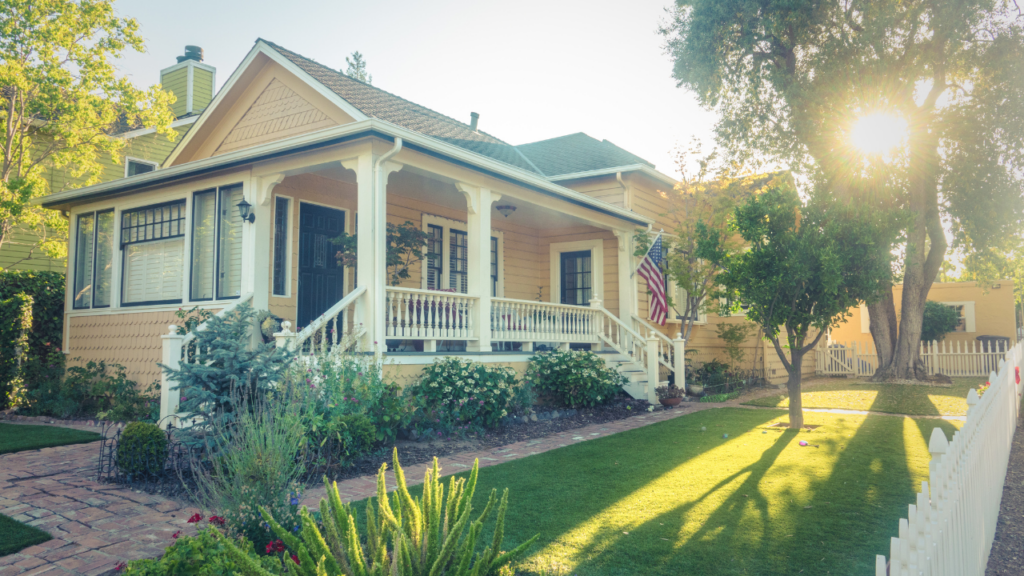
If you’ve ever talked to someone who has lived in Minnesota for a while, you’ve probably heard them say something like: “Just wait until summer.” It’s almost a rite of passage for newcomers. You ask about winter. They smile. Then they start talking about summer. As a Minnesota Realtor, I hear this all the time from relocation buyers moving from other states and countries. Many people arrive worried about snow, cold temperatures, and winter driving. What they don’t realize is that Minnesota’s summers are one of the state’s biggest hidden treasures. In fact, many longtime residents will tell you that summer is one of the main reasons they continue living here. The weather changes dramatically. The lakes come alive. Neighborhoods become active. Festivals fill community calendars. Outdoor patios open. Parks fill with families. And after months of winter, people embrace every minute of it. If you’re considering moving to Minnesota, here’s what summer is really like and why so many residents consider it one of the best parts of living in the North Star State. Summer Feels Like a Celebration One thing newcomers notice quickly is how much Minnesotans appreciate summer. After experiencing winter, spring, and the transition into warmer weather, summer feels special. People don’t take it for granted. When temperatures rise, communities seem to come alive. You’ll notice: Summer isn’t simply another season. For many residents, it’s something they genuinely look forward to all year. What Are Summer Temperatures Like? Minnesota summers are warm but generally comfortable. Typical daytime temperatures often range between: Some days are cooler. Some days are hotter. Humidity can occasionally increase, especially during certain stretches of summer. But overall, many people find Minnesota summers very pleasant. Unlike some southern states where extreme heat can limit outdoor activities, Minnesota summers often encourage people to spend more time outside. Long Daylight Hours Change Everything One of the most surprising aspects of Minnesota summers is the amount of daylight. During the peak of summer: The sun rises early. The sun sets late. It’s common to enjoy daylight well into the evening. For many newcomers, this feels incredible. Long evenings create opportunities for: Many residents feel like summer days last longer simply because there’s so much daylight available. Minnesota’s Lakes Become the Center of Activity Minnesota is known as the Land of 10,000 Lakes. In reality, there are even more than that. During summer, the lakes become one of the state’s greatest attractions. People enjoy: Boating Fishing Kayaking Paddleboarding Swimming Jet skiing Beach outings Many communities are built around lake access and waterfront recreation. Even residents who don’t own lake property often take advantage of public parks and beaches. Cabin Culture Is Real One thing many newcomers discover is Minnesota’s cabin culture. Families often spend summer weekends: For many Minnesotans, cabin weekends are a cherished tradition. Even those without cabins often visit friends or rent vacation properties during the summer months. Parks Are Everywhere Minnesota invests heavily in parks and recreation. As a result, summer offers endless opportunities to enjoy the outdoors. Popular activities include: Walking Running Biking Picnics Playground visits Outdoor sports Whether you live in Minneapolis, St. Paul, Woodbury, Maple Grove, Lakeville, Blaine, or many other communities, parks are often easily accessible. The Trail System Is Outstanding One feature that surprises many relocation buyers is the quality of Minnesota’s trail systems. Throughout the Twin Cities and beyond, you’ll find extensive networks for: Many communities are intentionally designed to connect neighborhoods with trails and green spaces. For active residents, this is a major lifestyle benefit. Patio Season Is a Big Deal Minnesotans love outdoor dining. After winter, patios become incredibly popular. Restaurants throughout the state open outdoor seating areas. You’ll find people enjoying: Patio season often becomes a social event in itself. Summer Festivals Fill the Calendar Minnesota communities host countless summer events. Examples include: Community festivals Food festivals Music festivals Cultural celebrations Art fairs Farmers markets Throughout the summer, there is almost always something happening somewhere. This contributes significantly to the state’s strong sense of community. Farmers Markets Become Weekend Destinations Farmers markets are popular throughout Minnesota. They offer: Many families make regular visits part of their summer routine. These markets often become gathering places rather than simple shopping destinations. Outdoor Sports Are Everywhere Summer creates endless opportunities for sports and recreation. Popular activities include: Golf Tennis Pickleball Soccer Baseball Softball Volleyball Many communities offer leagues and recreational programs for both children and adults. Families Spend More Time Outside If you’re moving with children, you’ll likely appreciate how family-oriented Minnesota summers can be. You’ll see families: The abundance of outdoor activities helps families stay active and connected. Summer Road Trips Are Popular Minnesota’s location creates excellent opportunities for travel. Residents often explore: Weekend road trips become common throughout the summer months. State Parks Shine During Summer Minnesota’s state park system is one of its greatest assets. Summer visitors enjoy: Hiking Camping Wildlife viewing Scenic overlooks Waterfalls Photography Many residents make state park visits a regular part of their summer lifestyle. The North Shore Is a Summer Favorite If you’ve never visited Minnesota’s North Shore along Lake Superior, it’s worth adding to your list. The area offers: Many Minnesotans consider it one of the most beautiful regions in the state. Summer Creates a Strong Community Feel One reason people love Minnesota summers is the sense of connection. Neighbors spend more time outside. Children play together. Community events bring people together. Outdoor activities naturally create opportunities to meet people and build relationships. For newcomers, this can make settling into a new community easier. Does Summer Ever Get Too Hot? Occasionally. Some summer days can become quite warm. However, most homes, businesses, and vehicles are equipped with air conditioning. Extreme heat generally occurs in shorter periods compared to many southern states. For most residents, summer remains very comfortable overall. Common Myths About Minnesota Summers Myth: Summer Is Too Short Reality: While shorter than some regions, Minnesota summers are packed with activities and experiences. Myth: It’s Always Humid Reality:
What Is Winter Really Like in Minnesota? A Realistic Guide for New Residents
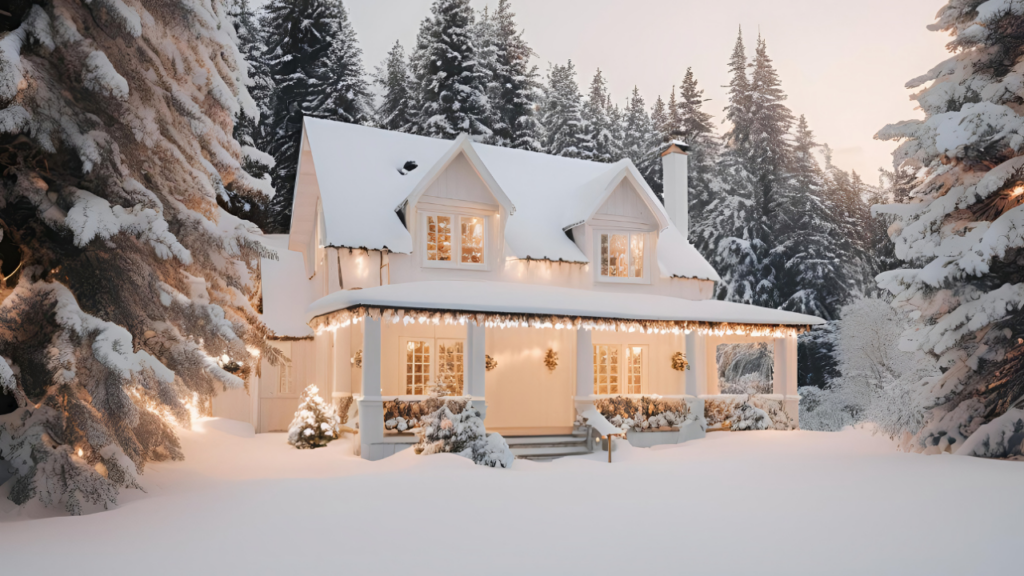
If you’ve never lived in Minnesota before, chances are you’ve heard the jokes. “Isn’t it freezing there all the time?” “Do people even go outside in winter?” “How much snow do you get?” “Why would anyone choose to live there?” As a Minnesota Realtor, I hear these questions regularly from people relocating from warmer states and from immigrants moving to Minnesota for the first time. The funny thing is that many people imagine Minnesota winter as six straight months of blizzards, dangerous roads, and endless misery. The reality is very different. Yes, Minnesota winters are cold. Yes, we get snow. And yes, you’ll probably learn a few new weather terms after moving here. But winter is also one of the reasons many people fall in love with Minnesota. The key is understanding what winter is really like—not what people on the internet say it’s like. If you’re considering moving to Minnesota, here’s an honest look at what winter actually feels like and how residents live comfortably through it every year. Winter Usually Starts Gradually One misconception many newcomers have is that winter arrives overnight. It doesn’t. Minnesota experiences a gradual transition. During October and November, temperatures begin cooling. Leaves change color. The air becomes crisp. People begin preparing their homes and vehicles for colder weather. The first snowfall often creates excitement rather than frustration. For many residents, it’s part of the seasonal rhythm they’ve enjoyed their entire lives. How Cold Does It Really Get? Let’s address the question everyone asks. Minnesota can get very cold. Winter temperatures commonly range from: Those extremely cold days make headlines because they’re unusual. They’re not the daily experience for most of winter. Many people hear about a day with a wind chill of -20°F and assume that’s what Minnesota feels like all season. It’s not. Most winter days are far more manageable than the headlines suggest. What Is Wind Chill? You’ll quickly learn about wind chill after moving to Minnesota. Wind chill measures how cold it feels when wind combines with low temperatures. For example: May feel significantly colder. This is why Minnesota residents pay attention to both the actual temperature and the wind chill forecast. Fortunately, modern winter clothing makes managing cold weather much easier than many people expect. Snow Is Part of Life Yes, Minnesota gets snow. But snow isn’t usually the crisis many newcomers imagine. Communities are prepared. Cities invest heavily in snow removal. Road crews work quickly. Most residents continue their normal routines even after significant snowfall. In fact, many people appreciate how beautiful Minnesota looks after a fresh snowfall. Neighborhoods become quiet. Trees become covered in snow. Parks transform into winter landscapes. It can be surprisingly beautiful. Roads Are Maintained Aggressively One concern many newcomers have involves driving. The good news is that Minnesota has extensive experience managing winter roads. Snowplows operate regularly. Salt and treatment crews respond quickly. Major highways are typically cleared efficiently. That doesn’t mean winter driving requires no adjustment. It does mean you’re moving to a state that knows exactly how to manage snow. Most residents quickly become comfortable driving in winter conditions. Homes Are Built for Winter This is something many people don’t realize. Minnesota homes are designed with winter in mind. Features often include: A properly maintained Minnesota home can remain extremely comfortable even during cold weather. Many newcomers are surprised by how warm and cozy homes feel throughout the winter months. Life Doesn’t Stop Because of Snow One of the biggest misconceptions about Minnesota is that everyone stays indoors all winter. The opposite is often true. People continue: Winter simply becomes another season. Residents adapt rather than hibernate. Minnesotans Learn to Dress Properly The secret to enjoying winter isn’t toughness. It’s preparation. Minnesotans understand layering. Typical winter clothing may include: With proper clothing, many winter activities become surprisingly enjoyable. Most newcomers discover they were underdressed for winter in previous climates rather than unprepared for the weather itself. Winter Activities Are Everywhere Minnesota doesn’t just survive winter. It embraces it. Popular winter activities include: Ice Skating Outdoor and indoor rinks exist throughout the state. Hockey Few states love hockey as much as Minnesota. Snowshoeing Many parks offer excellent trails. Cross-Country Skiing Extremely popular throughout the Twin Cities and greater Minnesota. Snowmobiling Thousands of miles of trails attract enthusiasts every year. Ice Fishing A Minnesota tradition. Winter Festivals Many communities host seasonal events and celebrations. For many residents, winter becomes one of the most active times of the year. The Holidays Feel Different Here One thing newcomers often love is the holiday atmosphere. Snow-covered neighborhoods. Holiday lights reflecting on fresh snow. Community events. Winter markets. The season often feels like something out of a holiday movie. Many families find this becomes one of their favorite parts of living in Minnesota. School and Business Operations Continue Another surprise for newcomers: Schools and businesses don’t automatically close because of snow. Minnesotans are accustomed to winter weather. While severe storms occasionally cause delays or closures, most winter days operate normally. Life continues. That’s one reason residents adapt so well. Winter isn’t viewed as an emergency. It’s viewed as a season. Mental Health During Winter Let’s address something important. The shorter daylight hours can affect some people. Many residents combat this by: The people who enjoy winter most are often the ones who remain engaged rather than retreating indoors. The Beauty of Winter Even people who dislike cold weather often admit Minnesota winters can be stunning. Examples include: Winter creates scenery that simply doesn’t exist in many other parts of the country. Winter Makes You Appreciate Other Seasons One unexpected benefit of Minnesota winters is how much residents appreciate spring, summer, and fall. When spring arrives: People celebrate. When summer arrives: People maximize it. When fall arrives: People savor it. The changing seasons create a rhythm many residents genuinely enjoy. Common Myths About Minnesota Winters Myth #1: It’s Always Cold Reality: Minnesota experiences four distinct seasons. Myth #2: Nobody Goes Outside Reality: Outdoor activities remain extremely popular.
What Neighborhoods Are Best for Newcomers Moving to Minnesota?
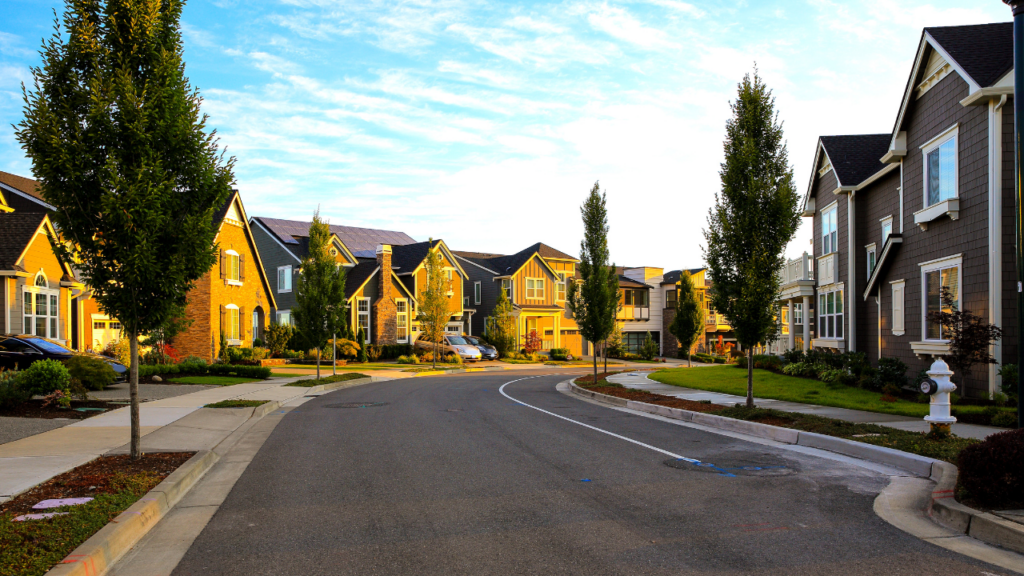
Moving to a new country is exciting. It’s also overwhelming. When immigrant families decide to buy a home in Minnesota, one of the biggest questions isn’t about mortgage rates or down payments. It’s about location. More specifically: “Where should we live?” As a Minnesota real estate agent, I’ve worked with immigrant families from many different countries and backgrounds. While every family is unique, most newcomers share similar concerns. They want a neighborhood that feels welcoming. They want access to jobs. They want safe communities. They want good schools. They want convenience. And they want confidence that they’re making the right decision for their future. The challenge is that Minnesota has hundreds of neighborhoods and dozens of cities throughout the Twin Cities metro area alone. There isn’t one perfect neighborhood for every newcomer. The best neighborhood depends on your lifestyle, budget, family size, employment situation, and long-term goals. However, there are certain communities that consistently attract newcomers because they offer a strong combination of affordability, opportunity, diversity, and quality of life. Let’s explore what makes a neighborhood newcomer-friendly and which Minnesota communities many immigrant buyers choose when starting their homeownership journey. What Makes a Neighborhood Good for Newcomers? Before looking at specific locations, it’s important to understand what many immigrant families prioritize. The most common factors include: A neighborhood doesn’t need to excel in every category. But the best newcomer communities usually perform well across several of these areas. Diversity Often Matters One thing I hear frequently from immigrant buyers is: “We’d like to be somewhere where we don’t feel completely alone.” That’s understandable. Moving to a new country often involves adjusting to: Communities with diverse populations can sometimes make this transition easier. They may offer: Many newcomers appreciate having access to familiar resources while adapting to life in Minnesota. Brooklyn Park Brooklyn Park is one of the communities many immigrant families consider. Why? Because it offers a combination of: Brooklyn Park has become home to residents from many different backgrounds. Buyers often appreciate the range of housing options available at various price points. For families seeking affordability combined with accessibility, Brooklyn Park frequently appears on the shortlist. Brooklyn Center Brooklyn Center is another community that often attracts first-time and immigrant homebuyers. Advantages include: Many buyers appreciate being close to employment centers while maintaining reasonable housing costs. Fridley Fridley offers an appealing balance between suburban living and urban accessibility. Benefits include: For buyers who want proximity to both Minneapolis and suburban amenities, Fridley can be worth exploring. Columbia Heights Columbia Heights remains popular among buyers seeking affordability close to Minneapolis. The community offers: Many newcomers appreciate the ability to remain close to urban employment opportunities while pursuing homeownership. Richfield Richfield often appeals to buyers who want central access to the Twin Cities. The location provides: For families who travel frequently or commute throughout the metro area, Richfield offers significant convenience. Maple Grove For buyers with larger budgets, Maple Grove frequently becomes a strong contender. Reasons include: Many families appreciate the combination of suburban living and modern development. Maple Grove continues to attract newcomers from across the country and around the world. Woodbury Woodbury has experienced tremendous growth over the years. Today it remains one of the most popular suburban communities in Minnesota. Buyers often appreciate: Woodbury offers options ranging from starter homes to luxury properties. Lakeville Lakeville consistently attracts growing families. Reasons include: Many immigrant buyers looking for long-term family homes find Lakeville appealing. Blaine Blaine has become one of the fastest-growing communities in the Twin Cities. Benefits include: For buyers seeking growth and opportunity, Blaine frequently deserves consideration. Cottage Grove Cottage Grove continues attracting buyers looking for value and newer housing opportunities. Many families appreciate: It’s often a strong option for buyers seeking a balance between budget and growth potential. Consider Your Workplace One mistake newcomers sometimes make is focusing exclusively on the house. The commute matters too. A beautiful home can become frustrating if you’re spending hours commuting every week. Before choosing a neighborhood, consider: Where do I work? How often do I commute? Do I work remotely? Might my employment location change? The answers should influence your neighborhood search. School Considerations Even buyers without children should understand how schools affect neighborhoods. School district reputation often influences: Families with children should carefully evaluate educational options. But even buyers without school-aged children may benefit from understanding how schools impact housing markets. Transportation and Accessibility Transportation needs vary. Some newcomers prioritize: Others focus more heavily on: There is no universal right answer. The best neighborhood supports your specific lifestyle. Don’t Focus Only on Today’s Needs One of the most important pieces of advice I give immigrant buyers is this: Think beyond today. Ask yourself: Will my family grow? Could my income increase? Might I change jobs? Will I need more space later? Buying a home is often a long-term decision. Choosing a neighborhood that supports future goals can be just as important as meeting current needs. Visit Communities in Person Online research is helpful. But it has limits. I strongly encourage buyers to: The feeling of a neighborhood is difficult to understand from photographs alone. Many buyers change their opinions after visiting communities in person. Common Mistakes Newcomers Make Following Someone Else’s Advice Without Research What works for one family may not work for another. Choosing Based Only on Price Affordability matters, but lifestyle matters too. Ignoring Commute Times Transportation affects daily quality of life. Overlooking Future Needs Think long-term. Limiting Neighborhood Options Too Early Some of the best opportunities exist in communities buyers initially overlook. FAQ What is the best city in Minnesota for immigrants? There isn’t one best city. Communities such as Brooklyn Park, Maple Grove, Woodbury, Lakeville, Blaine, Richfield, and Fridley are frequently considered by immigrant buyers. Where do many immigrant families buy homes? Many purchase homes in diverse suburban communities offering affordability, accessibility, and family-friendly environments. Are suburbs better than Minneapolis for newcomers? Not necessarily. The right choice depends on lifestyle, work location, budget, and personal
What Is It Like Living Near Schools and Parks in Minnesota?

When people start looking for a home, they often focus on the property itself. The number of bedrooms. The size of the kitchen. The garage. The basement. The backyard. But after helping buyers throughout Minnesota for years, I’ve learned that many homeowners eventually realize something important: The neighborhood often has just as much impact on daily happiness as the house itself. One of the most desirable combinations many buyers look for is living near schools and parks. And contrary to popular belief, this isn’t only important for families with children. I’ve worked with first-time buyers, retirees, empty nesters, relocating professionals, and growing families who all wanted homes near schools and parks for different reasons. Why? Because these amenities often create convenience, community, recreation, walkability, and long-term neighborhood appeal. As a Minnesota real estate agent, I’ve found that buyers frequently underestimate how much they will use nearby parks and appreciate the overall atmosphere that school-centered communities often provide. So what is it really like living near schools and parks in Minnesota? Let’s take a closer look. Schools and Parks Often Shape the Character of a Community When you visit many Minnesota neighborhoods, you’ll quickly notice that schools and parks often serve as community anchors. They become places where residents gather, children play, neighbors meet, and community events take place. In many communities, schools and parks aren’t separate amenities. They’re part of the neighborhood’s identity. You’ll often find: all centered around these areas. This creates an environment that feels active, welcoming, and connected. Parks Become Extensions of Your Backyard One of the biggest advantages of living near a park is having access to additional outdoor space. Even homeowners with large yards often find themselves using nearby parks regularly. Why? Because parks offer things most private yards don’t. Examples include: Many residents describe local parks as an extension of their property. Instead of feeling limited to their own yard, they gain access to acres of recreational space nearby. Families Often Prioritize Schools and Parks Together For families with children, schools and parks frequently go hand in hand. Many parents appreciate the convenience of having: The result is often less driving and more opportunities for children to stay active and engaged. Parents frequently tell me that one of their favorite parts of living near parks is being able to decide on a spontaneous family outing without needing extensive planning. Even Buyers Without Children Appreciate These Areas A common misconception is that only parents care about schools and parks. In reality, many buyers without children actively seek these neighborhoods. Why? Because schools and parks often contribute to: Many homeowners simply enjoy being surrounded by active, attractive neighborhoods. The presence of parks and recreational areas often enhances overall quality of life. Minnesota Parks Are Exceptional One thing that surprises many people relocating to Minnesota is the quality of local parks. Minnesota communities invest heavily in parks and recreation. Throughout the state you’ll find: Many communities have extensive park systems that connect neighborhoods through walking and biking trails. This creates opportunities for recreation without requiring long drives. Living Near Parks Encourages Outdoor Activity One of the most consistent benefits homeowners mention is increased outdoor activity. When parks are nearby, people are more likely to: Convenience matters. A trail or playground five minutes away gets used far more often than one located across town. Many residents find themselves becoming more active simply because outdoor opportunities are easily accessible. Schools Often Create Stronger Community Connections Schools naturally bring people together. Even residents without children often benefit from the sense of community that schools create. School-centered neighborhoods frequently host: These activities contribute to a stronger neighborhood atmosphere. Many homeowners appreciate living in areas where people know their neighbors and community engagement remains strong. Minnesota Winters Make Nearby Amenities Even More Valuable Minnesota weather influences how people think about location. During the summer, a ten-minute drive to a park may seem insignificant. In January, it feels very different. Having parks, schools, and recreation opportunities nearby becomes especially valuable during: Convenience often matters more during winter months. That’s one reason many buyers prioritize walkable neighborhood amenities. Popular Minnesota Communities Known for Parks and Schools Several Minnesota communities are particularly known for excellent park systems and strong neighborhood amenities. Examples include: Maple Grove Features extensive parks, trails, and recreation facilities. Woodbury Offers numerous parks, athletic fields, and community programs. Plymouth Known for beautiful green spaces and recreational opportunities. Eden Prairie Combines excellent parks with extensive trail networks. Lakeville Provides family-friendly neighborhoods and abundant recreation. Chanhassen Offers scenic parks and strong community amenities. Rosemount Known for parks, trails, and growing family-oriented neighborhoods. Each community provides a unique experience, but all emphasize quality-of-life amenities. Parks Create Opportunities for Social Interaction Many homeowners don’t realize how much parks contribute to social connections. People naturally meet while: These casual interactions often help neighbors build relationships. For people relocating to Minnesota, parks can be an excellent way to feel connected to a new community. Schools and Parks Often Support Long-Term Neighborhood Appeal Many buyers actively search for homes near: Because these amenities are difficult to replicate, they often remain attractive to future buyers. Neighborhoods with strong community infrastructure frequently maintain broad appeal across multiple buyer groups. Again, every market is different, but quality amenities tend to remain desirable. Parks Offer Benefits for Every Stage of Life One reason parks are so valuable is that they serve residents of all ages. Young Children Playgrounds and open spaces. Teenagers Sports fields and recreation programs. Adults Walking trails and fitness opportunities. Empty Nesters Outdoor enjoyment and community events. Retirees Walking paths, social activities, and access to nature. This broad appeal helps explain why parks are such an important neighborhood feature. Potential Considerations Like every location choice, there are trade-offs. Some considerations include: Increased Activity Popular parks attract visitors. Event Traffic Community events can create temporary congestion. School Drop-Off and Pick-Up Traffic Certain times of day may be busier. Recreational Noise Athletic fields and playgrounds generate activity. For most buyers, these