
What Is It Like Living Near Gyms and Fitness Centers in Minnesota?
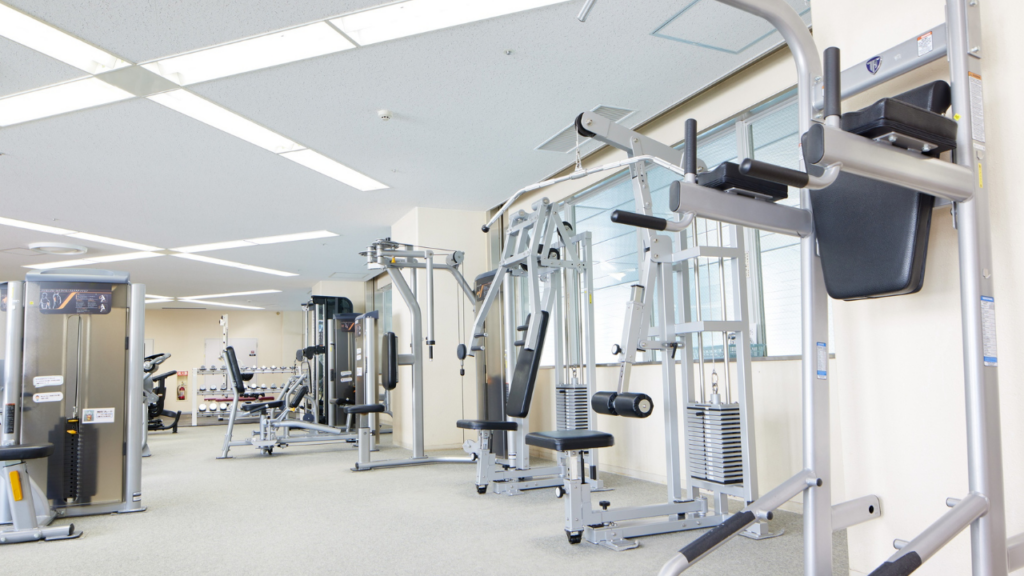
When people think about buying a home, they usually focus on the property itself. The kitchen. The bedrooms. The garage. The yard. But after helping buyers throughout Minnesota for years, I’ve learned that many of the things that influence long-term happiness aren’t necessarily inside the home. They’re nearby. One lifestyle feature that has become increasingly important for homebuyers is access to gyms and fitness centers. Years ago, fitness facilities were often considered a luxury. Today, many people see them as part of their daily routine. Whether you’re someone who starts every morning at the gym, attends group fitness classes, enjoys swimming, lifts weights, or simply wants convenient access to exercise opportunities, proximity to fitness centers can have a surprisingly large impact on your quality of life. As a Minnesota real estate agent, I’ve worked with buyers who specifically ask: “How close is the nearest gym?” Others don’t think about it initially but quickly realize how valuable it is once they move into a community with excellent fitness options. So what is it really like living near gyms and fitness centers in Minnesota? Let’s take a closer look. Why Fitness Access Matters More Than People Realize Most people understand the importance of exercise. The challenge is often consistency. Life gets busy. Work schedules become demanding. Family responsibilities take over. Commutes consume time. The farther away a gym is, the easier it becomes to skip workouts. When a fitness center is only a few minutes from home, maintaining healthy habits becomes significantly easier. Convenience removes excuses. For many homeowners, that convenience becomes one of the most valuable aspects of their neighborhood. Minnesota Has a Strong Fitness Culture One thing that surprises many newcomers is how active Minnesota residents are. Despite long winters, people here prioritize health and wellness. Throughout Minnesota you’ll find: Fitness opportunities are available in nearly every major community. Many neighborhoods are located just minutes from multiple options. Convenience Makes Consistency Easier One of the biggest benefits of living near a gym is convenience. Let’s be honest. Most people are more likely to work out when getting there is easy. Imagine the difference between: A five-minute drive versus A thirty-minute drive. That extra time adds up. Many homeowners find that they exercise more frequently simply because fitness facilities are nearby. What starts as a convenience often turns into a healthier lifestyle. Winter Makes Nearby Fitness Centers Even More Valuable Minnesota winters can be beautiful. They can also be long. When temperatures drop below freezing and daylight becomes limited, many people spend less time exercising outdoors. This is where nearby fitness centers become especially valuable. Residents can maintain activity levels through: Having convenient indoor options helps people stay active year-round. For many homeowners, this becomes one of the biggest advantages of living near quality fitness facilities. Fitness Centers Become Part of Daily Routine Many people initially think about fitness as a weekly activity. But when a gym is nearby, it often becomes integrated into daily life. Some residents stop by: The easier access becomes, the easier it is to build sustainable habits. Many homeowners find themselves exercising more consistently than they did in previous neighborhoods. Community Recreation Centers Offer More Than Gyms Minnesota communities often invest heavily in recreational facilities. Many recreation centers offer: These facilities often serve as community gathering spaces. Families appreciate having multiple activities available under one roof. Families Benefit From Fitness-Oriented Communities Fitness access isn’t just for adults. Many Minnesota recreation centers and fitness facilities offer programs for children. Examples include: Parents often appreciate having these opportunities nearby. It simplifies scheduling and creates more options for family activities. Popular Minnesota Communities With Strong Fitness Access Several Minnesota communities are known for excellent recreational amenities. Examples include: Maple Grove Offers extensive recreational facilities and fitness options. Woodbury Known for community recreation centers and fitness opportunities. Eden Prairie Features excellent parks and recreation programs. Plymouth Offers a variety of fitness facilities and wellness amenities. Lakeville Known for active lifestyle opportunities and recreation programs. Chanhassen Combines natural recreation with fitness-oriented amenities. Minneapolis and St. Paul Provide access to countless gyms, studios, and wellness facilities. Each community offers a unique fitness landscape. Fitness Centers Create Social Opportunities One benefit many homeowners don’t expect is the social aspect. Fitness centers often become places where people: Especially for people relocating to Minnesota, fitness facilities can provide opportunities to connect with others. Many friendships begin through shared wellness interests. Health Benefits Extend Beyond Exercise When people think about fitness centers, they usually think about physical health. But there are other benefits too. Regular exercise may help support: For many homeowners, having easy access to fitness resources positively affects multiple aspects of life. Remote Workers Often Prioritize Fitness Access The growth of remote work has changed how many people evaluate neighborhoods. Without a daily commute, buyers often focus more on lifestyle amenities. Many remote workers appreciate having gyms nearby because: This has made fitness-oriented communities even more attractive. Fitness Amenities Can Influence Homebuyer Demand Lifestyle amenities often influence real estate demand. Many buyers actively search for communities that support healthy living. Neighborhoods near: often attract strong interest. While fitness access alone doesn’t determine home value, it can contribute to a neighborhood’s overall appeal. Different Buyers Value Fitness Differently Not everyone prioritizes gym access equally. Young Professionals Often value nearby fitness options. Families May prioritize recreation programs for children. Empty Nesters Frequently appreciate wellness-focused communities. Retirees Often value access to low-impact fitness opportunities. Remote Workers May enjoy flexibility and convenience. Understanding your lifestyle helps determine whether gym proximity should be a priority. Potential Considerations Like any neighborhood feature, there are trade-offs. Some considerations include: Increased Activity Popular fitness facilities attract visitors. Traffic Peak workout hours can create congestion. Membership Costs Fitness access often involves ongoing expenses. Crowds Popular facilities may be busy during certain times. For most fitness-focused buyers, these considerations are relatively minor. Questions Buyers Should Ask When evaluating a community, consider: How important is exercise to my lifestyle? Do I prefer gyms or
What Is It Like Living Near Lakes in Minnesota?

If you’ve ever heard Minnesota called the “Land of 10,000 Lakes,” you’re not alone. In fact, Minnesota actually has more than 11,000 lakes, and for many residents, lakes are more than just beautiful scenery. They’re a way of life. As a Minnesota real estate agent, I’ve worked with buyers from all over the country, and one thing that consistently surprises people moving here is how much lakes influence everyday living. Some buyers dream of owning a lakefront property. Others simply want to live close enough to enjoy the views, trails, beaches, and recreational opportunities. And many people don’t realize how much living near a lake can enhance their lifestyle until they experience it firsthand. Whether you’re considering a home in Minneapolis, a suburban community like Lakeville or Chanhassen, or a smaller lakeside town, understanding what it’s really like to live near lakes can help you determine if it’s the right fit for you. The short answer? For many Minnesotans, living near a lake is one of the biggest perks of living in the state. Let’s take a closer look at why. Lakes Are Part of Minnesota’s Identity Unlike some states where lakes are concentrated in a few regions, lakes are woven throughout Minnesota. You’ll find them: Many Minnesota residents live within minutes of a lake even if they don’t own waterfront property. Because lakes are so common, they naturally become part of everyday life. They’re where people exercise, gather, relax, celebrate, and enjoy nature. For many homeowners, lakes become one of the most valuable amenities a community can offer. The Views Never Get Old One of the biggest benefits of living near a lake is something that’s difficult to quantify: The scenery. Many homeowners tell me that one of their favorite parts of lake living is simply seeing the water. Whether it’s: lakes create a sense of beauty and tranquility that many people find incredibly relaxing. Even buyers who don’t spend much time boating often appreciate the peaceful atmosphere lakes provide. Outdoor Recreation Is Always Nearby One reason lake communities are so popular is the recreational opportunities they offer. Depending on the lake and location, residents may enjoy: Instead of planning weekend trips to find outdoor activities, many residents simply walk out their front door. For active individuals and families, that’s a major lifestyle advantage. Minnesota Summers Feel Different Near a Lake If you’ve lived through a Minnesota winter, you know how much residents appreciate summer. Lake communities come alive during warmer months. You’ll see people: Many homeowners feel like they’re on vacation without ever leaving their neighborhood. That “vacation at home” feeling is one reason lake living remains so desirable. You Don’t Need Waterfront Property to Enjoy the Benefits This surprises many buyers. When people think about living near a lake, they often assume they need to own waterfront property. That’s not necessarily true. Many Minnesota communities offer: Even homes located several blocks away may enjoy many of the same lifestyle benefits. In fact, some buyers intentionally choose nearby neighborhoods because they gain access to the lake lifestyle without paying lakefront prices. Walking Trails Around Lakes Are Extremely Popular One thing many Minnesota lakes have in common is access to trails. Residents often use these trails for: Popular examples include trails around: Many homeowners discover that having a beautiful walking route nearby significantly improves their daily routine. Lakes Create Strong Community Connections Something interesting happens in lake communities. People spend more time outside. And when people spend more time outside, they tend to meet each other. Lakes naturally become gathering places. Residents connect through: Many homeowners say their lake community feels more connected than previous neighborhoods they’ve lived in. The Mental Health Benefits Are Significant One topic that comes up frequently among homeowners is how relaxing it feels to be near water. There’s something calming about lakes. Many residents enjoy: After a busy workday, being near a lake often provides an opportunity to slow down and recharge. While every person is different, many buyers specifically seek lake communities because of the lifestyle and atmosphere they provide. Minnesota Lakes Offer Year-Round Enjoyment Many people associate lakes with summer. In Minnesota, lakes remain active throughout the year. Spring Fishing season returns. Trails become busy. Wildlife becomes more active. Summer Boating, swimming, kayaking, and outdoor recreation peak. Fall Beautiful colors transform lake landscapes. Walking trails become especially popular. Winter Ice fishing. Ice skating. Snowshoeing. Cross-country skiing. Winter lake views. Living near a lake isn’t just a summer experience. It’s a four-season lifestyle. Popular Minnesota Lake Communities Several Minnesota communities are especially known for lake access. Examples include: Minnetonka Home to many neighborhoods surrounding Lake Minnetonka. Wayzata Offers lake views, dining, and recreational opportunities. Excelsior A charming lake community with strong local character. Chanhassen Known for beautiful lakes and outdoor recreation. Prior Lake Popular for boating and lake-oriented living. White Bear Lake A favorite destination with a strong community atmosphere. Minneapolis Chain of Lakes Area Offers urban living combined with exceptional recreational access. Each community provides a unique lake lifestyle. Lake Living Can Increase Home Demand One reason buyers frequently search for lake-adjacent neighborhoods is simple: People love living near water. Homes near lakes often attract strong interest because: While no location guarantees future appreciation, lake proximity is often viewed as a highly desirable feature. Potential Considerations Like any location choice, living near lakes comes with considerations. Increased Seasonal Activity Popular lakes attract visitors. Higher Demand Homes near lakes often command premium pricing. Parking and Traffic Popular recreation areas can become busy during peak seasons. Wildlife Living near natural areas often means sharing space with wildlife. For most lake lovers, these trade-offs are well worth it. Questions Buyers Should Ask When considering a lake community, ask: How important is lake access to my lifestyle? Do I want waterfront property or nearby access? Will I use recreational amenities regularly? Do I value walking trails and outdoor activities? How important are water views? The answers can help determine whether lake living is a good
What Is It Like Living Near Outdoor Recreation in Minnesota?

One of the biggest reasons people fall in love with Minnesota isn’t just the homes. It’s what happens outside of them. Whether you’re relocating from another state, buying your first home, upsizing for your growing family, or downsizing into your next chapter, one thing quickly becomes clear: Minnesotans love the outdoors. As a Minnesota real estate agent, I’ve worked with countless buyers who specifically tell me they want to live near parks, trails, lakes, golf courses, nature preserves, or recreational areas. Sometimes they don’t even realize how important it is until we start looking at neighborhoods. A beautiful home may check every box. But if it doesn’t fit the lifestyle they want, something still feels missing. That’s why outdoor recreation has become one of the most important factors many buyers consider when choosing where to live. The good news? Minnesota offers some of the best outdoor recreational opportunities in the country. Let’s talk about what it’s really like living near outdoor recreation in Minnesota and why so many homeowners consider it one of the biggest perks of living here. Minnesota Is Built for Outdoor Living Minnesota has earned its reputation as the “Land of 10,000 Lakes,” but outdoor recreation goes far beyond lakes. Throughout the state you’ll find: In many communities, outdoor recreation isn’t something you drive hours to enjoy. It’s part of everyday life. For many homeowners, that’s one of the best aspects of living in Minnesota. Outdoor Recreation Becomes Part of Your Daily Routine One thing buyers often underestimate is how much their environment influences their habits. If a beautiful walking trail is five minutes away, you’re more likely to use it. If a park is across the street, your children will probably spend more time outside. If a lake is nearby, you may find yourself kayaking on a weeknight after work. The easier outdoor recreation is to access, the more likely it becomes part of your lifestyle. Many homeowners tell me that living near recreational amenities has improved: Minnesota’s Four Seasons Create Four Different Outdoor Experiences One thing that makes Minnesota unique is that outdoor recreation changes with the seasons. Unlike some states where outdoor activities remain largely the same year-round, Minnesota offers something different every season. Spring As the snow melts, trails fill with walkers, runners, and cyclists. Parks become active again. Outdoor sports leagues return. Fishing season approaches. Communities come alive. Summer Summer is outdoor recreation season in full force. Residents enjoy: Many homeowners spend more time outside than inside during Minnesota summers. Fall Fall is arguably one of Minnesota’s most beautiful seasons. Colorful leaves transform parks and trails. Temperatures become ideal for hiking and biking. Apple orchards and outdoor festivals become popular destinations. Winter Many newcomers assume outdoor recreation disappears in winter. The opposite is true. Minnesotans embrace winter with activities such as: Outdoor recreation simply changes with the season. The Health Benefits of Living Near Recreation Many buyers initially focus on home features. However, some of the biggest benefits of location relate to health. Living near parks and recreational areas often encourages: Numerous homeowners report becoming more active simply because opportunities are nearby. Instead of driving somewhere to exercise, the recreation is already part of the neighborhood. That convenience matters. Popular Outdoor-Oriented Communities in Minnesota Many Minnesota communities are known for their recreational amenities. Some examples include: Maple Grove Offers extensive trail systems, parks, and recreational facilities. Eden Prairie Known for lakes, trails, and natural beauty. Plymouth Features numerous parks and outdoor spaces. Woodbury Offers miles of trails and community parks. Lakeville Popular for lakes, parks, and family recreation. Chanhassen Combines suburban living with easy access to nature. Stillwater Provides scenic riverfront recreation and outdoor activities. Each community offers a different outdoor experience. Families Often Prioritize Recreation Families frequently place outdoor recreation near the top of their wish list. Why? Because outdoor spaces provide opportunities for: Parks often become gathering places where children meet friends and families connect with neighbors. Many parents appreciate having recreational options within walking or biking distance. Outdoor Recreation Creates Community One overlooked benefit of recreational areas is community connection. People naturally meet while: Many friendships begin through shared activities. This can be especially valuable for people relocating to Minnesota who are looking to build new connections. Buyers Are Increasingly Prioritizing Lifestyle Years ago, many buyers focused almost exclusively on square footage. Today, lifestyle often plays a much bigger role. Many people are asking: “What will life actually feel like here?” A home near outdoor recreation often provides experiences that can’t be measured by square footage alone. You can renovate a kitchen. You can finish a basement. You can’t easily create a lake, trail system, or regional park next door. Location amenities tend to remain valuable over time. Outdoor Recreation Can Support Property Values While every real estate market is different, homes near desirable amenities often attract strong buyer interest. Many buyers specifically search for homes near: Because these features are difficult to replicate, they often remain attractive to future buyers as well. This doesn’t guarantee appreciation, but recreational access is frequently viewed as a positive feature. The Mental Health Benefits Are Real One thing many homeowners don’t anticipate is how much outdoor access affects mental well-being. After a stressful day, having a nearby trail or park can make a tremendous difference. Many residents enjoy: The ability to easily connect with nature often becomes one of the most appreciated aspects of homeownership. Potential Considerations Like every location choice, living near outdoor recreation isn’t perfect for everyone. Some considerations may include: Increased Activity Popular trails and parks attract visitors. Seasonal Traffic Certain recreational destinations become busier during peak seasons. Parking Demand Popular parks sometimes experience crowded parking areas. Event Activity Community events may increase activity levels. For most buyers, these trade-offs are relatively minor compared to the benefits. Questions Buyers Should Ask When evaluating homes near recreational amenities, consider: How often do I spend time outdoors? Which activities do I enjoy most? Do I want walkable access? Is year-round
What Is It Like Living Near Restaurants and Nightlife in Minnesota?

When people imagine their ideal neighborhood, they often think about the house first. The kitchen. The backyard. The garage. The number of bedrooms. But after helping buyers throughout Minnesota find homes for years, I’ve noticed something interesting. Many homeowners eventually realize that what surrounds the home can be just as important as the home itself. One of the lifestyle features that consistently attracts buyers is access to restaurants, entertainment, and nightlife. For some people, being able to walk to dinner on a Friday night feels like a luxury. For others, having coffee shops, breweries, live music, and local restaurants nearby creates the sense of community they’re looking for. As a Minnesota real estate agent, I’ve worked with buyers relocating from other states, first-time homebuyers, downsizers, and growing families who specifically ask: “What is it like living near restaurants and nightlife?” The answer depends on your lifestyle, your stage of life, and the specific community you’re considering. For some people, it’s one of the biggest quality-of-life upgrades they can make. For others, it may not be as important. Let’s explore what life is really like when restaurants, entertainment, and nightlife are part of your neighborhood experience. Why Buyers Prioritize Restaurants and Entertainment When most people think about location, they think about convenience. How close is the grocery store? How long is the commute? Where are the schools? But lifestyle convenience matters too. Being close to dining and entertainment means having easy access to experiences that make everyday life more enjoyable. Instead of planning an evening around a 30-minute drive, many activities become spontaneous. You can: without spending half your evening in traffic. For many buyers, that convenience becomes a major lifestyle upgrade. Minnesota Has More Dining and Entertainment Options Than Many People Expect People moving to Minnesota are often surprised by the variety of entertainment available. The Twin Cities metropolitan area offers: Many suburban communities have also developed vibrant dining scenes of their own. You don’t necessarily have to live in downtown Minneapolis to enjoy excellent restaurants and nightlife. Popular Areas for Dining and Entertainment Several Minnesota communities are known for their restaurant and entertainment options. Examples include: Minneapolis Offers some of the state’s most diverse dining experiences. St. Paul Known for historic charm, local restaurants, and entertainment venues. North Loop One of the most popular urban lifestyle districts in Minnesota. Uptown Offers dining, nightlife, and walkability. Wayzata Combines lake living with upscale restaurants and shopping. Excelsior A favorite destination for dining, entertainment, and community events. Downtown Stillwater Known for riverfront dining, boutiques, and nightlife. Each offers a different atmosphere and lifestyle. The Appeal of Walkability One of the biggest advantages of living near restaurants and nightlife is walkability. Many buyers specifically look for neighborhoods where they can: Walkable communities often create a stronger sense of connection. People tend to spend more time outside. They interact more frequently with neighbors. They become more engaged in local events. For many homeowners, that’s one of the most enjoyable aspects of living near entertainment districts. Date Nights Become Easier Many couples don’t realize how much location affects their social life until after they move. Living near restaurants often means: A simple Wednesday evening dinner becomes easier. A last-minute date night becomes possible. Instead of turning dining out into a major event, it becomes part of everyday life. That convenience can significantly improve quality of life. A Major Advantage for Busy Professionals Many professionals appreciate living near entertainment districts because of time savings. After a long workday, convenience matters. Rather than driving across town for dinner or social activities, nearby options allow people to enjoy more of their evenings. This is particularly attractive for: Many buyers are prioritizing lifestyle more than ever before. Restaurants Often Create Community One thing I frequently hear from homeowners is that local restaurants help create a sense of belonging. People become regular customers. They get to know staff. They see neighbors. They attend local events. Over time, these establishments become gathering places. In many Minnesota communities, local restaurants are an important part of the neighborhood identity. Living Near Nightlife Doesn’t Always Mean Noise One concern buyers sometimes have is: “If I live near restaurants and nightlife, will it be noisy?” The answer depends entirely on the location. Not all entertainment districts are the same. For example: A home directly adjacent to a busy nightlife corridor may experience more activity. A home several blocks away may enjoy convenience without significant noise. This is why visiting neighborhoods during different times of day is important. Minnesota’s Seasonal Entertainment Culture One thing that makes Minnesota unique is how entertainment changes throughout the year. Summer Outdoor patios Food festivals Concerts Farmers markets Lakefront dining Fall Brewery events Community festivals Outdoor gatherings Winter Indoor dining Holiday markets Theater performances Sports events Spring Outdoor events begin returning Restaurant patios reopen Community gatherings increase Living near entertainment districts often means easy access to these seasonal experiences. The Benefits for Relocating Buyers Many buyers moving to Minnesota worry about making new connections. Living near restaurants and entertainment can help. These areas naturally create opportunities to: For newcomers, that can make the transition easier. Property Value Considerations Homes near desirable dining and entertainment districts often attract strong buyer interest. Why? Because lifestyle sells. Many buyers are willing to pay for convenience and access. While every market is different, neighborhoods with strong amenities often remain attractive over time. That’s one reason lifestyle-focused communities continue to be popular. Potential Downsides to Consider Like any location choice, there are trade-offs. Potential considerations include: Increased Traffic Popular entertainment areas often attract visitors. Parking Challenges Some districts have limited parking during busy periods. Noise Depending on proximity, activity levels may be higher. Higher Demand Popular neighborhoods sometimes command higher home prices. These factors aren’t necessarily negatives. They’re simply important considerations. Different Buyers Have Different Priorities Not everyone values restaurants and nightlife equally. Young Professionals Often prioritize entertainment access. Empty Nesters May enjoy walkability and dining options. Relocating Buyers Often appreciate nearby social opportunities. Families
What Is It Like Living Near Shopping Areas in Minnesota?

When people think about buying a home, they often focus on the house itself. How many bedrooms does it have? Is the kitchen updated? Does it have a finished basement? How big is the backyard? Those are all important questions. But after helping buyers throughout Minnesota for years, I’ve learned that one factor often has a bigger impact on daily happiness than many people realize: What’s around the house. Specifically, how convenient is everyday life? As a Minnesota real estate agent, I frequently work with buyers who initially focus on the property and later realize that location and lifestyle play an even bigger role in their long-term satisfaction. One of the most common lifestyle preferences I hear is: “I’d love to be close to shopping.” That doesn’t necessarily mean living next door to a massive retail center. It means having easy access to the places you visit regularly. The grocery store. Target. Costco. Coffee shops. Pharmacies. Home improvement stores. Restaurants. Everyday errands become part of your routine, and where you live can either make those errands easy or turn them into a time-consuming chore. So what is it really like living near shopping areas in Minnesota? Let’s take a closer look. Why Shopping Access Matters More Than People Expect Most people don’t think about shopping access until after they move. When you’re buying a home, it’s easy to focus on: But daily convenience often becomes one of the biggest quality-of-life factors. Think about how many times per week you visit: Those trips add up quickly. A location that saves you even 10 to 15 minutes per errand can save hours every month. Convenience Becomes Part of Your Daily Lifestyle One of the biggest advantages of living near shopping areas is convenience. Need milk? Five minutes away. Need a birthday gift? Quick trip. Forgot an ingredient for dinner? No problem. Need school supplies? Easy. When stores are nearby, everyday life feels easier. Many homeowners don’t fully appreciate this until they’ve experienced it. Minnesota’s Shopping Hubs Throughout Minnesota, several communities have developed into major shopping destinations. Areas such as: offer extensive retail options. Residents often enjoy access to: without driving across the metro. The Appeal for Busy Families Families often appreciate shopping convenience more than anyone. Life becomes busy quickly when you’re juggling: Living near shopping areas can simplify logistics. For example: A quick stop at Target after soccer practice becomes easy. Running errands between activities becomes manageable. Last-minute needs become less stressful. Small conveniences often create significant lifestyle improvements. Grocery Shopping Gets Easier Let’s be honest. Most people visit grocery stores far more often than they expected when they bought their home. Whether it’s: having convenient access can be a major advantage. Minnesota winters make this even more noticeable. A five-minute grocery run during a January snowstorm feels much different than a thirty-minute drive. Access to Everyday Services Shopping districts often bring more than stores. Many include: This creates what many people describe as an “all-in-one” lifestyle. Rather than driving to multiple areas, many daily needs can be handled nearby. The Benefits During Minnesota Winters Minnesota winters can change how people think about location. A home may seem perfectly located in July. Then January arrives. Snow. Ice. Cold temperatures. Short days. Suddenly, convenience becomes even more valuable. Living near shopping areas often means: For many Minnesota residents, this becomes a major quality-of-life benefit. Walkability and Shopping Some Minnesota communities offer opportunities to walk to nearby shopping and services. Areas with stronger walkability often appeal to buyers who enjoy: Walkability can contribute to a stronger sense of community and neighborhood connection. The Social Side of Shopping Areas Many modern shopping districts function as gathering places. They’re no longer simply places to buy things. People meet friends. Grab coffee. Enjoy outdoor events. Attend seasonal festivals. Visit farmers markets. Many Minnesota shopping districts have evolved into lifestyle destinations. Examples include areas around: These areas often become community hubs. Potential Downsides of Living Near Shopping Areas Like every location choice, there are trade-offs. Living near shopping districts isn’t perfect for everyone. Potential considerations include: Increased Traffic Popular shopping areas often attract more vehicles. Busier Roads Main commercial corridors may experience higher traffic volumes. Noise Some retail districts remain active throughout the day and evening. Higher Demand Homes near desirable amenities often attract strong buyer interest. None of these are necessarily deal-breakers. They simply represent factors buyers should evaluate. Resale Value Considerations Convenience often appeals to future buyers as well. Many homebuyers actively search for: As a result, homes in convenient locations may attract broader buyer interest when it’s time to sell. Of course, every property and market is different. But convenience generally remains attractive. Different Buyers Value Shopping Differently Not everyone prioritizes shopping access equally. First-Time Buyers Often appreciate convenience and shorter commutes. Busy Families Frequently value nearby services. Empty Nesters May prioritize walkability and convenience. Retirees Often appreciate reduced driving requirements. Remote Workers May enjoy having errands nearby throughout the day. The importance of shopping access depends on lifestyle preferences. Popular Minnesota Communities for Shopping Access Several Minnesota communities consistently attract buyers seeking convenience. Examples include: Maple Grove Known for extensive retail and entertainment options. Woodbury Offers major shopping centers and convenient services. Bloomington Provides access to retail, dining, and major transportation routes. Eden Prairie Combines shopping, dining, and residential communities. Roseville Conveniently located near both Minneapolis and St. Paul. Each offers a different lifestyle experience. Questions Buyers Should Ask When evaluating shopping access, consider: How often do I run errands? Do I enjoy walking to nearby destinations? How important is convenience? Am I comfortable with additional traffic? What services do I use most often? The answers help determine whether shopping proximity should be a priority. Common Mistakes Buyers Make Focusing Only on the House Lifestyle matters too. Ignoring Daily Convenience Small inconveniences add up. Overlooking Winter Realities Distance feels different in January. Assuming All Shopping Areas Are Similar Every community offers a different experience. Not Visiting During Different Times of Day Traffic
Where Are Buyers Moving Right Now in Minnesota?

If you’ve been paying attention to Minnesota real estate over the past few years, you’ve probably noticed something interesting: Not everyone is moving to the same places. Some buyers are leaving larger cities for suburban communities. Others are relocating from out of state and looking for highly rated school districts. Some want more land. Some want newer homes. Others want walkability, shorter commutes, or lake access. As a Minnesota real estate agent, one of the questions I hear most often is: “Lesley, where are buyers moving right now in Minnesota?” It’s a great question because buyer migration trends can tell us a lot about what’s happening in the housing market. They show us what people value. They reveal where demand is strongest. And they often highlight communities that continue attracting attention from both local and out-of-state buyers. While every buyer has unique priorities, certain Minnesota cities and suburbs continue showing up on buyers’ wish lists again and again. Let’s look at where people are moving, why they’re choosing those communities, and what today’s buyers are looking for in Minnesota. Why Buyers Are Moving Differently Than They Did Ten Years Ago A decade ago, many buyers prioritized one thing above almost everything else: The commute. Today, the conversation is often much broader. Many buyers now consider: The rise of hybrid and remote work has also changed how people think about location. Some buyers are now willing to live farther from major employment centers if it means getting more home, a larger yard, or access to better amenities. Lakeville Continues to Attract Buyers If there’s one suburb that consistently comes up in conversations with buyers, it’s Lakeville. Lakeville continues attracting: Buyers appreciate: Many buyers feel Lakeville offers a good balance between suburban living and accessibility. The city continues growing because demand remains strong across multiple buyer groups. Woodbury Remains One of the Most Popular Destinations Woodbury continues attracting buyers from across Minnesota and beyond. The city’s popularity is driven by: Many relocation buyers specifically ask about Woodbury before they even arrive in Minnesota. It’s often viewed as one of the most desirable suburbs in the east metro. Because it appeals to so many different types of buyers, demand remains strong. Blaine Continues Growing Blaine has become increasingly popular among buyers seeking newer housing options. The city offers: Many buyers appreciate the amount of new housing inventory available. The city’s continued expansion keeps it firmly on the radar for both local and relocating buyers. Rosemount Is Attracting More Attention Rosemount has quietly become one of the most desirable communities for families. Buyers are attracted to: Many families moving within the Twin Cities metro are adding Rosemount to their search areas because it offers a strong combination of value and quality of life. Farmington Continues Drawing Budget-Conscious Buyers Affordability remains important. As home prices have increased throughout the metro area, many buyers have expanded their search. Farmington often appeals to buyers who want: Many first-time buyers discover they can stretch their budget further in Farmington than in some neighboring suburbs. Rogers Is Seeing Strong Demand Rogers continues attracting buyers because of its location and growth. Key factors include: Many buyers appreciate the combination of suburban living and convenient transportation access. The city continues seeing both residential and commercial investment. Otsego Is No Longer a Secret There was a time when many buyers overlooked Otsego. That’s no longer the case. Today, buyers are drawn to: Many families find they can purchase a newer home with more space compared to some older, more established suburbs. That value proposition continues attracting attention. Cottage Grove Continues Expanding Cottage Grove has become increasingly popular among both first-time and move-up buyers. Reasons include: Many buyers appreciate the balance between affordability and convenience. As development continues, buyer interest remains strong. Maple Grove Remains a Buyer Favorite Maple Grove continues attracting buyers despite having less available land for large-scale development than some newer suburbs. Why? Because it offers: Many buyers prioritize convenience, and Maple Grove delivers it. The city remains one of the most sought-after communities in Minnesota. Eden Prairie Continues Attracting Professionals Eden Prairie remains popular with: Its appeal includes: Many buyers appreciate the established nature of the community and its reputation for quality of life. Prior Lake Attracts Lifestyle Buyers Some buyers prioritize lifestyle above everything else. Prior Lake often attracts buyers looking for: The community’s lifestyle appeal continues drawing interest from move-up buyers and relocation clients. Victoria Is Becoming Increasingly Popular Victoria continues gaining attention among buyers seeking: Many buyers describe Victoria as offering a quieter pace while still remaining connected to the metro. As awareness grows, so does demand. Minneapolis Still Attracts Urban Buyers Not everyone wants suburban living. Many buyers continue choosing Minneapolis because of: Certain neighborhoods remain highly desirable among professionals and buyers who value convenience and city living. St. Paul Continues Drawing Buyers St. Paul remains attractive because of its: Many buyers appreciate the unique identity that different St. Paul neighborhoods offer. What Out-of-State Buyers Want As someone who works with relocation buyers, I’ve noticed several consistent themes. Many people moving to Minnesota prioritize: Good Schools School districts frequently influence decisions. Larger Homes Many buyers are surprised by what their budget can buy compared to other states. New Construction Relocation buyers often prefer move-in-ready homes. Community Amenities Parks, trails, recreation, and shopping matter. Safety and Quality of Life Minnesota’s reputation for quality of life continues attracting newcomers. Why Buyers Are Expanding Their Search Areas Higher home prices have encouraged many buyers to consider areas they might not have explored previously. Instead of focusing on one city, buyers are often looking at: This flexibility has contributed to growth in many outer-ring suburbs. Questions Buyers Should Ask When Choosing a Community Before deciding where to move, consider asking: What type of lifestyle do I want? Every community offers something different. How important is commute time? Work patterns continue evolving. Do I want newer construction? Some cities offer more inventory than others. What amenities matter most? Schools,
What Is the Real Cost of Living in Minnesota? A 2026 Guide for New Residents and Homebuyers

When people ask about the cost of living in Minnesota, they usually want a simple answer. Is it expensive? Is it affordable? Will my money go further there? Can I buy a home and still enjoy my life? The honest answer is this: Minnesota is not the cheapest state, but for many people, it offers strong value for the lifestyle you get. That value is what makes Minnesota attractive to relocating families, first-time buyers, professionals, retirees, and people simply looking for a better balance between cost and quality of life. The real cost of living in Minnesota depends on where you live, whether you rent or buy, how far you commute, your household size, and the kind of lifestyle you want. Someone living in downtown Minneapolis will have a very different monthly budget than someone living in Buffalo, Farmington, Rochester, St. Cloud, or a smaller town outside the metro. So instead of asking whether Minnesota is cheap or expensive, a better question is: “What does it actually cost to live well in Minnesota?” Let’s break it down. Housing Is Usually the Biggest Expense For most people, housing is the largest part of the monthly budget. Minnesota offers a wide range of housing options, including: In the Twin Cities metro, prices vary widely depending on the community. Areas like Edina, Wayzata, Minnetonka, and parts of Minneapolis tend to be more expensive. Communities like Cottage Grove, Farmington, Elk River, Otsego, Big Lake, Buffalo, and Cambridge may offer more budget-friendly options. This is why location matters so much. Two homes with similar square footage can have very different prices depending on the neighborhood, school district, lot size, and commute. Renting vs Buying in Minnesota New residents often ask whether it makes more sense to rent first or buy right away. There is no one-size-fits-all answer. Renting may make sense if: Buying may make sense if: The real cost of living changes depending on which path you choose. Renting may offer flexibility, while buying may provide long-term financial benefits. Property Taxes Matter Property taxes are an important part of homeownership in Minnesota. They vary by: When comparing homes, don’t look only at the purchase price. Look at the full monthly payment, including taxes and insurance. A lower-priced home with higher property taxes may not be as affordable as it first appears. Utilities and Winter Costs Minnesota has real winters. That means heating costs are part of life here. During colder months, homeowners should plan for higher utility bills. Common utility costs may include: The good news is that many Minnesota homes are built for cold weather. Newer homes often include better insulation, energy-efficient windows, and modern heating systems. Older homes may have more character, but they can sometimes require more heating and maintenance. Transportation Costs Transportation depends heavily on where you live. If you live in Minneapolis or St. Paul, you may have access to: If you live in the suburbs or a smaller town, you may rely more on a vehicle. That means budgeting for: Sometimes a cheaper home farther away can cost more than expected once transportation is factored in. That’s why the real cost of living includes time, not just money. Groceries and Everyday Expenses Grocery costs in Minnesota are generally manageable for many households, but spending varies based on lifestyle. Families may spend more depending on: Minnesota has access to major grocery stores, local co-ops, farmers markets, warehouse stores, and neighborhood markets. Your choices will affect your monthly budget. Healthcare Costs Minnesota is known for strong healthcare access. Many residents value being near major healthcare systems, specialty care, and medical providers. Healthcare costs still depend on: For many families and retirees, access to quality healthcare is part of Minnesota’s overall value. Childcare and Family Costs For families with young children, childcare can be one of the largest monthly expenses. This is not unique to Minnesota, but it is important to plan for. Families should consider: The good news is that many Minnesota communities offer parks, libraries, youth programs, and school activities that help support family life. Lifestyle Costs Minnesota offers a lot of lifestyle value. Many enjoyable activities are low-cost or free. Residents enjoy: You can spend a lot on entertainment if you want to, especially in Minneapolis and St. Paul. But you can also enjoy a full life here without spending heavily every weekend. That’s one of the reasons many people feel Minnesota offers strong quality of life. What New Residents Often Notice People moving from higher-cost states often notice that their money may go further in Minnesota housing. They may be able to afford: People moving from lower-cost areas may find certain expenses higher, especially in desirable Twin Cities suburbs. That’s why your previous location plays a big role in how Minnesota feels financially. The Real Tradeoff Minnesota’s cost of living is about tradeoffs. You may pay more for: You may save more by choosing: The key is knowing what matters most to you. Is Minnesota Worth the Cost? For many residents, yes. Minnesota offers a strong mix of: It may not be the cheapest place to live, but many people feel the value is strong because of what they receive in return. Frequently Asked Questions Is Minnesota expensive to live in? Minnesota is not the cheapest state, but many residents find it offers strong value compared to the quality of life. What is the biggest cost in Minnesota? Housing is usually the largest expense for most households. Are Minnesota suburbs affordable? Some are, while others are more expensive. It depends on location, schools, commute, and housing type. Do winters make Minnesota expensive? Winter can increase heating and maintenance costs, but most residents plan for those seasonal expenses. Is Minnesota good for families financially? Many families find Minnesota offers a strong balance of schools, parks, housing, healthcare, and community amenities. Final Thoughts The real cost of living in Minnesota depends on how and where you want to live. For some people, Minnesota feels very affordable compared to
Is Minnesota Expensive for New Residents? A 2026 Relocation Guide
If you’re considering moving to Minnesota, one of the biggest questions on your mind is probably: “Is Minnesota expensive?” It’s a fair question. Whether you’re relocating from California, Texas, Florida, Illinois, Colorado, or somewhere else entirely, understanding the cost of living is an important part of deciding where to put down roots. The answer isn’t a simple yes or no. For some people, Minnesota feels surprisingly affordable. For others, certain costs may be higher than expected. What makes Minnesota unique is that it often offers a balance that many people are looking for: strong job opportunities, excellent schools, access to nature, quality healthcare, and a high quality of life without the extreme housing costs found in some of the country’s most expensive markets. But before packing your boxes, it’s important to understand what life in Minnesota actually costs and what surprises many newcomers after they arrive. The Short Answer For most new residents, Minnesota is not considered one of the most expensive states in the country. At the same time, it’s not among the cheapest. Instead, Minnesota tends to fall into a middle ground where many residents feel they receive strong value for what they spend. Housing, transportation, taxes, utilities, and lifestyle expenses all play a role in determining whether Minnesota feels affordable to you. The answer largely depends on where you’re moving from and what kind of lifestyle you’re expecting. Housing Costs: The Biggest Factor Housing is typically the largest monthly expense for most households. For many people relocating from states such as: Minnesota often feels much more affordable. Many buyers discover they can afford: Compared to many coastal markets, Minnesota housing can provide significantly more value. However, if you’re moving from a smaller rural community in another state, Minnesota’s housing costs may feel similar or even slightly higher depending on the area. Where You Live Matters Minnesota is a diverse state with a wide range of housing markets. For example: A home in Wayzata, Edina, or along Lake Minnetonka will likely cost significantly more than a similar home in communities such as: The state offers options for many budgets, which is one reason so many relocation buyers find a good fit. Minnesota vs California One of the most common relocation conversations involves buyers moving from California. Many California residents are shocked by how much home they can purchase in Minnesota. For example, a housing budget that might purchase a small condominium in parts of California could potentially provide: This is one reason Minnesota continues attracting families and professionals seeking a lower housing cost without sacrificing opportunity. Minnesota vs Texas Texas has long been viewed as an affordable destination. However, affordability involves more than home prices. Buyers should also consider: Many families find that Minnesota offers competitive overall value when these factors are considered together. Minnesota vs Florida Florida attracts many newcomers each year. However, rising insurance costs and weather-related expenses have become growing concerns. Many relocating buyers compare: Minnesota presents different challenges, particularly winter weather, but many residents appreciate the predictability of homeownership expenses. Utilities and Winter Costs Let’s talk about the topic everyone asks about: Winter. Yes, Minnesota winters can increase heating costs. However, many newcomers are surprised to learn that homes are generally built with cold weather in mind. Modern insulation, energy-efficient systems, and well-maintained housing stock help manage seasonal expenses. Many residents find winter utility costs manageable once they understand what to expect. Transportation Costs Transportation expenses depend largely on where you choose to live. If you live in Minneapolis or St. Paul, you may benefit from: If you choose an outer-ring suburb or rural area, transportation costs may increase due to: This is one reason affordability should always be viewed holistically. Grocery Costs Many new residents find grocery prices fairly consistent with national averages. Minnesota offers access to: Like most states, food costs vary based on personal shopping habits and household size. Healthcare Access Minnesota is often recognized for its healthcare systems. Many residents value access to: While healthcare costs vary by individual circumstances, access to quality care remains a significant advantage for many residents. Childcare and Family Expenses For families with young children, childcare can represent a substantial monthly expense. This isn’t unique to Minnesota. However, it’s an important consideration for relocation planning. When comparing states, families should evaluate: Together rather than independently. Why Many Residents Feel Minnesota Offers Strong Value One reason people stay in Minnesota is because they feel the overall value is strong. Residents often point to: Many of these benefits contribute to quality of life without dramatically increasing everyday expenses. What Surprises New Residents Most When people relocate to Minnesota, several things often stand out. More House for the Money This is probably the most common observation. Access to Outdoor Recreation Many newcomers appreciate the abundance of: Strong Communities Minnesota communities often place a strong emphasis on local events, recreation, and neighborhood involvement. Real Example Imagine a family relocating from Southern California. Their budget may allow for a small home with limited outdoor space. In many Minnesota communities, that same budget could provide: This is one reason many relocation buyers believe Minnesota offers strong value. Common Misconceptions Minnesota Is Cheap Not necessarily. Some communities command premium prices. Minnesota Is Expensive Compared to certain states, perhaps. Compared to many coastal markets, many buyers find substantial value. Winter Makes Living Here Unaffordable Most residents find winter expenses manageable with proper planning. Frequently Asked Questions Is Minnesota affordable for families? Many families find Minnesota offers a strong balance between affordability and quality of life. Is housing expensive in Minnesota? That depends on the community, but many buyers relocating from higher-cost states find housing relatively affordable. Are utilities expensive? Winter heating costs can be higher seasonally, but modern homes often help offset expenses. Is Minnesota a good value compared to other states? Many residents believe so because of the combination of housing, employment opportunities, schools, and amenities. What is the biggest expense for most residents? Housing remains the largest expense for most
What Areas Are the Most Expensive in Minnesota? A 2026 Guide for Homebuyers and Relocating Families

When people think about moving to Minnesota, affordability is often one of the first topics that comes up. Minnesota has a reputation for offering a strong quality of life, excellent schools, outdoor recreation, and a relatively balanced cost of living compared to many coastal states. But that doesn’t mean every community is inexpensive. In fact, Minnesota is home to some highly desirable neighborhoods and cities where home values can reach well into the luxury market. One question I hear regularly from relocation buyers is: “What are the most expensive areas in Minnesota, and why are they so expensive?” It’s a great question because understanding what drives pricing can help buyers make better decisions, whether they’re searching for a luxury property or simply trying to understand the local market. The reality is that expensive doesn’t always mean better. However, high-priced communities often offer a combination of factors that buyers consistently value, including location, schools, amenities, privacy, waterfront access, and long-term demand. Let’s take a closer look at some of Minnesota’s most expensive communities and what makes them so desirable. Why Some Minnesota Communities Cost More Than Others Before discussing specific locations, it’s important to understand what drives home values. The most expensive communities typically share several characteristics: When multiple factors come together, prices tend to rise. The goal isn’t simply to identify expensive areas. It’s to understand why buyers are willing to pay a premium to live there. Edina: One of Minnesota’s Most Recognized Luxury Markets If you’ve spent any time researching Minnesota real estate, you’ve probably heard of Edina. Located just southwest of Minneapolis, Edina is often considered one of the state’s most desirable communities. Buyers are attracted to: Many homes in Edina feature: The combination of location and reputation continues to drive demand. Minnetonka: Location and Lifestyle Minnetonka consistently ranks among Minnesota’s more desirable communities. Residents appreciate: While Minnetonka includes homes at various price points, certain neighborhoods command premium values due to their location and amenities. Wayzata: Small Town Feel, Luxury Market Wayzata is one of the most sought-after communities near Lake Minnetonka. What makes it special? Many buyers love: Lake Minnetonka itself plays a major role in pricing. Waterfront properties often command significant premiums because demand consistently exceeds supply. Deephaven: Lake Minnetonka Luxury Deephaven is another Lake Minnetonka community known for luxury homes and exceptional lake access. Residents enjoy: Many buyers searching for luxury lake living include Deephaven on their shortlist. Greenwood and Woodland These smaller communities near Lake Minnetonka often fly under the radar for out-of-state buyers. However, they contain some of the most valuable real estate in Minnesota. Why? Because they offer: When supply is limited and demand remains strong, prices tend to rise. North Oaks: Privacy and Space Located north of St. Paul, North Oaks offers a very different luxury experience. Instead of focusing on urban convenience or lakefront living, North Oaks emphasizes: Many homeowners appreciate the balance between luxury living and access to the Twin Cities. Orono: Luxury Meets Nature Orono continues to attract buyers seeking larger properties and a more private lifestyle. The community is known for: For buyers seeking luxury without a dense suburban feel, Orono is often worth exploring. Medina: Growing Luxury Market Medina has seen significant growth over the past decade. Today, many buyers are drawn to: As development continues, Medina remains a popular choice among move-up and luxury buyers. Shorewood: Another Lake Minnetonka Favorite Shorewood offers many of the same advantages buyers seek around Lake Minnetonka: The lake lifestyle continues to attract both local and relocation buyers. Minneapolis Luxury Neighborhoods It’s not just suburban communities that command high prices. Several Minneapolis neighborhoods remain highly desirable. Examples include: Buyers often appreciate: Luxury buyers seeking city living frequently focus on these neighborhoods. St. Paul Luxury Markets St. Paul also offers several prestigious neighborhoods. Popular examples include: These communities often feature: Many buyers appreciate the character and charm that older neighborhoods provide. Lakefront Properties Command Premium Prices Across Minnesota, waterfront homes often rank among the state’s most expensive properties. Waterfront demand remains strong because: Popular lake communities can command significant premiums compared to nearby non-waterfront properties. Why Buyers Pay More When buyers purchase in higher-priced communities, they’re often paying for more than the home itself. They’re investing in: These factors often contribute to long-term demand. Are Expensive Communities Worth It? That depends on your goals. For some buyers, access to: Makes the investment worthwhile. Others may prefer maximizing square footage or prioritizing affordability. Neither approach is wrong. It’s simply about finding the right fit. What Relocating Buyers Often Notice Buyers moving from states like California, New York, or Washington are often surprised by Minnesota’s luxury market. While some communities are expensive by Minnesota standards, many relocation buyers still find they can purchase substantially more home compared to other major metropolitan areas. This is one reason Minnesota continues attracting luxury relocation buyers. Real Example Imagine a buyer relocating from Silicon Valley. Their budget may allow for a modest property in California. In Minnesota, that same budget could provide: This value proposition remains attractive to many newcomers. Common Misconceptions Expensive Means Better Not necessarily. The best community depends on your lifestyle and priorities. Luxury Markets Never Change Like all real estate markets, luxury communities experience shifts in supply and demand. You Must Spend More to Get Quality Minnesota offers excellent communities across many price points. Frequently Asked Questions What is the most expensive city in Minnesota? Communities around Lake Minnetonka, including Wayzata, Deephaven, and Woodland, often rank among the most expensive. Is Edina expensive? Edina is widely considered one of Minnesota’s most desirable and higher-priced communities. Are expensive communities a good investment? Location, demand, schools, and amenities often contribute to long-term market strength. Is luxury housing available outside the Twin Cities? Absolutely. Minnesota offers luxury properties throughout the state, particularly in lake communities. Can relocation buyers find value in luxury markets? Many buyers moving from higher-cost states believe they can. Final Thoughts Minnesota’s most expensive communities earn their reputations through a combination of
What Is the Cost of Living in Minnesota Suburbs? A 2026 Guide for Homebuyers and Relocating Families
If you’re thinking about moving to Minnesota, there’s a good chance you’ve spent time looking at suburbs around Minneapolis and St. Paul. And one of the first questions people ask is: “What does it actually cost to live in the suburbs?” It’s a smart question. Many people relocating to Minnesota assume suburban living automatically means higher costs. Others believe moving farther away from the city guarantees affordability. The truth usually falls somewhere in the middle. Minnesota suburbs offer a wide range of lifestyles, housing options, school districts, amenities, and price points. Some communities are known for luxury homes and executive neighborhoods. Others attract first-time buyers looking for affordability and value. The good news is that most buyers can find a Minnesota suburb that fits their budget if they understand what factors influence the true cost of living. Let’s take a realistic look at what it costs to live in Minnesota suburbs and what buyers should consider before choosing a community. Why So Many People Choose the Suburbs For decades, suburban living has been one of the most popular choices for Minnesota homeowners. People are often attracted to suburbs because they offer: For many families, the suburbs provide a balance between convenience and lifestyle. You can often enjoy access to major employment centers while still having more room to spread out. Housing Is Usually Your Biggest Expense When discussing cost of living, housing is usually the largest monthly expense. The good news is that Minnesota suburbs offer tremendous variety. You’ll find: The suburb you choose will have a major impact on your monthly housing costs. For example, communities closer to downtown Minneapolis or St. Paul may command higher prices due to location and convenience. Meanwhile, outer-ring suburbs may offer more square footage for the same budget. First-Ring vs Outer-Ring Suburbs Not all suburbs are the same. Minnesota suburbs are often categorized by proximity to the Twin Cities. First-Ring Suburbs These communities are located closest to Minneapolis and St. Paul. Examples include: Benefits often include: However, housing costs can sometimes be higher because of demand and limited inventory. Outer-Ring Suburbs Examples include: Benefits often include: Many buyers find their housing dollars stretch further in these areas. Property Taxes Matter One factor many relocating buyers overlook is property taxes. When comparing homes, it’s important to evaluate: Two homes with similar prices may have different ownership costs because of tax differences. Taxes vary by city, county, school district, and property characteristics. That’s why it’s important to look beyond the listing price alone. Utilities in Minnesota Suburbs Utilities are another cost homeowners should consider. Common utility expenses include: Many suburban homes are larger than urban condos or apartments. As a result, utility costs may vary depending on: Newer homes often benefit from improved insulation and energy-efficient systems. Transportation Costs One advantage of suburban living is access to more housing options. One tradeoff can be transportation. Many suburban residents commute to work. Transportation expenses may include: The impact depends largely on where you work and how frequently you commute. For some households, a longer commute is worth the additional space and affordability. For others, proximity becomes more important. Grocery and Everyday Costs One pleasant surprise for many newcomers is that everyday living expenses tend to remain relatively manageable throughout much of Minnesota. Most suburban communities provide easy access to: Competition among businesses often helps keep costs reasonable. School Districts Can Influence Housing Costs Even buyers without children often pay attention to school districts. Why? Because school district reputation can influence: Communities known for highly regarded schools often experience stronger buyer demand. That demand can affect housing prices. Popular Minnesota Suburbs for Value Many buyers searching for affordability explore communities such as: Each community offers a unique balance of affordability, amenities, and lifestyle. The right fit depends on your goals. What Relocating Families Often Notice Families moving from higher-cost states frequently comment on the amount of space available in Minnesota suburbs. For example, buyers relocating from: Often discover they can purchase: For many families, this creates significant value. Recreation Adds Value Minnesota suburbs are known for outdoor amenities. Many communities offer: These amenities contribute to quality of life without requiring expensive memberships or travel. Many residents consider this one of the hidden benefits of suburban living. New Construction Opportunities Minnesota continues to experience suburban growth. As a result, many communities offer new construction neighborhoods. Benefits may include: For some buyers, these advantages justify slightly higher purchase prices. What Surprises New Residents Most Many people expect suburban life to feel disconnected from major amenities. Instead, they often discover: Minnesota suburbs often provide a blend of convenience and space that attracts a wide range of buyers. Real Example Imagine a family relocating from a major metropolitan area. Their budget allows for a modest home near the city center where they currently live. In many Minnesota suburbs, that same budget may provide: This is one reason many relocating families find strong value in suburban communities. Common Misconceptions All Minnesota Suburbs Are Expensive Not true. Many communities offer affordable housing opportunities. Living Farther Out Is Always Cheaper Not necessarily. Some outer-ring communities are highly desirable and command premium prices. Property Taxes Are the Only Cost That Matters Housing costs, transportation, utilities, and lifestyle expenses all contribute to affordability. Frequently Asked Questions Are Minnesota suburbs affordable? Many are, especially compared to larger metropolitan areas in other states. What is the most affordable suburb near Minneapolis? Affordability varies, but communities such as Farmington, Otsego, Buffalo, and Elk River are often explored by budget-conscious buyers. Are suburban homes larger? In many cases, yes. Buyers often find larger homes and lots compared to urban neighborhoods. Is suburban living cheaper than living in Minneapolis? It depends on the suburb, housing type, commute, and lifestyle preferences. What is the biggest cost of suburban living? Housing is typically the largest expense for most households. Final Thoughts The cost of living in Minnesota suburbs depends on where you choose to live, how much space you want, and the