
How Much Emergency Savings Should Immigrant Homebuyers Keep After Closing?
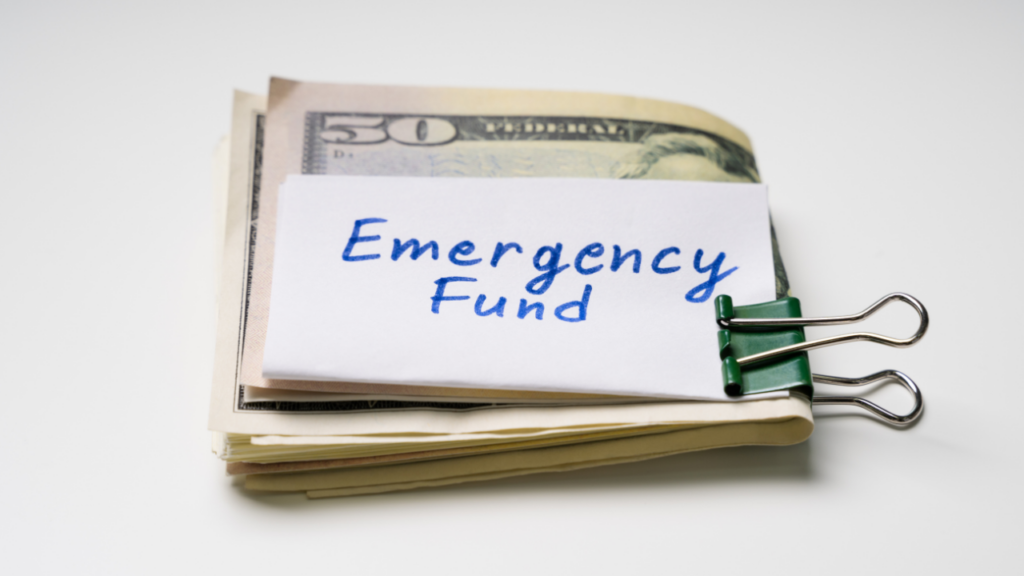
Closing day is exciting. For many immigrant families, it is more than just signing papers and getting keys. It is the result of years of sacrifice, discipline, prayer, planning, and hard work. You saved money. You built your credit. You gathered documents. You answered lender questions. You survived underwriting. You made it to the closing table. That is a big deal. But one of the most important conversations I have with immigrant homebuyers happens before closing day. I always want buyers to think about this question: “How much money should I still have left after closing?” Because buying the home is one thing. Owning it comfortably is another. As a Minnesota real estate agent, I have seen buyers get so focused on reaching closing day that they forget life continues after they get the keys. The mortgage payment starts. Utility bills arrive. Repairs happen. Family needs continue. Winter comes. Appliances break. Cars still need maintenance. Children still have expenses. That is why emergency savings matter. Your goal should not be to spend every dollar just to buy the house. Your goal should be to buy the house and still have enough financial breathing room to enjoy it. Let’s talk about how much emergency savings immigrant homebuyers should keep after closing and why this matters so much. Why Emergency Savings Matter After Buying a Home When you rent, your landlord usually handles major repairs. If the furnace stops working, you call the landlord. If the water heater breaks, you call the landlord. If there is a plumbing issue, you call the landlord. When you own the home, you are the landlord. That means you are responsible for many costs that renters may not be used to handling. Emergency savings help protect you from turning every unexpected problem into a financial crisis. A strong emergency fund can help cover: Homeownership becomes much more peaceful when you have money set aside for the unexpected. The Biggest Mistake Buyers Make One of the biggest mistakes I see is buyers using every dollar they have to purchase the home. They bring all their savings to closing. They pay the down payment. They pay closing costs. They move in with almost nothing left. Then something happens. Maybe the refrigerator stops working. Maybe the furnace needs service. Maybe the first utility bills are higher than expected. Maybe a family emergency comes up. Now the buyer is stressed because there is no cushion. This is not the kind of homeownership experience you want. Buying a home should create stability, not pressure. How Much Emergency Savings Should You Keep? There is no perfect number for every buyer, but a good goal is to keep at least 3 to 6 months of essential expenses saved after closing. Essential expenses may include: For some buyers, that number may feel big. That is okay. Start with a realistic goal. If 3 to 6 months feels too far away, aim first for at least one month of expenses after closing. Then build from there. The important thing is that you do not move into homeownership with zero savings. Why Immigrant Families May Need a Larger Cushion Many immigrant families carry responsibilities that lenders do not always see on paper. You may be supporting relatives back home. You may help family members with school fees, medical bills, rent, or emergencies. You may travel internationally for family obligations. You may be helping newly arrived relatives settle in. These are real responsibilities. Even if they do not show on your credit report, they affect your budget. That is why immigrant buyers should be especially careful about keeping savings after closing. Homeownership should not put you in a position where you can no longer support the life and responsibilities you already have. Emergency Savings Are Different From Closing Costs Some buyers confuse emergency savings with money needed to close. They are not the same. Closing costs are part of the purchase transaction. Emergency savings are what you keep after the transaction. For example, you may need money for: But after all of that, you should still try to keep money available for life after closing. The question is not only: “How much do I need to buy the house?” The better question is: “How much do I need to buy the house and still be financially safe afterward?” What Can Go Wrong After Closing? Not everything that happens after closing is dramatic. Sometimes it is small things that add up. Common expenses include: Appliance Issues A dishwasher may stop working. A dryer may need repair. A refrigerator may need replacement. Even if the appliances worked during the showing, that does not mean they will last forever. Furnace Repairs In Minnesota, the furnace is not something to ignore. If it stops working in January, it becomes urgent. Having money available for heating system repairs is important. Plumbing Problems Leaks, clogged drains, toilet repairs, and water heater issues are common homeowner expenses. Utility Surprises Many first-time homeowners underestimate heating, electricity, water, sewer, and trash costs. This is especially common when moving from an apartment to a larger house. Snow Removal Minnesota winters come with expenses. You may need shovels, ice melt, a snow blower, or snow removal service. Moving and Setup Costs Even after closing, buyers often spend money on: These costs may not be emergencies, but they can drain your cash quickly. Do New Homes Still Need Emergency Savings? Yes. New construction homes may reduce some repair risks, but they do not eliminate the need for savings. New homeowners may still need money for: Also, life emergencies can happen no matter how new the house is. An emergency fund is not only for the home. It is for your household. What If You Cannot Save 3 to 6 Months Right Away? Many buyers hear “3 to 6 months of expenses” and immediately feel discouraged. Please do not let that stop you. The goal is not perfection. The goal is preparation. You can start smaller. A practical approach
Can Sellers Cover My Closing Costs When Buying a Home in Minnesota?

One of the most common questions immigrant homebuyers ask after learning about closing costs is: “Do I have to pay all of these costs myself?” It’s a great question. For many families, saving for a down payment is already a major accomplishment. Adding closing costs on top of that can feel overwhelming. As a Minnesota real estate agent, I’ve worked with many immigrant buyers who assumed they needed tens of thousands of dollars saved before they could even think about buying a home. What they didn’t realize is that there are situations where sellers may help reduce some of the upfront financial burden. This is often called a seller contribution or seller-paid closing costs. For buyers trying to preserve savings, manage cash flow, or enter homeownership sooner, understanding how seller contributions work can be incredibly valuable. However, like most things in real estate, the answer isn’t simply yes or no. Whether a seller can help, how much they can help, and whether it’s a good strategy depends on several factors. Let’s break it down. What Are Closing Costs? Before discussing seller contributions, let’s quickly review what closing costs are. Closing costs are expenses associated with completing the home purchase. They are separate from your down payment. Depending on the transaction, closing costs may include expenses related to: Many first-time buyers focus almost entirely on saving for the down payment and don’t realize additional funds may be needed for closing. This is why seller contributions often become an important conversation. What Does It Mean When a Seller Covers Closing Costs? When people say a seller is covering closing costs, the seller isn’t typically writing a separate check directly to the buyer. Instead, the seller agrees to contribute a specific amount toward the buyer’s eligible closing expenses as part of the purchase agreement. This arrangement reduces the amount of cash the buyer needs to bring to closing. For many buyers, that can make a significant difference. Why Would a Seller Agree to Pay Closing Costs? This is where many buyers become confused. Why would a seller voluntarily pay some of the buyer’s expenses? The answer depends largely on market conditions. There are several reasons. To Attract More Buyers If a property has been sitting on the market longer than expected, offering closing cost assistance may generate additional interest. To Help Complete the Transaction Sometimes a buyer qualifies for the mortgage but is short on available cash. Seller contributions can help bridge the gap. To Compete With Other Listings In a slower market, sellers may offer incentives to stand out. To Avoid Price Reductions Some sellers would rather contribute toward closing costs than reduce the sale price. When Are Seller Contributions Most Common? Seller-paid closing costs are generally more common when: When sellers have multiple competing offers, contributions may be less common. In highly competitive markets, buyers often need stronger offers to stand out. Market conditions play a major role. Can Seller Contributions Be Negotiated? Absolutely. Everything begins with the offer. When submitting an offer, buyers may request that the seller contribute toward eligible closing costs. The seller can: Like many aspects of real estate, it becomes part of the negotiation process. Why This Can Be Helpful for Immigrant Buyers Many immigrant buyers face unique financial challenges. They may be: Even buyers with stable incomes sometimes struggle to accumulate enough cash for every upfront expense. Seller contributions can help preserve savings that may be needed for: Reducing upfront cash requirements can create greater financial stability after closing. Does Asking for Closing Costs Make My Offer Weaker? Sometimes buyers worry that requesting closing costs automatically makes their offer less attractive. The reality is more nuanced. Sellers evaluate offers based on multiple factors. These often include: A well-structured offer that includes closing cost assistance may still be attractive depending on the overall terms. Every situation is unique. Can Seller Contributions Replace My Down Payment? Generally speaking, seller contributions are intended to help with eligible closing expenses rather than replacing the buyer’s required down payment. Buyers should still expect to contribute their required down payment according to their loan program. Seller contributions are designed to reduce certain transaction-related costs. Are There Limits on Seller Contributions? Yes. Most loan programs have rules regarding how much a seller can contribute. These limits vary based on factors such as: This is why it’s important to discuss any closing cost strategy with your lender before writing an offer. Why Buyers Should Talk to Their Lender Early One of the biggest mistakes buyers make is waiting until they’re under contract before discussing closing cost assistance. A lender can help explain: Having this information early allows buyers to create stronger strategies. What Happens If Closing Costs Are Lower Than Expected? In some situations, buyers may request more seller contributions than ultimately needed. Mortgage guidelines generally prevent buyers from receiving excess cash back simply because closing costs were lower than anticipated. Any contribution must typically be applied toward eligible expenses. This is another reason accurate planning matters. Why Market Conditions Matter So Much Let’s look at two different scenarios. Seller’s Market In a seller’s market: Seller contributions may be less common. Buyer’s Market In a buyer’s market: Seller-paid closing costs become more common. Understanding the market helps set realistic expectations. Other Ways to Reduce Upfront Costs Seller contributions aren’t the only option available to buyers. Depending on eligibility, buyers may also explore: Homebuyer Assistance Programs Some programs help with down payments or closing costs. Gift Funds Family members may be able to provide eligible gift funds. Lender Credits Some financing options include lender credits that offset certain expenses. Strategic Negotiations Different contract terms can sometimes help buyers manage costs. A comprehensive strategy often works best. Why Preserving Savings Matters One mistake I occasionally see is buyers using every available dollar to reach closing. Then they move into the home with almost no financial reserves. Homeownership works best when buyers maintain some savings after closing. Unexpected expenses can include: Preserving cash reserves is
How Do Immigrant Homebuyers Estimate Closing Costs Accurately in Minnesota?

One of the biggest moments of excitement during the homebuying process is getting pre-approved for a mortgage. Many immigrant buyers finally see a path to homeownership. They know how much house they can afford. They start browsing listings. They begin imagining life in their future home. Then the next question comes: “How much money do I actually need at closing?” That’s when many buyers discover something called closing costs. As a Minnesota real estate agent, I’ve noticed that closing costs are one of the most misunderstood parts of the homebuying process, especially among first-time buyers and immigrant families. Many people know they need a down payment. Far fewer understand what closing costs are, why they exist, and how to estimate them accurately. The good news is that closing costs don’t have to be confusing. Once you understand the components, you can budget properly, avoid surprises, and move toward closing day with confidence. Let’s break down exactly what immigrant homebuyers should know about estimating closing costs in Minnesota. What Are Closing Costs? Closing costs are the expenses associated with completing a real estate transaction. Think of them as the administrative, legal, lender, and ownership-transfer costs involved in buying a home. They are separate from your down payment. Many buyers are surprised to learn that even after saving for a down payment, they still need funds for closing costs. That’s why understanding these expenses early is so important. Why Closing Costs Surprise Many Immigrant Buyers In many countries, real estate transactions work differently. Some countries: When buyers arrive in the United States, they often assume the process works the same way. Then they discover additional expenses associated with obtaining a mortgage and transferring ownership. The key is knowing about these costs before you start shopping for homes. What Typically Makes Up Closing Costs? Closing costs are not one single fee. They are a collection of different charges that serve different purposes. Common categories include: The exact breakdown varies from one transaction to another. Lender Fees Your mortgage lender performs a significant amount of work behind the scenes. This may include: Some of the closing costs are related to these services. Every lender structures fees differently. This is one reason why comparing lenders can be valuable. Appraisal Fees Most mortgage lenders require an appraisal. An appraisal helps determine whether the property’s value supports the loan amount. The lender wants confirmation that the home is worth what you’re paying. The appraisal is generally ordered shortly after the purchase agreement is accepted. Buyers are typically responsible for this cost. Title Company Fees One area that often confuses first-time buyers is title-related expenses. The title company helps ensure that ownership of the property can legally transfer from seller to buyer. The title process helps verify: The title company also often coordinates many aspects of the closing process. These services are part of your closing costs. Recording Fees When you buy a home, certain documents must be officially recorded with local government agencies. These recording fees are generally small compared to the overall transaction but remain an important part of closing costs. They help document the legal transfer of ownership. Homeowners Insurance Many buyers don’t realize that homeowners insurance often impacts their cash needed at closing. Most lenders require proof of insurance before the transaction can be completed. Depending on the timing and structure of your loan, portions of your insurance costs may be collected during closing. Property Tax Prepayments Minnesota property taxes can create confusion for many buyers. In many cases, lenders collect funds at closing that will eventually be used to pay future property tax obligations. These funds are often placed into an escrow account. Although these aren’t technically extra fees, they do increase the amount of money needed at closing. Escrow Account Funding Many mortgage loans include an escrow account. The lender uses this account to help manage: Part of your closing funds may be used to establish the account. This helps ensure future tax and insurance payments are made on time. Prepaid Interest One expense many buyers have never heard of is prepaid interest. Depending on when you close during the month, lenders may collect interest covering the period between closing day and the start of your regular mortgage payments. This amount varies based on: Because of this, two buyers purchasing similar homes may have slightly different closing costs. Why Estimates Change One reason closing costs can seem confusing is that estimates may change during the transaction. Several factors can affect final numbers: Closing Date Changing the closing date may affect prepaid interest and escrow calculations. Property Taxes Different homes have different tax obligations. Insurance Costs Insurance premiums vary depending on: Loan Program Different mortgage programs may involve different fee structures. Because of these variables, estimates are exactly that—estimates. The final numbers become more accurate as the transaction progresses. What Is a Loan Estimate? After applying for a mortgage, buyers typically receive a document called a Loan Estimate. This document provides important information about: For immigrant buyers, this document becomes one of the most valuable planning tools available. Review it carefully. Ask questions. Make sure you understand every section. What Is a Closing Disclosure? As closing approaches, buyers typically receive another important document called the Closing Disclosure. This document contains the finalized numbers for the transaction. Reviewing it carefully helps avoid surprises on closing day. This is often the best opportunity to verify exactly how much money you’ll need to bring to closing. Can Sellers Help Pay Closing Costs? Many immigrant buyers are pleasantly surprised to learn that sellers can sometimes contribute toward closing costs. These contributions are commonly called seller concessions. Whether seller contributions are possible depends on: In a highly competitive market, seller concessions may be less common. In other situations, they can significantly reduce upfront expenses. Assistance Programs Can Help Minnesota offers various assistance programs that may help eligible buyers reduce upfront costs. Some programs may provide support for: Eligibility depends on factors such as: Many immigrant buyers qualify
What Upfront Costs Should Immigrant Homebuyers Plan for in Minnesota?

One of the biggest surprises for many immigrant homebuyers is discovering that buying a home involves more than just saving for a down payment. I see this all the time. A family spends years saving money. They work hard. They avoid unnecessary spending. They finally decide they’re ready to buy a home. Then they sit down with a lender and realize there are several upfront costs involved in purchasing a property. The reaction is often: “Wait… I need money for that too?” As a Minnesota real estate agent, one of the most important conversations I have with immigrant buyers is about budgeting realistically before starting the home search. The goal isn’t to scare anyone away from homeownership. Quite the opposite. The goal is to help buyers prepare properly so there are no unpleasant surprises during the process. The good news is that once you understand the costs involved, you can build a plan to save, prepare, and move forward with confidence. Let’s walk through the major upfront costs immigrant homebuyers should expect when buying a home in Minnesota. Why Understanding Upfront Costs Matters Many immigrant families come from countries where real estate transactions work very differently. In some countries: The U.S. homebuying process has its own rules and expenses. Understanding them early can help you: Preparation is one of the biggest advantages a buyer can have. The Down Payment The down payment is usually the first cost buyers think about. A down payment is the portion of the home’s purchase price that you pay upfront. The amount varies depending on: Many immigrant buyers are surprised to learn that they do not always need 20% down. Some loan programs allow significantly lower down payments. Depending on eligibility, buyers may qualify for programs requiring only a small percentage of the purchase price upfront. The exact amount depends on the loan program and lender requirements. Earnest Money Deposit After your offer is accepted, you’ll typically provide an earnest money deposit. This deposit demonstrates to the seller that you’re serious about purchasing the property. In Minnesota, earnest money amounts vary. Factors include: The good news is that earnest money is generally not an additional cost. It is typically applied toward your purchase expenses at closing. However, you need access to those funds shortly after your offer is accepted. Home Inspection Costs One expense many first-time immigrant buyers don’t anticipate is the home inspection. A professional inspection helps identify potential issues with the property before closing. Inspectors evaluate items such as: While inspections are optional in many transactions, they often provide valuable information that helps buyers make informed decisions. The inspection fee is typically paid upfront. Additional Specialty Inspections Depending on the property, buyers may choose additional inspections. Examples include: Not every property requires these services. However, certain situations may justify additional investigation. Your real estate agent can help determine whether additional inspections may be appropriate. Appraisal Costs Most lenders require an appraisal. The purpose of an appraisal is to determine the property’s market value. The lender wants to verify that the home’s value supports the loan amount being requested. The appraisal is usually ordered during the financing process. The buyer is generally responsible for this expense. Closing Costs Closing costs are often the biggest surprise for immigrant homebuyers. Closing costs are expenses associated with finalizing the transaction. They may include: Many buyers focus exclusively on the down payment and overlook closing costs until they receive official loan disclosures. Understanding these expenses early is extremely important. Prepaid Property Taxes Minnesota property taxes are typically paid in arrears, meaning homeowners often pay taxes based on prior periods. Depending on the timing of your purchase, you may need to contribute funds toward future property tax obligations at closing. This is not an extra fee. It’s simply part of establishing your ownership responsibilities. Homeowners Insurance Lenders generally require homeowners insurance before closing. The first year’s premium is often paid or funded during the closing process. Insurance protects both you and the lender against certain types of loss. Costs vary based on: Obtaining quotes early can help you budget accurately. Escrow Account Funding Many lenders establish an escrow account. This account helps collect funds for: Part of your closing funds may be used to initially fund this account. Again, this isn’t necessarily an extra cost. It’s money being set aside for future obligations. Moving Expenses Many buyers forget to include moving costs in their budget. Examples include: For immigrant families relocating from another city or state, moving costs can become significant. It’s wise to budget for these expenses separately. Utility Setup Costs Once you become a homeowner, you’ll likely need to establish utility accounts. Examples include: Some providers may charge setup or activation fees. These costs are usually manageable but can add up during the move-in period. Furniture and Household Purchases This isn’t technically part of the transaction, but it often becomes an upfront expense. Many buyers move into a larger home and suddenly need: Especially for immigrant buyers transitioning from apartments, these purchases can surprise them. Why Documentation Matters for Immigrant Buyers One area where immigrant buyers face unique challenges involves documenting funds. Lenders often need to verify: This doesn’t mean foreign funds are prohibited. It simply means documentation becomes very important. The sooner you begin organizing your financial records, the smoother the process usually becomes. Gift Funds Can Help Many immigrant families receive financial support from relatives. Depending on the loan program, gift funds may sometimes be used toward: However, proper documentation is critical. Lenders generally require a clear paper trail. Before accepting funds, always discuss the situation with your lender. Assistance Programs May Reduce Upfront Costs One misconception is that all buyers need to pay every cost entirely out of pocket. Some Minnesota homebuyers may qualify for assistance programs that help with: Eligibility varies based on factors such as: Many immigrant buyers are pleasantly surprised to discover assistance options they didn’t know existed. Can Sellers Help Pay Some Costs? In certain situations, yes. Depending on