
What Type of Home Holds Its Value Best in Minnesota?

One of the smartest questions a homebuyer can ask isn’t: “How much is this house worth today?” It’s: “How much will this house be worth in the future?” Whether you’re buying your first home, moving up to a larger property, relocating to Minnesota, or thinking long-term about wealth building, understanding what helps a home retain and grow its value is incredibly important. As a Minnesota real estate agent, I’ve met many buyers who focus almost entirely on granite countertops, paint colors, appliances, and other cosmetic details. Those things can certainly make a home more attractive. But they are rarely the primary drivers of long-term value. In reality, some of the homes that perform best over time aren’t necessarily the newest, largest, or most expensive. The homes that tend to hold their value best usually share certain characteristics that continue attracting buyers year after year. The challenge is that many buyers don’t recognize those characteristics until after they’ve purchased a property. If you’re thinking about buying a home in Minnesota and want to maximize your chances of protecting your investment, here are the factors that matter most. The Most Important Truth About Home Values Before we compare different property types, it’s important to understand one thing. No home comes with a guarantee. Real estate markets change. Interest rates change. Economic conditions change. Buyer preferences evolve. There is no crystal ball that can predict exactly how much a property will be worth in ten years. However, certain characteristics consistently support buyer demand. And buyer demand is one of the biggest drivers of long-term value. Location Still Matters More Than Anything Else You have probably heard the phrase: “Location, location, location.” There’s a reason it has survived for decades. A home’s location often matters more than: You can remodel a kitchen. You can replace flooring. You can update bathrooms. But you cannot move the property. Homes located in desirable areas tend to maintain stronger demand. When evaluating value, consider: School districts Employment access Community amenities Transportation options Neighborhood reputation These factors often have more impact than cosmetic upgrades. Single-Family Homes Often Have the Broadest Appeal If we’re discussing property types specifically, single-family homes generally attract the largest pool of buyers. Why? Because they appeal to many different groups. Examples include: This broad appeal often helps support demand. When more people are interested in a property type, resale opportunities may increase. That’s one reason single-family homes have historically remained popular throughout Minnesota. Townhomes Can Also Hold Value Well Many buyers assume townhomes don’t appreciate as well as detached homes. That’s not necessarily true. In desirable communities with strong demand, townhomes can perform extremely well. Many buyers appreciate: Communities throughout: have seen continued demand for townhome living. The key is choosing the right location and community. Condos Depend Heavily on Location Condominiums can absolutely hold value. But location becomes even more important. Many successful condo markets exist in: Buyers often choose condos because of: A condo in a highly desirable location may outperform a detached home in a less desirable area. Again, location often outweighs property type. Homes in Growing Communities Often Benefit One factor that frequently influences value is growth. Communities experiencing: often attract buyer interest. Examples of Minnesota communities that have experienced significant growth include: Growth alone doesn’t guarantee appreciation. But it can support housing demand. School Districts Continue to Influence Demand Even buyers without children should pay attention to school districts. Why? Because future buyers may care deeply about them. Many homebuyers prioritize access to highly regarded schools. That demand can contribute to stronger resale opportunities. School quality isn’t the only factor. But it’s often an important one. Homes With Functional Layouts Usually Age Better Trends change. Open floor plans become popular. Then buyers start wanting dedicated office space. Design preferences evolve. What tends to remain valuable are homes with practical layouts. Features that often appeal to buyers include: Highly unusual layouts may limit future buyer interest. A home that works well for many different households often maintains broader appeal. Larger Lots Can Add Value Many buyers still prioritize outdoor space. Large lots may provide: While not every buyer needs a large yard, outdoor space remains attractive to many Minnesota homeowners. This is one reason some older homes continue attracting strong interest. They often sit on larger lots than newer developments. Established Neighborhoods Often Perform Well There is something appealing about mature neighborhoods. Buyers frequently appreciate: Examples throughout Minneapolis, St. Paul, Edina, Richfield, and Golden Valley continue attracting strong demand partly because of these qualities. A beautiful neighborhood often enhances property desirability. New Construction Isn’t Automatically Better Many buyers assume newer homes hold value better. Sometimes they do. Sometimes they don’t. New construction offers advantages such as: However, older homes may offer: Neither category automatically wins. The surrounding neighborhood often matters more. Properties Near Amenities Tend to Attract Buyers Convenience matters. Many buyers value proximity to: Properties offering convenient access to daily activities often maintain strong buyer appeal. This doesn’t mean homes must be located downtown. It simply means accessibility matters. Transportation Access Influences Value Minnesota buyers frequently consider commuting. Homes with access to: may attract broader buyer interest. A beautiful home with a difficult commute may face more challenges than a similar home with better accessibility. Maintenance Still Matters Regardless of property type, condition affects value. Well-maintained homes often outperform neglected properties. Buyers should pay attention to: Roofing HVAC systems Windows Plumbing Electrical systems Regular maintenance protects both livability and future value. Minnesota Weather Rewards Durable Homes Minnesota’s climate can be demanding. Homes that handle: effectively often remain more attractive to future buyers. Quality construction and proper maintenance matter. Buyer Demand Is the Real Secret When people ask which homes hold value best, they’re really asking: “What homes will future buyers want?” That’s the key question. Future buyers generally seek: Homes that meet those criteria often retain strong appeal. Common Mistakes Buyers Make Buying the Biggest House in the Neighborhood This isn’t always the strongest financial move. Prioritizing Cosmetics Over
What Is House Hacking and Is It Worth It in Minnesota?

Most people think of buying a home as a monthly expense. You buy a house. You make your mortgage payment. You pay taxes, insurance, utilities, and maintenance. And every month, money leaves your bank account. But what if your home could help generate income instead? That’s the idea behind a strategy called house hacking. Over the past several years, house hacking has become one of the most talked-about real estate strategies among first-time homebuyers, young professionals, immigrants, and aspiring investors. As a Minnesota real estate agent, I’ve seen buyers completely change their financial outlook after learning what house hacking is and how it works. Many people assume real estate investing requires owning multiple properties, large down payments, or substantial wealth. In reality, some homeowners begin their real estate journey with the very first home they purchase. That’s why house hacking continues to gain attention throughout Minnesota. But is it actually worth it? The answer depends on your goals, personality, finances, and willingness to think differently about homeownership. Let’s break down what house hacking is, how it works, the benefits, the risks, and whether it may be a smart strategy for you. What Is House Hacking? House hacking simply means living in a property while using part of that property to generate income. Instead of owning a home that only costs money every month, you’re creating opportunities for the property to help offset your housing expenses. The concept is simple: You live in the property. Someone else pays rent. That rent helps cover some of your expenses. Many people are surprised to learn they’ve seen house hacking for years without realizing there was a name for it. Common Examples of House Hacking There are several ways Minnesota homeowners use house hacking. Buying a Duplex This is one of the most popular approaches. You live in one unit. You rent the other. The rental income helps offset your mortgage and other expenses. Buying a Triplex or Fourplex You occupy one unit and rent the remaining units. This often generates more rental income than a duplex. Renting Out Rooms Some homeowners purchase a single-family home and rent out one or more bedrooms. Basement Apartments Where local regulations permit, some homeowners create or utilize separate living spaces within the home. Accessory Dwelling Units Certain properties may include additional living units that can generate rental income. The strategy varies, but the goal remains the same: Reduce your housing costs while building equity. Why House Hacking Has Become Popular The biggest reason is affordability. Home prices have increased significantly over time. Interest rates fluctuate. Property taxes rise. Insurance costs change. Many buyers are looking for ways to make homeownership more manageable. House hacking offers one potential solution. Instead of carrying the full housing payment alone, rental income may help share the burden. That’s an attractive concept for many buyers. How House Hacking Can Help Build Wealth One reason financial experts often discuss house hacking is because it combines several wealth-building principles. You Own an Appreciating Asset While appreciation is never guaranteed, real estate has historically been a wealth-building tool for many homeowners. You Build Equity Each mortgage payment may help increase your ownership stake in the property. Rental Income Supports Ownership Rather than paying housing costs entirely from employment income, tenants may contribute toward expenses. Future Investment Opportunities Many homeowners eventually move and keep the property as a rental investment. This creates potential long-term income opportunities. Why First-Time Buyers Often Love House Hacking For first-time buyers, house hacking can make homeownership feel more achievable. Many buyers discover they can potentially: Instead of waiting years to afford a larger home, some buyers use house hacking to accelerate their financial goals. Minnesota Communities Where House Hacking Is Common While opportunities vary, house hackers often focus on areas with: Examples frequently include: Minneapolis St. Paul Columbia Heights Fridley Richfield Robbinsdale Brooklyn Center Brooklyn Park These areas often provide opportunities for owner-occupied multi-family ownership. Inventory changes constantly, but these communities frequently appear on buyers’ radar. House Hacking Doesn’t Mean Living Uncomfortably One misconception is that house hacking requires sacrificing your lifestyle. Not necessarily. Many house hackers live comfortably while generating income. The key is choosing a property and setup that aligns with your preferences. For example: Some buyers are comfortable sharing walls with tenants in a duplex. Others prefer renting a basement suite. Others rent individual bedrooms. There is no single right approach. The Biggest Benefit: Lower Monthly Housing Costs This is what attracts most buyers initially. Let’s say your total monthly housing payment is: $2,500 If rental income contributes: $1,000 Your out-of-pocket housing expense changes significantly. The exact numbers vary by property, market conditions, financing, and rental rates. But the principle remains the same. Rental income may reduce your financial burden. House Hacking Can Create Financial Flexibility When housing expenses decrease, buyers often gain flexibility. That may allow them to: Housing is often one of the largest monthly expenses. Reducing it can create meaningful opportunities. But House Hacking Isn’t Passive This is important. Many social media posts make house hacking sound effortless. Real life is different. If you’re collecting rent, you’re also accepting responsibilities. You’re Becoming a Landlord House hacking often means becoming a landlord. Responsibilities may include: Some owners enjoy this. Others discover it’s more work than expected. You should be honest about whether landlord responsibilities appeal to you. Vacancies Happen Rental income is helpful. But vacancies occur. Tenants move. Units may require repairs between occupants. Unexpected situations arise. That’s why house hackers should maintain financial reserves. Never assume rental income will be perfect every month forever. Maintenance Doesn’t Disappear Owning income-producing property doesn’t eliminate repairs. In fact, maintenance becomes even more important. Examples include: Budgeting for these expenses is essential. Minnesota Weather Adds Additional Considerations Minnesota property owners face challenges including: Owners must be prepared for seasonal responsibilities. This applies whether you’re house hacking or owning a traditional home. Financing House Hacking Properties Many buyers are surprised to learn that owner-occupied financing options often allow purchases
What Is a Short Sale and Should I Buy One in Minnesota?
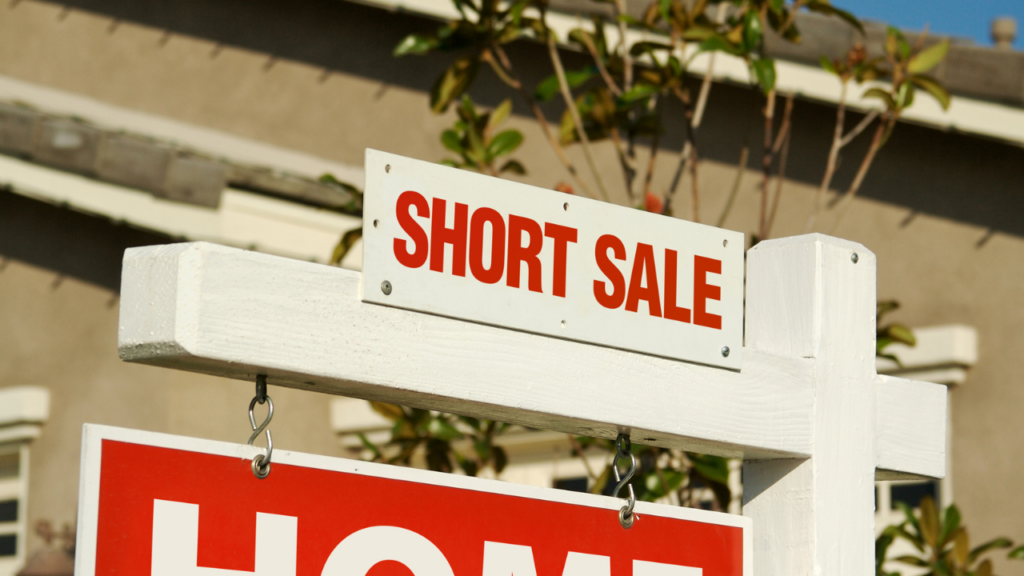
Many Minnesota homebuyers have heard the term “short sale” but aren’t exactly sure what it means. Some assume it’s the same thing as a foreclosure. Others believe it’s an easy way to get a house at a huge discount. And many buyers simply skip over short sale listings because they sound complicated. The truth is that a short sale is neither a foreclosure nor a guaranteed bargain. It is a unique type of real estate transaction that can create opportunities for buyers, but it can also involve patience, uncertainty, and additional risks. As a Minnesota real estate agent, I’ve worked with buyers who were excited about short sales because of the potential savings. I’ve also seen buyers become frustrated when they didn’t fully understand how the process works. Before you decide whether a short sale is worth pursuing, it’s important to understand exactly what it is, why it happens, how the process works, and what challenges you may encounter along the way. Let’s break it down in simple terms. What Is a Short Sale? A short sale occurs when a homeowner owes more on their mortgage than the home is worth and asks their lender to approve the sale of the property for less than the remaining mortgage balance. For example: Imagine a homeowner owes $350,000 on their mortgage. The current market value of the home is only $310,000. If the homeowner sells the property for $310,000, there isn’t enough money to fully pay off the loan. The lender must agree to accept less than what is owed. That agreement is what creates a short sale. Without lender approval, the sale cannot move forward. Why Do Short Sales Happen? Short sales often occur when homeowners experience financial hardship. Examples include: In some situations, property values may have declined while mortgage balances remained high. Rather than allowing the property to go into foreclosure, the lender may agree to a short sale. How Is a Short Sale Different From a Foreclosure? Many buyers confuse these two terms. They’re related, but they’re not the same thing. Short Sale The homeowner still owns the property. The lender must approve the sale. The homeowner is actively involved in the transaction. Foreclosure The lender has already taken legal action to recover the property. Ownership has typically transferred away from the homeowner. The property may become bank-owned. This distinction is important because the buying process differs significantly. Why Buyers Consider Short Sales The biggest reason buyers look at short sales is price. Many assume: “Maybe I can get a deal.” Sometimes that happens. But not always. A short sale may be priced competitively to attract buyers and encourage lender approval. However, lenders generally try to recover as much money as possible. They’re not necessarily interested in giving properties away. The best approach is to evaluate the property based on market value, condition, and overall opportunity rather than assuming the price is automatically a bargain. Potential Benefit #1: Lower Purchase Price Some short sales may be listed below comparable homes in the area. This can create opportunities for buyers seeking affordability. However, buyers should still analyze: A lower list price doesn’t automatically mean a better value. Potential Benefit #2: Less Competition in Some Situations Some buyers avoid short sales because they don’t want to deal with uncertainty. As a result, certain short sale properties may attract fewer offers than comparable traditional listings. This isn’t always the case, but it can happen. Less competition may improve a buyer’s chances of securing a property. Potential Benefit #3: Established Neighborhoods Many short sales are located in desirable, established communities. Buyers may find opportunities in neighborhoods they previously thought were out of reach financially. Again, every property is different. But location can be a major advantage. Risk #1: The Process Can Take a Long Time This is perhaps the biggest drawback. Traditional home purchases often move relatively quickly. Short sales frequently take longer. Why? Because the lender must review and approve the transaction. That review process can involve: Buyers may wait weeks or even months for a final decision. Patience becomes essential. Risk #2: Approval Is Not Guaranteed This surprises many buyers. Even if the seller accepts your offer, the lender may still reject it. The lender has the final say. Reasons for denial may include: Until lender approval is received, uncertainty remains. Risk #3: The Property May Be Sold As-Is Many short sales are sold as-is. That means: Buyers should carefully evaluate property condition before proceeding. Risk #4: Deferred Maintenance Financial hardship often affects property maintenance. If homeowners have struggled financially, they may have postponed repairs. Potential issues could include: Inspections remain extremely important. Risk #5: Financing Challenges Certain property conditions may affect financing eligibility. For example: may create challenges with some loan programs. Before pursuing a short sale, buyers should discuss financing with their lender. Minnesota-Specific Considerations Minnesota weather adds another layer of evaluation. Homes that have experienced deferred maintenance may face additional risks involving: Roof Damage Heavy snow and ice can accelerate wear. Frozen Pipes Especially if utilities were interrupted. Moisture Problems Basements require careful evaluation. Heating Systems Reliable heating is essential during Minnesota winters. These issues should never be overlooked. Why Inspections Matter A home inspection can help buyers identify: Even if the property is being sold as-is, inspections provide valuable information. The inspection doesn’t eliminate risk. It helps you understand it. That’s a major difference. Can First-Time Buyers Purchase Short Sales? Absolutely. Many first-time buyers successfully purchase short sale properties. However, buyers should understand: If you need a home immediately, a short sale may not be the best fit. If you’re flexible and understand the process, it may be worth considering. Questions Buyers Should Ask Before pursuing a short sale, consider: How long has the property been on the market? Has the lender received previous offers? What repairs are visible? Can I complete inspections? Am I prepared for delays? Do I have financial reserves for repairs? The answers can help you determine whether the opportunity aligns
What Are the Risks of Buying a Foreclosure in Minnesota?
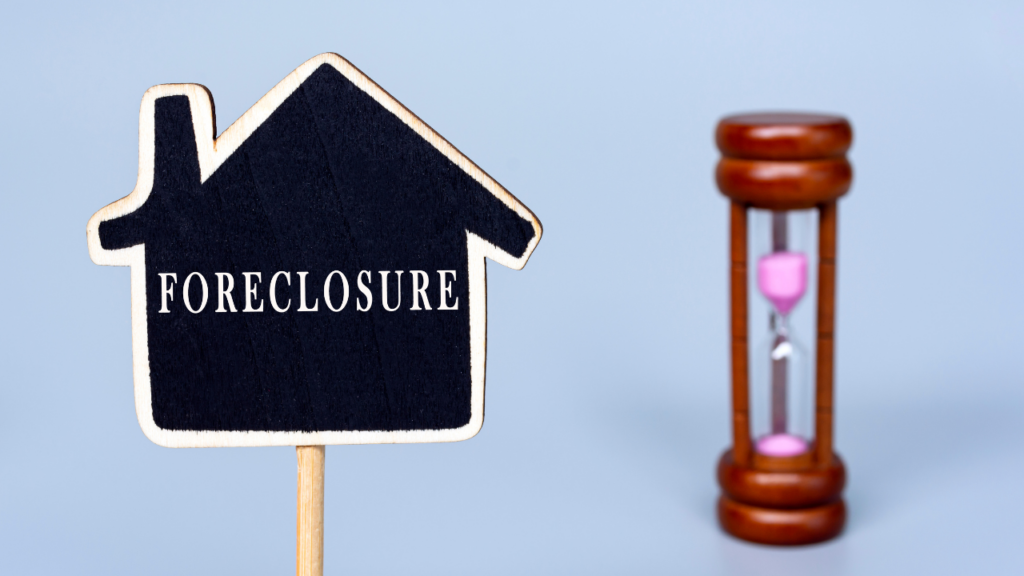
Buying a foreclosure sounds exciting to many homebuyers. The word itself makes people think: “Maybe I can get a deal.” “Maybe I can buy below market value.” “Maybe this is how I finally afford a home in Minnesota.” And sometimes, yes, foreclosures can create opportunities. But as a Minnesota real estate agent, I always tell buyers the same thing: A foreclosure is not automatically a bargain. It can be a good deal, but it can also come with risks, delays, repair issues, financing challenges, and surprises that buyers need to understand before making an offer. I’ve worked with buyers who were curious about foreclosures because they wanted affordability, investment potential, or a way to stretch their budget. That makes sense. In a market where homes can feel expensive, anything priced lower than similar homes will catch attention. But the price is only one part of the story. Before buying a foreclosure in Minnesota, you need to understand what you are buying, who owns the property, what condition it may be in, and what protections you may or may not have. Let’s break it down in plain language. What Is a Foreclosure? A foreclosure happens when a homeowner falls behind on mortgage payments and the lender takes legal steps to recover the property. Eventually, the property may be sold to satisfy the unpaid debt. By the time many buyers see a foreclosure listed for sale, the home may already be owned by: These homes are often referred to as bank-owned properties, REO properties, or foreclosed homes. Why Buyers Are Interested in Foreclosures The biggest reason buyers look at foreclosures is price. Foreclosed homes may sometimes be listed below similar homes in the same area because the seller wants to move the property. Buyers may hope to: Those goals are understandable. But a lower asking price does not always mean a lower total cost. That is where many buyers get into trouble. Risk #1: The Home May Need Significant Repairs One of the biggest risks of buying a foreclosure is property condition. Some foreclosed homes have been vacant for months. Others may have been neglected before the owner moved out. Some may have damage from: Minnesota winters can make this even more serious. If a home sits vacant through winter and the heat is turned off or utilities are not managed properly, pipes can freeze and burst. That can lead to major water damage. What looks like a simple repair may become a much larger project. Risk #2: You May Have Limited Seller Disclosures In a traditional sale, the seller usually knows the history of the home. They may know about leaks, repairs, basement issues, roof age, or past problems. With a foreclosure, the seller may be a bank or institution that never lived in the home. That means they may have very limited knowledge about the property’s condition. You may not receive the same level of information you would receive from a traditional homeowner. This makes inspections even more important. Risk #3: The Property May Be Sold “As-Is” Many foreclosures are sold as-is. That means the seller may not agree to make repairs. If the inspection reveals problems, you may have fewer negotiation options. This does not mean you should avoid the property automatically. But it does mean you need to be financially prepared. If the roof, furnace, plumbing, or electrical system needs work, you may be responsible for handling those repairs after closing. Risk #4: Financing Can Be More Difficult Not every foreclosure qualifies for every loan program. Some loan programs require the home to meet certain minimum property standards. If the home has serious issues, such as: your lender may not approve the loan unless repairs are completed. But if the seller refuses to make repairs, the deal may become difficult or impossible with certain financing types. This is why it is important to talk to your lender before making an offer on a foreclosure. Risk #5: The Home May Cost More Than You Think A foreclosure listed at a lower price can feel like a bargain. But buyers need to calculate the real cost. Ask yourself: What repairs are needed? How much will those repairs cost? Can I live in the home during repairs? Will the lender approve financing? Do I have enough emergency savings? For example, a home priced $40,000 below market value may not be a good deal if it needs $70,000 in repairs. The purchase price matters. But the total investment matters more. Risk #6: The Process Can Take Longer Foreclosure purchases may involve more paperwork, slower communication, and institutional decision-making. Unlike a traditional seller who may respond quickly, a bank or agency may need more time to review offers and approve terms. This can create delays. For buyers with strict moving timelines, this may become stressful. If your lease is ending soon, your job relocation is time-sensitive, or you need to move before school starts, a foreclosure may not always be the smoothest option. Risk #7: Competition Can Still Be Strong Some buyers assume foreclosures are easy to buy because they believe fewer people want them. Not always. If a foreclosure is priced attractively, investors and cash buyers may also be interested. That can create competition. In some cases, buyers using traditional financing may compete against buyers offering cash and quicker closing timelines. This does not mean you cannot win. But you should understand the competition before assuming the home will be easy to secure. Risk #8: Title or Occupancy Issues May Exist Most foreclosure transactions are handled carefully, but buyers should still pay attention to title and occupancy details. Sometimes questions may arise around: This is why working with experienced professionals matters. You want a title company, lender, and Realtor who understand the process and can help identify issues early. Minnesota-Specific Concerns Minnesota’s climate creates unique risks for vacant homes. A vacant foreclosure may face problems such as: Frozen Pipes If heat was not maintained properly. Basement Moisture Especially during spring thaw
Is Buying an Older Home a Good Idea in Minnesota?
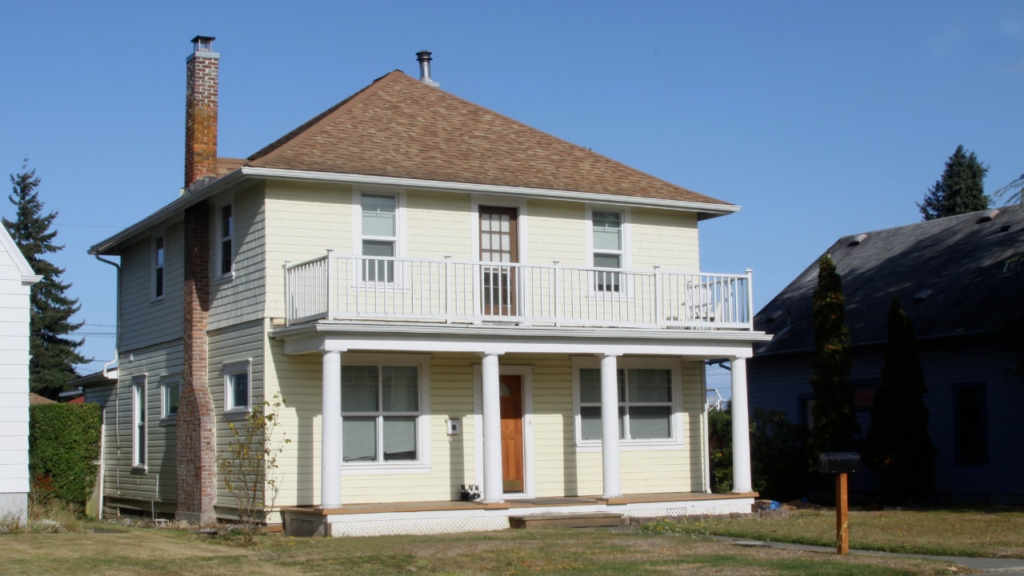
One of the biggest misconceptions in real estate is that newer homes are always better. As a Minnesota real estate agent, I’ve worked with buyers who walked into a 1950s home and immediately wanted to leave because they assumed older meant problems. I’ve also worked with buyers who specifically searched for homes built before 1970 because they loved the character, larger lots, mature trees, and established neighborhoods. The truth is that the age of a home, by itself, doesn’t determine whether it’s a good purchase. I’ve seen brand-new homes with issues. I’ve seen 100-year-old homes that were exceptionally maintained. The better question isn’t: “Is this home old?” The better question is: “Has this home been cared for?” For many Minnesota buyers, older homes can offer tremendous value, unique charm, and excellent long-term opportunities. But they can also come with maintenance challenges, repair costs, and surprises that buyers should understand before making an offer. If you’re considering an older home in Minnesota, here’s what you should know. What Is Considered an Older Home? There isn’t a universal definition. However, many buyers consider homes built before the 1980s to be older homes. In Minnesota, you’ll commonly find homes built in: Many of these homes remain highly desirable today. Communities throughout: contain large numbers of older homes. Why Buyers Love Older Homes There’s a reason older homes continue attracting strong buyer demand. Many offer features that are difficult or expensive to replicate today. These features often include: Mature Trees Established neighborhoods frequently have beautiful tree canopies. Larger Lots Many older homes sit on lots larger than what is common in newer developments. Character Buyers often appreciate: Established Neighborhoods Older communities often provide a sense of history and stability. For many buyers, these qualities are extremely appealing. Older Homes Often Have Better Locations One advantage many buyers overlook is location. New construction typically occurs farther from city centers because that’s where land is available. Older homes are often located closer to: This convenience can create significant lifestyle benefits. For some buyers, location alone makes older homes worth considering. Older Doesn’t Mean Poorly Maintained This is one of the biggest myths in real estate. Many buyers assume an older home automatically requires extensive repairs. Not necessarily. A well-maintained 1955 home may be in far better condition than a poorly maintained home built in 2015. The condition of the property matters far more than the construction date. That’s why inspections are so important. The Biggest Concern: Deferred Maintenance The true risk with older homes isn’t age. It’s deferred maintenance. Deferred maintenance refers to repairs and upkeep that homeowners postponed over time. Examples include: The older the home, the more important it becomes to evaluate maintenance history. Minnesota Weather Is Tough on Homes Minnesota homes face unique challenges. Over decades, homes endure: These conditions affect: Roofing Systems Foundations Siding Windows Drainage An older home may still be an excellent purchase. But buyers should pay close attention to these areas. Home Inspections Become Extremely Valuable Whenever buying a home, inspections are important. With older homes, they’re even more critical. A professional inspector can help identify: The inspection doesn’t tell you whether to buy the home. It helps you understand what you’re buying. That’s valuable information. Older Homes Often Have Larger Yards One thing many buyers notice immediately is lot size. In many older neighborhoods, homes were built on larger parcels of land. That can provide: For buyers who value outdoor living, this can be a major advantage. Character vs Cookie-Cutter Design Many modern developments feature homes that look relatively similar. Older neighborhoods often provide greater architectural diversity. You may find: Buyers seeking uniqueness often gravitate toward older properties. Potential Challenges With Older Homes Of course, older homes aren’t perfect. There are trade-offs. Older Mechanical Systems Some homes may require updates to: Less Energy Efficiency Older homes sometimes have: Smaller Closets Storage expectations have changed dramatically over time. Different Floor Plans Many older homes feature layouts that differ from modern open-concept designs. These factors don’t necessarily make a home undesirable. They’re simply considerations buyers should understand. Renovation Potential Many buyers love older homes because of their renovation possibilities. You may be able to: The key is understanding renovation costs before purchasing. A home with potential is only valuable if the improvements fit your budget. Neighborhood Stability Matters One reason many buyers choose older communities is stability. Established neighborhoods often offer: These characteristics frequently contribute to strong neighborhood appeal. Appreciation Potential Many buyers ask: “Will an older home appreciate?” Absolutely. The age of a home doesn’t automatically determine appreciation. Factors that often matter more include: Many older homes in desirable Minnesota neighborhoods have appreciated significantly over time. Questions Buyers Should Ask Before purchasing an older home, consider: How well has the home been maintained? What major systems have been updated? Are there inspection concerns? How old is the roof? How old is the furnace? How old are the windows? These answers provide a clearer picture of ownership costs. Common Mistakes Buyers Make Judging a Home Solely by Age Condition matters more than age. Ignoring Maintenance History Past upkeep often predicts future expenses. Falling in Love With Character Alone Charm doesn’t replace inspections. Underestimating Future Repairs Every home requires maintenance. Assuming Newer Is Automatically Better Every property should be evaluated individually. Who Should Consider Older Homes? Older homes may be a great fit for buyers who: Many homeowners find these benefits worth the trade-offs. Who May Prefer Newer Homes? Newer homes may be a better fit for buyers who: Again, neither choice is right or wrong. It’s about personal preferences. FAQ Are older homes bad investments? Not at all. Many older homes have performed extremely well in desirable neighborhoods. Do older homes require more maintenance? Often yes, although maintenance depends heavily on previous ownership and upkeep. Are inspections more important on older homes? Absolutely. Are older homes cheaper? Sometimes, but not always. Location and demand heavily influence pricing. Can older homes appreciate? Yes. Many appreciate significantly over time. What matters
What Should I Know Before Buying a Fixer-Upper in Minnesota?

For many homebuyers, the dream starts the same way. You open a real estate app. You see a house priced significantly below everything else in the neighborhood. The pictures look decent. The location is great. The price seems almost too good to be true. Then you read the description. “Needs some TLC.” “Bring your ideas.” “Great opportunity.” “Handyman special.” That’s usually when buyers realize they’re looking at what’s commonly called a fixer-upper. As a Minnesota real estate agent, I’ve helped buyers purchase fixer-uppers that turned into incredible success stories. I’ve also seen buyers walk away from properties that would have become expensive headaches. The truth is that buying a fixer-upper isn’t automatically a great idea or a bad idea. It depends on the property. It depends on your finances. And most importantly, it depends on whether you fully understand what you’re getting into. Many buyers focus on the lower purchase price. The smarter buyers focus on the total cost of ownership. Before you buy a fixer-upper in Minnesota, here are the things you should know. What Is a Fixer-Upper? A fixer-upper is a home that requires repairs, updates, renovations, or improvements. The amount of work varies significantly. Some homes need mostly cosmetic improvements such as: Others may need major repairs involving: The term “fixer-upper” covers a wide range of conditions. That’s why buyers should never assume all fixer-uppers are the same. Why Buyers Are Attracted to Fixer-Uppers The biggest reason is price. In many cases, fixer-uppers are listed below comparable move-in-ready homes. That lower price can create opportunities. Buyers often believe: “I’ll save money by buying cheaper and making improvements myself.” Sometimes that’s true. Sometimes it isn’t. The key is understanding the full financial picture before making an offer. The Biggest Mistake Buyers Make The most common mistake is underestimating repair costs. Almost every contractor has a story about a project that looked simple at first. Then walls were opened. Floors were removed. Systems were inspected. And suddenly the project became much larger. What appears to be a $10,000 renovation can quickly become: or more. The lower purchase price only helps if repair costs remain manageable. Minnesota Weather Can Reveal Expensive Problems Minnesota homes face challenges that buyers from warmer climates often don’t anticipate. Our homes endure: Over time, these conditions can affect: Roofs Heavy snow loads can create wear and tear. Foundations Freeze-thaw cycles may contribute to movement and cracking. Gutters and Drainage Water management becomes critical. Windows Older windows can significantly impact energy efficiency. Heating Systems Minnesota winters demand reliable heating equipment. A fixer-upper with deferred maintenance in these areas can become expensive quickly. Cosmetic Problems Are Usually Easier Not all repairs should scare buyers. Many cosmetic issues are relatively straightforward. Examples include: These projects may improve a home’s appearance without requiring major structural work. The real concern usually involves problems hidden beneath the surface. Hidden Problems Are What Buyers Should Fear One lesson I’ve learned after years in real estate is this: The visible problems are often not the expensive ones. The expensive issues are frequently hidden. Examples include: This is why inspections are so important. You want as much information as possible before committing to the purchase. Home Inspections Become Even More Important A professional home inspection is valuable on any home. It’s especially important with fixer-uppers. An inspector may identify: While inspections don’t uncover everything, they often reveal concerns buyers would otherwise miss. Skipping inspections on a fixer-upper is rarely a good strategy. Financing Can Be Different Many buyers assume financing works the same way for every property. That’s not always true. Some loan programs require homes to meet certain standards. Major issues involving: may affect financing eligibility. This doesn’t mean fixer-uppers cannot be financed. It simply means buyers should discuss property condition with their lender early in the process. Renovations Almost Always Take Longer Than Expected If you’ve ever watched a home renovation show, you’ve probably seen projects completed in what appears to be a few days. Real life is different. Projects often experience delays due to: A project expected to take one month may take three months. Sometimes longer. Buyers should build flexibility into their expectations. Living Through Renovations Isn’t Easy Some buyers plan to move in immediately while completing projects gradually. That can work. But it’s important to understand the reality. Living through renovations may involve: Some homeowners handle this well. Others find it stressful. Be honest about your comfort level. Emergency Savings Matter More Than Ever One thing I always tell buyers considering fixer-uppers: Don’t spend every dollar on the purchase. Unexpected expenses are common. Even well-planned projects can encounter surprises. Having emergency reserves helps prevent financial stress when problems arise. The stronger your financial cushion, the more flexibility you’ll have. Not Every Fixer-Upper Is Actually a Good Deal This surprises many buyers. A lower price doesn’t automatically mean a better value. Let’s compare two hypothetical homes: Home A:$400,000 move-in ready Home B:$340,000 fixer-upper requiring $80,000 in repairs Suddenly the “cheaper” home may not be cheaper at all. Always evaluate: Purchase price + Repair costs = Total investment That’s the number that matters. Older Homes Can Offer Opportunities Many Minnesota fixer-uppers are older homes. That isn’t necessarily a bad thing. Older homes may offer: Some buyers specifically seek these features. The goal is understanding which repairs are cosmetic and which are structural. Think About Future Resale Value A fixer-upper isn’t just about today’s purchase. It’s also about tomorrow’s resale. Ask yourself: Is the neighborhood desirable? Are nearby homes selling well? Will improvements increase appeal? Will future buyers want this property? The answers help determine whether the investment makes sense. Who Should Consider a Fixer-Upper? Fixer-uppers may work well for buyers who: These buyers often see opportunities where others see challenges. Who May Want to Avoid Fixer-Uppers? A move-in-ready home may be better for buyers who: There is nothing wrong with prioritizing simplicity. Homeownership should improve your life, not overwhelm it. Common Mistakes Buyers Make Falling in Love With Potential Buy
Should I Buy a Condo, Townhouse, or Single-Family Home in Minnesota?
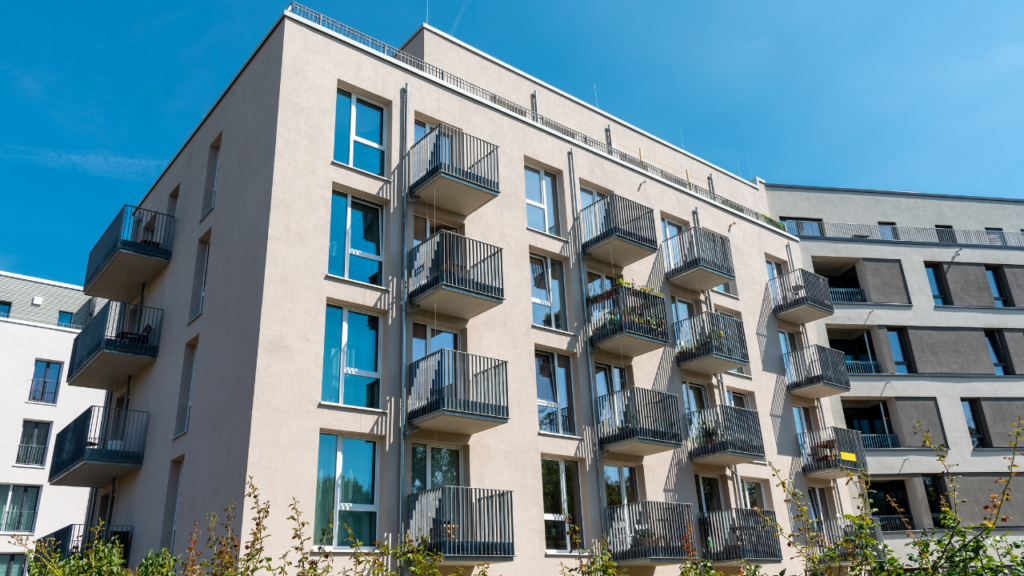
One of the first major decisions Minnesota homebuyers face isn’t which house to buy. It’s deciding what type of home to buy. As a Minnesota real estate agent, I’ve worked with buyers who spent weeks researching neighborhoods, mortgage programs, and interest rates, only to realize they hadn’t fully thought through what type of property best fit their lifestyle. Many buyers begin their search assuming they want a single-family home. Others start by looking at condos because they seem more affordable. Some are drawn to townhomes because they appear to offer the best of both worlds. The reality is that there isn’t one property type that’s right for everyone. The best choice depends on your budget, lifestyle, long-term plans, maintenance preferences, and financial goals. I’ve helped first-time buyers, growing families, retirees, relocation buyers, and investors purchase all three types of properties throughout Minnesota. Each option offers advantages. Each comes with trade-offs. The key is understanding those differences before making one of the biggest purchases of your life. Let’s break down what Minnesota buyers should know about condos, townhouses, and single-family homes. Understanding the Three Main Home Types Before comparing them, let’s define them. Condo A condominium, or condo, is a privately owned unit within a larger building or community. You typically own the interior of your unit while common areas are maintained by a homeowners association. Townhouse A townhouse (or townhome) is an attached property that usually shares one or more walls with neighboring units but often includes private entrances and more ownership responsibility than a condo. Single-Family Home A detached home situated on its own lot with no shared walls. You own the home and the land it sits on. While the definitions seem simple, the lifestyle differences can be significant. Why This Decision Matters Many buyers focus entirely on purchase price. That’s understandable. But the type of property you buy affects: A home that looks affordable upfront may not be the best fit long-term. Likewise, a more expensive option may provide benefits that make it worthwhile. The goal is finding the right fit for your specific situation. The Appeal of Condos Condos are often the most affordable path to homeownership. This makes them especially attractive to: Many condo communities are located in: These locations often provide convenient access to employment centers, entertainment, shopping, and public transportation. Benefits of Buying a Condo There are several reasons buyers choose condos. Lower Purchase Prices Condos are often priced below comparable townhomes and single-family homes. This can make homeownership accessible sooner. Reduced Maintenance Many associations handle: For buyers who don’t enjoy home maintenance, this can be a major advantage. Convenient Locations Condos are frequently located near: This convenience appeals to many buyers. Amenities Some communities offer: These amenities may enhance quality of life. Challenges of Condo Ownership Condos aren’t perfect for everyone. HOA Fees Monthly association dues can be substantial. Less Privacy Shared walls and common spaces mean closer proximity to neighbors. Association Rules HOAs often regulate: Buyers should review these rules carefully. Limited Outdoor Space Most condos offer less private outdoor space than other property types. Why Buyers Love Townhomes Townhomes have become incredibly popular throughout Minnesota. Many buyers see them as a middle ground between condos and single-family homes. Communities throughout: feature extensive townhome developments. Benefits of Buying a Townhome Townhomes offer several attractive advantages. More Space Compared to condos, townhomes often provide: Lower Maintenance Many associations still cover: Greater Privacy Townhomes usually provide more separation from neighbors than condos. Newer Construction Opportunities Many Minnesota townhome communities are relatively new. This appeals to buyers seeking modern layouts and features. Challenges of Townhome Ownership There are still trade-offs. HOA Fees Townhomes frequently have association dues. Shared Walls Neighbors remain attached on one or both sides. HOA Restrictions Certain exterior modifications may require approval. Limited Yard Space Private outdoor space is often smaller than what single-family homes provide. Why Single-Family Homes Remain Popular For many buyers, the traditional single-family home remains the ultimate goal. There are good reasons for this. Single-family homes offer: And they remain the most common property type throughout Minnesota. Benefits of Single-Family Homes Maximum Privacy No shared walls. No upstairs neighbors. No adjoining units. Greater Control Owners generally have more freedom regarding: Larger Lots Many homes include: Strong Buyer Demand Single-family homes often attract broad interest from future buyers. Challenges of Single-Family Homes Higher Purchase Prices Single-family homes are often the most expensive option. More Maintenance Owners are responsible for: Unexpected Expenses Major repairs can be costly. Examples include: Buyers should budget accordingly. Minnesota Weather Makes Maintenance Important Minnesota winters can influence property ownership more than many buyers realize. Snow. Ice. Freezing temperatures. These conditions affect: Many buyers appreciate the maintenance assistance provided by condos and townhomes. Others prefer having complete control over their property. Neither choice is wrong. It’s simply a matter of preference. Which Property Type Is Best for First-Time Buyers? There’s no universal answer. However, here are some common scenarios. Condo May Be Best If: Townhome May Be Best If: Single-Family Home May Be Best If: Your priorities should drive the decision. Think About Your Future One mistake buyers make is focusing only on current needs. Ask yourself: Will my family grow? Might I relocate? Do I want rental flexibility later? How important is outdoor space? Will my maintenance preferences change? These questions often clarify which property type makes the most sense. Common Mistakes Buyers Make Choosing Based Only on Price The cheapest option isn’t always the best fit. Ignoring HOA Rules Review association documents carefully. Underestimating Maintenance Costs Single-family homes require ongoing upkeep. Not Thinking Long-Term Future needs matter. Following Other People’s Preferences Buy the property that fits your lifestyle, not someone else’s. FAQ Is a condo cheaper than a townhouse? Often yes, although HOA fees and location can affect overall affordability. Are townhomes a good investment? Many Minnesota townhomes have performed well, particularly in growing suburban communities. Do single-family homes appreciate more? Every market is different, but single-family homes often attract strong buyer
Is Now a Good Time to Buy a Home in Minnesota?

If you’ve been thinking about buying a home in Minnesota, chances are you’ve asked yourself this question: “Should I buy now or wait?” It’s probably the most common question I hear from buyers. Not just first-time buyers. Not just move-up buyers. Everyone. People ask it when rates go up. People ask it when rates go down. People ask it when home prices rise. People ask it when home prices stabilize. The truth is that most buyers are trying to answer the same thing: “Am I making a smart financial decision?” As a Minnesota real estate agent, I completely understand the concern. Buying a home is one of the largest financial decisions most people will ever make. Nobody wants to buy at the wrong time. Nobody wants to overpay. Nobody wants to look back a year later and think, “I should have waited.” The challenge is that the housing market doesn’t come with a crystal ball. No one knows exactly what prices, interest rates, or inventory will do next month or next year. What we can do is evaluate today’s market, understand your personal situation, and determine whether now makes sense for you. Because the best time to buy a home is often more personal than it is market-driven. The Question Most Buyers Are Actually Asking When buyers ask whether now is a good time to buy, they’re usually asking one of three questions: Those are understandable concerns. But they’re not always the best questions. A better question might be: “Am I financially ready to buy a home and stay in it long enough for ownership to make sense?” Because timing the market perfectly is almost impossible. Building long-term wealth through homeownership is much more realistic. Minnesota Housing Has Historically Been Driven by Demand Minnesota continues to attract buyers for several reasons. People move here for: Communities throughout Minneapolis, St. Paul, and the surrounding suburbs continue to attract both local and relocation buyers. That ongoing demand helps support housing values over time. While every market experiences ups and downs, Minnesota has historically remained a desirable place to live. Interest Rates Get All the Headlines Many buyers become completely focused on mortgage rates. And yes, rates matter. They affect: But many buyers make the mistake of allowing rates alone to determine their decision. Let’s imagine a buyer waits for rates to drop. What happens if rates drop but: Suddenly the lower rate may not create the savings the buyer expected. The housing market rarely moves in only one direction. Multiple factors are always changing at the same time. Home Prices and Mortgage Rates Don’t Always Move Together One of the biggest misconceptions in real estate is that lower rates automatically mean lower housing costs. In reality, lower rates often bring more buyers into the market. More buyers can create: This can place upward pressure on prices. That’s why many buyers who wait for rates to improve discover they are now competing against more people for the same homes. Inventory Matters More Than Many Buyers Realize Inventory refers to the number of homes available for sale. When inventory is low: When inventory increases: The amount of available inventory often has a major impact on buyer opportunities. Many Minnesota buyers focus exclusively on rates while ignoring inventory trends. Both matter. The Best Time to Buy Is Often When You’re Ready This may sound simple, but it is often true. The best time to buy is frequently when: If those pieces are in place, market timing becomes less important. Why? Because homeownership is typically a long-term investment. Most homeowners do not buy a house for one year. They buy it for many years. What Happens If You Wait? Waiting is not necessarily bad. Sometimes it makes sense. For example: Those are legitimate reasons to wait. But some buyers wait indefinitely because they are trying to predict the perfect market. That can become a problem. The perfect market rarely arrives. Minnesota Buyers Have Different Goals Not every buyer should make the same decision. Consider these examples: First-Time Buyers Many first-time buyers prioritize affordability and stability. Growing Families Families often need more space regardless of market conditions. Relocation Buyers Job opportunities may influence timing more than market predictions. Downsizing Buyers Lifestyle goals often drive their decisions. Investors Investment strategies may focus more heavily on market timing. Every buyer has different priorities. Renting Has a Cost Too One factor buyers sometimes overlook is the cost of waiting. Let’s say a buyer postpones purchasing for two years. During those two years they continue paying rent. Meanwhile: Waiting is not free. Even when waiting makes sense, it still has a financial impact. This is why buyers should evaluate both the cost of buying and the cost of delaying. The Emotional Side of Buying Real estate isn’t purely financial. Homes are emotional. People want: Those factors matter too. Sometimes buyers become so focused on trying to save a little money that they delay achieving goals that matter deeply to them. The numbers matter. But life matters too. Signs You May Be Ready to Buy You may be ready if: You Have Stable Income Consistency matters. You Have Savings Down payments, closing costs, and emergency funds are important. You Plan to Stay Put Homeownership often makes more sense when you expect to remain in the area for several years. Your Credit Is Healthy Stronger credit may provide more financing options. You’re Tired of Renting Many buyers simply reach a point where ownership better aligns with their goals. Signs You May Want to Wait Waiting may make sense if: You Have Little or No Savings Financial breathing room matters. Your Employment Situation Is Uncertain Stability helps. You Expect to Move Soon Buying and selling too quickly can be expensive. You Need Time to Improve Credit Better credit can improve financing options. Homeownership Would Create Significant Financial Stress Buying should improve your life, not overwhelm it. Common Buyer Mistakes Trying to Predict the Exact Bottom of the Market Almost nobody succeeds consistently. Waiting
Can Sellers Cover My Closing Costs When Buying a Home in Minnesota?
One of the most common questions immigrant homebuyers ask after learning about closing costs is: “Do I have to pay all of these costs myself?” It’s a great question. For many families, saving for a down payment is already a major accomplishment. Adding closing costs on top of that can feel overwhelming. As a Minnesota real estate agent, I’ve worked with many immigrant buyers who assumed they needed tens of thousands of dollars saved before they could even think about buying a home. What they didn’t realize is that there are situations where sellers may help reduce some of the upfront financial burden. This is often called a seller contribution or seller-paid closing costs. For buyers trying to preserve savings, manage cash flow, or enter homeownership sooner, understanding how seller contributions work can be incredibly valuable. However, like most things in real estate, the answer isn’t simply yes or no. Whether a seller can help, how much they can help, and whether it’s a good strategy depends on several factors. Let’s break it down. What Are Closing Costs? Before discussing seller contributions, let’s quickly review what closing costs are. Closing costs are expenses associated with completing the home purchase. They are separate from your down payment. Depending on the transaction, closing costs may include expenses related to: Many first-time buyers focus almost entirely on saving for the down payment and don’t realize additional funds may be needed for closing. This is why seller contributions often become an important conversation. What Does It Mean When a Seller Covers Closing Costs? When people say a seller is covering closing costs, the seller isn’t typically writing a separate check directly to the buyer. Instead, the seller agrees to contribute a specific amount toward the buyer’s eligible closing expenses as part of the purchase agreement. This arrangement reduces the amount of cash the buyer needs to bring to closing. For many buyers, that can make a significant difference. Why Would a Seller Agree to Pay Closing Costs? This is where many buyers become confused. Why would a seller voluntarily pay some of the buyer’s expenses? The answer depends largely on market conditions. There are several reasons. To Attract More Buyers If a property has been sitting on the market longer than expected, offering closing cost assistance may generate additional interest. To Help Complete the Transaction Sometimes a buyer qualifies for the mortgage but is short on available cash. Seller contributions can help bridge the gap. To Compete With Other Listings In a slower market, sellers may offer incentives to stand out. To Avoid Price Reductions Some sellers would rather contribute toward closing costs than reduce the sale price. When Are Seller Contributions Most Common? Seller-paid closing costs are generally more common when: When sellers have multiple competing offers, contributions may be less common. In highly competitive markets, buyers often need stronger offers to stand out. Market conditions play a major role. Can Seller Contributions Be Negotiated? Absolutely. Everything begins with the offer. When submitting an offer, buyers may request that the seller contribute toward eligible closing costs. The seller can: Like many aspects of real estate, it becomes part of the negotiation process. Why This Can Be Helpful for Immigrant Buyers Many immigrant buyers face unique financial challenges. They may be: Even buyers with stable incomes sometimes struggle to accumulate enough cash for every upfront expense. Seller contributions can help preserve savings that may be needed for: Reducing upfront cash requirements can create greater financial stability after closing. Does Asking for Closing Costs Make My Offer Weaker? Sometimes buyers worry that requesting closing costs automatically makes their offer less attractive. The reality is more nuanced. Sellers evaluate offers based on multiple factors. These often include: A well-structured offer that includes closing cost assistance may still be attractive depending on the overall terms. Every situation is unique. Can Seller Contributions Replace My Down Payment? Generally speaking, seller contributions are intended to help with eligible closing expenses rather than replacing the buyer’s required down payment. Buyers should still expect to contribute their required down payment according to their loan program. Seller contributions are designed to reduce certain transaction-related costs. Are There Limits on Seller Contributions? Yes. Most loan programs have rules regarding how much a seller can contribute. These limits vary based on factors such as: This is why it’s important to discuss any closing cost strategy with your lender before writing an offer. Why Buyers Should Talk to Their Lender Early One of the biggest mistakes buyers make is waiting until they’re under contract before discussing closing cost assistance. A lender can help explain: Having this information early allows buyers to create stronger strategies. What Happens If Closing Costs Are Lower Than Expected? In some situations, buyers may request more seller contributions than ultimately needed. Mortgage guidelines generally prevent buyers from receiving excess cash back simply because closing costs were lower than anticipated. Any contribution must typically be applied toward eligible expenses. This is another reason accurate planning matters. Why Market Conditions Matter So Much Let’s look at two different scenarios. Seller’s Market In a seller’s market: Seller contributions may be less common. Buyer’s Market In a buyer’s market: Seller-paid closing costs become more common. Understanding the market helps set realistic expectations. Other Ways to Reduce Upfront Costs Seller contributions aren’t the only option available to buyers. Depending on eligibility, buyers may also explore: Homebuyer Assistance Programs Some programs help with down payments or closing costs. Gift Funds Family members may be able to provide eligible gift funds. Lender Credits Some financing options include lender credits that offset certain expenses. Strategic Negotiations Different contract terms can sometimes help buyers manage costs. A comprehensive strategy often works best. Why Preserving Savings Matters One mistake I occasionally see is buyers using every available dollar to reach closing. Then they move into the home with almost no financial reserves. Homeownership works best when buyers maintain some savings after closing. Unexpected expenses can include: Preserving cash reserves is
How Do Immigrant Homebuyers Estimate Closing Costs Accurately in Minnesota?

One of the biggest moments of excitement during the homebuying process is getting pre-approved for a mortgage. Many immigrant buyers finally see a path to homeownership. They know how much house they can afford. They start browsing listings. They begin imagining life in their future home. Then the next question comes: “How much money do I actually need at closing?” That’s when many buyers discover something called closing costs. As a Minnesota real estate agent, I’ve noticed that closing costs are one of the most misunderstood parts of the homebuying process, especially among first-time buyers and immigrant families. Many people know they need a down payment. Far fewer understand what closing costs are, why they exist, and how to estimate them accurately. The good news is that closing costs don’t have to be confusing. Once you understand the components, you can budget properly, avoid surprises, and move toward closing day with confidence. Let’s break down exactly what immigrant homebuyers should know about estimating closing costs in Minnesota. What Are Closing Costs? Closing costs are the expenses associated with completing a real estate transaction. Think of them as the administrative, legal, lender, and ownership-transfer costs involved in buying a home. They are separate from your down payment. Many buyers are surprised to learn that even after saving for a down payment, they still need funds for closing costs. That’s why understanding these expenses early is so important. Why Closing Costs Surprise Many Immigrant Buyers In many countries, real estate transactions work differently. Some countries: When buyers arrive in the United States, they often assume the process works the same way. Then they discover additional expenses associated with obtaining a mortgage and transferring ownership. The key is knowing about these costs before you start shopping for homes. What Typically Makes Up Closing Costs? Closing costs are not one single fee. They are a collection of different charges that serve different purposes. Common categories include: The exact breakdown varies from one transaction to another. Lender Fees Your mortgage lender performs a significant amount of work behind the scenes. This may include: Some of the closing costs are related to these services. Every lender structures fees differently. This is one reason why comparing lenders can be valuable. Appraisal Fees Most mortgage lenders require an appraisal. An appraisal helps determine whether the property’s value supports the loan amount. The lender wants confirmation that the home is worth what you’re paying. The appraisal is generally ordered shortly after the purchase agreement is accepted. Buyers are typically responsible for this cost. Title Company Fees One area that often confuses first-time buyers is title-related expenses. The title company helps ensure that ownership of the property can legally transfer from seller to buyer. The title process helps verify: The title company also often coordinates many aspects of the closing process. These services are part of your closing costs. Recording Fees When you buy a home, certain documents must be officially recorded with local government agencies. These recording fees are generally small compared to the overall transaction but remain an important part of closing costs. They help document the legal transfer of ownership. Homeowners Insurance Many buyers don’t realize that homeowners insurance often impacts their cash needed at closing. Most lenders require proof of insurance before the transaction can be completed. Depending on the timing and structure of your loan, portions of your insurance costs may be collected during closing. Property Tax Prepayments Minnesota property taxes can create confusion for many buyers. In many cases, lenders collect funds at closing that will eventually be used to pay future property tax obligations. These funds are often placed into an escrow account. Although these aren’t technically extra fees, they do increase the amount of money needed at closing. Escrow Account Funding Many mortgage loans include an escrow account. The lender uses this account to help manage: Part of your closing funds may be used to establish the account. This helps ensure future tax and insurance payments are made on time. Prepaid Interest One expense many buyers have never heard of is prepaid interest. Depending on when you close during the month, lenders may collect interest covering the period between closing day and the start of your regular mortgage payments. This amount varies based on: Because of this, two buyers purchasing similar homes may have slightly different closing costs. Why Estimates Change One reason closing costs can seem confusing is that estimates may change during the transaction. Several factors can affect final numbers: Closing Date Changing the closing date may affect prepaid interest and escrow calculations. Property Taxes Different homes have different tax obligations. Insurance Costs Insurance premiums vary depending on: Loan Program Different mortgage programs may involve different fee structures. Because of these variables, estimates are exactly that—estimates. The final numbers become more accurate as the transaction progresses. What Is a Loan Estimate? After applying for a mortgage, buyers typically receive a document called a Loan Estimate. This document provides important information about: For immigrant buyers, this document becomes one of the most valuable planning tools available. Review it carefully. Ask questions. Make sure you understand every section. What Is a Closing Disclosure? As closing approaches, buyers typically receive another important document called the Closing Disclosure. This document contains the finalized numbers for the transaction. Reviewing it carefully helps avoid surprises on closing day. This is often the best opportunity to verify exactly how much money you’ll need to bring to closing. Can Sellers Help Pay Closing Costs? Many immigrant buyers are pleasantly surprised to learn that sellers can sometimes contribute toward closing costs. These contributions are commonly called seller concessions. Whether seller contributions are possible depends on: In a highly competitive market, seller concessions may be less common. In other situations, they can significantly reduce upfront expenses. Assistance Programs Can Help Minnesota offers various assistance programs that may help eligible buyers reduce upfront costs. Some programs may provide support for: Eligibility depends on factors such as: Many immigrant buyers qualify