
What Upfront Costs Should Immigrant Homebuyers Plan for in Minnesota?

One of the biggest surprises for many immigrant homebuyers is discovering that buying a home involves more than just saving for a down payment. I see this all the time. A family spends years saving money. They work hard. They avoid unnecessary spending. They finally decide they’re ready to buy a home. Then they sit down with a lender and realize there are several upfront costs involved in purchasing a property. The reaction is often: “Wait… I need money for that too?” As a Minnesota real estate agent, one of the most important conversations I have with immigrant buyers is about budgeting realistically before starting the home search. The goal isn’t to scare anyone away from homeownership. Quite the opposite. The goal is to help buyers prepare properly so there are no unpleasant surprises during the process. The good news is that once you understand the costs involved, you can build a plan to save, prepare, and move forward with confidence. Let’s walk through the major upfront costs immigrant homebuyers should expect when buying a home in Minnesota. Why Understanding Upfront Costs Matters Many immigrant families come from countries where real estate transactions work very differently. In some countries: The U.S. homebuying process has its own rules and expenses. Understanding them early can help you: Preparation is one of the biggest advantages a buyer can have. The Down Payment The down payment is usually the first cost buyers think about. A down payment is the portion of the home’s purchase price that you pay upfront. The amount varies depending on: Many immigrant buyers are surprised to learn that they do not always need 20% down. Some loan programs allow significantly lower down payments. Depending on eligibility, buyers may qualify for programs requiring only a small percentage of the purchase price upfront. The exact amount depends on the loan program and lender requirements. Earnest Money Deposit After your offer is accepted, you’ll typically provide an earnest money deposit. This deposit demonstrates to the seller that you’re serious about purchasing the property. In Minnesota, earnest money amounts vary. Factors include: The good news is that earnest money is generally not an additional cost. It is typically applied toward your purchase expenses at closing. However, you need access to those funds shortly after your offer is accepted. Home Inspection Costs One expense many first-time immigrant buyers don’t anticipate is the home inspection. A professional inspection helps identify potential issues with the property before closing. Inspectors evaluate items such as: While inspections are optional in many transactions, they often provide valuable information that helps buyers make informed decisions. The inspection fee is typically paid upfront. Additional Specialty Inspections Depending on the property, buyers may choose additional inspections. Examples include: Not every property requires these services. However, certain situations may justify additional investigation. Your real estate agent can help determine whether additional inspections may be appropriate. Appraisal Costs Most lenders require an appraisal. The purpose of an appraisal is to determine the property’s market value. The lender wants to verify that the home’s value supports the loan amount being requested. The appraisal is usually ordered during the financing process. The buyer is generally responsible for this expense. Closing Costs Closing costs are often the biggest surprise for immigrant homebuyers. Closing costs are expenses associated with finalizing the transaction. They may include: Many buyers focus exclusively on the down payment and overlook closing costs until they receive official loan disclosures. Understanding these expenses early is extremely important. Prepaid Property Taxes Minnesota property taxes are typically paid in arrears, meaning homeowners often pay taxes based on prior periods. Depending on the timing of your purchase, you may need to contribute funds toward future property tax obligations at closing. This is not an extra fee. It’s simply part of establishing your ownership responsibilities. Homeowners Insurance Lenders generally require homeowners insurance before closing. The first year’s premium is often paid or funded during the closing process. Insurance protects both you and the lender against certain types of loss. Costs vary based on: Obtaining quotes early can help you budget accurately. Escrow Account Funding Many lenders establish an escrow account. This account helps collect funds for: Part of your closing funds may be used to initially fund this account. Again, this isn’t necessarily an extra cost. It’s money being set aside for future obligations. Moving Expenses Many buyers forget to include moving costs in their budget. Examples include: For immigrant families relocating from another city or state, moving costs can become significant. It’s wise to budget for these expenses separately. Utility Setup Costs Once you become a homeowner, you’ll likely need to establish utility accounts. Examples include: Some providers may charge setup or activation fees. These costs are usually manageable but can add up during the move-in period. Furniture and Household Purchases This isn’t technically part of the transaction, but it often becomes an upfront expense. Many buyers move into a larger home and suddenly need: Especially for immigrant buyers transitioning from apartments, these purchases can surprise them. Why Documentation Matters for Immigrant Buyers One area where immigrant buyers face unique challenges involves documenting funds. Lenders often need to verify: This doesn’t mean foreign funds are prohibited. It simply means documentation becomes very important. The sooner you begin organizing your financial records, the smoother the process usually becomes. Gift Funds Can Help Many immigrant families receive financial support from relatives. Depending on the loan program, gift funds may sometimes be used toward: However, proper documentation is critical. Lenders generally require a clear paper trail. Before accepting funds, always discuss the situation with your lender. Assistance Programs May Reduce Upfront Costs One misconception is that all buyers need to pay every cost entirely out of pocket. Some Minnesota homebuyers may qualify for assistance programs that help with: Eligibility varies based on factors such as: Many immigrant buyers are pleasantly surprised to discover assistance options they didn’t know existed. Can Sellers Help Pay Some Costs? In certain situations, yes. Depending on
What Unexpected Costs Should I Plan for When Buying a Home in Minnesota?

Most homebuyers spend months preparing for the obvious expenses. They save for a down payment. They talk with lenders about monthly mortgage payments. They budget for closing costs. They understand they’ll have property taxes and homeowners insurance. Then they buy a home and discover something many homeowners learn after moving in: There are costs nobody talks about enough. Not because people are trying to hide them. But because many of these expenses don’t show up until after closing. As a Minnesota real estate agent, one of the things I try to do is help buyers understand the complete financial picture of homeownership—not just the mortgage payment. The truth is that owning a home comes with some unexpected expenses. Most aren’t emergencies. Most aren’t deal-breakers. But if you know about them in advance, you can prepare for them and avoid unnecessary stress. Let’s talk about the unexpected costs many Minnesota homeowners encounter and how you can plan for them. Why Buyers Get Surprised Most buyers focus on qualifying for the home loan. That makes sense. The mortgage payment is usually the largest housing expense. But once you become a homeowner, you’re no longer calling a landlord when something needs attention. You’re the landlord. That means some costs become your responsibility. The good news is that many of these expenses are predictable if you know what to look for. Utility Deposits and Setup Fees One of the first surprises some buyers encounter happens before they even move in. When transferring utility services, you may encounter: The amounts aren’t usually huge, but they can add up. Examples include: These costs often arrive during the same week you’re paying movers and buying household items. Moving Costs Many buyers underestimate the true cost of moving. Expenses may include: Even local moves can become expensive. For larger families or long-distance relocations, moving expenses can easily reach several thousand dollars. This is especially important for buyers moving to Minnesota from another state. Immediate Home Improvements This is one of the most common unexpected expenses. Many buyers say: “We’ll just live with it for a while.” Then move-in day arrives. Suddenly they want to: None of these projects may be necessary. But many homeowners choose to make improvements shortly after moving in. Those expenses can accumulate quickly. Window Coverings This is one of the most overlooked costs in homeownership. Buyers often fall in love with a home and never think about window treatments. Then closing day arrives. They realize the home needs: Depending on the number and size of windows, this can become a surprisingly large expense. Appliance Replacement Even if appliances are included with the home, that doesn’t mean they’re new. Many buyers inherit: that are already several years old. An appliance that works perfectly during the showing may fail months later. That’s not necessarily a problem with the home. It’s simply part of ownership. Creating a future appliance replacement fund is a smart strategy. Lawn Equipment First-time buyers moving from apartments are often surprised by this expense. Owning a home often means purchasing: In Minnesota, homeowners also frequently purchase snow removal equipment. These aren’t monthly expenses, but they are common startup costs. Snow Removal Equipment Minnesota homeowners quickly discover that winter requires preparation. Depending on the property, you may need: Many relocation buyers don’t anticipate these purchases. Yet they become essential after the first major snowfall. Increased Utility Costs Many first-time homeowners move from apartments into larger spaces. That often means higher utility bills. Examples include: Even energy-efficient homes typically cost more to operate than smaller apartments. Understanding utility costs before buying can help prevent surprises. Maintenance Supplies Every homeowner eventually accumulates a collection of maintenance supplies. Examples include: Individually, these costs are small. Collectively, they become part of the ongoing cost of ownership. Home Security Costs Many homeowners choose to add: While optional, these upgrades are increasingly popular. Monthly monitoring services may also create recurring costs. Pest Control Minnesota homeowners occasionally encounter: Pest prevention and treatment may become part of your homeownership budget. Even homes that are well-maintained sometimes require occasional pest management. Water Damage Prevention One of the smartest investments homeowners make is prevention. Expenses may include: Preventive measures often cost far less than repairing water damage. Tree Maintenance Many Minnesota neighborhoods have beautiful mature trees. While trees add tremendous value and curb appeal, they can also create expenses. Homeowners may need: Large trees often require professional services for safety reasons. HOA Fee Increases If you purchase within an HOA community, fees can occasionally increase. Reasons may include: Many buyers budget for the current fee but forget that future increases are possible. Special Assessments This is one of the most important HOA-related expenses to understand. Special assessments occur when an association needs additional funds beyond regular dues. Examples include: Not every HOA experiences special assessments, but buyers should be aware of the possibility. Seasonal Home Maintenance Minnesota homeowners typically perform seasonal maintenance throughout the year. Examples include: Spring Summer Fall Winter These tasks help prevent larger expenses later. Insurance Deductibles Many buyers focus on insurance premiums but forget about deductibles. If you file a claim, you may still be responsible for paying part of the cost. Understanding your deductible amount before an emergency occurs is important. Furniture and Home Furnishings This may be the most common unexpected cost of all. Many buyers move into a larger home and realize they need: A larger home often creates opportunities for additional spending. The key is prioritizing purchases and making upgrades gradually. Emergency Repairs Eventually, something breaks. It might be: This is why many financial experts encourage homeowners to maintain an emergency repair fund. The goal isn’t to expect disaster. The goal is to be prepared when normal homeownership happens. How Much Should You Set Aside? There is no perfect answer. However, many homeowners benefit from maintaining: Even setting aside a small amount each month can create valuable financial flexibility over time. The Good News About These Costs At this point, homeownership may sound expensive. But
How Are Property Taxes Calculated in Minnesota?

One of the most common questions I hear from homebuyers is: “Lesley, how do they actually calculate property taxes in Minnesota?” It’s a great question because property taxes can significantly impact your monthly payment, and many buyers don’t fully understand how the number on a property tax statement is determined. Some buyers assume it’s simply a percentage of the home’s value. Others think every city charges the same rate. The reality is a little more complicated. Minnesota uses a property tax system that takes into account your home’s value, its classification, your local government budgets, school districts, and other factors. That’s why two homes with similar prices can have very different tax bills. The good news is that you don’t need to become a tax expert to understand the basics. Once you know the key factors involved, it becomes much easier to compare homes and estimate your future housing costs. As a Minnesota real estate agent, I believe buyers should understand not only what they’re paying for a home, but also the long-term costs that come with owning it. Let’s break down how property taxes are calculated in Minnesota in plain English. What Are Property Taxes? Property taxes are taxes assessed on real estate by local governments. These taxes help pay for important community services such as: When you own a home, you’re contributing to the services that help your community function. Unlike your mortgage, property taxes do not disappear after the loan is paid off. They remain an ongoing expense throughout your ownership. The Four Main Factors That Determine Property Taxes Minnesota’s property tax calculation can seem complex, but it generally comes down to four major components: 1. Estimated Market Value The first step is determining what your home is worth. Every year, county assessors estimate the market value of properties within their jurisdiction. This value is known as the Estimated Market Value (EMV). The assessor considers factors such as: The assessed value is intended to reflect what the property would reasonably sell for on the open market. Many buyers are surprised to learn that property taxes are not calculated directly from this market value. Several additional steps happen before the final tax bill is created. Step 2: Property Classification Minnesota classifies properties differently depending on how they’re used. Examples include: Most homebuyers purchasing a primary residence will fall into the residential homestead category. The classification matters because different property types are taxed differently. Minnesota applies classification rates that help determine the property’s tax capacity. For owner-occupied homes, this classification generally provides favorable treatment compared to some non-homestead properties. Step 3: Homestead Benefits One of the advantages of purchasing a primary residence in Minnesota is the Homestead Market Value Exclusion. If the property qualifies as your primary residence, a portion of the home’s value may be excluded from taxation calculations. This exclusion can reduce the taxable value of the property and ultimately lower your tax bill. The benefit is generally larger for lower-valued homes and gradually phases out as home values increase. Many first-time buyers are unaware of this benefit and are pleasantly surprised when they learn how homestead status can help reduce ownership costs. Step 4: Tax Capacity After adjustments such as homestead benefits are applied, Minnesota converts the taxable value into what’s called tax capacity. Think of tax capacity as the value used for tax purposes after state formulas have been applied. The property’s classification rate is multiplied by its taxable value to create the tax capacity. This tax capacity helps determine each property’s share of the total taxes needed by local governments. This is one of the reasons why property tax calculations are more complicated than simply applying a flat percentage to a home’s market value. How Local Governments Affect Your Tax Bill Once tax capacities are calculated, local governments determine how much money they need to operate. This process is known as setting the levy. Local governments include: Each of these entities develops a budget and determines how much revenue must come from property taxes. The total amount needed is divided among taxable properties according to their tax capacity. This means your property tax bill is influenced not only by your home, but also by the budget decisions made in your community. Why Similar Homes Can Have Different Tax Bills This is one of the most important concepts for buyers to understand. Imagine two homes: One home is located in a suburb with extensive city services, newer infrastructure projects, and a higher school district levy. The other is located in an area with lower local levies. Even though the homes have similar values, their property tax bills may differ significantly. That’s why I always encourage buyers to review the actual property tax history of each home they are considering. Special Assessments Can Increase Costs Property taxes aren’t always the only charges appearing on a tax statement. Some homeowners may also pay special assessments. Examples include: These costs are often added to property tax bills and can affect monthly ownership expenses. When reviewing homes with buyers, I always recommend looking for any special assessments that may be attached to the property. A Simplified Example Let’s imagine a home has: The local governments then determine how much revenue they need and apply the applicable tax rates. The result might be a property tax bill somewhere between $4,000 and $6,000 annually depending on location. The exact calculation can vary significantly from one city to another. This example illustrates why purchase price alone doesn’t tell the full story. How Property Taxes Affect Monthly Mortgage Payments Most homeowners pay property taxes through escrow. Instead of paying the county directly every month, your mortgage lender collects a portion of the annual taxes with your mortgage payment. Your monthly payment generally includes: If your annual property taxes are $6,000, approximately $500 per month may be included in your mortgage payment for taxes alone. This is why two homes with similar purchase prices can produce very different monthly payments. Can Property Taxes
What Is the Step-by-Step Process for Immigrant Homebuyers in Minnesota? A 2026 Guide

Buying a home can feel overwhelming for anyone. If you’re an immigrant buying a home in Minnesota for the first time, it can feel even more complicated. You may be asking questions like: The good news is that thousands of immigrants successfully purchase homes across Minnesota every year. Whether you’re a permanent resident, visa holder, refugee, asylee, DACA recipient, or naturalized citizen, homeownership may be more attainable than you think. The key is understanding the process before you start. Let’s walk through the homebuying journey step-by-step so you know exactly what to expect. Step 1: Evaluate Your Financial Situation Before looking at homes online, it’s important to understand your finances. This includes: Many immigrant buyers assume they need perfect credit or a massive down payment. That’s usually not the case. However, lenders will want to review your overall financial picture. Ask yourself: Having a clear picture of your finances makes every step easier. Step 2: Understand Your Immigration Status and Loan Options Many buyers worry their immigration status automatically prevents them from buying a home. Fortunately, several loan programs may be available depending on your situation. Eligible buyers may include: Every lender has different requirements. This is why working with an experienced mortgage professional is important. Understanding your options early prevents surprises later. Step 3: Check Your Credit Your credit profile plays an important role in the mortgage process. If you’ve established credit in the United States, lenders will review factors such as: If you’re newer to the country, some lenders may have alternative methods for evaluating creditworthiness. The sooner you review your credit, the more time you’ll have to improve it if necessary. Step 4: Save for Your Home Purchase Many first-time immigrant buyers assume they need a 20% down payment. In reality, many loan programs require significantly less. However, buyers should prepare for expenses such as: Having savings available creates flexibility and confidence during the buying process. Step 5: Contact a Lender for Pre-Approval This is one of the most important steps. A mortgage pre-approval helps determine: Pre-approval also strengthens your position when making offers. Sellers often prefer working with buyers who have already completed this step. Many homebuyers discover their budget is different than they originally expected. That’s why pre-approval should happen before house hunting. Step 6: Hire a Real Estate Agent Once you understand your financing options, it’s time to connect with a real estate agent. An experienced Minnesota real estate agent can help: For immigrant buyers, having someone who understands the process can make a huge difference. Buying a home involves many moving pieces. You don’t have to navigate them alone. Step 7: Start Your Home Search Now comes the exciting part. Looking at homes. At this stage, buyers typically evaluate: One common mistake is focusing only on the house itself. The community matters too. Think about: The goal is finding the right fit for your lifestyle. Step 8: Make an Offer When you find a home you love, your agent will help you submit an offer. The offer includes details such as: The seller may: Negotiations are normal. Many successful transactions involve multiple conversations before an agreement is reached. Step 9: Earnest Money Deposit Once your offer is accepted, you’ll typically submit earnest money. This deposit demonstrates your commitment to the transaction. The funds are usually applied toward your purchase at closing. Your agent will explain local Minnesota practices and timelines. Step 10: Complete the Home Inspection One of the most important protections available to buyers is the inspection. A licensed inspector evaluates major components of the home, including: The inspection helps identify potential issues before closing. Many buyers feel significantly more confident after understanding the home’s condition. Step 11: Mortgage Processing and Underwriting After your offer is accepted, the lender begins reviewing your file. This process often includes: It’s common for lenders to request additional paperwork. This doesn’t necessarily indicate a problem. It is simply part of the underwriting process. Responding quickly helps keep your transaction moving forward. Step 12: Home Appraisal Most financed purchases require an appraisal. The appraiser evaluates the property’s value. The lender wants confirmation that the home supports the loan amount. In most cases, this step proceeds smoothly. If questions arise, your agent and lender can explain available options. Step 13: Review Final Closing Documents As closing approaches, you’ll receive documents outlining: Review these carefully. Ask questions. A good lender and real estate agent will help ensure you understand everything before signing. Step 14: Closing Day Closing day is when ownership officially transfers. You’ll sign documents, provide required funds, and finalize the transaction. Once everything is complete, you’ll receive the keys to your new home. For many immigrant buyers, this is a major milestone. It’s often the result of years of hard work, saving, planning, and persistence. Common Mistakes Immigrant Buyers Should Avoid Waiting Too Long to Speak with a Lender Many buyers delay conversations because they assume they won’t qualify. The only way to know is to ask. Making Large Financial Changes During the Process Avoid: Without discussing them with your lender first. Moving Money Without Documentation Maintain clear records for all funds used in the transaction. Documentation is extremely important. Shopping Beyond Your Comfort Zone Just because a lender approves a certain amount doesn’t mean you should spend it. Choose a payment that supports your overall financial goals. Frequently Asked Questions Can immigrants buy homes in Minnesota? Yes. Many immigrants purchase homes successfully every year. Do I need a Green Card to buy a house? Not necessarily. Some loan programs are available for certain visa holders and other eligible residents. How much money do I need? The amount varies depending on the loan program, property, and financial situation. Do I need a Social Security Number? Requirements vary by lender and loan type. How long does the homebuying process take? Many transactions take 30 to 60 days after an offer is accepted, though timelines vary. Final Thoughts Buying a home as an immigrant may feel intimidating at
What Areas Offer the Best Value for Homebuyers in Minnesota? A 2026 Buyer’s Guide

If you’re planning to buy a home in Minnesota, there’s a good chance you’re asking a question that almost every buyer asks at some point: “Where can I get the most value for my money?” Notice I didn’t say the cheapest home. Because value and affordability aren’t always the same thing. The cheapest house isn’t necessarily the best investment. And the most expensive neighborhood isn’t always the best place to build long-term wealth. When buyers talk about value, they’re usually looking for a combination of factors: The good news is that Minnesota offers a wide variety of communities that provide excellent value depending on your goals. Whether you’re a first-time buyer, a growing family, a relocation buyer, or someone looking to downsize, there are areas throughout Minnesota that deliver a lot of bang for your buck. Let’s explore what value really means and where buyers are finding it in 2026. What Does “Value” Mean in Real Estate? One of the biggest mistakes buyers make is assuming value equals price. It doesn’t. A $300,000 home that appreciates steadily over time may provide far more value than a $250,000 home that struggles to attract future buyers. Real estate value often comes from a combination of: The goal isn’t simply buying the least expensive property. The goal is purchasing a home that supports both your lifestyle and your financial future. Why Minnesota Continues to Attract Buyers Minnesota remains attractive because it offers something many buyers struggle to find elsewhere: Balance. The state combines: Compared to many coastal states, buyers often find more opportunities to purchase a home without sacrificing lifestyle. That combination creates value in itself. Lakeville: Consistent Value for Families Lakeville continues to attract buyers looking for a balance between affordability and amenities. Many homeowners appreciate: Lakeville has experienced significant growth while maintaining a family-friendly atmosphere. For many buyers, it offers the right mix of convenience and long-term potential. Woodbury: Growth and Convenience Woodbury remains one of the most popular communities in the eastern Twin Cities metro. Buyers are often drawn to: Woodbury isn’t necessarily the cheapest suburb, but many buyers believe the overall lifestyle and amenities provide strong value. Otsego: Affordable New Construction Opportunities One of the communities that frequently appears on buyers’ radar is Otsego. Why? Because many buyers can still find: For first-time buyers and relocation buyers, Otsego often provides opportunities that may be harder to find in more established communities. Rogers: Location and Growth Rogers has become increasingly attractive because of its location. Residents often appreciate: As development continues, many buyers view Rogers as a community with strong future potential. Cottage Grove: A Popular Value Market Cottage Grove has gained attention among buyers seeking: Many buyers find that Cottage Grove offers more home for their money compared to some neighboring communities. Maple Grove: Premium Value Maple Grove is an interesting example because it’s not typically considered inexpensive. Yet many buyers still view it as a strong value. Why? Because value isn’t only about price. Maple Grove offers: Many residents believe the lifestyle benefits justify the investment. Farmington: A Hidden Gem Farmington often flies under the radar compared to larger suburban communities. However, many buyers appreciate: For buyers focused on stretching their budget, Farmington deserves consideration. St. Michael: Popular Among Growing Families St. Michael continues attracting buyers who want: Many families moving from inner-ring suburbs discover they can gain additional space without sacrificing quality of life. Value Beyond the Twin Cities The Twin Cities aren’t the only place where buyers find value. Several regional cities continue attracting homebuyers. Rochester Rochester offers: Mankato Mankato remains popular because of: St. Cloud Many buyers appreciate St. Cloud’s combination of: Schools Can Influence Long-Term Value Even buyers without children often pay attention to school districts. Strong schools can influence: Communities with desirable schools often maintain stronger housing demand over time. Parks, Trails, and Recreation Matter Minnesota residents love outdoor recreation. Communities with: Often attract buyers seeking an active lifestyle. These amenities can contribute significantly to long-term value. Future Development Creates Opportunity Many buyers look for communities experiencing growth. New investments may include: Growth doesn’t guarantee appreciation, but it often signals strong community demand. What Relocating Buyers Notice People moving from states like California, Washington, Colorado, and New York often notice how much more housing they can afford. They frequently find: This increased purchasing power creates value beyond simple price comparisons. Real Example Imagine two buyers with the same budget. Buyer One chooses a community with stagnant growth and limited amenities. Buyer Two chooses a growing suburb with strong schools, expanding infrastructure, and increasing demand. Ten years later, Buyer Two may experience stronger appreciation and greater marketability. That’s the difference between price and value. Common Misconceptions Cheapest Means Best Value Not always. Value includes long-term potential and lifestyle considerations. Expensive Areas Have No Value Premium communities often offer strong amenities and long-term demand. Value Is Only About Appreciation Lifestyle, convenience, and community matter too. Frequently Asked Questions What Minnesota suburb offers the best value? It depends on your goals, but communities like Lakeville, Woodbury, Otsego, Rogers, Cottage Grove, and Farmington are frequently considered. Is new construction a good value? For many buyers, yes, especially when considering maintenance and energy efficiency. Do schools affect home values? Often, yes. Strong schools can increase buyer demand. Are smaller communities a better value? Sometimes. Many offer affordability and quality of life benefits. How can I identify future value? Look at community growth, infrastructure improvements, housing demand, and local amenities. Final Thoughts The best value in Minnesota real estate isn’t necessarily found in the cheapest neighborhood. It’s found in communities that provide a strong combination of affordability, lifestyle, amenities, and future potential. Every buyer’s definition of value is different. Some prioritize schools. Others prioritize commute times. Others want more square footage or access to outdoor recreation. The key is finding a community that supports both your current needs and your long-term goals. If you’re considering buying a home in Minnesota and want help identifying communities that offer the
Can I Negotiate With Builders in Minnesota? (2026 New Construction Homebuyer Guide)

One of the biggest misconceptions in real estate is that builder prices are fixed and non-negotiable. Many buyers walk into a model home believing the advertised price is the final price and there is no room for discussion. Others assume builders negotiate the same way individual homeowners do when selling a resale property. The truth is somewhere in the middle. Yes, builders can negotiate. But they often negotiate differently than traditional home sellers. If you’re considering a new construction home in Minnesota, understanding how builders approach negotiations could potentially save you thousands of dollars or help you secure valuable incentives that improve your overall purchase. The key is knowing what to ask for, when to ask, and understanding what motivates builders in different market conditions. Let’s look at how builder negotiations typically work and what buyers should know before signing a purchase agreement. Why Builders Don’t Always Reduce Prices When a homeowner sells a resale property, price negotiations are common. Builders often operate differently. One reason is future sales. Imagine a builder lowers the price of one home by $30,000. That sale becomes part of the community’s pricing history. Future buyers may expect similar discounts. Appraisers may also use recent sales when evaluating nearby homes. Because of this, many builders prefer protecting their advertised pricing structure. That doesn’t mean negotiations are impossible. It simply means builders may offer value in different ways. Builders Often Negotiate Through Incentives Instead of reducing the base price, builders may offer: From a buyer’s perspective, these incentives can be just as valuable as a price reduction. Sometimes even more valuable. The important thing is evaluating the total financial package rather than focusing solely on purchase price. Market Conditions Matter Negotiation opportunities often depend on market conditions. When demand is extremely strong: Builders may have less motivation to offer concessions. When inventory levels rise: Builders may become more flexible. Like any business, builders respond to supply and demand. The more inventory available, the greater the likelihood that incentives may appear. Spec Homes Often Offer More Negotiation Opportunities Not all new construction homes are the same. Some buyers build from the ground up. Others purchase spec homes. A spec home is a property already under construction or completed before a buyer is identified. Builders sometimes have additional flexibility with spec homes because they want to move completed inventory. This may create opportunities involving: If your timeline is flexible, spec homes can be worth exploring. End-of-Quarter and End-of-Year Timing Builders, like many businesses, often have sales goals. Depending on the builder, certain times of year may create additional opportunities. For example: This doesn’t guarantee a better deal. However, motivated builders may occasionally offer incentives to meet sales objectives. Timing alone shouldn’t drive your decision, but it can be a factor. Model Homes Are Not Always the Best Price Indicator Many buyers fall in love with model homes. That’s understandable. Model homes showcase: What buyers often don’t realize is that many features shown in the model may not be included in the base price. Before negotiating, understand: You can’t effectively negotiate something you don’t fully understand. Lot Premiums May Have Flexibility Builders frequently charge premiums for desirable lots. Examples include: In some situations, builders may have flexibility regarding lot premiums. This is particularly true if certain lots have been available for an extended period. It’s worth asking. Design Center Credits Can Be Valuable One of the most common builder incentives involves design center credits. These credits can be applied toward: Many buyers underestimate how quickly upgrade costs add up. A design center credit may provide significant savings. Closing Costs Are Often Negotiable Builders frequently partner with preferred lenders. When buyers use those lenders, builders may offer: These incentives can reduce out-of-pocket expenses at closing. However, always compare loan options carefully. A larger incentive doesn’t necessarily mean the financing is the best long-term option. Don’t Focus Only on Price This is one of the biggest mistakes buyers make. They become obsessed with negotiating the lowest purchase price. Meanwhile, they overlook opportunities involving: Sometimes a builder may be unwilling to reduce the price but willing to offer thousands of dollars in additional value. Look at the entire package. Understand Builder Motivation Every builder has different goals. Some may be focused on: Understanding builder motivation can help identify potential negotiation opportunities. Why Representation Matters Many buyers assume they don’t need professional guidance because they’re purchasing directly from the builder. However, an experienced real estate agent may help identify: Knowledge often creates leverage. Ask Questions Many buyers never negotiate because they assume the answer will be no. Instead, consider asking: You may be surprised by the answers. New Phases vs Established Phases Builder flexibility can vary depending on where a community is in its development cycle. Early phases: Builders may be establishing pricing. Later phases: Builders may have different inventory goals. Each situation is unique. Quick Move-In Homes Builders often prioritize moving completed inventory. If a home is: There may be more flexibility than with a home being built from scratch. Quick move-in homes are worth considering if negotiations are important to you. Real Example Let’s compare two buyers. Buyer A visits a model home and accepts the first offer presented. Buyer B asks questions. They explore: Both may purchase similar homes. But Buyer B often discovers opportunities Buyer A never knew existed. Knowledge creates options. Common Negotiation Mistakes Some buyers: The best negotiators understand the entire transaction. Frequently Asked Questions Can builders lower the price of a home? Sometimes, but builders often prefer offering incentives instead of reducing the base price. What is the easiest thing to negotiate with a builder? Closing costs, upgrade credits, and financing incentives are common areas of flexibility. Are spec homes more negotiable? In some cases, yes. Builders may have additional motivation to sell completed inventory. Should I use the builder’s lender? Not automatically. Always compare financing options before making a decision. Do all builders negotiate? Every builder is different. Some are more flexible than others.
Is It Better to Buy New Construction or Resale in Minnesota? (2026 Homebuyer Guide)

If you’re planning to buy a home in Minnesota, one of the biggest decisions you’ll face isn’t just where to live or how much to spend. It’s whether to buy a brand-new home or an existing one. At first glance, new construction can be incredibly appealing. Everything is brand new. Modern floor plans. Energy-efficient systems. Fresh paint. New appliances. No previous owners. But resale homes have advantages too. Established neighborhoods. Mature trees. Potentially lower purchase prices. More negotiating opportunities. The truth is there isn’t a one-size-fits-all answer. I’ve worked with many Minnesota homebuyers who were convinced they wanted new construction until they toured resale homes. I’ve also worked with buyers who thought they wanted an existing home but ended up building because it fit their long-term goals better. The right choice depends on your priorities, budget, timeline, and lifestyle. Let’s look at the pros and cons of both options so you can make an informed decision. Why New Construction Is So Popular in Minnesota Minnesota continues to see significant new construction growth throughout many communities. Cities such as: Have experienced substantial development in recent years. Many buyers are attracted to new construction because it offers something simple: A fresh start. Everything is new. You aren’t inheriting someone else’s maintenance decisions or outdated finishes. For many buyers, that’s extremely appealing. Advantages of Buying New Construction One of the biggest benefits of a new construction home is predictability. When you purchase a newly built home, you generally know: Everything starts at zero. That can reduce maintenance concerns during the first several years of ownership. Many buyers appreciate the peace of mind that comes with new systems and builder warranties. Modern Floor Plans Builders design homes around current buyer preferences. That often means: Many resale homes were built decades ago and may not reflect how families live today. For buyers seeking modern functionality, new construction can be attractive. Energy Efficiency Today’s homes are typically more energy efficient than homes built years ago. Features may include: Over time, these improvements can help reduce utility costs. Personalization Options One advantage many buyers love is customization. Depending on the stage of construction, you may be able to select: This creates a home that feels uniquely yours from day one. Advantages of Buying a Resale Home While new construction gets a lot of attention, resale homes offer significant advantages too. In fact, many buyers ultimately choose resale for reasons they didn’t initially expect. Established Neighborhoods One of the biggest benefits of resale homes is neighborhood maturity. Many established communities feature: New developments often take years to achieve the same feel. Some buyers immediately notice the difference when touring older neighborhoods. Potentially Better Locations Not all new construction occurs in central locations. Many new developments are built on the outer edges of growing communities. Resale homes often provide access to: For some buyers, location outweighs the benefits of a brand-new home. More Negotiation Opportunities Builders typically have pricing structures they prefer to maintain. Resale transactions may offer greater flexibility. Depending on market conditions, buyers may negotiate: Every situation is different, but resale homes can sometimes provide more negotiating leverage. What About Maintenance? This is where many buyers lean toward new construction. A resale home may eventually require: That doesn’t mean resale homes are bad investments. It simply means buyers should budget for future maintenance. A professional home inspection can help identify potential issues before closing. New Construction Doesn’t Mean Maintenance-Free This surprises many buyers. A brand-new home still requires maintenance. You may encounter: These costs are sometimes overlooked during budgeting. A new home may require more immediate post-closing expenses than buyers expect. New Construction Can Cost More Than the Base Price Many buyers visit a builder model home and fall in love. Then they discover the advertised price doesn’t include many of the features they admired. Upgrades can add significant costs. Examples may include: It’s important to understand what’s included versus what’s optional. Resale Homes May Offer More Value Per Dollar Depending on market conditions, resale homes sometimes provide: At a similar price point. This isn’t always true, but it’s worth comparing carefully. Construction Timelines Matter If you’re buying an existing home, you may close within weeks. New construction can take significantly longer. Depending on the builder and stage of construction: Timeline should be part of your decision. Inventory Can Influence Your Choice Sometimes buyers decide based on what’s available. In certain markets: In other situations, the opposite may be true. Keeping an open mind can help you identify opportunities. What Families Often Prefer Families frequently prioritize: Sometimes new construction communities provide these advantages. Sometimes established neighborhoods do. The right choice depends on your family’s goals. What First-Time Buyers Often Prefer Many first-time buyers appreciate: Others prefer resale because it may provide: Again, there isn’t a universal answer. Questions to Ask Yourself Before choosing new construction or resale, consider: Your answers will often point you toward the right decision. Frequently Asked Questions Is new construction more expensive than resale in Minnesota? Not always, but buyers should account for upgrades, lot premiums, landscaping, and other potential costs. Are new homes more energy efficient? Generally, yes. Modern building standards often improve efficiency. Do resale homes require more maintenance? Potentially, depending on the age and condition of the property. Which option has better resale value? Both can perform well. Location, condition, and market conditions often matter more than whether the home was new or resale. Is new construction worth it? For many buyers, yes. For others, established neighborhoods and existing homes provide a better fit. Final Thoughts The question isn’t whether new construction or resale is objectively better. The question is which one is better for you. Some buyers love the idea of selecting finishes, moving into a brand-new home, and enjoying modern features. Others prefer established neighborhoods, mature landscaping, and homes with character. Both options can be excellent choices. The key is understanding the tradeoffs before making a decision. If you’re considering new construction or resale homes in Minnesota
How Early Should I Move Funds Before Applying for a Mortgage in Minnesota? (2026 Immigrant Homebuyer Guide)

One of the most common mistakes homebuyers make has nothing to do with their credit score. It has nothing to do with their income. And it has nothing to do with finding the right house. It involves timing. Specifically: When should you move your money? For many immigrant homebuyers, funds may be located in: Many buyers assume they can simply transfer funds once they find a home. Sometimes that works. Other times it creates unnecessary stress, additional documentation requests, underwriting delays, and even closing problems. The reality is that moving money before applying for a mortgage is often one of the smartest things a buyer can do. The goal isn’t just getting the money into your account. The goal is making sure the money is properly documented and ready when the lender asks for verification. If you’re planning to buy a home in Minnesota, here’s what you should know about the timing of moving funds. Why Timing Matters More Than Most Buyers Realize When you apply for a mortgage, lenders don’t simply verify that you have money. They verify: If your funds have already been transferred and documented before you begin shopping for homes, the process is often much smoother. If everything happens at the last minute, complications become more likely. The Mortgage Process Moves Quickly Many first-time buyers underestimate how fast things move once an offer is accepted. A typical timeline may include: Now imagine trying to move international funds while all of this is happening. The pressure can increase quickly. That’s why preparation matters. International Transfers Can Take Longer Than Expected Many buyers assume an international wire transfer takes only a few days. Sometimes it does. Sometimes it doesn’t. Factors that can affect timing include: Unexpected delays are not uncommon. Starting early gives you flexibility. Lenders Like Financial Stability One thing lenders generally prefer is consistency. When they review your accounts, they’re looking for a clear picture of your financial situation. Funds that have already been transferred and properly documented often create fewer questions than funds that suddenly appear right before closing. This doesn’t mean late transfers are impossible. It simply means earlier preparation can reduce complications. What Happens If I Move Funds Too Late? Let’s look at a common scenario. A buyer finds a home. The offer is accepted. Closing is scheduled in 30 days. The buyer then begins transferring funds from another country. Now several things happen at once: Any delay can create additional pressure. This is why many experienced buyers prepare long before they begin house hunting. The Importance of a Paper Trail By now you’ve probably heard the phrase: “Paper trail.” A paper trail is simply documentation showing: Where the money came from. How it moved. Where it ended up. The earlier you transfer funds, the easier it often becomes to maintain that documentation. You’ll have time to organize: Instead of scrambling to find them later. What Are Seasoned Funds? You may hear lenders use the term: “Seasoned funds.” Generally speaking, seasoned funds are assets that have been in an account long enough to establish a documented history. The exact requirements vary by lender and loan program. The important takeaway is this: Funds that have been sitting in your account for some time are often easier to document than funds that appeared yesterday. Buyers With Overseas Funds Should Plan Even Earlier If your money is located outside the United States, additional planning is often helpful. You may need: None of these are necessarily difficult. They simply require time. Currency Exchange Can Affect Your Budget Many immigrant buyers overlook exchange rates. Let’s say you’re planning to transfer funds from another country. The amount you ultimately receive may depend on: Moving funds early allows you to monitor these factors without the pressure of an approaching closing date. Family Gift Funds Require Planning Too Many homebuyers receive assistance from relatives. Parents. Siblings. Extended family. Relatives living overseas. Gift funds often require: If family support will be part of your home purchase, discussing it with your lender early is a smart move. Business Owners Need Additional Preparation If some of your funds come from a business account, lenders may request: These reviews can take time. Business owners often benefit from preparing well in advance. Why Early Communication With Your Lender Matters One of the best things buyers can do is have a conversation before moving money. Your lender can explain: A short conversation early in the process can prevent major problems later. Common Timing Mistakes Buyers Make Some of the most common issues include: Fortunately, all of these are preventable. What If My Money Is Already in the United States? Even if your funds are already in U.S. accounts, planning still matters. Large deposits, recent transfers, and unusual account activity may still require explanations. Organization remains important regardless of where the funds are located. Keep Every Document Whenever funds move, save: Think of documentation as insurance. You may not need every document. But you’ll be glad you have them if questions arise. Real Example Imagine a buyer planning to purchase a home six months from now. They: By the time they begin house hunting, their finances are already prepared. When underwriting starts, documentation is readily available. The transaction moves much more smoothly. Frequently Asked Questions How early should I transfer international funds? Many buyers find it helpful to begin planning several months before purchasing a home. Can moving money late delay closing? Yes. International transfers, documentation reviews, and underwriting questions can create delays. What are seasoned funds? Generally, seasoned funds are assets that have an established history in an account. Should I talk to a lender before moving money? Absolutely. Early guidance can help prevent documentation issues later. Do all transfers need documentation? In most cases, lenders want documentation showing where funds originated and how they moved. Final Thoughts When buying a home, timing matters. The earlier you prepare your finances, the more flexibility you’ll have during the mortgage process. For immigrant homebuyers, this is especially important
What Currency Exchange Considerations Should I Plan for When Buying a Home in Minnesota? (2026 Immigrant Homebuyer Guide)
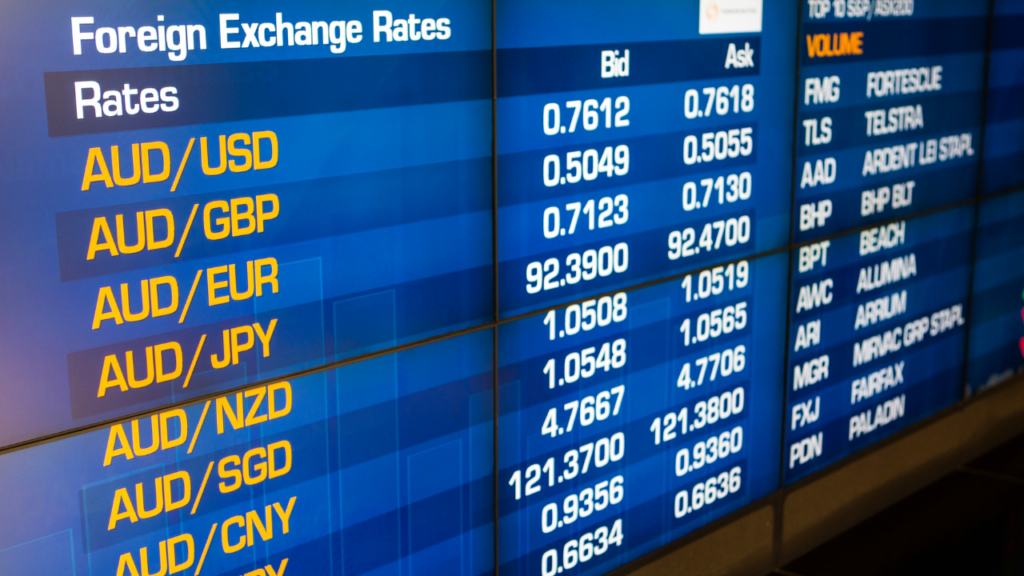
If you’re planning to buy a home in Minnesota and some or all of your money is currently held in another country, there’s one factor many buyers overlook until it’s too late: Currency exchange. Most people focus on finding the right home. They think about: But if your funds are held in another currency, exchange rates can have a significant impact on your homebuying budget. I’ve worked with many immigrant homebuyers and relocating families who had savings in countries around the world before purchasing a home in Minnesota. One thing they quickly learn is that moving money internationally isn’t just about transferring funds. It’s also about timing, planning, and understanding how currency exchange affects purchasing power. A small change in exchange rates may not seem important at first. But when you’re moving tens of thousands of dollars for a down payment, even small fluctuations can have a meaningful impact. Let’s look at what buyers should know about currency exchange before purchasing a home in Minnesota. Why Currency Exchange Matters Let’s start with a simple example. Imagine you have savings in another country and plan to transfer those funds into U.S. dollars. The value of your money depends on the exchange rate at the time you convert it. If the exchange rate moves in your favor, you may receive more U.S. dollars. If it moves against you, you may receive fewer. When you’re preparing for: Those differences can matter. Many buyers discover that exchange rates affect their budget more than they initially expected. Currency Markets Change Constantly One common misconception is that exchange rates remain relatively stable. In reality, currency values change every day. Sometimes multiple times per day. Exchange rates can be influenced by: Because of this, the amount you receive today may be different from what you receive next month. That’s why planning ahead is important. Don’t Assume Today’s Exchange Rate Will Be Available Later A mistake some buyers make is calculating their homebuying budget based on today’s exchange rate. Then they wait several months before transferring funds. By the time the transfer occurs, the exchange rate may have changed significantly. The result? The buyer may have less money available than expected. When planning a home purchase, it’s wise to leave room for potential fluctuations. Understand the Difference Between Exchange Rates and Transfer Fees Many buyers focus only on the exchange rate. But there are often additional costs involved. These may include: In some situations, these expenses can add up. Before moving money, understand the full cost of the transaction. Larger Transfers Can Amplify Small Changes Let’s say an exchange rate changes by only a small percentage. On a small transaction, the impact may be minimal. On a large down payment, however, the difference could be substantial. For buyers moving significant funds, timing becomes more important. Even modest exchange rate movements can affect purchasing power. Start Planning Earlier Than You Think One of the best ways to reduce stress is planning well before you begin shopping for homes. Many experienced buyers start preparing months in advance. This allows time for: Waiting until you’re under contract can create unnecessary pressure. Talk to Your Lender Early If international funds will be part of your home purchase, your lender should know as early as possible. Your lender can explain: The earlier these conversations happen, the smoother the process usually becomes. Currency Exchange and Mortgage Qualification Many buyers don’t realize that exchange rates can indirectly affect mortgage qualification. For example: You expect to have $50,000 available for a down payment. After conversion and fees, you receive less. Now your available funds may not match your original plan. This is another reason why conservative budgeting can be helpful. Keep Records of Currency Conversions Documentation matters. Whenever funds are converted, save: Lenders often need to verify the movement of funds. These records help create a clear paper trail. What If My Funds Are in Multiple Countries? This situation is more common than many people realize. Some buyers have: While this can certainly be managed, it may require additional documentation. The lender must understand: Organization becomes especially important. International Wire Transfers and Exchange Rates Currency exchange and wire transfers often work together. Some buyers convert funds before transferring. Others convert during the transfer process. Each method may involve different costs and procedures. Before initiating a transfer, understand: Clarity upfront helps avoid surprises later. Avoid Last-Minute Conversions One of the most stressful situations occurs when buyers wait until shortly before closing to convert funds. Now they are exposed to: Whenever possible, create a timeline well before closing. Preparation provides flexibility. Family Gift Funds May Also Involve Currency Exchange Many immigrant buyers receive assistance from relatives overseas. Those funds may require: The same planning principles apply. Early preparation often makes the process easier. Monitor Exchange Rates During Your Planning Process You don’t need to become a currency expert. But it’s helpful to understand general trends. If you’re planning a purchase several months from now, monitoring rates periodically can help you make informed decisions. Knowledge reduces surprises. Don’t Forget About Bank Processing Times Exchange rates aren’t the only factor. International transfers sometimes require: Processing times vary. Allow more time than you think you’ll need. Work With Professionals Familiar With International Transactions Not every mortgage transaction involves overseas assets. If your funds are located internationally, it’s helpful to work with professionals who understand: Experience can make the process much smoother. Common Currency Exchange Mistakes Some of the most common issues include: Fortunately, most of these problems can be avoided. Real Example Let’s say a buyer plans to use savings from another country for a Minnesota home purchase. Six months before shopping, they: When they find a home, the financial side is already organized. The process becomes significantly less stressful. Frequently Asked Questions Do exchange rates affect home purchases? Yes. Exchange rates can impact how much money is available for your down payment and closing costs. Should I transfer funds before house hunting? Many buyers find it easier when funds
How Do I Document Informal Savings Groups Like Susu or Esusu When Buying a Home in Minnesota? (2026 Immigrant Homebuyer Guide)

For many immigrant families, saving money doesn’t always happen through traditional U.S. banking systems. In many cultures around the world, community-based savings groups have helped people build wealth, support one another, and achieve financial goals for generations. Depending on where you’re from, these systems may be called: While the names may differ, the concept is often similar. A group of people contribute money regularly, and members take turns receiving larger distributions from the pooled funds. For many families, these savings groups have helped fund: Naturally, when it’s time to buy a home, many immigrant buyers ask: “Can I use money from a Susu or Esusu for my down payment?” The answer is: Potentially yes. However, the challenge isn’t necessarily the funds themselves. The challenge is documentation. Mortgage lenders operate within a system that requires clear verification of assets and sources of funds. Informal savings groups can sometimes be difficult to document because they may not leave the same paper trail as traditional bank accounts. Let’s discuss how lenders generally view informal savings groups and what buyers can do to prepare for the mortgage process. What Is a Susu or Esusu? A Susu or Esusu is a community savings arrangement where members contribute money on a regular schedule. Depending on the structure, participants may: These systems are built on trust and community relationships. For many participants, they serve as an important financial tool. The challenge is that traditional mortgage underwriting systems were not specifically designed around these types of savings structures. Why Documentation Matters Mortgage lenders verify funds for virtually every homebuyer. When you apply for a mortgage, lenders typically review: If you plan to use money from a Susu or Esusu toward your home purchase, the lender will likely want documentation showing: The stronger the documentation, the easier the review process usually becomes. Lenders Need Verifiable Assets One of the primary goals of underwriting is verifying that assets belong to the borrower. For example: If you have: The lender can typically verify ownership through account statements. Informal savings groups may require additional explanation because they don’t always operate through traditional financial institutions. The Biggest Challenge Is Creating a Paper Trail Mortgage lenders love documentation. The more documentation available, the easier it becomes to verify funds. For buyers using Susu or Esusu funds, creating a paper trail is often the most important step. Examples may include: The goal is showing how the money moved from the savings group into your possession. Keep Records From the Beginning Many participants don’t realize they’ll eventually need documentation. As a result, they may not save records. If homeownership is one of your future goals, begin keeping documentation now. Examples include: Even informal documentation can be valuable later. Electronic Transfers Are Easier to Verify Whenever possible, electronic transactions generally create stronger documentation than cash transactions. For example: Bank transfer Mobile payment Electronic deposit These transactions usually generate records automatically. Cash contributions can be more difficult to document later. That’s one reason many financial professionals encourage maintaining electronic records whenever possible. What Happens When the Payout Is Received? Let’s say you’ve participated in a Susu for several years. Eventually, you receive a distribution of funds. At that point, lenders may ask: Having organized records makes these questions much easier to answer. Depositing the Funds Into Your Bank Account One common mistake is receiving a large payout and immediately depositing it without supporting documentation. Imagine an underwriter reviewing your account. Suddenly they see: $15,000 $20,000 $30,000 Deposited with no explanation. Questions naturally arise. This doesn’t mean the funds are unacceptable. It simply means documentation becomes necessary. Be Prepared to Explain the Savings Group Some loan officers may be familiar with Susu or Esusu systems. Others may not. That’s perfectly normal. Mortgage underwriting is largely documentation-driven. Be prepared to explain: A clear explanation can be extremely helpful. International Savings Groups Some buyers continue participating in savings groups located overseas. For example: Family members contribute from: This can create additional documentation requirements. However, the underlying principle remains the same: The lender wants to verify the source of funds. Translation Requirements May Apply If records are maintained in another language, lenders may request: It’s helpful to discuss these requirements with your lender early in the process. Why Timing Matters One of the smartest things buyers can do is speak with a lender before receiving a payout. This allows you to understand: Early planning often prevents surprises later. Can Susu Funds Be Used for a Down Payment? Potentially yes. However, every situation is different. The key question is usually: Can the funds be documented? Mortgage approval often depends less on the source itself and more on the ability to verify the source. Can Susu Funds Be Used for Closing Costs? In many situations, documented assets may be used toward: The lender will evaluate the documentation and determine eligibility. Common Mistakes Buyers Make Some of the most common issues include: Most of these problems can be avoided through preparation. Work With the Right Professionals If you’re using non-traditional savings methods, it’s important to work with professionals who understand diverse financial backgrounds. An experienced lender can help identify: Before they become problems. Real Example Let’s say a buyer has participated in a Susu for five years. They maintain: When they receive a payout, they deposit the funds into their account and save all supporting documentation. When the lender asks about the deposit, the buyer can clearly demonstrate: The documentation tells the story. Frequently Asked Questions Can I use Susu funds to buy a home? Potentially yes, provided the funds can be properly documented. Will lenders recognize a Susu or Esusu? Some may be familiar with these systems. Others may require additional explanation and documentation. Are cash contributions a problem? Cash can be more difficult to document than electronic transactions. What documents should I save? Contribution records, transfer confirmations, payout documentation, and any written agreements are helpful. Should I tell my lender early? Absolutely. Early communication often helps avoid underwriting delays. Final Thoughts Many