
How Do I Negotiate Repairs After a Home Inspection? A Minnesota Homebuyer’s Guide for Immigrant Families

You’ve found a home you love. Your offer has been accepted. The seller signed the purchase agreement. For a brief moment, it feels like the hardest part is over. Then your home inspection report arrives. Forty-seven pages. Dozens of photos. Pages filled with technical terms you’ve never seen before. Words like “deferred maintenance,” “improper flashing,” “grading concerns,” and “recommended further evaluation.” Suddenly, excitement turns into worry. Many immigrant buyers ask me the same question at this stage: “Should we ask the seller to fix everything?” The short answer is no. A home inspection isn’t a checklist that requires a seller to repair every item the inspector notes. It’s an opportunity to better understand the condition of the home and decide what repairs, if any, should become part of the negotiation. As a Realtor who has helped many immigrant families and first-time buyers purchase homes throughout Minnesota, I’ve found that inspection negotiations are often misunderstood. Some buyers are afraid to ask for anything. Others believe the seller should repair every small issue. The best approach usually falls somewhere in the middle. Understanding what inspections are designed to accomplish—and how repair negotiations typically work—can help you make informed decisions without creating unnecessary conflict. Let’s walk through what happens after the inspection and how buyers can negotiate repairs confidently and realistically. The Purpose of a Home Inspection A home inspection is designed to give buyers a professional assessment of a property’s visible condition at the time of the inspection. The inspector is not deciding whether you should buy the home. Instead, they’re helping you understand: Almost every home—even newly built homes—will have inspection findings. The report is intended to educate you, not scare you. Don’t Panic When You See a Long Report One of the biggest surprises for first-time buyers is the length of the inspection report. It’s common for reports to contain dozens of observations. That doesn’t necessarily mean the home has serious problems. Inspectors are trained to document everything they observe. A report may include: These items are usually very different from major structural or safety concerns. Don’t assume the number of pages reflects the severity of the home’s condition. Understand the Difference Between Minor and Major Issues Not every issue deserves negotiation. Generally speaking, inspection findings fall into different categories. Minor maintenance items may include: More significant concerns could include: Your Realtor can help you distinguish between normal homeownership maintenance and issues that may warrant further discussion. Remember That No Home Is Perfect Many buyers expect a home inspection to confirm that the property is flawless. That’s almost never the case. Every home has imperfections. Even a brand-new house may have items identified during an inspection. Buying a home means accepting that some future maintenance will always be part of ownership. The goal isn’t perfection. It’s understanding what you’re buying. Decide What Really Matters Before asking the seller to make repairs, prioritize the inspection findings. Ask yourself: Focusing on the most important concerns often leads to more productive negotiations. Your Realtor Will Help Develop a Strategy Inspection negotiations aren’t simply about making a list. They’re about creating a reasonable request. Your Realtor may help you evaluate: An experienced Realtor helps buyers prioritize requests that are most likely to receive a positive response. Common Options After an Inspection Depending on the inspection findings and your purchase agreement, buyers and sellers often negotiate in several ways. One option is for the seller to complete agreed-upon repairs before closing. Another possibility is for the seller to provide a credit toward your closing costs, allowing you to complete repairs after you become the owner. Sometimes buyers and sellers agree to reduce the purchase price if repairs will be handled after closing. In other situations, the parties may determine that no additional action is necessary because the issues are considered routine maintenance. The right solution depends on the specific circumstances of the transaction. Why Sellers Don’t Always Agree to Every Request It’s important to remember that sellers are not automatically required to repair every item noted in an inspection report. From the seller’s perspective: Successful negotiations usually involve realistic expectations from both sides. Safety Issues Often Receive Greater Attention While every transaction is unique, buyers often focus first on issues involving health and safety. Examples may include: These types of concerns often carry more weight during negotiations than cosmetic imperfections. Consider Repair Credits Many buyers assume the seller should always complete repairs. Sometimes a repair credit may actually be preferable. Why? Because after closing, you can often choose: Rather than relying on repairs completed before closing, some buyers appreciate having greater control over the work. Whether a credit is appropriate depends on the situation and the seller’s willingness to negotiate. Keep Emotions Out of the Conversation It’s easy to become frustrated after reading an inspection report. Remember: Most inspection findings are not personal. Homes naturally experience wear over time. Approaching negotiations calmly and professionally usually produces better results than making emotional demands. Timing Matters Inspection negotiations generally occur within specific contractual deadlines. Missing those deadlines could affect your rights under the purchase agreement. Stay in close communication with your Realtor. Review inspection findings promptly. Make decisions carefully—but don’t wait until the last minute. What Happens If You Can’t Reach an Agreement? Sometimes buyers and sellers simply can’t agree. Depending on the terms of your purchase agreement and applicable contingencies, buyers may have options regarding how to proceed. Your Realtor will explain the choices available under your contract. This is another reason understanding your inspection contingency before submitting an offer is so important. Don’t Let Small Repairs Distract You Some buyers become so focused on minor issues that they lose sight of the overall purchase. Ask yourself: If these small cosmetic items were already repaired, would I still want the home? If the answer is yes, they may not deserve extensive negotiations. Focus on the issues that truly affect safety, functionality, or significant future expenses. Common Mistakes Buyers Make Asking the Seller to Fix Everything
What Happens If My Offer Is Rejected? A Minnesota Homebuyer’s Guide for Immigrant Families

Few moments in the homebuying process are as disappointing as hearing the words: “The seller accepted another offer.” If you’re buying your first home—especially as an immigrant navigating the U.S. real estate system—an offer rejection can feel personal. You’ve spent weeks searching for the right home. You’ve imagined where the furniture would go. You’ve pictured your children playing in the backyard or celebrating holidays in the dining room. Then, just like that, it’s gone. A buyer once told me, “Maybe we’re just not meant to own a home.” That couldn’t have been further from the truth. Having an offer rejected doesn’t mean you’re not qualified. It doesn’t mean you did something wrong. And it certainly doesn’t mean you’ll never become a homeowner. In fact, many successful homeowners had one—or several—offers rejected before finally purchasing the home they now love. As a Realtor who works with immigrant families, relocation buyers, and first-time homebuyers throughout Minnesota, I’ve seen this happen many times. Interestingly, I’ve also watched those same buyers later tell me, “I’m actually glad we didn’t get that first house. We like this one even better.” While that may be difficult to believe in the moment, it happens surprisingly often. Let’s talk about why offers get rejected, what happens next, and how you can move forward with confidence instead of discouragement. Offer Rejections Are More Common Than You Think One of the biggest misconceptions among first-time buyers is believing that submitting an offer automatically leads to buying the home. In reality, offer rejections happen every day. Especially in competitive markets. Many buyers submit multiple offers before one is accepted. That’s not a sign of failure. It’s simply part of today’s real estate market in many Minnesota communities. Understanding this helps set realistic expectations before you begin shopping. A Rejected Offer Isn’t Personal It’s easy to feel rejected personally. But sellers usually aren’t rejecting you. They’re evaluating business proposals. They may never meet you. Instead, they’re comparing: Their decision is usually based on which offer best fits their goals—not on the buyer as a person. Keeping this perspective makes disappointment easier to manage. The Seller May Have Received a Better Overall Offer Many buyers assume, “Someone must have offered much more money.” Not necessarily. Sometimes another offer wins because it includes: In many cases, the difference in purchase price is relatively small. The seller simply believed another transaction had a higher likelihood of closing smoothly. Cash Offers Can Be Difficult to Compete With Cash buyers sometimes have advantages. Without mortgage financing, transactions may close more quickly and involve fewer financing-related uncertainties. However, that doesn’t mean financed buyers can’t succeed. Strong financed offers win homes every day. Preparation, organization, and smart negotiation remain extremely important. Your Offer May Have Been Excellent Here’s something buyers rarely hear. Sometimes your offer was actually very strong. Another buyer’s offer was simply stronger. Those aren’t the same thing. Imagine ten students taking an exam. Several may earn excellent grades. Only one earns the highest score. Real estate can work the same way. A rejected offer doesn’t necessarily mean your strategy was poor. It may simply mean another buyer edged ahead in one or two areas. Should You Submit Another Offer? Sometimes. Sometimes not. It depends on what happens next. If the seller rejects every offer and keeps the home on the market, your Realtor may recommend submitting a revised offer. Other times, the seller accepts another contract immediately. Once that happens, your focus usually shifts to finding the next opportunity. Your Realtor will help determine whether another offer is appropriate. What If the Seller Sends a Counteroffer? Not every rejection is final. Occasionally, the seller responds with a counteroffer. A counteroffer may involve: This means negotiations are continuing. You can: A counteroffer often creates opportunities for both parties to find common ground. Don’t Immediately Increase Every Future Offer One rejected offer doesn’t mean every future offer should be dramatically higher. Instead, ask: Each property deserves its own evaluation. Avoid assuming one experience predicts every future transaction. Learn From the Experience Every rejected offer teaches something valuable. Perhaps you discover: Every experience increases your understanding of the market. That knowledge becomes valuable on your next offer. Stay Financially Disciplined Disappointment sometimes causes buyers to overreact. They begin thinking: “The next time we’ll offer whatever it takes.” That’s rarely a wise strategy. Homeownership should improve your financial future—not jeopardize it. Stay within your budget. Trust the numbers. Don’t let frustration push you beyond your comfort level. Continue Monitoring the Market Sometimes accepted contracts don’t reach closing. Financing issues. Inspection problems. Title concerns. Buyer circumstances. For that reason, it’s possible—though not common—for a property to return to the market. Your Realtor will continue monitoring opportunities. Meanwhile, new listings appear regularly. Remember Why You Started It’s easy to become focused on one specific house. But your goal isn’t that particular property. Your goal is homeownership. Keeping that broader perspective makes setbacks easier to handle. The right home is one that meets your needs, fits your budget, and supports your long-term goals. Trust Your Realtor’s Guidance Experienced Realtors have seen rejected offers many times. They understand: Rather than becoming discouraged, use their experience to strengthen your next opportunity. Common Mistakes Buyers Make After Rejection Assuming They’ll Never Win One rejected offer doesn’t predict future results. Becoming Emotional Frustration can lead to poor financial decisions. Increasing Every Future Offer Each property should be evaluated individually. Blaming Themselves Rejection often reflects market conditions—not buyer mistakes. Stopping the Search Many buyers find better homes shortly after an initial disappointment. Ignoring Feedback If your Realtor learns why your offer wasn’t accepted, use that information constructively. Practical Tips After an Offer Is Rejected Frequently Asked Questions Can I submit another offer after being rejected? Sometimes, depending on the seller’s situation and whether negotiations remain open. Will the seller explain why my offer wasn’t accepted? Sometimes the listing agent provides feedback, but not always. Should I immediately offer more on the next house? Not necessarily. Every property
When Should I Walk Away from a Deal? A Minnesota Homebuyer’s Guide for Immigrant Families

For many immigrant families, buying a home is more than a financial transaction. It’s a dream. It’s stability. It’s a place where children will grow up, holidays will be celebrated, and new memories will be made. After months of searching, finding a home that feels right can create a strong emotional connection. That’s why one of the hardest decisions a buyer may ever face is walking away from a deal. A buyer once told me, “We’ve already spent money on inspections and paperwork. We’ve come this far. Shouldn’t we just finish the purchase?” Not necessarily. While buying a home requires patience and persistence, it also requires knowing when to stop. Walking away doesn’t always mean you’ve failed. In some cases, it’s the smartest financial decision you can make. As a Realtor who has helped many immigrant families purchase homes throughout Minnesota, I’ve seen buyers walk away from transactions that would have created years of financial stress. I’ve also seen buyers who were initially disappointed later find homes that were a much better fit for their needs and budget. The goal isn’t simply to buy a house. The goal is to buy the right house under the right terms. Let’s look at when it may make sense to continue moving forward—and when walking away may actually protect your future. Buying a Home Should Never Feel Like a Gamble Purchasing a home always involves some uncertainty. No property is perfect. Every home has maintenance needs. Minor issues are normal. However, there’s a difference between accepting ordinary imperfections and ignoring serious problems simply because you’re emotionally invested. When emotions begin replacing good judgment, it’s time to slow down and carefully evaluate the situation. The Home Inspection Reveals Major Problems One of the most common reasons buyers walk away is because of significant inspection findings. During a home inspection, licensed inspectors evaluate many parts of the property, including: Small repairs are expected. But sometimes inspections uncover major concerns that may require substantial repairs or replacement. For example: If the cost or risk becomes greater than you’re comfortable accepting, walking away may be the right decision. The Seller Refuses to Negotiate Serious Issues Not every inspection problem requires ending the transaction. Often buyers and sellers successfully negotiate: However, if significant safety or structural concerns are identified and the seller refuses to address them—or the proposed solution doesn’t meet your comfort level—you may decide the risks outweigh the benefits. The Home Doesn’t Appraise If you’re financing your purchase, your lender will usually require an appraisal. The appraiser estimates the home’s market value. Sometimes the appraised value comes in lower than the agreed purchase price. When that happens, buyers may have several options, including: If paying significantly more than market value no longer makes financial sense, walking away may be the responsible choice. Your Financing Changes Life doesn’t always go according to plan. Sometimes unexpected events happen during the buying process. Examples include: If your financing changes substantially and purchasing the home is no longer realistic or financially responsible, it’s important to evaluate your options with your lender and Realtor. Buying a home you can no longer comfortably afford may create long-term financial stress. Title Problems Can’t Be Resolved Before closing, a title company reviews the property’s ownership history. Most title issues are resolved without difficulty. Occasionally, however, significant problems arise. Examples may include: If serious title issues cannot be resolved before closing, proceeding with the purchase may not be in your best interest. The Home No Longer Fits Your Needs Sometimes buyers discover new information during the transaction. Perhaps: While buyers shouldn’t casually change their minds, it’s reasonable to evaluate whether the property still supports your long-term goals. Remember: You’ll likely live there for years. Your Budget Begins to Feel Uncomfortable It’s easy to become emotionally attached to a home. Especially during competitive markets. Some buyers gradually increase their offer, agree to additional expenses, and stretch beyond their original financial plan. Eventually they ask themselves: “Can we actually afford this?” If monthly payments begin threatening your emergency savings, retirement goals, or overall financial stability, it’s worth reconsidering. Owning a home should improve your quality of life—not create constant financial anxiety. Unexpected Repair Costs Continue Growing Sometimes inspection negotiations uncover additional concerns. One repair leads to another. Then another. Eventually buyers realize the home may require far more work than originally expected. This often happens with older homes or fixer-uppers. If renovation costs exceed your budget—or your comfort level—it may be wiser to continue searching. You’re Feeling Pressured Buying a home should involve thoughtful decisions. If you feel pressured by: Take a step back. Pressure should never replace careful analysis. A good Realtor helps clients make informed decisions—not rushed ones. Fear of Losing the House Isn’t a Good Reason to Ignore Problems One of the most common emotions buyers experience is fear. “If we don’t buy this one, we’ll never find another house.” In reality, new homes come on the market regularly. While the perfect home may feel irreplaceable, many buyers later discover an even better opportunity. Don’t let temporary disappointment lead to years of regret. Sunk Costs Shouldn’t Control Your Decision By the time inspection results arrive, you’ve likely already invested money in: This creates what’s called the “sunk cost” effect. People feel obligated to continue simply because they’ve already invested something. But previous expenses shouldn’t determine whether continuing is the right financial decision. Instead, focus on what moving forward will cost—not what you’ve already spent. Trust Your Instincts—But Verify Them Sometimes buyers simply feel uncomfortable. That feeling deserves attention. However, don’t rely on emotion alone. Ask questions. Gather information. Review inspection reports. Talk with your Realtor. Consult your lender if necessary. The goal is informed confidence—not fear. Walking Away Doesn’t Mean Starting Over Completely Many buyers worry that ending one transaction means all their progress disappears. Actually, much of your preparation remains valuable. For example: Every experience helps you make better decisions moving forward. Common Reasons Buyers Regret Not Walking Away Some homeowners later
What Is an Escalation Clause and Should I Use It? A Minnesota Homebuyer’s Guide for Immigrant Families

You find a home that feels perfect. Your Realtor helps you determine a fair offer based on recent sales in the neighborhood. You’re ready to submit it. Then you hear something unexpected. “There are multiple offers, and we may want to consider using an escalation clause.” If you’ve never purchased a home in the United States, you may have no idea what that means. Many immigrant buyers immediately ask questions like: These are excellent questions. An escalation clause can be a useful negotiating tool, but it isn’t appropriate for every situation. Used wisely, it can help you stay competitive without blindly offering far more than necessary. Used carelessly, it can create unnecessary financial risk. As a Realtor who works with immigrant families, relocation buyers, and first-time homebuyers throughout Minnesota, I always explain not only how escalation clauses work but also when they make sense—and when they don’t. Let’s take a closer look. What Is an Escalation Clause? An escalation clause is a provision that can be added to a purchase offer stating that you’re willing to increase your offer if another buyer submits a higher competing offer. Instead of continually rewriting offers every time another buyer increases theirs, the escalation clause automatically increases your offer according to terms you’ve already agreed to. Think of it as setting rules in advance. You’re telling the seller: “If another legitimate offer is higher than mine, I’m willing to increase my offer by a specific amount—but only up to a maximum price.” That maximum amount protects you from bidding beyond your comfort level. A Simple Example Imagine a home is listed for $450,000. You decide to offer $450,000 with an escalation clause that says: Now imagine another buyer offers $455,000. Instead of staying at $450,000, your offer would automatically increase to $457,500, assuming the contract terms are met. If another buyer offered $470,000, your escalation clause would stop at your maximum limit of $465,000. You would not automatically keep increasing forever. That’s one of the key protections built into the strategy. Why Do Buyers Use Escalation Clauses? Most buyers don’t want to overpay. At the same time, they don’t want to lose a home simply because another buyer offered a small amount more. An escalation clause attempts to solve that problem. Instead of immediately offering your highest possible number, it allows your offer to become more competitive only if necessary. For some buyers, this creates peace of mind. Does Every Seller Accept Escalation Clauses? No. Some sellers welcome them. Others do not. In some cases, sellers prefer asking every buyer to submit their “highest and best” offer without escalation clauses. Each listing is different. Your Realtor can often learn whether the listing agent or seller is willing to consider this type of offer. Why Sellers Sometimes Like Them From the seller’s perspective, an escalation clause can increase the final purchase price without requiring multiple rounds of negotiation. If handled properly, it creates a straightforward process. However, some sellers believe highest-and-best offers are simpler and easier to compare. There is no universal approach. What Does “Proof of Competing Offer” Mean? Many escalation clauses include language requiring the seller to provide evidence of a legitimate competing offer before your price increases. This protects buyers. Without this requirement, there would be no independent confirmation that another higher offer actually existed. Your Realtor can explain how this language works in Minnesota purchase agreements. The Maximum Price Matters Perhaps the most important part of an escalation clause is the maximum amount you’re willing to pay. This is your protection. Before writing that number, ask yourself: Never select a maximum simply because you’re afraid of losing the home. An Escalation Clause Doesn’t Replace Market Research Some buyers mistakenly think: “If I use an escalation clause, I don’t need to know what the home is worth.” Actually, the opposite is true. Before deciding whether to include one, your Realtor should review: The escalation clause should support your strategy—not replace it. Will an Escalation Clause Guarantee I’ll Win? No. There are no guarantees in real estate. A seller may choose another offer because of: Price is important, but it’s only one part of the overall offer. Could I End Up Paying Too Much? Potentially. That’s why your maximum price is so important. If your maximum exceeds what the home is reasonably worth, you may end up paying more than necessary. This is why professional guidance and market analysis matter. Your decision should be based on value—not emotion. What About the Appraisal? Many immigrant buyers don’t realize that an appraisal can affect an escalation clause. Suppose your escalated offer reaches $520,000. If the lender’s appraisal determines the home is worth only $500,000, you may face additional challenges. Depending on the contract: An escalation clause should always be considered alongside appraisal risk. Should First-Time Buyers Use One? Sometimes. Sometimes not. Every buyer’s financial situation is different. An escalation clause may make sense when: It may not make sense when: Emotional Decisions Can Become Expensive It’s easy to become attached to a home. Especially after weeks or months of searching. An escalation clause should never become permission to ignore your financial goals. Remember: Buying the house is only the beginning. You’ll still need money for: Protecting your long-term stability is just as important as winning today’s negotiation. Alternatives to an Escalation Clause Sometimes there are other ways to strengthen your offer. For example: These improvements sometimes matter just as much as price. Common Misunderstandings About Escalation Clauses “Everyone Uses Them.” Not true. Many successful offers never include one. “I’ll Automatically Pay My Maximum.” No. Your offer only increases according to the terms you’ve established. “It Guarantees I’ll Win.” It doesn’t. The seller still evaluates the entire offer. “The Highest Price Always Wins.” Not always. Financing, contingencies, and timing often influence the seller’s decision. “I Should Always Include One.” Every situation is different. Sometimes it’s helpful. Sometimes it’s unnecessary. Practical Tips Before Using an Escalation Clause Frequently Asked Questions What is an escalation clause? It’s
What Is Earnest Money and How Much Should I Put Down? A Minnesota Homebuyer’s Guide for Immigrant Families

For many immigrant families buying their first home in Minnesota, one of the most confusing parts of writing an offer is hearing the words “earnest money.” It’s understandable. The term isn’t commonly used in many countries, and even some first-time buyers who have lived in the United States for years aren’t sure what it means. A buyer recently asked me, “Why do I have to give the seller money before I even own the house?” It’s a great question. At first glance, earnest money can seem risky. You’re writing a check before you’ve received the keys. You haven’t moved in. The inspection hasn’t happened yet. Your mortgage may not even be finalized. So why is earnest money required? The answer is that earnest money isn’t an extra fee or a hidden cost. It’s a good-faith deposit that shows the seller you’re serious about buying the home. Think of it as putting your commitment on paper—and in your contract. Understanding how earnest money works can help you feel much more confident when you’re ready to submit an offer. Let’s walk through everything immigrant buyers should know before writing that first earnest money check. What Is Earnest Money? Earnest money is a deposit you provide after your purchase agreement has been accepted. Its purpose is simple: It tells the seller, “I’m committed to buying your home, and I’m acting in good faith.” The deposit becomes part of your purchase transaction. It is not an additional fee. If everything goes as planned, your earnest money is typically credited toward your down payment or your closing costs at closing. You’re not paying extra. You’re simply paying part of your purchase costs earlier in the process. Why Do Sellers Want Earnest Money? Imagine you’re selling your home. You accept an offer. You stop showing the property. You begin preparing to move. Three weeks later, the buyer changes their mind for no valid reason and walks away. Now you’ve lost valuable time. Other buyers may have moved on. Your home may have to return to the market. Earnest money helps protect sellers from buyers who aren’t serious. It encourages both parties to honor the agreement they’ve signed. Who Holds the Earnest Money? One common misunderstanding is that the seller immediately receives your earnest money. That’s usually not what happens. Instead, the funds are typically held in a secure escrow or trust account by a neutral third party. Depending on the transaction, that may be: The money remains there until closing or until the contract is terminated according to its terms. Is Earnest Money Required? Most Minnesota purchase agreements include earnest money. While there isn’t a law requiring a specific amount, sellers generally expect to see an earnest money deposit because it demonstrates commitment. An offer with no earnest money may appear weaker than competing offers. How Much Earnest Money Should I Put Down? This is one of the questions buyers ask most often. The honest answer is: It depends. Several factors influence the amount, including: In competitive markets, stronger earnest money deposits can make an offer more attractive. In slower markets, smaller deposits may still be perfectly acceptable. Rather than focusing on a universal dollar amount, work with your Realtor to determine what is customary and competitive for your local market. Does More Earnest Money Guarantee I’ll Win? No. A larger earnest money deposit may strengthen your offer, but it doesn’t guarantee success. Sellers evaluate the entire offer. They also consider: Earnest money is one piece of the puzzle—not the entire picture. What Happens to My Earnest Money at Closing? If your transaction closes successfully, the earnest money doesn’t disappear. Instead, it is generally applied toward the money you already owe. For example, it may reduce the amount you need to bring to closing because you’ve already contributed part of your funds earlier in the transaction. Think of it as receiving credit for money you’ve already paid. Can I Get My Earnest Money Back? Yes—in many situations. This is where contingencies become extremely important. Most purchase agreements include certain conditions that protect buyers. Examples may include: If the transaction is terminated according to those agreed-upon contract terms, buyers are often entitled to receive their earnest money back. This is why understanding your contract before signing is so important. When Could I Lose My Earnest Money? Although earnest money is often refundable under specific circumstances, there are situations where a buyer could lose part or all of the deposit. For example: If a buyer simply changes their mind without a contractual reason after contingency deadlines have passed, the seller may have a claim to the earnest money. Every situation depends on the language of the purchase agreement. Never assume. Always discuss the contract with your Realtor before signing. Why Earnest Money Benefits Buyers Too Many buyers think earnest money only protects the seller. Actually, it benefits buyers as well. Why? Because it demonstrates credibility. When sellers see meaningful earnest money, they often feel more confident accepting your offer. In a competitive market, that confidence can make a real difference. Earnest Money Is Not Your Down Payment These two terms are often confused. They’re different. Earnest money demonstrates commitment after your offer is accepted. Your down payment is the amount you’re contributing toward the purchase of the home. The earnest money usually becomes part of your total funds due at closing, but it is not your entire down payment. What If I’m Using a Low Down Payment Loan? Many immigrant buyers purchase homes using programs with relatively low down payment requirements. That’s completely normal. You can still provide earnest money. The two are separate parts of the transaction. Your Realtor and lender can help you understand how everything fits together financially. Does Earnest Money Need to Be Cash? The funds typically need to come from verified sources that comply with lender and contract requirements. Your Realtor and lender will explain acceptable payment methods and documentation if necessary. Timing Matters Most purchase agreements specify when earnest money must
Should I Offer Above Asking Price? A Smart Guide for Immigrant Homebuyers in Minnesota
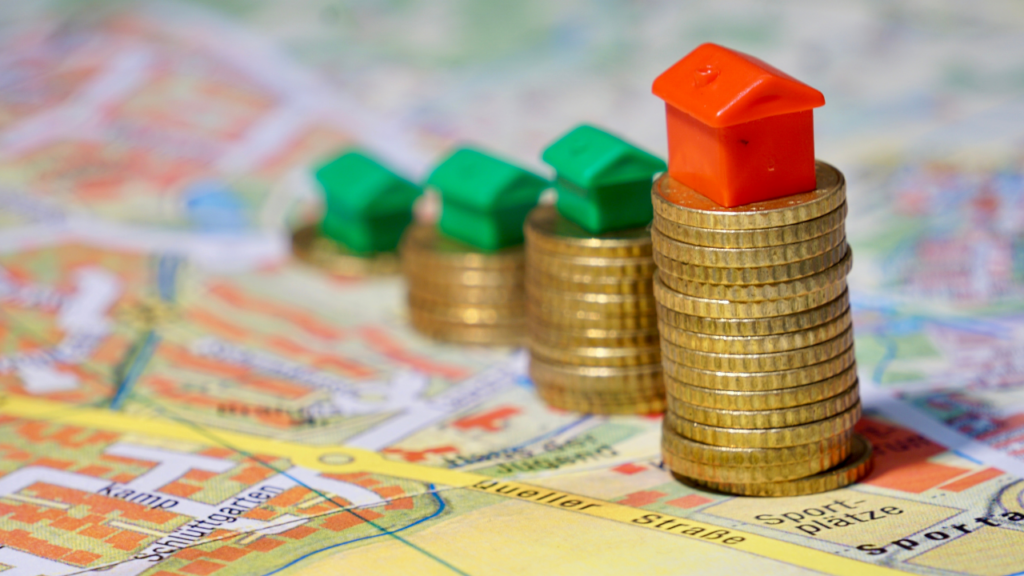
You finally found a home that checks all the boxes. The location is right. The schools are nearby. The commute works. Your family can picture living there. Then your Realtor tells you something that many buyers don’t expect: “There are already several offers.” Suddenly, one question becomes the center of the conversation: “Should we offer above asking price?” For many immigrant homebuyers, this can feel confusing. In some countries, asking prices are fixed. In others, buyers expect to negotiate downward. In the United States—and particularly in Minnesota—the answer isn’t always straightforward. Sometimes offering above the asking price is the right strategy. Sometimes it’s completely unnecessary. And in some situations, offering too much can actually create problems later in the transaction. As a Realtor who works with immigrant families, first-time buyers, and relocation clients across Minnesota, one of my most important jobs is helping buyers avoid emotional decisions while still remaining competitive. The goal isn’t simply to “win” the house. The goal is to buy the right home at a price that still makes financial sense. Let’s look at when offering above asking price may be appropriate, when it isn’t, and how to make smart decisions during one of the biggest financial purchases of your life. The Asking Price Is Not Always the Market Value One of the first things buyers should understand is that the asking price is simply the seller’s starting point. It isn’t an official valuation. It isn’t a guarantee of what the home is worth. It isn’t even a prediction of what it will sell for. Sellers choose listing prices for different reasons. Some price their homes very close to market value. Others intentionally price below market value to attract more buyers and generate multiple offers. Occasionally, homes are even priced above market value because the seller hopes someone will pay more. That’s why you should never decide whether to offer above asking price based solely on the list price. Instead, you should evaluate what the home is actually worth in today’s market. Comparable Sales Matter More Than the Asking Price One of the most valuable tools your Realtor provides is a comparative market analysis. This looks at homes that have recently sold and compares factors such as: These comparable sales provide a much clearer picture of fair market value than the asking price alone. If similar homes have recently sold for $520,000 and the home you’re considering is listed at $500,000, offering above asking price may still represent a fair market purchase. On the other hand, if comparable homes are selling around $500,000 and the seller is asking $530,000, offering even more probably wouldn’t make sense. A Competitive Market Changes the Strategy Minnesota’s real estate market isn’t the same every year. Some years strongly favor buyers. Other years strongly favor sellers. In a seller’s market, homes often: During these periods, offering above asking price becomes more common. In a balanced or buyer’s market, however, offering above asking price may be unnecessary. Understanding current market conditions is one reason working with a knowledgeable local Realtor is so important. Don’t Let Fear Drive Your Decision One of the biggest mistakes buyers make is assuming that offering more money automatically increases their chances of success. Fear often leads buyers to think: “If I don’t offer much more, I’ll lose the house.” Sometimes that’s true. Often, it isn’t. Making decisions based on fear instead of market data can lead to overpaying. Your offer should reflect: Not panic. Higher Doesn’t Always Mean Better Here’s something that surprises many first-time buyers. The seller doesn’t always choose the highest offer. Imagine these two offers: Offer A Offer B Many sellers would gladly choose Offer B. Why? Because confidence matters. Sellers want to know the transaction will actually close. Think About the Appraisal One issue buyers sometimes overlook is the appraisal. If you’re financing the home, your lender will usually require an appraisal. The appraiser estimates the property’s market value. If you agree to pay significantly more than market value, there’s a possibility the appraisal could come in lower than your purchase price. When that happens, several things may occur: Offering above asking price should always take appraisal risk into account. Stay Within Your Budget Winning a bidding war feels exciting. Living with financial stress afterward does not. Before increasing your offer, ask yourself: Can I comfortably afford this payment? Will I still have emergency savings? Will this affect my future financial goals? A home should improve your life—not create ongoing financial pressure. Consider the Long-Term Value Real estate is generally a long-term investment. If you plan to own the home for many years, paying slightly above asking price in a competitive market may have little impact over time. However, dramatically overpaying without market support can affect future equity. Always think beyond today’s competition. Don’t Assume Every Home Receives Multiple Offers Some buyers begin believing every Minnesota home requires bidding above asking price. That simply isn’t true. Many homes receive one offer. Others stay on the market for weeks. Factors influencing competition include: Every property deserves its own strategy. Ask Why the Seller Is Selling Understanding the seller’s motivation can help shape your offer. Some sellers prioritize: Others value: Sometimes meeting the seller’s preferred timeline creates more value than offering additional money. Earnest Money Can Strengthen Your Position Rather than increasing your purchase price dramatically, another way to demonstrate seriousness is through earnest money. A larger earnest money deposit tells the seller: “I’m committed.” This often strengthens your offer without permanently increasing the home’s purchase price. Flexibility Can Be Worth Thousands Imagine two offers with identical prices. One buyer insists on a closing date that inconveniences the seller. The other says: “We’re happy to close whenever works best for you.” Which buyer seems easier to work with? Sometimes flexibility is worth more than additional dollars. Trust the Numbers Your Realtor should help you evaluate: These numbers remove much of the emotion from the decision. The goal isn’t guessing. The goal is making informed
What Makes My Offer Competitive? How Immigrant Homebuyers Can Stand Out in Minnesota’s Housing Market

You’ve found a home you love. The neighborhood feels right. The price fits your budget. You can already picture your family living there. Then your Realtor tells you something that makes your stomach sink: “There are multiple offers.” For many immigrant homebuyers, this is one of the most stressful moments in the entire homebuying process. You may immediately start wondering: The good news is this: A competitive offer isn’t always the highest offer. I’ve helped many buyers throughout Minnesota—including first-time buyers, immigrant families, and relocation clients—win homes without having the highest purchase price. Why? Because sellers don’t simply choose the biggest number. They choose the offer that gives them the greatest confidence the transaction will close successfully. Your goal isn’t to “win at all costs.” Your goal is to submit an offer that balances competitiveness with smart financial decisions. Here’s what truly makes an offer competitive in today’s Minnesota real estate market. Sellers Want Certainty Imagine you’re selling your home. You receive three offers. One is slightly higher but comes with financing concerns, numerous contingencies, and uncertain timelines. Another is a little lower but has strong financing, flexible terms, and a buyer who appears well-prepared. Which one would make you feel more confident? Most sellers choose certainty. They’re not simply selling a house. They’re trying to complete a successful transaction with as few surprises as possible. A competitive offer reduces uncertainty. A Strong Pre-Approval Makes a Huge Difference One of the first things many sellers review isn’t even the purchase price. It’s the financing. A complete mortgage pre-approval tells the seller: This immediately gives sellers more confidence than a buyer who has only been casually pre-qualified. If you’re an immigrant buyer, obtaining a solid pre-approval before shopping is one of the smartest things you can do. Offer a Fair Price Based on Market Value Many buyers think “competitive” automatically means “offer way above asking.” That’s not always true. A competitive offer starts with understanding the home’s actual market value. Your Realtor should analyze: Sometimes asking price already reflects market value. Sometimes it’s intentionally priced low to attract multiple offers. Sometimes it’s priced above market expectations. Every situation is different. The strongest offers are informed—not emotional. Earnest Money Shows Commitment Earnest money is one of the easiest ways to demonstrate that you’re serious. This deposit tells the seller: “I intend to move forward with this purchase.” While there is no standard amount that guarantees success, a meaningful earnest money deposit often strengthens your offer because it signals confidence and commitment. Remember, earnest money usually becomes part of your down payment or closing costs if the purchase closes. Minimize Unnecessary Complications Think about what a seller wants. A smooth transaction. If your offer contains pages of unusual requests before the contract is even accepted, the seller may worry about future negotiations. Examples include requesting: Keep your initial offer clean and focused. There will be opportunities to address legitimate concerns later if necessary. Flexibility Can Be More Valuable Than Price Some sellers need extra time before moving. Others want to close quickly. If you can accommodate the seller’s preferred schedule, your offer immediately becomes more attractive. For example, if two buyers offer the same price but one matches the seller’s desired closing date exactly, that buyer often has an advantage. Ask your Realtor whether timing matters to the seller. Strong Communication Matters Sellers notice professionalism. A well-prepared offer package submitted promptly reflects positively on the buyer. Your Realtor should present: Professional presentation creates confidence. Larger Down Payments Can Help Contrary to popular belief, you don’t always need a huge down payment to buy a home. However, when buyers have the ability to make a larger down payment, sellers sometimes view that as a sign of financial strength. A larger down payment may suggest: That doesn’t mean smaller down payments can’t win. Many first-time buyers purchase homes successfully with low down payment programs. The key is demonstrating overall financial readiness. Don’t Overlook Your Financing Type Some loan programs have different timelines or requirements. Sellers occasionally compare offers based on: This doesn’t mean one loan is always better than another. It simply means your Realtor should explain the strengths of your financing when presenting your offer. Work With an Experienced Local Realtor This may be the single greatest competitive advantage available. Why? Because experienced Realtors understand: They know when to push. When to wait. When to negotiate. When to hold firm. Buying a home isn’t simply filling out paperwork. It’s strategy. Don’t Let Emotions Control Your Decisions It’s completely normal to become emotionally attached to a home. But emotional buyers sometimes make costly mistakes. Examples include: Remember: Winning the house should never come at the expense of your financial future. A competitive offer is still a smart offer. Respond Quickly In competitive markets, time matters. If a desirable home is listed on Thursday and receives multiple offers by Saturday, waiting until Monday could mean missing the opportunity entirely. Preparation allows you to move confidently. That means: The faster you’re prepared to act, the stronger your position becomes. Keep Important Contingencies Some buyers hear stories about people waiving inspections or financing contingencies and assume that’s necessary. Be careful. Contingencies exist to protect you. Examples include: In certain situations, buyers choose to modify or limit contingencies—but that decision should be made carefully after discussing the risks with your Realtor. Removing protections simply to compete can create significant financial consequences later. Understand the Seller’s Motivation Every seller has different priorities. Some want: Others prioritize: Your Realtor may gather information that helps tailor your offer to meet the seller’s goals. This personalized approach often creates a stronger offer than simply increasing the price. Build a Reputation as a Serious Buyer Sellers appreciate buyers who appear organized and committed. You can build confidence by: Reliability matters. Common Mistakes Immigrant Buyers Make Assuming More Money Solves Everything Price matters, but so do terms. Waiting Until the Weekend to Contact a Lender Preparation should happen before home shopping begins. Shopping Without
What Is It Like Living Near Public Transportation in Minnesota?

When most people start looking for a home, they focus on the property itself. The number of bedrooms. The kitchen layout. The yard. The school district. But after helping buyers throughout Minnesota for years, I’ve learned that one of the most overlooked factors in homeownership is transportation. Specifically: How easy is it to get where you need to go? For some buyers, public transportation isn’t something they think about initially. For others, it’s a major priority. Whether you’re commuting to work, attending college, reducing transportation costs, avoiding heavy traffic, or simply wanting more flexibility, living near public transportation can have a significant impact on your daily life. As a Minnesota real estate agent, I’ve worked with first-time homebuyers, relocating professionals, retirees, students, and families who specifically wanted homes near transit options. And even buyers who don’t use public transportation every day often appreciate having it available. So what is it really like living near public transportation in Minnesota? Let’s take a closer look. Minnesota’s Public Transportation System May Surprise You Many people relocating from other states assume public transportation is limited in Minnesota. While Minnesota isn’t New York or Chicago, the Twin Cities metro area has a much more developed transit system than many newcomers expect. Residents have access to: Depending on where you live, public transportation can be a practical option for work, school, entertainment, and daily errands. Why Buyers Consider Public Transportation The reasons vary. Some buyers use public transit every day. Others simply want options. Common reasons people prioritize transportation access include: Many buyers appreciate having transportation choices rather than relying entirely on a personal vehicle. Public Transportation Creates Flexibility One of the biggest benefits of living near transit is flexibility. Imagine: Your car is in the shop. Weather conditions are poor. Downtown parking is expensive. Traffic is particularly heavy. Public transportation provides an alternative. Even if you only use it occasionally, having the option can make life easier. Many homeowners appreciate knowing they have another way to get around when needed. Commuting Can Become Less Stressful Let’s be honest. Driving in rush-hour traffic isn’t most people’s favorite activity. For some commuters, public transportation offers an opportunity to: instead of focusing on traffic. Many riders enjoy being able to use their commuting time more productively. Depending on your work location and schedule, this can be a significant lifestyle benefit. The METRO Light Rail System The Twin Cities light rail network is one of Minnesota’s most recognizable transit features. Current lines connect areas including: For residents living near light rail stations, transportation becomes especially convenient. Many people enjoy being able to attend events, travel to work, or reach the airport without driving. Bus Rapid Transit Continues to Expand Minnesota has invested heavily in Bus Rapid Transit (BRT) systems. These routes provide: As transit infrastructure continues to grow, many communities are becoming increasingly connected. This can create additional convenience for residents. Living Near Transit Can Reduce Transportation Costs Transportation is one of the largest expenses many households face. Costs often include: While most Minnesota residents still own vehicles, access to public transportation may help reduce some transportation-related expenses. For households with multiple commuters, transit can provide valuable flexibility. Popular Minnesota Communities With Strong Transit Access Several communities offer excellent access to public transportation. Examples include: Minneapolis Provides extensive bus and light rail connections. St. Paul Offers strong regional transit access. Bloomington Benefits from light rail access and major transportation hubs. Richfield Conveniently located near multiple transit routes. Eagan Offers commuter options and regional connectivity. Brooklyn Center Provides access to growing transit infrastructure. Hopkins Known for transportation access and future transit development. Each community offers different transportation advantages depending on individual needs. Airport Access Becomes Easier One often-overlooked benefit of living near transit is airport convenience. Minneapolis-St. Paul International Airport is one of the busiest airports in the Midwest. For residents with access to transit connections, airport travel can become significantly easier. Many travelers appreciate avoiding: This can be especially valuable for frequent travelers. Public Transportation Supports Different Stages of Life One reason transit access appeals to a wide range of buyers is that needs change over time. Young Professionals Often appreciate commuting options. College Students May rely heavily on public transportation. Families Value flexibility and future transportation options. Empty Nesters Often appreciate convenience and reduced driving. Retirees May enjoy maintaining mobility without relying exclusively on a vehicle. Because transportation needs evolve, access can remain valuable throughout different life stages. Winter Travel Advantages Minnesota winters can make driving challenging. Snowstorms. Ice. Heavy traffic. Reduced visibility. During these conditions, many residents appreciate having public transportation options available. Professional transit operations often continue running during weather events that make driving more stressful. While transit isn’t immune to weather disruptions, many riders find it provides an additional layer of convenience during winter months. Public Transportation and Lifestyle Convenience Transportation access affects more than work commutes. It can also improve access to: Many residents enjoy attending downtown events without worrying about parking. That convenience often becomes one of the most appreciated aspects of transit-oriented living. Transit-Oriented Neighborhoods Often Feel More Connected Communities with strong transportation access frequently develop walkable environments. Residents may have easier access to: This creates a lifestyle that many buyers find appealing. Instead of driving everywhere, some daily activities become more accessible. Public Transportation Can Influence Buyer Demand Many homebuyers actively search for: As a result, homes near transportation hubs often attract interest from multiple buyer groups. While every market is different, transportation convenience remains an important consideration for many purchasers. Potential Considerations Like every location choice, living near public transportation comes with trade-offs. Increased Activity Transit stations often attract higher pedestrian traffic. Noise Some locations may experience transit-related noise. Parking Demand Popular transit areas can attract additional vehicles. Busier Neighborhoods Transit-oriented communities may feel more active. These factors vary greatly depending on the specific location. Questions Buyers Should Ask When evaluating public transportation access, consider: How often do I commute? Would transit save me time? Do I travel frequently?
What Is It Like Living Near Major Highways in Minnesota?

When people begin searching for a home, they usually focus on the house itself. The number of bedrooms. The kitchen. The yard. The neighborhood. But as buyers get deeper into the process, another factor often becomes incredibly important: The commute. As a Minnesota real estate agent, I’ve worked with many buyers who initially ruled out certain areas based on distance alone. Then we looked at travel times, highway access, and daily commuting patterns, and suddenly their perspective changed. Why? Because in Minnesota, where you live isn’t just about miles. It’s about accessibility. A home that’s farther away but located near a major highway can sometimes feel much more convenient than a closer home with limited transportation access. That’s why many buyers specifically ask: “What is it like living near major highways in Minnesota?” The answer depends on your lifestyle, work schedule, and priorities. For many homeowners, proximity to major highways creates tremendous convenience. For others, there may be trade-offs worth considering. Let’s explore what living near major highways is really like and why it plays such an important role in many Minnesota home searches. Why Highway Access Matters More Than Distance One of the biggest misconceptions buyers have is assuming distance equals commute time. It doesn’t. A home located 20 miles from work with excellent highway access may provide a faster commute than a home located 10 miles away with frequent traffic lights and local roads. That’s why experienced Minnesota buyers often focus on: instead of simply looking at mileage. Accessibility often matters more than proximity. Minnesota’s Major Highway Network The Twin Cities metro area is connected by an extensive highway system. Major routes include: These corridors connect many of Minnesota’s most popular communities. For homeowners, easy access often means greater flexibility and convenience. Daily Commuting Becomes Easier One of the most obvious benefits of living near major highways is commuting efficiency. Whether you’re traveling to: highway access often reduces travel complexity. Instead of navigating numerous local streets, many commuters can reach their destination more directly. This can save valuable time throughout the week. Flexibility Matters Even for people who don’t commute every day, highway access provides flexibility. Think about all the places you regularly travel: Easy highway access often makes all of those trips simpler. Many homeowners appreciate having multiple routes available depending on traffic conditions. Access to the Entire Metro Area One overlooked benefit of living near major highways is regional accessibility. Minnesota’s metro area offers tremendous variety. You may live in one community but frequently visit others. For example: A resident of Lakeville may regularly travel to: A homeowner in Maple Grove may frequently visit: Highway access allows homeowners to enjoy opportunities throughout the region. Airport Travel Becomes More Convenient Many Minnesota residents travel regularly for: Living near major highways often means easier access to Minneapolis-St. Paul International Airport (MSP). This can significantly reduce travel stress. For frequent travelers, highway accessibility may become one of the most appreciated aspects of a neighborhood. Popular Minnesota Communities With Strong Highway Access Several communities consistently attract buyers because of their transportation convenience. Examples include: Maple Grove Provides excellent access to I-94, Highway 610, and Highway 169. Plymouth Offers convenient access to major west metro corridors. Woodbury Benefits from access to I-94 and connections throughout the east metro. Eagan Provides access to multiple highways and the airport. Lakeville Offers strong connections through I-35. Blaine Provides convenient access to northern metro routes. Bloomington Offers exceptional regional accessibility. Each community provides different lifestyle benefits while maintaining strong transportation connections. Highway Access Can Expand Home Options Many buyers initially limit themselves to a small geographic area. Then they realize that excellent highway access can dramatically expand their choices. A community that initially seemed too far away may actually offer: This often opens up opportunities buyers hadn’t considered. Convenience During Minnesota Winters Minnesota winters make transportation especially important. Snow, ice, and reduced daylight can make commuting more challenging. Many homeowners appreciate living near major roads that are often prioritized for snow removal. This can make winter travel more predictable. While weather affects everyone, strong transportation infrastructure can make daily life easier during winter months. Access to Employment Centers Many major employment hubs in Minnesota are located near highways. Examples include areas around: Living near transportation corridors often improves access to these employment centers. This can be particularly valuable for households where family members work in different parts of the metro area. Highway Access Supports Active Lifestyles Transportation convenience doesn’t only affect work. It also impacts recreation. Easy highway access can make it simpler to enjoy: Many homeowners enjoy having the freedom to explore different parts of Minnesota without lengthy travel times. Different Buyers Value Highway Access Differently Not every buyer prioritizes highways equally. Professionals Often focus heavily on commuting efficiency. Families May value easier transportation to activities and events. Relocating Buyers Often appreciate regional accessibility while learning a new area. Retirees May prioritize convenience for appointments, travel, and family visits. Remote Workers May care less about daily commuting but still appreciate accessibility. The importance depends on lifestyle. Potential Considerations Like any location feature, living near major highways comes with trade-offs. Traffic Popular corridors can become busy during peak hours. Noise Homes immediately adjacent to highways may experience more traffic noise. Activity Levels Major transportation routes naturally generate movement. Air Quality Concerns Some buyers prefer greater distance from high-traffic corridors. These considerations vary significantly depending on the exact location. Many neighborhoods enjoy convenient access without being directly adjacent to highways. Finding the Right Balance One of the most important considerations is balance. Many buyers want: Easy access without Being directly next to the highway. Fortunately, many Minnesota communities offer exactly that. Homes located a few minutes away often provide transportation convenience while maintaining a quieter residential atmosphere. Questions Buyers Should Ask When evaluating highway access, consider: How often do I commute? What destinations do I visit regularly? How important is travel convenience? Would easier airport access improve my lifestyle? Am I comfortable with busier areas?
What Is It Like Living Near Downtown Entertainment in Minnesota?

When people think about buying a home, they usually start with the house itself. The layout. The bedrooms. The kitchen. The garage. But once buyers begin narrowing down neighborhoods, a different question often emerges: “What is there to do nearby?” As a Minnesota real estate agent, I’ve noticed that more buyers today are prioritizing lifestyle alongside the home itself. They’re not just asking: “How many square feet is the house?” They’re asking: “What will life feel like if I live here?” For many people, one of the most attractive lifestyle amenities is proximity to downtown entertainment districts. Whether it’s downtown Minneapolis, downtown St. Paul, Stillwater, Excelsior, Wayzata, White Bear Lake, or one of Minnesota’s growing suburban downtowns, these areas offer experiences that go beyond homeownership. They offer connection. Convenience. Activity. Culture. And for many homeowners, they create a lifestyle that’s difficult to replicate elsewhere. So what is it really like living near downtown entertainment in Minnesota? Let’s explore the benefits, considerations, and everyday experiences that come with it. What Does “Downtown Entertainment” Mean? When people hear the word “downtown,” they often picture skyscrapers and office buildings. In Minnesota, downtown entertainment can mean many different things. Depending on the community, it may include: Some downtown districts are large and energetic. Others are small, charming, and community-focused. The common theme is that they serve as gathering places where people spend time, connect, and enjoy local experiences. Life Feels More Walkable One of the biggest advantages of living near downtown entertainment is walkability. Many homeowners enjoy being able to: without needing to drive. For many people, that convenience significantly improves quality of life. Instead of planning an outing around traffic and parking, activities become much more spontaneous. A quick evening stroll can turn into dinner, a concert, or a community event. That’s part of what makes downtown living so appealing. There’s Always Something Happening One thing homeowners often love about downtown-oriented communities is the sense of activity. There’s usually something going on. Depending on the season, that might include: For people who enjoy being around energy and activity, downtown entertainment districts provide a lifestyle that feels vibrant and engaging. Minnesota’s Downtown Areas Have Unique Personalities One thing that makes Minnesota special is that each downtown area feels different. Downtown Minneapolis Offers professional sports, concerts, theaters, restaurants, and nightlife. Downtown St. Paul Combines historic charm with entertainment, dining, and cultural attractions. Stillwater Known for riverfront views, shopping, dining, and a charming small-town atmosphere. Excelsior Offers lakefront entertainment, restaurants, and community events. Wayzata Combines upscale dining with beautiful Lake Minnetonka views. White Bear Lake Provides a walkable downtown with local businesses and community charm. Because each area has its own personality, buyers can choose the atmosphere that fits their lifestyle. Dining Becomes Part of Everyday Life Many people underestimate how much they enjoy having restaurants nearby. When dining options are close: Instead of driving across town, many residents simply walk or take a short drive. For food lovers, this can be one of the most enjoyable aspects of living near downtown districts. Entertainment Without Long Drives One of the biggest benefits of downtown proximity is convenience. Imagine wanting to: and being only minutes away. Many homeowners appreciate spending more time enjoying events and less time traveling to them. Convenience often increases participation. When entertainment is nearby, people tend to enjoy it more often. Downtown Living Supports Local Businesses Many residents enjoy supporting local businesses. Downtown districts often feature: Living nearby makes it easier to support these businesses regularly. Many homeowners develop favorite spots and become familiar faces in the community. That sense of connection is something many people value. Community Events Become Easier to Enjoy Minnesota communities are known for hosting events throughout the year. Living near downtown entertainment often means easy access to: Summer Festivals Holiday Celebrations Farmers Markets Outdoor Concerts Food Events Community Gatherings Rather than treating these events as occasional outings, they become part of everyday life. Many residents appreciate having these experiences close to home. Downtown Areas Appeal to Multiple Buyer Types A common misconception is that downtown-oriented living is only for younger buyers. In reality, many different groups appreciate these locations. Young Professionals Often value entertainment and nightlife. Empty Nesters Frequently enjoy walkability and convenience. Retirees May appreciate reduced driving and nearby activities. Relocating Buyers Often enjoy having opportunities to explore their new community. Couples Without Children Often prioritize lifestyle and entertainment access. The appeal extends across many stages of life. Living Near Entertainment Can Improve Social Opportunities One thing homeowners often discover is that proximity encourages connection. When activities are nearby, people tend to: This can be especially valuable for individuals relocating to Minnesota who want to become part of their community. Minnesota Winters Feel Different When Amenities Are Nearby Winter changes how people think about convenience. During January, a short walk or quick drive to: feels far more appealing than traveling across the metro. Many homeowners find that nearby amenities become even more valuable during colder months. Downtown Proximity Can Support Long-Term Appeal Many buyers actively search for homes near: Because these amenities are difficult to create, they often remain attractive over time. Again, every market is different, but lifestyle-oriented locations tend to maintain broad buyer appeal. Potential Considerations Like any lifestyle choice, living near downtown entertainment comes with trade-offs. Examples may include: Increased Traffic Popular areas attract visitors. Parking Challenges Busy events may affect parking availability. Noise Activity levels may be higher than quieter suburban neighborhoods. Higher Demand Desirable locations often attract strong buyer interest. For many homeowners, the benefits outweigh these considerations. Questions Buyers Should Ask When considering homes near downtown entertainment, ask: How often do I enjoy dining out? Do I value walkability? How important is entertainment access? Would nearby events improve my lifestyle? Do I prefer activity or quieter surroundings? The answers can help determine whether this type of location is a good fit. Common Mistakes Buyers Make Focusing Only on the Home Lifestyle matters too. Not Exploring the Downtown Area Spend time