
What Is It Like Living Near Schools and Parks in Minnesota?

When people start looking for a home, they often focus on the property itself. The number of bedrooms. The size of the kitchen. The garage. The basement. The backyard. But after helping buyers throughout Minnesota for years, I’ve learned that many homeowners eventually realize something important: The neighborhood often has just as much impact on daily happiness as the house itself. One of the most desirable combinations many buyers look for is living near schools and parks. And contrary to popular belief, this isn’t only important for families with children. I’ve worked with first-time buyers, retirees, empty nesters, relocating professionals, and growing families who all wanted homes near schools and parks for different reasons. Why? Because these amenities often create convenience, community, recreation, walkability, and long-term neighborhood appeal. As a Minnesota real estate agent, I’ve found that buyers frequently underestimate how much they will use nearby parks and appreciate the overall atmosphere that school-centered communities often provide. So what is it really like living near schools and parks in Minnesota? Let’s take a closer look. Schools and Parks Often Shape the Character of a Community When you visit many Minnesota neighborhoods, you’ll quickly notice that schools and parks often serve as community anchors. They become places where residents gather, children play, neighbors meet, and community events take place. In many communities, schools and parks aren’t separate amenities. They’re part of the neighborhood’s identity. You’ll often find: all centered around these areas. This creates an environment that feels active, welcoming, and connected. Parks Become Extensions of Your Backyard One of the biggest advantages of living near a park is having access to additional outdoor space. Even homeowners with large yards often find themselves using nearby parks regularly. Why? Because parks offer things most private yards don’t. Examples include: Many residents describe local parks as an extension of their property. Instead of feeling limited to their own yard, they gain access to acres of recreational space nearby. Families Often Prioritize Schools and Parks Together For families with children, schools and parks frequently go hand in hand. Many parents appreciate the convenience of having: The result is often less driving and more opportunities for children to stay active and engaged. Parents frequently tell me that one of their favorite parts of living near parks is being able to decide on a spontaneous family outing without needing extensive planning. Even Buyers Without Children Appreciate These Areas A common misconception is that only parents care about schools and parks. In reality, many buyers without children actively seek these neighborhoods. Why? Because schools and parks often contribute to: Many homeowners simply enjoy being surrounded by active, attractive neighborhoods. The presence of parks and recreational areas often enhances overall quality of life. Minnesota Parks Are Exceptional One thing that surprises many people relocating to Minnesota is the quality of local parks. Minnesota communities invest heavily in parks and recreation. Throughout the state you’ll find: Many communities have extensive park systems that connect neighborhoods through walking and biking trails. This creates opportunities for recreation without requiring long drives. Living Near Parks Encourages Outdoor Activity One of the most consistent benefits homeowners mention is increased outdoor activity. When parks are nearby, people are more likely to: Convenience matters. A trail or playground five minutes away gets used far more often than one located across town. Many residents find themselves becoming more active simply because outdoor opportunities are easily accessible. Schools Often Create Stronger Community Connections Schools naturally bring people together. Even residents without children often benefit from the sense of community that schools create. School-centered neighborhoods frequently host: These activities contribute to a stronger neighborhood atmosphere. Many homeowners appreciate living in areas where people know their neighbors and community engagement remains strong. Minnesota Winters Make Nearby Amenities Even More Valuable Minnesota weather influences how people think about location. During the summer, a ten-minute drive to a park may seem insignificant. In January, it feels very different. Having parks, schools, and recreation opportunities nearby becomes especially valuable during: Convenience often matters more during winter months. That’s one reason many buyers prioritize walkable neighborhood amenities. Popular Minnesota Communities Known for Parks and Schools Several Minnesota communities are particularly known for excellent park systems and strong neighborhood amenities. Examples include: Maple Grove Features extensive parks, trails, and recreation facilities. Woodbury Offers numerous parks, athletic fields, and community programs. Plymouth Known for beautiful green spaces and recreational opportunities. Eden Prairie Combines excellent parks with extensive trail networks. Lakeville Provides family-friendly neighborhoods and abundant recreation. Chanhassen Offers scenic parks and strong community amenities. Rosemount Known for parks, trails, and growing family-oriented neighborhoods. Each community provides a unique experience, but all emphasize quality-of-life amenities. Parks Create Opportunities for Social Interaction Many homeowners don’t realize how much parks contribute to social connections. People naturally meet while: These casual interactions often help neighbors build relationships. For people relocating to Minnesota, parks can be an excellent way to feel connected to a new community. Schools and Parks Often Support Long-Term Neighborhood Appeal Many buyers actively search for homes near: Because these amenities are difficult to replicate, they often remain attractive to future buyers. Neighborhoods with strong community infrastructure frequently maintain broad appeal across multiple buyer groups. Again, every market is different, but quality amenities tend to remain desirable. Parks Offer Benefits for Every Stage of Life One reason parks are so valuable is that they serve residents of all ages. Young Children Playgrounds and open spaces. Teenagers Sports fields and recreation programs. Adults Walking trails and fitness opportunities. Empty Nesters Outdoor enjoyment and community events. Retirees Walking paths, social activities, and access to nature. This broad appeal helps explain why parks are such an important neighborhood feature. Potential Considerations Like every location choice, there are trade-offs. Some considerations include: Increased Activity Popular parks attract visitors. Event Traffic Community events can create temporary congestion. School Drop-Off and Pick-Up Traffic Certain times of day may be busier. Recreational Noise Athletic fields and playgrounds generate activity. For most buyers, these
What Is It Like Living Near Gyms and Fitness Centers in Minnesota?
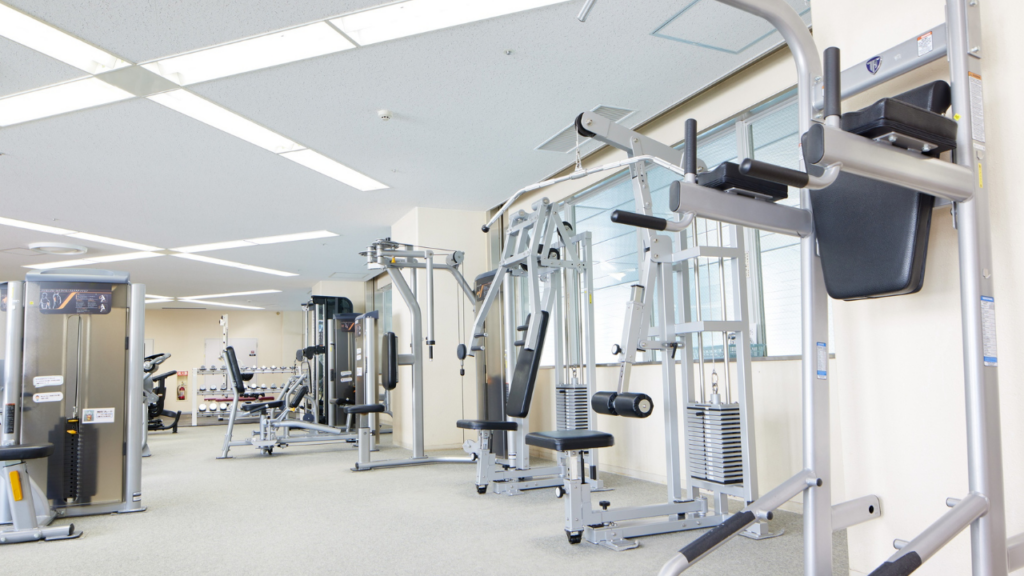
When people think about buying a home, they usually focus on the property itself. The kitchen. The bedrooms. The garage. The yard. But after helping buyers throughout Minnesota for years, I’ve learned that many of the things that influence long-term happiness aren’t necessarily inside the home. They’re nearby. One lifestyle feature that has become increasingly important for homebuyers is access to gyms and fitness centers. Years ago, fitness facilities were often considered a luxury. Today, many people see them as part of their daily routine. Whether you’re someone who starts every morning at the gym, attends group fitness classes, enjoys swimming, lifts weights, or simply wants convenient access to exercise opportunities, proximity to fitness centers can have a surprisingly large impact on your quality of life. As a Minnesota real estate agent, I’ve worked with buyers who specifically ask: “How close is the nearest gym?” Others don’t think about it initially but quickly realize how valuable it is once they move into a community with excellent fitness options. So what is it really like living near gyms and fitness centers in Minnesota? Let’s take a closer look. Why Fitness Access Matters More Than People Realize Most people understand the importance of exercise. The challenge is often consistency. Life gets busy. Work schedules become demanding. Family responsibilities take over. Commutes consume time. The farther away a gym is, the easier it becomes to skip workouts. When a fitness center is only a few minutes from home, maintaining healthy habits becomes significantly easier. Convenience removes excuses. For many homeowners, that convenience becomes one of the most valuable aspects of their neighborhood. Minnesota Has a Strong Fitness Culture One thing that surprises many newcomers is how active Minnesota residents are. Despite long winters, people here prioritize health and wellness. Throughout Minnesota you’ll find: Fitness opportunities are available in nearly every major community. Many neighborhoods are located just minutes from multiple options. Convenience Makes Consistency Easier One of the biggest benefits of living near a gym is convenience. Let’s be honest. Most people are more likely to work out when getting there is easy. Imagine the difference between: A five-minute drive versus A thirty-minute drive. That extra time adds up. Many homeowners find that they exercise more frequently simply because fitness facilities are nearby. What starts as a convenience often turns into a healthier lifestyle. Winter Makes Nearby Fitness Centers Even More Valuable Minnesota winters can be beautiful. They can also be long. When temperatures drop below freezing and daylight becomes limited, many people spend less time exercising outdoors. This is where nearby fitness centers become especially valuable. Residents can maintain activity levels through: Having convenient indoor options helps people stay active year-round. For many homeowners, this becomes one of the biggest advantages of living near quality fitness facilities. Fitness Centers Become Part of Daily Routine Many people initially think about fitness as a weekly activity. But when a gym is nearby, it often becomes integrated into daily life. Some residents stop by: The easier access becomes, the easier it is to build sustainable habits. Many homeowners find themselves exercising more consistently than they did in previous neighborhoods. Community Recreation Centers Offer More Than Gyms Minnesota communities often invest heavily in recreational facilities. Many recreation centers offer: These facilities often serve as community gathering spaces. Families appreciate having multiple activities available under one roof. Families Benefit From Fitness-Oriented Communities Fitness access isn’t just for adults. Many Minnesota recreation centers and fitness facilities offer programs for children. Examples include: Parents often appreciate having these opportunities nearby. It simplifies scheduling and creates more options for family activities. Popular Minnesota Communities With Strong Fitness Access Several Minnesota communities are known for excellent recreational amenities. Examples include: Maple Grove Offers extensive recreational facilities and fitness options. Woodbury Known for community recreation centers and fitness opportunities. Eden Prairie Features excellent parks and recreation programs. Plymouth Offers a variety of fitness facilities and wellness amenities. Lakeville Known for active lifestyle opportunities and recreation programs. Chanhassen Combines natural recreation with fitness-oriented amenities. Minneapolis and St. Paul Provide access to countless gyms, studios, and wellness facilities. Each community offers a unique fitness landscape. Fitness Centers Create Social Opportunities One benefit many homeowners don’t expect is the social aspect. Fitness centers often become places where people: Especially for people relocating to Minnesota, fitness facilities can provide opportunities to connect with others. Many friendships begin through shared wellness interests. Health Benefits Extend Beyond Exercise When people think about fitness centers, they usually think about physical health. But there are other benefits too. Regular exercise may help support: For many homeowners, having easy access to fitness resources positively affects multiple aspects of life. Remote Workers Often Prioritize Fitness Access The growth of remote work has changed how many people evaluate neighborhoods. Without a daily commute, buyers often focus more on lifestyle amenities. Many remote workers appreciate having gyms nearby because: This has made fitness-oriented communities even more attractive. Fitness Amenities Can Influence Homebuyer Demand Lifestyle amenities often influence real estate demand. Many buyers actively search for communities that support healthy living. Neighborhoods near: often attract strong interest. While fitness access alone doesn’t determine home value, it can contribute to a neighborhood’s overall appeal. Different Buyers Value Fitness Differently Not everyone prioritizes gym access equally. Young Professionals Often value nearby fitness options. Families May prioritize recreation programs for children. Empty Nesters Frequently appreciate wellness-focused communities. Retirees Often value access to low-impact fitness opportunities. Remote Workers May enjoy flexibility and convenience. Understanding your lifestyle helps determine whether gym proximity should be a priority. Potential Considerations Like any neighborhood feature, there are trade-offs. Some considerations include: Increased Activity Popular fitness facilities attract visitors. Traffic Peak workout hours can create congestion. Membership Costs Fitness access often involves ongoing expenses. Crowds Popular facilities may be busy during certain times. For most fitness-focused buyers, these considerations are relatively minor. Questions Buyers Should Ask When evaluating a community, consider: How important is exercise to my lifestyle? Do I prefer gyms or
What Is It Like Living Near Walking Trails in Minnesota?

When most people start looking for a home, they focus on the obvious things. The number of bedrooms. The kitchen layout. The size of the backyard. The school district. But after helping buyers throughout Minnesota for years, I’ve noticed that one of the features people appreciate most after they move isn’t always inside the house. It’s what’s outside their front door. Specifically, many homeowners fall in love with having easy access to walking trails. As a Minnesota real estate agent, I’ve worked with buyers who didn’t initially have trails on their wish list. Then we toured neighborhoods with beautiful trail systems, and suddenly it became one of their top priorities. Why? Because walking trails can completely change how you experience your community. They create opportunities for exercise, relaxation, family time, social interaction, and a stronger connection to nature. For many homeowners, living near walking trails becomes one of the most valuable parts of their daily routine. Let’s explore what it’s really like living near walking trails in Minnesota and why so many buyers actively seek communities that offer them. Minnesota Is One of the Best States for Trail Access One thing that surprises many people relocating to Minnesota is how extensive the trail systems are. Throughout Minneapolis, St. Paul, and the surrounding suburbs, you’ll find thousands of miles of trails connecting: In many communities, residents can walk or bike for miles without ever needing to drive. Trail systems have become an important part of community planning throughout Minnesota. And for homeowners, that’s a huge benefit. Walking Becomes Easier When Trails Are Nearby Most people know walking is good for them. The challenge is finding the motivation and opportunity to do it consistently. When a trail is several miles away, it’s easy to skip. When a trail starts at the end of your street, it’s much harder to make excuses. Many homeowners discover they walk significantly more after moving into trail-connected communities. Morning walks become routine. Evening strolls become part of family life. Weekend exercise becomes more enjoyable. The easier access becomes, the more frequently people use it. Walking Trails Improve Quality of Life One reason trails are so popular is that they offer benefits beyond exercise. Many residents use trails to: For some homeowners, their favorite part of the day becomes a simple walk through the neighborhood trail system. It’s a small lifestyle improvement that often has a surprisingly large impact. Minnesota Trails Are Beautiful Year-Round One misconception some newcomers have is that Minnesota trails are only useful during summer. Nothing could be further from the truth. Each season creates a different experience. Spring As temperatures warm, trails fill with walkers, runners, and cyclists eager to get outside again. Wildflowers begin to bloom. Trees become green. Communities come alive. Summer Summer is peak trail season. Many residents enjoy: Long daylight hours make trails especially appealing. Fall Many Minnesotans consider fall trail season to be the most beautiful. Colorful leaves transform the landscape. Cool temperatures make outdoor exercise comfortable. The scenery is spectacular. Winter Yes, people use trails in winter too. Depending on conditions, residents enjoy: Minnesotans tend to embrace outdoor living year-round. Walking Trails Encourage Healthier Habits One reason buyers increasingly prioritize trail access is health. When trails are nearby, people often become more active without intentionally changing their lifestyle. Instead of: Driving somewhere to exercise they simply walk out the door. Many homeowners find themselves: The convenience makes a difference. Trails Create Family Opportunities Families often discover that trails provide much more than exercise. They create opportunities for: Children benefit from having safe outdoor spaces nearby. Parents appreciate having easy access to activities that don’t require extensive planning. Sometimes the best family memories come from simple walks around the neighborhood. Dog Owners Love Trail Communities If you own a dog, trail access can become one of the most valuable neighborhood amenities. Many dog owners specifically seek communities with: Daily walks become easier and more enjoyable. Dogs get more exercise. Owners spend more time outdoors. Everyone benefits. As a result, trail-oriented neighborhoods often attract pet owners. Popular Minnesota Communities With Extensive Trail Systems Many Minnesota communities are known for outstanding trail networks. Examples include: Maple Grove Offers extensive interconnected trails throughout the city. Woodbury Features miles of trails connecting neighborhoods, parks, and schools. Eden Prairie Known for scenic trails and natural beauty. Plymouth Provides excellent recreational access throughout the community. Lakeville Offers numerous trails and outdoor amenities. Chanhassen Combines natural beauty with well-developed trail systems. Minneapolis Features some of the most iconic urban trail systems in the Midwest. Each community offers a unique experience. Trails Create a Stronger Sense of Community One of the most overlooked benefits of walking trails is the social aspect. People naturally encounter each other while: Neighbors become familiar faces. Conversations happen naturally. Communities often feel more connected. For buyers relocating to Minnesota, trails can be a surprisingly effective way to become part of a new community. The Mental Health Benefits Are Significant Ask homeowners why they love living near trails and many won’t start by talking about exercise. Instead, they’ll talk about how it makes them feel. Many residents use walking trails as a way to: Nature has a way of slowing things down. After a busy day, a quiet walk can make a tremendous difference. Many homeowners find that trail access improves their overall well-being. Trails Can Add Long-Term Appeal Buyers aren’t the only people who value trails. Future buyers often do too. Many home searches include preferences such as: Because trail systems are difficult to replicate, they often remain attractive features over time. That’s one reason homes near trails frequently generate strong buyer interest. Potential Considerations Like every neighborhood feature, trails aren’t perfect for everyone. Some considerations include: Increased Activity Popular trails attract users. Privacy Concerns Homes directly adjacent to trails may experience more foot traffic. Seasonal Use Patterns Some trails become busier during peak seasons. Maintenance Activity Communities often maintain and improve trail systems regularly. For most buyers, the benefits far
What Is It Like Living Near Lakes in Minnesota?

If you’ve ever heard Minnesota called the “Land of 10,000 Lakes,” you’re not alone. In fact, Minnesota actually has more than 11,000 lakes, and for many residents, lakes are more than just beautiful scenery. They’re a way of life. As a Minnesota real estate agent, I’ve worked with buyers from all over the country, and one thing that consistently surprises people moving here is how much lakes influence everyday living. Some buyers dream of owning a lakefront property. Others simply want to live close enough to enjoy the views, trails, beaches, and recreational opportunities. And many people don’t realize how much living near a lake can enhance their lifestyle until they experience it firsthand. Whether you’re considering a home in Minneapolis, a suburban community like Lakeville or Chanhassen, or a smaller lakeside town, understanding what it’s really like to live near lakes can help you determine if it’s the right fit for you. The short answer? For many Minnesotans, living near a lake is one of the biggest perks of living in the state. Let’s take a closer look at why. Lakes Are Part of Minnesota’s Identity Unlike some states where lakes are concentrated in a few regions, lakes are woven throughout Minnesota. You’ll find them: Many Minnesota residents live within minutes of a lake even if they don’t own waterfront property. Because lakes are so common, they naturally become part of everyday life. They’re where people exercise, gather, relax, celebrate, and enjoy nature. For many homeowners, lakes become one of the most valuable amenities a community can offer. The Views Never Get Old One of the biggest benefits of living near a lake is something that’s difficult to quantify: The scenery. Many homeowners tell me that one of their favorite parts of lake living is simply seeing the water. Whether it’s: lakes create a sense of beauty and tranquility that many people find incredibly relaxing. Even buyers who don’t spend much time boating often appreciate the peaceful atmosphere lakes provide. Outdoor Recreation Is Always Nearby One reason lake communities are so popular is the recreational opportunities they offer. Depending on the lake and location, residents may enjoy: Instead of planning weekend trips to find outdoor activities, many residents simply walk out their front door. For active individuals and families, that’s a major lifestyle advantage. Minnesota Summers Feel Different Near a Lake If you’ve lived through a Minnesota winter, you know how much residents appreciate summer. Lake communities come alive during warmer months. You’ll see people: Many homeowners feel like they’re on vacation without ever leaving their neighborhood. That “vacation at home” feeling is one reason lake living remains so desirable. You Don’t Need Waterfront Property to Enjoy the Benefits This surprises many buyers. When people think about living near a lake, they often assume they need to own waterfront property. That’s not necessarily true. Many Minnesota communities offer: Even homes located several blocks away may enjoy many of the same lifestyle benefits. In fact, some buyers intentionally choose nearby neighborhoods because they gain access to the lake lifestyle without paying lakefront prices. Walking Trails Around Lakes Are Extremely Popular One thing many Minnesota lakes have in common is access to trails. Residents often use these trails for: Popular examples include trails around: Many homeowners discover that having a beautiful walking route nearby significantly improves their daily routine. Lakes Create Strong Community Connections Something interesting happens in lake communities. People spend more time outside. And when people spend more time outside, they tend to meet each other. Lakes naturally become gathering places. Residents connect through: Many homeowners say their lake community feels more connected than previous neighborhoods they’ve lived in. The Mental Health Benefits Are Significant One topic that comes up frequently among homeowners is how relaxing it feels to be near water. There’s something calming about lakes. Many residents enjoy: After a busy workday, being near a lake often provides an opportunity to slow down and recharge. While every person is different, many buyers specifically seek lake communities because of the lifestyle and atmosphere they provide. Minnesota Lakes Offer Year-Round Enjoyment Many people associate lakes with summer. In Minnesota, lakes remain active throughout the year. Spring Fishing season returns. Trails become busy. Wildlife becomes more active. Summer Boating, swimming, kayaking, and outdoor recreation peak. Fall Beautiful colors transform lake landscapes. Walking trails become especially popular. Winter Ice fishing. Ice skating. Snowshoeing. Cross-country skiing. Winter lake views. Living near a lake isn’t just a summer experience. It’s a four-season lifestyle. Popular Minnesota Lake Communities Several Minnesota communities are especially known for lake access. Examples include: Minnetonka Home to many neighborhoods surrounding Lake Minnetonka. Wayzata Offers lake views, dining, and recreational opportunities. Excelsior A charming lake community with strong local character. Chanhassen Known for beautiful lakes and outdoor recreation. Prior Lake Popular for boating and lake-oriented living. White Bear Lake A favorite destination with a strong community atmosphere. Minneapolis Chain of Lakes Area Offers urban living combined with exceptional recreational access. Each community provides a unique lake lifestyle. Lake Living Can Increase Home Demand One reason buyers frequently search for lake-adjacent neighborhoods is simple: People love living near water. Homes near lakes often attract strong interest because: While no location guarantees future appreciation, lake proximity is often viewed as a highly desirable feature. Potential Considerations Like any location choice, living near lakes comes with considerations. Increased Seasonal Activity Popular lakes attract visitors. Higher Demand Homes near lakes often command premium pricing. Parking and Traffic Popular recreation areas can become busy during peak seasons. Wildlife Living near natural areas often means sharing space with wildlife. For most lake lovers, these trade-offs are well worth it. Questions Buyers Should Ask When considering a lake community, ask: How important is lake access to my lifestyle? Do I want waterfront property or nearby access? Will I use recreational amenities regularly? Do I value walking trails and outdoor activities? How important are water views? The answers can help determine whether lake living is a good
What Is It Like Living Near Outdoor Recreation in Minnesota?

One of the biggest reasons people fall in love with Minnesota isn’t just the homes. It’s what happens outside of them. Whether you’re relocating from another state, buying your first home, upsizing for your growing family, or downsizing into your next chapter, one thing quickly becomes clear: Minnesotans love the outdoors. As a Minnesota real estate agent, I’ve worked with countless buyers who specifically tell me they want to live near parks, trails, lakes, golf courses, nature preserves, or recreational areas. Sometimes they don’t even realize how important it is until we start looking at neighborhoods. A beautiful home may check every box. But if it doesn’t fit the lifestyle they want, something still feels missing. That’s why outdoor recreation has become one of the most important factors many buyers consider when choosing where to live. The good news? Minnesota offers some of the best outdoor recreational opportunities in the country. Let’s talk about what it’s really like living near outdoor recreation in Minnesota and why so many homeowners consider it one of the biggest perks of living here. Minnesota Is Built for Outdoor Living Minnesota has earned its reputation as the “Land of 10,000 Lakes,” but outdoor recreation goes far beyond lakes. Throughout the state you’ll find: In many communities, outdoor recreation isn’t something you drive hours to enjoy. It’s part of everyday life. For many homeowners, that’s one of the best aspects of living in Minnesota. Outdoor Recreation Becomes Part of Your Daily Routine One thing buyers often underestimate is how much their environment influences their habits. If a beautiful walking trail is five minutes away, you’re more likely to use it. If a park is across the street, your children will probably spend more time outside. If a lake is nearby, you may find yourself kayaking on a weeknight after work. The easier outdoor recreation is to access, the more likely it becomes part of your lifestyle. Many homeowners tell me that living near recreational amenities has improved: Minnesota’s Four Seasons Create Four Different Outdoor Experiences One thing that makes Minnesota unique is that outdoor recreation changes with the seasons. Unlike some states where outdoor activities remain largely the same year-round, Minnesota offers something different every season. Spring As the snow melts, trails fill with walkers, runners, and cyclists. Parks become active again. Outdoor sports leagues return. Fishing season approaches. Communities come alive. Summer Summer is outdoor recreation season in full force. Residents enjoy: Many homeowners spend more time outside than inside during Minnesota summers. Fall Fall is arguably one of Minnesota’s most beautiful seasons. Colorful leaves transform parks and trails. Temperatures become ideal for hiking and biking. Apple orchards and outdoor festivals become popular destinations. Winter Many newcomers assume outdoor recreation disappears in winter. The opposite is true. Minnesotans embrace winter with activities such as: Outdoor recreation simply changes with the season. The Health Benefits of Living Near Recreation Many buyers initially focus on home features. However, some of the biggest benefits of location relate to health. Living near parks and recreational areas often encourages: Numerous homeowners report becoming more active simply because opportunities are nearby. Instead of driving somewhere to exercise, the recreation is already part of the neighborhood. That convenience matters. Popular Outdoor-Oriented Communities in Minnesota Many Minnesota communities are known for their recreational amenities. Some examples include: Maple Grove Offers extensive trail systems, parks, and recreational facilities. Eden Prairie Known for lakes, trails, and natural beauty. Plymouth Features numerous parks and outdoor spaces. Woodbury Offers miles of trails and community parks. Lakeville Popular for lakes, parks, and family recreation. Chanhassen Combines suburban living with easy access to nature. Stillwater Provides scenic riverfront recreation and outdoor activities. Each community offers a different outdoor experience. Families Often Prioritize Recreation Families frequently place outdoor recreation near the top of their wish list. Why? Because outdoor spaces provide opportunities for: Parks often become gathering places where children meet friends and families connect with neighbors. Many parents appreciate having recreational options within walking or biking distance. Outdoor Recreation Creates Community One overlooked benefit of recreational areas is community connection. People naturally meet while: Many friendships begin through shared activities. This can be especially valuable for people relocating to Minnesota who are looking to build new connections. Buyers Are Increasingly Prioritizing Lifestyle Years ago, many buyers focused almost exclusively on square footage. Today, lifestyle often plays a much bigger role. Many people are asking: “What will life actually feel like here?” A home near outdoor recreation often provides experiences that can’t be measured by square footage alone. You can renovate a kitchen. You can finish a basement. You can’t easily create a lake, trail system, or regional park next door. Location amenities tend to remain valuable over time. Outdoor Recreation Can Support Property Values While every real estate market is different, homes near desirable amenities often attract strong buyer interest. Many buyers specifically search for homes near: Because these features are difficult to replicate, they often remain attractive to future buyers as well. This doesn’t guarantee appreciation, but recreational access is frequently viewed as a positive feature. The Mental Health Benefits Are Real One thing many homeowners don’t anticipate is how much outdoor access affects mental well-being. After a stressful day, having a nearby trail or park can make a tremendous difference. Many residents enjoy: The ability to easily connect with nature often becomes one of the most appreciated aspects of homeownership. Potential Considerations Like every location choice, living near outdoor recreation isn’t perfect for everyone. Some considerations may include: Increased Activity Popular trails and parks attract visitors. Seasonal Traffic Certain recreational destinations become busier during peak seasons. Parking Demand Popular parks sometimes experience crowded parking areas. Event Activity Community events may increase activity levels. For most buyers, these trade-offs are relatively minor compared to the benefits. Questions Buyers Should Ask When evaluating homes near recreational amenities, consider: How often do I spend time outdoors? Which activities do I enjoy most? Do I want walkable access? Is year-round
What Is It Like Living Near Restaurants and Nightlife in Minnesota?

When people imagine their ideal neighborhood, they often think about the house first. The kitchen. The backyard. The garage. The number of bedrooms. But after helping buyers throughout Minnesota find homes for years, I’ve noticed something interesting. Many homeowners eventually realize that what surrounds the home can be just as important as the home itself. One of the lifestyle features that consistently attracts buyers is access to restaurants, entertainment, and nightlife. For some people, being able to walk to dinner on a Friday night feels like a luxury. For others, having coffee shops, breweries, live music, and local restaurants nearby creates the sense of community they’re looking for. As a Minnesota real estate agent, I’ve worked with buyers relocating from other states, first-time homebuyers, downsizers, and growing families who specifically ask: “What is it like living near restaurants and nightlife?” The answer depends on your lifestyle, your stage of life, and the specific community you’re considering. For some people, it’s one of the biggest quality-of-life upgrades they can make. For others, it may not be as important. Let’s explore what life is really like when restaurants, entertainment, and nightlife are part of your neighborhood experience. Why Buyers Prioritize Restaurants and Entertainment When most people think about location, they think about convenience. How close is the grocery store? How long is the commute? Where are the schools? But lifestyle convenience matters too. Being close to dining and entertainment means having easy access to experiences that make everyday life more enjoyable. Instead of planning an evening around a 30-minute drive, many activities become spontaneous. You can: without spending half your evening in traffic. For many buyers, that convenience becomes a major lifestyle upgrade. Minnesota Has More Dining and Entertainment Options Than Many People Expect People moving to Minnesota are often surprised by the variety of entertainment available. The Twin Cities metropolitan area offers: Many suburban communities have also developed vibrant dining scenes of their own. You don’t necessarily have to live in downtown Minneapolis to enjoy excellent restaurants and nightlife. Popular Areas for Dining and Entertainment Several Minnesota communities are known for their restaurant and entertainment options. Examples include: Minneapolis Offers some of the state’s most diverse dining experiences. St. Paul Known for historic charm, local restaurants, and entertainment venues. North Loop One of the most popular urban lifestyle districts in Minnesota. Uptown Offers dining, nightlife, and walkability. Wayzata Combines lake living with upscale restaurants and shopping. Excelsior A favorite destination for dining, entertainment, and community events. Downtown Stillwater Known for riverfront dining, boutiques, and nightlife. Each offers a different atmosphere and lifestyle. The Appeal of Walkability One of the biggest advantages of living near restaurants and nightlife is walkability. Many buyers specifically look for neighborhoods where they can: Walkable communities often create a stronger sense of connection. People tend to spend more time outside. They interact more frequently with neighbors. They become more engaged in local events. For many homeowners, that’s one of the most enjoyable aspects of living near entertainment districts. Date Nights Become Easier Many couples don’t realize how much location affects their social life until after they move. Living near restaurants often means: A simple Wednesday evening dinner becomes easier. A last-minute date night becomes possible. Instead of turning dining out into a major event, it becomes part of everyday life. That convenience can significantly improve quality of life. A Major Advantage for Busy Professionals Many professionals appreciate living near entertainment districts because of time savings. After a long workday, convenience matters. Rather than driving across town for dinner or social activities, nearby options allow people to enjoy more of their evenings. This is particularly attractive for: Many buyers are prioritizing lifestyle more than ever before. Restaurants Often Create Community One thing I frequently hear from homeowners is that local restaurants help create a sense of belonging. People become regular customers. They get to know staff. They see neighbors. They attend local events. Over time, these establishments become gathering places. In many Minnesota communities, local restaurants are an important part of the neighborhood identity. Living Near Nightlife Doesn’t Always Mean Noise One concern buyers sometimes have is: “If I live near restaurants and nightlife, will it be noisy?” The answer depends entirely on the location. Not all entertainment districts are the same. For example: A home directly adjacent to a busy nightlife corridor may experience more activity. A home several blocks away may enjoy convenience without significant noise. This is why visiting neighborhoods during different times of day is important. Minnesota’s Seasonal Entertainment Culture One thing that makes Minnesota unique is how entertainment changes throughout the year. Summer Outdoor patios Food festivals Concerts Farmers markets Lakefront dining Fall Brewery events Community festivals Outdoor gatherings Winter Indoor dining Holiday markets Theater performances Sports events Spring Outdoor events begin returning Restaurant patios reopen Community gatherings increase Living near entertainment districts often means easy access to these seasonal experiences. The Benefits for Relocating Buyers Many buyers moving to Minnesota worry about making new connections. Living near restaurants and entertainment can help. These areas naturally create opportunities to: For newcomers, that can make the transition easier. Property Value Considerations Homes near desirable dining and entertainment districts often attract strong buyer interest. Why? Because lifestyle sells. Many buyers are willing to pay for convenience and access. While every market is different, neighborhoods with strong amenities often remain attractive over time. That’s one reason lifestyle-focused communities continue to be popular. Potential Downsides to Consider Like any location choice, there are trade-offs. Potential considerations include: Increased Traffic Popular entertainment areas often attract visitors. Parking Challenges Some districts have limited parking during busy periods. Noise Depending on proximity, activity levels may be higher. Higher Demand Popular neighborhoods sometimes command higher home prices. These factors aren’t necessarily negatives. They’re simply important considerations. Different Buyers Have Different Priorities Not everyone values restaurants and nightlife equally. Young Professionals Often prioritize entertainment access. Empty Nesters May enjoy walkability and dining options. Relocating Buyers Often appreciate nearby social opportunities. Families
What Is It Like Living Near Shopping Areas in Minnesota?

When people think about buying a home, they often focus on the house itself. How many bedrooms does it have? Is the kitchen updated? Does it have a finished basement? How big is the backyard? Those are all important questions. But after helping buyers throughout Minnesota for years, I’ve learned that one factor often has a bigger impact on daily happiness than many people realize: What’s around the house. Specifically, how convenient is everyday life? As a Minnesota real estate agent, I frequently work with buyers who initially focus on the property and later realize that location and lifestyle play an even bigger role in their long-term satisfaction. One of the most common lifestyle preferences I hear is: “I’d love to be close to shopping.” That doesn’t necessarily mean living next door to a massive retail center. It means having easy access to the places you visit regularly. The grocery store. Target. Costco. Coffee shops. Pharmacies. Home improvement stores. Restaurants. Everyday errands become part of your routine, and where you live can either make those errands easy or turn them into a time-consuming chore. So what is it really like living near shopping areas in Minnesota? Let’s take a closer look. Why Shopping Access Matters More Than People Expect Most people don’t think about shopping access until after they move. When you’re buying a home, it’s easy to focus on: But daily convenience often becomes one of the biggest quality-of-life factors. Think about how many times per week you visit: Those trips add up quickly. A location that saves you even 10 to 15 minutes per errand can save hours every month. Convenience Becomes Part of Your Daily Lifestyle One of the biggest advantages of living near shopping areas is convenience. Need milk? Five minutes away. Need a birthday gift? Quick trip. Forgot an ingredient for dinner? No problem. Need school supplies? Easy. When stores are nearby, everyday life feels easier. Many homeowners don’t fully appreciate this until they’ve experienced it. Minnesota’s Shopping Hubs Throughout Minnesota, several communities have developed into major shopping destinations. Areas such as: offer extensive retail options. Residents often enjoy access to: without driving across the metro. The Appeal for Busy Families Families often appreciate shopping convenience more than anyone. Life becomes busy quickly when you’re juggling: Living near shopping areas can simplify logistics. For example: A quick stop at Target after soccer practice becomes easy. Running errands between activities becomes manageable. Last-minute needs become less stressful. Small conveniences often create significant lifestyle improvements. Grocery Shopping Gets Easier Let’s be honest. Most people visit grocery stores far more often than they expected when they bought their home. Whether it’s: having convenient access can be a major advantage. Minnesota winters make this even more noticeable. A five-minute grocery run during a January snowstorm feels much different than a thirty-minute drive. Access to Everyday Services Shopping districts often bring more than stores. Many include: This creates what many people describe as an “all-in-one” lifestyle. Rather than driving to multiple areas, many daily needs can be handled nearby. The Benefits During Minnesota Winters Minnesota winters can change how people think about location. A home may seem perfectly located in July. Then January arrives. Snow. Ice. Cold temperatures. Short days. Suddenly, convenience becomes even more valuable. Living near shopping areas often means: For many Minnesota residents, this becomes a major quality-of-life benefit. Walkability and Shopping Some Minnesota communities offer opportunities to walk to nearby shopping and services. Areas with stronger walkability often appeal to buyers who enjoy: Walkability can contribute to a stronger sense of community and neighborhood connection. The Social Side of Shopping Areas Many modern shopping districts function as gathering places. They’re no longer simply places to buy things. People meet friends. Grab coffee. Enjoy outdoor events. Attend seasonal festivals. Visit farmers markets. Many Minnesota shopping districts have evolved into lifestyle destinations. Examples include areas around: These areas often become community hubs. Potential Downsides of Living Near Shopping Areas Like every location choice, there are trade-offs. Living near shopping districts isn’t perfect for everyone. Potential considerations include: Increased Traffic Popular shopping areas often attract more vehicles. Busier Roads Main commercial corridors may experience higher traffic volumes. Noise Some retail districts remain active throughout the day and evening. Higher Demand Homes near desirable amenities often attract strong buyer interest. None of these are necessarily deal-breakers. They simply represent factors buyers should evaluate. Resale Value Considerations Convenience often appeals to future buyers as well. Many homebuyers actively search for: As a result, homes in convenient locations may attract broader buyer interest when it’s time to sell. Of course, every property and market is different. But convenience generally remains attractive. Different Buyers Value Shopping Differently Not everyone prioritizes shopping access equally. First-Time Buyers Often appreciate convenience and shorter commutes. Busy Families Frequently value nearby services. Empty Nesters May prioritize walkability and convenience. Retirees Often appreciate reduced driving requirements. Remote Workers May enjoy having errands nearby throughout the day. The importance of shopping access depends on lifestyle preferences. Popular Minnesota Communities for Shopping Access Several Minnesota communities consistently attract buyers seeking convenience. Examples include: Maple Grove Known for extensive retail and entertainment options. Woodbury Offers major shopping centers and convenient services. Bloomington Provides access to retail, dining, and major transportation routes. Eden Prairie Combines shopping, dining, and residential communities. Roseville Conveniently located near both Minneapolis and St. Paul. Each offers a different lifestyle experience. Questions Buyers Should Ask When evaluating shopping access, consider: How often do I run errands? Do I enjoy walking to nearby destinations? How important is convenience? Am I comfortable with additional traffic? What services do I use most often? The answers help determine whether shopping proximity should be a priority. Common Mistakes Buyers Make Focusing Only on the House Lifestyle matters too. Ignoring Daily Convenience Small inconveniences add up. Overlooking Winter Realities Distance feels different in January. Assuming All Shopping Areas Are Similar Every community offers a different experience. Not Visiting During Different Times of Day Traffic
What Are Property Taxes Like in Minnesota?

Buying a home is exciting, but for many first-time homebuyers, one of the biggest surprises comes after closing day. It’s not the mortgage payment. It’s not the utility bills. It’s property taxes. Almost every buyer asks me some version of the same question: “Lesley, what are property taxes like in Minnesota?” It’s a smart question because property taxes can significantly impact your monthly housing costs. Two homes with similar prices can have very different tax bills depending on where they’re located. If you’re planning to buy a home in Minneapolis, St. Paul, the suburbs, or anywhere else in Minnesota, understanding how property taxes work will help you budget more accurately and avoid surprises after moving in. As a Minnesota real estate agent, I spend a lot of time helping buyers understand not just the purchase price of a home, but the true cost of ownership. Property taxes are a major piece of that puzzle. What Are Property Taxes? Property taxes are taxes paid by homeowners to local governments based on the value of their property. The money collected helps fund essential community services such as: In simple terms, property taxes help keep your community running. Unlike your mortgage, which eventually gets paid off, property taxes continue for as long as you own the property. Are Property Taxes High in Minnesota? Compared to many states, Minnesota generally has moderate to higher property taxes. That doesn’t necessarily mean Minnesota is expensive overall. In fact, many buyers find they get more house for their money here compared to places like California, Washington, New York, or Massachusetts. However, property taxes are something you should pay close attention to when shopping for homes. Minnesota’s average effective property tax rate is often above the national average, although exact rates vary significantly by city, county, school district, and property value. A home in one suburb may have annual taxes thousands of dollars higher than a similar home just a few miles away. Why Do Property Taxes Vary So Much? Many buyers assume property taxes are based only on home value. That’s only part of the equation. Property taxes can vary because of: County Location Different counties have different tax rates. For example: all calculate taxes slightly differently based on local budgets and levies. School District Funding Schools are one of the biggest drivers of property taxes. Homes located in highly rated school districts often contribute more toward education funding. City Services Communities offering more amenities and services often require larger tax revenues. Examples include: Special Assessments Some neighborhoods have special assessments that can increase annual property taxes. Examples include: These costs may be temporary or long-term depending on the project. What Do Property Taxes Look Like on a Typical Minnesota Home? Let’s look at a simplified example. Imagine a home priced at $400,000. Annual property taxes might range somewhere between: depending on location. That’s a substantial difference. At $4,000 per year, your monthly tax portion is about $333. At $6,500 per year, your monthly tax portion jumps to about $542. That’s over $200 more every month despite having the same purchase price. This is why I encourage buyers to focus on total monthly payment rather than purchase price alone. How Property Taxes Affect Mortgage Payments Most homeowners pay property taxes through an escrow account. Here’s how it works: Your lender estimates annual taxes. That amount is divided into monthly payments. Each month, you pay: The lender collects the tax portion and holds it in escrow until taxes are due. This means higher property taxes directly increase your monthly mortgage payment. Why New Homeowners Sometimes Get Surprised One common surprise happens after a buyer purchases a home that was previously owned by someone who qualified for special tax benefits. The tax amount shown before closing may not always reflect what the new owner will pay. Property values can also be reassessed. This is one reason why buyers should review property tax history carefully and discuss future tax estimates with their lender and Realtor. Are Property Taxes Deductible? For some homeowners, property taxes may provide certain federal tax benefits. Tax laws change regularly and individual situations vary. It’s always best to speak with a qualified tax professional or CPA regarding deductions available to you. Many homeowners find that homeownership offers tax advantages that renting does not provide. Can Property Taxes Increase? Yes. Property taxes can rise over time. Common reasons include: Increased Property Value As home values rise, assessed values may increase. Local Budget Changes Cities and counties occasionally adjust tax levies to fund services. New Community Improvements Infrastructure projects can affect local tax obligations. School Funding Changes School district budgets may also impact future tax bills. While increases don’t happen dramatically every year, homeowners should expect some changes over time. How Buyers Should Evaluate Property Taxes Before Making an Offer When helping buyers evaluate homes, I encourage them to ask: What were the taxes last year? Reviewing tax history helps identify trends. Has the property been recently reassessed? A reassessment could impact future costs. Are there special assessments? These can add unexpected expenses. What is the total monthly payment? Focus on: The monthly payment is often more important than the home’s purchase price. Minnesota Homestead Status Matters Minnesota offers a Homestead Classification for owner-occupied homes. When a property qualifies as a homestead: Most buyers purchasing a primary residence will want to ensure they apply for homestead status after closing. This can help reduce long-term property tax costs. Property Taxes vs Rent Increases Some renters worry about property taxes making homeownership expensive. But it’s important to compare them against rent increases. When you rent: When you own: Many Minnesota homeowners find that ownership provides greater long-term financial stability despite ongoing property tax obligations. Common Property Tax Mistakes Buyers Make Looking Only at Purchase Price A cheaper home with high taxes may cost more monthly than a slightly more expensive home with lower taxes. Ignoring Tax History Past tax records often reveal important trends. Forgetting Future Increases Taxes rarely
What Can Cause My Mortgage Loan to Be Denied? (2026 Guide for Minnesota Homebuyers)

If you’re planning to buy a home in Minnesota, there’s a good chance this thought has crossed your mind: 👉 “What if my mortgage gets denied?” And honestly? That fear is VERY common. Because buying a home is a huge financial decision…And many buyers worry about:✔️ Doing something wrong✔️ Missing paperwork✔️ Credit problems✔️ Income issues✔️ Last-minute surprises Especially:✔️ First-time buyers✔️ Immigrant buyers✔️ Self-employed buyers✔️ Buyers with complicated finances A lot of people assume:👉 “If I get pre-approved, I’m guaranteed approval.” But honestly? That’s not always true. Mortgage approvals can still change during:✔️ Underwriting✔️ Document review✔️ Employment verification✔️ Final approval stages Which is why many buyers ask: 👉 “What actually causes mortgage denials?” This is one of the MOST important questions you can ask before buying a home. Because understanding potential problems EARLY may help you:✔️ Avoid delays✔️ Protect your approval✔️ Reduce stress✔️ Prepare strategically before applying You might be wondering: • Can bad credit cause denial?• What if my debt is too high?• Do job changes hurt approval?• Can large bank deposits create problems?• What happens during underwriting?• Can self-employed buyers get denied more easily?• What mistakes should buyers avoid before closing? These are excellent questions. The good news is: 👉 Many mortgage denials are preventable. But it’s important to:👉 Understand what lenders are actually looking for. 🏡 The Short Answer 👉 Mortgage loans may be denied for many reasons, including: ❌ High debt levels❌ Low credit scores❌ Unstable income❌ Employment issues❌ Missing documentation❌ Large unexplained deposits❌ Appraisal problems❌ Changes in finances during underwriting Mortgage lenders mainly want confidence that buyers can:✔️ Afford the home responsibly over the long term. 🏡 Why Mortgage Lenders Review Buyers So Carefully Mortgage lenders are approving:👉 Large long-term loans. Before approving financing, lenders want confidence that buyers can:✔️ Make payments consistently✔️ Maintain stable finances✔️ Handle long-term homeownership costs That’s why underwriting reviews:✔️ Income✔️ Credit✔️ Employment✔️ Savings✔️ Debt✔️ Financial patterns 🏡 Low Credit Scores Can Affect Approval Credit scores matter because lenders use them to evaluate:✔️ Financial reliability✔️ Payment history✔️ Debt management Lower scores may create concerns about:👉 Repayment risk. This doesn’t always mean:❌ Automatic denial But lower scores may:✔️ Reduce loan options✔️ Increase rates✔️ Require stronger compensating factors 🏡 High Debt-to-Income Ratio Is a Common Issue This is HUGE. Even buyers with:✔️ Strong incomeMay struggle if:👉 Debt obligations are too high. Lenders compare:✔️ Monthly debt paymentsAgainst:✔️ Monthly income This is called:👉 Debt-to-income ratio (DTI). High DTI ratios may suggest:✔️ Financial strainOR✔️ Limited affordability. 🏡 Employment Changes Can Create Problems Changing jobs during underwriting may:✔️ Delay approval✔️ Trigger additional review✔️ Create lender concerns Especially if:✔️ Income decreases✔️ Employment becomes unstable✔️ Buyers switch to commission or self-employment suddenly This doesn’t always mean denial… But it may complicate approval significantly. 🏡 Missing Documentation Causes Delays Too Mortgage underwriting requires:👉 Extensive paperwork. Missing documents may:✔️ Slow underwriting✔️ Delay approvals✔️ Create lender concerns Common issues include:❌ Missing bank statement pages ❌ Incomplete tax returns ❌ Unverified deposits ❌ Missing employment documents Organization matters tremendously. 🏡 Large Bank Deposits Can Raise Questions This surprises many buyers. If lenders notice:✔️ Large unexplained deposits They may ask:👉 Where the money came from. Why? Because lenders must verify:✔️ Funds are legitimate✔️ Debt obligations are disclosed✔️ Down payment sources are acceptable Documentation may be required for:✔️ Gifts✔️ Asset sales✔️ International transfers✔️ Cash deposits 🏡 Appraisal Problems Can Affect Approval This is another common issue. Mortgage lenders usually require:👉 Appraisals. If the property appraises:❌ Below purchase price That may affect:✔️ Loan amount✔️ Down payment requirements✔️ Financing approval Sometimes buyers and sellers must:✔️ RenegotiateOR✔️ Adjust terms. 🏡 Self-Employed Buyers Face Extra Scrutiny Self-employed buyers absolutely qualify for mortgages… But underwriting often becomes:👉 More detailed. Lenders may review:✔️ Tax returns✔️ Business income✔️ Profit and loss statements✔️ Business stability✔️ Cash flow patterns Why? Because self-employed income may:👉 Fluctuate more than salaried employment. Documentation becomes extremely important. 🏡 Credit Card Activity Before Closing Can Hurt Approval This is VERY common. Some buyers:✔️ Open new accounts✔️ Finance furniture✔️ Increase balances AFTER:👉 Pre-approval. But lenders often:✔️ Recheck credit before closing. New debt may:❌ Increase DTI❌ Lower scores❌ Affect approval This catches many buyers off guard. 🏡 Mortgage Fraud Concerns Are Taken Seriously Lenders carefully review:✔️ Financial inconsistencies✔️ Undisclosed debts✔️ False income claims✔️ Suspicious transactions Honesty and transparency matter tremendously during underwriting. 🏡 Immigrant Buyers Often Worry About Denial This is VERY common. Many immigrant buyers may have:✔️ Thin U.S. credit✔️ Foreign assets✔️ Recent employment history✔️ International financial transfers And honestly? That can initially feel:👉 Intimidating. But many immigrant buyers STILL successfully qualify when:✔️ Proper documentation is organized✔️ Finances remain stable✔️ Preparation happens early 🏡 Why Stable Finances Matter Throughout the Process Mortgage approval is NOT only about:✔️ Initial pre-approval. Lenders often continue reviewing:✔️ Financial behaviorThroughout:👉 Underwriting and closing. Large changes may create:✔️ Additional review✔️ Delays✔️ Approval complications That’s why stability matters all the way until:👉 Closing day. 🏡 Common Buyer Mistakes That Can Cause Problems ❌ Changing jobs during underwriting ❌ Financing furniture or cars ❌ Missing payments ❌ Increasing credit card balances ❌ Making unexplained deposits ❌ Applying for new credit ❌ Failing to provide documents quickly These mistakes may:👉 Complicate approval significantly. 🏡 What Mortgage Lenders REALLY Want to See Lenders generally prefer:✔️ Stable income✔️ Consistent employment✔️ Responsible credit usage✔️ Manageable debt levels✔️ Organized financial records✔️ Predictable financial behavior The goal is:👉 Demonstrating long-term financial stability. 🏡 What Smart Buyers Usually Do Successful buyers often:✔️ Keep finances stable✔️ Avoid new debt before closing✔️ Organize documents early✔️ Monitor their credit carefully✔️ Respond quickly to lender requests✔️ Speak with lenders BEFORE major financial changes Because strong mortgage approvals usually come from:👉 Stability and preparation. 🏡 Real Situation I See Often Someone gets:✔️ Pre-approvedAnd feels:👉 “Everything is done.” Then they:✔️ Finance furniture✔️ Open store credit cards✔️ Increase debt Suddenly:👉 Underwriting becomes more complicated. Meanwhile buyers who maintain:✔️ Stable financesOften experience:👉 Much smoother closings. 🏡 Why Timing Matters Before Applying Some buyers apply:👉 Before finances stabilize. Waiting until:✔️ Debt improves✔️ Income stabilizes✔️ Credit strengthens✔️ Documentation becomes organized May create:👉 Better mortgage opportunities
How Do Lenders Calculate Debt-to-Income Ratio? (2026 Guide for Minnesota Homebuyers)

If you’re planning to buy a home in Minnesota, there’s a good chance you’ve heard the term: 👉 “Debt-to-income ratio.” And honestly? A LOT of buyers hear that phrase during mortgage conversations…But aren’t completely sure what it actually means. At the same time, this number can play a HUGE role in:✔️ Mortgage approval✔️ Buying power✔️ Monthly affordability✔️ Loan options✔️ Interest rates Which is why many buyers ask: 👉 “How do lenders calculate debt-to-income ratio?” This is one of the MOST important financial concepts in the homebuying process. Because even buyers with:✔️ Good credit✔️ Stable jobs✔️ Savings May still struggle with approval if:👉 Their debt-to-income ratio (DTI) is too high. The good news? Once you understand how DTI works, you can often:✔️ Prepare more strategically✔️ Improve your mortgage profile✔️ Increase your buying power You might be wondering: • What debts count toward DTI?• What is considered a “good” DTI ratio?• Do student loans count?• How do car payments affect approval?• Does credit card debt matter?• Can I lower my DTI before applying?• What if my income changes monthly? These are excellent questions. Because understanding debt-to-income ratio EARLY can help buyers:👉 Avoid surprises during mortgage approval. The good news is: 👉 Many buyers improve their DTI before applying and strengthen their financing options significantly. But it’s important to:👉 Understand how lenders actually calculate this number. 🏡 The Short Answer 👉 Debt-to-income ratio (DTI) compares:✔️ Your monthly debt paymentsTo:✔️ Your gross monthly income. Mortgage lenders use DTI to evaluate:👉 Whether your current debt obligations are manageable alongside a future mortgage payment. Generally:👉 Lower DTI ratios may improve mortgage approval opportunities. 🏡 What Does Debt-to-Income Ratio Actually Mean? Debt-to-income ratio measures:👉 How much of your monthly income already goes toward debt payments. Lenders want confidence that borrowers can:✔️ Afford housing comfortablyWithout becoming:❌ Financially overwhelmed. DTI helps lenders evaluate:✔️ Financial balance✔️ Affordability✔️ Repayment ability 🏡 What Counts as Monthly Debt? Lenders commonly include:✔️ Credit card minimum payments✔️ Car loans✔️ Student loans✔️ Personal loans✔️ Existing mortgages✔️ Child support✔️ Certain installment debts These obligations become part of:👉 Your monthly debt calculations. 🏡 What Usually Does NOT Count? Some expenses generally may NOT count toward DTI:✔️ Groceries✔️ Utilities✔️ Gas✔️ Entertainment✔️ Phone bills✔️ Insurance premiums (outside mortgage calculations) However:👉 Lenders still know these affect real-world affordability. That’s why buyers should focus on:✔️ Personal budgeting too—not just qualifying. 🏡 Gross Income vs Net Income This is VERY important. Mortgage lenders usually calculate DTI using:👉 Gross monthly income. That means:✔️ Income BEFORE taxes and deductions. Many buyers mistakenly assume:👉 Net paycheck income is used. But generally:👉 Gross income is the standard calculation. 🏡 Why DTI Matters So Much for Mortgage Approval Even buyers with:✔️ Good credit✔️ Strong savings May struggle if:👉 Debt obligations are too high. Why? Because lenders want confidence that borrowers can:✔️ Handle all monthly obligations comfortably. High DTI ratios may suggest:👉 Financial strain or affordability concerns. 🏡 Lower DTI Usually Creates Stronger Applications Generally:👉 Lower DTI ratios may help buyers qualify more easily. Why? Because lower debt obligations may suggest:✔️ Better cash flow✔️ Stronger affordability✔️ More financial flexibility This may improve:✔️ Approval odds✔️ Loan options✔️ Overall financing strength 🏡 Credit Card Balances Can Affect DTI Quickly This is HUGE. Lenders often use:✔️ Minimum monthly credit card paymentsIn:👉 DTI calculations. Even if buyers pay balances aggressively later… High balances may still:✔️ Affect qualification✔️ Reduce buying power That’s why:👉 Lowering balances before applying may help tremendously. 🏡 Student Loans Usually Count Too This surprises many first-time buyers. Even deferred student loans may:👉 Still affect DTI calculations. Many buyers assume:👉 “If payments are paused, lenders won’t count them.” But lenders may still:✔️ Estimate future obligations✔️ Include projected payments Student loans don’t automatically prevent approval… But they do affect:👉 Overall affordability calculations. 🏡 Car Payments Reduce Buying Power A large vehicle payment may:✔️ Increase DTI✔️ Reduce mortgage affordability✔️ Lower purchasing power This surprises many buyers. Someone with:✔️ High incomeMay still qualify for:👉 Less houseBecause of:✔️ Large monthly obligations. 🏡 Buy Now, Pay Later Accounts Matter More Now This is becoming increasingly important. Small financing accounts may still:✔️ Appear on credit reports✔️ Affect DTI calculations Even relatively small monthly obligations can:👉 Add up quickly. 🏡 Self-Employed Buyers May Have Different Income Calculations Self-employed income can become:👉 More complex during DTI review. Lenders may review:✔️ Tax returns✔️ Business deductions✔️ Profit and loss statements✔️ Business cash flow Because tax write-offs may reduce:👉 Qualifying income. This becomes VERY important for:✔️ Entrepreneurs✔️ Freelancers✔️ Business owners 🏡 Multiple Income Sources Can Help Strong additional income may:✔️ Improve DTI ratiosIf:✔️ Properly documented✔️ Consistent✔️ Stable over time This may include:✔️ Side businesses✔️ Overtime✔️ Bonuses✔️ Rental income✔️ Freelance work Documentation matters tremendously. 🏡 Why Stable Income Matters Mortgage lenders prefer:✔️ Predictable reliable income. Even buyers with:✔️ Higher earningsMay struggle if:👉 Income fluctuates heavily. Consistency usually creates:👉 Stronger mortgage applications. 🏡 Immigrant Buyers Often Have Questions About DTI This is VERY common. Many immigrant buyers may have:✔️ International income✔️ Foreign debts✔️ Thin U.S. credit✔️ Multiple family-supported finances And honestly? The U.S. mortgage system can initially feel:👉 Extremely confusing. Preparation helps tremendously. 🏡 What Mortgage Lenders REALLY Want to See Lenders generally prefer:✔️ Stable income✔️ Controlled debt levels✔️ Responsible financial behavior✔️ Manageable monthly obligations✔️ Predictable financial patterns The goal is:👉 Demonstrating long-term affordability. 🏡 Can You Improve Your DTI Before Applying? Absolutely. Some buyers improve DTI by:✔️ Paying down credit cards✔️ Eliminating smaller loans✔️ Increasing documented income✔️ Avoiding new debt✔️ Refinancing certain obligations Even modest improvements may:👉 Strengthen mortgage options significantly. 🏡 Common DTI Mistakes Buyers Make ❌ Financing cars before closing ❌ Opening new credit accounts ❌ Maxing out cards ❌ Ignoring minimum monthly payments ❌ Applying before debt improves ❌ Assuming income alone guarantees approval These mistakes may:👉 Hurt mortgage affordability significantly. 🏡 What Smart Buyers Usually Do Successful buyers often:✔️ Reduce balances strategically✔️ Keep utilization low✔️ Avoid unnecessary debt✔️ Organize income documentation✔️ Monitor credit carefully✔️ Speak with lenders BEFORE house shopping Because strong mortgage approval usually comes from:👉 Financial preparation and consistency. 🏡 Real Situation I See Often Someone