
How Much Emergency Savings Should Immigrant Homebuyers Keep After Closing?
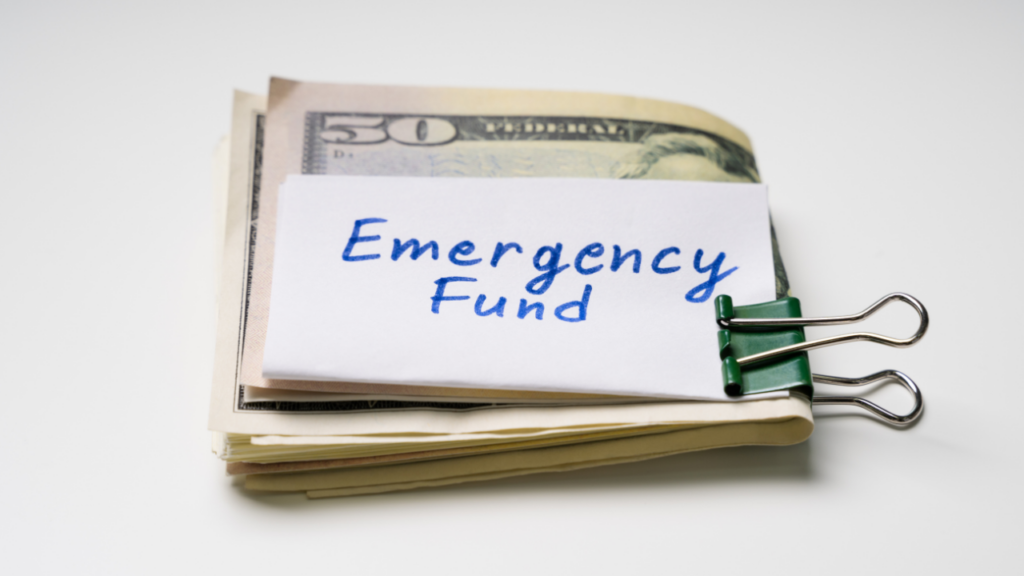
Closing day is exciting. For many immigrant families, it is more than just signing papers and getting keys. It is the result of years of sacrifice, discipline, prayer, planning, and hard work. You saved money. You built your credit. You gathered documents. You answered lender questions. You survived underwriting. You made it to the closing table. That is a big deal. But one of the most important conversations I have with immigrant homebuyers happens before closing day. I always want buyers to think about this question: “How much money should I still have left after closing?” Because buying the home is one thing. Owning it comfortably is another. As a Minnesota real estate agent, I have seen buyers get so focused on reaching closing day that they forget life continues after they get the keys. The mortgage payment starts. Utility bills arrive. Repairs happen. Family needs continue. Winter comes. Appliances break. Cars still need maintenance. Children still have expenses. That is why emergency savings matter. Your goal should not be to spend every dollar just to buy the house. Your goal should be to buy the house and still have enough financial breathing room to enjoy it. Let’s talk about how much emergency savings immigrant homebuyers should keep after closing and why this matters so much. Why Emergency Savings Matter After Buying a Home When you rent, your landlord usually handles major repairs. If the furnace stops working, you call the landlord. If the water heater breaks, you call the landlord. If there is a plumbing issue, you call the landlord. When you own the home, you are the landlord. That means you are responsible for many costs that renters may not be used to handling. Emergency savings help protect you from turning every unexpected problem into a financial crisis. A strong emergency fund can help cover: Homeownership becomes much more peaceful when you have money set aside for the unexpected. The Biggest Mistake Buyers Make One of the biggest mistakes I see is buyers using every dollar they have to purchase the home. They bring all their savings to closing. They pay the down payment. They pay closing costs. They move in with almost nothing left. Then something happens. Maybe the refrigerator stops working. Maybe the furnace needs service. Maybe the first utility bills are higher than expected. Maybe a family emergency comes up. Now the buyer is stressed because there is no cushion. This is not the kind of homeownership experience you want. Buying a home should create stability, not pressure. How Much Emergency Savings Should You Keep? There is no perfect number for every buyer, but a good goal is to keep at least 3 to 6 months of essential expenses saved after closing. Essential expenses may include: For some buyers, that number may feel big. That is okay. Start with a realistic goal. If 3 to 6 months feels too far away, aim first for at least one month of expenses after closing. Then build from there. The important thing is that you do not move into homeownership with zero savings. Why Immigrant Families May Need a Larger Cushion Many immigrant families carry responsibilities that lenders do not always see on paper. You may be supporting relatives back home. You may help family members with school fees, medical bills, rent, or emergencies. You may travel internationally for family obligations. You may be helping newly arrived relatives settle in. These are real responsibilities. Even if they do not show on your credit report, they affect your budget. That is why immigrant buyers should be especially careful about keeping savings after closing. Homeownership should not put you in a position where you can no longer support the life and responsibilities you already have. Emergency Savings Are Different From Closing Costs Some buyers confuse emergency savings with money needed to close. They are not the same. Closing costs are part of the purchase transaction. Emergency savings are what you keep after the transaction. For example, you may need money for: But after all of that, you should still try to keep money available for life after closing. The question is not only: “How much do I need to buy the house?” The better question is: “How much do I need to buy the house and still be financially safe afterward?” What Can Go Wrong After Closing? Not everything that happens after closing is dramatic. Sometimes it is small things that add up. Common expenses include: Appliance Issues A dishwasher may stop working. A dryer may need repair. A refrigerator may need replacement. Even if the appliances worked during the showing, that does not mean they will last forever. Furnace Repairs In Minnesota, the furnace is not something to ignore. If it stops working in January, it becomes urgent. Having money available for heating system repairs is important. Plumbing Problems Leaks, clogged drains, toilet repairs, and water heater issues are common homeowner expenses. Utility Surprises Many first-time homeowners underestimate heating, electricity, water, sewer, and trash costs. This is especially common when moving from an apartment to a larger house. Snow Removal Minnesota winters come with expenses. You may need shovels, ice melt, a snow blower, or snow removal service. Moving and Setup Costs Even after closing, buyers often spend money on: These costs may not be emergencies, but they can drain your cash quickly. Do New Homes Still Need Emergency Savings? Yes. New construction homes may reduce some repair risks, but they do not eliminate the need for savings. New homeowners may still need money for: Also, life emergencies can happen no matter how new the house is. An emergency fund is not only for the home. It is for your household. What If You Cannot Save 3 to 6 Months Right Away? Many buyers hear “3 to 6 months of expenses” and immediately feel discouraged. Please do not let that stop you. The goal is not perfection. The goal is preparation. You can start smaller. A practical approach
How Do Property Taxes Work in Minnesota and Why Do They Change?
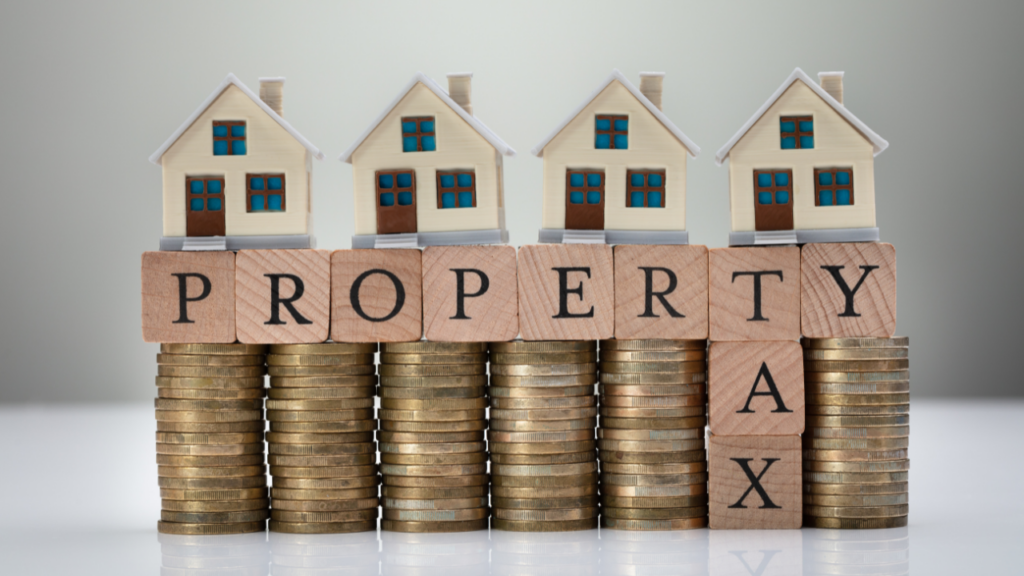
One of the biggest surprises for many immigrant homebuyers happens after they purchase their first home. The mortgage payment changes. The homeowner immediately starts asking questions: “Why did my payment go up?” “Didn’t I get a fixed-rate mortgage?” “Why am I paying more now than when I bought the house?” In many cases, the answer has nothing to do with the interest rate. The answer is property taxes. As a Minnesota real estate agent, I’ve had countless conversations with immigrant buyers who are confused about how property taxes work in the United States. That’s completely understandable. Many countries either don’t have annual property taxes, calculate them differently, or collect them in ways that are unfamiliar to buyers. Understanding Minnesota property taxes before you buy a home can help you budget properly, avoid surprises, and make more informed decisions about homeownership. Let’s break down how property taxes work, why they change, and what immigrant buyers should know before purchasing a home in Minnesota. What Are Property Taxes? Property taxes are annual taxes assessed on real estate. Local governments use these funds to help pay for public services and infrastructure. Examples include: When you own property, you contribute to the funding of these services through property taxes. Think of property taxes as one of the ongoing costs of homeownership. Who Collects Property Taxes? Property taxes are typically collected by local government authorities. The amount owed depends on: Because different communities have different budgets and priorities, property tax amounts can vary significantly from one city to another. Two similar homes in different locations may have very different tax bills. Why Property Taxes Matter to Homebuyers Many immigrant buyers focus heavily on: While those are important, property taxes also play a major role in determining your monthly housing costs. A home with lower taxes may actually be more affordable month-to-month than a similarly priced home with significantly higher taxes. That’s why smart buyers evaluate both the home price and the annual property tax obligation. How Property Taxes Affect Your Mortgage Payment Most homeowners do not write a separate property tax check every month. Instead, property taxes are often included in the mortgage payment. The lender typically collects a portion of the annual tax bill each month and places it into an escrow account. When taxes become due, the lender pays them on your behalf. This system makes budgeting easier because you spread the cost throughout the year. However, it also means your monthly mortgage payment can change if property taxes increase. What Is an Escrow Account? An escrow account is essentially a holding account. The lender collects funds for: The money remains in the account until those bills are due. Many immigrant buyers assume the escrow portion of their payment is fixed forever. It is not. If taxes or insurance increase, the escrow portion often increases as well. How Property Taxes Are Determined This is where many buyers become confused. Property taxes are not simply based on what you paid for the home. Several factors influence the calculation. These may include: Each local government establishes tax rates that help fund public services. The amount you owe depends on how these factors interact. What Is an Assessed Value? The assessed value is the value assigned to your property by the local assessor. Assessors evaluate properties periodically to estimate market value. Factors may include: The assessed value often plays a major role in determining property taxes. Why Do Property Taxes Change? This is one of the most important questions immigrant buyers ask. There are several reasons property taxes may increase or decrease. Changes in Property Value As property values rise, assessed values may also rise. Higher assessments can contribute to higher taxes. School District Funding Schools receive significant funding from property taxes. Changes in school funding needs may affect tax bills. Local Government Budgets Cities and counties periodically adjust budgets based on community needs. New projects and services may influence tax rates. Infrastructure Improvements Road projects, public facilities, and community investments sometimes impact taxes. Special Assessments Certain improvements may result in additional assessments for affected properties. Why Taxes Sometimes Increase After a Home Sale This surprises many first-time buyers. A buyer purchases a home and reviews the seller’s previous tax bill. Everything looks affordable. Then taxes increase after the purchase. Why? One reason is that assessments may be updated over time to better reflect current market conditions. The seller’s historical tax situation may not perfectly predict future tax obligations. This is why it’s important to discuss potential tax changes with your real estate professional and lender. Property Taxes Vary Across Minnesota Minnesota property taxes are not identical statewide. Several factors affect local tax levels. Examples include: Some communities have higher taxes but also offer more services. Others may have lower taxes but fewer amenities. When evaluating communities, it’s important to consider the complete picture. Higher Taxes Don’t Always Mean a Worse Investment Many buyers automatically assume lower taxes are always better. Not necessarily. Communities with higher taxes often provide: The question isn’t simply: “How much are the taxes?” It’s also: “What am I receiving in return?” Why Property Taxes Matter for Immigrant Buyers Immigrant families often budget carefully for homeownership. Property taxes can significantly affect: Understanding taxes early helps buyers avoid financial surprises later. How to Research Property Taxes Before Buying One of the smartest things buyers can do is review tax information before making an offer. You should evaluate: Current Property Taxes Review recent tax amounts. Tax History Look at historical trends when available. Community Differences Compare tax obligations across multiple cities. School Districts Understand how local schools may influence tax levels. Can Property Taxes Ever Go Down? Yes. Although buyers often hear about increases, taxes can decrease under certain circumstances. Examples may include: However, homeowners should generally plan for taxes to fluctuate over time rather than remain perfectly stable. How Property Taxes Affect Affordability Let’s imagine two homes with identical purchase prices. One home has substantially higher taxes. The monthly payment may be
How Much Does It Cost to Heat a Home During Minnesota Winters?
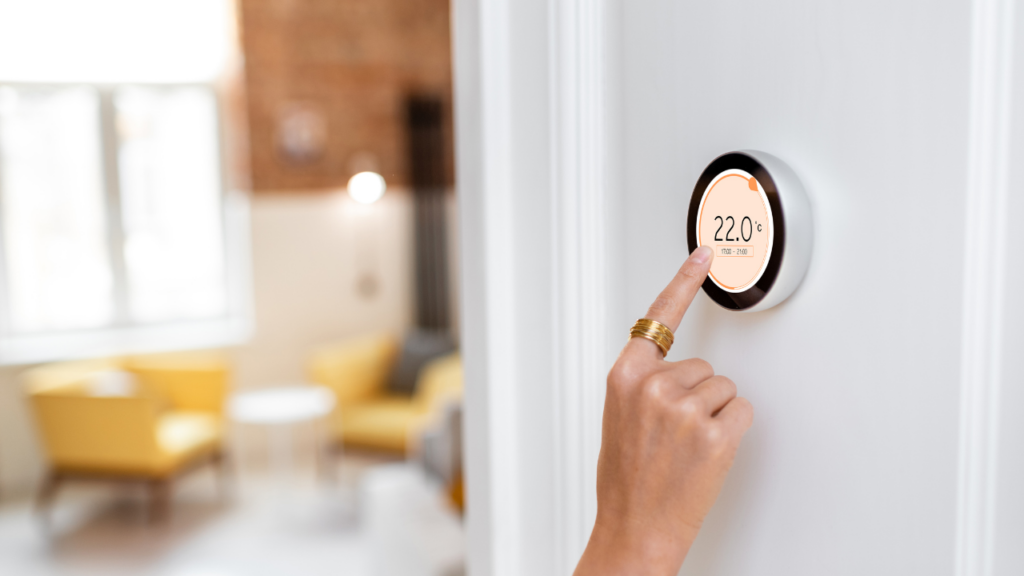
If you’re thinking about buying a home in Minnesota, there’s one question that almost every relocation buyer eventually asks: “How much does it cost to heat a home during the winter?” It’s a fair question. Minnesota winters are famous for snow, ice, and freezing temperatures. For someone moving from Texas, Florida, California, Arizona, or even parts of the Midwest with milder winters, the thought of heating a home for several months each year can feel intimidating. Even local buyers often wonder whether heating costs will fit comfortably into their monthly budget. As a Minnesota real estate agent, I regularly help buyers understand the true cost of homeownership—not just the mortgage payment. Heating costs are a major part of that conversation because they can significantly impact your monthly expenses during the coldest months of the year. The good news is that while Minnesota winters can be harsh, there are many factors that influence heating costs, and many homeowners find their bills more manageable than they expected. Let’s take a realistic look at what homeowners can expect when heating a home in Minnesota. Why Heating Costs Matter When buyers calculate affordability, they often focus on: Those expenses are important, but heating costs can add hundreds of dollars to your monthly budget during winter. Understanding these costs ahead of time helps you: A home that seems affordable on paper may feel different if heating expenses are significantly higher than expected. Why Minnesota Heating Costs Are Different Minnesota experiences some of the coldest winter temperatures in the United States. It’s common for temperatures to fall below: In some years, parts of Minnesota experience temperatures well below zero. Because heating systems work so hard during winter, heating costs naturally become one of the largest utility expenses homeowners face. Unlike warmer states where heating may only be needed occasionally, Minnesota homeowners often rely on their heating systems daily for several months. What Type of Heating Systems Are Common in Minnesota? The type of heating system in a home has a major impact on monthly costs. Natural Gas Furnaces Natural gas is the most common heating source in Minnesota. Many homeowners choose natural gas because: Many homes in Minneapolis, St. Paul, and surrounding suburbs use natural gas furnaces. Electric Heating Some homes use electric heat. Examples include: Electric systems can work well, but operating costs vary depending on electricity rates and system efficiency. Propane Heating Some rural Minnesota homes rely on propane. Propane systems are common in areas without access to natural gas service. Because propane prices fluctuate, heating costs can vary significantly from year to year. Boiler Systems Many older Minnesota homes use boiler systems. Boilers heat water and distribute warmth through radiators or in-floor systems. Many homeowners appreciate the comfortable, even heat these systems provide. What Affects Heating Costs? Two homes with identical purchase prices can have dramatically different heating bills. Several factors influence what you’ll pay. Home Size Larger homes generally require more energy to heat. A 1,200-square-foot home typically costs less to heat than a 3,500-square-foot home. More square footage means more air space that needs to stay warm. Insulation Insulation is one of the biggest factors affecting heating costs. Well-insulated homes retain heat more effectively. Poor insulation allows warmth to escape, causing heating systems to work harder. Good insulation can save homeowners hundreds of dollars annually. Windows Older windows can contribute to significant heat loss. Modern energy-efficient windows help: When showing homes, buyers often underestimate how much window quality impacts energy efficiency. Furnace Efficiency Not all furnaces perform equally. A newer high-efficiency furnace typically consumes less fuel than an older system. Even if two homes are similar in size, furnace efficiency can create substantial differences in utility costs. Air Leaks Small drafts around: can increase heating expenses. Air sealing improvements are often among the most cost-effective energy upgrades homeowners can make. Thermostat Settings Heating costs are also affected by homeowner habits. Families who prefer warmer indoor temperatures generally spend more than those comfortable with slightly cooler settings. What Can Minnesota Homeowners Expect to Pay? One of the most common questions buyers ask is: “Give me a number. What will it actually cost?” The honest answer is that heating costs vary significantly. Factors include: Many homeowners see winter heating costs ranging from roughly $100 to several hundred dollars per month. Larger homes, older homes, or homes with inefficient systems may experience higher expenses. The best approach is reviewing actual utility history whenever possible. Why Utility History Matters When helping buyers evaluate homes, I often recommend asking for utility information if available. Historical utility records can provide valuable insight into: A home’s actual utility history is often more useful than general estimates. For example: Two similar homes may appear identical. Yet one may have significantly lower heating costs due to: Utility history helps reveal those differences. New Construction vs Older Homes Heating costs often differ between newer and older homes. New Construction Homes New homes typically include: As a result, many new homes cost less to heat. Older Homes Older homes may require more energy depending on: However, many older homes have received substantial energy upgrades and perform extremely well. Age alone doesn’t determine efficiency. Why Relocation Buyers Are Often Surprised Many buyers relocating from warmer climates expect heating costs to be overwhelming. In reality, many find that the overall cost of living remains manageable. A buyer moving from: may find Minnesota housing costs significantly lower than their previous market. Even after accounting for winter heating expenses, many families discover they receive more home for their money. The key is understanding and budgeting appropriately. Ways to Lower Heating Costs Change Furnace Filters Dirty filters force heating systems to work harder. Replacing filters regularly improves efficiency. Schedule Annual Furnace Maintenance Routine maintenance helps identify problems early and improve system performance. Upgrade Thermostats Programmable and smart thermostats help manage heating schedules efficiently. Improve Insulation Additional insulation can dramatically reduce heat loss. Seal Air Leaks Simple weather-stripping and caulking projects often provide noticeable savings. Upgrade Windows
What Utilities Do Homeowners Pay in Minnesota?
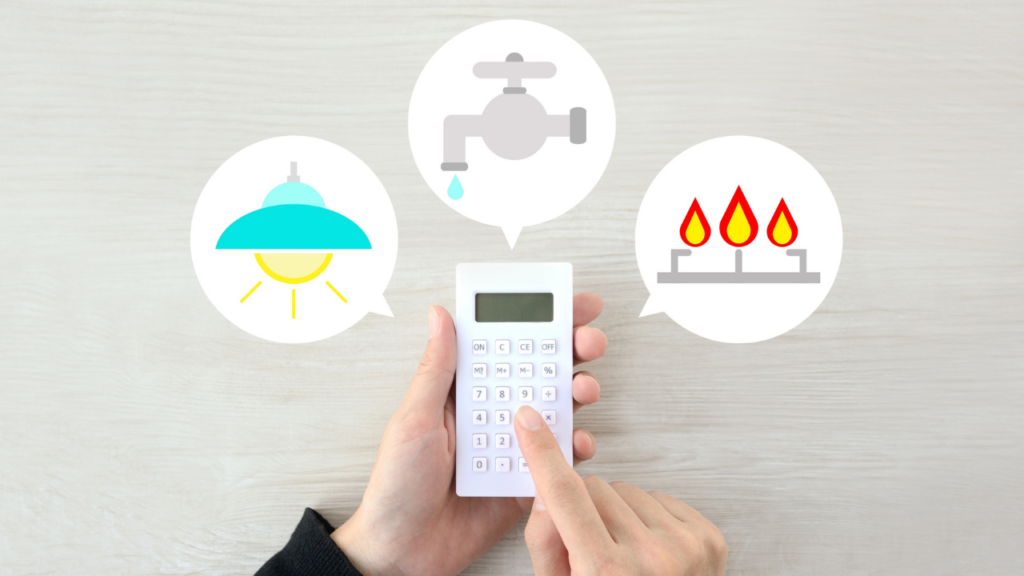
One of the biggest adjustments for many first-time homebuyers happens after they move into their new home. The mortgage payment wasn’t a surprise. The property taxes were discussed during the loan process. Homeowners insurance was required before closing. But then the utility bills start arriving. And suddenly many new homeowners find themselves asking: “Lesley, what utilities am I actually responsible for now?” It’s a question I hear often from first-time buyers, relocation buyers moving from apartments, and families relocating to Minnesota from other states. When you’re renting, many utility costs are often included in your monthly rent. Once you become a homeowner, however, you’re usually responsible for nearly all of them. The good news is that utility expenses are predictable once you understand what to expect. The key is budgeting for them before you buy. As a Minnesota real estate agent, I always encourage buyers to look beyond the mortgage payment and understand the complete cost of homeownership. Let’s break down the utilities Minnesota homeowners commonly pay, what affects those costs, and how you can keep them under control. Why Utility Costs Matter When Buying a Home Two homes can have the exact same purchase price but very different monthly ownership costs. For example: Home A: Home B: Even though the homes cost the same to purchase, one costs over $4,000 more per year to operate. That’s why understanding utility expenses is an important part of choosing the right home. The Most Common Utility Bills Minnesota Homeowners Pay Most homeowners in Minnesota pay for some combination of the following: Not every city handles utilities the same way, but these are the most common expenses. Electricity Electricity powers many of the things we use every day. Examples include: Your electric bill can vary significantly depending on: Home Size Larger homes typically consume more electricity. Household Size More occupants generally means more electricity usage. Appliance Efficiency Older appliances often consume more power than newer energy-efficient models. Air Conditioning Use Minnesota summers may be shorter than in southern states, but they can still be hot and humid. Air conditioning often increases electric bills during summer months. Work-from-Home Lifestyle Remote workers typically use more electricity than households that are empty during the day. Many Minnesota homeowners see seasonal fluctuations in electric bills throughout the year. Natural Gas Natural gas is one of the most important utilities in Minnesota. Many homes use natural gas for: Because Minnesota winters are long and cold, heating costs often become one of the largest utility expenses homeowners face. Winter natural gas bills are usually significantly higher than summer bills. When helping buyers compare homes, I often recommend asking for average utility information whenever possible. A well-insulated home can save hundreds or even thousands of dollars over time. Water Service Most Minnesota homeowners pay for water usage. Water bills typically cover: Several factors influence water costs: Household Size More people generally means more water usage. Irrigation Systems Automatic lawn watering systems can significantly increase water consumption. Landscaping Large lawns often require more watering during summer. Leaks Even small plumbing leaks can increase water bills over time. Fortunately, water bills are often relatively predictable unless there is excessive outdoor watering or plumbing issues. Sewer Charges Sewer service is commonly billed alongside water service. These fees help fund: Many homeowners don’t think about sewer costs until they see the bill. However, sewer fees are a normal part of homeownership throughout much of Minnesota. Trash and Recycling Most communities provide trash and recycling services. Depending on the city, costs may be: Services often include: The exact structure varies by city. Internet Service Internet has become one of the most essential household utilities. For many homeowners, reliable internet is just as important as electricity. Internet costs depend on: Remote workers, students, and families often prioritize higher-speed plans. Cable and Streaming Services While not technically required, entertainment services are often part of household utility budgets. Examples include: Many homeowners are replacing traditional cable with streaming services. Either way, these expenses should be included in your monthly budget. How Minnesota Weather Impacts Utility Costs Minnesota’s climate has a significant impact on utility expenses. Winter Heating Costs Our winters are among the most challenging in the country. It’s not unusual for temperatures to remain below freezing for extended periods. Heating expenses often become the largest utility cost during winter months. Summer Cooling Costs While summers are shorter, air conditioning can still increase utility bills. Humidity often plays a major role in cooling costs. Seasonal Fluctuations Unlike some states where utility costs remain relatively stable, Minnesota homeowners often experience significant seasonal variation. Your January utility bill may look very different from your July bill. What Makes One Home Cheaper to Operate Than Another? Many buyers focus on purchase price while overlooking operating costs. Several factors influence utility expenses. Insulation Good insulation helps homes stay warm in winter and cool in summer. Windows Modern energy-efficient windows can reduce heating and cooling costs. Furnace Efficiency High-efficiency furnaces often use less energy. Home Age Older homes may require more energy to heat and cool. Air Sealing Drafts can significantly increase utility costs. Smart Thermostats Programmable thermostats can help manage energy use. Utility Costs in Townhomes and Condos If you’re buying a condo or townhome, utility responsibilities may differ. Some homeowner associations include certain services such as: Others do not. Always review HOA documents carefully to understand what is included. A lower utility bill may be partially offset by HOA dues. What Relocation Buyers Often Find Surprising Buyers moving from warmer climates often experience sticker shock during their first Minnesota winter. People relocating from: sometimes underestimate heating expenses. However, many are pleasantly surprised by Minnesota’s moderate summer cooling costs compared to hotter regions. The key is understanding that utility spending shifts with the seasons. Ways to Lower Utility Costs Replace Air Filters Regularly Clean filters help HVAC systems operate efficiently. Seal Drafts Weather stripping and caulking can reduce energy loss. Upgrade Thermostats Smart thermostats often improve efficiency. Use Energy-Efficient Appliances Modern
How Much Should I Budget for Home Repairs Each Year in Minnesota?
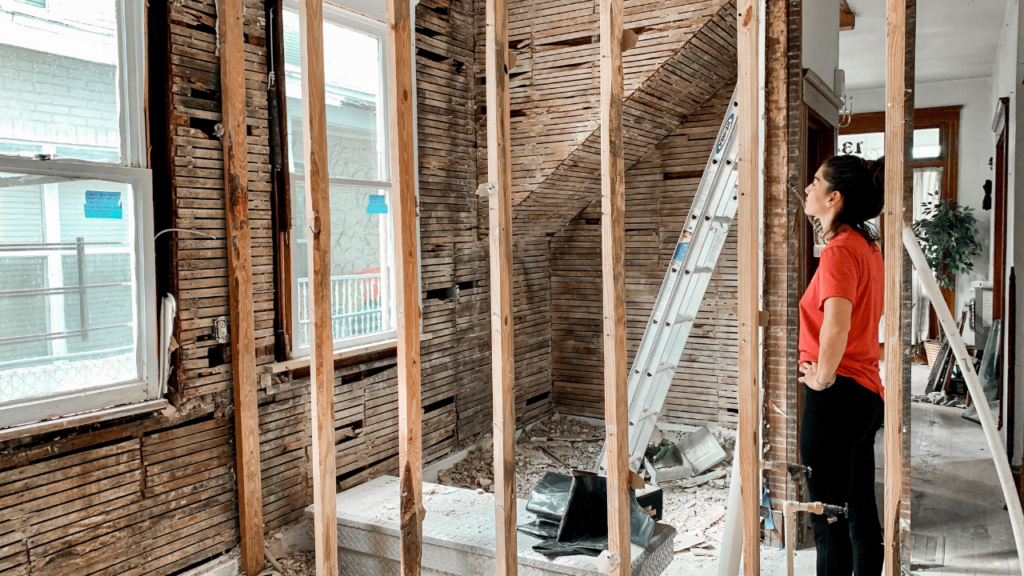
One of the most exciting moments in life is becoming a homeowner. You finally have a place that’s yours. You can paint the walls any color you want, renovate the kitchen, build a deck, or create the backyard you’ve always dreamed about. But along with that freedom comes responsibility. One of the biggest questions I hear from first-time homebuyers is: “Lesley, how much should I budget for repairs each year after I buy a house?” It’s an excellent question because many buyers focus entirely on the mortgage payment and forget that homes occasionally need repairs. A furnace eventually wears out. A water heater stops working. A roof may need repairs after a storm. An appliance reaches the end of its life. The good news is that most home repairs don’t become financial emergencies if you plan ahead. As a Minnesota real estate agent, I always encourage buyers to think beyond closing day. Understanding future repair costs can help you become a more confident homeowner and avoid unnecessary stress. Let’s talk about what Minnesota homeowners should realistically expect when budgeting for repairs. What’s the Difference Between Maintenance and Repairs? Many people use the terms maintenance and repairs interchangeably, but they are different. Maintenance Maintenance is proactive. Examples include: These tasks help prevent larger problems. Repairs Repairs happen when something breaks, fails, or stops functioning properly. Examples include: When budgeting for homeownership, you should plan for both maintenance and repairs. This article focuses specifically on repair costs. The Most Common Budgeting Rules There isn’t a perfect formula because every home is different. However, there are several commonly used guidelines. The 1% Rule One of the most popular rules suggests setting aside approximately 1% of your home’s value annually for repairs and maintenance. Examples: This isn’t a prediction of what you’ll spend every year. Instead, it helps create a long-term reserve. Some years you may spend very little. Other years you may replace expensive systems. The Monthly Savings Approach Many homeowners find it easier to save monthly. Examples: By treating repairs like a regular bill, you create a safety net before problems arise. Why Minnesota Homeowners Need a Repair Fund Minnesota homes face challenges that homes in many other states don’t. Our properties endure: These conditions create wear and tear on homes over time. Even well-maintained homes eventually require repairs. That’s why having a repair reserve is especially important in Minnesota. The Age of Your Home Matters One of the biggest factors affecting repair costs is the age of the property. New Construction Homes Newer homes often experience fewer major repairs during the first several years. Many systems are brand new: However, “new” doesn’t mean “repair-free.” Unexpected issues can still occur. Homes Built 10-20 Years Ago Many systems begin approaching the midpoint of their lifespan. Homeowners may start seeing repairs involving: Older Homes Older homes can be wonderful properties with character and craftsmanship. However, buyers should be prepared for potential repairs involving: A thorough home inspection becomes especially important when purchasing an older home. Common Home Repairs Minnesota Homeowners Face Furnace Repairs In Minnesota, your furnace is one of the hardest-working systems in your home. It may operate for months continuously during winter. Common repair issues include: Because winters can be severe, furnace repairs often become urgent. This is one reason many homeowners prioritize building a repair fund. Water Heater Repairs and Replacement Water heaters don’t last forever. Most eventually require: A failing water heater can create both inconvenience and water damage risks. Many homeowners don’t think about their water heater until there’s suddenly no hot water. Roof Repairs Minnesota weather can be tough on roofs. Common causes of roof repairs include: Minor roof repairs are usually far less expensive than waiting until water enters the home. Sump Pump Failures Minnesota homeowners often rely on sump pumps to protect basements from water intrusion. When a sump pump fails, the consequences can be significant. Regular testing helps, but homeowners should still budget for eventual replacement. Plumbing Repairs Plumbing issues are among the most common home repair expenses. Examples include: Fortunately, many plumbing problems can be addressed before they become major emergencies. Appliance Repairs Even newer appliances eventually wear out. Examples include: Homeowners often underestimate how frequently appliance replacement occurs over the life of ownership. Exterior Repairs Minnesota’s weather affects more than just the interior of a home. Exterior repairs may involve: Seasonal weather exposure creates wear over time. Why Some Years Cost Almost Nothing Many homeowners become concerned when they hear repair budgeting recommendations. They think: “Do I really need thousands of dollars every year?” Not necessarily. You may experience years where your repair expenses are minimal. Perhaps you only spend money on: The purpose of budgeting isn’t because every year will be expensive. The purpose is to prepare for the years that are. The Expensive Years Eventually Arrive Most homeowners eventually experience a year when multiple repairs occur at once. Imagine this scenario: Suddenly you’re facing several unexpected expenses. Homeowners with repair savings can often handle these situations much more comfortably. What Home Inspections Can Tell You One of the best ways to estimate future repair costs is through the home inspection. A quality inspection can provide valuable information about: Roof Age How much life remains? Furnace Age Will replacement likely be needed soon? Water Heater Condition How old is the system? Plumbing Condition Any warning signs? Electrical Systems Any upgrades recommended? The inspection won’t predict every future repair, but it can identify systems approaching the end of their useful life. How Much Should First-Time Buyers Save? For many first-time buyers, building a repair reserve can feel overwhelming. My recommendation is simple: Start somewhere. Even setting aside: is better than having no reserve at all. The habit of saving consistently often matters more than the initial amount. Home Warranty vs Repair Fund Some buyers purchase a home warranty after closing. A home warranty may help cover certain repairs for covered systems and appliances. However, warranties have limitations. They often include: A home
What Is Homeowners Insurance and How Much Does It Cost in Minnesota?
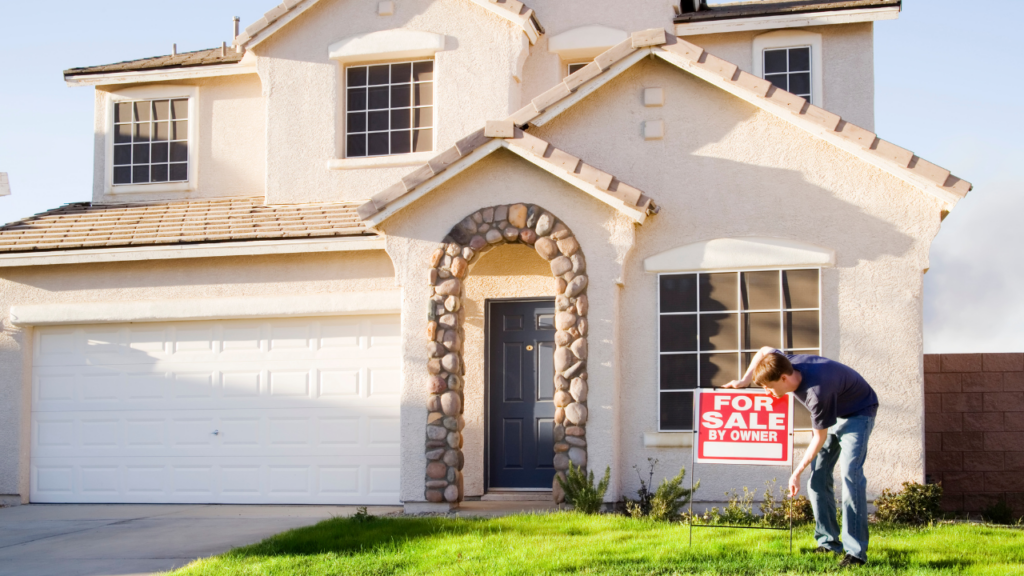
Buying a home is one of the biggest financial decisions you’ll ever make. Most buyers spend a lot of time thinking about the down payment, mortgage payment, and closing costs. But there is another important expense that every homeowner needs to understand before getting the keys: Homeowners insurance. As a Minnesota real estate agent, I’ve noticed that many first-time homebuyers don’t think much about homeowners insurance until their lender asks for proof of coverage a few days before closing. Then suddenly the questions start: “Do I really need it?” “What does it cover?” “How much will it cost?” “Why are the quotes so different?” Understanding homeowners insurance before you buy can help you budget more accurately and avoid unpleasant surprises after moving in. The good news is that homeowners insurance is usually one of the more predictable costs of homeownership. However, what you pay can vary based on the home, location, coverage level, and insurance company you choose. Let’s walk through what homeowners insurance is, what it covers, what it doesn’t cover, and what Minnesota buyers should expect to pay. What Is Homeowners Insurance? Homeowners insurance is a policy that helps protect your home and finances if certain types of damage, accidents, or losses occur. Think of it as a financial safety net. If your home is damaged by a covered event, your insurance policy may help pay for repairs, rebuilding costs, replacement of belongings, legal expenses, and temporary housing in some situations. Most mortgage lenders require homeowners insurance before they will fund your loan. Even if you buy a home with cash, carrying homeowners insurance is usually a smart decision because it protects one of your largest investments. Why Do Mortgage Lenders Require Homeowners Insurance? When a lender gives you hundreds of thousands of dollars to purchase a home, they have a financial interest in protecting that property. If a fire destroys the house tomorrow, both you and the lender could face significant financial losses. That’s why lenders typically require homeowners insurance throughout the life of the mortgage. In most cases, the insurance premium is included in your monthly mortgage payment through an escrow account. Your lender collects a portion each month and pays the insurance company when the premium is due. What Does Homeowners Insurance Typically Cover? While policies vary, most standard homeowners insurance policies provide several important types of protection. Dwelling Coverage This protects the physical structure of your home. Covered events may include: If your home suffers damage from a covered event, dwelling coverage helps pay for repairs or rebuilding. Personal Property Coverage This helps cover your belongings. Examples include: If these items are damaged or stolen due to a covered event, your policy may help replace them. Liability Protection Liability coverage can help protect you financially if someone is injured on your property and you are found responsible. For example: A visitor slips on an icy sidewalk and suffers an injury. Depending on the circumstances, liability coverage may help with legal costs and damages. Additional Living Expenses If your home becomes temporarily uninhabitable due to a covered loss, your policy may help pay for: This coverage can be extremely valuable after a major disaster. Other Structures Coverage This may protect structures that are separate from your home such as: What Doesn’t Homeowners Insurance Cover? One of the biggest misconceptions among homeowners is assuming insurance covers everything. It doesn’t. Several common situations may require additional coverage. Flooding Standard homeowners insurance usually does not cover flood damage. If a property is located in a flood-prone area, separate flood insurance may be necessary. Earth Movement Damage from earthquakes and certain types of ground movement are generally excluded. Wear and Tear Insurance is designed for sudden and accidental losses. It does not typically cover: Pest Damage Damage caused by: is generally considered a maintenance issue rather than an insurance claim. How Much Does Homeowners Insurance Cost in Minnesota? One of the first questions buyers ask is: “What’s the average cost?” The answer depends on several factors, but many Minnesota homeowners pay somewhere between approximately $1,500 and $3,000 per year for a standard homeowners insurance policy. Some homeowners pay less. Others pay significantly more. Your actual premium depends on a variety of factors unique to your situation. Factors That Affect Homeowners Insurance Costs Home Value Generally speaking, more expensive homes cost more to insure. This is because the cost to rebuild the home is higher. Home Size Larger homes usually require higher coverage limits. More square footage often means higher insurance premiums. Age of the Home Older homes sometimes cost more to insure because: Newer homes often qualify for lower premiums. Roof Condition Insurance companies pay close attention to roofs. A newer roof can often reduce insurance costs. An older roof may increase premiums or even create coverage challenges. Location Insurance companies evaluate local risks. Factors may include: Even homes within the same city may receive different insurance quotes. Claims History Previous insurance claims can affect future premiums. Both the property’s history and the homeowner’s personal claims history may be considered. Coverage Limits Higher coverage levels generally result in higher premiums. However, cutting coverage too aggressively may leave you underinsured when you need protection most. Minnesota Weather and Insurance Costs Minnesota’s climate plays a major role in homeowners insurance pricing. We experience: Because weather-related claims occur regularly, insurers factor these risks into pricing. For example, hail damage claims can be extremely expensive and may affect premiums in certain areas. This doesn’t mean insurance is unaffordable. It simply means Minnesota’s weather is part of the risk equation. Should You Shop Around for Insurance? Absolutely. One of the biggest mistakes buyers make is accepting the first insurance quote they receive. Different insurance companies evaluate risk differently. The same home can receive dramatically different quotes from multiple carriers. I often encourage buyers to: Spending an extra hour shopping can potentially save hundreds of dollars per year. Common Homeowners Insurance Discounts Many buyers qualify for discounts they don’t realize exist. Examples include: Bundling
How Are Property Taxes Calculated in Minnesota?
One of the most common questions I hear from homebuyers is: “Lesley, how do they actually calculate property taxes in Minnesota?” It’s a great question because property taxes can significantly impact your monthly payment, and many buyers don’t fully understand how the number on a property tax statement is determined. Some buyers assume it’s simply a percentage of the home’s value. Others think every city charges the same rate. The reality is a little more complicated. Minnesota uses a property tax system that takes into account your home’s value, its classification, your local government budgets, school districts, and other factors. That’s why two homes with similar prices can have very different tax bills. The good news is that you don’t need to become a tax expert to understand the basics. Once you know the key factors involved, it becomes much easier to compare homes and estimate your future housing costs. As a Minnesota real estate agent, I believe buyers should understand not only what they’re paying for a home, but also the long-term costs that come with owning it. Let’s break down how property taxes are calculated in Minnesota in plain English. What Are Property Taxes? Property taxes are taxes assessed on real estate by local governments. These taxes help pay for important community services such as: When you own a home, you’re contributing to the services that help your community function. Unlike your mortgage, property taxes do not disappear after the loan is paid off. They remain an ongoing expense throughout your ownership. The Four Main Factors That Determine Property Taxes Minnesota’s property tax calculation can seem complex, but it generally comes down to four major components: 1. Estimated Market Value The first step is determining what your home is worth. Every year, county assessors estimate the market value of properties within their jurisdiction. This value is known as the Estimated Market Value (EMV). The assessor considers factors such as: The assessed value is intended to reflect what the property would reasonably sell for on the open market. Many buyers are surprised to learn that property taxes are not calculated directly from this market value. Several additional steps happen before the final tax bill is created. Step 2: Property Classification Minnesota classifies properties differently depending on how they’re used. Examples include: Most homebuyers purchasing a primary residence will fall into the residential homestead category. The classification matters because different property types are taxed differently. Minnesota applies classification rates that help determine the property’s tax capacity. For owner-occupied homes, this classification generally provides favorable treatment compared to some non-homestead properties. Step 3: Homestead Benefits One of the advantages of purchasing a primary residence in Minnesota is the Homestead Market Value Exclusion. If the property qualifies as your primary residence, a portion of the home’s value may be excluded from taxation calculations. This exclusion can reduce the taxable value of the property and ultimately lower your tax bill. The benefit is generally larger for lower-valued homes and gradually phases out as home values increase. Many first-time buyers are unaware of this benefit and are pleasantly surprised when they learn how homestead status can help reduce ownership costs. Step 4: Tax Capacity After adjustments such as homestead benefits are applied, Minnesota converts the taxable value into what’s called tax capacity. Think of tax capacity as the value used for tax purposes after state formulas have been applied. The property’s classification rate is multiplied by its taxable value to create the tax capacity. This tax capacity helps determine each property’s share of the total taxes needed by local governments. This is one of the reasons why property tax calculations are more complicated than simply applying a flat percentage to a home’s market value. How Local Governments Affect Your Tax Bill Once tax capacities are calculated, local governments determine how much money they need to operate. This process is known as setting the levy. Local governments include: Each of these entities develops a budget and determines how much revenue must come from property taxes. The total amount needed is divided among taxable properties according to their tax capacity. This means your property tax bill is influenced not only by your home, but also by the budget decisions made in your community. Why Similar Homes Can Have Different Tax Bills This is one of the most important concepts for buyers to understand. Imagine two homes: One home is located in a suburb with extensive city services, newer infrastructure projects, and a higher school district levy. The other is located in an area with lower local levies. Even though the homes have similar values, their property tax bills may differ significantly. That’s why I always encourage buyers to review the actual property tax history of each home they are considering. Special Assessments Can Increase Costs Property taxes aren’t always the only charges appearing on a tax statement. Some homeowners may also pay special assessments. Examples include: These costs are often added to property tax bills and can affect monthly ownership expenses. When reviewing homes with buyers, I always recommend looking for any special assessments that may be attached to the property. A Simplified Example Let’s imagine a home has: The local governments then determine how much revenue they need and apply the applicable tax rates. The result might be a property tax bill somewhere between $4,000 and $6,000 annually depending on location. The exact calculation can vary significantly from one city to another. This example illustrates why purchase price alone doesn’t tell the full story. How Property Taxes Affect Monthly Mortgage Payments Most homeowners pay property taxes through escrow. Instead of paying the county directly every month, your mortgage lender collects a portion of the annual taxes with your mortgage payment. Your monthly payment generally includes: If your annual property taxes are $6,000, approximately $500 per month may be included in your mortgage payment for taxes alone. This is why two homes with similar purchase prices can produce very different monthly payments. Can Property Taxes
What Are Property Taxes Like in Minnesota?
Buying a home is exciting, but for many first-time homebuyers, one of the biggest surprises comes after closing day. It’s not the mortgage payment. It’s not the utility bills. It’s property taxes. Almost every buyer asks me some version of the same question: “Lesley, what are property taxes like in Minnesota?” It’s a smart question because property taxes can significantly impact your monthly housing costs. Two homes with similar prices can have very different tax bills depending on where they’re located. If you’re planning to buy a home in Minneapolis, St. Paul, the suburbs, or anywhere else in Minnesota, understanding how property taxes work will help you budget more accurately and avoid surprises after moving in. As a Minnesota real estate agent, I spend a lot of time helping buyers understand not just the purchase price of a home, but the true cost of ownership. Property taxes are a major piece of that puzzle. What Are Property Taxes? Property taxes are taxes paid by homeowners to local governments based on the value of their property. The money collected helps fund essential community services such as: In simple terms, property taxes help keep your community running. Unlike your mortgage, which eventually gets paid off, property taxes continue for as long as you own the property. Are Property Taxes High in Minnesota? Compared to many states, Minnesota generally has moderate to higher property taxes. That doesn’t necessarily mean Minnesota is expensive overall. In fact, many buyers find they get more house for their money here compared to places like California, Washington, New York, or Massachusetts. However, property taxes are something you should pay close attention to when shopping for homes. Minnesota’s average effective property tax rate is often above the national average, although exact rates vary significantly by city, county, school district, and property value. A home in one suburb may have annual taxes thousands of dollars higher than a similar home just a few miles away. Why Do Property Taxes Vary So Much? Many buyers assume property taxes are based only on home value. That’s only part of the equation. Property taxes can vary because of: County Location Different counties have different tax rates. For example: all calculate taxes slightly differently based on local budgets and levies. School District Funding Schools are one of the biggest drivers of property taxes. Homes located in highly rated school districts often contribute more toward education funding. City Services Communities offering more amenities and services often require larger tax revenues. Examples include: Special Assessments Some neighborhoods have special assessments that can increase annual property taxes. Examples include: These costs may be temporary or long-term depending on the project. What Do Property Taxes Look Like on a Typical Minnesota Home? Let’s look at a simplified example. Imagine a home priced at $400,000. Annual property taxes might range somewhere between: depending on location. That’s a substantial difference. At $4,000 per year, your monthly tax portion is about $333. At $6,500 per year, your monthly tax portion jumps to about $542. That’s over $200 more every month despite having the same purchase price. This is why I encourage buyers to focus on total monthly payment rather than purchase price alone. How Property Taxes Affect Mortgage Payments Most homeowners pay property taxes through an escrow account. Here’s how it works: Your lender estimates annual taxes. That amount is divided into monthly payments. Each month, you pay: The lender collects the tax portion and holds it in escrow until taxes are due. This means higher property taxes directly increase your monthly mortgage payment. Why New Homeowners Sometimes Get Surprised One common surprise happens after a buyer purchases a home that was previously owned by someone who qualified for special tax benefits. The tax amount shown before closing may not always reflect what the new owner will pay. Property values can also be reassessed. This is one reason why buyers should review property tax history carefully and discuss future tax estimates with their lender and Realtor. Are Property Taxes Deductible? For some homeowners, property taxes may provide certain federal tax benefits. Tax laws change regularly and individual situations vary. It’s always best to speak with a qualified tax professional or CPA regarding deductions available to you. Many homeowners find that homeownership offers tax advantages that renting does not provide. Can Property Taxes Increase? Yes. Property taxes can rise over time. Common reasons include: Increased Property Value As home values rise, assessed values may increase. Local Budget Changes Cities and counties occasionally adjust tax levies to fund services. New Community Improvements Infrastructure projects can affect local tax obligations. School Funding Changes School district budgets may also impact future tax bills. While increases don’t happen dramatically every year, homeowners should expect some changes over time. How Buyers Should Evaluate Property Taxes Before Making an Offer When helping buyers evaluate homes, I encourage them to ask: What were the taxes last year? Reviewing tax history helps identify trends. Has the property been recently reassessed? A reassessment could impact future costs. Are there special assessments? These can add unexpected expenses. What is the total monthly payment? Focus on: The monthly payment is often more important than the home’s purchase price. Minnesota Homestead Status Matters Minnesota offers a Homestead Classification for owner-occupied homes. When a property qualifies as a homestead: Most buyers purchasing a primary residence will want to ensure they apply for homestead status after closing. This can help reduce long-term property tax costs. Property Taxes vs Rent Increases Some renters worry about property taxes making homeownership expensive. But it’s important to compare them against rent increases. When you rent: When you own: Many Minnesota homeowners find that ownership provides greater long-term financial stability despite ongoing property tax obligations. Common Property Tax Mistakes Buyers Make Looking Only at Purchase Price A cheaper home with high taxes may cost more monthly than a slightly more expensive home with lower taxes. Ignoring Tax History Past tax records often reveal important trends. Forgetting Future Increases Taxes rarely