
What Areas Offer the Best Value for Homebuyers in Minnesota? A 2026 Buyer’s Guide

If you’re planning to buy a home in Minnesota, there’s a good chance you’re asking a question that almost every buyer asks at some point: “Where can I get the most value for my money?” Notice I didn’t say the cheapest home. Because value and affordability aren’t always the same thing. The cheapest house isn’t necessarily the best investment. And the most expensive neighborhood isn’t always the best place to build long-term wealth. When buyers talk about value, they’re usually looking for a combination of factors: The good news is that Minnesota offers a wide variety of communities that provide excellent value depending on your goals. Whether you’re a first-time buyer, a growing family, a relocation buyer, or someone looking to downsize, there are areas throughout Minnesota that deliver a lot of bang for your buck. Let’s explore what value really means and where buyers are finding it in 2026. What Does “Value” Mean in Real Estate? One of the biggest mistakes buyers make is assuming value equals price. It doesn’t. A $300,000 home that appreciates steadily over time may provide far more value than a $250,000 home that struggles to attract future buyers. Real estate value often comes from a combination of: The goal isn’t simply buying the least expensive property. The goal is purchasing a home that supports both your lifestyle and your financial future. Why Minnesota Continues to Attract Buyers Minnesota remains attractive because it offers something many buyers struggle to find elsewhere: Balance. The state combines: Compared to many coastal states, buyers often find more opportunities to purchase a home without sacrificing lifestyle. That combination creates value in itself. Lakeville: Consistent Value for Families Lakeville continues to attract buyers looking for a balance between affordability and amenities. Many homeowners appreciate: Lakeville has experienced significant growth while maintaining a family-friendly atmosphere. For many buyers, it offers the right mix of convenience and long-term potential. Woodbury: Growth and Convenience Woodbury remains one of the most popular communities in the eastern Twin Cities metro. Buyers are often drawn to: Woodbury isn’t necessarily the cheapest suburb, but many buyers believe the overall lifestyle and amenities provide strong value. Otsego: Affordable New Construction Opportunities One of the communities that frequently appears on buyers’ radar is Otsego. Why? Because many buyers can still find: For first-time buyers and relocation buyers, Otsego often provides opportunities that may be harder to find in more established communities. Rogers: Location and Growth Rogers has become increasingly attractive because of its location. Residents often appreciate: As development continues, many buyers view Rogers as a community with strong future potential. Cottage Grove: A Popular Value Market Cottage Grove has gained attention among buyers seeking: Many buyers find that Cottage Grove offers more home for their money compared to some neighboring communities. Maple Grove: Premium Value Maple Grove is an interesting example because it’s not typically considered inexpensive. Yet many buyers still view it as a strong value. Why? Because value isn’t only about price. Maple Grove offers: Many residents believe the lifestyle benefits justify the investment. Farmington: A Hidden Gem Farmington often flies under the radar compared to larger suburban communities. However, many buyers appreciate: For buyers focused on stretching their budget, Farmington deserves consideration. St. Michael: Popular Among Growing Families St. Michael continues attracting buyers who want: Many families moving from inner-ring suburbs discover they can gain additional space without sacrificing quality of life. Value Beyond the Twin Cities The Twin Cities aren’t the only place where buyers find value. Several regional cities continue attracting homebuyers. Rochester Rochester offers: Mankato Mankato remains popular because of: St. Cloud Many buyers appreciate St. Cloud’s combination of: Schools Can Influence Long-Term Value Even buyers without children often pay attention to school districts. Strong schools can influence: Communities with desirable schools often maintain stronger housing demand over time. Parks, Trails, and Recreation Matter Minnesota residents love outdoor recreation. Communities with: Often attract buyers seeking an active lifestyle. These amenities can contribute significantly to long-term value. Future Development Creates Opportunity Many buyers look for communities experiencing growth. New investments may include: Growth doesn’t guarantee appreciation, but it often signals strong community demand. What Relocating Buyers Notice People moving from states like California, Washington, Colorado, and New York often notice how much more housing they can afford. They frequently find: This increased purchasing power creates value beyond simple price comparisons. Real Example Imagine two buyers with the same budget. Buyer One chooses a community with stagnant growth and limited amenities. Buyer Two chooses a growing suburb with strong schools, expanding infrastructure, and increasing demand. Ten years later, Buyer Two may experience stronger appreciation and greater marketability. That’s the difference between price and value. Common Misconceptions Cheapest Means Best Value Not always. Value includes long-term potential and lifestyle considerations. Expensive Areas Have No Value Premium communities often offer strong amenities and long-term demand. Value Is Only About Appreciation Lifestyle, convenience, and community matter too. Frequently Asked Questions What Minnesota suburb offers the best value? It depends on your goals, but communities like Lakeville, Woodbury, Otsego, Rogers, Cottage Grove, and Farmington are frequently considered. Is new construction a good value? For many buyers, yes, especially when considering maintenance and energy efficiency. Do schools affect home values? Often, yes. Strong schools can increase buyer demand. Are smaller communities a better value? Sometimes. Many offer affordability and quality of life benefits. How can I identify future value? Look at community growth, infrastructure improvements, housing demand, and local amenities. Final Thoughts The best value in Minnesota real estate isn’t necessarily found in the cheapest neighborhood. It’s found in communities that provide a strong combination of affordability, lifestyle, amenities, and future potential. Every buyer’s definition of value is different. Some prioritize schools. Others prioritize commute times. Others want more square footage or access to outdoor recreation. The key is finding a community that supports both your current needs and your long-term goals. If you’re considering buying a home in Minnesota and want help identifying communities that offer the
What Is the Cost of Living in Minneapolis vs the Suburbs? A 2026 Guide for Homebuyers and Relocating Families
One of the biggest decisions people face when moving to Minnesota isn’t whether to buy a home. It’s where to buy one. For many buyers, the debate often comes down to two options: Should I live in Minneapolis? Or should I move to the suburbs? It’s a question that comes up almost every week when I talk with relocating families, first-time buyers, and even longtime Minnesota residents looking for a change. The answer depends on your priorities. Some people love the energy, convenience, and walkability of Minneapolis. Others prefer the extra space, newer homes, and quieter neighborhoods often found in the suburbs. But beyond lifestyle, there’s another major factor to consider: Cost. Many buyers assume Minneapolis is automatically more expensive. Others assume the suburbs are always cheaper. The reality is much more nuanced. Let’s look at what it really costs to live in Minneapolis versus the suburbs and how to decide which option might fit your lifestyle and budget. Why This Comparison Matters The Twin Cities metro is one of the largest and most diverse housing markets in the Midwest. Within a relatively short drive, you can find: That variety creates opportunities for buyers at many different price points. However, your monthly expenses can vary significantly depending on where you choose to live. Housing Costs: Minneapolis vs Suburbs Housing is usually the largest expense for most households. That’s why it’s often the first place buyers start when comparing locations. One thing that surprises many newcomers is that Minneapolis isn’t always more expensive than the suburbs. In fact, some highly desirable suburban communities command home prices that exceed many Minneapolis neighborhoods. The difference often comes down to: For example, certain Minneapolis neighborhoods may offer smaller homes on smaller lots at price points comparable to suburban properties. Meanwhile, some highly sought-after suburbs may feature larger homes with higher overall purchase prices. There is no universal rule. Each neighborhood should be evaluated individually. What Buyers Get in Minneapolis People who choose Minneapolis often prioritize convenience and lifestyle. Benefits may include: For some buyers, these lifestyle benefits justify higher housing costs in specific neighborhoods. Others appreciate the unique character of Minneapolis homes. Many neighborhoods feature: That’s difficult to replicate in newer developments. What Buyers Get in the Suburbs Suburban buyers are often looking for something different. Common priorities include: For families especially, the suburbs can provide space that may be difficult to find within the city. Many suburban communities also continue to add: The suburban lifestyle has evolved considerably over the years. Property Taxes Can Vary Many relocating buyers focus entirely on purchase price. However, property taxes can significantly impact monthly housing costs. Taxes vary based on: A lower purchase price doesn’t always translate into a lower monthly cost if property taxes differ significantly. This is one reason it’s important to evaluate the complete financial picture rather than focusing solely on list prices. Transportation Costs Transportation is one of the biggest differences between city and suburban living. Many Minneapolis residents enjoy: Suburban residents often drive more frequently. That may increase expenses related to: However, some suburban residents work remotely or have flexible schedules, reducing the impact of commuting costs. Your personal situation matters. Utilities and Home Maintenance Home size often affects utility expenses. In general: That said, newer suburban homes often feature: Older Minneapolis homes may offer charm and character, but they sometimes require additional maintenance or updates. Neither option is inherently better. It’s simply important to understand the tradeoffs. Lifestyle Spending This is a category many buyers overlook. Where you live often influences how you spend your money. For example, Minneapolis residents may spend more on: Suburban residents may spend more on: Again, neither approach is right or wrong. Lifestyle preferences often drive these decisions. Families Often Compare School Districts For households with children, schools frequently influence location decisions. Many suburban communities are known for highly regarded school districts. As a result, strong demand often supports housing values. That doesn’t mean Minneapolis lacks quality educational opportunities. However, school considerations often become a major factor during the home search process. Safety and Community Feel Every buyer defines community differently. Some people love vibrant urban environments. Others prefer quieter neighborhoods. When evaluating locations, buyers often consider: The right fit depends entirely on personal preference. Minneapolis Offers Unique Neighborhoods One reason many buyers choose Minneapolis is the variety of neighborhood experiences available. Examples include: Each area offers a distinct personality. This variety appeals to buyers seeking walkability, culture, and community identity. Popular Suburbs for Different Budgets Minnesota suburbs vary dramatically in price and lifestyle. Some popular choices include: Each community attracts different buyers based on housing styles, schools, amenities, and commuting preferences. What Relocating Families Often Notice Many people moving from states like California, Washington, Colorado, or New York are surprised by the amount of space available throughout the Twin Cities region. In Minneapolis, they often appreciate: In the suburbs, they often appreciate: Both lifestyles offer compelling advantages. Real Example Imagine two families relocating to Minnesota. Family A prioritizes: They choose Minneapolis. Family B prioritizes: They choose a suburb like Lakeville or Maple Grove. Both families may spend similar amounts overall, but they allocate their money differently based on priorities. Common Misconceptions Minneapolis Is Always More Expensive Not necessarily. Some suburbs have significantly higher housing costs than many city neighborhoods. Suburban Living Is Always Cheaper Also not true. Highly desirable suburban communities can command premium prices. The Decision Is Only About Money Lifestyle preferences often matter just as much as affordability. Frequently Asked Questions Is Minneapolis more expensive than the suburbs? It depends on the neighborhood and suburb being compared. Where can I get more house for my money? Many suburban communities offer larger homes and lots for similar budgets. Are utilities higher in the suburbs? Sometimes, especially if homes are larger. Is commuting more expensive from the suburbs? It can be, depending on distance and driving habits. Which is better for families? That depends on family priorities, schools, lifestyle preferences, and housing goals. Final
What Is the Cost of Living in Minnesota Suburbs? A 2026 Guide for Homebuyers and Relocating Families
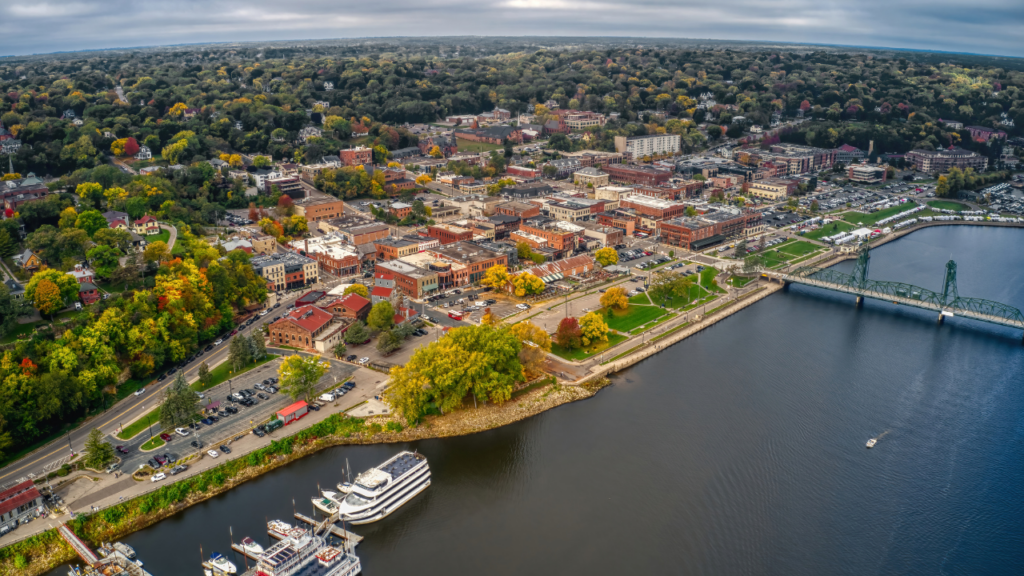
If you’re thinking about moving to Minnesota, there’s a good chance you’ve spent time looking at suburbs around Minneapolis and St. Paul. And one of the first questions people ask is: “What does it actually cost to live in the suburbs?” It’s a smart question. Many people relocating to Minnesota assume suburban living automatically means higher costs. Others believe moving farther away from the city guarantees affordability. The truth usually falls somewhere in the middle. Minnesota suburbs offer a wide range of lifestyles, housing options, school districts, amenities, and price points. Some communities are known for luxury homes and executive neighborhoods. Others attract first-time buyers looking for affordability and value. The good news is that most buyers can find a Minnesota suburb that fits their budget if they understand what factors influence the true cost of living. Let’s take a realistic look at what it costs to live in Minnesota suburbs and what buyers should consider before choosing a community. Why So Many People Choose the Suburbs For decades, suburban living has been one of the most popular choices for Minnesota homeowners. People are often attracted to suburbs because they offer: For many families, the suburbs provide a balance between convenience and lifestyle. You can often enjoy access to major employment centers while still having more room to spread out. Housing Is Usually Your Biggest Expense When discussing cost of living, housing is usually the largest monthly expense. The good news is that Minnesota suburbs offer tremendous variety. You’ll find: The suburb you choose will have a major impact on your monthly housing costs. For example, communities closer to downtown Minneapolis or St. Paul may command higher prices due to location and convenience. Meanwhile, outer-ring suburbs may offer more square footage for the same budget. First-Ring vs Outer-Ring Suburbs Not all suburbs are the same. Minnesota suburbs are often categorized by proximity to the Twin Cities. First-Ring Suburbs These communities are located closest to Minneapolis and St. Paul. Examples include: Benefits often include: However, housing costs can sometimes be higher because of demand and limited inventory. Outer-Ring Suburbs Examples include: Benefits often include: Many buyers find their housing dollars stretch further in these areas. Property Taxes Matter One factor many relocating buyers overlook is property taxes. When comparing homes, it’s important to evaluate: Two homes with similar prices may have different ownership costs because of tax differences. Taxes vary by city, county, school district, and property characteristics. That’s why it’s important to look beyond the listing price alone. Utilities in Minnesota Suburbs Utilities are another cost homeowners should consider. Common utility expenses include: Many suburban homes are larger than urban condos or apartments. As a result, utility costs may vary depending on: Newer homes often benefit from improved insulation and energy-efficient systems. Transportation Costs One advantage of suburban living is access to more housing options. One tradeoff can be transportation. Many suburban residents commute to work. Transportation expenses may include: The impact depends largely on where you work and how frequently you commute. For some households, a longer commute is worth the additional space and affordability. For others, proximity becomes more important. Grocery and Everyday Costs One pleasant surprise for many newcomers is that everyday living expenses tend to remain relatively manageable throughout much of Minnesota. Most suburban communities provide easy access to: Competition among businesses often helps keep costs reasonable. School Districts Can Influence Housing Costs Even buyers without children often pay attention to school districts. Why? Because school district reputation can influence: Communities known for highly regarded schools often experience stronger buyer demand. That demand can affect housing prices. Popular Minnesota Suburbs for Value Many buyers searching for affordability explore communities such as: Each community offers a unique balance of affordability, amenities, and lifestyle. The right fit depends on your goals. What Relocating Families Often Notice Families moving from higher-cost states frequently comment on the amount of space available in Minnesota suburbs. For example, buyers relocating from: Often discover they can purchase: For many families, this creates significant value. Recreation Adds Value Minnesota suburbs are known for outdoor amenities. Many communities offer: These amenities contribute to quality of life without requiring expensive memberships or travel. Many residents consider this one of the hidden benefits of suburban living. New Construction Opportunities Minnesota continues to experience suburban growth. As a result, many communities offer new construction neighborhoods. Benefits may include: For some buyers, these advantages justify slightly higher purchase prices. What Surprises New Residents Most Many people expect suburban life to feel disconnected from major amenities. Instead, they often discover: Minnesota suburbs often provide a blend of convenience and space that attracts a wide range of buyers. Real Example Imagine a family relocating from a major metropolitan area. Their budget allows for a modest home near the city center where they currently live. In many Minnesota suburbs, that same budget may provide: This is one reason many relocating families find strong value in suburban communities. Common Misconceptions All Minnesota Suburbs Are Expensive Not true. Many communities offer affordable housing opportunities. Living Farther Out Is Always Cheaper Not necessarily. Some outer-ring communities are highly desirable and command premium prices. Property Taxes Are the Only Cost That Matters Housing costs, transportation, utilities, and lifestyle expenses all contribute to affordability. Frequently Asked Questions Are Minnesota suburbs affordable? Many are, especially compared to larger metropolitan areas in other states. What is the most affordable suburb near Minneapolis? Affordability varies, but communities such as Farmington, Otsego, Buffalo, and Elk River are often explored by budget-conscious buyers. Are suburban homes larger? In many cases, yes. Buyers often find larger homes and lots compared to urban neighborhoods. Is suburban living cheaper than living in Minneapolis? It depends on the suburb, housing type, commute, and lifestyle preferences. What is the biggest cost of suburban living? Housing is typically the largest expense for most households. Final Thoughts The cost of living in Minnesota suburbs depends on where you choose to live, how much space you want, and the
How Do I Choose Where to Live After Moving to Minnesota? (2026 Relocation Guide)

One of the biggest mistakes people make when relocating to Minnesota is spending all their time searching for the perfect house before deciding where they actually want to live. I understand why. Scrolling through listings is exciting. Looking at kitchens, backyards, and floor plans is fun. But here’s the truth: The house matters. The location matters more. I’ve worked with many families relocating from California, Texas, Florida, Illinois, Colorado, and other states. Almost every one of them starts by asking about homes. Eventually, the conversation shifts. Because after they learn more about Minnesota, they realize something important: The lifestyle you want should determine where you live. Not the other way around. Minnesota offers a wide variety of living experiences. Someone living in downtown Minneapolis may have a completely different lifestyle than someone living in Lakeville, Woodbury, Maple Grove, Stillwater, or Prior Lake. None of those choices are automatically better. They’re simply different. If you’re moving to Minnesota and wondering where you should live, here’s how I recommend approaching the decision. Start With Your Daily Life, Not Your House Most people begin their home search backwards. They start by asking: “How many bedrooms can I get?” “What can I buy for my budget?” Those questions matter. But before asking those questions, ask yourself: “What do I want my daily life to look like?” Think about: The answers will often point you toward the right community. Decide How Much Space You Need One of the biggest reasons people move to Minnesota is space. Many relocating buyers discover they can afford: But bigger isn’t always better. Ask yourself: Do you want: Your answers help narrow your search dramatically. Consider Your Commute Even with remote work becoming more common, commute time still matters. Many buyers initially focus on maximizing house size. Then they realize they’re adding 45 minutes to their daily commute. That’s why I encourage buyers to think about: Sometimes a slightly smaller home closer to work creates a much better quality of life. Think About Your Family’s Stage of Life The right location often depends on where you are in life. For example: Young professionals may prioritize: Families may prioritize: Retirees may prioritize: Your ideal neighborhood should support your current lifestyle. Understand That Every Suburb Has Its Own Personality Many relocating buyers assume suburbs are all similar. They’re not. For example: Some communities feel more urban. Some feel more family-oriented. Some emphasize outdoor recreation. Some offer historic charm. Some provide newer development. This is why visiting communities matters so much. The vibe of a neighborhood often tells you more than statistics ever will. Think About Schools Even If You Don’t Have Children This surprises some buyers. Even if you don’t currently have children, school districts can influence: Many buyers consider school quality as part of their long-term investment strategy. Decide How Important Walkability Is Not everyone wants the same lifestyle. Some people want: Others prefer: Neither choice is wrong. But understanding your preference helps narrow your options. Consider Access to Outdoor Recreation One thing many people love about Minnesota is outdoor living. Think about whether proximity to the following matters: Some communities are particularly attractive to buyers who prioritize outdoor recreation. Don’t Underestimate Community Events This may sound minor. It isn’t. Many buyers fall in love with communities because of the atmosphere. Things like: Can dramatically impact your experience living somewhere. A neighborhood isn’t just where you sleep. It’s where you live. Visit at Different Times of Day If possible, visit neighborhoods: A neighborhood can feel very different depending on when you visit. This gives you a more complete picture of daily life. Think Beyond the First Year Many buyers focus only on what they need right now. Instead, ask: “What will I want in five years?” Your needs may change. For example: Thinking long-term often leads to better decisions. Explore Both Minneapolis and St. Paul Many newcomers assume Minneapolis and St. Paul are essentially the same. They’re not. Each city has its own personality. Minneapolis often appeals to buyers seeking: St. Paul often attracts buyers looking for: Both offer excellent opportunities depending on your preferences. Don’t Rule Out the Suburbs The Twin Cities suburbs offer tremendous variety. Communities like: Each provide unique lifestyles and amenities. Many relocating families ultimately find their perfect fit in suburban communities. Rent First If Necessary Not everyone needs to buy immediately. In some situations, renting for several months can be valuable. This allows you to: There’s no rule that says you must buy immediately after relocating. Work With Someone Who Knows the Communities Online research helps. But it only goes so far. A local real estate professional can help explain: That’s often information you can’t fully understand from a website. Common Mistakes Relocating Buyers Make Some of the biggest mistakes include: The right home in the wrong location often leads to disappointment. The right location can dramatically improve your overall experience. Frequently Asked Questions What is the best area to live in Minnesota? There is no single best area. The right location depends on your lifestyle, budget, commute, and priorities. Should I choose a city or suburb? That depends on your goals. Some buyers prefer urban living while others value space, schools, and suburban amenities. How important are school districts? School districts can impact both quality of life and future resale value. Is it better to rent before buying? For some relocating buyers, renting first can provide valuable insight into local communities. What matters most when choosing a neighborhood? Lifestyle fit is often more important than the home itself. Final Thoughts When people relocate to Minnesota, they often focus on finding the perfect house. But the smartest buyers focus on finding the right lifestyle. The right neighborhood. The right community. The right daily experience. Because after the excitement of moving fades, what matters most is how you feel living there every day. If you’re planning a move to Minnesota and want help comparing communities, neighborhoods, schools, and lifestyle options, I’d be happy to help. 👉
What Lifestyle Factors Should I Consider Before Buying a Home in Minnesota? (2026 Homebuyer Guide)

When most people start looking for a home, they focus on things like: ✔️ Price ✔️ Bedrooms ✔️ Bathrooms ✔️ Square footage ✔️ School districts ✔️ Interest rates And while those things absolutely matter… They’re only part of the equation. Because after the excitement of closing day wears off, your daily lifestyle is what you’ll experience every single day. The reality is that many buyers spend weeks comparing homes but only a few minutes thinking about how they actually want to live. And honestly? That’s often where regrets happen. I’ve worked with buyers who purchased beautiful homes that checked every box on paper. The house was perfect. The neighborhood looked great. The payment fit their budget. But six months later they realized something wasn’t quite right. Why? Because the home fit their budget… But it didn’t fit their lifestyle. Meanwhile, I’ve seen buyers choose a home that wasn’t quite as large or as updated, but it supported the way they wanted to live. Years later they’re still happy with their decision. That’s because buying a home isn’t just a financial decision. It’s a lifestyle decision. You might be wondering: • What lifestyle factors matter most? • How do I know what I’ll want in five years? • Should I prioritize commute or space? • How important are nearby amenities? • Does walkability matter? • What should I think about beyond the house itself? • How do I avoid buyer’s remorse? Let’s talk about it. 🏡 Start With How You Actually Live One of the biggest mistakes buyers make is shopping for an idealized version of their life. Instead, start with reality. Ask yourself: ✔️ How do I spend my weekdays? ✔️ What do my weekends look like? ✔️ How often do I go out? ✔️ How often do I entertain? ✔️ Do I enjoy being around people? ✔️ Do I prefer privacy? For example: If you rarely go downtown, paying a premium to live near downtown may not improve your quality of life. If you love outdoor activities, being near parks and trails may matter far more. The right home supports how you actually live—not how you imagine yourself living. 🏡 Consider Your Commute Carefully A commute affects your life more than many buyers realize. Think about: ✔️ Time spent driving ✔️ Traffic patterns ✔️ Winter weather ✔️ Work schedule ✔️ Fuel costs ✔️ Stress levels Many buyers initially prioritize getting more house. Then they realize the extra commute time affects them every day. Ask yourself: 👉 Would I rather have a bigger home or more free time? There isn’t a wrong answer. But it’s worth thinking through before buying. 🏡 Think About Your Social Life Some buyers love being near: ✔️ Restaurants ✔️ Coffee shops ✔️ Breweries ✔️ Entertainment ✔️ Community events Others prefer: ✔️ Quiet evenings ✔️ Larger lots ✔️ Privacy ✔️ Less traffic Neither choice is better. The key is matching your home location to the lifestyle you enjoy. 🏡 Outdoor Recreation Matters in Minnesota Minnesota is known for outdoor living. Many residents spend significant time enjoying: ✔️ Lakes ✔️ Parks ✔️ Walking trails ✔️ Bike paths ✔️ Golf courses ✔️ Outdoor events If outdoor recreation is important to you, proximity to these amenities may significantly impact your happiness. Some buyers rarely use them. Others use them every week. Know which category you’re in. 🏡 Consider Future Family Plans Even if your family situation isn’t changing today, think about where you might be in a few years. Questions to consider: ✔️ Do I plan to have children? ✔️ Will aging parents need support? ✔️ Could family size change? ✔️ Will I need additional space later? You don’t need to predict the future perfectly. But thinking ahead can help you make a smarter decision. 🏡 Walkability Isn’t Important to Everyone Walkability gets a lot of attention. And for some buyers, it’s extremely important. They love being able to walk to: ✔️ Restaurants ✔️ Parks ✔️ Stores ✔️ Coffee shops Others don’t care at all. They’d rather drive and have: ✔️ More space ✔️ Larger lots ✔️ Greater privacy The important thing is understanding your own preferences. 🏡 How Much Home Do You Really Need? This question surprises a lot of buyers. Because many people assume: 👉 Bigger is better. But bigger homes often come with: ✔️ Higher utility bills ✔️ More maintenance ✔️ More cleaning ✔️ Higher furnishing costs Extra space is wonderful when you’ll actually use it. But unused square footage doesn’t necessarily improve your lifestyle. 🏡 Community Feel Matters More Than Many Buyers Expect Some neighborhoods feel: ✔️ Active ✔️ Social ✔️ Community-oriented Others feel: ✔️ Quiet ✔️ Private ✔️ Independent Neither is right or wrong. But after moving in, many buyers discover the neighborhood atmosphere matters almost as much as the home itself. 🏡 Think About Convenience Convenience affects your daily life in ways many buyers underestimate. Consider proximity to: ✔️ Grocery stores ✔️ Healthcare ✔️ Schools ✔️ Fitness centers ✔️ Restaurants ✔️ Shopping ✔️ Services Running everyday errands becomes much easier when essential destinations are nearby. 🏡 Remote Work Changes Homebuying Decisions A lot of Minnesota buyers now work: ✔️ Fully remote ✔️ Hybrid schedules ✔️ Flexible schedules This changes what matters. If you’re home most days, you may prioritize: ✔️ Home office space ✔️ Internet service ✔️ Neighborhood atmosphere ✔️ Outdoor living ✔️ Quiet surroundings Rather than commute convenience. 🏡 Consider Seasonal Living Minnesota has four distinct seasons. And your home should work for all of them. Think about: ✔️ Winter driving ✔️ Snow removal ✔️ Summer recreation ✔️ Seasonal activities ✔️ Outdoor space A neighborhood that feels perfect in July should still work for you in January. 🏡 Budget Impacts Lifestyle Too This is something many buyers forget. The goal isn’t simply buying the most house possible. It’s maintaining a lifestyle you enjoy after moving in. A home that stretches your budget too far may limit: ✔️ Travel ✔️ Hobbies ✔️ Savings ✔️ Entertainment ✔️ Financial flexibility Sometimes a slightly less
What Is Retirement Life Like in Minnesota? (2026 Lifestyle Guide)
If you’re thinking about retiring in Minnesota — or helping parents relocate here — there’s a good chance you’re wondering: 👉 “What is retirement life actually like?” And honestly? For a lot of people, Minnesota ends up being a MUCH better retirement fit than they originally expected. Yes…The winters are real. But so are:✔️ Strong communities✔️ Beautiful summers✔️ Outdoor recreation✔️ Healthcare access✔️ Active suburban living✔️ Quiet neighborhoods✔️ Community involvement✔️ Family-oriented culture And honestly? Many retirees say Minnesota feels:👉 Stable, manageable, and comfortable long-term. Especially compared to places where:✔️ Traffic feels nonstop✔️ Cost of living feels overwhelming✔️ Communities feel disconnected✔️ Daily life feels rushed A lot of retirees moving here are looking for:✔️ Slower pace of life✔️ Better work-life balance after retirement✔️ More space✔️ Access to family✔️ Nature and recreation✔️ Lower stress lifestyle And Minnesota often checks MANY of those boxes. You might be wondering: • Is Minnesota a good place to retire?• What are winters like for retirees?• Do retirees stay active here year-round?• Are suburbs retirement-friendly?• What’s healthcare access like?• Do retirees prefer city or suburban living?• Is retirement life slower-paced in Minnesota? These are important questions. Because retirement isn’t just about:✔️ Buying a home. It’s also about:👉 Building the lifestyle you actually want every day. 🏡 The Short Answer 👉 Retirement life in Minnesota often appeals to people looking for: ✔️ Community✔️ Stability✔️ Outdoor recreation✔️ Family-oriented living✔️ Slower pace✔️ Strong healthcare access✔️ Quiet neighborhoods✔️ More manageable daily life And honestly? A lot of retirees appreciate the balance Minnesota offers between:✔️ ActivityAND✔️ Relaxation. 🏡 Many Retirees Love the Sense of Community This is something people notice quickly after moving here. A lot of Minnesota communities feel:✔️ Connected✔️ Organized✔️ Community-oriented Especially in suburban neighborhoods. You’ll often find:✔️ Community events✔️ Walking groups✔️ Recreation programs✔️ Volunteer opportunities✔️ Farmers markets✔️ Outdoor gatherings✔️ Local social activities And honestly? That social connection matters A LOT during retirement. 🏡 Retirement in Minnesota Often Feels Less “Rushed” Many retirees moving from larger metro areas notice:✔️ Less traffic✔️ Less chaos✔️ More routine✔️ Easier daily living And honestly? That slower rhythm becomes:👉 A huge quality-of-life improvement. A lot of retirees appreciate:✔️ Calm neighborhoods✔️ Predictable routines✔️ Easier parking✔️ Less stress driving✔️ More outdoor access Compared to busier major cities. 🏡 Outdoor Living Becomes a BIG Part of Retirement This is one of the BEST parts of retiring in Minnesota for many people. Retirees often spend time:✔️ Walking trails✔️ Visiting lakes✔️ Gardening✔️ Fishing✔️ Biking✔️ Golfing✔️ Relaxing outdoors✔️ Spending weekends at cabins Especially during:✔️ Spring✔️ Summer✔️ Fall And honestly? Minnesota summers are one reason many residents stay long-term. 🏡 Healthcare Access Is Strong in Many Areas This is obviously VERY important during retirement. Minnesota is known for:✔️ Strong healthcare systems✔️ Major hospitals✔️ Medical specialists✔️ Healthcare access throughout the metro area Especially around:✔️ Minneapolis✔️ St. Paul✔️ Rochester✔️ Larger suburban communities Many retirees prioritize living near:✔️ Clinics✔️ Hospitals✔️ Medical services✔️ Easy transportation routes And honestly? Minnesota’s healthcare reputation is a major reason some retirees choose to stay here. 🏡 Winters Require Adjustment — But Most Residents Adapt Well Let’s be honest… Winter is the biggest concern for many retirees considering Minnesota. And yes:✔️ Winters are cold✔️ Snow is real✔️ Ice and driving require preparation But honestly? Most long-term residents adapt VERY well. Many retirees:✔️ Downsize✔️ Choose low-maintenance homes✔️ Move into townhomes✔️ Prioritize attached garages✔️ Hire snow removal services To make winter living easier. And surprisingly… A lot of retirees still stay active during winter through:✔️ Walking indoors✔️ Fitness programs✔️ Community centers✔️ Winter recreation✔️ Social activities 🏡 Many Retirees Prefer Suburban Living This is VERY common. Suburbs often offer:✔️ Quiet neighborhoods✔️ More space✔️ Easier driving✔️ Lower stress✔️ Better parking✔️ Parks and trails✔️ Community feel Popular suburban areas often attract retirees because they feel:✔️ Comfortable✔️ Accessible✔️ Organized✔️ Easier to navigate daily Especially compared to:✔️ Dense downtown environments. 🏡 But Some Retirees LOVE City Living Too This surprises people sometimes. Some retirees intentionally choose:✔️ Minneapolis✔️ St. Paul✔️ Walkable neighborhoods Because they value:✔️ Restaurants✔️ Entertainment✔️ Walkability✔️ Cultural activities✔️ Coffee shops✔️ Convenience Neighborhoods near:✔️ Downtown areas✔️ Lakes✔️ Entertainment districts Can feel VERY attractive for active retirees. 🏡 Family Proximity Matters A LOT One major reason people retire in Minnesota is:👉 Family. A lot of retirees move closer to:✔️ Children✔️ Grandchildren✔️ Long-term community ties And honestly? That strongly affects:✔️ Happiness✔️ Daily routines✔️ Social life✔️ Long-term lifestyle satisfaction 🏡 Many Retirees Downsize for Simplicity This is VERY common. After years of maintaining larger homes, many people start prioritizing:✔️ Less maintenance✔️ Easier cleaning✔️ Simpler living✔️ Main-level living✔️ Smaller yards✔️ Attached garages Especially during:✔️ Winter months. Townhomes and single-level homes are often very popular with retirees for this reason. 🏡 Minnesota Summers Create a VERY Active Lifestyle This is worth emphasizing again. Retirement here often revolves around:✔️ Lakes✔️ Outdoor patios✔️ Community events✔️ Walking trails✔️ Gardening✔️ Festivals✔️ Grandkids’ activities✔️ Cabin weekends And honestly? A lot of retirees say summer lifestyle here feels:👉 Amazing. 🏡 Cost of Living Feels More Manageable Than Some Major Cities Compared to certain larger metro areas, many retirees feel:✔️ Housing is more reasonable✔️ Space is more affordable✔️ Daily life feels easier financially Of course, costs vary depending on:✔️ City✔️ Neighborhood✔️ Housing type But many retirees moving from higher-cost states feel:👉 More comfortable financially here. 🏡 Social Life Often Feels Community-Based Retirement social life in Minnesota often revolves around:✔️ Community events✔️ Volunteer work✔️ Recreation programs✔️ Neighborhood relationships✔️ Outdoor activities✔️ Family gatherings Rather than:✔️ Constant nightlife-focused environments. And honestly? A lot of retirees appreciate:👉 That slower social rhythm. 🏡 Different Areas Feel VERY Different This is important. Some suburbs feel:✔️ Highly active✔️ Fast-growing✔️ Socially busy Others feel:✔️ Quiet✔️ Residential✔️ Nature-oriented And some city neighborhoods feel:✔️ Walkable✔️ Cultural✔️ More urban and energetic That’s why:👉 Lifestyle matching matters so much during retirement planning. 🏡 Real Situation I See Often Someone initially worries:👉 “I don’t think I could retire in cold weather.” But after spending time here realizes:✔️ They love the summers✔️ Their family is nearby✔️ The pace feels calmer✔️ Their lifestyle feels more balanced✔️ Community life feels stronger And honestly? That’s one reason
What Is It Like Raising Kids in Minnesota? (2026 Family Lifestyle Guide)

If you’re thinking about moving to Minnesota with children — or starting a family soon — you’ve probably wondered: 👉 “What’s it actually like raising kids there?” And honestly? That’s one of the biggest reasons many families choose Minnesota in the first place. Because for a lot of parents, life here feels:✔️ More balanced✔️ More community-oriented✔️ More outdoors-focused✔️ More family-centered✔️ Less overwhelming That doesn’t mean parenting is magically easy here. Of course not. But many families feel Minnesota offers:👉 A lifestyle that supports family life well. Especially compared to places where:✔️ Traffic dominates daily life✔️ Housing feels unaffordable✔️ Families feel constantly rushed✔️ Outdoor space is limited✔️ Work-life balance feels impossible Minnesota tends to offer:✔️ Strong suburban communities✔️ Parks and recreation✔️ Family activities year-round✔️ Community involvement✔️ Youth sports and programs✔️ Space for families to grow And honestly? A lot of people relocating here are surprised by how much family life revolves around:👉 Community and outdoor living. You might be wondering: • Is Minnesota a good place to raise children?• What do kids do during winter?• Are neighborhoods family-oriented?• What’s school and community culture like?• Do families spend a lot of time outdoors?• What are suburbs like for kids?• Is life slower and less stressful here? These are important questions. Because where you raise kids affects:👉 Daily routines👉 Family stress levels👉 Activities and opportunities👉 Social life👉 Long-term lifestyle quality And honestly? Many parents intentionally move to Minnesota because they want:👉 A more stable environment for their children. 🏡 The Short Answer 👉 Raising kids in Minnesota often feels: ✔️ Community-oriented✔️ Structured✔️ Outdoors-focused✔️ Family-centered✔️ Activity-driven✔️ More balanced Especially in suburban communities around the Twin Cities. Many families appreciate:✔️ Parks✔️ Schools✔️ Recreation✔️ Youth activities✔️ Neighborhood culture✔️ Family-friendly living As part of everyday life. 🏡 Kids Spend a LOT of Time Outdoors Here This is one of the biggest lifestyle differences many newcomers notice. Minnesota families genuinely use:✔️ Parks✔️ Walking trails✔️ Lakes✔️ Playgrounds✔️ Sports fields✔️ Bike paths✔️ Nature centers As part of normal life. Especially during:✔️ Spring✔️ Summer✔️ Fall And honestly? A lot of parents LOVE how outdoor-focused the lifestyle feels. Kids here often grow up:✔️ Fishing✔️ Biking✔️ Hiking✔️ Swimming✔️ Ice skating✔️ Sledding✔️ Playing sports year-round Outdoor recreation becomes:👉 Part of childhood. 🏡 Minnesota Suburbs Are Often Built Around Families Many suburban communities are intentionally designed with:✔️ Parks✔️ Schools✔️ Trails✔️ Recreation centers✔️ Sports programs✔️ Residential neighborhoods Close together. And honestly? That changes daily life significantly for families. Parents often prioritize neighborhoods near:✔️ Schools✔️ Playgrounds✔️ Walking paths✔️ Community activities Because those things become:👉 Part of everyday routines. 🏡 Schools Matter A LOT Here This is one of the biggest factors families consider when moving. A lot of Minnesota communities are known for:✔️ Strong public schools✔️ Community involvement✔️ Youth programs✔️ Music and arts✔️ Sports opportunities And honestly? School districts often shape:👉 Entire neighborhood demand. Families frequently choose suburbs specifically because of:✔️ School reputation✔️ Activities for kids✔️ Long-term educational opportunities 🏡 Youth Sports Are a BIG Part of the Culture This becomes obvious quickly after moving here. Many families structure weekends around:✔️ Hockey✔️ Soccer✔️ Baseball✔️ Basketball✔️ Volleyball✔️ Swimming✔️ Dance✔️ Skating And honestly? Sports and recreation become:👉 Major social connection points for both kids and parents. Especially in suburban communities. 🏡 Winter Becomes Part of Childhood Here A lot of people moving from warmer states wonder:👉 “What do kids even DO all winter?” And honestly? Minnesota kids adapt REALLY well. Winter activities often include:✔️ Sledding✔️ Hockey✔️ Ice skating✔️ Skiing✔️ Snowboarding✔️ Snow play✔️ Indoor sports and recreation For many families, winter becomes:👉 A lifestyle instead of just a season. And surprisingly… A lot of kids LOVE it. 🏡 Summers Feel Extremely Family-Oriented Minnesota summers are a HUGE part of life here. Families spend tons of time:✔️ At lakes✔️ Camping✔️ Biking✔️ At playgrounds✔️ At cabins✔️ On patios✔️ At festivals✔️ At sports games And honestly? A lot of family memories are built around:👉 Summer weekends. The entire atmosphere becomes:✔️ More social✔️ More outdoors-focused✔️ More community-driven 🏡 Neighborhoods Often Feel More Connected This is something many families notice quickly. In a lot of suburban neighborhoods you’ll regularly see:✔️ Kids riding bikes✔️ Families outside walking✔️ Neighbors talking✔️ Parks being used constantly✔️ Community events Especially during warmer months. And honestly? That community atmosphere matters more than people expect. 🏡 Family Routines Tend to Feel Structured Minnesota suburban life often feels:✔️ Organized✔️ Predictable✔️ Community-oriented People frequently build routines around:✔️ School schedules✔️ Sports✔️ Family dinners✔️ Weekend activities✔️ Seasonal traditions And honestly? A lot of parents LIKE that rhythm. Especially families wanting:👉 More stability and consistency. 🏡 Many Families Feel Less Financially Stretched Compared to some larger metro areas, many buyers feel:✔️ They can afford more home space here. That may mean:✔️ Bigger yards✔️ Extra bedrooms✔️ Finished basements✔️ Home offices✔️ Playrooms✔️ Outdoor space And honestly? Having more space often makes family life feel:👉 Less stressful overall. 🏡 Commutes Often Feel More Manageable This matters a LOT for parents. Many people moving from larger metro areas notice:✔️ Less extreme traffic✔️ More manageable commutes✔️ Easier parking✔️ Better daily routines And honestly? That often creates:✔️ More family time✔️ Less daily stress✔️ Better work-life balance Which directly affects:👉 Parenting and home life. 🏡 Different Communities Feel VERY Different This is important to understand. Some suburbs feel:✔️ Fast-growing✔️ Highly active✔️ More social Others feel:✔️ Quiet✔️ Residential✔️ Nature-oriented For example:✔️ Maple Grove feels different than Lakeville.✔️ Woodbury feels different than Blaine.✔️ St. Louis Park feels different than Plymouth. That’s why:👉 Visiting communities matters so much before choosing where to live. 🏡 Many Families Stay Long-Term This is something people notice quickly in Minnesota suburbs. A lot of neighborhoods have:✔️ Long-term homeowners✔️ Deep community roots✔️ Strong school involvement✔️ Multi-year friendships And honestly? That creates:👉 Stability for children growing up there. 🏡 Social Life Often Revolves Around Family Activities Family social life here often centers around:✔️ Sports✔️ School events✔️ Parks✔️ Outdoor activities✔️ Neighborhood gatherings✔️ Community programs Rather than:✔️ Constant nightlife or entertainment districts. And honestly? A lot of parents appreciate:👉 That slower family-centered rhythm. 🏡 Parenting Here Often Feels More Community-Based This is one thing
What Is Family Life Like in Minnesota Suburbs? (2026 Lifestyle Guide)

If you’re thinking about moving to Minnesota with a family — or planning to start one soon — there’s a good chance you’re wondering: 👉 “What is family life actually like there?” And honestly? That’s one of the biggest reasons many people move to Minnesota in the first place. Because for a lot of families, Minnesota feels:✔️ Stable✔️ Community-oriented✔️ Family-focused✔️ Organized✔️ Outdoor-friendly✔️ Easier to manage long-term That doesn’t mean every suburb is the same. Some communities feel:✔️ Fast-growing and modern Others feel:✔️ Quiet and residential Some suburbs are known for:✔️ Schools and youth sports Others attract families because of:✔️ Parks✔️ Walkability✔️ Community events✔️ Outdoor lifestyle And honestly? A lot of people relocating here are surprised by how much daily life revolves around:👉 Family routines and community activities. Especially in suburban areas around:✔️ Minneapolis✔️ St. Paul✔️ Maple Grove✔️ Woodbury✔️ Lakeville✔️ Eden Prairie✔️ Plymouth✔️ Blaine You might be wondering: • Is Minnesota a good place to raise kids?• What do families do here year-round?• How important are parks and schools?• Do suburbs feel safe and community-oriented?• What’s the pace of life like for families?• How do winters affect family life?• What kind of neighborhoods do families usually prefer? These are important questions. Because where you live affects:👉 Your routines👉 Your stress level👉 Your kids’ lifestyle👉 Your social life👉 Your long-term happiness And honestly? Many people move to Minnesota because they want:👉 A more balanced family lifestyle. 🏡 The Short Answer 👉 Family life in Minnesota suburbs is often centered around: ✔️ Schools✔️ Parks and recreation✔️ Community activities✔️ Outdoor living✔️ Youth sports✔️ Family routines✔️ Neighborhood involvement✔️ Work-life balance And honestly? A lot of suburban communities are intentionally designed around:👉 Family living. 🏡 Many Minnesota Suburbs Feel VERY Family-Oriented This is something newcomers notice quickly. In many neighborhoods you’ll regularly see:✔️ Kids riding bikes✔️ Families walking trails✔️ Busy playgrounds✔️ Sports practices✔️ Community events✔️ Families spending time outside Especially during:✔️ Spring✔️ Summer✔️ Early fall There’s often a strong sense of:👉 Community routine. 🏡 Parks and Trails Are a HUGE Part of Family Life Minnesota suburbs put a LOT of emphasis on:✔️ Parks✔️ Walking paths✔️ Nature areas✔️ Recreation centers✔️ Sports fields✔️ Playgrounds And honestly? Families genuinely use them. Many suburban communities are built around:👉 Outdoor accessibility. Parents often prioritize neighborhoods near:✔️ Parks✔️ Trails✔️ Lakes✔️ Schools✔️ Community centers Because those spaces become:👉 Part of everyday life. 🏡 Schools Often Influence Where Families Choose to Live This is one of the biggest factors for many buyers. Families frequently focus heavily on:✔️ School districts✔️ Commute convenience✔️ Activities for kids✔️ Community resources And honestly? School reputation often shapes:👉 Entire neighborhood demand. Many Minnesota suburbs are known for:✔️ Strong public schools✔️ Sports programs✔️ Music and arts programs✔️ Community involvement Especially in suburban Twin Cities communities. 🏡 Youth Sports Are VERY Popular Here This is a major part of suburban culture. A lot of family schedules revolve around:✔️ Hockey✔️ Soccer✔️ Baseball✔️ Basketball✔️ Swimming✔️ Dance✔️ Volleyball Especially during:✔️ School seasons✔️ Weekends And honestly? Community sports often become:👉 A major social connection point for families. 🏡 Family Routines Tend to Feel Structured Minnesota suburban life often feels:✔️ Organized✔️ Routine-oriented✔️ Predictable People frequently build routines around:✔️ School schedules✔️ Work schedules✔️ Sports practices✔️ Weekend activities✔️ Family dinners✔️ Seasonal traditions And honestly? Many people LIKE that structure. Especially families looking for:👉 Stability and consistency. 🏡 Winters Become Part of Family Life Too This is important to understand. Minnesota winters absolutely affect:✔️ Daily routines✔️ Driving✔️ Outdoor activities✔️ Family schedules But honestly? Families adapt VERY well. Winter activities often include:✔️ Sledding✔️ Ice skating✔️ Hockey✔️ Skiing✔️ Snowboarding✔️ Indoor recreation✔️ Cozy family time at home And surprisingly… Many kids LOVE growing up with winter traditions. 🏡 Summers Are Extremely Family-Focused Minnesota summers are a BIG part of the lifestyle here. Families spend a LOT of time:✔️ At lakes✔️ At parks✔️ On patios✔️ At baseball games✔️ Camping✔️ Biking✔️ At cabins✔️ Attending festivals The entire atmosphere becomes:👉 Very outdoors-oriented. And honestly? A lot of family memories revolve around:✔️ Summer weekends in Minnesota. 🏡 Many Families Prioritize Space Compared to denser cities, Minnesota suburbs often offer:✔️ Larger homes✔️ Bigger yards✔️ Finished basements✔️ Attached garages✔️ Extra bedrooms✔️ Quiet residential streets And honestly? That extra space changes:👉 Family routines significantly. Many buyers moving from apartments or high-density cities feel:✔️ Less stressed✔️ Less cramped✔️ More comfortable In suburban environments. 🏡 Safety and Neighborhood Feel Matter A LOT A lot of families prioritize:✔️ Quiet streets✔️ Neighborhood atmosphere✔️ Community involvement✔️ Walkability to parks✔️ Low traffic areas And honestly? Many suburban communities are intentionally designed around:👉 Residential family living. That often contributes to:✔️ A calmer daily environment. 🏡 Social Life Looks Different for Families This is important. Family social life in Minnesota suburbs often revolves around:✔️ School activities✔️ Sports✔️ Neighborhood gatherings✔️ Community events✔️ Kids’ friendships✔️ Outdoor recreation Rather than:✔️ Nightlife-focused social scenes. And honestly? A lot of families appreciate:👉 That slower rhythm. 🏡 Work-Life Balance Helps Family Life Too Many parents moving to Minnesota appreciate:✔️ More manageable commutes✔️ Flexible suburban living✔️ Outdoor access✔️ Community structure Because it creates:👉 More family time overall. Compared to areas where:✔️ Traffic dominates life✔️ Work schedules feel nonstop✔️ Daily stress feels overwhelming Minnesota often feels:👉 More sustainable long-term. 🏡 Different Suburbs Feel VERY Different This is important. Some suburbs feel:✔️ More active✔️ More social✔️ Faster-growing Others feel:✔️ Quiet✔️ Residential✔️ More nature-focused For example:✔️ Maple Grove feels different than Lakeville.✔️ Woodbury feels different than Plymouth.✔️ St. Louis Park feels different than Blaine. That’s why:👉 Visiting communities matters so much. 🏡 First-Ring Suburbs Offer a Different Family Lifestyle Some families want:✔️ More walkability✔️ Shorter commutes✔️ Closer proximity to Minneapolis or St. Paul That’s why first-ring suburbs like:✔️ Richfield✔️ St. Louis Park✔️ Golden Valley✔️ Roseville Often appeal to families wanting:👉 Balance between urban and suburban life. 🏡 Many Families Stay Long-Term This is something people notice quickly. A lot of suburban neighborhoods have:✔️ Long-term homeowners✔️ Established community connections✔️ Multi-year friendships✔️ Deep local involvement And honestly? That stability creates:👉 Strong community culture. 🏡 Real Situation I See Often A family relocates from a busier metro area expecting:✔️ Colder
What Is Work-Life Balance Like in Minnesota? (2026 Lifestyle Guide)

If you’re thinking about moving to Minnesota, there’s a good chance you’re wondering about more than just:✔️ Housing prices✔️ Schools✔️ Neighborhoods You’re probably also asking: 👉 “What does daily life actually feel like there?” And honestly? One of the biggest reasons people end up LOVING Minnesota is:👉 The work-life balance. That doesn’t mean people here don’t work hard. They absolutely do. Minnesota has:✔️ Major corporations✔️ Healthcare systems✔️ Growing tech companies✔️ Financial industries✔️ Manufacturing✔️ Small businesses✔️ Entrepreneurial communities But compared to many larger metro areas… A lot of people feel life here is:✔️ More balanced✔️ More manageable✔️ Less stressful✔️ More family-oriented And honestly? That difference affects people more than they expect after moving. Especially if they’re relocating from places where:✔️ Commutes dominate daily life✔️ Hustle culture never stops✔️ Everything feels rushed✔️ Work constantly spills into personal time You might be wondering: • Do people work long hours in Minnesota?• Is the culture more family-focused?• What’s commuting like?• Do people prioritize time off?• Is life slower here?• How does outdoor culture affect lifestyle?• What’s daily life actually like outside work? These are important questions. Because work-life balance impacts:👉 Stress levels👉 Relationships👉 Family life👉 Mental health👉 Overall happiness And honestly? Many people intentionally move to Minnesota because they want:👉 A more sustainable lifestyle long-term. 🏡 The Short Answer 👉 Minnesota is often known for having a strong work-life balance compared to many larger metro areas. People here typically value:✔️ Career growth✔️ Stability✔️ Family time✔️ Outdoor life✔️ Community involvement✔️ Time outside of work At the same time. That balance is one reason many residents say:👉 Minnesota feels easier to build a life in. 🏡 People Work Hard — But Life Usually Doesn’t Revolve ONLY Around Work This is one of the biggest cultural differences newcomers notice. A lot of professionals here are:✔️ Ambitious✔️ Educated✔️ Career-focused But many people still prioritize:✔️ Dinner with family✔️ Weekends off✔️ Vacation time✔️ Outdoor activities✔️ Kids’ events✔️ Time at the lake✔️ Personal downtime And honestly? That creates a very different atmosphere compared to places where work dominates EVERYTHING. 🏡 Commute Times Often Feel More Manageable This is HUGE for daily quality of life. Minnesota traffic certainly exists… Especially during:✔️ Rush hour✔️ Winter storms✔️ Downtown events But compared to many major metro areas, a lot of residents feel:👉 Their commute is still manageable. And honestly? That matters more than people realize. Spending:✔️ Less time stuck in trafficOften means:✔️ More time with family✔️ More flexibility✔️ Less daily stress✔️ More energy after work That directly affects:👉 Work-life balance. 🏡 Family Life Is Deeply Prioritized in Many Communities This becomes very obvious in suburban Minnesota. Many people structure their lives around:✔️ School schedules✔️ Sports✔️ Family dinners✔️ Community events✔️ Weekend activities And honestly? A lot of neighborhoods are built around:👉 Family routines. You’ll often see:✔️ Parks full of kids✔️ Community recreation✔️ Walking trails✔️ Sports leagues✔️ Weekend neighborhood activity Especially in suburban areas. 🏡 Outdoor Living Is Part of Everyday Life Here This is one of the MOST underrated parts of Minnesota culture. People genuinely make time for:✔️ Lakes✔️ Parks✔️ Walking trails✔️ Fishing✔️ Biking✔️ Cabins✔️ Winter sports✔️ Bonfires✔️ Patio season And honestly? That naturally helps people disconnect from work more often. Outdoor life isn’t viewed as:✔️ “Extra.” For many residents, it’s simply:👉 Part of normal life. 🏡 Summer Completely Changes the Energy Minnesota summers are a BIG deal. After long winters:✔️ People spend tons of time outside✔️ Lakes become busy✔️ Patios fill up✔️ Festivals happen constantly✔️ Cabins become weekend destinations A lot of residents intentionally protect:👉 Summer weekends. And honestly? That contributes heavily to the feeling of:✔️ Balance✔️ Recreation✔️ Lifestyle enjoyment 🏡 Remote Work Made Minnesota Even More Attractive This has become especially noticeable in recent years. Many remote workers now prioritize:✔️ More space✔️ Home offices✔️ Quiet neighborhoods✔️ Outdoor access✔️ Better quality of life And Minnesota fits that lifestyle VERY well for many buyers. Especially compared to:✔️ Extremely expensive coastal cities. 🏡 Work Culture Often Feels More Stable Than “Hustle Culture” This is something newcomers mention frequently. Minnesota generally feels:✔️ More grounded✔️ Less flashy✔️ Less aggressive✔️ More relationship-oriented Professionally. That doesn’t mean:✔️ People lack ambition. But many residents value:👉 Long-term stability over nonstop burnout. 🏡 City and Suburban Work-Life Balance Feel Different This matters a lot. Minneapolis and St. Paul often feel:✔️ More active✔️ Faster paced✔️ More professionally competitive Especially in:✔️ Downtown business districts✔️ Corporate environments✔️ Startup spaces Meanwhile many suburbs feel:✔️ Slower✔️ More routine-oriented✔️ More family-centered Neither is better. It depends on:👉 Your personality and lifestyle goals. 🏡 Winters Naturally Slow Life Down a Bit This is real. During colder months:✔️ People spend more time indoors✔️ Social plans become smaller✔️ Life becomes slightly more home-centered But honestly? Many people enjoy that rhythm. Winter often becomes:✔️ Family time✔️ Cozy routines✔️ Slower evenings✔️ Home-focused living And Minnesotans are VERY good at adapting to seasonal life changes. 🏡 Many Employers Value Flexibility More Than People Expect Of course every company differs… But many professionals feel Minnesota work culture often supports:✔️ Flexibility✔️ Family priorities✔️ Stability✔️ Long-term employment Especially compared to extremely high-pressure markets. That contributes heavily to:👉 Lifestyle satisfaction. 🏡 Neighborhood Choice Affects Lifestyle A LOT This is VERY important. Some communities feel:✔️ More energetic✔️ More social✔️ More fast-paced Others feel:✔️ Quiet✔️ Residential✔️ Slower✔️ Nature-oriented For example:✔️ North Loop feels VERY different than Maple Grove.✔️ Uptown feels different than Woodbury.✔️ Downtown Minneapolis feels different than Lakeville. That’s why:👉 Finding the right lifestyle fit matters so much. 🏡 People Here Tend to Protect Their Personal Time This is something many newcomers appreciate quickly. A lot of residents genuinely value:✔️ Weekends✔️ Vacations✔️ Family evenings✔️ Outdoor recreation✔️ Time away from work And honestly? That creates a healthier feeling daily rhythm for many people. 🏡 Social Life Often Feels More Intentional Minnesotans are usually:✔️ Friendly✔️ Helpful✔️ Community-oriented But relationships sometimes build:✔️ More slowly✔️ More intentionally And once friendships form, people tend to be:✔️ Very loyal✔️ Consistent✔️ Long-term relationship focused That contributes to:👉 Strong community culture. 🏡 Housing Affordability Helps Too Compared to some major metro areas, many buyers feel:✔️ They can afford
What Is the Pace of Life Like in Minnesota? (2026 Lifestyle Guide)

If you’re thinking about moving to Minnesota, one thing you’re probably wondering is: 👉 “What does everyday life actually feel like there?” And honestly? That’s one of the hardest things to understand until you actually live here. Because the pace of life in Minnesota feels VERY different depending on:✔️ Where you’re moving from✔️ Your lifestyle✔️ Your work situation✔️ Whether you prefer city or suburban living Some people move here and immediately notice:👉 Life feels calmer. Others notice:👉 People seem less rushed. And a lot of newcomers say:👉 “People here actually seem to have time for life outside of work.” That doesn’t mean Minnesota is slow or boring. Far from it. There are still:✔️ Busy professionals✔️ Growing industries✔️ Active city neighborhoods✔️ Sports and entertainment✔️ Restaurants and nightlife✔️ Fast-growing suburbs But overall? Many people describe Minnesota as having:👉 A more balanced lifestyle compared to larger major metro areas. Especially compared to places where:✔️ Traffic dominates daily life✔️ Commutes are exhausting✔️ Work culture feels nonstop✔️ Everything feels rushed all the time You might be wondering: • Is life slower in Minnesota?• Do people work less here?• What’s the daily routine like?• Is Minnesota more family-oriented?• Do people spend more time outdoors?• What’s the social culture like?• Is the Twin Cities area still fast-paced? These are great questions. Because the pace of life affects:👉 Your stress level👉 Your daily routine👉 Your relationships👉 Your happiness👉 Your work-life balance And honestly? A lot of people move to Minnesota specifically because they want:✔️ More breathing room in life. 🏡 The Short Answer 👉 Minnesota generally has a more balanced and less rushed pace of life compared to many larger metro areas. That doesn’t mean:✔️ Nothing happens here. It simply means many residents prioritize:✔️ Family time✔️ Outdoor activities✔️ Community involvement✔️ Stability✔️ Work-life balance More than:✔️ Constant hustle culture. 🏡 People Here Tend to Value Balance This is one of the FIRST things many newcomers notice. A lot of Minnesota residents work hard…But they also genuinely value:✔️ Time off✔️ Family dinners✔️ Weekends✔️ Outdoor activities✔️ Vacations✔️ Community life And honestly? That creates a different daily atmosphere. In many communities, people don’t feel like they’re constantly:👉 Racing through life. 🏡 The Twin Cities Still Feel Active and Modern This is important. Some people assume:👉 Minnesota is “slow” everywhere. That’s not true. Minneapolis and St. Paul are still:✔️ Major metro areas✔️ Economically active✔️ Professionally competitive✔️ Fast-growing in many sectors You’ll still find:✔️ Corporate careers✔️ Startup culture✔️ Busy downtown areas✔️ Traffic during rush hour✔️ Active nightlife districts Especially in:✔️ North Loop✔️ Downtown Minneapolis✔️ Northeast Minneapolis✔️ Uptown✔️ Downtown St. Paul But even then… Many people feel the overall lifestyle is still:👉 More manageable than larger cities. 🏡 Commutes Usually Feel More Reasonable This is HUGE for quality of life. Many people moving from larger metro areas notice:✔️ Less extreme traffic✔️ Shorter commute times✔️ Easier parking✔️ Less daily stress Of course, traffic still exists. But compared to cities where people spend:❌ Hours commuting daily Minnesota often feels:👉 More livable. And honestly? That affects daily happiness more than people expect. 🏡 Outdoor Life Changes the Rhythm of Daily Living Minnesota residents LOVE outdoor activities. And that strongly affects the pace of life. People here often make time for:✔️ Walking trails✔️ Lakes✔️ Biking✔️ Cabin weekends✔️ Fishing✔️ Parks✔️ Winter sports✔️ Summer lake life Even busy professionals often prioritize:👉 Getting outside. That creates a culture where:✔️ RecreationAND✔️ Daily life Blend together more naturally. 🏡 Family Life Is a BIG Priority for Many Residents This becomes obvious quickly in many suburban communities. A lot of people structure their lives around:✔️ Kids’ activities✔️ School schedules✔️ Family dinners✔️ Weekend sports✔️ Community events Minnesota suburbs especially tend to feel:✔️ Family-oriented✔️ Organized✔️ Community-focused And honestly? Many people intentionally move here because they want:👉 A more stable family lifestyle. 🏡 People Tend to Plan Ahead More This is a funny cultural difference many newcomers notice. Minnesotans are often:✔️ Organized✔️ Scheduled✔️ Routine-oriented People frequently plan:✔️ Social gatherings✔️ Family events✔️ Weekend activities✔️ Summer trips Well in advance. For some newcomers, this feels:✔️ Refreshing For others:✔️ Surprisingly structured. 🏡 Winter Slows Things Down a Bit This is real. Minnesota winters naturally affect:✔️ Driving✔️ Social schedules✔️ Daily routines✔️ Outdoor activity patterns People often spend more time:✔️ At home✔️ With family✔️ In smaller social circles During colder months. But honestly? Minnesota residents adapt VERY well to winter life. And many people still stay:✔️ Active✔️ Social✔️ Busy year-round 🏡 Summer Feels Completely Different Minnesota summers are:👉 A HUGE part of the lifestyle. Once warm weather arrives:✔️ Lakes fill up✔️ Patios open✔️ Parks get busy✔️ Festivals happen constantly✔️ People spend tons of time outdoors The entire energy of the state changes. A lot of residents try to maximize:👉 Every warm-weather weekend possible. 🏡 The Pace Feels Different in the City vs Suburbs This matters a lot. City life often feels:✔️ More social✔️ More active✔️ More spontaneous✔️ More walkable Suburban life often feels:✔️ Quieter✔️ More routine-oriented✔️ More family-focused✔️ More relaxed Neither is “better.” It depends on:👉 What kind of lifestyle energizes you. 🏡 Many People Work Hard — But Don’t Always “Live to Work” This is something people often notice culturally. A lot of professionals here are ambitious…But many still strongly value:✔️ Stability✔️ Family time✔️ Time outside work✔️ Personal life balance Compared to some cities where career culture dominates EVERYTHING… Minnesota often feels:👉 More grounded. 🏡 Neighborhood Lifestyle Matters More Than People Expect Some areas feel:✔️ Fast-moving✔️ Trendy✔️ Highly social Others feel:✔️ Calm✔️ Residential✔️ Slower-paced For example:✔️ North Loop feels VERY different than Lakeville.✔️ Uptown feels different than Maple Grove.✔️ Northeast Minneapolis feels different than Woodbury. That’s why:👉 Choosing the right community matters so much. 🏡 Social Culture Can Feel Reserved at First This is something newcomers mention often. Minnesotans are usually:✔️ Friendly✔️ Polite✔️ Helpful But sometimes:✔️ More reserved initially. Relationships here often build:👉 More slowly but deeply. And honestly? Once people establish friendships and community ties, they tend to be:✔️ Very loyal✔️ Very dependable 🏡 Remote Work Changed Lifestyle Patterns Too Since remote work became more common, many residents now prioritize:✔️