
What Are the Pros and Cons of Condos in Minnesota?
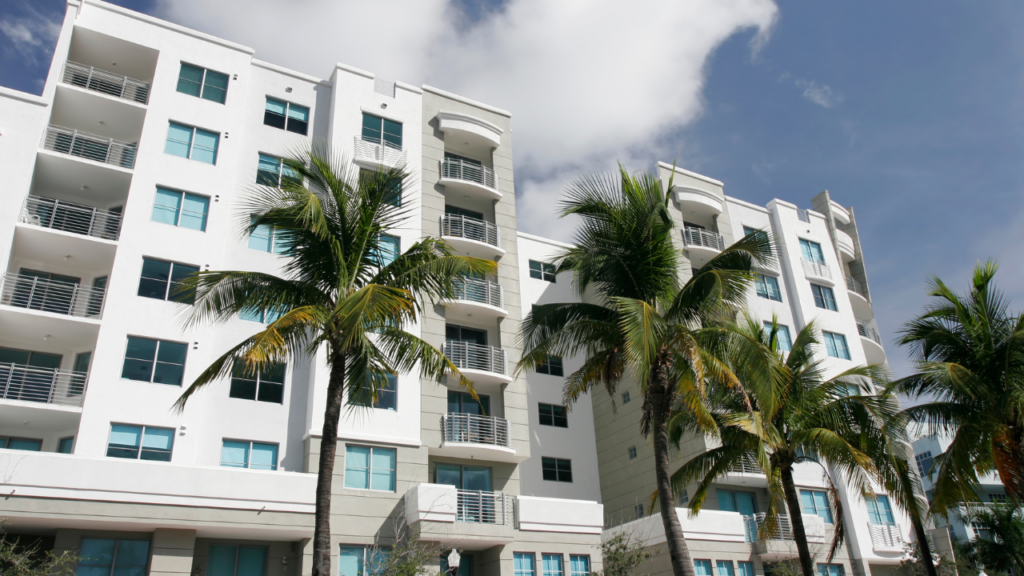
A woman called me last winter from her rental apartment in Uptown, standing at the window watching someone shovel the sidewalk outside her building. “That is literally my favorite thing about renting,” she said. “I never have to do that. But I’m tired of throwing money away every month. I want to buy something. And I keep coming back to condos because I just cannot picture myself dealing with a yard and a roof and all of that.” She had already done the emotional math. What she needed was the practical math, and the honest picture of what condo ownership in Minnesota actually looks and feels like, beyond the glossy photos in listing presentations and the horror stories she had heard from a coworker who had been hit with an unexpected special assessment. The truth about condos in Minnesota sits somewhere between the idealized version and the cautionary tale, and understanding both sides clearly is what allows buyers to make a genuinely informed decision rather than one driven by either excitement or fear. Here is the complete, honest picture of condo ownership in Minnesota. What Condo Ownership Actually Means Before getting into the pros and cons, it helps to be precise about what you are actually buying when you purchase a condominium in Minnesota. In most condominium structures, you own the interior of your unit from the paint on the walls inward. This includes your flooring, your fixtures, your appliances, and all the personal property within your four walls. The exterior of the building, the roof, the common areas including hallways, lobbies, fitness rooms, and parking structures, and the mechanical systems that serve the entire building are owned collectively by all unit owners and managed by the homeowners association. This collective ownership structure is administered through a set of governing documents including the declaration, the bylaws, and the rules and regulations, which define exactly what is included in your ownership, what the association is responsible for, and what rules govern how you can use and modify your unit. Understanding these documents before you purchase any specific condo is not optional. They define the reality of your ownership experience in ways that the listing photos and the model unit tour simply do not capture. The Genuine Advantages of Condo Ownership in Minnesota The maintenance-free lifestyle is the most frequently cited advantage of condo ownership, and in Minnesota specifically it is genuinely significant in ways that buyers from warmer climates may not fully appreciate. When you own a condo in Minnesota, you do not shovel. You do not clear ice dams from your roof. You do not worry about your furnace failing on a February night when temperatures drop below zero. You do not landscape, seed, or maintain a yard through the dramatic seasonal changes that Minnesota’s climate produces. These responsibilities belong to the association and are handled through your monthly HOA dues, which fund professional maintenance and management of the building’s exterior and systems. For buyers who travel frequently, who work long hours, who have physical limitations that make exterior maintenance difficult, or who simply place a high value on their time and prefer not to spend weekends on home maintenance, this advantage is genuinely life-changing in the context of Minnesota homeownership. Amenities that individual homeowners could not realistically provide for themselves are another genuine advantage of condo living, particularly in urban Minnesota buildings. Fitness centers, rooftop decks, community rooms, concierge services, underground heated parking, and in some buildings swimming pools and other recreational facilities are available to condo owners as part of their building community in ways that simply do not exist as options for single-family homeowners regardless of their budget. Underground heated parking specifically is a Minnesota condo advantage worth pausing on. Getting into a warm car on a January morning without scraping ice or warming up an engine in subzero temperatures is not a trivial quality of life consideration in a state where winter lasts five or six months. Location access is another significant advantage. The most desirable urban locations in Minneapolis and Saint Paul, places like the North Loop, downtown Minneapolis, Loring Park, and the riverfront, simply do not have single-family homes available. For buyers who specifically want to live in these environments, condos are the primary or only ownership option available. The ability to own in a walkable urban neighborhood with direct access to cultural amenities, restaurants, transit, and employment is a genuine lifestyle advantage that condo ownership in these locations uniquely provides. Lower entry price points relative to comparable single-family homes in the same area represent a financial advantage for buyers whose budget reaches further in the condo market than it would in the single-family market. A buyer who cannot afford a single-family home in their preferred neighborhood may be able to own a condo in that same neighborhood, building equity and establishing roots in a community they genuinely want to be part of. Security features in many condo buildings, including secured entry, concierge presence, and the natural security that comes from having neighbors in immediate proximity, appeal to buyers who value these features, particularly those who live alone or who travel frequently. The Genuine Disadvantages of Condo Ownership in Minnesota HOA fees are the most immediately significant disadvantage of condo ownership and the factor that most frequently surprises buyers who focus on the purchase price without fully accounting for the total monthly cost of ownership. HOA fees in Minnesota condos vary enormously, from as low as one hundred fifty dollars per month in smaller, more modest buildings to over one thousand dollars per month in high-amenity urban buildings with full-service management, extensive common areas, and premium parking facilities. These fees cover the building’s operating expenses, reserve fund contributions, and management costs, and they are a non-negotiable monthly obligation regardless of whether you use every amenity the building provides. The total monthly cost of condo ownership, meaning the mortgage payment plus the HOA fee plus property taxes plus insurance, often surprises buyers who calculated