
What Is House Hacking and Is It Worth It in Minnesota?

Most people think of buying a home as a monthly expense. You buy a house. You make your mortgage payment. You pay taxes, insurance, utilities, and maintenance. And every month, money leaves your bank account. But what if your home could help generate income instead? That’s the idea behind a strategy called house hacking. Over the past several years, house hacking has become one of the most talked-about real estate strategies among first-time homebuyers, young professionals, immigrants, and aspiring investors. As a Minnesota real estate agent, I’ve seen buyers completely change their financial outlook after learning what house hacking is and how it works. Many people assume real estate investing requires owning multiple properties, large down payments, or substantial wealth. In reality, some homeowners begin their real estate journey with the very first home they purchase. That’s why house hacking continues to gain attention throughout Minnesota. But is it actually worth it? The answer depends on your goals, personality, finances, and willingness to think differently about homeownership. Let’s break down what house hacking is, how it works, the benefits, the risks, and whether it may be a smart strategy for you. What Is House Hacking? House hacking simply means living in a property while using part of that property to generate income. Instead of owning a home that only costs money every month, you’re creating opportunities for the property to help offset your housing expenses. The concept is simple: You live in the property. Someone else pays rent. That rent helps cover some of your expenses. Many people are surprised to learn they’ve seen house hacking for years without realizing there was a name for it. Common Examples of House Hacking There are several ways Minnesota homeowners use house hacking. Buying a Duplex This is one of the most popular approaches. You live in one unit. You rent the other. The rental income helps offset your mortgage and other expenses. Buying a Triplex or Fourplex You occupy one unit and rent the remaining units. This often generates more rental income than a duplex. Renting Out Rooms Some homeowners purchase a single-family home and rent out one or more bedrooms. Basement Apartments Where local regulations permit, some homeowners create or utilize separate living spaces within the home. Accessory Dwelling Units Certain properties may include additional living units that can generate rental income. The strategy varies, but the goal remains the same: Reduce your housing costs while building equity. Why House Hacking Has Become Popular The biggest reason is affordability. Home prices have increased significantly over time. Interest rates fluctuate. Property taxes rise. Insurance costs change. Many buyers are looking for ways to make homeownership more manageable. House hacking offers one potential solution. Instead of carrying the full housing payment alone, rental income may help share the burden. That’s an attractive concept for many buyers. How House Hacking Can Help Build Wealth One reason financial experts often discuss house hacking is because it combines several wealth-building principles. You Own an Appreciating Asset While appreciation is never guaranteed, real estate has historically been a wealth-building tool for many homeowners. You Build Equity Each mortgage payment may help increase your ownership stake in the property. Rental Income Supports Ownership Rather than paying housing costs entirely from employment income, tenants may contribute toward expenses. Future Investment Opportunities Many homeowners eventually move and keep the property as a rental investment. This creates potential long-term income opportunities. Why First-Time Buyers Often Love House Hacking For first-time buyers, house hacking can make homeownership feel more achievable. Many buyers discover they can potentially: Instead of waiting years to afford a larger home, some buyers use house hacking to accelerate their financial goals. Minnesota Communities Where House Hacking Is Common While opportunities vary, house hackers often focus on areas with: Examples frequently include: Minneapolis St. Paul Columbia Heights Fridley Richfield Robbinsdale Brooklyn Center Brooklyn Park These areas often provide opportunities for owner-occupied multi-family ownership. Inventory changes constantly, but these communities frequently appear on buyers’ radar. House Hacking Doesn’t Mean Living Uncomfortably One misconception is that house hacking requires sacrificing your lifestyle. Not necessarily. Many house hackers live comfortably while generating income. The key is choosing a property and setup that aligns with your preferences. For example: Some buyers are comfortable sharing walls with tenants in a duplex. Others prefer renting a basement suite. Others rent individual bedrooms. There is no single right approach. The Biggest Benefit: Lower Monthly Housing Costs This is what attracts most buyers initially. Let’s say your total monthly housing payment is: $2,500 If rental income contributes: $1,000 Your out-of-pocket housing expense changes significantly. The exact numbers vary by property, market conditions, financing, and rental rates. But the principle remains the same. Rental income may reduce your financial burden. House Hacking Can Create Financial Flexibility When housing expenses decrease, buyers often gain flexibility. That may allow them to: Housing is often one of the largest monthly expenses. Reducing it can create meaningful opportunities. But House Hacking Isn’t Passive This is important. Many social media posts make house hacking sound effortless. Real life is different. If you’re collecting rent, you’re also accepting responsibilities. You’re Becoming a Landlord House hacking often means becoming a landlord. Responsibilities may include: Some owners enjoy this. Others discover it’s more work than expected. You should be honest about whether landlord responsibilities appeal to you. Vacancies Happen Rental income is helpful. But vacancies occur. Tenants move. Units may require repairs between occupants. Unexpected situations arise. That’s why house hackers should maintain financial reserves. Never assume rental income will be perfect every month forever. Maintenance Doesn’t Disappear Owning income-producing property doesn’t eliminate repairs. In fact, maintenance becomes even more important. Examples include: Budgeting for these expenses is essential. Minnesota Weather Adds Additional Considerations Minnesota property owners face challenges including: Owners must be prepared for seasonal responsibilities. This applies whether you’re house hacking or owning a traditional home. Financing House Hacking Properties Many buyers are surprised to learn that owner-occupied financing options often allow purchases
Can I Buy a Duplex or Multi-Family Property as My First Home in Minnesota?
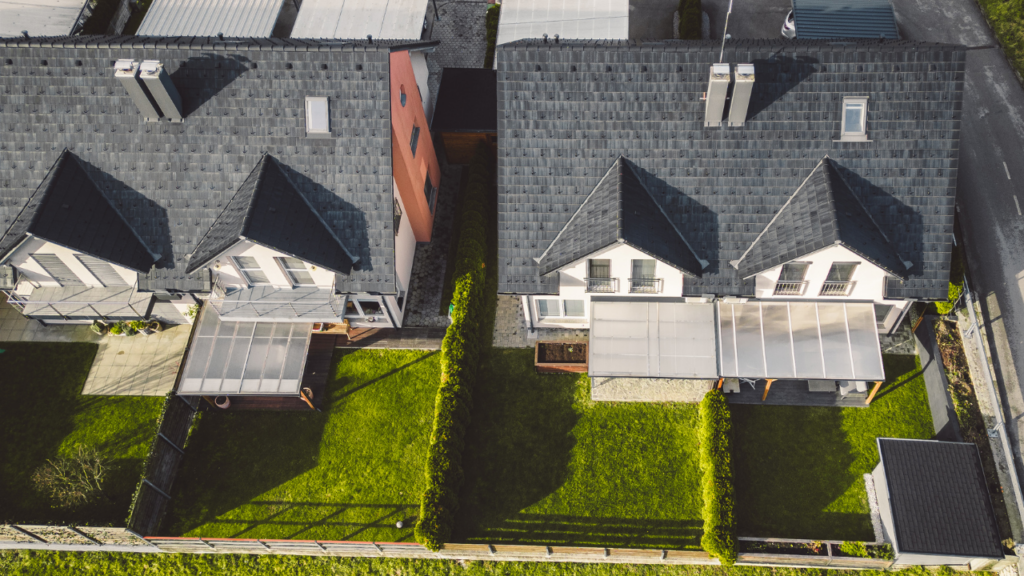
One of the biggest myths in real estate is that your first home has to be a traditional single-family house. Many Minnesota homebuyers automatically assume they need to purchase a house, live in it for years, and then eventually think about investing in real estate. But what if your first home could also help generate income? That’s where duplexes and multi-family properties come into the conversation. As a Minnesota real estate agent, I’ve worked with first-time buyers who never realized they could purchase a duplex, live in one unit, rent out the other, and potentially reduce their monthly housing expenses. Some buyers discover this strategy and immediately become interested. Others are intrigued but worry it sounds too complicated. The truth is that buying a duplex or multi-family property as your first home is absolutely possible for many buyers. In fact, it can be one of the smartest financial decisions some homebuyers ever make. However, it’s not the right fit for everyone. Before deciding whether a duplex or multi-family property makes sense for your situation, it’s important to understand how these properties work, their benefits, potential challenges, financing options, and long-term implications. Let’s take a closer look. What Is a Duplex? A duplex is a residential property containing two separate living units. Each unit typically includes: Some duplexes are side-by-side. Others have one unit upstairs and one downstairs. The key feature is that two households can live independently within the same structure. What Is a Multi-Family Property? A multi-family property generally contains more than one residential unit. Examples include: Properties with five or more units are often classified differently for financing and investment purposes. For many first-time homebuyers, duplexes, triplexes, and fourplexes represent the most accessible multi-family opportunities. Can First-Time Buyers Purchase Multi-Family Homes? Absolutely. Many buyers are surprised to learn that first-time homebuyers can purchase: using owner-occupied financing programs. In many situations, you may be able to qualify for financing while living in one unit and renting the others. This is one reason multi-family properties have become increasingly popular among financially minded buyers. Why Buyers Consider Duplexes as a First Home The biggest reason is simple: Rental income. When you own a duplex and live in one unit, the rent from the other unit may help offset: This strategy can potentially reduce your housing costs compared to owning a traditional single-family home. For some buyers, it creates a path toward building wealth earlier. The Concept of House Hacking You’ll often hear the term “house hacking.” House hacking simply means living in part of a property while generating income from another portion of it. Examples include: We’ll cover house hacking more deeply in a future article, but many duplex buyers are essentially using this strategy. Advantage #1: Rental Income This is the most obvious benefit. Rental income may help: Some lenders may even consider projected rental income when evaluating financing eligibility. This can sometimes improve purchasing power. Advantage #2: Building Equity Faster Every mortgage payment typically contributes toward equity growth. When rental income helps support the payment, buyers may find it easier to build wealth over time. Instead of paying rent to a landlord, you’re investing in a property you own. For many buyers, that’s a significant advantage. Advantage #3: Learning Real Estate Investing Many successful real estate investors started with a duplex. Why? Because it provides hands-on experience. Owners learn about: The learning curve can be valuable. Advantage #4: Future Flexibility Many buyers eventually move out and keep the property as a rental investment. For example: You purchase a duplex today. Live in one unit for several years. Then move into a single-family home later. Now both units become rental units. This flexibility appeals to many buyers focused on long-term wealth building. Advantage #5: Strong Demand for Rental Housing Many Minnesota communities continue experiencing demand for rental housing. Factors influencing demand include: While no investment is guaranteed, rental demand remains an important consideration. The Challenges Buyers Should Understand Of course, duplex ownership isn’t perfect. There are trade-offs. Challenge #1: You’re Also Becoming a Landlord This is where many buyers pause. Owning a duplex often means managing tenants. That may involve: Some owners enjoy this responsibility. Others discover it isn’t their favorite part of ownership. Be honest about your comfort level. Challenge #2: Privacy May Be Different Many buyers are accustomed to the idea of a detached single-family home. Living next door to tenants creates a different experience. Shared walls, driveways, or common areas may reduce privacy. This isn’t necessarily a problem. But buyers should understand the lifestyle difference. Challenge #3: Maintenance Responsibilities When you own a duplex, you’re responsible for maintaining the property. Examples include: Some buyers underestimate these responsibilities. Budgeting appropriately is important. Challenge #4: Vacancy Risk Rental income is wonderful when units are occupied. But vacancies happen. Tenants move. Units require turnover. Repairs may be necessary. Owners should maintain financial reserves to handle periods without rental income. Financing a Duplex as a First-Time Buyer One reason many buyers overlook duplexes is they assume financing is difficult. In reality, many owner-occupied financing programs allow purchases of: provided the buyer intends to occupy one unit. Loan options vary depending on: A qualified lender can explain specific requirements. Minnesota Neighborhoods Where Duplexes Are Common Many Minnesota communities offer multi-family opportunities. Examples frequently include: Minneapolis St. Paul Columbia Heights Richfield Robbinsdale Fridley Brooklyn Center Brooklyn Park Availability changes over time, but these areas often attract buyers interested in duplex ownership. Evaluating a Duplex Properly When purchasing a duplex, buyers should evaluate more than the building itself. Consider: Rental Income Potential What are nearby units renting for? Property Condition What repairs may be needed? Neighborhood Demand Will tenants want to live there? Future Resale Potential Will future buyers find the property attractive? Cash Reserves Can you handle unexpected expenses? These factors influence long-term success. Why Inspections Matter Inspections become even more important with multi-family properties. You’re evaluating multiple living spaces. Potential concerns may include: Understanding the property’s condition helps buyers make informed
What Is House Hacking and Does It Work for Immigrants in Minnesota?

If you’ve spent any time researching real estate, you’ve probably come across the term “house hacking.” It sounds like something complicated. Maybe even risky. But in reality, house hacking is one of the simplest real estate wealth-building strategies available to everyday people. And for many immigrant homebuyers in Minnesota, it can be an especially powerful tool. As a Minnesota real estate agent, I’ve worked with immigrant buyers who are highly motivated to build financial stability, reduce housing costs, and create opportunities for their families. Many are looking for ways to make homeownership more affordable while also building wealth. That’s where house hacking often enters the conversation. The idea is simple: You buy a property, live in part of it, and use another part of the property to generate income. That income may help offset your mortgage and housing expenses. For some buyers, house hacking becomes their first step into real estate investing. For others, it’s a strategy that helps them become homeowners sooner than they thought possible. But is house hacking a good idea for immigrants in Minnesota? Let’s break it down. What Is House Hacking? House hacking is a real estate strategy where you live in a property while using part of that property to generate income. The goal is to reduce your housing costs. Sometimes dramatically. Common house hacking examples include: The exact approach varies. But the basic concept remains the same: Your home helps generate income. Why House Hacking Appeals to Immigrant Buyers Many immigrant families arrive in the United States with strong financial goals. They want to: House hacking aligns well with these goals. Instead of viewing housing as purely an expense, it becomes an asset that may help generate income. For buyers who are comfortable with a little extra responsibility, this strategy can be attractive. Minnesota’s Housing Market Creates Opportunities Minnesota offers a variety of property types that can support house hacking. Examples include: In communities throughout: house hacking opportunities can often be found. The availability varies by market conditions, but opportunities continue to exist. How House Hacking Works Financially Let’s use a simple example. Imagine you purchase a duplex. Your total monthly housing payment is: $3,200 You live in one unit. The second unit rents for: $1,500 That rental income may significantly reduce your out-of-pocket housing expense. Instead of covering the full housing payment yourself, part of the cost is offset by rental income. The exact numbers vary, of course. But that’s the general concept. Many buyers appreciate the idea of having another source contribute toward housing expenses. House Hacking Can Make Homeownership Feel More Affordable One challenge many immigrant buyers face is adjusting to housing costs in the United States. Mortgage payments can feel intimidating. Property taxes. Insurance. Maintenance. Utilities. The expenses add up. House hacking can help make homeownership more manageable by creating income from the property itself. For some buyers, this becomes the difference between waiting years to buy and becoming homeowners sooner. Building Equity While Reducing Costs One reason house hacking remains popular is that it combines two financial benefits. You Build Equity As you make mortgage payments, you gradually increase your ownership stake in the property. You Potentially Receive Rental Income The property helps offset expenses. This combination can accelerate wealth-building over time. Many investors who own multiple properties today started with a house hack. Duplexes Are Often the Most Common Starting Point When people think about house hacking, duplexes are often the first property type that comes to mind. Why? Because the setup is simple. You live in one unit. You rent the other. The units are already separated. There is usually more privacy than renting rooms inside a single-family home. For many immigrant buyers, duplexes offer a comfortable introduction to property ownership and rental income. Can You House Hack a Single-Family Home? Absolutely. Many people assume house hacking requires a duplex. That’s not true. Some buyers choose to: Of course, local regulations and property configurations matter. Not every home is suitable. But house hacking opportunities extend beyond multi-family properties. House Hacking Requires a Landlord Mindset Here’s something important to understand. House hacking is not passive income. You’ll be living alongside the people who are helping generate that income. That means responsibilities. Examples include: Some buyers enjoy this. Others quickly realize it’s not for them. Before pursuing house hacking, it’s important to honestly evaluate your comfort level. The Cultural Advantage Many Immigrant Buyers Have One interesting observation I’ve made over the years is that many immigrant families already understand concepts that support successful house hacking. In many cultures: As a result, many immigrant buyers are naturally open to housing strategies that other buyers may immediately reject. This often creates opportunities. What About Privacy? One concern buyers frequently raise is privacy. And it’s a valid concern. Living next to tenants isn’t the same as owning a detached single-family home. Questions to consider include: Am I comfortable sharing a property? How important is privacy to me? Would rental income outweigh potential inconveniences? Every buyer answers these questions differently. There is no right or wrong answer. Emergency Savings Still Matter One mistake some buyers make is assuming rental income solves every financial challenge. It doesn’t. Properties still require: Examples include: A responsible house hacker maintains emergency savings. That preparation helps protect both the homeowner and the investment. Minnesota Winters Create Additional Responsibilities Minnesota weather affects all property owners. House hackers should plan for: These costs are manageable when anticipated. Problems usually arise when buyers fail to budget for them. House Hacking Is Not for Everyone While house hacking can be a powerful strategy, it’s not automatically the best choice. Some buyers prefer: A traditional single-family home may be a better fit for those buyers. House hacking should support your lifestyle, not create stress. Questions Immigrant Buyers Should Ask Before deciding to house hack, ask yourself: Do I want rental income? Am I comfortable managing tenants? How important is privacy? Do I have emergency savings? Am I interested in long-term wealth