
What Is a Seller’s Market vs. a Buyer’s Market in Minnesota?

If you’ve spent any time researching real estate, you’ve probably heard terms like: “It’s a seller’s market.” Or: “The market is shifting toward buyers.” For many homebuyers, these phrases sound important, but they aren’t always explained clearly. As a Minnesota real estate agent, I’ve found that many buyers hear these terms on the news, from friends, or on social media without fully understanding what they mean or how they affect their ability to buy a home. The truth is that whether you’re shopping in Minneapolis, St. Paul, Woodbury, Maple Grove, Lakeville, Rochester, or another Minnesota community, understanding the type of market you’re entering can have a major impact on your homebuying strategy. A buyer’s market and a seller’s market create very different experiences for buyers. They affect: Knowing which type of market you’re facing can help you make smarter decisions, avoid frustration, and create realistic expectations before you start touring homes. Let’s break it all down. What Is a Real Estate Market? Before discussing buyer’s and seller’s markets, let’s start with the basics. A housing market is simply the relationship between: The balance between supply and demand determines which side has more negotiating power. When supply and demand are balanced, neither side has a major advantage. When one side significantly outweighs the other, the market shifts. That’s where the terms buyer’s market and seller’s market come from. What Is a Seller’s Market? A seller’s market occurs when there are more buyers than available homes. In other words: Demand exceeds supply. When this happens, sellers often gain the advantage. Why? Because buyers are competing for a limited number of homes. Imagine there are 20 buyers looking for homes in a neighborhood but only 5 homes available. Those buyers are likely to compete with each other. As a result, sellers may have more leverage during negotiations. Common Signs of a Seller’s Market Several indicators often suggest a seller’s market. Homes Sell Quickly Properties may receive strong interest within days of being listed. Multiple Offers Become Common Several buyers may submit offers on the same home. Prices Remain Strong Competitive demand often helps support pricing. Sellers Receive Favorable Terms Buyers may compete by offering stronger contract terms. Inventory Is Limited There are fewer homes available for sale. These conditions often create a faster-paced environment for buyers. What Buying Feels Like in a Seller’s Market Many Minnesota buyers experienced this type of market in recent years. In a seller’s market, buyers often need to: The process can feel competitive because desirable homes may attract significant attention. That doesn’t mean buyers should panic. It simply means preparation becomes even more important. What Is a Buyer’s Market? A buyer’s market is the opposite. A buyer’s market occurs when there are more homes available than buyers actively looking to purchase. In this situation: Supply exceeds demand. When buyers have more options, sellers face greater competition. As a result, buyers often gain more negotiating power. Common Signs of a Buyer’s Market Several indicators may suggest a buyer’s market. Homes Stay on the Market Longer Properties may take weeks or months to sell. Inventory Increases Buyers have more choices. Price Reductions Become More Common Some sellers adjust pricing to attract attention. Seller Concessions Increase Sellers may offer credits or incentives. Buyers Have More Time The pace often feels less intense. For many buyers, this environment feels more comfortable. What Buying Feels Like in a Buyer’s Market In a buyer’s market, buyers often have opportunities to: That doesn’t mean every property becomes a bargain. Well-priced, desirable homes can still attract attention. However, buyers often feel less pressure overall. What Is a Balanced Market? Not every market is clearly a buyer’s market or seller’s market. Sometimes conditions are relatively balanced. In a balanced market: Many real estate professionals consider balanced markets healthy because both buyers and sellers have opportunities. Why Markets Change Housing markets aren’t static. They constantly evolve. Several factors influence whether a market favors buyers or sellers. Inventory Levels More homes generally benefit buyers. Fewer homes generally benefit sellers. Interest Rates Mortgage rates influence affordability and demand. Economic Conditions Employment and consumer confidence matter. Population Growth Areas attracting new residents often experience increased demand. Seasonal Trends Market activity changes throughout the year. These factors interact continuously. That’s why markets shift over time. Minnesota Markets Can Vary by Location One important thing buyers should understand is that Minnesota does not operate as a single housing market. For example: Even neighborhoods within the same city can have very different conditions. A seller’s market in one area may feel balanced in another. This is why local expertise matters. Why Buyers Should Care Some buyers assume these labels are only useful for real estate professionals. They’re not. Understanding market conditions helps buyers: Set Realistic Expectations You know what you’re walking into. Create Better Offer Strategies Different markets require different approaches. Avoid Frustration Preparation reduces surprises. Understand Pricing Market conditions influence pricing behavior. Improve Negotiation Outcomes Knowledge creates leverage. How Buyers Can Succeed in Any Market The good news is that buyers successfully purchase homes in every type of market. The strategy simply changes. In a Seller’s Market Focus on preparation. Strong financing and quick decision-making become important. In a Buyer’s Market Focus on opportunities. Negotiation options may expand. In a Balanced Market Focus on finding the right home and creating a reasonable offer strategy. Every market presents opportunities. Common Misconceptions Seller’s Markets Mean Buyers Can’t Win Not true. Buyers successfully purchase homes in seller’s markets every day. Buyer’s Markets Mean Every Home Is Cheap Not necessarily. Desirable homes often maintain strong value. Markets Change Overnight Most shifts happen gradually. Every Neighborhood Is the Same Local conditions matter enormously. Market Labels Guarantee Outcomes They provide context, not certainty. Questions Buyers Should Ask Before starting your search, ask: Is my target area a buyer’s market or seller’s market? How long are homes staying on the market? Are multiple offers common? Are sellers offering concessions? How much inventory exists? These answers help shape your strategy.
Should I Wait for Home Prices to Drop Before Buying a Home in Minnesota?

If you’ve been thinking about buying a home in Minnesota, there’s a good chance you’ve had this thought: “Maybe I should wait.” Specifically: “Maybe I should wait for prices to come down.” It’s a completely reasonable question. After all, nobody wants to pay more than they have to. Nobody wants to buy a home today only to discover it costs less next year. And with constant headlines about housing markets, interest rates, inflation, and economic uncertainty, it’s easy to understand why buyers become hesitant. As a Minnesota real estate agent, I’ve had this conversation hundreds of times. In fact, some buyers have been asking the same question for years. The challenge is that waiting for prices to drop sounds simple in theory, but in reality, it’s much more complicated. Because while prices may go down, other things may go up. And while buyers are waiting for the perfect opportunity, the market continues moving. Let’s take an honest look at what happens when buyers wait for prices to drop and whether it makes sense in today’s Minnesota housing market. Why Buyers Want Prices to Drop The answer is simple. Everyone wants a better deal. Buyers want: Those goals make sense. If home prices were guaranteed to fall next year, waiting might seem like the obvious choice. The problem is that nobody knows exactly what prices will do next year. Not economists. Not real estate agents. Not lenders. Not the media. Housing markets are influenced by dozens of factors, and predicting future prices with certainty is impossible. The Biggest Mistake Buyers Make Many buyers assume there are only two possibilities: Option 1 Buy today at today’s prices. Option 2 Wait and buy later at lower prices. But that’s rarely how real estate works. The actual possibilities look more like this: Prices Could Go Down Prices Could Stay Similar Prices Could Continue Rising The challenge is that buyers don’t know which scenario will occur. Waiting is not a guaranteed path to lower prices. It’s simply a decision to postpone purchasing. Minnesota Real Estate Is Local One mistake buyers make is treating the housing market as one giant national market. Minnesota isn’t identical to California. California isn’t identical to Texas. Texas isn’t identical to Florida. Even within Minnesota, every market behaves differently. For example: Real estate is local. That’s why buyers should focus on their specific area rather than relying entirely on national headlines. What Happens If Prices Drop? Let’s imagine prices fall. That sounds great, right? Maybe. But let’s look deeper. If prices decline significantly, other things may be happening too. For example: The market doesn’t exist in isolation. Major price declines often occur alongside broader economic changes. That’s why waiting for a dramatic drop isn’t always as beneficial as buyers imagine. What Happens If Prices Stay the Same? This scenario gets less attention. Many buyers wait for a drop that never arrives. Instead, prices remain relatively stable. The buyer spends: Then eventually buys at nearly the same price they could have paid earlier. Meanwhile, they missed years of homeownership. This outcome is more common than many buyers realize. What Happens If Prices Continue Rising? This is the scenario buyers rarely want to consider. Let’s say a buyer waits. Then: Now the same home costs more than it did before. At the same time, mortgage rates may not have improved enough to offset the higher purchase price. Suddenly waiting becomes expensive. Why Supply Matters One reason Minnesota home prices have remained relatively resilient is supply. Simply put: Many areas still don’t have enough homes available to meet demand. When inventory remains limited: This doesn’t guarantee prices will always rise. But it does help explain why dramatic price declines don’t automatically occur. The Cost of Waiting Isn’t Always Visible Many buyers focus exclusively on potential price changes. But waiting has costs too. Examples include: Continued Rent Payments Rent doesn’t build ownership. Missed Equity Growth Homeowners build equity over time. Potentially Higher Future Prices Nobody knows future pricing. Reduced Purchasing Power Changes in rates may affect affordability. These costs aren’t always obvious, but they matter. Mortgage Rates Matter Too Many buyers focus entirely on home prices. But monthly payments are influenced by two major factors: Here’s where things get interesting. A lower-priced home with a higher interest rate may produce a similar monthly payment to a higher-priced home with a lower rate. This is why focusing exclusively on purchase price can be misleading. The overall financial picture matters more. Why Timing the Market Is So Difficult Imagine trying to predict: All at the same time. That’s essentially what buyers are attempting when they try to perfectly time the market. The reality is that nobody consistently predicts all of those variables correctly. The buyers who succeed most often focus on readiness rather than prediction. What Successful Buyers Usually Do Successful buyers typically focus on factors they can control. Examples include: Improving Credit Building Savings Reducing Debt Strengthening Employment Stability Understanding Their Budget These actions create opportunities regardless of short-term market fluctuations. When Waiting Makes Sense To be clear, waiting is not always a bad decision. Sometimes it’s absolutely the right choice. Examples include: You Need More Savings You Need Better Credit Your Employment Situation Is Changing You Expect to Relocate Soon Homeownership Would Stretch Your Finances Too Thin These are valid reasons to wait. Notice that all of them are personal reasons—not attempts to predict future prices. Why Personal Readiness Often Matters More The most important question is not: “What will home prices do?” The more important question is: “Am I financially prepared to buy and comfortably own a home?” If the answer is yes, waiting for perfect market conditions may not be necessary. If the answer is no, waiting may be wise regardless of market conditions. Homeownership Is Usually a Long-Term Decision One thing buyers sometimes forget is that most homeowners stay in their homes for years. Some remain: Over longer time horizons, small short-term price fluctuations often become less significant. This is one
What Is Homeowners Insurance and How Much Does It Cost in Minnesota?
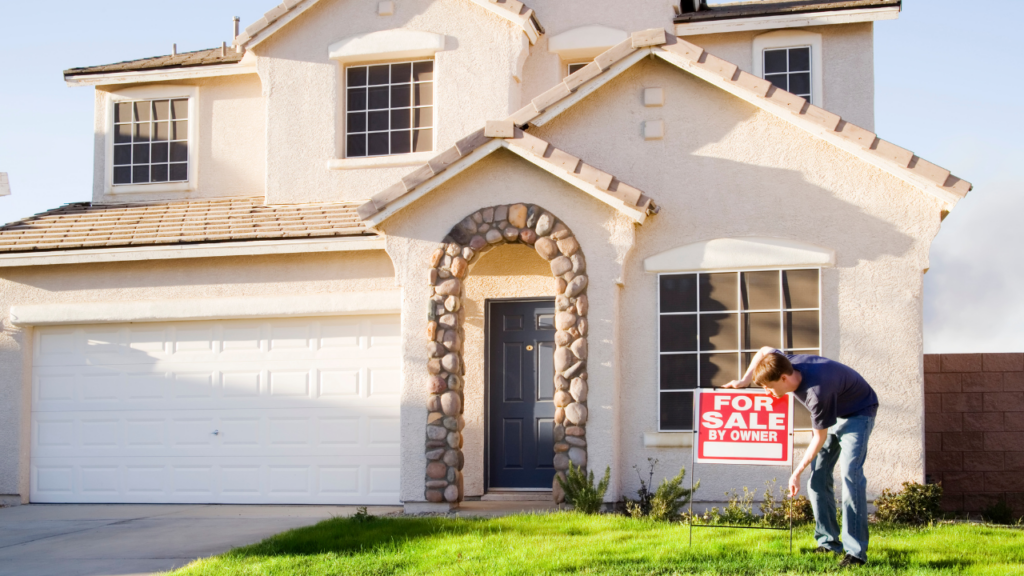
Buying a home is one of the biggest financial decisions you’ll ever make. Most buyers spend a lot of time thinking about the down payment, mortgage payment, and closing costs. But there is another important expense that every homeowner needs to understand before getting the keys: Homeowners insurance. As a Minnesota real estate agent, I’ve noticed that many first-time homebuyers don’t think much about homeowners insurance until their lender asks for proof of coverage a few days before closing. Then suddenly the questions start: “Do I really need it?” “What does it cover?” “How much will it cost?” “Why are the quotes so different?” Understanding homeowners insurance before you buy can help you budget more accurately and avoid unpleasant surprises after moving in. The good news is that homeowners insurance is usually one of the more predictable costs of homeownership. However, what you pay can vary based on the home, location, coverage level, and insurance company you choose. Let’s walk through what homeowners insurance is, what it covers, what it doesn’t cover, and what Minnesota buyers should expect to pay. What Is Homeowners Insurance? Homeowners insurance is a policy that helps protect your home and finances if certain types of damage, accidents, or losses occur. Think of it as a financial safety net. If your home is damaged by a covered event, your insurance policy may help pay for repairs, rebuilding costs, replacement of belongings, legal expenses, and temporary housing in some situations. Most mortgage lenders require homeowners insurance before they will fund your loan. Even if you buy a home with cash, carrying homeowners insurance is usually a smart decision because it protects one of your largest investments. Why Do Mortgage Lenders Require Homeowners Insurance? When a lender gives you hundreds of thousands of dollars to purchase a home, they have a financial interest in protecting that property. If a fire destroys the house tomorrow, both you and the lender could face significant financial losses. That’s why lenders typically require homeowners insurance throughout the life of the mortgage. In most cases, the insurance premium is included in your monthly mortgage payment through an escrow account. Your lender collects a portion each month and pays the insurance company when the premium is due. What Does Homeowners Insurance Typically Cover? While policies vary, most standard homeowners insurance policies provide several important types of protection. Dwelling Coverage This protects the physical structure of your home. Covered events may include: If your home suffers damage from a covered event, dwelling coverage helps pay for repairs or rebuilding. Personal Property Coverage This helps cover your belongings. Examples include: If these items are damaged or stolen due to a covered event, your policy may help replace them. Liability Protection Liability coverage can help protect you financially if someone is injured on your property and you are found responsible. For example: A visitor slips on an icy sidewalk and suffers an injury. Depending on the circumstances, liability coverage may help with legal costs and damages. Additional Living Expenses If your home becomes temporarily uninhabitable due to a covered loss, your policy may help pay for: This coverage can be extremely valuable after a major disaster. Other Structures Coverage This may protect structures that are separate from your home such as: What Doesn’t Homeowners Insurance Cover? One of the biggest misconceptions among homeowners is assuming insurance covers everything. It doesn’t. Several common situations may require additional coverage. Flooding Standard homeowners insurance usually does not cover flood damage. If a property is located in a flood-prone area, separate flood insurance may be necessary. Earth Movement Damage from earthquakes and certain types of ground movement are generally excluded. Wear and Tear Insurance is designed for sudden and accidental losses. It does not typically cover: Pest Damage Damage caused by: is generally considered a maintenance issue rather than an insurance claim. How Much Does Homeowners Insurance Cost in Minnesota? One of the first questions buyers ask is: “What’s the average cost?” The answer depends on several factors, but many Minnesota homeowners pay somewhere between approximately $1,500 and $3,000 per year for a standard homeowners insurance policy. Some homeowners pay less. Others pay significantly more. Your actual premium depends on a variety of factors unique to your situation. Factors That Affect Homeowners Insurance Costs Home Value Generally speaking, more expensive homes cost more to insure. This is because the cost to rebuild the home is higher. Home Size Larger homes usually require higher coverage limits. More square footage often means higher insurance premiums. Age of the Home Older homes sometimes cost more to insure because: Newer homes often qualify for lower premiums. Roof Condition Insurance companies pay close attention to roofs. A newer roof can often reduce insurance costs. An older roof may increase premiums or even create coverage challenges. Location Insurance companies evaluate local risks. Factors may include: Even homes within the same city may receive different insurance quotes. Claims History Previous insurance claims can affect future premiums. Both the property’s history and the homeowner’s personal claims history may be considered. Coverage Limits Higher coverage levels generally result in higher premiums. However, cutting coverage too aggressively may leave you underinsured when you need protection most. Minnesota Weather and Insurance Costs Minnesota’s climate plays a major role in homeowners insurance pricing. We experience: Because weather-related claims occur regularly, insurers factor these risks into pricing. For example, hail damage claims can be extremely expensive and may affect premiums in certain areas. This doesn’t mean insurance is unaffordable. It simply means Minnesota’s weather is part of the risk equation. Should You Shop Around for Insurance? Absolutely. One of the biggest mistakes buyers make is accepting the first insurance quote they receive. Different insurance companies evaluate risk differently. The same home can receive dramatically different quotes from multiple carriers. I often encourage buyers to: Spending an extra hour shopping can potentially save hundreds of dollars per year. Common Homeowners Insurance Discounts Many buyers qualify for discounts they don’t realize exist. Examples include: Bundling
What Are Property Taxes Like in Minnesota?
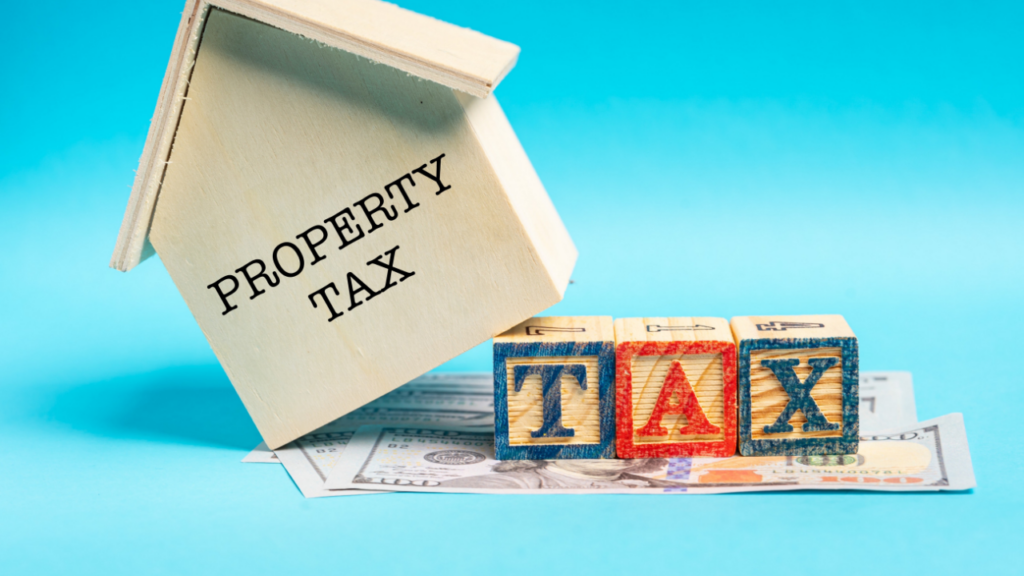
Buying a home is exciting, but for many first-time homebuyers, one of the biggest surprises comes after closing day. It’s not the mortgage payment. It’s not the utility bills. It’s property taxes. Almost every buyer asks me some version of the same question: “Lesley, what are property taxes like in Minnesota?” It’s a smart question because property taxes can significantly impact your monthly housing costs. Two homes with similar prices can have very different tax bills depending on where they’re located. If you’re planning to buy a home in Minneapolis, St. Paul, the suburbs, or anywhere else in Minnesota, understanding how property taxes work will help you budget more accurately and avoid surprises after moving in. As a Minnesota real estate agent, I spend a lot of time helping buyers understand not just the purchase price of a home, but the true cost of ownership. Property taxes are a major piece of that puzzle. What Are Property Taxes? Property taxes are taxes paid by homeowners to local governments based on the value of their property. The money collected helps fund essential community services such as: In simple terms, property taxes help keep your community running. Unlike your mortgage, which eventually gets paid off, property taxes continue for as long as you own the property. Are Property Taxes High in Minnesota? Compared to many states, Minnesota generally has moderate to higher property taxes. That doesn’t necessarily mean Minnesota is expensive overall. In fact, many buyers find they get more house for their money here compared to places like California, Washington, New York, or Massachusetts. However, property taxes are something you should pay close attention to when shopping for homes. Minnesota’s average effective property tax rate is often above the national average, although exact rates vary significantly by city, county, school district, and property value. A home in one suburb may have annual taxes thousands of dollars higher than a similar home just a few miles away. Why Do Property Taxes Vary So Much? Many buyers assume property taxes are based only on home value. That’s only part of the equation. Property taxes can vary because of: County Location Different counties have different tax rates. For example: all calculate taxes slightly differently based on local budgets and levies. School District Funding Schools are one of the biggest drivers of property taxes. Homes located in highly rated school districts often contribute more toward education funding. City Services Communities offering more amenities and services often require larger tax revenues. Examples include: Special Assessments Some neighborhoods have special assessments that can increase annual property taxes. Examples include: These costs may be temporary or long-term depending on the project. What Do Property Taxes Look Like on a Typical Minnesota Home? Let’s look at a simplified example. Imagine a home priced at $400,000. Annual property taxes might range somewhere between: depending on location. That’s a substantial difference. At $4,000 per year, your monthly tax portion is about $333. At $6,500 per year, your monthly tax portion jumps to about $542. That’s over $200 more every month despite having the same purchase price. This is why I encourage buyers to focus on total monthly payment rather than purchase price alone. How Property Taxes Affect Mortgage Payments Most homeowners pay property taxes through an escrow account. Here’s how it works: Your lender estimates annual taxes. That amount is divided into monthly payments. Each month, you pay: The lender collects the tax portion and holds it in escrow until taxes are due. This means higher property taxes directly increase your monthly mortgage payment. Why New Homeowners Sometimes Get Surprised One common surprise happens after a buyer purchases a home that was previously owned by someone who qualified for special tax benefits. The tax amount shown before closing may not always reflect what the new owner will pay. Property values can also be reassessed. This is one reason why buyers should review property tax history carefully and discuss future tax estimates with their lender and Realtor. Are Property Taxes Deductible? For some homeowners, property taxes may provide certain federal tax benefits. Tax laws change regularly and individual situations vary. It’s always best to speak with a qualified tax professional or CPA regarding deductions available to you. Many homeowners find that homeownership offers tax advantages that renting does not provide. Can Property Taxes Increase? Yes. Property taxes can rise over time. Common reasons include: Increased Property Value As home values rise, assessed values may increase. Local Budget Changes Cities and counties occasionally adjust tax levies to fund services. New Community Improvements Infrastructure projects can affect local tax obligations. School Funding Changes School district budgets may also impact future tax bills. While increases don’t happen dramatically every year, homeowners should expect some changes over time. How Buyers Should Evaluate Property Taxes Before Making an Offer When helping buyers evaluate homes, I encourage them to ask: What were the taxes last year? Reviewing tax history helps identify trends. Has the property been recently reassessed? A reassessment could impact future costs. Are there special assessments? These can add unexpected expenses. What is the total monthly payment? Focus on: The monthly payment is often more important than the home’s purchase price. Minnesota Homestead Status Matters Minnesota offers a Homestead Classification for owner-occupied homes. When a property qualifies as a homestead: Most buyers purchasing a primary residence will want to ensure they apply for homestead status after closing. This can help reduce long-term property tax costs. Property Taxes vs Rent Increases Some renters worry about property taxes making homeownership expensive. But it’s important to compare them against rent increases. When you rent: When you own: Many Minnesota homeowners find that ownership provides greater long-term financial stability despite ongoing property tax obligations. Common Property Tax Mistakes Buyers Make Looking Only at Purchase Price A cheaper home with high taxes may cost more monthly than a slightly more expensive home with lower taxes. Ignoring Tax History Past tax records often reveal important trends. Forgetting Future Increases Taxes rarely