
What Areas in Minnesota Are Best for Home Appreciation?

If you’ve ever talked to homeowners who bought a house ten or fifteen years ago, you’ve probably heard some version of this statement: “I wish I had bought sooner.” It’s easy to understand why. Over time, many Minnesota homeowners have watched their home values increase significantly. In some cases, those gains have helped families build wealth, upgrade to larger homes, pay for education, invest in other opportunities, or enjoy greater financial flexibility. Because of that, many buyers ask me: “Lesley, what areas in Minnesota have the best appreciation potential?” It’s one of the most common questions I hear from first-time buyers, move-up buyers, relocation clients, and even investors. The challenge is that nobody can guarantee future appreciation. Real estate markets move in cycles. Economic conditions change. Interest rates fluctuate. Population trends evolve. However, there are certain factors that consistently support stronger housing demand over time, and understanding those factors can help buyers make more informed decisions. As a Minnesota real estate agent, I always encourage clients to focus on buying a home they love in a community with strong long-term fundamentals rather than chasing short-term market trends. Let’s look at what drives appreciation and which Minnesota communities continue attracting buyers year after year. What Is Home Appreciation? Home appreciation simply means an increase in a property’s value over time. For example: If you purchase a home for $350,000 and later sell it for $450,000, the property appreciated by $100,000. Of course, appreciation isn’t guaranteed. Markets can experience periods of: The goal isn’t predicting the future perfectly. The goal is understanding what characteristics tend to support long-term demand. What Factors Drive Home Appreciation? While every market is different, several factors consistently influence property values. Population Growth More people moving into an area generally increases housing demand. When demand rises faster than supply, values often benefit. Job Growth Communities with strong employment opportunities tend to attract buyers. People want to live near jobs. School Districts School quality often influences buyer demand, even among buyers without children. Limited Housing Supply Areas with strong demand and limited inventory often experience pricing pressure. Infrastructure Improvements Road expansions, public investments, healthcare facilities, and retail development can make communities more attractive. Lifestyle Appeal Parks, trails, lakes, restaurants, entertainment, and recreation often contribute to long-term desirability. Why Minnesota Continues to Attract Homebuyers Minnesota offers several advantages that continue drawing buyers from both inside and outside the state. These include: These factors help support ongoing housing demand across many parts of the state. Lakeville Lakeville consistently ranks among Minnesota’s most desirable suburbs. Why? Because it combines several appreciation-driving factors: Lakeville continues attracting first-time buyers, growing families, and move-up buyers. The broad buyer appeal helps support long-term demand. Many homeowners who purchased in Lakeville years ago have benefited from the city’s continued growth and popularity. Woodbury Woodbury remains one of the strongest housing markets in the east metro. The city offers: One reason Woodbury continues attracting buyers is that it appeals to multiple demographic groups. Whether someone is relocating to Minnesota, raising a family, or upgrading homes, Woodbury frequently appears on their list. That consistent demand can support appreciation over time. Maple Grove Maple Grove has long been considered one of Minnesota’s premier suburbs. Its strengths include: Maple Grove benefits from both stability and desirability. Even though much of the city is already developed, buyer demand remains strong. Many homeowners view Maple Grove as a community they can stay in for many years. Eden Prairie Eden Prairie continues attracting buyers because of its reputation, schools, and employment opportunities. Key strengths include: Many buyers are willing to pay a premium for locations that offer strong quality of life. That ongoing demand often contributes to long-term value retention. Blaine Blaine has experienced substantial growth over the past decade. Factors contributing to its popularity include: Because the city continues attracting both residents and businesses, many buyers see long-term potential in the area. Growth often creates additional housing demand. Rogers Rogers continues benefiting from: Many buyers appreciate the combination of newer homes and accessibility. As more people seek suburban living with convenient commuting options, Rogers remains a community worth watching. Rosemount Rosemount has quietly become one of the stronger housing markets in the south metro. The city continues attracting buyers because of: As demand continues growing, Rosemount remains a community many buyers consider for long-term ownership. Prior Lake Prior Lake offers something many communities cannot: Lifestyle appeal. Buyers are attracted to: Lifestyle-oriented communities often maintain strong desirability because buyers are drawn to more than just the houses themselves. They’re buying into an experience. Victoria Victoria continues growing in popularity among buyers seeking: The combination of scenic surroundings and suburban convenience creates strong appeal for many buyers. As awareness of Victoria continues growing, demand may follow. Minneapolis Neighborhoods With Appreciation Potential While many buyers focus on suburbs, Minneapolis continues offering opportunities as well. Certain neighborhoods benefit from: Urban markets often experience appreciation drivers that differ from suburban communities, but they remain important parts of Minnesota’s housing market. St. Paul Neighborhoods Worth Watching St. Paul also offers neighborhoods with strong long-term appeal. Buyers are often attracted by: Like Minneapolis, certain St. Paul neighborhoods continue benefiting from reinvestment and redevelopment efforts. Why School Districts Matter So Much Even buyers without children often care about school districts. Why? Because future buyers care. School districts frequently influence: Communities with highly regarded schools often remain attractive through multiple market cycles. New Construction and Appreciation Many buyers wonder whether new construction homes appreciate well. The answer depends on several factors. However, communities experiencing: often continue attracting future buyers. New construction itself doesn’t guarantee appreciation, but it can be a sign that builders believe demand will remain strong. The Danger of Chasing Appreciation Alone One mistake some buyers make is purchasing solely based on appreciation potential. I always encourage clients to ask: “Would I actually enjoy living here?” A home should first support your: Appreciation is important. But enjoying your home matters too. The strongest purchase is often one that accomplishes
How Far Does Your Money Go in Minnesota Real Estate? A 2026 Homebuyer’s Guide

If you’re thinking about moving to Minnesota, buying your first home, upgrading to a larger property, or relocating from another state, one question probably keeps coming up: “How far does my money actually go in Minnesota real estate?” It’s a fair question. Housing affordability is one of the biggest factors buyers consider when deciding where to live. And if you’re moving from a higher-cost market like California, Washington, Colorado, New York, New Jersey, or even parts of Texas and Florida, the answer may surprise you. Minnesota isn’t the cheapest state in the country. It’s also not among the most expensive. Instead, Minnesota tends to occupy a sweet spot that many buyers find attractive: a place where you can still find a quality home, strong communities, excellent schools, and a high quality of life without paying the prices seen in some major metropolitan areas around the country. But how far your money goes depends on several factors. Let’s take a realistic look at what buyers can expect in Minnesota’s housing market and where different budgets may take you in 2026. Why Minnesota Continues to Attract Homebuyers One reason Minnesota remains popular is because buyers often feel they receive strong value relative to the cost of ownership. The state offers: When buyers compare Minnesota to other regions, they often discover they can purchase more home while maintaining access to desirable amenities. That’s a major reason many relocation buyers choose Minnesota. What Determines How Far Your Money Goes? Before discussing price ranges, it’s important to understand that housing value isn’t determined by square footage alone. Several factors influence what your budget can buy: Two homes with identical prices can offer very different lifestyles depending on where they’re located. What a Starter Home Budget Might Look Like Many first-time buyers enter the market wondering if homeownership is still realistic. The answer is often yes. In many Minnesota communities, starter-home buyers can still find opportunities in: Communities such as: Frequently appear on first-time buyer search lists. The key is understanding your priorities and remaining flexible. What Mid-Range Buyers Often Find Many Minnesota buyers fall into the move-up category. These buyers may be seeking: One of Minnesota’s strengths is the variety available in this segment of the market. Many suburban communities offer homes that provide: This is often where buyers feel Minnesota offers particularly strong value. What Luxury Buyers Discover Luxury buyers relocating from higher-cost states are frequently surprised by what their budget can purchase. In some parts of the country, a luxury budget may provide: In Minnesota, that same budget may provide: This increased purchasing power continues attracting relocation buyers from across the country. Minneapolis vs Suburban Value A common question is whether buyers get more for their money in Minneapolis or the suburbs. The answer depends on priorities. In Minneapolis, buyers often gain access to: In the suburbs, buyers often gain: Neither option is automatically better. It’s about aligning your housing choice with your lifestyle goals. How Minnesota Compares to California This is one of the most common comparisons. Buyers moving from California often experience significant sticker shock—in a positive way. Many relocation buyers discover that a budget which may purchase a condo or smaller home in California can often provide: This is one reason Minnesota remains attractive to relocating families and professionals. How Minnesota Compares to Colorado Colorado’s rapid growth has increased housing costs in many areas. Minnesota buyers often find: Again, every market differs, but Minnesota frequently compares favorably from a value perspective. How Minnesota Compares to Florida Many relocation buyers moving from Florida discover that while home prices may be similar in some areas, Minnesota can offer different financial considerations. For example: All contribute to the overall ownership experience. That’s why comparing total ownership costs is important. New Construction Value Minnesota continues to experience residential growth. Many communities offer new construction opportunities. Popular areas include: New construction often appeals to buyers because it provides: These features can create long-term value. What Relocating Families Notice Most Families moving to Minnesota frequently comment on three things: More Space Many buyers gain additional square footage compared to their previous location. Larger Yards Outdoor space remains important for many households. Better Overall Value Many families feel their housing dollars stretch further without sacrificing quality of life. Commute Tradeoffs One important reality is that affordability often involves tradeoffs. Generally speaking: Some buyers prioritize shorter commutes. Others prioritize larger homes. There is no right answer. The best choice depends on your lifestyle. The Importance of Looking Beyond Price One mistake buyers sometimes make is focusing entirely on purchase price. Value should also include: The cheapest home isn’t always the best long-term investment. Real Example Imagine two buyers with identical budgets. Buyer A purchases a smaller home in a highly desirable area with strong schools and significant demand. Buyer B purchases a larger home farther from major employment centers. Both purchases may be excellent decisions depending on personal priorities. That’s why value is about more than square footage. Common Misconceptions Minnesota Is Cheap Not necessarily. Certain communities are highly competitive and command premium prices. Bigger Homes Always Mean Better Value Not always. Location, schools, and resale potential matter too. Minnesota Is Expensive Compared to some states, perhaps. Compared to many coastal markets, buyers often find substantial value. Frequently Asked Questions Does your money go far in Minnesota real estate? For many buyers, yes—especially compared to higher-cost states. Can first-time buyers still afford homes in Minnesota? Many communities continue offering opportunities for first-time buyers. Is new construction affordable? In some growing suburbs, new construction remains accessible to a wide range of buyers. What area offers the most value? That depends on your goals, commute preferences, and lifestyle priorities. Are Minnesota homes larger than homes in other states? Many relocation buyers feel they receive more space for their budget. Final Thoughts How far your money goes in Minnesota real estate depends on where you buy, what features matter most, and how you define value. The good news is that
What Happens If an Offer Falls Through When Selling a Home in Minnesota? (2026 Seller Guide)

One of the biggest fears homeowners have after accepting an offer is hearing the words: “The deal fell apart.” After all the preparation, showings, negotiations, paperwork, and excitement, it can feel like you’re back at square one. The good news is that a failed transaction does not necessarily mean your home won’t sell. In fact, deals falling apart is more common than many sellers realize. Most real estate transactions close successfully, but there are situations where buyers walk away, financing falls through, contingencies aren’t satisfied, or unexpected issues emerge. If you’re selling your home in Minnesota, understanding why offers fall through and knowing what to do next can help you navigate the situation with confidence. Let’s take a closer look at what happens when a transaction doesn’t make it to the closing table. First, Understand That Not Every Accepted Offer Closes Many sellers assume that once they accept an offer, the hard part is over. In reality, accepting an offer is only the beginning of the next phase. Between contract acceptance and closing, several important milestones still need to occur. These may include: Until those steps are completed, there is still some level of uncertainty. This is why experienced real estate professionals often say: “A deal isn’t done until it closes.” Why Offers Fall Through There isn’t one single reason transactions fail. There are several common causes. Understanding them can help sellers evaluate future offers more effectively. Inspection Issues One of the most common reasons deals fall apart is the home inspection. After the buyer conducts an inspection, they may discover concerns involving: Sometimes buyers request repairs. Sometimes they request credits. Occasionally the parties cannot reach an agreement. When that happens, the buyer may choose to terminate the contract if the contingency allows it. Financing Problems Even buyers with pre-approval letters can encounter financing challenges. Examples include: Most buyers don’t intentionally create financing issues. However, lenders verify information throughout the process, and circumstances can change. Low Appraisals In competitive markets, buyers sometimes offer more than asking price. While that’s exciting for sellers, the lender still requires an appraisal. If the property appraises below the contract price, several things can happen: Low appraisals don’t automatically kill deals, but they can create complications. Home Sale Contingencies Some buyers need to sell their current home before purchasing yours. If their home doesn’t sell, their transaction may be delayed or canceled. This is one reason sellers carefully evaluate home sale contingencies before accepting an offer. The success of your transaction may depend on another transaction entirely. Cold Feet It doesn’t happen often, but occasionally buyers simply change their minds. Buying a home is a major financial decision. Stress, uncertainty, or personal circumstances can sometimes lead buyers to reconsider. While contracts provide legal protections, buyer emotions occasionally affect transactions. Title Issues Most title work proceeds smoothly. However, unexpected issues occasionally appear. Examples may include: Most title issues can be resolved, but they sometimes delay or derail a transaction. What Happens After a Deal Falls Through? Many sellers immediately assume they’re starting over from scratch. That’s not always true. In many cases, your home simply returns to active status. Depending on the circumstances, several opportunities may still exist. Other Interested Buyers May Still Exist This is especially true in competitive markets. If your home received significant interest before accepting the offer, there may be: A failed transaction doesn’t necessarily eliminate demand. Sometimes another buyer emerges quickly. Backup Offers Can Be Valuable One reason many sellers consider backup offers is because transactions occasionally fall apart. A backup offer creates a secondary position. If the primary contract fails, the backup buyer may move into first position without requiring the home to return fully to the market. Not every seller receives backup offers, but when available, they can provide peace of mind. Does a Failed Sale Hurt Your Listing? Many sellers worry that buyers will assume something is wrong if a deal falls through. Sometimes buyers do ask questions. However, context matters. For example: A financing failure is very different from a major inspection issue. Future buyers may want to understand what happened, but a failed transaction doesn’t automatically damage your home’s marketability. Communication Matters When a contract falls apart, transparency is important. Your real estate agent can help communicate appropriately with future buyers while maintaining compliance with disclosure requirements. The goal is maintaining credibility and confidence in the marketplace. How Sellers Can Reduce the Risk of Failed Transactions While no transaction is risk-free, certain strategies may reduce the likelihood of problems. Evaluate Financing Carefully Review: Stronger financing often creates greater confidence. Understand Contingencies Contingencies are important protections, but they also introduce uncertainty. Make sure you understand: The fewer surprises, the better. Prepare Your Home Addressing obvious issues before listing can reduce inspection-related complications. Simple maintenance items may help create a smoother transaction. Price Realistically Overpricing may increase appraisal risk. Proper pricing often improves overall transaction stability. Real Example Imagine a seller accepts an offer at $500,000. Everything appears to be moving smoothly. Then the buyer’s financing falls apart two weeks before closing. The seller feels frustrated. However, because the home generated strong interest initially, another buyer submits an offer shortly after the property returns to active status. The transaction closes successfully a few weeks later. While the delay was inconvenient, the failed offer didn’t prevent the ultimate sale. Emotional Reactions Are Normal A failed transaction can feel personal. Many sellers experience: Those feelings are understandable. But it’s important to remember: Most failed transactions result from circumstances rather than personal attacks on the seller or property. Staying focused on solutions is usually the best path forward. Questions Sellers Should Ask If an offer falls through, consider asking: The answers can help shape your next steps. Frequently Asked Questions How common is it for an offer to fall through? Most transactions close successfully, but failed contracts do occur for various reasons. Do sellers keep earnest money if a deal falls apart? It depends on the contract terms and the
What Is a Highest and Best Offer When Selling a Home in Minnesota? (2026 Seller Guide)
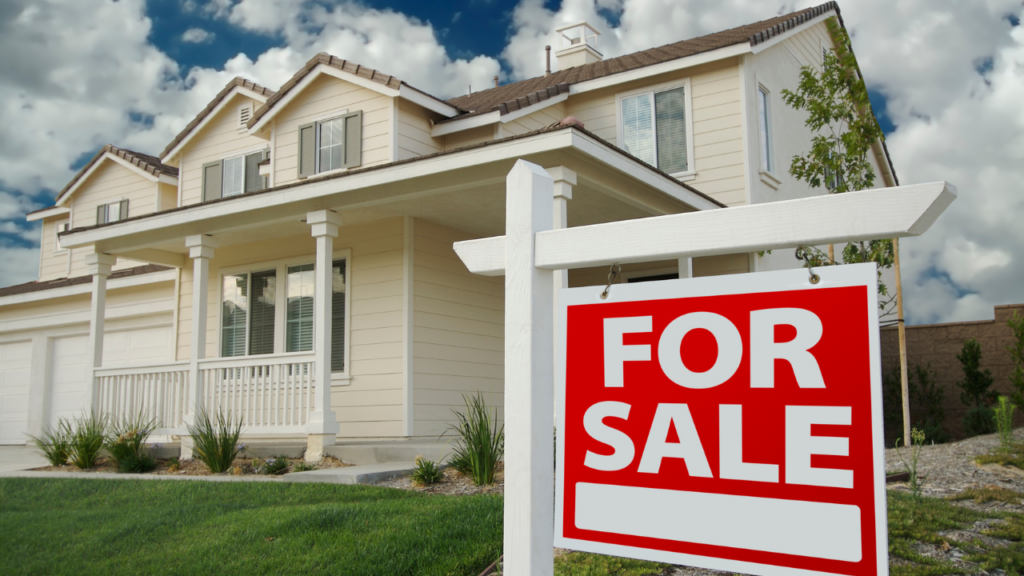
If you’re selling your home in Minnesota and receive multiple offers, there’s a good chance you’ll hear the phrase: “Please submit your highest and best offer.” For many homeowners, this is the first time they’ve encountered the term. And understandably, it can sound a little confusing. Does “highest and best” simply mean the buyer willing to pay the most money? Not necessarily. In fact, one of the biggest misconceptions among sellers is assuming highest and best refers only to price. The reality is that a highest and best offer is about the overall strength of the offer, not just the dollar amount attached to it. A buyer may offer the highest price but include financing risks, contingencies, or terms that make the transaction less attractive. Another buyer may offer slightly less money but present a stronger overall package. As a seller, understanding how highest and best offers work can help you make better decisions, avoid costly mistakes, and ultimately choose the offer that gives you the best chance of a successful closing. Let’s break it down. What Does “Highest and Best” Mean? A highest and best request typically occurs when multiple buyers are interested in the same property. Instead of negotiating individually with each buyer, the seller may ask all interested parties to submit their strongest offer by a specific deadline. The goal is simple: Give every buyer an opportunity to put forward their most competitive terms. Once all offers are submitted, the seller reviews them and decides which one provides the most favorable combination of price, terms, and overall strength. It’s important to understand that highest and best does not automatically mean highest price. The word “best” matters just as much as the word “highest.” Why Sellers Use Highest and Best Imagine you list your Minnesota home on Thursday. By Sunday evening, you’ve received: Rather than negotiating back and forth with each buyer individually, you may choose to request highest and best offers from everyone. This approach can: It’s a common strategy in competitive markets. Highest Price Doesn’t Always Win This is one of the most important lessons sellers can learn. Let’s look at an example. Offer A: Offer B: Which offer is stronger? Many experienced sellers would carefully evaluate Offer B despite the lower purchase price. Why? Because the overall risk may be lower. A successful closing often matters more than a slightly higher contract price that encounters complications later. What Makes an Offer “Best”? Every seller’s priorities are different. However, several factors commonly influence whether an offer is considered strong. Purchase Price Price is obviously important. Most sellers want to maximize their proceeds. However, price is only one piece of the puzzle. A high offer with significant risks may not ultimately produce the best outcome. Financing Strength Buyers who are financially well-qualified often create greater confidence. Factors sellers may consider include: Stronger financing can reduce uncertainty throughout the transaction. Earnest Money Deposit Earnest money represents the buyer’s commitment to the purchase. A larger earnest money deposit may indicate: While not the only factor, it can help strengthen an offer. Contingencies Contingencies create opportunities for a contract to be modified or terminated. Common contingencies include: The fewer obstacles between contract and closing, the more attractive an offer may appear. That doesn’t mean contingencies are bad. They simply affect risk. Understanding Escalation Clauses In competitive markets, buyers sometimes include escalation clauses. An escalation clause allows a buyer to increase their offer automatically if competing offers exist. For example: A buyer may offer: These clauses can create interesting dynamics during multiple-offer situations. However, sellers should evaluate the entire offer, not just the escalation provision. Why Closing Timelines Matter Not every seller wants the fastest closing. Some homeowners need: An offer with a timeline that matches the seller’s needs may become more attractive than one with a higher price but less flexibility. Convenience has value. Cash Offers and Highest & Best Many people assume a cash offer automatically wins. That’s not always true. Cash offers often provide benefits such as: However, if the cash offer is significantly lower than competing financed offers, the seller may choose a different option. Every situation is unique. What Buyers Are Thinking When buyers receive a highest and best request, they often feel pressure. Many worry: This is why highest and best requests frequently produce stronger offers. Buyers know they’re competing. As a seller, that’s generally a favorable position. Should Sellers Always Ask for Highest and Best? Not necessarily. Sometimes a seller receives a single outstanding offer that already meets their goals. Other times, multiple offers justify requesting highest and best submissions. The decision depends on: Every situation is different. Common Seller Mistakes Focusing Only on Price The highest price is not always the strongest offer. Review all terms carefully. Ignoring Financing A buyer’s ability to close matters. Strong financing can reduce risk. Overlooking Timeline Needs The best contract should fit your moving plans whenever possible. Assuming Cash Automatically Wins Cash can be attractive, but every offer deserves a complete review. Real Example Imagine a seller receives three offers. Offer One: Offer Two: Offer Three: The seller must decide which combination of price, convenience, and certainty best fits their goals. That’s exactly what highest and best is designed to accomplish. How Sellers Evaluate Risk Experienced sellers often ask: These questions help identify the strongest overall offer. Frequently Asked Questions Does highest and best mean highest price? No. Price is important, but terms, financing, contingencies, and timelines also matter. Can a seller negotiate after receiving highest and best offers? Yes. Sellers may still negotiate before accepting an offer. How long do buyers have to submit highest and best offers? The deadline varies based on the seller’s instructions and market conditions. Are cash offers always considered best? Not always. Sellers evaluate the entire offer package. Can a seller reject all highest and best offers? Yes. Sellers are not required to accept an offer simply because highest and best submissions were requested. Final Thoughts Highest and best offers
Should I Get an Inspection on a New Construction Home in Minnesota? (2026 Homebuyer Guide)

One of the most common statements I hear from buyers looking at new construction homes is: “It’s brand new. Why would I need an inspection?” It’s a reasonable question. After all, if you’re spending hundreds of thousands of dollars on a home that has never been lived in, it feels natural to assume everything should be perfect. The home was just built. The city inspected it. The builder has a warranty. Everything should be fine, right? Not necessarily. This may surprise you, but some of the most important inspections I’ve seen have been on brand-new homes. That doesn’t mean builders are doing poor work. In fact, most Minnesota builders work incredibly hard to deliver quality homes. The reality is much simpler: Homes are built by people. And people make mistakes. A new construction inspection isn’t about assuming something is wrong. It’s about verifying everything is right. If you’re considering a newly built home in Minnesota, here’s why an independent inspection may be one of the smartest investments you make during the entire process. New Doesn’t Automatically Mean Perfect Many buyers assume age equals condition. Older homes need inspections. New homes don’t. But that’s not how inspections work. Inspectors aren’t looking at the age of the property. They’re looking at: A home can be one week old and still have issues. Likewise, a home can be fifty years old and be in excellent condition. The inspection focuses on quality, not age. Municipal Inspections Are Not the Same as Home Inspections This is one of the biggest misunderstandings among buyers. When builders construct a home, local municipalities perform required inspections throughout the process. These inspections are important. However, they serve a different purpose than a private home inspection. Municipal inspectors are typically focused on: A private home inspector evaluates the home from the buyer’s perspective. Those are two very different roles. One doesn’t replace the other. What Can Go Wrong in a Brand-New Home? More than many buyers realize. Again, this doesn’t mean the builder did a bad job. Construction involves: Even excellent teams can miss details. Examples inspectors sometimes discover include: Many issues are minor. Some are more significant. The goal is identifying them before they become your responsibility. Human Error Happens Think about how many people contribute to a single home. You may have: Every trade performs a specific task. Even highly skilled professionals occasionally make mistakes. An inspection creates another layer of quality control. Pre-Drywall Inspections One inspection many buyers don’t know about is the pre-drywall inspection. This occurs before insulation and drywall are installed. At this stage, inspectors can evaluate: Once drywall is installed, much of this work becomes hidden. That’s why many experienced buyers choose a pre-drywall inspection whenever possible. Final Inspections Before Closing This is the inspection most buyers are familiar with. The home is nearly complete. The inspector evaluates: The goal is identifying issues before closing. The 11-Month Warranty Inspection This may be the most overlooked inspection of all. Many builders offer one-year workmanship warranties. Some homeowners schedule another inspection near the end of that first year. Why? Because living in the home often reveals things that aren’t immediately noticeable during the initial walkthrough. For example: An inspection before the warranty expires can be extremely valuable. Builder Warranties Are Helpful, But They’re Not Inspections Some buyers skip inspections because the builder offers a warranty. That’s risky. A warranty and an inspection serve different purposes. The inspection identifies concerns. The warranty may provide a mechanism for addressing certain covered issues. One does not replace the other. In fact, inspections often help homeowners take full advantage of warranty protections. Common Issues Found in New Construction Homes Many buyers are surprised by how often inspectors find issues in new homes. Examples can include: Most issues are correctable. That’s exactly why inspections exist. The Cost of an Inspection Compared to the Cost of Repairs Let’s put things in perspective. A home inspection typically costs a tiny fraction of the home’s purchase price. Compared to: An inspection is relatively inexpensive. Many buyers view it as insurance against larger problems. Why Some Buyers Skip Inspections Usually for one of three reasons: They Trust the Builder Trust is important. Many Minnesota builders have excellent reputations. But inspections aren’t about distrust. They’re about verification. Even great builders appreciate opportunities to identify issues before closing. They Want to Save Money An inspection is an additional expense. However, most buyers quickly realize the cost of an inspection is small compared to the cost of unexpected repairs. They Assume New Means Problem-Free Unfortunately, that’s not always true. Every home deserves a thorough evaluation. Builders Often Expect Inspections Another misconception is that builders dislike inspections. In reality, many builders see inspections regularly. Independent inspections are common in new construction transactions. Professional builders understand that buyers want peace of mind. What Happens If an Inspector Finds Issues? Most of the time, concerns are documented and discussed. The builder may: The process is often straightforward. The inspection report becomes a tool for improving the final product. Questions Buyers Should Ask Before construction begins, consider asking: These conversations can provide valuable insight. Real Example Imagine two buyers purchasing identical new construction homes. Buyer A skips inspections because the home is brand new. Buyer B schedules: Both receive beautiful homes. However, Buyer B gains additional peace of mind knowing multiple independent evaluations were completed throughout the process. Frequently Asked Questions Do I really need an inspection on a brand-new home? Many buyers choose inspections because new homes can still contain defects or installation issues. What is a pre-drywall inspection? It’s an inspection performed before drywall is installed, allowing evaluation of framing and mechanical systems. Do municipal inspections replace private inspections? No. They serve different purposes. Is a warranty enough protection? Warranties are valuable, but inspections help identify concerns that may require attention. What is an 11-month inspection? It’s an inspection completed near the end of the builder’s first-year warranty period to identify potential warranty items. Final Thoughts Buying a brand-new
Is It Better to Buy New Construction or Resale in Minnesota? (2026 Homebuyer Guide)

If you’re planning to buy a home in Minnesota, one of the biggest decisions you’ll face isn’t just where to live or how much to spend. It’s whether to buy a brand-new home or an existing one. At first glance, new construction can be incredibly appealing. Everything is brand new. Modern floor plans. Energy-efficient systems. Fresh paint. New appliances. No previous owners. But resale homes have advantages too. Established neighborhoods. Mature trees. Potentially lower purchase prices. More negotiating opportunities. The truth is there isn’t a one-size-fits-all answer. I’ve worked with many Minnesota homebuyers who were convinced they wanted new construction until they toured resale homes. I’ve also worked with buyers who thought they wanted an existing home but ended up building because it fit their long-term goals better. The right choice depends on your priorities, budget, timeline, and lifestyle. Let’s look at the pros and cons of both options so you can make an informed decision. Why New Construction Is So Popular in Minnesota Minnesota continues to see significant new construction growth throughout many communities. Cities such as: Have experienced substantial development in recent years. Many buyers are attracted to new construction because it offers something simple: A fresh start. Everything is new. You aren’t inheriting someone else’s maintenance decisions or outdated finishes. For many buyers, that’s extremely appealing. Advantages of Buying New Construction One of the biggest benefits of a new construction home is predictability. When you purchase a newly built home, you generally know: Everything starts at zero. That can reduce maintenance concerns during the first several years of ownership. Many buyers appreciate the peace of mind that comes with new systems and builder warranties. Modern Floor Plans Builders design homes around current buyer preferences. That often means: Many resale homes were built decades ago and may not reflect how families live today. For buyers seeking modern functionality, new construction can be attractive. Energy Efficiency Today’s homes are typically more energy efficient than homes built years ago. Features may include: Over time, these improvements can help reduce utility costs. Personalization Options One advantage many buyers love is customization. Depending on the stage of construction, you may be able to select: This creates a home that feels uniquely yours from day one. Advantages of Buying a Resale Home While new construction gets a lot of attention, resale homes offer significant advantages too. In fact, many buyers ultimately choose resale for reasons they didn’t initially expect. Established Neighborhoods One of the biggest benefits of resale homes is neighborhood maturity. Many established communities feature: New developments often take years to achieve the same feel. Some buyers immediately notice the difference when touring older neighborhoods. Potentially Better Locations Not all new construction occurs in central locations. Many new developments are built on the outer edges of growing communities. Resale homes often provide access to: For some buyers, location outweighs the benefits of a brand-new home. More Negotiation Opportunities Builders typically have pricing structures they prefer to maintain. Resale transactions may offer greater flexibility. Depending on market conditions, buyers may negotiate: Every situation is different, but resale homes can sometimes provide more negotiating leverage. What About Maintenance? This is where many buyers lean toward new construction. A resale home may eventually require: That doesn’t mean resale homes are bad investments. It simply means buyers should budget for future maintenance. A professional home inspection can help identify potential issues before closing. New Construction Doesn’t Mean Maintenance-Free This surprises many buyers. A brand-new home still requires maintenance. You may encounter: These costs are sometimes overlooked during budgeting. A new home may require more immediate post-closing expenses than buyers expect. New Construction Can Cost More Than the Base Price Many buyers visit a builder model home and fall in love. Then they discover the advertised price doesn’t include many of the features they admired. Upgrades can add significant costs. Examples may include: It’s important to understand what’s included versus what’s optional. Resale Homes May Offer More Value Per Dollar Depending on market conditions, resale homes sometimes provide: At a similar price point. This isn’t always true, but it’s worth comparing carefully. Construction Timelines Matter If you’re buying an existing home, you may close within weeks. New construction can take significantly longer. Depending on the builder and stage of construction: Timeline should be part of your decision. Inventory Can Influence Your Choice Sometimes buyers decide based on what’s available. In certain markets: In other situations, the opposite may be true. Keeping an open mind can help you identify opportunities. What Families Often Prefer Families frequently prioritize: Sometimes new construction communities provide these advantages. Sometimes established neighborhoods do. The right choice depends on your family’s goals. What First-Time Buyers Often Prefer Many first-time buyers appreciate: Others prefer resale because it may provide: Again, there isn’t a universal answer. Questions to Ask Yourself Before choosing new construction or resale, consider: Your answers will often point you toward the right decision. Frequently Asked Questions Is new construction more expensive than resale in Minnesota? Not always, but buyers should account for upgrades, lot premiums, landscaping, and other potential costs. Are new homes more energy efficient? Generally, yes. Modern building standards often improve efficiency. Do resale homes require more maintenance? Potentially, depending on the age and condition of the property. Which option has better resale value? Both can perform well. Location, condition, and market conditions often matter more than whether the home was new or resale. Is new construction worth it? For many buyers, yes. For others, established neighborhoods and existing homes provide a better fit. Final Thoughts The question isn’t whether new construction or resale is objectively better. The question is which one is better for you. Some buyers love the idea of selecting finishes, moving into a brand-new home, and enjoying modern features. Others prefer established neighborhoods, mature landscaping, and homes with character. Both options can be excellent choices. The key is understanding the tradeoffs before making a decision. If you’re considering new construction or resale homes in Minnesota
How Do I Choose Where to Live After Moving to Minnesota? (2026 Relocation Guide)

One of the biggest mistakes people make when relocating to Minnesota is spending all their time searching for the perfect house before deciding where they actually want to live. I understand why. Scrolling through listings is exciting. Looking at kitchens, backyards, and floor plans is fun. But here’s the truth: The house matters. The location matters more. I’ve worked with many families relocating from California, Texas, Florida, Illinois, Colorado, and other states. Almost every one of them starts by asking about homes. Eventually, the conversation shifts. Because after they learn more about Minnesota, they realize something important: The lifestyle you want should determine where you live. Not the other way around. Minnesota offers a wide variety of living experiences. Someone living in downtown Minneapolis may have a completely different lifestyle than someone living in Lakeville, Woodbury, Maple Grove, Stillwater, or Prior Lake. None of those choices are automatically better. They’re simply different. If you’re moving to Minnesota and wondering where you should live, here’s how I recommend approaching the decision. Start With Your Daily Life, Not Your House Most people begin their home search backwards. They start by asking: “How many bedrooms can I get?” “What can I buy for my budget?” Those questions matter. But before asking those questions, ask yourself: “What do I want my daily life to look like?” Think about: The answers will often point you toward the right community. Decide How Much Space You Need One of the biggest reasons people move to Minnesota is space. Many relocating buyers discover they can afford: But bigger isn’t always better. Ask yourself: Do you want: Your answers help narrow your search dramatically. Consider Your Commute Even with remote work becoming more common, commute time still matters. Many buyers initially focus on maximizing house size. Then they realize they’re adding 45 minutes to their daily commute. That’s why I encourage buyers to think about: Sometimes a slightly smaller home closer to work creates a much better quality of life. Think About Your Family’s Stage of Life The right location often depends on where you are in life. For example: Young professionals may prioritize: Families may prioritize: Retirees may prioritize: Your ideal neighborhood should support your current lifestyle. Understand That Every Suburb Has Its Own Personality Many relocating buyers assume suburbs are all similar. They’re not. For example: Some communities feel more urban. Some feel more family-oriented. Some emphasize outdoor recreation. Some offer historic charm. Some provide newer development. This is why visiting communities matters so much. The vibe of a neighborhood often tells you more than statistics ever will. Think About Schools Even If You Don’t Have Children This surprises some buyers. Even if you don’t currently have children, school districts can influence: Many buyers consider school quality as part of their long-term investment strategy. Decide How Important Walkability Is Not everyone wants the same lifestyle. Some people want: Others prefer: Neither choice is wrong. But understanding your preference helps narrow your options. Consider Access to Outdoor Recreation One thing many people love about Minnesota is outdoor living. Think about whether proximity to the following matters: Some communities are particularly attractive to buyers who prioritize outdoor recreation. Don’t Underestimate Community Events This may sound minor. It isn’t. Many buyers fall in love with communities because of the atmosphere. Things like: Can dramatically impact your experience living somewhere. A neighborhood isn’t just where you sleep. It’s where you live. Visit at Different Times of Day If possible, visit neighborhoods: A neighborhood can feel very different depending on when you visit. This gives you a more complete picture of daily life. Think Beyond the First Year Many buyers focus only on what they need right now. Instead, ask: “What will I want in five years?” Your needs may change. For example: Thinking long-term often leads to better decisions. Explore Both Minneapolis and St. Paul Many newcomers assume Minneapolis and St. Paul are essentially the same. They’re not. Each city has its own personality. Minneapolis often appeals to buyers seeking: St. Paul often attracts buyers looking for: Both offer excellent opportunities depending on your preferences. Don’t Rule Out the Suburbs The Twin Cities suburbs offer tremendous variety. Communities like: Each provide unique lifestyles and amenities. Many relocating families ultimately find their perfect fit in suburban communities. Rent First If Necessary Not everyone needs to buy immediately. In some situations, renting for several months can be valuable. This allows you to: There’s no rule that says you must buy immediately after relocating. Work With Someone Who Knows the Communities Online research helps. But it only goes so far. A local real estate professional can help explain: That’s often information you can’t fully understand from a website. Common Mistakes Relocating Buyers Make Some of the biggest mistakes include: The right home in the wrong location often leads to disappointment. The right location can dramatically improve your overall experience. Frequently Asked Questions What is the best area to live in Minnesota? There is no single best area. The right location depends on your lifestyle, budget, commute, and priorities. Should I choose a city or suburb? That depends on your goals. Some buyers prefer urban living while others value space, schools, and suburban amenities. How important are school districts? School districts can impact both quality of life and future resale value. Is it better to rent before buying? For some relocating buyers, renting first can provide valuable insight into local communities. What matters most when choosing a neighborhood? Lifestyle fit is often more important than the home itself. Final Thoughts When people relocate to Minnesota, they often focus on finding the perfect house. But the smartest buyers focus on finding the right lifestyle. The right neighborhood. The right community. The right daily experience. Because after the excitement of moving fades, what matters most is how you feel living there every day. If you’re planning a move to Minnesota and want help comparing communities, neighborhoods, schools, and lifestyle options, I’d be happy to help. 👉
What Should I Know Before Moving to Minnesota from Florida? (2026 Relocation Guide)

If you’re thinking about leaving Florida and moving to Minnesota, you’re probably getting some interesting reactions from friends and family. The conversation usually goes something like this: “You’re moving where?” “Do you know how cold it gets?” “Why would you leave Florida?” But here’s the reality. Every year, people make the move from Florida to Minnesota for a variety of reasons. Some relocate for work opportunities. Some move closer to family. Others are looking for a different pace of life, better schools, more affordable housing, or simply a fresh start. And while the two states couldn’t be more different in many ways, many Floridians find that Minnesota offers something they didn’t realize they were missing. More space. Four distinct seasons. Strong communities. Beautiful parks and lakes. And a quality of life that often surprises newcomers. Of course, moving from Florida to Minnesota comes with adjustments. Some are expected. Others catch people completely off guard. If you’re considering making the move, here’s what you should know before relocating to Minnesota. Winter Is the Adjustment Everyone Talks About Let’s address the obvious topic first. Yes, Minnesota winters are significantly colder than Florida winters. For many Floridians, winter means: Minnesota offers a very different experience. Winter brings: At first, that sounds intimidating. And honestly, the first winter can be a learning experience. But here’s what most newcomers discover: Minnesota is built for winter. People know how to handle it. Road crews respond quickly. Homes are designed for cold weather. Businesses stay open. Schools operate efficiently. Life doesn’t stop. It simply adapts. Most people adjust faster than they expected. You May Fall in Love with the Seasons One thing former Floridians frequently mention is how much they enjoy experiencing all four seasons. In Florida, weather patterns often feel relatively similar throughout the year. Minnesota offers: Each season feels distinct. Many newcomers say they develop a new appreciation for the changing seasons and the variety they bring to everyday life. Summer in Minnesota Is Incredible Ask most longtime Minnesotans about their favorite season and summer will be near the top of the list. After winter, people fully embrace warmer weather. You’ll see families enjoying: Many Floridians are surprised by how comfortable Minnesota summers feel compared to the heat and humidity they’re used to. Housing Often Feels Like a Better Value One of the biggest reasons people relocate is housing. Depending on where you’re moving from in Florida, you may discover that your budget stretches much further in Minnesota. Many buyers find: For families and remote workers especially, this can be a significant advantage. You Won’t Worry About Hurricanes This is something many former Floridians mention immediately. Living in Florida often means paying attention to: Minnesota has severe weather from time to time, but hurricanes are not part of life here. Many newcomers describe that as a welcome change. Lakes Become Part of Everyday Life If you’ve spent years near the ocean, you may wonder if you’ll miss being around water. The good news? Minnesota has water everywhere. The state is famous for its lakes, and they’re a major part of the lifestyle. People spend weekends: Many former Floridians quickly embrace lake life. The Pace Often Feels Different One thing many people notice after moving to Minnesota is that life often feels a little less hectic. That’s not to say Minnesota lacks busy professionals or thriving cities. But many newcomers describe the overall atmosphere as: For some, that’s one of the biggest benefits of the move. Minnesota Communities Tend to Be Highly Connected People often hear about “Minnesota Nice.” While every community is different, many newcomers notice: It may take some time to build new relationships, but many transplants eventually find strong social connections. School Systems Attract Many Families For families relocating with children, schools are often a major factor. Many Minnesota communities are known for: School districts frequently play a significant role in relocation decisions. Traffic Is Usually More Manageable If you’re moving from Miami, Tampa, Orlando, or another major Florida metro, traffic may feel noticeably lighter. The Twin Cities certainly have rush hour traffic. But many newcomers find daily commuting less stressful than they expected. That can create a better overall work-life balance. Outdoor Activities Continue Year-Round Many Floridians assume outdoor recreation slows down in winter. In Minnesota, it simply changes. People enjoy: Summer: Winter: Outdoor culture remains strong throughout the year. Healthcare Is a Major Strength Minnesota consistently ranks highly for healthcare quality. Residents benefit from: This is often a significant benefit for families and retirees. The Cost of Homeowners Insurance May Surprise You Many Floridians have experienced rising insurance costs. While every situation is different, some relocating homeowners find insurance expenses more predictable in Minnesota. This can contribute to overall affordability. What Former Floridians Usually Love Most After settling in, many people say they love: Many discover they enjoy aspects of Minnesota they never anticipated. What Takes Time to Adjust To Let’s be realistic. Every move comes with challenges. Common adjustments include: Most people adapt successfully, but it’s important to expect a transition period. Choosing the Right Community Is Critical One mistake relocating buyers sometimes make is focusing only on the house. The community matters just as much. Some buyers want: Minnesota offers all of these options. Finding the right fit makes a huge difference. Frequently Asked Questions Is Minnesota cheaper than Florida? Housing and living expenses vary, but many buyers find excellent value in Minnesota, particularly when comparing home size and community amenities. Will I miss the beach? Some people do initially, but many discover Minnesota’s lakes provide plenty of recreational opportunities. Is winter difficult? The first winter requires adjustment, but most newcomers adapt more quickly than expected. Why do people move from Florida to Minnesota? Common reasons include family, jobs, schools, affordability, quality of life, and community atmosphere. Is Minnesota family-friendly? Yes. Many communities are known for strong schools, parks, safety, and family-oriented activities. Final Thoughts Moving from Florida to Minnesota isn’t just a change in climate. It’s a
What Should I Know Before Moving to Minnesota from Texas? (2026 Relocation Guide)

Every year, more families, professionals, retirees, and remote workers make the move from Texas to Minnesota. Some are relocating for work. Some are moving closer to family. Others are looking for a different lifestyle, stronger schools, more outdoor recreation, or simply a change of pace. And while both states offer great opportunities, life in Minnesota can feel very different from life in Texas. The weather is different. The housing market is different. The pace of life can be different. Even the way communities function often feels different. If you’re considering a move from Texas to Minnesota, there are a few things that might surprise you—in both good ways and challenging ways. The good news is that many Texans who relocate to Minnesota end up loving the move. But the transition is easier when you know what to expect ahead of time. Let’s talk about what life is really like when moving from Texas to Minnesota. The Weather Will Be Your Biggest Adjustment Let’s start with the obvious one. Minnesota winters are very different from Texas winters. For many Texans, winter means: Minnesota is a different experience. Winter is a true season here. Snowfall is common. Cold temperatures are expected. Winter can last several months. At first, that sounds intimidating. But here’s what surprises most newcomers: Minnesota is built for winter. Road crews are prepared. Schools are prepared. Homes are prepared. Residents are prepared. People don’t stop living because it snows. They simply adapt. Most Texans find that once they invest in proper winter clothing and learn a few seasonal habits, winter becomes much more manageable than they imagined. Summers Feel Different Too Many people assume moving north means giving up warm weather. Not exactly. Minnesota summers are beautiful. Temperatures are generally comfortable, and summer becomes one of the most active seasons of the year. You’ll find people enjoying: One thing Texans often appreciate is that Minnesota summers are usually less intense than what they’re used to experiencing during July and August. Housing May Feel More Affordable Depending on where you’re moving from in Texas, housing costs can vary dramatically. However, many relocating buyers are surprised by what they can find in Minnesota. In many Twin Cities suburbs, buyers often discover: The key is finding the right community that matches your goals and budget. The Trees and Green Space Surprise People This is one thing I hear repeatedly from people relocating from Texas. They’re amazed by how green Minnesota is. Many communities feature: The abundance of natural beauty becomes a major lifestyle benefit for many newcomers. Lakes Are Part of Everyday Life Minnesota’s nickname isn’t marketing. The Land of 10,000 Lakes is real. Water is everywhere. People spend weekends: Even people who didn’t spend much time around water in Texas often embrace the lake lifestyle after moving here. School Districts Are a Major Draw Many families relocating from Texas are attracted by Minnesota’s reputation for education. School quality varies by district, but many communities consistently rank highly for: For many families, schools become a major factor when choosing where to live. The Pace of Life Often Feels Different One thing Texans frequently mention is that Minnesota can feel a little slower and more community-oriented. That’s not necessarily a negative. People often describe life here as: Of course, Minneapolis and St. Paul offer urban energy when you want it. But many suburbs provide a balance that families appreciate. Traffic Usually Feels More Manageable If you’re moving from Dallas, Houston, Austin, or San Antonio, traffic may feel noticeably lighter. Minnesota certainly has rush hour traffic. But many newcomers are surprised by shorter commute times and less congestion compared to major Texas metros. This often contributes to a better work-life balance. You’ll Need Different Home Maintenance Skills Texas homeowners are often focused on: Minnesota homeowners think about: It’s a different rhythm, but one that becomes routine fairly quickly. Minnesota Communities Are Extremely Active One thing that surprises many transplants is how involved people are in their communities. You’ll often find: People tend to take pride in where they live. Outdoor Recreation Doesn’t Stop in Winter Many Texans assume winter means staying indoors. Actually, many Minnesotans become more active during winter. Popular activities include: You don’t have to participate in all of these. But you’ll quickly notice that winter isn’t viewed as something to survive. It’s another season to enjoy. Healthcare Is a Strong Advantage Minnesota is consistently recognized for quality healthcare systems. Many relocating families appreciate access to: This becomes especially important for families and retirees. What Texans Usually Love Most After settling in, many former Texans tell me they love: Many discover that life feels more balanced than they expected. What Can Be Challenging Of course, every relocation comes with adjustments. Common challenges include: The first year is usually the biggest learning curve. After that, most people settle in comfortably. Choosing the Right Minnesota Community Matters One of the biggest mistakes relocating buyers make is assuming all Minnesota communities are the same. They’re not. Some people prefer: Your ideal location depends heavily on your lifestyle goals. That’s why working with a local expert can save significant time and frustration. Frequently Asked Questions Is Minnesota colder than Texas? Yes. Winter temperatures are significantly colder, but Minnesota is well-equipped to handle winter weather. Is Minnesota a good place to raise a family? Many families relocate specifically for schools, parks, safety, and community amenities. Are homes more affordable in Minnesota? Depending on your Texas market, many buyers find excellent value and more housing options in Minnesota. Do people move from Texas to Minnesota often? Yes. Relocations happen for work, family, education, lifestyle changes, and remote work opportunities. What do most Texans struggle with after moving? Winter weather is usually the biggest adjustment, followed by shorter daylight hours during winter months. Final Thoughts Moving from Texas to Minnesota isn’t simply a change of address. It’s a lifestyle change. For many families, it’s a move that provides: More seasons. More outdoor recreation. More community involvement. More access
How Do I Improve After Negative Buyer Feedback? (2026 Minnesota Home Seller Guide)

Few things frustrate home sellers more than this situation: Your home is listed. Showings are happening. Buyers are walking through. Everything seems to be going well. Then the feedback starts arriving. And instead of hearing: 👉 “We loved it.” You hear things like: ❌ “The home feels overpriced.” ❌ “The kitchen is outdated.” ❌ “The bedrooms seem small.” ❌ “The house needs too much work.” ❌ “We liked another home better.” It’s discouraging. In some cases, it can even feel personal. After all, this is your home. You’ve lived there. You’ve cared for it. You’ve invested time and money into it. So when strangers start criticizing it, the natural reaction is often: 👉 “They just don’t get it.” Sometimes that’s true. But sometimes negative feedback contains valuable clues that can help you sell faster and potentially for more money. The key is learning which feedback deserves your attention and which feedback should simply be ignored. Let’s talk about how smart sellers use buyer feedback to improve their chances of success. 🏡 First, Don’t Take Feedback Personally This is easier said than done. But it’s one of the most important lessons sellers can learn. Buyers aren’t evaluating your memories. They’re not evaluating your effort. They’re not evaluating your taste. They’re evaluating whether the property works for their needs. When someone says: 👉 “The kitchen feels outdated.” They’re not criticizing you. They’re simply comparing your kitchen to other homes they’ve seen. Separating emotion from feedback helps you make better decisions. 🏡 One Negative Comment Doesn’t Mean Anything This is where many sellers make mistakes. A single buyer says: ✔️ “The bedrooms are small.” And suddenly the seller wants to remodel the house. Don’t do that. One comment is simply one opinion. Every buyer has different preferences. Some buyers want: ✔️ Bigger yards ✔️ Smaller yards ✔️ Modern homes ✔️ Historic homes ✔️ Open layouts ✔️ Traditional layouts You cannot satisfy everyone. That’s why isolated comments rarely matter. 🏡 Look for Patterns Instead This is where feedback becomes useful. Let’s say: Buyer #1 says: 👉 “Price feels high.” Buyer #2 says: 👉 “Nice house but expensive.” Buyer #3 says: 👉 “We would consider it at a lower price.” Now you’re seeing a pattern. Patterns matter. Repeated feedback often reveals how the market is responding to your home. 🏡 The Four Most Common Negative Feedback Categories Most buyer concerns fall into one of four areas: ✔️ Price ✔️ Condition ✔️ Location ✔️ Layout Let’s look at each one. 🏡 Price Feedback This is by far the most common issue. Buyers often say: ✔️ “It’s priced too high.” ✔️ “We expected more for the price.” ✔️ “Other homes offered better value.” The challenge is determining whether they’re correct. One buyer mentioning price doesn’t mean much. Ten buyers mentioning price probably does. If your home receives: ✔️ Lots of showings ✔️ Little buyer interest ✔️ No offers Price is often the first place to investigate. 🏡 Condition Feedback Condition concerns may include: ✔️ Old carpet ✔️ Worn flooring ✔️ Dated kitchens ✔️ Aging bathrooms ✔️ Deferred maintenance ✔️ Cosmetic issues The good news? Many condition concerns can be improved. Sometimes relatively inexpensive updates make a meaningful difference. Examples include: ✔️ Fresh paint ✔️ Deep cleaning ✔️ New lighting ✔️ Landscaping improvements ✔️ Minor repairs Not every issue requires a major renovation. 🏡 Location Feedback Some feedback simply can’t be changed. Examples include: ✔️ Busy roads ✔️ School district preferences ✔️ Commute times ✔️ Lot size ✔️ Neighborhood characteristics When feedback focuses on location, don’t panic. The right buyer may actually see those same factors as positives. Not every comment requires action. 🏡 Layout Feedback Buyers frequently comment on: ✔️ Room sizes ✔️ Floor plans ✔️ Open concepts ✔️ Functional flow ✔️ Bedroom placement Unlike condition issues, layout concerns are often difficult to change. That’s why pricing and presentation become even more important. 🏡 If Buyers Mention Cleanliness, Fix It Immediately This is one area where feedback deserves immediate attention. Comments like: ✔️ “The house felt dirty.” ✔️ “Strong pet odors.” ✔️ “Bathrooms needed attention.” ✔️ “Clutter was distracting.” Are usually fixable. And they can absolutely affect buyer interest. The good news? Cleanliness is one of the easiest issues to correct. 🏡 Odors Should Never Be Ignored Odor complaints are among the most serious forms of showing feedback. Common issues include: ✔️ Pets ✔️ Smoke ✔️ Mustiness ✔️ Cooking odors Homeowners often become nose blind. Buyers don’t. If multiple buyers mention smells, address them immediately. 🏡 Be Honest About Competition Many sellers focus exclusively on their own property. Buyers don’t. Buyers compare your home to every other option available. Sometimes feedback isn’t saying: 👉 “Your home is bad.” It’s saying: 👉 “Another home felt stronger.” That’s a completely different issue. 🏡 Review Your Listing Photos Occasionally buyer feedback reveals a disconnect. For example: Buyers arrive expecting one thing. They encounter something different. This may indicate: ✔️ Photos need updating ✔️ Descriptions need adjustment ✔️ Expectations aren’t matching reality Accurate marketing helps attract the right buyers. 🏡 Ask Your Agent for Honest Advice This is where a strong agent becomes valuable. A good agent can help determine: ✔️ Whether feedback matters ✔️ Whether changes are needed ✔️ Whether pricing is competitive ✔️ Whether the market is responding normally Sometimes sellers become too close to the situation. An outside perspective helps. 🏡 Understand Market Conditions Feedback should always be viewed within the context of the market. For example: If homes are selling quickly and yours isn’t: Feedback becomes more important. If inventory is high and buyer activity is slow: The feedback may simply reflect market conditions. Context matters. 🏡 Avoid Emotional Reactions One of the biggest mistakes sellers make is reacting too quickly. For example: Buyer #1 says: 👉 “The living room feels small.” The seller immediately: ❌ Rearranges furniture ❌ Repaints walls ❌ Spends money unnecessarily Then no other buyer ever mentions the living room. Patience matters. Look for trends before making decisions. 🏡 Small Improvements Can