
What Should I Know Before Moving to Minnesota from California? (2026 Relocation Guide)
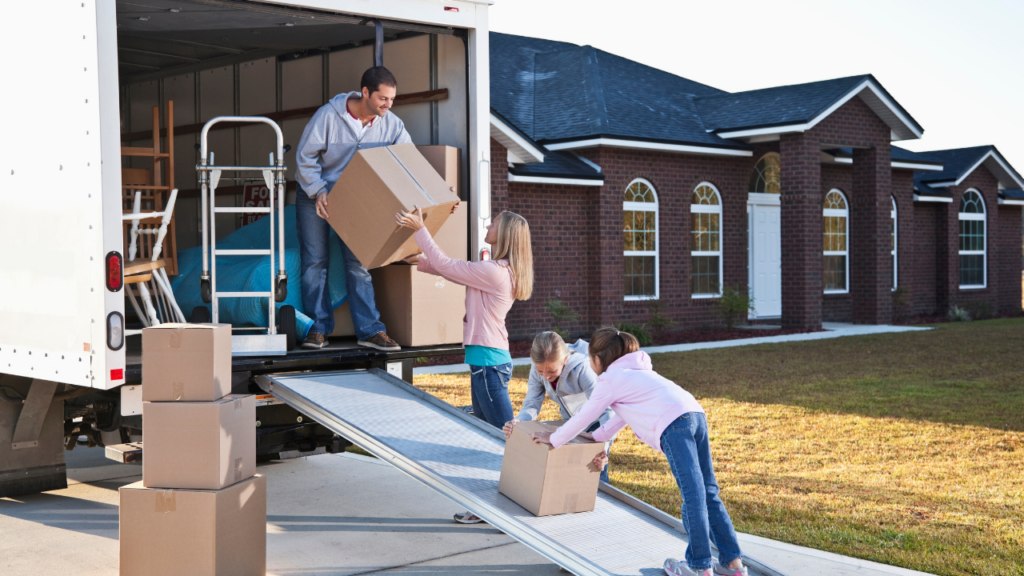
If you’re thinking about leaving California and moving to Minnesota, you’re definitely not alone. Over the past several years, I’ve talked with countless families, professionals, retirees, and remote workers who have made the move from California to Minnesota. Some came looking for more affordable housing. Others wanted a better quality of life, less traffic, more space, or simply a different pace. And while most people spend a lot of time researching home prices and neighborhoods, they often discover that the biggest differences have nothing to do with real estate. Minnesota feels different. The lifestyle is different. The seasons are different. The pace is different. And for many Californians, that’s exactly why they move here. That doesn’t mean every adjustment is easy. There are definitely some surprises that catch newcomers off guard. But there are also many things people end up loving about Minnesota that they never expected. If you’re considering a move from California to Minnesota, here’s what you should know before packing the moving truck. The Cost of Living Is Usually the First Big Surprise For most Californians, one of the biggest reasons for relocating is affordability. While Minnesota housing prices have risen over the years, many California buyers are shocked by how much more home they can purchase for the same budget. It’s not unusual for someone selling a modest home in parts of California to discover they can purchase a significantly larger property in Minnesota while still reducing their monthly housing costs. Beyond housing, many newcomers notice savings in areas like: Of course, costs vary depending on where you move within Minnesota, but many relocating buyers find their money stretches further. Minnesota Winters Are Real Let’s address the obvious topic. Yes, winters are colder. Much colder. Many Californians imagine winter in Minnesota as something they can never adapt to. Then they move here and discover something interesting. Minnesota is built for winter. Road crews know how to handle snow. Homes are designed for cold temperatures. Schools operate efficiently. Businesses stay open. People continue living their lives. The first winter can be an adjustment, but most newcomers find that preparation matters more than toughness. Good boots. A quality winter coat. Proper tires. Basic winter knowledge. Those things make a huge difference. Summers Surprise People One thing many Californians don’t expect is how much Minnesotans appreciate summer. After a long winter, summer becomes a celebration. You’ll find people: Minnesota summers are beautiful and often become one of the favorite parts of living here. Many transplants tell me they spend more time outdoors in Minnesota summers than they ever did in California. Traffic Feels Different If you’re moving from Los Angeles, San Diego, the Bay Area, or another major California metro, traffic will likely feel dramatically different. That’s not to say Minnesota traffic doesn’t exist. It does. But many Californians are surprised by shorter commute times and less daily congestion. What feels like heavy traffic in Minneapolis or St. Paul often looks very different from what many California residents experience every day. People Tend to Stay Longer in Minnesota One interesting cultural difference is that many Minnesota residents have deep roots in the community. It’s common to meet people who: For newcomers, this can feel different at first. Some people describe Minnesotans as friendly but initially reserved. Over time, however, many transplants build strong friendships and community connections. You’ll Hear About “Minnesota Nice” Almost every newcomer eventually hears this phrase. Minnesota Nice generally refers to the state’s reputation for friendliness, politeness, and helpfulness. People often hold doors. Neighbors shovel sidewalks. Strangers help push cars out of snowbanks. Community involvement tends to be strong. Like any stereotype, it isn’t perfect. But many people relocating from California notice a strong sense of community and neighborliness. The Housing Market May Feel Different California buyers are often familiar with intense competition, extremely high prices, and limited inventory. Depending on where you’re moving within Minnesota, the experience can feel different. You’ll still encounter competitive markets in some areas. But buyers are often surprised by: The Twin Cities offer everything from urban living to suburban communities to semi-rural properties within commuting distance. Outdoor Recreation Is a Huge Part of Life Minnesota isn’t called the Land of 10,000 Lakes for nothing. People here genuinely embrace outdoor activities. Popular activities include: Even people who weren’t particularly outdoorsy before moving often find themselves enjoying Minnesota’s outdoor lifestyle. Schools Are Often a Major Draw Many relocating families are attracted to Minnesota’s strong public school systems. School quality varies by district, but many communities consistently receive high marks for education, extracurricular activities, and community involvement. Families often prioritize neighborhoods based on school preferences, even if their children are years away from attending. You’ll Need to Learn About Seasons California newcomers are often used to relatively consistent weather patterns. Minnesota gives you four distinct seasons. And they are very distinct. Spring brings growth and renewal. Summer is active and energetic. Fall is stunning with colorful foliage. Winter transforms daily life. Many people end up appreciating the variety after they adjust. Home Maintenance Changes Homeownership in Minnesota involves different responsibilities than many parts of California. For example: These tasks become part of the rhythm of life. Fortunately, they’re also things that local homeowners become very comfortable with. Remote Workers Love Minnesota Remote work has fueled relocation activity. Many Californians realize they can: Minnesota has become increasingly attractive for professionals who no longer need to live near expensive coastal job centers. Healthcare and Community Resources Are Strong Minnesota consistently ranks highly in areas such as: For many families, these quality-of-life factors become major reasons they stay long-term. What Californians Usually Love Most After relocating, people often tell me they love: The things that initially seem unfamiliar often become the reasons people stay. What Can Be Challenging To be realistic, some adjustments take time. Common challenges include: Most people settle in successfully, but it’s important to have realistic expectations. Choosing the Right Minnesota Community Matters Not every Minnesota city offers the same experience. Some
Is It Better to Live in Minneapolis or St. Paul? (2026 Minnesota Relocation & Homebuyer Guide)
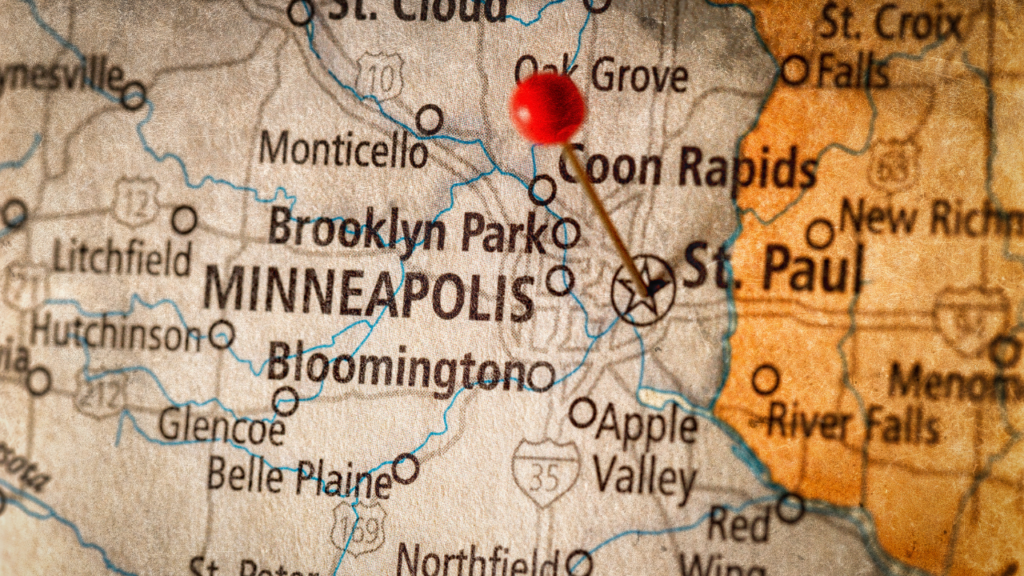
If you’re planning to move to the Twin Cities, one of the first questions you’ll probably ask is: 👉 “Should I live in Minneapolis or St. Paul?” And honestly? It’s a great question. Because while Minneapolis and St. Paul are often grouped together as the “Twin Cities,” they have very different personalities. They’re neighbors. They share many amenities. They connect through the same metro area. But living in Minneapolis feels very different from living in St. Paul. I’ve worked with buyers relocating from other states who assumed the two cities were basically identical. Then they spent a weekend exploring both and completely changed their minds. Some immediately fell in love with Minneapolis. Others couldn’t stop talking about St. Paul. Neither choice was wrong. They simply matched different lifestyles. The truth is: The best city depends on how you want to live. Your commute. Your budget. Your lifestyle. Your housing goals. And your long-term plans. You might be wondering: • Is Minneapolis more expensive than St. Paul? • Which city is better for families? • Where do young professionals prefer to live? • Which city has a better commute? • Are home prices different? • Which city feels more urban? • What are the biggest lifestyle differences? Let’s break it down. 🏡 Minneapolis and St. Paul: Similar Yet Very Different One of the easiest ways to understand the difference is this: Minneapolis often feels like a larger, faster-moving city. St. Paul often feels more residential and neighborhood-focused. That’s not a criticism of either one. It’s simply the vibe many residents describe. Minneapolis tends to attract people looking for: ✔️ Urban energy ✔️ Walkability ✔️ Dining and nightlife ✔️ Entertainment ✔️ Professional networking ✔️ Modern development Meanwhile, St. Paul often attracts people looking for: ✔️ Historic charm ✔️ Established neighborhoods ✔️ Community feel ✔️ Tree-lined streets ✔️ A quieter pace ✔️ Traditional residential areas Again, both cities offer all of these things to some degree. But the overall atmosphere feels different. 🏡 Minneapolis Often Feels More Fast-Paced If you enjoy: ✔️ Busy city life ✔️ Restaurants ✔️ Breweries ✔️ Entertainment districts ✔️ Sporting events ✔️ Nightlife Minneapolis may feel like a natural fit. Neighborhoods throughout Minneapolis offer: ✔️ Walkable business districts ✔️ Lake access ✔️ Shopping ✔️ Cultural attractions ✔️ Modern housing options Many young professionals and first-time buyers appreciate having so much nearby. 🏡 St. Paul Often Feels More Relaxed St. Paul tends to move at a different pace. Many residents describe it as: ✔️ More laid back ✔️ More neighborhood-oriented ✔️ More historic ✔️ Less hectic You’ll find beautiful architecture, mature trees, and strong community identity throughout many St. Paul neighborhoods. People often choose St. Paul because they want city amenities without feeling like they’re in the middle of constant activity. 🏡 Housing Styles Are Different One thing many buyers notice immediately is the housing stock. Minneapolis offers: ✔️ Modern condos ✔️ New developments ✔️ Historic homes ✔️ Urban townhomes ✔️ Diverse architectural styles St. Paul is often known for: ✔️ Historic homes ✔️ Classic architecture ✔️ Charming older neighborhoods ✔️ Established residential communities If you love character and historic details, you’ll likely find plenty to appreciate in both cities. But St. Paul often stands out for its architectural charm. 🏡 Commute Considerations For many buyers, location matters more than city identity. The real question becomes: 👉 Where do you work? A beautiful home becomes less attractive if the commute doesn’t fit your lifestyle. Fortunately, both Minneapolis and St. Paul provide access to: ✔️ Major highways ✔️ Public transportation ✔️ Employment centers ✔️ Regional connections The ideal location often depends more on your workplace than your city preference. 🏡 Outdoor Living Is Excellent in Both Cities Minnesota residents love outdoor recreation. The good news? You don’t have to choose between Minneapolis and St. Paul for that. Both offer: ✔️ Parks ✔️ Walking trails ✔️ Biking paths ✔️ River access ✔️ Green space ✔️ Community recreation Minneapolis is particularly known for its lakes and interconnected trail systems. St. Paul shines with riverfront access and extensive park networks. 🏡 Cost of Living Differences This is one area buyers frequently ask about. While market conditions constantly change, buyers often find pricing differences depend more on: ✔️ Specific neighborhoods ✔️ Property types ✔️ School districts ✔️ Home condition Than simply choosing Minneapolis versus St. Paul. Within each city you’ll find: ✔️ Entry-level opportunities ✔️ Mid-range homes ✔️ Luxury properties That’s why neighborhood research matters more than city comparisons alone. 🏡 Minneapolis Appeals to Many Young Professionals For buyers early in their careers, Minneapolis often attracts attention because of: ✔️ Employment opportunities ✔️ Walkability ✔️ Entertainment ✔️ Dining options ✔️ Professional networking ✔️ Urban energy Many people enjoy being close to where things are happening. 🏡 St. Paul Appeals to Many Families This isn’t a rule. But many families appreciate: ✔️ Residential neighborhoods ✔️ Community feel ✔️ Historic charm ✔️ Established housing stock ✔️ Local identity Many St. Paul neighborhoods feel more like individual communities than sections of a larger city. 🏡 Neighborhoods Matter More Than City Lines Here’s something important. When buyers ask: 👉 “Should I choose Minneapolis or St. Paul?” My response is often: 👉 “Let’s talk about neighborhoods first.” Because lifestyle differences between neighborhoods can sometimes be bigger than differences between the cities themselves. One Minneapolis neighborhood may feel more like St. Paul. One St. Paul neighborhood may feel more urban than expected. That’s why touring neighborhoods is so important. 🏡 Schools and Community Resources For families, schools often become part of the conversation. Both cities offer: ✔️ Public schools ✔️ Charter schools ✔️ Private schools ✔️ Educational programs The right fit depends on your priorities and long-term plans. 🏡 Entertainment and Culture Both cities have strong cultural identities. You’ll find: ✔️ Museums ✔️ Music venues ✔️ Festivals ✔️ Restaurants ✔️ Sports ✔️ Community events throughout the metro area. Minneapolis tends to receive more national attention. But St. Paul has a rich cultural scene of its own. 🏡 What Relocating Buyers
What Is It Like Living in Quiet Neighborhoods in Minnesota? (2026 Minnesota Lifestyle Guide)

If you’re thinking about moving to Minnesota, there’s a good chance you’ve said something like: 👉 “I really just want a quiet neighborhood.” And honestly? A LOT of people relocating to Minnesota feel exactly the same way. Especially people who are:✔️ Moving from busier metro areas✔️ Starting families✔️ Working remotely✔️ Downsizing✔️ Looking for less stress in daily life✔️ Wanting more peace and space Because quiet neighborhoods create:👉 A very different lifestyle experience. And honestly? Many buyers don’t fully realize how much:👉 Neighborhood atmosphere affects everyday happiness. You might be wondering: • What actually makes a neighborhood feel quiet?• Are quiet neighborhoods boring?• Is quiet living better for families?• Do quiet areas hold value well?• What’s daily life actually like?• Are quieter suburbs farther from everything?• Which Minnesota areas are known for calm residential living? These are smart questions. Because moving isn’t just about:👉 The home itself. It’s about:👉 How your life FEELS after you move in. The good news is: 👉 Minnesota has MANY quiet neighborhoods that still offer:✔️ Convenience✔️ Community✔️ Parks✔️ Schools✔️ Outdoor access✔️ Strong quality of life But understanding what “quiet neighborhood living” actually feels like can help you decide:👉 Whether it fits YOUR personality and lifestyle. 🏡 The Short Answer 👉 Living in quiet neighborhoods in Minnesota often feels calmer, slower-paced, more residential, and less stressful day-to-day. Quiet neighborhoods often attract:✔️ Families✔️ Remote workers✔️ Long-term homeowners✔️ Retirees✔️ Buyers prioritizing peace and privacy✔️ Residents wanting lower daily stimulation These areas often offer:✔️ Less traffic✔️ More residential streets✔️ Reduced noise✔️ Strong community feel✔️ More outdoor space✔️ Better separation from commercial activity But honestly? The “best” quiet neighborhood depends heavily on:👉 Your lifestyle and personality. 🏡 Why People Prioritize Quiet Neighborhoods This has become MUCH more common in recent years. A lot of buyers today feel:✔️ Overstimulated✔️ Busy✔️ Burned out✔️ Constantly connected So many people moving to Minnesota specifically search for:👉 More peaceful daily living. Especially buyers relocating from:✔️ Large cities✔️ Dense metro areas✔️ High-traffic environments Quiet neighborhoods create:👉 A very different emotional atmosphere. 🏡 What Makes a Neighborhood Feel Quiet? This is important. Because “quiet” means more than:👉 Just low noise. Quiet neighborhoods often include:✔️ Less traffic✔️ Fewer commercial businesses nearby✔️ More residential streets✔️ More green space✔️ Larger lots in some areas✔️ Less nightlife and entertainment activity The overall environment tends to feel:👉 Slower and calmer. 🏡 Quiet Neighborhoods Often Feel More Residential Many quiet Minnesota neighborhoods prioritize:✔️ Homes✔️ Parks✔️ Schools✔️ Trails✔️ Community spaces Instead of:✔️ Dense entertainment areas✔️ Commercial corridors✔️ Heavy nightlife activity That creates:👉 A more relaxed day-to-day environment. Especially during:✔️ Evenings✔️ Weekends✔️ Early mornings 🏡 Minnesota Suburbs Often Offer Quiet Living This is one reason many people move to the suburbs. Communities like:✔️ Lakeville✔️ Chanhassen✔️ Eden Prairie✔️ Maple Grove✔️ Plymouth✔️ Woodbury✔️ Eagan Often attract buyers wanting:👉 More peaceful residential living. Especially families and long-term homeowners. 🏡 Quiet Doesn’t Mean Isolated This surprises many relocation buyers. A quiet neighborhood does NOT automatically mean:❌ Rural❌ Far away❌ Inconvenient Many Minnesota neighborhoods offer:✔️ Calm residential atmosphere✔️ Parks and trails✔️ Schools nearby✔️ Shopping access✔️ Good commuting options While still feeling:👉 Peaceful and residential. 🏡 Daily Life Feels Different in Quiet Neighborhoods This is one of the biggest lifestyle differences. Residents often describe quiet neighborhoods as:✔️ Less stressful✔️ More predictable✔️ Easier to relax in✔️ Better for outdoor activities✔️ More comfortable for families and pets The environment often encourages:✔️ Walking✔️ Outdoor time✔️ Neighborhood interaction✔️ Slower routines Many people feel:👉 Their overall quality of life improves. 🏡 Quiet Neighborhoods Often Feel Safer Emotionally This is psychological. Even beyond actual crime statistics… People often FEEL:✔️ More relaxed✔️ More comfortable✔️ Less overwhelmed In calmer environments. Especially in neighborhoods with:✔️ Sidewalks✔️ Trees✔️ Parks✔️ Lower traffic✔️ Family activity That atmosphere strongly affects:👉 Emotional comfort. 🏡 Remote Workers Often Prioritize Quiet Areas This has become MUCH more common. People working from home often value:✔️ Reduced noise✔️ Less traffic✔️ More privacy✔️ Better home environments✔️ Outdoor space nearby A calm neighborhood may dramatically improve:👉 Work-life balance. Especially compared to:✔️ Busy downtown living. 🏡 Quiet Areas Often Have Strong Community Feel This matters more than many buyers expect. In many quiet Minnesota neighborhoods:✔️ Neighbors know each other✔️ Families stay long-term✔️ Community events feel stronger✔️ Outdoor interaction happens naturally That creates:👉 Strong neighborhood identity. Especially in:✔️ Family-oriented suburbs✔️ Park-centered neighborhoods✔️ Residential communities 🏡 What About Entertainment and Walkability? This depends heavily on:✔️ Exact neighborhood✔️ City design✔️ Suburb layout Some quiet neighborhoods still offer:✔️ Parks✔️ Trails✔️ Small business districts✔️ Coffee shops nearby Others may require:👉 More driving. This becomes an important lifestyle consideration. 🏡 Quiet Neighborhoods Often Prioritize Outdoor Lifestyle Many quiet Minnesota areas include:✔️ Parks✔️ Trails✔️ Lakes✔️ Green space✔️ Walking paths Outdoor access often becomes:👉 A major part of daily life. Especially during:✔️ Spring✔️ Summer✔️ Fall Minnesota’s outdoor culture strongly supports:👉 Quiet residential living. 🏡 What About Home Values? Quiet neighborhoods often remain:👉 Highly desirable long-term. Especially neighborhoods with:✔️ Strong schools✔️ Parks✔️ Trails✔️ Family appeal✔️ Stable residential atmosphere Buyers consistently value:✔️ Peacefulness✔️ Space✔️ Quality-of-life environments That can help support:👉 Long-term demand and resale interest. 🏡 Are Quiet Neighborhoods “Boring”? Honestly? That depends entirely on personality. Some people LOVE:✔️ Calmness✔️ Space✔️ Predictability✔️ Slower pace Others eventually realize:👉 They miss city energy and activity. There’s no universal “best.” Only:👉 Better lifestyle fit. 🏡 Quiet Living Feels Different Than Urban Living This is one of the biggest contrasts. Urban neighborhoods often feel:✔️ Faster-paced✔️ More social✔️ More active✔️ Entertainment-focused Quiet neighborhoods often feel:✔️ Residential✔️ Relaxed✔️ Slower✔️ Community-oriented Both lifestyles can be amazing…For the RIGHT person. 🏡 Which Buyers Usually Prefer Quiet Neighborhoods? Quiet neighborhoods often attract:✔️ Families✔️ Remote workers✔️ Retirees✔️ Long-term homeowners✔️ Buyers prioritizing peace and privacy Especially:✔️ People wanting lower daily stress. 🏡 Which Buyers May Prefer Busier Areas Instead? Some buyers prefer:✔️ Walkable nightlife✔️ Restaurants nearby✔️ Entertainment districts✔️ City energy✔️ Faster-paced environments Especially:✔️ Young professionals✔️ Highly social residents✔️ Urban lifestyle seekers Again:👉 Neither lifestyle is universally better. 🏡 Real Situation I See Often Someone relocates to Minnesota initially focused on:👉 Being close to “everything.” But after living in a busier environment…They realize:👉 They
What Is It Like Living Near Parks in Minnesota? (2026 Minnesota Lifestyle Guide)

If you’re thinking about moving to Minnesota, there’s a good chance you’ve noticed something pretty quickly: 👉 Minnesotans LOVE parks. And honestly? Parks are a HUGE part of daily life here. Whether you’re in:✔️ Minneapolis✔️ St. Paul✔️ The suburbs✔️ Smaller Minnesota communities You’ll usually find:👉 Trails, green spaces, playgrounds, lakes, and parks woven directly into neighborhoods. That’s one of the reasons so many people moving to Minnesota ask: 👉 “What’s it like living near parks?” Because living near parks affects:✔️ Daily routine✔️ Lifestyle✔️ Mental health✔️ Walkability✔️ Family life✔️ Home value✔️ Outdoor activity And honestly? It changes the FEEL of everyday life more than many people expect. You might be wondering: • Is living near parks quieter?• Do homes near parks cost more?• What’s daily life actually like?• Are park neighborhoods better for families?• Do parks increase traffic or noise?• What’s winter like near parks?• Which Minnesota areas have the best park access? These are smart questions. Because moving isn’t just about:👉 The house itself. It’s about:👉 The lifestyle around the house. The good news is: 👉 Minnesota is one of the BEST states in the country for park access and outdoor lifestyle. But understanding what daily life near parks actually feels like can help you decide:👉 Whether it fits YOUR lifestyle. 🏡 The Short Answer 👉 Living near parks in Minnesota usually feels more peaceful, active, community-oriented, and outdoors-focused. Park-adjacent neighborhoods often attract:✔️ Families✔️ Walkers and runners✔️ Dog owners✔️ Outdoor enthusiasts✔️ Long-term homeowners✔️ Buyers prioritizing quality of life Living near parks often means:✔️ More outdoor activity✔️ Better walking access✔️ More scenic surroundings✔️ Strong community feel✔️ Easier recreational lifestyle But it may also include:✔️ More visitors✔️ Seasonal activity✔️ Weekend traffic in some areas Overall though? Many residents consider park access:👉 One of the BEST parts of living in Minnesota. 🏡 Why Parks Matter So Much in Minnesota Minnesota has a very strong:👉 Outdoor culture. People here genuinely value:✔️ Nature✔️ Recreation✔️ Trails✔️ Walking✔️ Biking✔️ Seasonal outdoor activities Parks are not just:👉 “Nice extras.” In many communities:👉 They become part of daily life. Especially during:✔️ Spring✔️ Summer✔️ Fall But honestly? Even winter park use is common here. 🏡 Living Near Parks Changes Daily Routine This is one of the biggest differences. When parks are nearby:👉 People naturally spend more time outside. Residents often:✔️ Walk more✔️ Bike more✔️ Exercise more✔️ Spend more family time outdoors✔️ Use trails regularly Instead of needing to:👉 Drive somewhere for recreation. Outdoor activity becomes:👉 Convenient and integrated into daily life. 🏡 Park Neighborhoods Often Feel More Relaxed Many neighborhoods near parks feel:✔️ Calmer✔️ More scenic✔️ More residential✔️ Less dense Especially compared to:✔️ Busy commercial corridors✔️ High-traffic urban areas Trees, trails, lakes, and open green space create:👉 A very different emotional atmosphere. Many residents say:👉 Living near parks helps daily life feel less stressful. 🏡 Families Often Prioritize Park Access This is HUGE in Minnesota. A lot of families specifically search for:✔️ Homes near playgrounds✔️ Walking trails✔️ Open green space✔️ Recreation areas✔️ Parks connected to schools and neighborhoods Why? Because parks make:✔️ Daily family life easier. Especially for:✔️ Kids✔️ Pets✔️ Outdoor activities✔️ Social interaction 🏡 Minnesota Parks Are Used Year-Round This surprises many people relocating from other states. Even during winter:👉 Minnesota residents still use parks regularly. Activities often include:✔️ Walking✔️ Cross-country skiing✔️ Snowshoeing✔️ Winter hiking✔️ Ice skating nearby✔️ Sledding Outdoor culture remains:👉 Strong year-round. 🏡 Which Areas in Minnesota Have Strong Park Access? Honestly? A LOT of them. Some especially park-oriented areas include:✔️ Minneapolis lake neighborhoods✔️ St. Paul park systems✔️ Suburbs like Maple Grove, Eden Prairie, and Woodbury✔️ Communities near regional trails✔️ Neighborhoods near lakes and nature preserves Minnesota overall is:👉 Extremely strong for park infrastructure. 🏡 Parks Create Strong Community Feel This matters more than many people expect. Parks naturally encourage:✔️ Walking✔️ Neighbor interaction✔️ Community activity✔️ Outdoor events✔️ Casual social connection That often creates:👉 Strong neighborhood identity. Especially in:✔️ Family-oriented communities✔️ Walkable suburban neighborhoods✔️ Lake-adjacent areas 🏡 Living Near Parks Often Feels Healthier Many residents feel:👉 More physically active living near parks. Because activity becomes:✔️ Easier✔️ More convenient✔️ More enjoyable Instead of needing:👉 A gym or planned workout routine. Outdoor movement naturally becomes:👉 Part of life. 🏡 Homes Near Parks Can Be Very Desirable This is important for buyers and homeowners. Homes near:✔️ Parks✔️ Trails✔️ Lakes✔️ Green spaces Often remain:👉 Highly desirable long-term. Buyers consistently value:✔️ Scenic surroundings✔️ Outdoor access✔️ Recreational convenience That may help support:👉 Long-term demand and resale appeal. 🏡 Are There Downsides to Living Near Parks? Sometimes:👉 Yes. Especially depending on:✔️ Park popularity✔️ Neighborhood layout✔️ Seasonal traffic Possible drawbacks may include:✔️ More visitors✔️ Weekend activity✔️ Event traffic✔️ Limited parking in some areas Especially near:✔️ Large regional parks✔️ Lakes✔️ Popular trails But honestly? Most residents feel:👉 The benefits outweigh the drawbacks significantly. 🏡 Which Lifestyle Fits Park Living Best? Park-oriented living often fits people who enjoy:✔️ Walking✔️ Nature✔️ Outdoor recreation✔️ Relaxed surroundings✔️ Community-oriented lifestyle Especially:✔️ Families✔️ Dog owners✔️ Retirees✔️ Remote workers✔️ Outdoor enthusiasts 🏡 Park Living Feels Different Than Busy Urban Living This is one of the biggest contrasts. Busy urban neighborhoods often feel:✔️ Fast-paced✔️ Commercial✔️ Socially active✔️ Entertainment-focused Park-oriented neighborhoods usually feel:✔️ Slower✔️ More scenic✔️ More peaceful✔️ More residential Neither is universally “better.” Only:👉 Different lifestyle experiences. 🏡 Which Minnesota Parks Are Especially Popular? Some of the most loved areas include:✔️ Chain of Lakes✔️ Lake Nokomis✔️ Minnehaha Falls✔️ Theodore Wirth Park✔️ Mississippi River trails✔️ Regional suburban trail systems These spaces become:👉 Major lifestyle attractions for residents. 🏡 Why People Relocating to Minnesota Often Love Park Access Many relocation buyers are surprised by:👉 How integrated parks are into daily life here. Especially people moving from:✔️ Dense urban areas✔️ States with less public green space✔️ Hot climates limiting outdoor activity Minnesota’s outdoor infrastructure creates:👉 A very livable environment. 🏡 Real Situation I See Often Someone moves to Minnesota focused mainly on:👉 Home size and price. But after living here…They realize:👉 Proximity to parks dramatically improved their daily lifestyle. People often end up valuing:✔️ Walking trails✔️ Outdoor access✔️ Scenic surroundings More than they originally expected. 🏡 Common
What Is It Like Living Near Downtown Minneapolis vs the Suburbs? (2026 Minnesota Lifestyle Guide)

If you’re thinking about moving to the Twin Cities, one of the biggest questions you’ll probably face is: 👉 “Should I live near downtown Minneapolis or move to the suburbs?” And honestly? This is one of the MOST important lifestyle decisions people make when relocating to Minnesota. Because downtown living and suburban living create:👉 VERY different day-to-day experiences. Neither is automatically better. It really depends on:✔️ Your lifestyle✔️ Your personality✔️ Your priorities✔️ Your family situation✔️ Your commute✔️ The type of environment you enjoy daily Some people LOVE:👉 City energy and walkability. Others feel:👉 More comfortable with space, quietness, and suburban living. You might be wondering: • Is downtown Minneapolis safe?• What are the biggest pros and cons of suburban living?• Is city living more expensive?• Which areas are better for families?• What’s traffic like?• Which lifestyle feels less stressful?• What’s daily life actually like in each environment? These are smart questions. Because where you live affects:👉 Your daily routine more than almost anything else. The good news is: 👉 The Twin Cities offer BOTH strong urban living and excellent suburban communities. But understanding the differences can help you figure out:👉 Which lifestyle fits YOU best. 🏡 The Short Answer 👉 Living near downtown Minneapolis feels more walkable, energetic, connected, and urban. 👉 Living in the suburbs feels quieter, more spacious, family-oriented, and residential. Downtown-area living often attracts:✔️ Young professionals✔️ People wanting walkability✔️ Condo buyers✔️ Residents wanting nightlife and restaurants✔️ People prioritizing shorter city commutes Suburban living often attracts:✔️ Families✔️ Buyers wanting larger homes✔️ Residents prioritizing quieter environments✔️ People wanting yards and space✔️ Long-term homeowners Both lifestyles offer:✔️ Strong amenities✔️ Great communities✔️ Access to jobs and recreation But the daily experience feels VERY different. 🏡 What Is It Like Living Near Downtown Minneapolis? Living near downtown Minneapolis often means:👉 Faster-paced urban living. Residents typically enjoy:✔️ Walkability✔️ Restaurants✔️ Coffee shops✔️ Sporting events✔️ Entertainment✔️ Nightlife✔️ Apartment or condo living✔️ Public transit access The lifestyle feels:👉 More connected and active. People living downtown or near downtown often spend less time:👉 Driving everywhere. 🏡 What Is Suburban Living Like? Suburban living around Minneapolis tends to feel:👉 More spacious and residential. Suburbs often offer:✔️ Larger homes✔️ More yard space✔️ Quiet streets✔️ Parks✔️ Schools✔️ Family-oriented neighborhoods✔️ Easier parking The lifestyle usually feels:👉 Slower-paced and calmer. A lot of residents choose suburban living because:👉 They want more personal space and less daily noise/activity. 🏡 Walkability Is One of the Biggest Differences This is HUGE. Downtown Minneapolis and nearby neighborhoods often allow residents to:✔️ Walk to restaurants✔️ Walk to cafés✔️ Walk to events✔️ Walk to work✔️ Use transit more easily That creates:👉 A very different daily routine. Suburban life usually involves:👉 More driving. Even though many suburbs still offer:✔️ Shopping centers✔️ Restaurants✔️ Parks✔️ Trails The environment feels:👉 More car-oriented overall. 🏡 Downtown Living Feels More Energetic This is one of the biggest lifestyle differences. Living near downtown often means:✔️ More people✔️ More movement✔️ More activity✔️ More nightlife✔️ More city energy Some people LOVE that environment. Others feel:👉 It becomes overwhelming long-term. Personality fit matters tremendously here. 🏡 Suburban Living Feels More Relaxed Suburban areas often feel:✔️ Quieter✔️ Less crowded✔️ More predictable✔️ More family-centered Residents often prioritize:✔️ Peacefulness✔️ Outdoor space✔️ Privacy✔️ Residential comfort Especially after:✔️ Starting families✔️ Working remotely✔️ Wanting more home space 🏡 Housing Styles Feel Very Different Downtown-area living often includes:✔️ Condos✔️ Apartments✔️ Townhomes✔️ Loft-style buildings✔️ Smaller living spaces Suburban living often includes:✔️ Single-family homes✔️ Larger lots✔️ Garages✔️ Newer developments✔️ More square footage The type of home lifestyle changes dramatically. 🏡 Which Lifestyle Is Better for Families? Generally:👉 Many families prefer suburban living. Especially because suburbs often offer:✔️ Larger homes✔️ More yard space✔️ Quiet neighborhoods✔️ Schools nearby✔️ Less traffic and activity That said:👉 Some families absolutely LOVE city living too. Especially those prioritizing:✔️ Walkability✔️ Cultural experiences✔️ Urban lifestyle✔️ Reduced commuting There’s no universal “right” answer. 🏡 Commute Patterns Feel Different Too Living near downtown may reduce:👉 Commute time. Especially for people working:✔️ Downtown Minneapolis✔️ Nearby office districts✔️ Urban business centers Suburban residents may experience:✔️ Longer driving commutes✔️ More highway time✔️ Rush-hour traffic But remote work has changed this for many people. 🏡 Cost of Living Differences This depends heavily on:✔️ Neighborhood✔️ Property type✔️ Amenities✔️ School districts✔️ Exact suburb or downtown area Downtown living often includes:✔️ HOA fees✔️ Parking costs✔️ Smaller spaces at higher price-per-square-foot Suburban living often offers:✔️ More space✔️ Larger properties✔️ More home-focused value But some high-demand suburbs can also become VERY expensive. 🏡 Which Lifestyle Feels More Social? Downtown-area living often creates:👉 Easier spontaneous social activity. Because:✔️ Restaurants✔️ Bars✔️ Events✔️ Entertainment Are nearby. Suburban social life often feels:👉 More home-centered and planned. Many suburban residents socialize through:✔️ Schools✔️ Neighborhoods✔️ Parks✔️ Community events Both can feel highly social…Just differently. 🏡 Outdoor Access Exists in Both This surprises some people. Minneapolis offers:✔️ Parks✔️ Trails✔️ Lakes✔️ River access Even close to downtown. Suburbs often offer:✔️ Larger parks✔️ More green space✔️ Trails✔️ Recreational areas Minnesota overall is VERY strong for outdoor lifestyle. 🏡 Noise Levels Feel Different This matters more than many people realize. Downtown-area living often includes:✔️ Traffic noise✔️ Sirens✔️ Foot traffic✔️ Event activity✔️ Construction Suburban living tends to feel:👉 Much quieter overall. Especially at night. 🏡 Parking Is Easier in the Suburbs Generally:👉 Yes. Downtown-area living may involve:✔️ Parking ramps✔️ Street parking✔️ Paid parking✔️ Shared garages Suburbs usually offer:✔️ Driveways✔️ Garages✔️ Easier guest parking This becomes important for many residents over time. 🏡 Which Lifestyle Feels Less Stressful? Honestly? This depends entirely on personality. Some people feel:👉 Energized by city activity. Others feel:👉 Drained by constant movement and noise. Some people LOVE:✔️ Quiet suburban life. Others feel:👉 Bored without city energy. There’s no universally “better” lifestyle. Only:👉 Better personality fit. 🏡 Who Usually Prefers Downtown Living? Downtown-area living often attracts:✔️ Young professionals✔️ Condo buyers✔️ Walkability-focused residents✔️ Urban lifestyle seekers✔️ Residents prioritizing entertainment and convenience Especially:✔️ Singles✔️ Couples✔️ Professionals working downtown 🏡 Who Usually Prefers Suburban Living? Suburban living often attracts:✔️ Families✔️ Long-term homeowners✔️ Buyers wanting larger homes✔️ Residents prioritizing quietness and space✔️ People wanting traditional neighborhood environments
🏡 What Is It Like Living in the Outer Twin Cities Suburbs? (2026 Minnesota Guide)
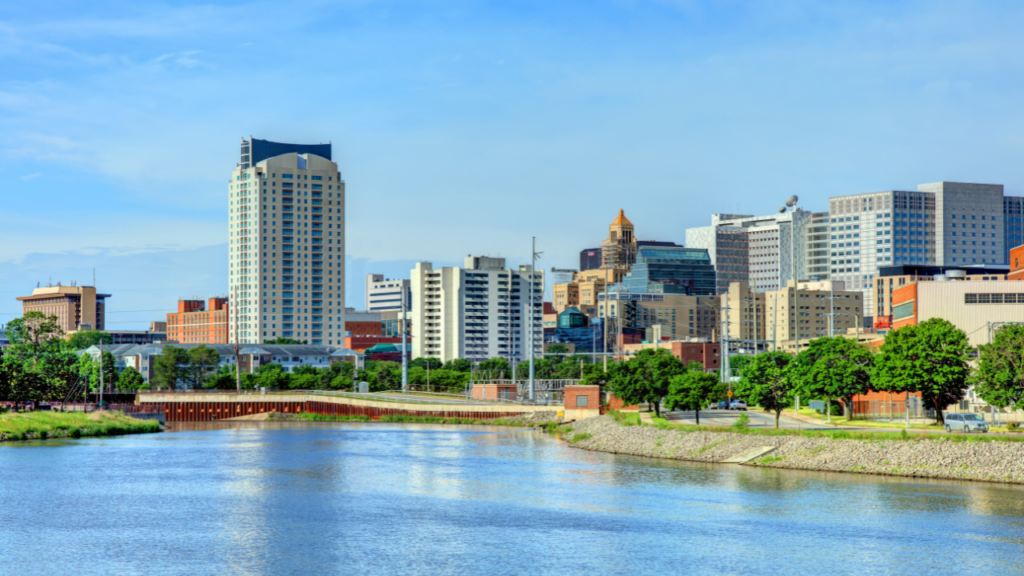
If you’re thinking about moving to Minnesota, there’s a good chance you’ve looked at homes farther outside the Twin Cities. And honestly? A lot of buyers eventually ask the same question: 👉 “What’s it actually like living in the outer Twin Cities suburbs?” Because many people want:• More space• Newer homes• Larger yards• Lower prices compared to inner suburbs• A quieter lifestyle But they also wonder: 👉 “Will I feel too far away from everything?” This is one of the biggest lifestyle decisions buyers face when moving to Minnesota. Because the outer suburbs offer:👉 A VERY different experience compared to:• Downtown Minneapolis• St. Paul• Inner-ring suburbs You might be wondering: • What counts as an outer suburb?• Are homes cheaper there?• Is the commute difficult?• Do families prefer outer suburbs?• Is there enough shopping and entertainment?• What are the pros and cons? These are smart questions. Because outer suburban living works REALLY well for some buyers… 👉 And feels frustrating for others. The key is understanding:👉 What daily life actually feels like. The Short Answer 👉 Living in the outer Twin Cities suburbs usually offers:• More space• Newer developments• Larger homes• Quieter neighborhoods• More suburban-family lifestyle But it may also mean:• Longer commutes• More driving• Less urban convenience• Farther access to entertainment and jobs The best fit depends on:👉 Your lifestyle and priorities. 🏡 What Are Considered Outer Twin Cities Suburbs? Outer suburbs are communities farther from the immediate Minneapolis/St. Paul metro core. Examples may include areas like:• Lakeville• Blaine• Rogers• Otsego• Dayton• Elko New Market• Chaska• Prior Lake• Hugo• Ramsey• Victoria These areas often sit:👉 30–60+ minutes from downtown depending on traffic. And they continue growing rapidly because buyers want:👉 More affordability and space. 🏡 What Do the Outer Suburbs Feel Like? Outer suburbs often feel:👉 More spacious and residential. You’ll notice:• Newer developments• Larger homes• Wider roads• More open land nearby• Less density• Quieter neighborhoods Many buyers describe outer suburban living as:👉 Slower-paced and family-oriented. Compared to inner-ring suburbs:👉 Life often feels less hectic. 🏡 Why Buyers Move to Outer Suburbs This is one of the biggest trends in Minnesota. Many buyers move outward because they want:• More home for the money• Larger yards• Newer construction• Better affordability• More suburban atmosphere Especially families who feel:👉 Inner suburbs are becoming too expensive. Outer suburbs often provide:👉 More space and newer housing options. 🏡 Home Prices and Value This is one of the biggest advantages. Compared to inner-ring suburbs: 👉 Outer suburbs may offer:• Larger homes• Newer homes• Bigger lots• More square footage For similar pricing. That’s one reason:👉 Move-up buyers often head farther outward. Many buyers compare:👉 Smaller inner-suburb homes Versus:👉 Larger outer-suburb homes. And outer suburbs often win on:👉 Space and value. 🏡 What Are the Neighborhoods Like? Outer suburban neighborhoods often feel:👉 Newer and more residential. You’ll commonly see:• New construction communities• Master-planned neighborhoods• Sidewalks and trails• Larger garages• Family-oriented developments Many neighborhoods feel:👉 Designed specifically for suburban-family living. 🏡 Is It Good for Families? Honestly? 👉 Outer suburbs are EXTREMELY popular with families. Families often love:• More space• Newer homes• Parks and trails• Neighborhood communities• Quieter streets Many buyers specifically move outward because:👉 They want more room for kids and daily life. 🏡 What About Schools? School preferences vary heavily by:👉 Specific district and location. But many outer suburban communities attract families partly because:👉 Buyers prioritize school systems and family-oriented environments. This becomes a major reason:👉 Families expand their home search farther from the city. 🏡 What About Commutes? This is the BIG tradeoff. Outer suburbs usually mean:👉 Longer commutes. Depending on your work location:👉 Commute times may increase significantly. Especially during:• Rush hour• Winter weather• Highway congestion Some buyers are comfortable with that. Others quickly realize:👉 Daily driving becomes exhausting. 🏡 How Much Driving Happens? Usually:👉 More than inner suburbs. You may drive farther for:• Restaurants• Entertainment• Work• Specialty shopping• Events Outer suburban life is often:👉 More car-dependent. That’s important to understand before moving. 🏡 What About Shopping and Convenience? Outer suburbs today offer:👉 MUCH more convenience than they used to. Many growing communities now have:• Target• Costco• Grocery stores• Restaurants• Fitness centers• Coffee shops However: 👉 Inner suburbs still generally offer:• More variety• Shorter access times• More entertainment options Outer suburban life still feels:👉 Less urban and more residential. 🏡 Which Lifestyle Feels Busier? Inner suburbs and city areas usually feel:👉 Busier and faster-paced. Outer suburbs feel:👉 More calm and spread out. Many buyers LOVE:👉 The quieter atmosphere. Especially people leaving:• Dense urban environments• High-traffic areas• More crowded communities 🏡 What About New Construction? Outer suburbs dominate here. Many buyers looking for:👉 New construction homes End up focusing on:👉 Outer suburban communities. Why? Because:👉 Land availability is higher. That allows builders to create:• New developments• Larger homes• Modern layouts• Expanding neighborhoods This is a HUGE reason buyers move outward. 🏡 What About Winter Living? Minnesota winters affect outer suburbs differently. You may experience:• Longer snowy commutes• More highway driving• Heavier winter travel time However: 👉 Many buyers still prefer outer suburban life despite winter driving. Because:👉 They value the space and lifestyle. 🏡 What Type of Buyer Usually Likes Outer Suburbs? Outer suburban living often attracts:• Growing families• Move-up buyers• New construction buyers• People wanting more space• Buyers leaving expensive inner suburbs Especially buyers prioritizing:👉 Home size and suburban lifestyle. 🏡 What Type of Buyer May NOT Like Outer Suburbs? Outer suburbs may feel difficult for buyers who want:• Walkability• Nightlife• Short commutes• Quick urban convenience• Dense city activity Those buyers often prefer:👉 Inner suburbs or urban neighborhoods. 🏡 Real Situation I See Often A buyer initially wants:👉 An inner-ring suburb. But after seeing:• Home prices• Smaller lots• Older homes They start exploring:👉 Outer suburban communities. Suddenly they realize:👉 They can afford:• More space• Newer homes• Bigger yards But then they must decide:👉 Is the longer commute worth it? That’s the REAL lifestyle question. 🏡 Outer Suburbs vs Inner Suburbs Outer Suburbs Usually offer:👉 More space and newer housing. Inner Suburbs Usually offer:👉