
What Areas in Minnesota Are Popular for First-Time Homebuyers?

Buying your first home is exciting. It’s also a little overwhelming. You’re trying to figure out mortgage payments, down payments, neighborhoods, schools, property taxes, commute times, and whether the house you’re considering is actually a good investment. As a Minnesota real estate agent, one of the questions I hear most often from first-time buyers is: “Lesley, where should I be looking?” The answer depends on your budget, lifestyle, work location, family needs, and long-term goals. But over the years, I’ve noticed certain Minnesota communities consistently attract first-time buyers because they offer a combination of affordability, amenities, strong communities, and future growth potential. The truth is that there isn’t one perfect city for every first-time buyer. Some buyers want new construction. Others want an established neighborhood. Some prioritize schools. Others want shorter commutes. The good news is that Minnesota offers a wide variety of communities that fit different lifestyles and budgets. Let’s look at some of the most popular areas for first-time homebuyers and why so many buyers continue choosing them. What First-Time Homebuyers Usually Want Before we talk about specific cities, let’s talk about what most first-time buyers are actually looking for. In my experience, most first-time buyers prioritize: Not every city checks every box equally. That’s why understanding your priorities is so important. Lakeville Lakeville continues to be one of the most popular cities for first-time buyers in Minnesota. Why? Because it offers something many buyers are searching for: Balance. Lakeville provides: Many first-time buyers appreciate that Lakeville offers a suburban lifestyle while still maintaining convenient access to Minneapolis and St. Paul. The city continues attracting buyers because it appeals to young professionals, growing families, and relocation buyers alike. Farmington Farmington has become increasingly popular among first-time buyers who want to maximize their budget. One thing buyers often discover is that they can sometimes afford a larger home in Farmington than they could in some neighboring communities. Farmington offers: For buyers focused on value, Farmington often deserves a closer look. Rosemount Rosemount consistently attracts first-time buyers who want a newer suburban environment. Many buyers appreciate: The city continues growing while maintaining a strong sense of community. Many first-time buyers find Rosemount offers a nice combination of affordability and quality of life. Cottage Grove Cottage Grove has become a favorite among buyers seeking affordability without sacrificing convenience. The city offers: Many first-time buyers find Cottage Grove appealing because it offers opportunities across a variety of price points. Blaine Blaine continues attracting younger buyers and growing families. Reasons include: Many first-time buyers appreciate the variety of housing options available. Whether you’re looking for a townhome, starter home, or newer single-family property, Blaine often offers several possibilities. Otsego Otsego has become increasingly popular among buyers looking for more house for their money. Many first-time buyers are surprised by what they can find in Otsego compared to some more established suburbs. The city offers: As awareness of Otsego continues growing, so does buyer interest. Rogers Rogers has become one of the most attractive communities in the northwest metro. First-time buyers often like: Many buyers who work in the northwest metro find Rogers particularly appealing. Woodbury Woodbury isn’t always the cheapest option, but it remains highly desirable. Some first-time buyers choose smaller homes, townhomes, or condos in Woodbury because they value: For many buyers, location matters just as much as square footage. Shakopee Shakopee continues attracting first-time buyers because of its combination of affordability and convenience. The city offers: Many buyers appreciate the variety of housing opportunities available. Brooklyn Park Brooklyn Park remains one of the largest cities in Minnesota and continues offering opportunities for first-time buyers. Advantages include: Many buyers find that Brooklyn Park offers value while maintaining convenient access to the metro area. Why New Construction Appeals to First-Time Buyers One trend I’ve noticed recently is that more first-time buyers are considering new construction. Reasons include: Communities like Lakeville, Farmington, Blaine, Otsego, Rogers, and Rosemount continue offering opportunities for buyers interested in new homes. Why School Districts Matter Even If You Don’t Have Kids This surprises many buyers. Even if you don’t have children, school districts can still matter. Why? Because future buyers often care about schools. Strong school districts can contribute to: That’s one reason many first-time buyers pay attention to school systems even when they don’t currently need them. What First-Time Buyers Should Focus On Many buyers spend too much time trying to predict the market. Instead, I encourage buyers to focus on: Affordability Can you comfortably afford the monthly payment? Lifestyle Does the community fit your day-to-day life? Commute How much time do you want to spend driving? Future Needs Will the home still work for you in a few years? Community Appeal Do you genuinely enjoy the area? These factors often matter more than trying to perfectly time the market. Common Mistakes First-Time Buyers Make Focusing Only on Price The cheapest house isn’t always the best value. Ignoring Commute Times A great house can feel very different after months of a difficult commute. Overlooking Community Amenities Parks, trails, shopping, and recreation can significantly impact quality of life. Waiting for the “Perfect” Market Many buyers spend years waiting for ideal conditions that never arrive. Not Exploring Multiple Areas Some buyers limit themselves unnecessarily and miss excellent opportunities elsewhere. Questions to Ask Before Choosing a City When evaluating communities, ask yourself: What is most important to me? Schools?Commute?Affordability?New construction? How long do I plan to stay? Your timeline may influence your decision. What lifestyle do I want? Every community offers something different. Am I open to growing suburbs? Some of Minnesota’s fastest-growing communities offer excellent opportunities. FAQ What is the best city for first-time homebuyers in Minnesota? There is no single answer. Popular choices include Lakeville, Farmington, Rosemount, Cottage Grove, Blaine, Rogers, Otsego, Shakopee, and Brooklyn Park. Should first-time buyers consider new construction? Absolutely. Many builders offer homes designed specifically for first-time buyers. Are suburbs better than cities for first-time buyers? It depends on your lifestyle and priorities. How
Where Are Buyers Moving Right Now in Minnesota?

If you’ve been paying attention to Minnesota real estate over the past few years, you’ve probably noticed something interesting: Not everyone is moving to the same places. Some buyers are leaving larger cities for suburban communities. Others are relocating from out of state and looking for highly rated school districts. Some want more land. Some want newer homes. Others want walkability, shorter commutes, or lake access. As a Minnesota real estate agent, one of the questions I hear most often is: “Lesley, where are buyers moving right now in Minnesota?” It’s a great question because buyer migration trends can tell us a lot about what’s happening in the housing market. They show us what people value. They reveal where demand is strongest. And they often highlight communities that continue attracting attention from both local and out-of-state buyers. While every buyer has unique priorities, certain Minnesota cities and suburbs continue showing up on buyers’ wish lists again and again. Let’s look at where people are moving, why they’re choosing those communities, and what today’s buyers are looking for in Minnesota. Why Buyers Are Moving Differently Than They Did Ten Years Ago A decade ago, many buyers prioritized one thing above almost everything else: The commute. Today, the conversation is often much broader. Many buyers now consider: The rise of hybrid and remote work has also changed how people think about location. Some buyers are now willing to live farther from major employment centers if it means getting more home, a larger yard, or access to better amenities. Lakeville Continues to Attract Buyers If there’s one suburb that consistently comes up in conversations with buyers, it’s Lakeville. Lakeville continues attracting: Buyers appreciate: Many buyers feel Lakeville offers a good balance between suburban living and accessibility. The city continues growing because demand remains strong across multiple buyer groups. Woodbury Remains One of the Most Popular Destinations Woodbury continues attracting buyers from across Minnesota and beyond. The city’s popularity is driven by: Many relocation buyers specifically ask about Woodbury before they even arrive in Minnesota. It’s often viewed as one of the most desirable suburbs in the east metro. Because it appeals to so many different types of buyers, demand remains strong. Blaine Continues Growing Blaine has become increasingly popular among buyers seeking newer housing options. The city offers: Many buyers appreciate the amount of new housing inventory available. The city’s continued expansion keeps it firmly on the radar for both local and relocating buyers. Rosemount Is Attracting More Attention Rosemount has quietly become one of the most desirable communities for families. Buyers are attracted to: Many families moving within the Twin Cities metro are adding Rosemount to their search areas because it offers a strong combination of value and quality of life. Farmington Continues Drawing Budget-Conscious Buyers Affordability remains important. As home prices have increased throughout the metro area, many buyers have expanded their search. Farmington often appeals to buyers who want: Many first-time buyers discover they can stretch their budget further in Farmington than in some neighboring suburbs. Rogers Is Seeing Strong Demand Rogers continues attracting buyers because of its location and growth. Key factors include: Many buyers appreciate the combination of suburban living and convenient transportation access. The city continues seeing both residential and commercial investment. Otsego Is No Longer a Secret There was a time when many buyers overlooked Otsego. That’s no longer the case. Today, buyers are drawn to: Many families find they can purchase a newer home with more space compared to some older, more established suburbs. That value proposition continues attracting attention. Cottage Grove Continues Expanding Cottage Grove has become increasingly popular among both first-time and move-up buyers. Reasons include: Many buyers appreciate the balance between affordability and convenience. As development continues, buyer interest remains strong. Maple Grove Remains a Buyer Favorite Maple Grove continues attracting buyers despite having less available land for large-scale development than some newer suburbs. Why? Because it offers: Many buyers prioritize convenience, and Maple Grove delivers it. The city remains one of the most sought-after communities in Minnesota. Eden Prairie Continues Attracting Professionals Eden Prairie remains popular with: Its appeal includes: Many buyers appreciate the established nature of the community and its reputation for quality of life. Prior Lake Attracts Lifestyle Buyers Some buyers prioritize lifestyle above everything else. Prior Lake often attracts buyers looking for: The community’s lifestyle appeal continues drawing interest from move-up buyers and relocation clients. Victoria Is Becoming Increasingly Popular Victoria continues gaining attention among buyers seeking: Many buyers describe Victoria as offering a quieter pace while still remaining connected to the metro. As awareness grows, so does demand. Minneapolis Still Attracts Urban Buyers Not everyone wants suburban living. Many buyers continue choosing Minneapolis because of: Certain neighborhoods remain highly desirable among professionals and buyers who value convenience and city living. St. Paul Continues Drawing Buyers St. Paul remains attractive because of its: Many buyers appreciate the unique identity that different St. Paul neighborhoods offer. What Out-of-State Buyers Want As someone who works with relocation buyers, I’ve noticed several consistent themes. Many people moving to Minnesota prioritize: Good Schools School districts frequently influence decisions. Larger Homes Many buyers are surprised by what their budget can buy compared to other states. New Construction Relocation buyers often prefer move-in-ready homes. Community Amenities Parks, trails, recreation, and shopping matter. Safety and Quality of Life Minnesota’s reputation for quality of life continues attracting newcomers. Why Buyers Are Expanding Their Search Areas Higher home prices have encouraged many buyers to consider areas they might not have explored previously. Instead of focusing on one city, buyers are often looking at: This flexibility has contributed to growth in many outer-ring suburbs. Questions Buyers Should Ask When Choosing a Community Before deciding where to move, consider asking: What type of lifestyle do I want? Every community offers something different. How important is commute time? Work patterns continue evolving. Do I want newer construction? Some cities offer more inventory than others. What amenities matter most? Schools,
What Suburbs Are Growing the Fastest in Minnesota?

If you’ve spent any time driving around the Twin Cities over the past few years, you’ve probably noticed something: Minnesota is growing. Fields that were empty a few years ago now have new neighborhoods. New schools are opening. Roads are expanding. Shopping centers are appearing in places that once seemed far outside the metro. As a Minnesota real estate agent, one question I hear regularly from buyers, investors, and relocation clients is: “Which suburbs are growing the fastest in Minnesota?” It’s a smart question. Fast-growing communities often bring: Of course, growth isn’t the only factor that matters when choosing where to live. Lifestyle, schools, commute times, amenities, and housing affordability are equally important. But if you’re looking for areas that are attracting residents, builders, and investment, there are several Minnesota suburbs that continue to stand out. Let’s look at where growth is happening and why buyers are paying attention to these communities. Why Are Certain Minnesota Suburbs Growing So Quickly? Before discussing specific cities, it’s helpful to understand what’s driving growth. People typically move toward communities that offer: As housing prices increase closer to Minneapolis and St. Paul, many buyers naturally expand their search into growing suburban communities where they can often get more home for their money. Builders follow demand. And where builders go, growth usually follows. Lakeville Lakeville continues to be one of the fastest-growing suburbs in Minnesota. Located in Dakota County, Lakeville has experienced substantial residential and commercial growth over the past decade. Buyers are attracted to: One of Lakeville’s biggest strengths is that it appeals to multiple buyer groups. You’ll find: The variety of housing options continues to drive demand. Woodbury Woodbury has become one of Minnesota’s premier suburban communities. Growth has been fueled by: Woodbury offers many of the amenities buyers want without sacrificing community feel. New construction continues in several parts of the city, and buyer demand remains strong. For many relocation buyers, Woodbury quickly rises to the top of their list. Blaine Blaine has transformed dramatically over the past several years. Located north of Minneapolis, the city continues to attract residents because of: Many buyers appreciate the balance between suburban living and accessibility. The city continues adding both housing and commercial development at a rapid pace. Rogers Rogers has become one of the most talked-about growth communities in the northwest metro. Several factors contribute to its popularity: Many buyers who previously focused on Maple Grove now also consider Rogers because of the newer housing inventory and continued expansion. Otsego Otsego may not have been on everyone’s radar ten years ago. Today, it’s one of the fastest-growing communities in the region. Buyers are drawn to: Many residents feel they can get significantly more value in Otsego compared to some closer-in suburbs. That affordability continues attracting new buyers. Dayton Dayton has experienced significant growth thanks to new residential development. Many buyers are discovering Dayton because it offers: As nearby communities become more expensive, Dayton continues attracting buyers seeking newer homes and more space. Rosemount Rosemount continues expanding both residentially and commercially. The city has become increasingly popular because of: Many buyers appreciate the combination of newer housing and a strong sense of community. Builders continue investing heavily in the area. Farmington Farmington has quietly become one of the strongest growth markets in the south metro. Buyers are attracted to: Many first-time buyers discover they can stretch their budget further in Farmington while still remaining connected to the Twin Cities metro area. Cottage Grove Cottage Grove continues to see substantial residential development. Growth drivers include: Many buyers see Cottage Grove as offering a good balance between affordability and convenience. Prior Lake While growth in Prior Lake tends to occur at a different pace than some other suburbs, demand remains strong. The city attracts buyers looking for: Many move-up buyers place Prior Lake high on their list. Victoria Victoria has become increasingly popular among buyers seeking a blend of natural beauty and suburban convenience. Reasons for growth include: Many buyers describe Victoria as offering a small-town atmosphere with access to metro amenities. Why Buyers Follow Growth Many homebuyers naturally gravitate toward growing areas because growth often brings improvements. These improvements may include: New Schools Growing communities frequently invest in educational infrastructure. Retail Development New restaurants, stores, and shopping centers often follow population growth. Parks and Recreation Many expanding communities continue investing in trails, parks, and recreational facilities. Transportation Improvements Road expansions and infrastructure projects often accompany growth. Employment Opportunities Businesses often follow residential expansion. Are Fast-Growing Areas Good Investments? Many buyers assume growth automatically guarantees appreciation. While no one can predict future market performance, growing communities often benefit from: However, every market experiences cycles. The best approach is to choose a community that fits both your lifestyle and long-term goals rather than focusing solely on investment potential. What Growth Means for First-Time Buyers Fast-growing suburbs often provide opportunities for first-time buyers because they frequently offer: Many first-time buyers discover that growing communities provide an excellent combination of affordability and future potential. What Growth Means for Move-Up Buyers Move-up buyers often benefit from: Many growing suburbs offer exactly what move-up buyers are seeking. What Growth Means for Relocation Buyers For buyers moving to Minnesota from another state, growing communities often provide: Many relocation clients appreciate the convenience and amenities available in newer suburban developments. Questions Buyers Should Ask About Growing Communities Before choosing a fast-growing suburb, consider asking: What future development is planned? Growth often continues for years. Are new schools being built? School capacity can matter to families. What commercial projects are planned? Retail and business growth can impact convenience and property values. How will traffic change? Growth often brings increased traffic. What housing options are available? Different communities attract different buyer profiles. FAQ What is the fastest-growing suburb in Minnesota? Several communities continue experiencing rapid growth, including Lakeville, Woodbury, Blaine, Rogers, Otsego, Dayton, Rosemount, and Farmington. Why are people moving to Minnesota suburbs? Many buyers seek affordability, larger homes, strong schools, and family-friendly communities. Are
Where Can I Live in Minnesota on a Budget? A 2026 Guide for Affordable Living

If you’re thinking about moving to Minnesota, buying your first home, or simply looking for a community that offers more value for your money, you’ve probably asked this question: “Where can I live in Minnesota on a budget?” It’s one of the most common questions I hear from first-time buyers, relocating families, young professionals, and even retirees. The good news is that Minnesota offers far more affordable options than many people realize. While headlines often focus on rising home prices, competitive markets, and housing shortages, there are still many communities throughout Minnesota where buyers can find excellent value without sacrificing quality of life. The challenge isn’t finding affordable places to live. The challenge is finding the right balance between affordability, commute times, schools, amenities, lifestyle, and long-term goals. Let’s explore some of the best budget-friendly places to live in Minnesota and what buyers should consider before making a move. What Does “Affordable” Mean? Before we talk about specific communities, it’s important to define affordability. The truth is that affordability means something different to everyone. For one buyer, affordable may mean: For another, it may mean: For another, it may mean: Affordability isn’t just about purchase price. It also includes: The most affordable home isn’t always the least expensive home. Sometimes a slightly higher purchase price creates better long-term value. Why Minnesota Offers Strong Value One reason many people relocate to Minnesota is because the state offers a balance that’s becoming harder to find in many parts of the country. Minnesota combines: Compared to many coastal markets, buyers often find more housing options within their budget. For many families, that creates opportunities to achieve homeownership sooner. Affordable Communities Near the Twin Cities Many buyers want affordability without being too far from Minneapolis or St. Paul. Fortunately, several communities provide a strong combination of value and accessibility. Buffalo Located west of the Twin Cities, Buffalo is often popular with buyers seeking: Buffalo offers a strong sense of community while still providing access to the metro area. Elk River Elk River continues to attract buyers looking for: Many first-time buyers find Elk River offers good value compared to some closer-in suburbs. Otsego Otsego has experienced significant growth in recent years. Buyers are often drawn to: For buyers seeking newer homes, Otsego frequently appears on the shortlist. Big Lake Big Lake offers: It remains a popular choice for buyers looking to maximize value. Affordable Southern Metro Communities The southern portion of the Twin Cities metro also offers several communities worth exploring. Farmington Farmington has become increasingly popular among budget-conscious buyers. Benefits include: Many buyers appreciate the balance between affordability and convenience. New Prague Although slightly farther from the urban core, New Prague attracts buyers seeking: The community continues to appeal to families looking for space and value. Belle Plaine Belle Plaine offers a quieter lifestyle while maintaining reasonable access to larger employment centers. Many buyers find that their housing budget stretches further here. Affordable Communities East of the Twin Cities Cottage Grove Cottage Grove remains one of the more popular options for buyers seeking value. Residents often appreciate: Hastings Hastings combines: It’s often overlooked by out-of-state buyers but deserves consideration. Affordable Communities North of the Twin Cities Cambridge Cambridge offers: Many buyers looking for affordability without moving too far from the metro area explore Cambridge. Zimmerman Zimmerman has become increasingly attractive for buyers seeking: What About Living Outside the Metro? Some of Minnesota’s best values exist outside the Twin Cities entirely. Communities throughout Greater Minnesota often provide: Examples include: Each city offers a different lifestyle and employment environment. How Commute Costs Affect Affordability One common mistake buyers make is focusing only on the purchase price. For example: A home may cost less farther from the metro area. However, additional commuting expenses may include: It’s important to evaluate the full financial picture. Sometimes a slightly more expensive home closer to work creates better overall value. New Construction vs Existing Homes Buyers searching for affordability often assume older homes are always cheaper. That’s not necessarily true. New construction communities in areas like: May offer attractive financing incentives and lower maintenance costs. Meanwhile, older homes may require updates or repairs. Evaluating total ownership costs is important. What First-Time Buyers Often Prioritize Many first-time buyers focus on: The goal isn’t simply buying the cheapest house. It’s finding a home that supports long-term financial stability. What Relocating Families Often Notice Families moving from states like California, Washington, Colorado, or New York often experience sticker shock—in a good way. Many discover they can afford: This is one reason Minnesota continues attracting relocation buyers. Real Example Imagine a family relocating from a high-cost market. Their budget allows for a small condo where they currently live. In Minnesota, that same budget may provide: This type of value proposition drives many relocation decisions. Common Misconceptions Affordable Means Remote Not true. Many affordable communities are located within commuting distance of the Twin Cities. Cheap Homes Are Always Better Deals Value matters more than price alone. Every Suburb Is Expensive Minnesota suburbs offer a wide range of price points. Frequently Asked Questions What is the most affordable place to live near Minneapolis? Communities like Buffalo, Elk River, Otsego, Farmington, and Big Lake are often explored by budget-conscious buyers. Can I buy a home in Minnesota on a modest income? Many buyers successfully purchase homes throughout Minnesota at various income levels. Are rural areas significantly cheaper? Sometimes, but lifestyle and commute considerations should also be evaluated. Is Minnesota affordable compared to other states? Many buyers relocating from higher-cost regions believe so. How can I find the best value? Work with a local expert who understands both pricing and long-term market trends. Final Thoughts Minnesota offers a wide range of affordable communities for buyers at different stages of life. Whether you’re a first-time buyer, relocating family, retiree, or simply looking for better value, there are many places where your housing dollars can stretch further. The key is looking beyond price alone and evaluating the complete picture:
What Is the Cost of Living in Minnesota Suburbs? A 2026 Guide for Homebuyers and Relocating Families
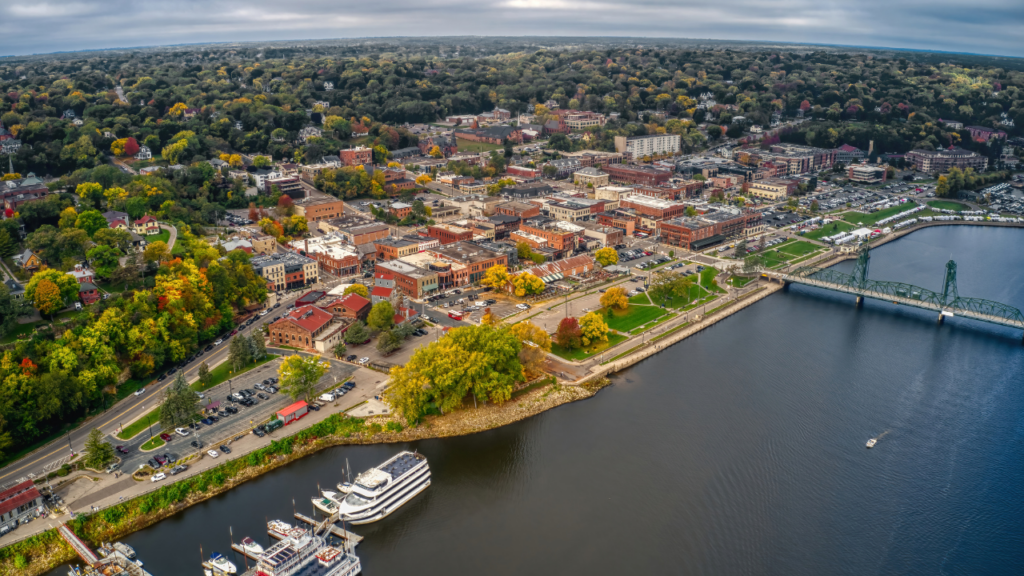
If you’re thinking about moving to Minnesota, there’s a good chance you’ve spent time looking at suburbs around Minneapolis and St. Paul. And one of the first questions people ask is: “What does it actually cost to live in the suburbs?” It’s a smart question. Many people relocating to Minnesota assume suburban living automatically means higher costs. Others believe moving farther away from the city guarantees affordability. The truth usually falls somewhere in the middle. Minnesota suburbs offer a wide range of lifestyles, housing options, school districts, amenities, and price points. Some communities are known for luxury homes and executive neighborhoods. Others attract first-time buyers looking for affordability and value. The good news is that most buyers can find a Minnesota suburb that fits their budget if they understand what factors influence the true cost of living. Let’s take a realistic look at what it costs to live in Minnesota suburbs and what buyers should consider before choosing a community. Why So Many People Choose the Suburbs For decades, suburban living has been one of the most popular choices for Minnesota homeowners. People are often attracted to suburbs because they offer: For many families, the suburbs provide a balance between convenience and lifestyle. You can often enjoy access to major employment centers while still having more room to spread out. Housing Is Usually Your Biggest Expense When discussing cost of living, housing is usually the largest monthly expense. The good news is that Minnesota suburbs offer tremendous variety. You’ll find: The suburb you choose will have a major impact on your monthly housing costs. For example, communities closer to downtown Minneapolis or St. Paul may command higher prices due to location and convenience. Meanwhile, outer-ring suburbs may offer more square footage for the same budget. First-Ring vs Outer-Ring Suburbs Not all suburbs are the same. Minnesota suburbs are often categorized by proximity to the Twin Cities. First-Ring Suburbs These communities are located closest to Minneapolis and St. Paul. Examples include: Benefits often include: However, housing costs can sometimes be higher because of demand and limited inventory. Outer-Ring Suburbs Examples include: Benefits often include: Many buyers find their housing dollars stretch further in these areas. Property Taxes Matter One factor many relocating buyers overlook is property taxes. When comparing homes, it’s important to evaluate: Two homes with similar prices may have different ownership costs because of tax differences. Taxes vary by city, county, school district, and property characteristics. That’s why it’s important to look beyond the listing price alone. Utilities in Minnesota Suburbs Utilities are another cost homeowners should consider. Common utility expenses include: Many suburban homes are larger than urban condos or apartments. As a result, utility costs may vary depending on: Newer homes often benefit from improved insulation and energy-efficient systems. Transportation Costs One advantage of suburban living is access to more housing options. One tradeoff can be transportation. Many suburban residents commute to work. Transportation expenses may include: The impact depends largely on where you work and how frequently you commute. For some households, a longer commute is worth the additional space and affordability. For others, proximity becomes more important. Grocery and Everyday Costs One pleasant surprise for many newcomers is that everyday living expenses tend to remain relatively manageable throughout much of Minnesota. Most suburban communities provide easy access to: Competition among businesses often helps keep costs reasonable. School Districts Can Influence Housing Costs Even buyers without children often pay attention to school districts. Why? Because school district reputation can influence: Communities known for highly regarded schools often experience stronger buyer demand. That demand can affect housing prices. Popular Minnesota Suburbs for Value Many buyers searching for affordability explore communities such as: Each community offers a unique balance of affordability, amenities, and lifestyle. The right fit depends on your goals. What Relocating Families Often Notice Families moving from higher-cost states frequently comment on the amount of space available in Minnesota suburbs. For example, buyers relocating from: Often discover they can purchase: For many families, this creates significant value. Recreation Adds Value Minnesota suburbs are known for outdoor amenities. Many communities offer: These amenities contribute to quality of life without requiring expensive memberships or travel. Many residents consider this one of the hidden benefits of suburban living. New Construction Opportunities Minnesota continues to experience suburban growth. As a result, many communities offer new construction neighborhoods. Benefits may include: For some buyers, these advantages justify slightly higher purchase prices. What Surprises New Residents Most Many people expect suburban life to feel disconnected from major amenities. Instead, they often discover: Minnesota suburbs often provide a blend of convenience and space that attracts a wide range of buyers. Real Example Imagine a family relocating from a major metropolitan area. Their budget allows for a modest home near the city center where they currently live. In many Minnesota suburbs, that same budget may provide: This is one reason many relocating families find strong value in suburban communities. Common Misconceptions All Minnesota Suburbs Are Expensive Not true. Many communities offer affordable housing opportunities. Living Farther Out Is Always Cheaper Not necessarily. Some outer-ring communities are highly desirable and command premium prices. Property Taxes Are the Only Cost That Matters Housing costs, transportation, utilities, and lifestyle expenses all contribute to affordability. Frequently Asked Questions Are Minnesota suburbs affordable? Many are, especially compared to larger metropolitan areas in other states. What is the most affordable suburb near Minneapolis? Affordability varies, but communities such as Farmington, Otsego, Buffalo, and Elk River are often explored by budget-conscious buyers. Are suburban homes larger? In many cases, yes. Buyers often find larger homes and lots compared to urban neighborhoods. Is suburban living cheaper than living in Minneapolis? It depends on the suburb, housing type, commute, and lifestyle preferences. What is the biggest cost of suburban living? Housing is typically the largest expense for most households. Final Thoughts The cost of living in Minnesota suburbs depends on where you choose to live, how much space you want, and the
Is Minnesota a Good Place to Relocate for Families? (2026 Family Relocation Guide)

If you’re thinking about relocating your family to Minnesota, you’re probably asking yourself a much bigger question than simply where to buy a house. You’re asking: Will this be a good place to raise our kids? Will we be happy here? Will our family thrive? Those are important questions. And honestly, they’re the right questions. After helping many families relocate to Minnesota from California, Texas, Florida, Illinois, Arizona, Colorado, and other states, I’ve noticed something interesting. Most families initially focus on homes. But after they move, the things they appreciate most have very little to do with square footage. They talk about: The schools. The parks. The neighborhoods. The sense of community. The activities for kids. The overall quality of life. Minnesota consistently ranks among the states that families consider when they’re looking for a place to put down roots. That doesn’t mean it’s perfect. No place is. But there are several reasons families continue choosing Minnesota year after year. If you’re considering a move, here’s what you should know. Families Often Relocate Here for Quality of Life One of the most common reasons people move to Minnesota is quality of life. That phrase gets used a lot, but what does it actually mean? For many families, it means having access to: It means feeling like your daily life is manageable. It means having opportunities to spend time together. Many relocating families tell me they feel life becomes more balanced after moving here. Minnesota Is Known for Strong Schools Education is often one of the first things parents research. And for good reason. School quality can have a major impact on: Minnesota is home to many highly regarded school districts. Parents often appreciate: Even families with very young children frequently prioritize school districts when choosing where to live. Parks Are Everywhere One thing newcomers quickly notice is the number of parks. Minnesota communities invest heavily in outdoor spaces. Many neighborhoods offer easy access to: This creates opportunities for families to stay active and spend time together. Many parents tell me their children spend more time outdoors after moving here. The Seasons Create Family Traditions At first, some families worry about Minnesota’s seasons. Then something interesting happens. The seasons become part of family life. Spring means: Summer means: Fall means: Winter means: Many families end up loving the variety. Each season brings something new. Communities Tend to Be Family-Oriented One thing many relocating families appreciate is how family-focused many Minnesota communities feel. You’ll often find: There are countless opportunities for children to participate and connect. Parents often find it easier to become involved as well. Outdoor Recreation Is a Major Advantage Minnesota is an excellent place for families who enjoy being active. Popular activities include: The best part? Many of these activities are affordable and easily accessible. You don’t need elaborate travel plans to enjoy quality family time. The Twin Cities Offer Balance One reason many families choose Minnesota is because of the balance offered by the Twin Cities region. Families have access to: At the same time, many suburban communities provide: You can enjoy metropolitan advantages without necessarily living in the middle of a busy city. Healthcare Is a Significant Benefit Healthcare may not be the most exciting topic. But for families, it’s important. Minnesota consistently receives recognition for healthcare quality. Families benefit from access to: Many parents find peace of mind knowing quality healthcare is readily available. There Are Many Family-Friendly Suburbs Not every family wants the same lifestyle. Fortunately, Minnesota offers options. Some families prefer: Communities throughout the Twin Cities metro area provide a wide range of choices. Finding the right fit is often more important than finding the biggest house. Children Often Benefit From Community Involvement Many parents appreciate how involved communities tend to be. Children often have opportunities through: These experiences can help kids develop friendships and build confidence. Families Appreciate the Safety Safety is often a major consideration when relocating. While every city and neighborhood is different, many families choose Minnesota because they feel it offers communities where they can comfortably raise children. This is one reason so many buyers prioritize neighborhood research before purchasing a home. Work-Life Balance Can Be Better Many parents tell me they moved here hoping for a better balance. They wanted: While every job situation is different, many families feel Minnesota supports a healthier lifestyle. Kids Grow Up With Seasonal Experiences This is something many transplants mention years after moving. Their children grow up experiencing: The changing seasons create memories that often become part of a family’s identity. Affordability Can Help Families Build Stability Depending on where you’re relocating from, many buyers discover they can afford: Housing affordability often plays a major role in relocation decisions. For some families, Minnesota allows them to achieve goals that felt out of reach elsewhere. What Families Sometimes Struggle With To be fair, there are challenges. Common adjustments include: Most families adapt successfully, but it’s important to acknowledge the transition. The first year is often a learning experience. What Families Usually End Up Loving After settling in, many families tell me they love: These benefits often become the reasons they stay long-term. Frequently Asked Questions Is Minnesota a good place to raise children? Many families choose Minnesota because of schools, parks, recreation opportunities, healthcare access, and community involvement. What are the best family-friendly areas in Minnesota? The best area depends on your priorities, budget, commute, and lifestyle goals. Many Twin Cities suburbs are highly popular with families. Are Minnesota schools good? Many Minnesota school districts are highly regarded for academics, extracurricular opportunities, and community support. Is Minnesota safe for families? Many communities are known for being family-oriented and attractive to buyers seeking strong neighborhoods and community involvement. Do families enjoy living in Minnesota? Many families report high satisfaction due to quality of life, outdoor recreation, schools, and community atmosphere. Final Thoughts When families relocate, they’re rarely just searching for a home. They’re searching for a place to build a life. A place where
What Areas in Minnesota Are Best for Commuters? (2026 Homebuyer Guide)

If you’re buying a home in Minnesota and commuting is part of your daily routine, you’ve probably asked yourself: 👉 “Where should I live if I want an easier commute?” Honestly, this is one of the smartest questions a homebuyer can ask. Because while most people focus on: ✔️ Square footage ✔️ Bedrooms ✔️ Updated kitchens ✔️ Big backyards The reality is that your commute affects your life almost every single day. A home can be beautiful. The neighborhood can be amazing. The price can fit your budget perfectly. But if you’re spending an extra hour or two in traffic every day, that excitement can fade quickly. I’ve worked with buyers who purchased the largest house they could afford only to discover they hated the daily drive. I’ve also worked with buyers who chose a slightly smaller home closer to work and couldn’t imagine living any other way. The truth is: The best commuter location depends on: ✔️ Where you work ✔️ How often you commute ✔️ Whether you work remotely ✔️ Your budget ✔️ Your lifestyle priorities ✔️ How much driving you’re willing to tolerate And in Minnesota, there’s another factor that matters: 👉 Winter. Because a commute that feels manageable in July can feel very different during a January snowstorm. Let’s look at what Minnesota commuters should consider and some of the areas that frequently attract buyers who want convenient access to major employment centers. 🏡 What Makes a Neighborhood Good for Commuters? A lot of buyers assume commuting is simply about distance. But honestly? Distance is only part of the equation. A neighborhood may be: ✔️ Close in miles Yet still have: ❌ Heavy traffic ❌ Congestion ❌ Difficult highway access ❌ Multiple bottlenecks Meanwhile another neighborhood may be farther away but offer: ✔️ Easier freeway access ✔️ More efficient routes ✔️ Better traffic flow A strong commuter location typically offers: ✔️ Convenient highway access ✔️ Multiple route options ✔️ Public transit opportunities ✔️ Access to employment centers ✔️ Predictable travel times 🏡 Minneapolis Commuters Often Prioritize Convenience Many people working downtown Minneapolis look for communities that provide easy access to: ✔️ Interstate 94 ✔️ Interstate 394 ✔️ Highway 100 ✔️ Interstate 35W ✔️ Highway 169 The goal isn’t necessarily living closest to downtown. The goal is reducing stress and maximizing flexibility. 🏡 St. Paul Commuters Have Different Considerations For buyers working in St. Paul, convenient access to: ✔️ Interstate 94 ✔️ Interstate 35E ✔️ Highway 61 ✔️ Highway 36 Often becomes a major factor. Again, commute quality isn’t just about distance. Route efficiency matters. 🏡 Roseville Is Popular for Central Access One reason Roseville consistently attracts commuters is location. It’s positioned between Minneapolis and St. Paul. That means many residents enjoy access to: ✔️ Both downtowns ✔️ Multiple highways ✔️ Shopping ✔️ Employment centers For buyers who work throughout the metro area, that flexibility can be extremely valuable. 🏡 Golden Valley Appeals to Minneapolis Commuters Golden Valley often attracts buyers who want: ✔️ Quick Minneapolis access ✔️ Established neighborhoods ✔️ Convenient transportation routes ✔️ Suburban living with urban proximity Many residents appreciate how quickly they can reach downtown while still enjoying a residential environment. 🏡 Richfield Continues to Be a Strong Choice Richfield’s location remains one of its biggest advantages. Buyers often appreciate access to: ✔️ Minneapolis ✔️ The airport ✔️ Major highways ✔️ Shopping and dining For commuters, convenience often becomes a major selling point. 🏡 St. Louis Park Is Frequently on Buyers’ Short Lists St. Louis Park is often mentioned when buyers want: ✔️ Easy access to Minneapolis ✔️ Walkable amenities ✔️ Established neighborhoods ✔️ Strong transportation connections Because of its location, many commuters find it attractive. 🏡 Eagan Offers Accessibility to Multiple Employment Centers Located south of the metro area, Eagan often appeals to buyers who work throughout the Twin Cities. Advantages may include access to: ✔️ St. Paul ✔️ Minneapolis ✔️ Airport employment ✔️ Major transportation corridors For some buyers, flexibility matters more than proximity to a single downtown. 🏡 Bloomington Remains Popular Bloomington continues attracting commuters because of its central location. Residents often enjoy access to: ✔️ Interstate highways ✔️ Major employers ✔️ Shopping ✔️ Airport access ✔️ Recreation opportunities For many buyers, Bloomington offers a balance between convenience and lifestyle. 🏡 Maplewood Appeals to East Metro Commuters For buyers working in St. Paul or eastern portions of the metro area, Maplewood often becomes part of the conversation. Benefits can include: ✔️ Transportation access ✔️ Community amenities ✔️ Residential neighborhoods ✔️ Convenient commuting routes 🏡 Plymouth Is Popular Despite Being Farther West Many buyers are willing to live farther west because Plymouth offers: ✔️ Strong amenities ✔️ Residential appeal ✔️ Highway access ✔️ Employment accessibility While some commutes may be longer, many residents feel the tradeoff is worthwhile. 🏡 Remote Work Has Changed Everything Five years ago, commute time often dominated buying decisions. Today? Many buyers work: ✔️ Fully remote ✔️ Hybrid schedules ✔️ Flexible arrangements This has dramatically changed how some people evaluate location. If you’re commuting: ✔️ Once per week The calculation may look very different than someone commuting: ✔️ Five days per week That’s why understanding your actual work schedule is important. 🏡 Think Beyond Today’s Job This is something many buyers overlook. Ask yourself: 👉 What happens if I change jobs? Will your location still work? A centrally located home may provide more flexibility if your career changes later. 🏡 Public Transportation Matters for Some Buyers Not everyone wants to drive every day. Depending on your lifestyle, you may want to explore access to: ✔️ Light rail ✔️ Bus routes ✔️ Park-and-ride locations ✔️ Transit stations For some commuters, public transportation significantly improves quality of life. 🏡 Winter Commutes Change the Equation Minnesota winters deserve their own section. Because distance and driving conditions aren’t always the same thing. Factors include: ✔️ Snow accumulation ✔️ Ice ✔️ Reduced visibility ✔️ Slower traffic ✔️ Longer travel times That’s why I encourage buyers to think realistically about winter commuting
Should I Buy Closer to Work or Farther Out for More Space? (2026 Minnesota Homebuyer Guide)

If you’re buying a home in Minnesota, there’s a good chance you’ll eventually face one of the biggest tradeoffs in real estate: 👉 Do I buy closer to work? Or… 👉 Do I move farther out and get more house for my money? Honestly, this decision has become even more common over the last few years. Many buyers start their home search thinking: “I want the biggest house possible.” Then they start calculating commute times. Suddenly they’re asking: “Do I really want to spend an extra 90 minutes a day in my car?” On the other hand, some buyers start by focusing on location. Then they realize: ✔️ Homes closer to employment centers may cost more ✔️ Lots may be smaller ✔️ Property taxes may be higher ✔️ Competition may be stronger And now they’re wondering if moving farther out makes more sense financially. The truth? There isn’t a universal right answer. I’ve worked with buyers who were happiest living 10 minutes from work. I’ve also worked with buyers who gladly accepted a longer commute in exchange for a larger home, bigger yard, and quieter neighborhood. The key is understanding the tradeoffs before making a decision. Because this choice affects your daily life far more than many buyers realize. You might be wondering: • Is a shorter commute worth paying more? • How much house can I get farther from Minneapolis or St. Paul? • What are the hidden costs of a longer commute? • Will working remotely change the equation? • Which choice helps resale value more? • How do I know what’s best for my family? • What do most Minnesota buyers choose? Let’s break it down. 🏡 The Biggest Mistake Buyers Make One of the most common mistakes I see is buyers focusing entirely on the house. They find: ✔️ More square footage ✔️ More bedrooms ✔️ A larger backyard ✔️ A newer home ✔️ A lower purchase price And they immediately fall in love. But they haven’t fully considered: ✔️ Commute time ✔️ Gas costs ✔️ Vehicle wear and tear ✔️ Winter driving ✔️ Lost personal time A bigger home can feel amazing. But a daily commute can affect your quality of life every single day. 🏡 Why Many Buyers Want to Live Closer to Work Convenience. It’s really that simple. When you live near work, you often gain back something that’s incredibly valuable: 👉 Time. A shorter commute may mean: ✔️ More family time ✔️ More sleep ✔️ Less stress ✔️ Lower transportation costs ✔️ More flexibility ✔️ Easier scheduling Imagine saving: 30 minutes each way Five days per week That’s approximately: ✔️ Five hours every week ✔️ Twenty hours every month ✔️ More than ten full days every year That’s a lot of life. 🏡 Why Buyers Move Farther Out Of course, there’s another side to the equation. Moving farther from major employment centers often provides: ✔️ Larger homes ✔️ Bigger lots ✔️ Newer construction ✔️ Lower price per square foot ✔️ More privacy ✔️ Less density Many buyers look at homes in outer-ring suburbs and immediately notice: 👉 “Wow, I can get so much more house.” And they’re often right. A budget that buys a modest home closer to Minneapolis may purchase significantly more space in some surrounding communities. 🏡 Minnesota’s Geography Creates Real Tradeoffs The Twin Cities metro offers a wide range of living options. Buyers may choose: ✔️ Urban living ✔️ Inner-ring suburbs ✔️ Outer-ring suburbs ✔️ Exurban communities Each offers different benefits. Generally speaking: Closer to employment centers often means: ✔️ Higher prices ✔️ Smaller lots ✔️ Shorter commutes Farther away often means: ✔️ More space ✔️ Lower housing costs ✔️ Longer drive times 🏡 The Cost of a Commute Isn’t Just Gas This is where many buyers underestimate the true cost. A longer commute can mean: ✔️ Fuel expenses ✔️ Vehicle maintenance ✔️ Tire replacement ✔️ Increased depreciation ✔️ More oil changes ✔️ Parking costs But perhaps the biggest cost isn’t financial. It’s time. And once time is gone, you don’t get it back. 🏡 Remote Work Has Changed Everything Five years ago, commute time was often one of the biggest deciding factors. Today? Many buyers work: ✔️ Fully remote ✔️ Hybrid schedules ✔️ Flexible arrangements If you’re only commuting twice per week, living farther out may feel much more reasonable. That’s why it’s important to evaluate your current work situation realistically. And honestly? Consider where your career may be in five years too. 🏡 Think About Winter Driving This is Minnesota. A 30-minute commute in July may become: ✔️ 45 minutes ✔️ 60 minutes ✔️ Even longer During snowstorms and icy conditions. Buyers relocating from warmer climates often underestimate this reality. Distance matters more during Minnesota winters. 🏡 Family Lifestyle Matters Ask yourself: What does a typical weekday look like? Consider: ✔️ School activities ✔️ Sports ✔️ Childcare ✔️ Family dinners ✔️ Errands ✔️ Social events A longer commute may reduce flexibility for all of these. On the other hand, more space at home may improve family life in different ways. That’s why the answer is highly personal. 🏡 Bigger Isn’t Always Better Many buyers initially prioritize square footage. But after moving in, they realize: ✔️ Extra rooms rarely get used ✔️ Larger homes cost more to maintain ✔️ Utility bills increase ✔️ Cleaning takes longer ✔️ Maintenance expenses grow More space is wonderful when it serves a purpose. But unused space doesn’t necessarily improve quality of life. 🏡 Neighborhood Quality Often Matters More Than House Size This is something many experienced homeowners eventually learn. A great neighborhood may provide: ✔️ Parks ✔️ Trails ✔️ Community events ✔️ Walkability ✔️ Better convenience ✔️ Stronger sense of community Sometimes a slightly smaller home in a neighborhood you love creates greater happiness than a larger home in a location that’s less convenient. 🏡 Resale Value Considerations No one can predict the future. However, homes with: ✔️ Convenient locations ✔️ Strong access to employment centers ✔️ Good transportation routes Often
What Is It Like Raising Kids in Minnesota? (2026 Family Lifestyle Guide)

If you’re thinking about moving to Minnesota with children — or starting a family soon — you’ve probably wondered: 👉 “What’s it actually like raising kids there?” And honestly? That’s one of the biggest reasons many families choose Minnesota in the first place. Because for a lot of parents, life here feels:✔️ More balanced✔️ More community-oriented✔️ More outdoors-focused✔️ More family-centered✔️ Less overwhelming That doesn’t mean parenting is magically easy here. Of course not. But many families feel Minnesota offers:👉 A lifestyle that supports family life well. Especially compared to places where:✔️ Traffic dominates daily life✔️ Housing feels unaffordable✔️ Families feel constantly rushed✔️ Outdoor space is limited✔️ Work-life balance feels impossible Minnesota tends to offer:✔️ Strong suburban communities✔️ Parks and recreation✔️ Family activities year-round✔️ Community involvement✔️ Youth sports and programs✔️ Space for families to grow And honestly? A lot of people relocating here are surprised by how much family life revolves around:👉 Community and outdoor living. You might be wondering: • Is Minnesota a good place to raise children?• What do kids do during winter?• Are neighborhoods family-oriented?• What’s school and community culture like?• Do families spend a lot of time outdoors?• What are suburbs like for kids?• Is life slower and less stressful here? These are important questions. Because where you raise kids affects:👉 Daily routines👉 Family stress levels👉 Activities and opportunities👉 Social life👉 Long-term lifestyle quality And honestly? Many parents intentionally move to Minnesota because they want:👉 A more stable environment for their children. 🏡 The Short Answer 👉 Raising kids in Minnesota often feels: ✔️ Community-oriented✔️ Structured✔️ Outdoors-focused✔️ Family-centered✔️ Activity-driven✔️ More balanced Especially in suburban communities around the Twin Cities. Many families appreciate:✔️ Parks✔️ Schools✔️ Recreation✔️ Youth activities✔️ Neighborhood culture✔️ Family-friendly living As part of everyday life. 🏡 Kids Spend a LOT of Time Outdoors Here This is one of the biggest lifestyle differences many newcomers notice. Minnesota families genuinely use:✔️ Parks✔️ Walking trails✔️ Lakes✔️ Playgrounds✔️ Sports fields✔️ Bike paths✔️ Nature centers As part of normal life. Especially during:✔️ Spring✔️ Summer✔️ Fall And honestly? A lot of parents LOVE how outdoor-focused the lifestyle feels. Kids here often grow up:✔️ Fishing✔️ Biking✔️ Hiking✔️ Swimming✔️ Ice skating✔️ Sledding✔️ Playing sports year-round Outdoor recreation becomes:👉 Part of childhood. 🏡 Minnesota Suburbs Are Often Built Around Families Many suburban communities are intentionally designed with:✔️ Parks✔️ Schools✔️ Trails✔️ Recreation centers✔️ Sports programs✔️ Residential neighborhoods Close together. And honestly? That changes daily life significantly for families. Parents often prioritize neighborhoods near:✔️ Schools✔️ Playgrounds✔️ Walking paths✔️ Community activities Because those things become:👉 Part of everyday routines. 🏡 Schools Matter A LOT Here This is one of the biggest factors families consider when moving. A lot of Minnesota communities are known for:✔️ Strong public schools✔️ Community involvement✔️ Youth programs✔️ Music and arts✔️ Sports opportunities And honestly? School districts often shape:👉 Entire neighborhood demand. Families frequently choose suburbs specifically because of:✔️ School reputation✔️ Activities for kids✔️ Long-term educational opportunities 🏡 Youth Sports Are a BIG Part of the Culture This becomes obvious quickly after moving here. Many families structure weekends around:✔️ Hockey✔️ Soccer✔️ Baseball✔️ Basketball✔️ Volleyball✔️ Swimming✔️ Dance✔️ Skating And honestly? Sports and recreation become:👉 Major social connection points for both kids and parents. Especially in suburban communities. 🏡 Winter Becomes Part of Childhood Here A lot of people moving from warmer states wonder:👉 “What do kids even DO all winter?” And honestly? Minnesota kids adapt REALLY well. Winter activities often include:✔️ Sledding✔️ Hockey✔️ Ice skating✔️ Skiing✔️ Snowboarding✔️ Snow play✔️ Indoor sports and recreation For many families, winter becomes:👉 A lifestyle instead of just a season. And surprisingly… A lot of kids LOVE it. 🏡 Summers Feel Extremely Family-Oriented Minnesota summers are a HUGE part of life here. Families spend tons of time:✔️ At lakes✔️ Camping✔️ Biking✔️ At playgrounds✔️ At cabins✔️ On patios✔️ At festivals✔️ At sports games And honestly? A lot of family memories are built around:👉 Summer weekends. The entire atmosphere becomes:✔️ More social✔️ More outdoors-focused✔️ More community-driven 🏡 Neighborhoods Often Feel More Connected This is something many families notice quickly. In a lot of suburban neighborhoods you’ll regularly see:✔️ Kids riding bikes✔️ Families outside walking✔️ Neighbors talking✔️ Parks being used constantly✔️ Community events Especially during warmer months. And honestly? That community atmosphere matters more than people expect. 🏡 Family Routines Tend to Feel Structured Minnesota suburban life often feels:✔️ Organized✔️ Predictable✔️ Community-oriented People frequently build routines around:✔️ School schedules✔️ Sports✔️ Family dinners✔️ Weekend activities✔️ Seasonal traditions And honestly? A lot of parents LIKE that rhythm. Especially families wanting:👉 More stability and consistency. 🏡 Many Families Feel Less Financially Stretched Compared to some larger metro areas, many buyers feel:✔️ They can afford more home space here. That may mean:✔️ Bigger yards✔️ Extra bedrooms✔️ Finished basements✔️ Home offices✔️ Playrooms✔️ Outdoor space And honestly? Having more space often makes family life feel:👉 Less stressful overall. 🏡 Commutes Often Feel More Manageable This matters a LOT for parents. Many people moving from larger metro areas notice:✔️ Less extreme traffic✔️ More manageable commutes✔️ Easier parking✔️ Better daily routines And honestly? That often creates:✔️ More family time✔️ Less daily stress✔️ Better work-life balance Which directly affects:👉 Parenting and home life. 🏡 Different Communities Feel VERY Different This is important to understand. Some suburbs feel:✔️ Fast-growing✔️ Highly active✔️ More social Others feel:✔️ Quiet✔️ Residential✔️ Nature-oriented For example:✔️ Maple Grove feels different than Lakeville.✔️ Woodbury feels different than Blaine.✔️ St. Louis Park feels different than Plymouth. That’s why:👉 Visiting communities matters so much before choosing where to live. 🏡 Many Families Stay Long-Term This is something people notice quickly in Minnesota suburbs. A lot of neighborhoods have:✔️ Long-term homeowners✔️ Deep community roots✔️ Strong school involvement✔️ Multi-year friendships And honestly? That creates:👉 Stability for children growing up there. 🏡 Social Life Often Revolves Around Family Activities Family social life here often centers around:✔️ Sports✔️ School events✔️ Parks✔️ Outdoor activities✔️ Neighborhood gatherings✔️ Community programs Rather than:✔️ Constant nightlife or entertainment districts. And honestly? A lot of parents appreciate:👉 That slower family-centered rhythm. 🏡 Parenting Here Often Feels More Community-Based This is one thing
What Is Family Life Like in Minnesota Suburbs? (2026 Lifestyle Guide)

If you’re thinking about moving to Minnesota with a family — or planning to start one soon — there’s a good chance you’re wondering: 👉 “What is family life actually like there?” And honestly? That’s one of the biggest reasons many people move to Minnesota in the first place. Because for a lot of families, Minnesota feels:✔️ Stable✔️ Community-oriented✔️ Family-focused✔️ Organized✔️ Outdoor-friendly✔️ Easier to manage long-term That doesn’t mean every suburb is the same. Some communities feel:✔️ Fast-growing and modern Others feel:✔️ Quiet and residential Some suburbs are known for:✔️ Schools and youth sports Others attract families because of:✔️ Parks✔️ Walkability✔️ Community events✔️ Outdoor lifestyle And honestly? A lot of people relocating here are surprised by how much daily life revolves around:👉 Family routines and community activities. Especially in suburban areas around:✔️ Minneapolis✔️ St. Paul✔️ Maple Grove✔️ Woodbury✔️ Lakeville✔️ Eden Prairie✔️ Plymouth✔️ Blaine You might be wondering: • Is Minnesota a good place to raise kids?• What do families do here year-round?• How important are parks and schools?• Do suburbs feel safe and community-oriented?• What’s the pace of life like for families?• How do winters affect family life?• What kind of neighborhoods do families usually prefer? These are important questions. Because where you live affects:👉 Your routines👉 Your stress level👉 Your kids’ lifestyle👉 Your social life👉 Your long-term happiness And honestly? Many people move to Minnesota because they want:👉 A more balanced family lifestyle. 🏡 The Short Answer 👉 Family life in Minnesota suburbs is often centered around: ✔️ Schools✔️ Parks and recreation✔️ Community activities✔️ Outdoor living✔️ Youth sports✔️ Family routines✔️ Neighborhood involvement✔️ Work-life balance And honestly? A lot of suburban communities are intentionally designed around:👉 Family living. 🏡 Many Minnesota Suburbs Feel VERY Family-Oriented This is something newcomers notice quickly. In many neighborhoods you’ll regularly see:✔️ Kids riding bikes✔️ Families walking trails✔️ Busy playgrounds✔️ Sports practices✔️ Community events✔️ Families spending time outside Especially during:✔️ Spring✔️ Summer✔️ Early fall There’s often a strong sense of:👉 Community routine. 🏡 Parks and Trails Are a HUGE Part of Family Life Minnesota suburbs put a LOT of emphasis on:✔️ Parks✔️ Walking paths✔️ Nature areas✔️ Recreation centers✔️ Sports fields✔️ Playgrounds And honestly? Families genuinely use them. Many suburban communities are built around:👉 Outdoor accessibility. Parents often prioritize neighborhoods near:✔️ Parks✔️ Trails✔️ Lakes✔️ Schools✔️ Community centers Because those spaces become:👉 Part of everyday life. 🏡 Schools Often Influence Where Families Choose to Live This is one of the biggest factors for many buyers. Families frequently focus heavily on:✔️ School districts✔️ Commute convenience✔️ Activities for kids✔️ Community resources And honestly? School reputation often shapes:👉 Entire neighborhood demand. Many Minnesota suburbs are known for:✔️ Strong public schools✔️ Sports programs✔️ Music and arts programs✔️ Community involvement Especially in suburban Twin Cities communities. 🏡 Youth Sports Are VERY Popular Here This is a major part of suburban culture. A lot of family schedules revolve around:✔️ Hockey✔️ Soccer✔️ Baseball✔️ Basketball✔️ Swimming✔️ Dance✔️ Volleyball Especially during:✔️ School seasons✔️ Weekends And honestly? Community sports often become:👉 A major social connection point for families. 🏡 Family Routines Tend to Feel Structured Minnesota suburban life often feels:✔️ Organized✔️ Routine-oriented✔️ Predictable People frequently build routines around:✔️ School schedules✔️ Work schedules✔️ Sports practices✔️ Weekend activities✔️ Family dinners✔️ Seasonal traditions And honestly? Many people LIKE that structure. Especially families looking for:👉 Stability and consistency. 🏡 Winters Become Part of Family Life Too This is important to understand. Minnesota winters absolutely affect:✔️ Daily routines✔️ Driving✔️ Outdoor activities✔️ Family schedules But honestly? Families adapt VERY well. Winter activities often include:✔️ Sledding✔️ Ice skating✔️ Hockey✔️ Skiing✔️ Snowboarding✔️ Indoor recreation✔️ Cozy family time at home And surprisingly… Many kids LOVE growing up with winter traditions. 🏡 Summers Are Extremely Family-Focused Minnesota summers are a BIG part of the lifestyle here. Families spend a LOT of time:✔️ At lakes✔️ At parks✔️ On patios✔️ At baseball games✔️ Camping✔️ Biking✔️ At cabins✔️ Attending festivals The entire atmosphere becomes:👉 Very outdoors-oriented. And honestly? A lot of family memories revolve around:✔️ Summer weekends in Minnesota. 🏡 Many Families Prioritize Space Compared to denser cities, Minnesota suburbs often offer:✔️ Larger homes✔️ Bigger yards✔️ Finished basements✔️ Attached garages✔️ Extra bedrooms✔️ Quiet residential streets And honestly? That extra space changes:👉 Family routines significantly. Many buyers moving from apartments or high-density cities feel:✔️ Less stressed✔️ Less cramped✔️ More comfortable In suburban environments. 🏡 Safety and Neighborhood Feel Matter A LOT A lot of families prioritize:✔️ Quiet streets✔️ Neighborhood atmosphere✔️ Community involvement✔️ Walkability to parks✔️ Low traffic areas And honestly? Many suburban communities are intentionally designed around:👉 Residential family living. That often contributes to:✔️ A calmer daily environment. 🏡 Social Life Looks Different for Families This is important. Family social life in Minnesota suburbs often revolves around:✔️ School activities✔️ Sports✔️ Neighborhood gatherings✔️ Community events✔️ Kids’ friendships✔️ Outdoor recreation Rather than:✔️ Nightlife-focused social scenes. And honestly? A lot of families appreciate:👉 That slower rhythm. 🏡 Work-Life Balance Helps Family Life Too Many parents moving to Minnesota appreciate:✔️ More manageable commutes✔️ Flexible suburban living✔️ Outdoor access✔️ Community structure Because it creates:👉 More family time overall. Compared to areas where:✔️ Traffic dominates life✔️ Work schedules feel nonstop✔️ Daily stress feels overwhelming Minnesota often feels:👉 More sustainable long-term. 🏡 Different Suburbs Feel VERY Different This is important. Some suburbs feel:✔️ More active✔️ More social✔️ Faster-growing Others feel:✔️ Quiet✔️ Residential✔️ More nature-focused For example:✔️ Maple Grove feels different than Lakeville.✔️ Woodbury feels different than Plymouth.✔️ St. Louis Park feels different than Blaine. That’s why:👉 Visiting communities matters so much. 🏡 First-Ring Suburbs Offer a Different Family Lifestyle Some families want:✔️ More walkability✔️ Shorter commutes✔️ Closer proximity to Minneapolis or St. Paul That’s why first-ring suburbs like:✔️ Richfield✔️ St. Louis Park✔️ Golden Valley✔️ Roseville Often appeal to families wanting:👉 Balance between urban and suburban life. 🏡 Many Families Stay Long-Term This is something people notice quickly. A lot of suburban neighborhoods have:✔️ Long-term homeowners✔️ Established community connections✔️ Multi-year friendships✔️ Deep local involvement And honestly? That stability creates:👉 Strong community culture. 🏡 Real Situation I See Often A family relocates from a busier metro area expecting:✔️ Colder