
How Much Should I Offer on a House in Minnesota? (2026 Guide)

If you’re getting ready to buy a home, one of the biggest questions you’ll face is: 👉 “How much should I actually offer?” Because this is the moment where everything feels real. You might be thinking: And this is where many buyers feel stuck. The truth is: 👉 There is no one-size-fits-all answer—but there is a strategy. And once you understand how offers actually work: 👉 You can make decisions with confidence instead of guesswork. The Short Answer 👉 The right offer depends on: 👉 Sometimes you offer: 👉 The key is: 👉 Making a strong, informed offer—not just a higher one Why This Question Matters So Much Your offer determines: 👉 A weak offer can lose the home 👉 An unstrategic offer can cost you money 👉 That’s why this step matters more than most buyers realize Step 1: Understand the Asking Price (It’s Not Always the Value) Here’s something important: 👉 The list price is NOT always the true value Homes can be: 👉 So before deciding your offer: 👉 You need to understand what the home is actually worth 👉 This is where guidance matters Step 2: Know the Market Conditions Your offer strategy depends heavily on the market. In a Competitive Market (Common in Twin Cities) 👉 You may need to: 👉 Multiple offers are more likely In a Balanced or Slower Market 👉 You may be able to: 👉 Strategy shifts based on conditions Step 3: Consider How Long the Home Has Been on the Market This gives you clues. If the home just listed: 👉 Higher chance of competition 👉 Stronger offer may be needed If the home has been sitting: 👉 Seller may be more flexible 👉 Opportunity to negotiate 👉 Timing matters Step 4: Understand Competition Ask: 👉 “Are there other offers?” If yes: 👉 You may need to: If no: 👉 You may have more room to negotiate 👉 This is a key factor Step 5: Look Beyond Price (This Is Where Most Buyers Miss It) Here’s a big mistake: 👉 Thinking price is everything 👉 It’s not Sellers also care about: 👉 A strong offer is: 👉 Price + terms + confidence Example of a Strong Offer Two buyers offer the same price: 👉 Buyer A: 👉 Buyer B: 👉 Seller chooses Buyer B 👉 Same price—different outcome Step 6: Know Your Comfort Zone This is critical. 👉 Ask yourself: 👉 Because in competitive situations: 👉 It’s easy to get caught up emotionally 👉 You don’t want to: 👉 Win the house and regret the price 👉 Strategy + discipline matter Step 7: Avoid Overpaying Without Strategy Offering above asking isn’t always bad… 👉 But it should be: 👉 Based on value—not emotion 👉 You want to know: 👉 Not just: 👉 “I really want it” A Real Situation I See All the Time A buyer says: 👉 “I don’t want to overpay” So they offer low… 👉 And lose the home Another buyer: 👉 Offers strategically 👉 Wins the home at a fair price 👉 The difference isn’t just price—it’s strategy The Biggest Misconceptions ❌ “I should always offer below asking” 👉 Not always—this can lose the home in competitive markets ❌ “I need to go way over asking to win” 👉 Not always—terms and strategy matter just as much ❌ “The highest offer always wins” 👉 Not always—the strongest offer wins 👉 That’s a key difference What Smart Buyers Do Differently 👉 They: 👉 This leads to better outcomes The Role of the Right REALTOR® This is where everything becomes clearer. 👉 The right REALTOR® helps you: 👉 And most importantly: 👉 Help you make the right decision—not just any decision Resources + Insight Matter A well-connected REALTOR® knows: 👉 That insight can be the difference between: 👉 Winning and losing What Should YOU Offer? Let’s simplify this: 👉 If the home is: New + competitive → Strong offer (at or above asking) 👉 If the home is: Sitting longer → Opportunity to negotiate 👉 If there are: Multiple offers → Strategy matters more than price alone 👉 Always: 👉 Stay within your comfort zone Who This Applies To First-Time Buyers Buyers in Competitive Markets Relocation Buyers 👉 This is one of the most important steps FAQ: Making an Offer in Minnesota Should I offer asking price?It depends on the market and competition. Do I need to go above asking?Sometimes—but not always. What makes an offer strong?Price, terms, and certainty. Can I negotiate after offering?Yes—especially after inspection. Final Thoughts There’s no “perfect” offer… 👉 But there is a smart one Because buying a home isn’t about: 👉 Winning at any cost 👉 It’s about: 👉 Making the right move for your situation And when you understand: 👉 You don’t guess 👉 You decide with confidence Next Step If you’re thinking about buying a home in the Twin Cities & surrounding metro Minnesota, the next step is to understand your buying power and build your offer strategy: 👉 https://buy.dreamhomesminnesota.com/ 👉 This will help you: Lesley The RealtorRealtor in the Twin Cities & Surrounding Metro, MinnesotaHelping buyers navigate offers, negotiations, and the home buying process with clarity and strategy
What Are First-Time Homebuyer Programs in Minnesota? (2026 Guide)
If you’re thinking about buying your first home, you’ve probably heard something like: 👉 “There are programs that can help you buy…” And naturally, your next question is: 👉 “What first-time homebuyer programs are actually available in Minnesota?” Because for many buyers, the biggest concern is: The truth is: 👉 Yes—there are multiple programs in Minnesota designed specifically to help first-time buyers get into a home sooner. And in many cases: 👉 These programs can reduce the amount of money you need upfront. The Short Answer 👉 First-time homebuyer programs in Minnesota can help with: 👉 Many buyers qualify without even realizing it 👉 The key is knowing what’s available and how to access it Why These Programs Exist Let’s start here—because this matters. Buying your first home can feel like a big financial step. So these programs are designed to: 👉 Make homeownership more accessible 👉 Help buyers who are financially capable—but need support upfront 👉 Especially when it comes to: 👉 Down payment + closing costs The Most Common First-Time Buyer Programs in Minnesota Let’s break this down simply so you can understand your options. 1. Down Payment Assistance Programs (Biggest One) This is the one most buyers care about. 👉 These programs help cover: 👉 Which means: 👉 You may not need to bring as much cash upfront How It Works 👉 This can significantly lower your barrier to entry 2. Minnesota Housing (State Programs) Minnesota offers statewide programs through housing agencies. 👉 These programs often include: 👉 They are designed specifically for: 👉 Minnesota residents looking to buy their first home 👉 Many buyers qualify based on: 3. FHA Loans (Flexible Option) FHA loans are one of the most popular options for first-time buyers. 👉 Benefits include: 👉 This is often combined with: 👉 Down payment assistance programs 4. Conventional First-Time Buyer Programs Conventional loans also offer first-time buyer options. 👉 Benefits: 👉 These work well if you have: 5. Local & City-Specific Programs Some cities in Minnesota offer additional support. 👉 These may include: 👉 Availability depends on location 👉 This is why local guidance matters Who Qualifies for First-Time Buyer Programs? This is where many buyers hesitate. 👉 You do NOT have to be “perfect” to qualify Most programs consider: 👉 And here’s something important: 👉 “First-time buyer” doesn’t always mean you’ve never owned a home 👉 In many cases, it means: 👉 You haven’t owned a home in the past 3 years How Much Can These Programs Actually Help? This is the real question. 👉 Depending on the program, assistance can cover: 👉 That’s what makes these programs powerful A Real Situation I See All the Time A buyer says: 👉 “I’m waiting because I don’t have enough saved” We connect them with a lender… 👉 And they find out: 👉 And suddenly: 👉 Buying becomes possible sooner The Biggest Misconception ❌ “I need 20% down to buy a home” 👉 Not true Most first-time buyers: 👉 Put down 3%–3.5% And with assistance: 👉 Sometimes even less out of pocket ❌ “I won’t qualify for programs” 👉 Many buyers actually do 👉 You won’t know until you check How to Get Started With These Programs This is where most buyers get stuck. 👉 The process starts with: 👉 Getting pre-approved with a lender A lender will: 👉 This is the first real step Why Working With the Right REALTOR® Matters This part is often overlooked. 👉 The right REALTOR® doesn’t just show homes… 👉 They help you: 👉 And most importantly: 👉 Help you move forward with a plan Resources Make a Difference A well-connected REALTOR® knows: 👉 That guidance can save you time, stress, and money When These Programs Make the Biggest Impact First-Time Buyers With Limited Savings 👉 Biggest benefit Buyers Who Thought They Had to Wait 👉 These programs speed things up Relocation Buyers 👉 Help offset upfront costs 👉 This is where opportunity opens up FAQ: First-Time Homebuyer Programs in Minnesota What programs are available for first-time buyers?Down payment assistance, FHA loans, conventional programs, and state/local programs. Do I need a lot of money saved?Not always—many programs reduce upfront costs significantly. What credit score do I need?It depends on the loan, but many programs are flexible. How do I apply?Start with a lender through pre-approval. Final Thoughts First-time homebuyer programs are not “special cases”… 👉 They are designed for people just like you Because the biggest barrier to buying a home isn’t always income… 👉 It’s upfront cost And once you understand what’s available: 👉 You may be closer than you think Next Step If you’re thinking about buying your first home in the Twin Cities & surrounding metro Minnesota, the next step is to see what programs you qualify for: 👉 https://buy.dreamhomesminnesota.com/ 👉 This will help you: Lesley The RealtorRealtor in the Twin Cities & Surrounding Metro, MinnesotaHelping first-time buyers navigate programs, financing, and the home buying process with clarity
What Loan Programs Are Available for First-Time Homebuyers in Minnesota? (2026 Guide)
If you’re thinking about buying your first home, one of the biggest questions you probably have is: 👉 “What loan programs are available for first-time buyers in Minnesota?” Because once you start looking into the process, you’ll quickly realize: 👉 There’s not just one way to buy a home There are multiple loan options—and each one comes with different requirements, benefits, and flexibility. The truth is: 👉 Most first-time buyers don’t fail because they can’t buy… they just don’t know which program fits them best. And once you understand your options: 👉 The process becomes much clearer—and much more doable. The Short Answer 👉 First-time homebuyers in Minnesota typically use: 👉 The best loan for you depends on: 👉 There is no “one-size-fits-all” loan Why Loan Programs Matter More Than You Think Many buyers focus on: 👉 “Can I afford the home?” But the real question is: 👉 “What loan program makes this possible for me?” Because your loan determines: 👉 This is why understanding your loan options is critical FHA Loans (Most Common for First-Time Buyers) This is one of the most popular loan programs in Minnesota. What Is an FHA Loan? 👉 A government-backed loan designed to help buyers with: Key Benefits: 👉 This is often the entry point for first-time buyers When FHA Makes Sense: Conventional Loans (Low Down Payment Options) Many buyers assume conventional loans require 20% down. 👉 That’s not true What Is a Conventional Loan? 👉 A loan not backed by the government Key Benefits: Credit Requirements: 👉 Typically 620+ credit score 👉 This is a strong option for buyers with: VA Loans (For Eligible Buyers) If you’re eligible, this is one of the strongest loan options available. What Is a VA Loan? 👉 A loan for eligible veterans, active-duty service members, and certain military families Key Benefits: 👉 This can significantly reduce upfront and monthly costs USDA Loans (For Eligible Areas) This is another option many buyers don’t know about. What Is a USDA Loan? 👉 A government-backed loan for homes in eligible areas Key Benefits: 👉 Availability depends on: Down Payment Assistance Programs This is one of the most important pieces for first-time buyers. What Is Down Payment Assistance? 👉 Programs that help cover: Why This Matters: Many buyers think: 👉 “I don’t have enough saved to buy” 👉 But with assistance programs: 👉 You may need much less upfront than you think In Minnesota: There are programs designed to: 👉 This is a game-changer for many buyers How to Choose the Right Loan Program This is where most buyers feel stuck. Because they ask: 👉 “Which loan is best?” The better question is: 👉 “Which loan is best for ME?” Your Ideal Loan Depends On: 👉 This is why working with a lender is key A Real Situation I See All the Time A buyer says: 👉 “I think I need 20% down” We connect them with a lender… And they find out: 👉 They qualify with 3% or 3.5% Or: 👉 They qualify for assistance programs 👉 This changes everything The Biggest Misconceptions About Loan Programs ❌ “I need 20% down” 👉 Not true—many buyers qualify with much less ❌ “I only have one option” 👉 You likely have multiple loan options ❌ “I need perfect credit” 👉 Many programs are designed for average credit 👉 These misconceptions stop buyers from getting started What You Should Do First Instead of trying to figure it out on your own: 👉 Start with pre-approval A lender will: 👉 This removes guesswork Why Pre-Approval Is So Important Pre-approval helps you: 👉 It’s the foundation of the home buying process Who This Applies To First-Time Buyers Buyers With Limited Savings Buyers With Credit Questions 👉 This article is for anyone getting started FAQ: First-Time Buyer Loan Programs in Minnesota What is the best loan for first-time buyers?It depends—FHA and conventional loans are the most common. Do I need 20% down to buy a home?No—many buyers qualify with 3%–3.5%. Are there programs that help with down payment?Yes—Minnesota offers several assistance programs. How do I know which loan is right for me?Start with a lender and get pre-approved. Final Thoughts There isn’t just one way to buy a home in Minnesota. 👉 There are multiple paths And the key is: 👉 Finding the one that fits your situation Because many buyers who think they’re not ready… 👉 Just haven’t been shown the right options yet Once you understand: 👉 The process becomes much more clear—and much more achievable Next Step If you’re thinking about buying a home in the Twin Cities & surrounding metro Minnesota, the next step is to find out what loan programs you qualify for: 👉 https://buy.dreamhomesminnesota.com/ 👉 This will help you: Lesley The RealtorRealtor in the Twin Cities & Surrounding Metro, MinnesotaHelping first-time and relocation buyers find the right home and location
What Is Debt-to-Income Ratio and How Does It Affect Buying a Home in Minnesota? (2026 Guide)
If you’ve started looking into buying a home, you’ve probably heard this term come up: 👉 “debt-to-income ratio” And if you’re like most buyers, your first thought is: 👉 “What does that actually mean… and how does it affect me?” Because once you start talking to lenders, this becomes one of the most important numbers in your home buying process. You might be wondering: The truth is: 👉 Your debt-to-income ratio (DTI) plays a major role in whether you qualify—and how much you can afford. But once you understand it: 👉 It becomes much easier to manage. The Short Answer 👉 Your debt-to-income ratio (DTI) is: 👉 The percentage of your monthly income that goes toward debt payments 👉 Lenders use it to determine: 👉 Whether you can comfortably afford a mortgage 👉 In general: 👉 But it’s not all-or-nothing What Counts as “Debt”? Before we calculate anything, let’s define what counts. 👉 Common debts include: 👉 What does NOT count: 👉 Only monthly debt obligations are included How Debt-to-Income Ratio Is Calculated Let’s break this down simply. 👉 DTI = Total Monthly Debt ÷ Gross Monthly Income Example: If you earn: 👉 $5,000/month (before taxes) And your debts are: 👉 Total debt = $600/month 👉 DTI = 12% 👉 Now, when you add a mortgage: 👉 That number increases Front-End vs Back-End DTI There are actually two types of DTI lenders look at. 1. Front-End DTI (Housing Only) 👉 This includes: 👉 It measures: 👉 How much your housing costs relative to income 2. Back-End DTI (Total Debt) 👉 This includes: 👉 This is the number lenders focus on most What Is a Good DTI for Buying a Home? This is one of the most important questions. General Guidelines: 👉 These are general ranges—not strict rules 👉 Some loan programs allow higher DTI depending on your profile Why DTI Matters So Much Your DTI tells the lender: 👉 How much financial room you have for a mortgage If your DTI is too high: 👉 It may limit: 👉 But it doesn’t always mean “no” A Real Situation I See All the Time A buyer says: 👉 “I make good money—I should qualify easily” But then: 👉 Their debt is higher than expected 👉 And it impacts their approval amount Another buyer says: 👉 “I have some debt—I probably won’t qualify” But: 👉 Their income balances it out 👉 And they qualify just fine 👉 This is why DTI matters more than assumptions How DTI Affects Your Buying Power This is where it really impacts you. 👉 Your DTI determines: 👉 How much home you can afford Example: Two buyers earn the same income 👉 Buyer A: 👉 Buyer B: 👉 Same income—different outcome The Biggest Misconception ❌ “If I have debt, I can’t buy a home” 👉 Not true Most buyers have: 👉 The key is: 👉 Managing your debt—not eliminating it completely How to Improve Your DTI If your DTI is higher than you’d like, here are the most effective ways to improve it. 1. Pay Down Debt 👉 Reducing balances lowers your monthly obligations 2. Increase Income 👉 Higher income improves your ratio 3. Avoid Taking on New Debt 👉 New loans increase your DTI 4. Pay Off Smaller Debts First 👉 Eliminating even one payment can make a difference 👉 Small changes can have a big impact Loan Programs and DTI Flexibility Different loan programs allow different DTI ranges. FHA Loans 👉 Often allow higher DTI👉 More flexible Conventional Loans 👉 Typically stricter👉 Stronger financial profile required 👉 This is why your loan type matters Why You Shouldn’t Guess Your DTI Many buyers try to estimate this on their own. 👉 But lenders calculate it differently 👉 The best way to know: 👉 Get pre-approved A lender will: 👉 This removes the guesswork When DTI Might Hold You Back There are situations where DTI becomes a challenge. 1. High Monthly Debt 👉 Large car payments, multiple loans 2. Lower Income 👉 Less room for additional payments 3. Recent Debt Increases 👉 New loans before applying 👉 In these cases: 👉 Adjustments may be needed—not abandonment When DTI Works in Your Favor 1. Stable Income 👉 Consistent earnings improve your ratio 2. Low Debt 👉 More room for a mortgage 3. Good Financial Habits 👉 On-time payments, controlled spending 👉 Many buyers are in a better position than they think Who This Applies To First-Time Buyers Buyers With Debt Relocation Buyers 👉 This is a foundational concept for everyone FAQ: Debt-to-Income Ratio in Minnesota What is a good debt-to-income ratio?Typically under 43% is ideal, though some programs allow higher. Can I buy a house with high DTI?Possibly—it depends on your loan program and overall profile. Does DTI affect how much I can borrow?Yes—it directly impacts your buying power. Should I pay off debt before buying?It depends—talk to a lender to see what helps most. Final Thoughts Debt-to-income ratio might sound complicated… 👉 But it’s actually very simple It’s just: 👉 How much you owe compared to how much you earn And once you understand that: 👉 You can start to control it Because the goal isn’t to have zero debt… 👉 It’s to have manageable debt that supports your ability to buy Next Step If you’re thinking about buying a home in the Twin Cities & surrounding metro Minnesota, the next step is to understand your numbers and what you qualify for: 👉 https://buy.dreamhomesminnesota.com/ 👉 This will help you: Lesley The RealtorRealtor in the Twin Cities & Surrounding Metro, MinnesotaHelping first-time and relocation buyers find the right home and location
What Credit Score Do I Need to Buy a House in Minnesota? (2026 Guide)
If you’re thinking about buying a home in Minnesota, one of the first questions that usually comes up is: 👉 “What credit score do I actually need to buy a house?” And for a lot of buyers—especially first-time buyers—this question can feel like a big unknown. You might be wondering: The truth is: 👉 You don’t need perfect credit to buy a home in Minnesota. But your credit score does play an important role in what options are available to you. The Short Answer 👉 Most buyers in Minnesota can qualify for a home loan with a credit score between: 👉 Higher scores can give you: 👉 But lower scores do NOT automatically disqualify you Why Credit Score Matters When Buying a Home Your credit score helps lenders determine: 👉 How risky it is to lend you money It impacts: 👉 So while it’s not the only factor… 👉 It’s a very important one Minimum Credit Score by Loan Type Let’s break this down simply. FHA Loans (Popular for First-Time Buyers) 👉 Typically require: 👉 FHA loans are known for: Conventional Loans 👉 Typically require: 👉 Conventional loans may offer: Important Note 👉 These are general guidelines 👉 Some lenders may have slightly different requirements What If Your Credit Score Is Lower? This is one of the biggest concerns buyers have. 👉 “What if my credit isn’t where it needs to be?” The reality: 👉 You may still have options Buyers with lower scores may: 👉 The key is: 👉 Knowing where you stand and what your next step is Credit Score vs Buying Power Here’s something many buyers don’t realize: 👉 Your credit score doesn’t just affect approval 👉 It affects your buying power Example: Two buyers purchase the same price home 👉 Buyer A (higher credit score): 👉 Buyer B (lower credit score): 👉 Same home—different cost What Is Considered a “Good” Credit Score? Here’s a simple breakdown: 👉 The higher your score: 👉 The more options you typically have The Biggest Credit Score Misconception ❌ “I need perfect credit to buy a home” 👉 Not true Many buyers successfully purchase homes with: 👉 Credit scores in the 600–680 range 👉 The key is understanding: 👉 What programs you qualify for What Lenders Actually Look At (Beyond Credit Score) Your credit score is important—but it’s not the only factor. Lenders also look at: 👉 It’s the full picture—not just one number A Real Situation I See All the Time A buyer says: 👉 “I think my credit is too low to buy” We connect them with a lender… And they find out: 👉 They actually qualify Or: 👉 They’re only a few steps away from qualifying 👉 This is very common When You Should Check Your Credit If you’re even thinking about buying: 👉 Check your credit early Why? Because: 👉 Waiting too long can delay your process How to Improve Your Credit Before Buying If your score needs work, here are simple steps: 1. Pay Bills on Time 👉 Payment history is one of the biggest factors 2. Reduce Credit Card Balances 👉 Lower balances = better score 3. Avoid Opening Too Many New Accounts 👉 This can temporarily lower your score 4. Check for Errors 👉 Make sure your report is accurate 👉 Small improvements can make a big difference Why Pre-Approval Matters (Even With Credit Questions) Instead of guessing: 👉 The best step is to get pre-approved A lender will: 👉 This removes uncertainty Who This Applies To First-Time Buyers Buyers with Credit Concerns Relocation Buyers 👉 This is a critical step for all buyers FAQ: Credit Score for Buying a House in Minnesota What credit score do I need to buy a house in Minnesota?Typically 580–620+ depending on the loan type. Can I buy a home with a 600 credit score?Yes—many buyers qualify with FHA loans. Do I need perfect credit to buy a house?No—many buyers purchase with average credit scores. Will my credit score affect my interest rate?Yes—higher scores usually mean lower rates. Final Thoughts Your credit score matters—but it’s not everything. 👉 It’s just one piece of the home buying process The most important thing is: 👉 Understanding where you stand 👉 And what your options are Because many buyers who think they’re not ready… 👉 Are actually closer than they realize Next Step If you’re thinking about buying a home in the Twin Cities & surrounding metro Minnesota, the next step is to understand what you qualify for: 👉 https://buy.dreamhomesminnesota.com/ 👉 This will help you: Lesley The RealtorRealtor in the Twin Cities & Surrounding Metro, MinnesotaHelping first-time and relocation buyers find the right home and location
How Long Does Mortgage Approval Take in Minnesota? (2026 Guide)
If you’re thinking about buying a home, one of the most common questions that comes up early in the process is: 👉 “How long does mortgage approval actually take?” Because once you start moving forward, timing becomes very real. You might be wondering: The truth is: 👉 Mortgage approval isn’t one single step—it’s a process with a few key stages. And once you understand the timeline: 👉 Everything feels a lot more manageable. The Short Answer 👉 Mortgage approval in Minnesota typically happens in stages: 👉 Every situation is different 👉 But this is a solid general timeline Understanding the 3 Stages of Mortgage Approval This is where most confusion happens. Many buyers think: 👉 “Approval is one step” But in reality, there are three main stages: 👉 Let’s break each one down Stage 1: Pre-Approval (Fast + First Step) This is where everything starts. What Happens During Pre-Approval? A lender reviews: 👉 Then tells you: Timeline: 👉 Usually 24–48 hours 👉 Sometimes even faster Why This Step Is Fast Because: 👉 It’s based on initial documentation—not the home itself 👉 This is the step that gets you ready to shop Stage 2: Full Loan Approval (After You Find a Home) This is where things become more detailed. Once you: 👉 Get pre-approved👉 Find a home👉 Submit an offer👉 Get it accepted 👉 Now the lender moves into full approval What Happens Here? The lender reviews: 👉 This is called: 👉 Underwriting Timeline: 👉 2–4 weeks (on average) 👉 This is the longest part of the process Stage 3: Final Approval + Closing Once everything checks out: 👉 You receive: 👉 Clear to Close What Happens Next? Timeline: 👉 Usually within a few days after final approval Total Timeline From Start to Finish Let’s simplify everything: Typical Timeline: 👉 This is the standard flow in Minnesota 👉 Some transactions move faster, some slower What Can Affect the Timeline? Not every transaction moves at the same speed. 1. Your Financial Situation If your finances are straightforward: 👉 Things move faster If there are complexities: 👉 It may take longer 2. Documentation Delays often happen when: 👉 The more prepared you are: 👉 The smoother the process 3. The Property The home itself matters. Things like: 👉 Can affect the timeline 4. Lender Processing Time Different lenders may: 👉 This is why working with the right team matters A Real Situation I See All the Time A buyer gets pre-approved… Finds a home quickly… And then asks: 👉 “How long until I can move in?” Once we explain the process: 👉 They understand: 👉 And they feel more confident moving forward The Biggest Misconception ❌ “Mortgage approval takes forever” 👉 Not true Most buyers close within: 👉 30–45 days 👉 That’s a normal, expected timeline How to Speed Up the Process While you can’t control everything, you CAN make it smoother. 1. Get Pre-Approved Early 👉 This removes delays later 2. Have Documents Ready 👉 Provide everything your lender asks for quickly 3. Stay Responsive 👉 Quick communication keeps things moving 4. Work With the Right Team 👉 Lender + agent coordination matters 👉 These steps can make a big difference What Happens If There Are Delays? Sometimes things take longer—and that’s okay. Common delays include: 👉 These are normal parts of the process 👉 The key is staying informed—not stressed Why Understanding the Timeline Matters When you understand the process: 👉 You feel more in control You know: 👉 This removes a lot of uncertainty Who This Applies To First-Time Buyers Buyers on a Timeline Relocation Buyers 👉 This is critical for all buyers FAQ: Mortgage Approval Timeline in Minnesota How long does mortgage approval take?Pre-approval takes 24–48 hours, full approval usually takes 2–4 weeks. How long does it take to close on a house?Typically 30–45 days after your offer is accepted. Can it be faster?Sometimes—but 30 days is a common standard. What slows down the process?Missing documents, appraisal delays, or complex finances. Final Thoughts Mortgage approval doesn’t have to feel overwhelming. 👉 It’s a structured process with clear steps Once you understand: 👉 It becomes much easier to navigate Because the goal isn’t just to get approved… 👉 It’s to move through the process confidently and smoothly Next Step If you’re thinking about buying a home in the Twin Cities & surrounding metro Minnesota, the next step is to start your pre-approval and understand your timeline: 👉 https://buy.dreamhomesminnesota.com/ 👉 This will help you: Lesley The RealtorRealtor in the Twin Cities & Surrounding Metro, MinnesotaHelping first-time and relocation buyers find the right home and location
How Do I Get Pre-Approved for a Mortgage in Minnesota? (2026 Guide)
If you’re thinking about buying a home, one of the first real steps you’ll hear about is getting pre-approved. And naturally, the question becomes: 👉 “How do I actually get pre-approved for a mortgage in Minnesota?” Because at this stage, things start to feel more real. You’re no longer just browsing—you’re starting the process. You might be wondering: The truth is: 👉 Getting pre-approved is much simpler than most buyers expect—and it’s one of the most important steps in the entire home buying process. The Short Answer 👉 To get pre-approved for a mortgage in Minnesota, you will: 👉 That’s it 👉 But understanding what happens inside those steps is what gives you confidence What Is a Mortgage Pre-Approval? Before we get into the steps, let’s make this clear. 👉 A pre-approval is when a lender reviews your financial situation and tells you: 👉 It turns guessing into clarity Why Pre-Approval Matters So Much Many buyers ask: 👉 “Can I just start looking at homes first?” You can… But here’s what happens without pre-approval: 👉 With pre-approval: 👉 It’s not just helpful—it’s essential Step-by-Step: How to Get Pre-Approved Let’s walk through this clearly. Step 1: Connect With a Lender This is your starting point. 👉 A lender is the one who will: 👉 This can be: 👉 As a real estate professional, I always recommend starting with a trusted lender who understands the Minnesota market. Step 2: Submit Your Financial Information Once you connect with a lender, you’ll provide basic information. This typically includes: 👉 This gives the lender a full picture of your finances Step 3: Credit Check The lender will review your credit. 👉 This helps determine: 👉 Important: This is a standard part of the process—and it’s nothing to be afraid of Step 4: Loan Review + Approval The lender will: 👉 This is where everything comes together Step 5: Receive Your Pre-Approval Letter Once approved, you’ll receive: 👉 A pre-approval letter This includes: 👉 This is what you’ll use when making offers How Long Does Pre-Approval Take? This is one of the most common questions. 👉 In many cases: 👉 Pre-approval can happen within 24–48 hours 👉 Sometimes even faster depending on the situation 👉 It’s not a long or complicated process What You Don’t Need to Worry About Many buyers delay this step because of fear or uncertainty. Let’s clear that up. ❌ “It’s going to be complicated” 👉 It’s actually very straightforward ❌ “I need perfect credit” 👉 Not true—many buyers qualify with average credit ❌ “I need everything figured out first” 👉 No—you can learn as you go 👉 Pre-approval is part of learning the process What Happens After You’re Pre-Approved? This is where things get exciting. Once you’re pre-approved: 👉 You can start shopping for homes And more importantly: 👉 You can make strong offers when you find the right one 👉 Sellers take pre-approved buyers seriously A Real Situation I See All the Time A buyer says: 👉 “I want to wait before getting pre-approved” They look at homes for weeks… Then finally get pre-approved And realize: 👉 Their budget is different than expected 👉 This can delay the process The Better Approach 👉 Get pre-approved FIRST Then: 👉 Shop with confidence What Pre-Approval Tells You This is the biggest value. It shows you: 👉 It removes uncertainty How Pre-Approval Helps You Win a Home In today’s market: 👉 Strong offers matter And one of the strongest signals you can give is: 👉 Being pre-approved It tells the seller: 👉 “This buyer is ready” 👉 That makes a difference Who This Applies To First-Time Buyers Buyers With Questions Relocation Buyers 👉 This is the first real step for everyone Common Mistakes to Avoid ❌ Waiting too long 👉 This delays everything ❌ Guessing your budget 👉 Pre-approval gives real numbers ❌ Not talking to a lender early 👉 You miss valuable guidance 👉 Avoiding these makes your process smoother FAQ: Mortgage Pre-Approval in Minnesota How do I get pre-approved for a mortgage?Connect with a lender, submit your financial info, and receive your pre-approval letter. How long does pre-approval take?Usually 24–48 hours. Does pre-approval affect my credit?Yes, but it’s a normal part of the process. Do I need pre-approval before looking at homes?It’s strongly recommended. Final Thoughts Getting pre-approved is not a complicated step. 👉 It’s a clarity step It shows you: And most importantly: 👉 It moves you from “thinking about buying” to actually starting the process Because once you’re pre-approved: 👉 Everything becomes real Next Step If you’re thinking about buying a home in the Twin Cities & surrounding metro Minnesota, the next step is to get pre-approved and understand your options: 👉 https://buy.dreamhomesminnesota.com/ 👉 This will help you: Lesley The RealtorRealtor in the Twin Cities & Surrounding Metro, MinnesotaHelping first-time and relocation buyers find the right home and location
How Can I Improve My Credit Before Buying a House in Minnesota? (2026 Guide)
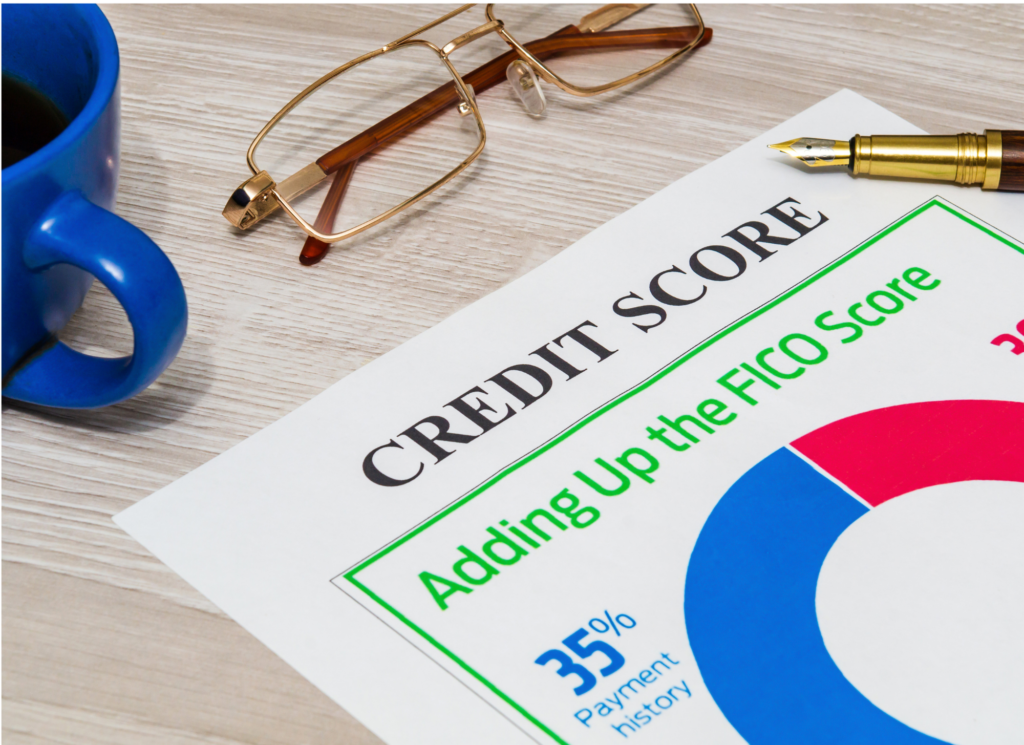
If you’re thinking about buying a home, but you’re not sure your credit is where it needs to be, you’re probably asking: 👉 “How can I improve my credit before buying a house?” And this is a smart question to ask. Because your credit score plays a major role in: The truth is: 👉 You don’t need perfect credit to buy a home in Minnesota. But improving your credit—even a little—can make a big difference. The Short Answer 👉 To improve your credit before buying a home, focus on: 👉 Even small improvements can: Why Credit Matters When Buying a Home Your credit score helps lenders determine: 👉 How reliable you are as a borrower It directly affects: 👉 Higher credit = better loan terms 👉 Lower credit = more limitations (but still possible) The Biggest Misconception ❌ “I need perfect credit to buy a home” 👉 Not true Many buyers qualify with: 👉 Credit scores in the 580–680 range 👉 The goal isn’t perfection 👉 The goal is improvement What Is a “Good” Credit Score? Here’s a simple breakdown: 👉 Moving even one category up can make a big impact The 5 Most Effective Ways to Improve Your Credit Let’s focus on what actually works. 1. Pay Everything On Time (This Is #1) 👉 Payment history is the biggest factor in your credit score Even one missed payment can: 👉 Lower your score significantly What to Do: 👉 This alone can improve your score over time 2. Lower Your Credit Card Balances This is one of the fastest ways to improve your credit. 👉 Lenders look at your credit utilization That means: 👉 How much of your available credit you’re using Example: 👉 High utilization → lowers your score Ideal Range: 👉 Keep balances under 30% of your limit 👉 Lower is even better 3. Don’t Open New Credit Accounts When preparing to buy a home: 👉 Avoid opening new credit cards or loans Why? 👉 Stability is what lenders want to see 4. Check Your Credit Report for Errors Many buyers don’t realize: 👉 Credit reports can have mistakes These may include: 👉 Fixing errors can improve your score quickly What to Do: 5. Pay Down Smaller Debts First If you have multiple debts: 👉 Focus on smaller balances first Why? 👉 Eliminating a payment: 👉 This creates momentum How Long Does It Take to Improve Credit? This is one of the most common questions. 👉 It depends on your situation General Timeline: 👉 The key is: 👉 Start early A Real Situation I See All the Time A buyer says: 👉 “I want to wait until my credit is perfect” But when they talk to a lender: 👉 They find out: 👉 Waiting too long can delay opportunities When You Should Start Improving Your Credit 👉 The best time is: 👉 Before you start house hunting Even if you’re 3–6 months away: 👉 Start now This gives you: How Credit Impacts Your Monthly Payment This is where it really matters. Example: Two buyers purchase the same home 👉 Buyer A (higher credit): 👉 Buyer B (lower credit): 👉 Same home—different cost Credit vs Loan Options Your credit score also affects: 👉 Which loan programs you qualify for FHA Loans: 👉 More flexible (580+ range) Conventional Loans: 👉 Typically require 620+ 👉 Improving your credit can open more options What NOT to Do Before Buying This is just as important. ❌ Don’t Miss Payments Even one can hurt your score ❌ Don’t Max Out Credit Cards High balances lower your score ❌ Don’t Take on New Debt This affects both credit and DTI ❌ Don’t Close Old Accounts This can impact your credit history 👉 Keep things stable Why You Should Talk to a Lender Early Instead of guessing: 👉 Talk to a lender early They can: 👉 This is one of the smartest steps you can take The Advantage of Having a Plan When you know what to do: 👉 Everything becomes easier You can: 👉 This removes uncertainty Who This Applies To First-Time Buyers Buyers With Lower Credit Relocation Buyers 👉 This is a critical step for many buyers FAQ: Improving Credit Before Buying a Home How can I improve my credit before buying a house?Focus on on-time payments, lowering balances, and avoiding new debt. How long does it take to improve credit?Small changes can happen in 30–60 days, larger improvements take longer. What credit score do I need to buy a home?Typically 580–620+ depending on the loan. Should I wait to improve my credit before buying?Talk to a lender first—you may already qualify. Final Thoughts Improving your credit doesn’t have to be complicated. 👉 It’s about: Because you don’t need perfect credit… 👉 You just need to be in a position that works And many buyers who think they’re not ready… 👉 Are closer than they realize Next Step If you’re thinking about buying a home in the Twin Cities & surrounding metro Minnesota, the next step is to see where your credit stands and what you qualify for: 👉 https://buy.dreamhomesminnesota.com/ 👉 This will help you: Lesley The RealtorRealtor in the Twin Cities & Surrounding Metro, MinnesotaHelping first-time and relocation buyers find the right home and location
FHA vs Conventional Loan in Minnesota — Which Is Better? (2026 Guide)

If you’re thinking about buying a home in Minnesota, one of the most common questions you’ll run into is: 👉 “Should I use an FHA loan or a conventional loan?” And if you’ve already started talking to a lender, you’ve probably heard both terms come up quickly. But here’s the problem: 👉 Most buyers don’t fully understand the difference You might be thinking: The truth is: 👉 Neither FHA nor conventional is “better” across the board. 👉 It depends on your situation. And once you understand how each one works: 👉 The decision becomes much clearer. The Short Answer 👉 FHA loans are typically better if you: 👉 Conventional loans are typically better if you: 👉 The best loan is the one that fits your financial profile What Is an FHA Loan? Let’s start simple. 👉 An FHA loan is a government-backed loan designed to help buyers: Key FHA Features: 👉 This is why FHA is very popular with: 👉 First-time homebuyers in Minnesota What Is a Conventional Loan? 👉 A conventional loan is not backed by the government It’s a more traditional loan that typically requires: Key Conventional Features: 👉 This is often used by buyers with: 👉 Stronger financial profiles The Biggest Difference (Simple Explanation) Let’s make this very clear: 👉 FHA = Easier to qualify 👉 Conventional = Stronger long-term benefits (if you qualify) 👉 That’s the core difference Credit Score Requirements This is one of the biggest deciding factors. FHA Loan: Conventional Loan: 👉 If your credit is still improving: 👉 FHA may be the better starting point Down Payment Comparison FHA Loan: 👉 3.5% down Conventional Loan: 👉 As low as 3% down 👉 Important insight: The difference in down payment is small 👉 The real difference is: 👉 Qualification + long-term cost Monthly Cost Differences This is where things really matter. FHA Loans: Conventional Loans: 👉 This is a BIG difference What This Means: 👉 FHA = easier to get into 👉 Conventional = potentially cheaper over time Interest Rates This can vary based on your situation. FHA Loans: 👉 Often offer competitive rates👉 Especially helpful for lower credit scores Conventional Loans: 👉 Best rates typically go to buyers with strong credit 👉 So: Flexibility in Approval FHA Loans: 👉 More forgiving with: Conventional Loans: 👉 More strict overall 👉 This is why many buyers start with FHA A Real Situation I See All the Time A buyer comes in unsure: 👉 “I don’t know which loan to choose” We connect them with a lender… And they find out: 👉 They qualify for BOTH options Then we compare: 👉 And choose what fits them best When FHA Might Be Better 👉 FHA may be the better choice if: 👉 It’s often the entry point into homeownership When Conventional Might Be Better 👉 Conventional may be the better choice if: 👉 It’s often the better long-term play The Biggest Misconceptions ❌ “FHA is only for people with bad credit” 👉 Not true—many buyers use FHA strategically ❌ “Conventional is always better” 👉 Not always—it depends on your situation ❌ “I have to choose on my own” 👉 You don’t—this is what your lender helps with What Most Buyers Don’t Realize 👉 You don’t have to guess A lender will: 👉 This is part of the process How to Decide the Right Loan for You Step 1: Check Your Credit Know where you stand Step 2: Get Pre-Approved This is critical Step 3: Compare Both Options Look at: 👉 Then decide Why Pre-Approval Is the Key Step Pre-approval allows you to: 👉 Without it, you’re guessing Who This Applies To First-Time Buyers Buyers With Credit Questions Relocation Buyers 👉 This is one of the most important decisions in the process FAQ: FHA vs Conventional Loans in Minnesota Which loan is better, FHA or conventional?It depends on your credit, finances, and goals. Is FHA easier to qualify for?Yes—it typically has more flexible requirements. Is conventional cheaper long-term?Often yes, especially if you can remove PMI. Can I qualify for both?Many buyers do—this is why comparing is important. Final Thoughts FHA vs conventional isn’t about picking the “best” loan. 👉 It’s about picking the right loan for you Because the right loan will: 👉 And once you understand your options: 👉 The decision becomes much easier Next Step If you’re thinking about buying a home in the Twin Cities & surrounding metro Minnesota, the next step is to find out which loan option fits you best: 👉 https://buy.dreamhomesminnesota.com/ 👉 This will help you: Lesley The RealtorRealtor in the Twin Cities & Surrounding Metro, MinnesotaHelping first-time and relocation buyers find the right home and location
Do I Need a Co-Signer to Buy a House in Minnesota? (2026 Guide)

If you’re thinking about buying a home but you’re unsure if you qualify on your own, you may be asking: 👉 “Do I need a co-signer to buy a house?” This is a very common question—especially for: And usually, this question comes with some hesitation behind it. You might be thinking: The truth is: 👉 Most buyers in Minnesota do NOT need a co-signer to buy a home. But in certain situations: 👉 A co-signer can help The Short Answer 👉 You do NOT need a co-signer if: 👉 You MAY need a co-signer if: 👉 It depends on your financial situation What Is a Co-Signer? Let’s define this clearly. 👉 A co-signer is someone who: 👉 They are NOT just “helping you qualify” 👉 They are legally responsible for the loan Why Buyers Think They Need a Co-Signer This usually comes from uncertainty. Buyers often assume: 👉 “If I’m not 100% perfect financially, I need help” But that’s not how lending works. 👉 Many buyers qualify with: 👉 Without a co-signer When You Might NOT Need a Co-Signer Let’s start here—because this is the majority of cases. 👉 You likely do NOT need a co-signer if: 1. Your Income Is Stable You have: 👉 This is one of the biggest factors lenders look at 2. Your Credit Meets Requirements 👉 You don’t need perfect credit—just qualifying credit 3. Your Debt Is Manageable 👉 As long as your debt-to-income ratio works, you may qualify When a Co-Signer Might Help There are situations where a co-signer can make a difference. 1. Lower Income 👉 If your income alone doesn’t support the loan amount A co-signer can: 👉 Add additional income to your application 2. Credit Challenges 👉 If your credit score is below qualifying levels A co-signer with stronger credit can: 👉 Strengthen the application 3. High Debt-to-Income Ratio 👉 If your existing debt is too high compared to your income A co-signer can: 👉 Help balance that ratio A Real Situation I See All the Time A buyer says: 👉 “I think I need a co-signer” We connect them with a lender… And they find out: 👉 They actually qualify on their own 👉 This happens often The Biggest Misconception ❌ “I can’t buy unless someone co-signs for me” 👉 Not true Many buyers assume they need help when: 👉 They don’t 👉 This is why pre-approval is so important What Lenders Actually Look At Instead of focusing only on co-signers, lenders evaluate: 👉 It’s a full picture—not just one factor Risks of Using a Co-Signer (Important to Understand) If you are considering a co-signer, you need to understand this clearly. 👉 A co-signer is fully responsible for the loan That means: 👉 This is a serious commitment When a Co-Signer Makes Sense A co-signer may be a good option if: 👉 It should be a strategic decision—not a default choice Alternative to a Co-Signer (Often Better) Before jumping to a co-signer, consider: 1. Improving Your Credit Even small increases can help 2. Reducing Debt Lower monthly obligations improve your DTI 3. Adjusting Your Budget Looking at a different price range 4. Exploring Loan Programs FHA loans offer more flexibility 👉 These options often eliminate the need for a co-signer Why Pre-Approval Is the First Step Instead of guessing: 👉 Get pre-approved first A lender will: 👉 This gives you a clear answer What Happens If You Use a Co-Signer? If you do move forward with one: 👉 The process includes: 👉 The loan is approved based on both of you Who This Applies To First-Time Buyers Buyers With Lower Income Buyers With Credit Concerns 👉 This is a common question early in the process FAQ: Co-Signers and Buying a Home in Minnesota Do I need a co-signer to buy a house?No—many buyers qualify on their own. When would I need a co-signer?If your income, credit, or debt doesn’t meet lender requirements. Is a co-signer responsible for the loan?Yes—they share full responsibility. Should I get a co-signer right away?No—get pre-approved first to see if you actually need one. Final Thoughts You don’t need a co-signer just because you’re unsure. 👉 You need clarity on your situation Because many buyers who think they need help… 👉 Actually qualify on their own And if you do need support: 👉 There are multiple ways to approach it The key is: 👉 That’s how you move forward with confidence Next Step If you’re thinking about buying a home in the Twin Cities & surrounding metro Minnesota, the next step is to find out if you qualify on your own—or what your best option is: 👉 https://buy.dreamhomesminnesota.com/ 👉 This will help you: Lesley The RealtorRealtor in the Twin Cities & Surrounding Metro, MinnesotaHelping first-time and relocation buyers find the right home and location