
What Is It Like Living Near Outdoor Recreation in Minnesota?

One of the biggest reasons people fall in love with Minnesota isn’t just the homes. It’s what happens outside of them. Whether you’re relocating from another state, buying your first home, upsizing for your growing family, or downsizing into your next chapter, one thing quickly becomes clear: Minnesotans love the outdoors. As a Minnesota real estate agent, I’ve worked with countless buyers who specifically tell me they want to live near parks, trails, lakes, golf courses, nature preserves, or recreational areas. Sometimes they don’t even realize how important it is until we start looking at neighborhoods. A beautiful home may check every box. But if it doesn’t fit the lifestyle they want, something still feels missing. That’s why outdoor recreation has become one of the most important factors many buyers consider when choosing where to live. The good news? Minnesota offers some of the best outdoor recreational opportunities in the country. Let’s talk about what it’s really like living near outdoor recreation in Minnesota and why so many homeowners consider it one of the biggest perks of living here. Minnesota Is Built for Outdoor Living Minnesota has earned its reputation as the “Land of 10,000 Lakes,” but outdoor recreation goes far beyond lakes. Throughout the state you’ll find: In many communities, outdoor recreation isn’t something you drive hours to enjoy. It’s part of everyday life. For many homeowners, that’s one of the best aspects of living in Minnesota. Outdoor Recreation Becomes Part of Your Daily Routine One thing buyers often underestimate is how much their environment influences their habits. If a beautiful walking trail is five minutes away, you’re more likely to use it. If a park is across the street, your children will probably spend more time outside. If a lake is nearby, you may find yourself kayaking on a weeknight after work. The easier outdoor recreation is to access, the more likely it becomes part of your lifestyle. Many homeowners tell me that living near recreational amenities has improved: Minnesota’s Four Seasons Create Four Different Outdoor Experiences One thing that makes Minnesota unique is that outdoor recreation changes with the seasons. Unlike some states where outdoor activities remain largely the same year-round, Minnesota offers something different every season. Spring As the snow melts, trails fill with walkers, runners, and cyclists. Parks become active again. Outdoor sports leagues return. Fishing season approaches. Communities come alive. Summer Summer is outdoor recreation season in full force. Residents enjoy: Many homeowners spend more time outside than inside during Minnesota summers. Fall Fall is arguably one of Minnesota’s most beautiful seasons. Colorful leaves transform parks and trails. Temperatures become ideal for hiking and biking. Apple orchards and outdoor festivals become popular destinations. Winter Many newcomers assume outdoor recreation disappears in winter. The opposite is true. Minnesotans embrace winter with activities such as: Outdoor recreation simply changes with the season. The Health Benefits of Living Near Recreation Many buyers initially focus on home features. However, some of the biggest benefits of location relate to health. Living near parks and recreational areas often encourages: Numerous homeowners report becoming more active simply because opportunities are nearby. Instead of driving somewhere to exercise, the recreation is already part of the neighborhood. That convenience matters. Popular Outdoor-Oriented Communities in Minnesota Many Minnesota communities are known for their recreational amenities. Some examples include: Maple Grove Offers extensive trail systems, parks, and recreational facilities. Eden Prairie Known for lakes, trails, and natural beauty. Plymouth Features numerous parks and outdoor spaces. Woodbury Offers miles of trails and community parks. Lakeville Popular for lakes, parks, and family recreation. Chanhassen Combines suburban living with easy access to nature. Stillwater Provides scenic riverfront recreation and outdoor activities. Each community offers a different outdoor experience. Families Often Prioritize Recreation Families frequently place outdoor recreation near the top of their wish list. Why? Because outdoor spaces provide opportunities for: Parks often become gathering places where children meet friends and families connect with neighbors. Many parents appreciate having recreational options within walking or biking distance. Outdoor Recreation Creates Community One overlooked benefit of recreational areas is community connection. People naturally meet while: Many friendships begin through shared activities. This can be especially valuable for people relocating to Minnesota who are looking to build new connections. Buyers Are Increasingly Prioritizing Lifestyle Years ago, many buyers focused almost exclusively on square footage. Today, lifestyle often plays a much bigger role. Many people are asking: “What will life actually feel like here?” A home near outdoor recreation often provides experiences that can’t be measured by square footage alone. You can renovate a kitchen. You can finish a basement. You can’t easily create a lake, trail system, or regional park next door. Location amenities tend to remain valuable over time. Outdoor Recreation Can Support Property Values While every real estate market is different, homes near desirable amenities often attract strong buyer interest. Many buyers specifically search for homes near: Because these features are difficult to replicate, they often remain attractive to future buyers as well. This doesn’t guarantee appreciation, but recreational access is frequently viewed as a positive feature. The Mental Health Benefits Are Real One thing many homeowners don’t anticipate is how much outdoor access affects mental well-being. After a stressful day, having a nearby trail or park can make a tremendous difference. Many residents enjoy: The ability to easily connect with nature often becomes one of the most appreciated aspects of homeownership. Potential Considerations Like every location choice, living near outdoor recreation isn’t perfect for everyone. Some considerations may include: Increased Activity Popular trails and parks attract visitors. Seasonal Traffic Certain recreational destinations become busier during peak seasons. Parking Demand Popular parks sometimes experience crowded parking areas. Event Activity Community events may increase activity levels. For most buyers, these trade-offs are relatively minor compared to the benefits. Questions Buyers Should Ask When evaluating homes near recreational amenities, consider: How often do I spend time outdoors? Which activities do I enjoy most? Do I want walkable access? Is year-round
What Is It Like Living Near Restaurants and Nightlife in Minnesota?

When people imagine their ideal neighborhood, they often think about the house first. The kitchen. The backyard. The garage. The number of bedrooms. But after helping buyers throughout Minnesota find homes for years, I’ve noticed something interesting. Many homeowners eventually realize that what surrounds the home can be just as important as the home itself. One of the lifestyle features that consistently attracts buyers is access to restaurants, entertainment, and nightlife. For some people, being able to walk to dinner on a Friday night feels like a luxury. For others, having coffee shops, breweries, live music, and local restaurants nearby creates the sense of community they’re looking for. As a Minnesota real estate agent, I’ve worked with buyers relocating from other states, first-time homebuyers, downsizers, and growing families who specifically ask: “What is it like living near restaurants and nightlife?” The answer depends on your lifestyle, your stage of life, and the specific community you’re considering. For some people, it’s one of the biggest quality-of-life upgrades they can make. For others, it may not be as important. Let’s explore what life is really like when restaurants, entertainment, and nightlife are part of your neighborhood experience. Why Buyers Prioritize Restaurants and Entertainment When most people think about location, they think about convenience. How close is the grocery store? How long is the commute? Where are the schools? But lifestyle convenience matters too. Being close to dining and entertainment means having easy access to experiences that make everyday life more enjoyable. Instead of planning an evening around a 30-minute drive, many activities become spontaneous. You can: without spending half your evening in traffic. For many buyers, that convenience becomes a major lifestyle upgrade. Minnesota Has More Dining and Entertainment Options Than Many People Expect People moving to Minnesota are often surprised by the variety of entertainment available. The Twin Cities metropolitan area offers: Many suburban communities have also developed vibrant dining scenes of their own. You don’t necessarily have to live in downtown Minneapolis to enjoy excellent restaurants and nightlife. Popular Areas for Dining and Entertainment Several Minnesota communities are known for their restaurant and entertainment options. Examples include: Minneapolis Offers some of the state’s most diverse dining experiences. St. Paul Known for historic charm, local restaurants, and entertainment venues. North Loop One of the most popular urban lifestyle districts in Minnesota. Uptown Offers dining, nightlife, and walkability. Wayzata Combines lake living with upscale restaurants and shopping. Excelsior A favorite destination for dining, entertainment, and community events. Downtown Stillwater Known for riverfront dining, boutiques, and nightlife. Each offers a different atmosphere and lifestyle. The Appeal of Walkability One of the biggest advantages of living near restaurants and nightlife is walkability. Many buyers specifically look for neighborhoods where they can: Walkable communities often create a stronger sense of connection. People tend to spend more time outside. They interact more frequently with neighbors. They become more engaged in local events. For many homeowners, that’s one of the most enjoyable aspects of living near entertainment districts. Date Nights Become Easier Many couples don’t realize how much location affects their social life until after they move. Living near restaurants often means: A simple Wednesday evening dinner becomes easier. A last-minute date night becomes possible. Instead of turning dining out into a major event, it becomes part of everyday life. That convenience can significantly improve quality of life. A Major Advantage for Busy Professionals Many professionals appreciate living near entertainment districts because of time savings. After a long workday, convenience matters. Rather than driving across town for dinner or social activities, nearby options allow people to enjoy more of their evenings. This is particularly attractive for: Many buyers are prioritizing lifestyle more than ever before. Restaurants Often Create Community One thing I frequently hear from homeowners is that local restaurants help create a sense of belonging. People become regular customers. They get to know staff. They see neighbors. They attend local events. Over time, these establishments become gathering places. In many Minnesota communities, local restaurants are an important part of the neighborhood identity. Living Near Nightlife Doesn’t Always Mean Noise One concern buyers sometimes have is: “If I live near restaurants and nightlife, will it be noisy?” The answer depends entirely on the location. Not all entertainment districts are the same. For example: A home directly adjacent to a busy nightlife corridor may experience more activity. A home several blocks away may enjoy convenience without significant noise. This is why visiting neighborhoods during different times of day is important. Minnesota’s Seasonal Entertainment Culture One thing that makes Minnesota unique is how entertainment changes throughout the year. Summer Outdoor patios Food festivals Concerts Farmers markets Lakefront dining Fall Brewery events Community festivals Outdoor gatherings Winter Indoor dining Holiday markets Theater performances Sports events Spring Outdoor events begin returning Restaurant patios reopen Community gatherings increase Living near entertainment districts often means easy access to these seasonal experiences. The Benefits for Relocating Buyers Many buyers moving to Minnesota worry about making new connections. Living near restaurants and entertainment can help. These areas naturally create opportunities to: For newcomers, that can make the transition easier. Property Value Considerations Homes near desirable dining and entertainment districts often attract strong buyer interest. Why? Because lifestyle sells. Many buyers are willing to pay for convenience and access. While every market is different, neighborhoods with strong amenities often remain attractive over time. That’s one reason lifestyle-focused communities continue to be popular. Potential Downsides to Consider Like any location choice, there are trade-offs. Potential considerations include: Increased Traffic Popular entertainment areas often attract visitors. Parking Challenges Some districts have limited parking during busy periods. Noise Depending on proximity, activity levels may be higher. Higher Demand Popular neighborhoods sometimes command higher home prices. These factors aren’t necessarily negatives. They’re simply important considerations. Different Buyers Have Different Priorities Not everyone values restaurants and nightlife equally. Young Professionals Often prioritize entertainment access. Empty Nesters May enjoy walkability and dining options. Relocating Buyers Often appreciate nearby social opportunities. Families
What Is It Like Living Near Shopping Areas in Minnesota?

When people think about buying a home, they often focus on the house itself. How many bedrooms does it have? Is the kitchen updated? Does it have a finished basement? How big is the backyard? Those are all important questions. But after helping buyers throughout Minnesota for years, I’ve learned that one factor often has a bigger impact on daily happiness than many people realize: What’s around the house. Specifically, how convenient is everyday life? As a Minnesota real estate agent, I frequently work with buyers who initially focus on the property and later realize that location and lifestyle play an even bigger role in their long-term satisfaction. One of the most common lifestyle preferences I hear is: “I’d love to be close to shopping.” That doesn’t necessarily mean living next door to a massive retail center. It means having easy access to the places you visit regularly. The grocery store. Target. Costco. Coffee shops. Pharmacies. Home improvement stores. Restaurants. Everyday errands become part of your routine, and where you live can either make those errands easy or turn them into a time-consuming chore. So what is it really like living near shopping areas in Minnesota? Let’s take a closer look. Why Shopping Access Matters More Than People Expect Most people don’t think about shopping access until after they move. When you’re buying a home, it’s easy to focus on: But daily convenience often becomes one of the biggest quality-of-life factors. Think about how many times per week you visit: Those trips add up quickly. A location that saves you even 10 to 15 minutes per errand can save hours every month. Convenience Becomes Part of Your Daily Lifestyle One of the biggest advantages of living near shopping areas is convenience. Need milk? Five minutes away. Need a birthday gift? Quick trip. Forgot an ingredient for dinner? No problem. Need school supplies? Easy. When stores are nearby, everyday life feels easier. Many homeowners don’t fully appreciate this until they’ve experienced it. Minnesota’s Shopping Hubs Throughout Minnesota, several communities have developed into major shopping destinations. Areas such as: offer extensive retail options. Residents often enjoy access to: without driving across the metro. The Appeal for Busy Families Families often appreciate shopping convenience more than anyone. Life becomes busy quickly when you’re juggling: Living near shopping areas can simplify logistics. For example: A quick stop at Target after soccer practice becomes easy. Running errands between activities becomes manageable. Last-minute needs become less stressful. Small conveniences often create significant lifestyle improvements. Grocery Shopping Gets Easier Let’s be honest. Most people visit grocery stores far more often than they expected when they bought their home. Whether it’s: having convenient access can be a major advantage. Minnesota winters make this even more noticeable. A five-minute grocery run during a January snowstorm feels much different than a thirty-minute drive. Access to Everyday Services Shopping districts often bring more than stores. Many include: This creates what many people describe as an “all-in-one” lifestyle. Rather than driving to multiple areas, many daily needs can be handled nearby. The Benefits During Minnesota Winters Minnesota winters can change how people think about location. A home may seem perfectly located in July. Then January arrives. Snow. Ice. Cold temperatures. Short days. Suddenly, convenience becomes even more valuable. Living near shopping areas often means: For many Minnesota residents, this becomes a major quality-of-life benefit. Walkability and Shopping Some Minnesota communities offer opportunities to walk to nearby shopping and services. Areas with stronger walkability often appeal to buyers who enjoy: Walkability can contribute to a stronger sense of community and neighborhood connection. The Social Side of Shopping Areas Many modern shopping districts function as gathering places. They’re no longer simply places to buy things. People meet friends. Grab coffee. Enjoy outdoor events. Attend seasonal festivals. Visit farmers markets. Many Minnesota shopping districts have evolved into lifestyle destinations. Examples include areas around: These areas often become community hubs. Potential Downsides of Living Near Shopping Areas Like every location choice, there are trade-offs. Living near shopping districts isn’t perfect for everyone. Potential considerations include: Increased Traffic Popular shopping areas often attract more vehicles. Busier Roads Main commercial corridors may experience higher traffic volumes. Noise Some retail districts remain active throughout the day and evening. Higher Demand Homes near desirable amenities often attract strong buyer interest. None of these are necessarily deal-breakers. They simply represent factors buyers should evaluate. Resale Value Considerations Convenience often appeals to future buyers as well. Many homebuyers actively search for: As a result, homes in convenient locations may attract broader buyer interest when it’s time to sell. Of course, every property and market is different. But convenience generally remains attractive. Different Buyers Value Shopping Differently Not everyone prioritizes shopping access equally. First-Time Buyers Often appreciate convenience and shorter commutes. Busy Families Frequently value nearby services. Empty Nesters May prioritize walkability and convenience. Retirees Often appreciate reduced driving requirements. Remote Workers May enjoy having errands nearby throughout the day. The importance of shopping access depends on lifestyle preferences. Popular Minnesota Communities for Shopping Access Several Minnesota communities consistently attract buyers seeking convenience. Examples include: Maple Grove Known for extensive retail and entertainment options. Woodbury Offers major shopping centers and convenient services. Bloomington Provides access to retail, dining, and major transportation routes. Eden Prairie Combines shopping, dining, and residential communities. Roseville Conveniently located near both Minneapolis and St. Paul. Each offers a different lifestyle experience. Questions Buyers Should Ask When evaluating shopping access, consider: How often do I run errands? Do I enjoy walking to nearby destinations? How important is convenience? Am I comfortable with additional traffic? What services do I use most often? The answers help determine whether shopping proximity should be a priority. Common Mistakes Buyers Make Focusing Only on the House Lifestyle matters too. Ignoring Daily Convenience Small inconveniences add up. Overlooking Winter Realities Distance feels different in January. Assuming All Shopping Areas Are Similar Every community offers a different experience. Not Visiting During Different Times of Day Traffic
What Areas in Minnesota Are Popular for First-Time Homebuyers?

Buying your first home is exciting. It’s also a little overwhelming. You’re trying to figure out mortgage payments, down payments, neighborhoods, schools, property taxes, commute times, and whether the house you’re considering is actually a good investment. As a Minnesota real estate agent, one of the questions I hear most often from first-time buyers is: “Lesley, where should I be looking?” The answer depends on your budget, lifestyle, work location, family needs, and long-term goals. But over the years, I’ve noticed certain Minnesota communities consistently attract first-time buyers because they offer a combination of affordability, amenities, strong communities, and future growth potential. The truth is that there isn’t one perfect city for every first-time buyer. Some buyers want new construction. Others want an established neighborhood. Some prioritize schools. Others want shorter commutes. The good news is that Minnesota offers a wide variety of communities that fit different lifestyles and budgets. Let’s look at some of the most popular areas for first-time homebuyers and why so many buyers continue choosing them. What First-Time Homebuyers Usually Want Before we talk about specific cities, let’s talk about what most first-time buyers are actually looking for. In my experience, most first-time buyers prioritize: Not every city checks every box equally. That’s why understanding your priorities is so important. Lakeville Lakeville continues to be one of the most popular cities for first-time buyers in Minnesota. Why? Because it offers something many buyers are searching for: Balance. Lakeville provides: Many first-time buyers appreciate that Lakeville offers a suburban lifestyle while still maintaining convenient access to Minneapolis and St. Paul. The city continues attracting buyers because it appeals to young professionals, growing families, and relocation buyers alike. Farmington Farmington has become increasingly popular among first-time buyers who want to maximize their budget. One thing buyers often discover is that they can sometimes afford a larger home in Farmington than they could in some neighboring communities. Farmington offers: For buyers focused on value, Farmington often deserves a closer look. Rosemount Rosemount consistently attracts first-time buyers who want a newer suburban environment. Many buyers appreciate: The city continues growing while maintaining a strong sense of community. Many first-time buyers find Rosemount offers a nice combination of affordability and quality of life. Cottage Grove Cottage Grove has become a favorite among buyers seeking affordability without sacrificing convenience. The city offers: Many first-time buyers find Cottage Grove appealing because it offers opportunities across a variety of price points. Blaine Blaine continues attracting younger buyers and growing families. Reasons include: Many first-time buyers appreciate the variety of housing options available. Whether you’re looking for a townhome, starter home, or newer single-family property, Blaine often offers several possibilities. Otsego Otsego has become increasingly popular among buyers looking for more house for their money. Many first-time buyers are surprised by what they can find in Otsego compared to some more established suburbs. The city offers: As awareness of Otsego continues growing, so does buyer interest. Rogers Rogers has become one of the most attractive communities in the northwest metro. First-time buyers often like: Many buyers who work in the northwest metro find Rogers particularly appealing. Woodbury Woodbury isn’t always the cheapest option, but it remains highly desirable. Some first-time buyers choose smaller homes, townhomes, or condos in Woodbury because they value: For many buyers, location matters just as much as square footage. Shakopee Shakopee continues attracting first-time buyers because of its combination of affordability and convenience. The city offers: Many buyers appreciate the variety of housing opportunities available. Brooklyn Park Brooklyn Park remains one of the largest cities in Minnesota and continues offering opportunities for first-time buyers. Advantages include: Many buyers find that Brooklyn Park offers value while maintaining convenient access to the metro area. Why New Construction Appeals to First-Time Buyers One trend I’ve noticed recently is that more first-time buyers are considering new construction. Reasons include: Communities like Lakeville, Farmington, Blaine, Otsego, Rogers, and Rosemount continue offering opportunities for buyers interested in new homes. Why School Districts Matter Even If You Don’t Have Kids This surprises many buyers. Even if you don’t have children, school districts can still matter. Why? Because future buyers often care about schools. Strong school districts can contribute to: That’s one reason many first-time buyers pay attention to school systems even when they don’t currently need them. What First-Time Buyers Should Focus On Many buyers spend too much time trying to predict the market. Instead, I encourage buyers to focus on: Affordability Can you comfortably afford the monthly payment? Lifestyle Does the community fit your day-to-day life? Commute How much time do you want to spend driving? Future Needs Will the home still work for you in a few years? Community Appeal Do you genuinely enjoy the area? These factors often matter more than trying to perfectly time the market. Common Mistakes First-Time Buyers Make Focusing Only on Price The cheapest house isn’t always the best value. Ignoring Commute Times A great house can feel very different after months of a difficult commute. Overlooking Community Amenities Parks, trails, shopping, and recreation can significantly impact quality of life. Waiting for the “Perfect” Market Many buyers spend years waiting for ideal conditions that never arrive. Not Exploring Multiple Areas Some buyers limit themselves unnecessarily and miss excellent opportunities elsewhere. Questions to Ask Before Choosing a City When evaluating communities, ask yourself: What is most important to me? Schools?Commute?Affordability?New construction? How long do I plan to stay? Your timeline may influence your decision. What lifestyle do I want? Every community offers something different. Am I open to growing suburbs? Some of Minnesota’s fastest-growing communities offer excellent opportunities. FAQ What is the best city for first-time homebuyers in Minnesota? There is no single answer. Popular choices include Lakeville, Farmington, Rosemount, Cottage Grove, Blaine, Rogers, Otsego, Shakopee, and Brooklyn Park. Should first-time buyers consider new construction? Absolutely. Many builders offer homes designed specifically for first-time buyers. Are suburbs better than cities for first-time buyers? It depends on your lifestyle and priorities. How
Where Are Buyers Moving Right Now in Minnesota?

If you’ve been paying attention to Minnesota real estate over the past few years, you’ve probably noticed something interesting: Not everyone is moving to the same places. Some buyers are leaving larger cities for suburban communities. Others are relocating from out of state and looking for highly rated school districts. Some want more land. Some want newer homes. Others want walkability, shorter commutes, or lake access. As a Minnesota real estate agent, one of the questions I hear most often is: “Lesley, where are buyers moving right now in Minnesota?” It’s a great question because buyer migration trends can tell us a lot about what’s happening in the housing market. They show us what people value. They reveal where demand is strongest. And they often highlight communities that continue attracting attention from both local and out-of-state buyers. While every buyer has unique priorities, certain Minnesota cities and suburbs continue showing up on buyers’ wish lists again and again. Let’s look at where people are moving, why they’re choosing those communities, and what today’s buyers are looking for in Minnesota. Why Buyers Are Moving Differently Than They Did Ten Years Ago A decade ago, many buyers prioritized one thing above almost everything else: The commute. Today, the conversation is often much broader. Many buyers now consider: The rise of hybrid and remote work has also changed how people think about location. Some buyers are now willing to live farther from major employment centers if it means getting more home, a larger yard, or access to better amenities. Lakeville Continues to Attract Buyers If there’s one suburb that consistently comes up in conversations with buyers, it’s Lakeville. Lakeville continues attracting: Buyers appreciate: Many buyers feel Lakeville offers a good balance between suburban living and accessibility. The city continues growing because demand remains strong across multiple buyer groups. Woodbury Remains One of the Most Popular Destinations Woodbury continues attracting buyers from across Minnesota and beyond. The city’s popularity is driven by: Many relocation buyers specifically ask about Woodbury before they even arrive in Minnesota. It’s often viewed as one of the most desirable suburbs in the east metro. Because it appeals to so many different types of buyers, demand remains strong. Blaine Continues Growing Blaine has become increasingly popular among buyers seeking newer housing options. The city offers: Many buyers appreciate the amount of new housing inventory available. The city’s continued expansion keeps it firmly on the radar for both local and relocating buyers. Rosemount Is Attracting More Attention Rosemount has quietly become one of the most desirable communities for families. Buyers are attracted to: Many families moving within the Twin Cities metro are adding Rosemount to their search areas because it offers a strong combination of value and quality of life. Farmington Continues Drawing Budget-Conscious Buyers Affordability remains important. As home prices have increased throughout the metro area, many buyers have expanded their search. Farmington often appeals to buyers who want: Many first-time buyers discover they can stretch their budget further in Farmington than in some neighboring suburbs. Rogers Is Seeing Strong Demand Rogers continues attracting buyers because of its location and growth. Key factors include: Many buyers appreciate the combination of suburban living and convenient transportation access. The city continues seeing both residential and commercial investment. Otsego Is No Longer a Secret There was a time when many buyers overlooked Otsego. That’s no longer the case. Today, buyers are drawn to: Many families find they can purchase a newer home with more space compared to some older, more established suburbs. That value proposition continues attracting attention. Cottage Grove Continues Expanding Cottage Grove has become increasingly popular among both first-time and move-up buyers. Reasons include: Many buyers appreciate the balance between affordability and convenience. As development continues, buyer interest remains strong. Maple Grove Remains a Buyer Favorite Maple Grove continues attracting buyers despite having less available land for large-scale development than some newer suburbs. Why? Because it offers: Many buyers prioritize convenience, and Maple Grove delivers it. The city remains one of the most sought-after communities in Minnesota. Eden Prairie Continues Attracting Professionals Eden Prairie remains popular with: Its appeal includes: Many buyers appreciate the established nature of the community and its reputation for quality of life. Prior Lake Attracts Lifestyle Buyers Some buyers prioritize lifestyle above everything else. Prior Lake often attracts buyers looking for: The community’s lifestyle appeal continues drawing interest from move-up buyers and relocation clients. Victoria Is Becoming Increasingly Popular Victoria continues gaining attention among buyers seeking: Many buyers describe Victoria as offering a quieter pace while still remaining connected to the metro. As awareness grows, so does demand. Minneapolis Still Attracts Urban Buyers Not everyone wants suburban living. Many buyers continue choosing Minneapolis because of: Certain neighborhoods remain highly desirable among professionals and buyers who value convenience and city living. St. Paul Continues Drawing Buyers St. Paul remains attractive because of its: Many buyers appreciate the unique identity that different St. Paul neighborhoods offer. What Out-of-State Buyers Want As someone who works with relocation buyers, I’ve noticed several consistent themes. Many people moving to Minnesota prioritize: Good Schools School districts frequently influence decisions. Larger Homes Many buyers are surprised by what their budget can buy compared to other states. New Construction Relocation buyers often prefer move-in-ready homes. Community Amenities Parks, trails, recreation, and shopping matter. Safety and Quality of Life Minnesota’s reputation for quality of life continues attracting newcomers. Why Buyers Are Expanding Their Search Areas Higher home prices have encouraged many buyers to consider areas they might not have explored previously. Instead of focusing on one city, buyers are often looking at: This flexibility has contributed to growth in many outer-ring suburbs. Questions Buyers Should Ask When Choosing a Community Before deciding where to move, consider asking: What type of lifestyle do I want? Every community offers something different. How important is commute time? Work patterns continue evolving. Do I want newer construction? Some cities offer more inventory than others. What amenities matter most? Schools,
What Areas in Minnesota Are Best for Home Appreciation?

If you’ve ever talked to homeowners who bought a house ten or fifteen years ago, you’ve probably heard some version of this statement: “I wish I had bought sooner.” It’s easy to understand why. Over time, many Minnesota homeowners have watched their home values increase significantly. In some cases, those gains have helped families build wealth, upgrade to larger homes, pay for education, invest in other opportunities, or enjoy greater financial flexibility. Because of that, many buyers ask me: “Lesley, what areas in Minnesota have the best appreciation potential?” It’s one of the most common questions I hear from first-time buyers, move-up buyers, relocation clients, and even investors. The challenge is that nobody can guarantee future appreciation. Real estate markets move in cycles. Economic conditions change. Interest rates fluctuate. Population trends evolve. However, there are certain factors that consistently support stronger housing demand over time, and understanding those factors can help buyers make more informed decisions. As a Minnesota real estate agent, I always encourage clients to focus on buying a home they love in a community with strong long-term fundamentals rather than chasing short-term market trends. Let’s look at what drives appreciation and which Minnesota communities continue attracting buyers year after year. What Is Home Appreciation? Home appreciation simply means an increase in a property’s value over time. For example: If you purchase a home for $350,000 and later sell it for $450,000, the property appreciated by $100,000. Of course, appreciation isn’t guaranteed. Markets can experience periods of: The goal isn’t predicting the future perfectly. The goal is understanding what characteristics tend to support long-term demand. What Factors Drive Home Appreciation? While every market is different, several factors consistently influence property values. Population Growth More people moving into an area generally increases housing demand. When demand rises faster than supply, values often benefit. Job Growth Communities with strong employment opportunities tend to attract buyers. People want to live near jobs. School Districts School quality often influences buyer demand, even among buyers without children. Limited Housing Supply Areas with strong demand and limited inventory often experience pricing pressure. Infrastructure Improvements Road expansions, public investments, healthcare facilities, and retail development can make communities more attractive. Lifestyle Appeal Parks, trails, lakes, restaurants, entertainment, and recreation often contribute to long-term desirability. Why Minnesota Continues to Attract Homebuyers Minnesota offers several advantages that continue drawing buyers from both inside and outside the state. These include: These factors help support ongoing housing demand across many parts of the state. Lakeville Lakeville consistently ranks among Minnesota’s most desirable suburbs. Why? Because it combines several appreciation-driving factors: Lakeville continues attracting first-time buyers, growing families, and move-up buyers. The broad buyer appeal helps support long-term demand. Many homeowners who purchased in Lakeville years ago have benefited from the city’s continued growth and popularity. Woodbury Woodbury remains one of the strongest housing markets in the east metro. The city offers: One reason Woodbury continues attracting buyers is that it appeals to multiple demographic groups. Whether someone is relocating to Minnesota, raising a family, or upgrading homes, Woodbury frequently appears on their list. That consistent demand can support appreciation over time. Maple Grove Maple Grove has long been considered one of Minnesota’s premier suburbs. Its strengths include: Maple Grove benefits from both stability and desirability. Even though much of the city is already developed, buyer demand remains strong. Many homeowners view Maple Grove as a community they can stay in for many years. Eden Prairie Eden Prairie continues attracting buyers because of its reputation, schools, and employment opportunities. Key strengths include: Many buyers are willing to pay a premium for locations that offer strong quality of life. That ongoing demand often contributes to long-term value retention. Blaine Blaine has experienced substantial growth over the past decade. Factors contributing to its popularity include: Because the city continues attracting both residents and businesses, many buyers see long-term potential in the area. Growth often creates additional housing demand. Rogers Rogers continues benefiting from: Many buyers appreciate the combination of newer homes and accessibility. As more people seek suburban living with convenient commuting options, Rogers remains a community worth watching. Rosemount Rosemount has quietly become one of the stronger housing markets in the south metro. The city continues attracting buyers because of: As demand continues growing, Rosemount remains a community many buyers consider for long-term ownership. Prior Lake Prior Lake offers something many communities cannot: Lifestyle appeal. Buyers are attracted to: Lifestyle-oriented communities often maintain strong desirability because buyers are drawn to more than just the houses themselves. They’re buying into an experience. Victoria Victoria continues growing in popularity among buyers seeking: The combination of scenic surroundings and suburban convenience creates strong appeal for many buyers. As awareness of Victoria continues growing, demand may follow. Minneapolis Neighborhoods With Appreciation Potential While many buyers focus on suburbs, Minneapolis continues offering opportunities as well. Certain neighborhoods benefit from: Urban markets often experience appreciation drivers that differ from suburban communities, but they remain important parts of Minnesota’s housing market. St. Paul Neighborhoods Worth Watching St. Paul also offers neighborhoods with strong long-term appeal. Buyers are often attracted by: Like Minneapolis, certain St. Paul neighborhoods continue benefiting from reinvestment and redevelopment efforts. Why School Districts Matter So Much Even buyers without children often care about school districts. Why? Because future buyers care. School districts frequently influence: Communities with highly regarded schools often remain attractive through multiple market cycles. New Construction and Appreciation Many buyers wonder whether new construction homes appreciate well. The answer depends on several factors. However, communities experiencing: often continue attracting future buyers. New construction itself doesn’t guarantee appreciation, but it can be a sign that builders believe demand will remain strong. The Danger of Chasing Appreciation Alone One mistake some buyers make is purchasing solely based on appreciation potential. I always encourage clients to ask: “Would I actually enjoy living here?” A home should first support your: Appreciation is important. But enjoying your home matters too. The strongest purchase is often one that accomplishes
Where Are New Housing Developments Happening in Minnesota?

If you’ve driven through parts of the Twin Cities metro recently, you’ve probably noticed construction cranes, new roads, freshly paved streets, and entire neighborhoods appearing where farmland once stood. Minnesota continues to experience steady population growth, and with that growth comes demand for housing. As a Minnesota real estate agent, I regularly hear buyers ask: “Where are all the new housing developments happening right now?” Sometimes the question comes from first-time buyers looking for affordable new homes. Sometimes it’s from families who want newer schools and neighborhoods. Other times it’s from investors who want to understand where growth is occurring before everyone else notices. The reality is that new housing developments are happening throughout Minnesota, but certain communities are seeing far more activity than others. Understanding where development is occurring can help buyers make informed decisions about where to live, where to invest, and which communities may continue growing over the next several years. Let’s explore where new housing developments are happening across Minnesota and why these areas continue attracting builders and buyers. Why New Housing Developments Matter Many buyers focus only on the home itself. However, the surrounding community often matters just as much. New development can bring: For many homeowners, buying in a growing area means benefiting from improvements that may continue for years after they move in. Of course, growth also brings challenges such as increased traffic and construction activity. The key is understanding what type of growth is occurring and whether it aligns with your goals. The Twin Cities Continue to Drive Growth The majority of Minnesota’s residential development continues to occur around the Minneapolis-St. Paul metropolitan area. This makes sense because the Twin Cities region remains the state’s largest economic center. Builders continue focusing on areas where buyers want: As land becomes scarcer closer to Minneapolis and St. Paul, development continues pushing outward into surrounding communities. Lakeville Continues Expanding Lakeville remains one of the most active residential development markets in Minnesota. New neighborhoods continue appearing throughout the city because demand remains strong. Buyers are attracted by: Lakeville appeals to a wide range of buyers, including: Because of this broad demand, builders continue investing heavily in the area. Rosemount Sees Ongoing Development Rosemount has experienced significant residential expansion over the past decade. New housing developments continue appearing throughout the community. Growth has been supported by: Many buyers appreciate that Rosemount still offers opportunities to purchase newer homes while maintaining a strong sense of community. Farmington Remains a Growth Market Farmington continues attracting both builders and buyers. One reason is affordability. Many buyers find they can purchase larger homes or newer construction in Farmington compared to some closer-in suburbs. New developments continue to emerge as demand remains strong among: Farmington’s growth trajectory continues to make it one of the more interesting markets in the south metro. Woodbury Continues to Expand Woodbury has become one of Minnesota’s most desirable suburban communities. Although much of the city is already developed, new residential opportunities continue emerging. Buyers are attracted to: New housing developments in Woodbury often attract move-up buyers seeking modern homes and strong community amenities. Cottage Grove Continues Building Cottage Grove has become increasingly popular with both builders and homebuyers. The city continues adding: Many buyers appreciate the balance between affordability and convenience. The community continues investing in infrastructure that supports ongoing growth. Blaine’s Development Continues Blaine remains one of the most active development markets north of Minneapolis. Growth drivers include: Builders continue introducing a variety of housing options to meet demand from different buyer groups. Otsego Has Become a Development Hotspot Otsego may be one of Minnesota’s most significant growth stories. Many buyers who haven’t visited the area recently are surprised by how much development has occurred. The city continues seeing: Buyers often appreciate the value they can find compared to more established suburbs. Rogers Continues Growing Rogers has become increasingly attractive because of its location along Interstate 94. Growth has been fueled by: Many buyers find Rogers offers a convenient balance between suburban living and metro accessibility. Dayton Continues Adding Housing Dayton has become another area where builders remain active. New housing developments continue attracting buyers who want: As nearby communities become more expensive, Dayton continues attracting attention from buyers looking for value. Victoria and the Southwest Metro Victoria continues to see development activity as more buyers discover the area. The community offers: Many buyers appreciate Victoria’s small-town feel combined with access to metro amenities. Growth continues steadily throughout the area. What Types of Housing Are Being Built? Many people assume new development only means large single-family homes. In reality, builders are constructing a wide variety of housing types. Single-Family Homes Traditional detached homes remain the most visible form of development. Townhomes Townhomes continue growing in popularity because they often provide: Condominiums Condo developments remain important in certain markets. Luxury Homes Higher-end communities continue expanding in select suburbs. Active Adult Communities Minnesota is also seeing increased development focused on downsizing and retirement lifestyles. Why Builders Choose Certain Areas Builders don’t randomly select locations. Several factors influence development decisions. Available Land Communities with larger undeveloped areas naturally attract builders. School District Demand Strong school districts often drive buyer demand. Transportation Access Highway access remains a major consideration. Population Growth Growing populations create housing demand. Community Support Cities that plan effectively for growth often attract more development. What Growth Means for Home Values One of the most common questions buyers ask is: “If I buy in a growing area, will my home appreciate?” While nobody can predict future values, growth often creates conditions that support demand. Factors may include: However, buyers should focus first on finding a home that meets their needs rather than attempting to predict future market performance. Questions Buyers Should Ask About New Developments Before purchasing in a growing area, consider asking: What additional development is planned? The area may continue changing for years. Are new schools planned? This can impact families and future demand. What commercial projects are coming? New shopping and services may
What Suburbs Are Growing the Fastest in Minnesota?
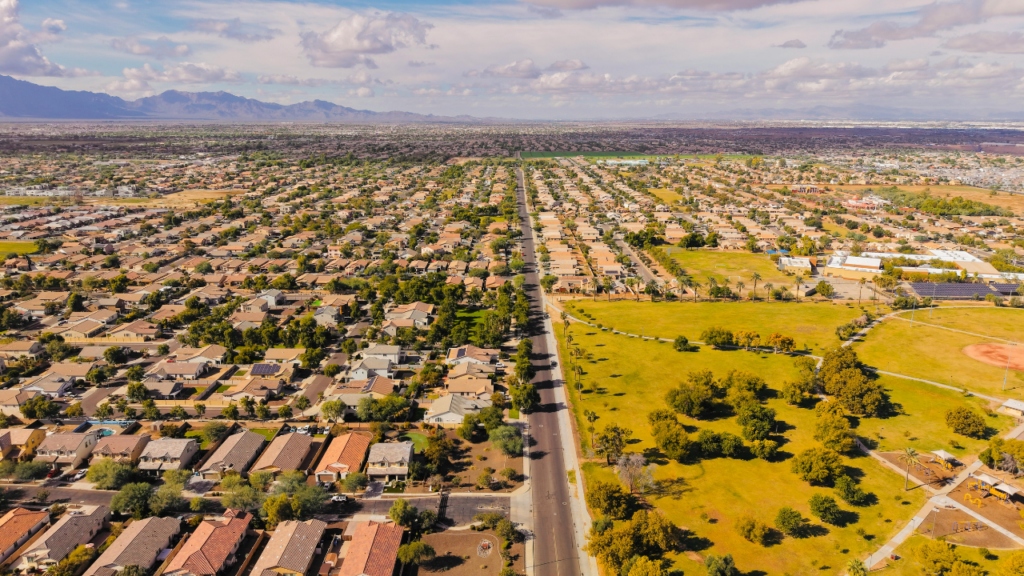
If you’ve spent any time driving around the Twin Cities over the past few years, you’ve probably noticed something: Minnesota is growing. Fields that were empty a few years ago now have new neighborhoods. New schools are opening. Roads are expanding. Shopping centers are appearing in places that once seemed far outside the metro. As a Minnesota real estate agent, one question I hear regularly from buyers, investors, and relocation clients is: “Which suburbs are growing the fastest in Minnesota?” It’s a smart question. Fast-growing communities often bring: Of course, growth isn’t the only factor that matters when choosing where to live. Lifestyle, schools, commute times, amenities, and housing affordability are equally important. But if you’re looking for areas that are attracting residents, builders, and investment, there are several Minnesota suburbs that continue to stand out. Let’s look at where growth is happening and why buyers are paying attention to these communities. Why Are Certain Minnesota Suburbs Growing So Quickly? Before discussing specific cities, it’s helpful to understand what’s driving growth. People typically move toward communities that offer: As housing prices increase closer to Minneapolis and St. Paul, many buyers naturally expand their search into growing suburban communities where they can often get more home for their money. Builders follow demand. And where builders go, growth usually follows. Lakeville Lakeville continues to be one of the fastest-growing suburbs in Minnesota. Located in Dakota County, Lakeville has experienced substantial residential and commercial growth over the past decade. Buyers are attracted to: One of Lakeville’s biggest strengths is that it appeals to multiple buyer groups. You’ll find: The variety of housing options continues to drive demand. Woodbury Woodbury has become one of Minnesota’s premier suburban communities. Growth has been fueled by: Woodbury offers many of the amenities buyers want without sacrificing community feel. New construction continues in several parts of the city, and buyer demand remains strong. For many relocation buyers, Woodbury quickly rises to the top of their list. Blaine Blaine has transformed dramatically over the past several years. Located north of Minneapolis, the city continues to attract residents because of: Many buyers appreciate the balance between suburban living and accessibility. The city continues adding both housing and commercial development at a rapid pace. Rogers Rogers has become one of the most talked-about growth communities in the northwest metro. Several factors contribute to its popularity: Many buyers who previously focused on Maple Grove now also consider Rogers because of the newer housing inventory and continued expansion. Otsego Otsego may not have been on everyone’s radar ten years ago. Today, it’s one of the fastest-growing communities in the region. Buyers are drawn to: Many residents feel they can get significantly more value in Otsego compared to some closer-in suburbs. That affordability continues attracting new buyers. Dayton Dayton has experienced significant growth thanks to new residential development. Many buyers are discovering Dayton because it offers: As nearby communities become more expensive, Dayton continues attracting buyers seeking newer homes and more space. Rosemount Rosemount continues expanding both residentially and commercially. The city has become increasingly popular because of: Many buyers appreciate the combination of newer housing and a strong sense of community. Builders continue investing heavily in the area. Farmington Farmington has quietly become one of the strongest growth markets in the south metro. Buyers are attracted to: Many first-time buyers discover they can stretch their budget further in Farmington while still remaining connected to the Twin Cities metro area. Cottage Grove Cottage Grove continues to see substantial residential development. Growth drivers include: Many buyers see Cottage Grove as offering a good balance between affordability and convenience. Prior Lake While growth in Prior Lake tends to occur at a different pace than some other suburbs, demand remains strong. The city attracts buyers looking for: Many move-up buyers place Prior Lake high on their list. Victoria Victoria has become increasingly popular among buyers seeking a blend of natural beauty and suburban convenience. Reasons for growth include: Many buyers describe Victoria as offering a small-town atmosphere with access to metro amenities. Why Buyers Follow Growth Many homebuyers naturally gravitate toward growing areas because growth often brings improvements. These improvements may include: New Schools Growing communities frequently invest in educational infrastructure. Retail Development New restaurants, stores, and shopping centers often follow population growth. Parks and Recreation Many expanding communities continue investing in trails, parks, and recreational facilities. Transportation Improvements Road expansions and infrastructure projects often accompany growth. Employment Opportunities Businesses often follow residential expansion. Are Fast-Growing Areas Good Investments? Many buyers assume growth automatically guarantees appreciation. While no one can predict future market performance, growing communities often benefit from: However, every market experiences cycles. The best approach is to choose a community that fits both your lifestyle and long-term goals rather than focusing solely on investment potential. What Growth Means for First-Time Buyers Fast-growing suburbs often provide opportunities for first-time buyers because they frequently offer: Many first-time buyers discover that growing communities provide an excellent combination of affordability and future potential. What Growth Means for Move-Up Buyers Move-up buyers often benefit from: Many growing suburbs offer exactly what move-up buyers are seeking. What Growth Means for Relocation Buyers For buyers moving to Minnesota from another state, growing communities often provide: Many relocation clients appreciate the convenience and amenities available in newer suburban developments. Questions Buyers Should Ask About Growing Communities Before choosing a fast-growing suburb, consider asking: What future development is planned? Growth often continues for years. Are new schools being built? School capacity can matter to families. What commercial projects are planned? Retail and business growth can impact convenience and property values. How will traffic change? Growth often brings increased traffic. What housing options are available? Different communities attract different buyer profiles. FAQ What is the fastest-growing suburb in Minnesota? Several communities continue experiencing rapid growth, including Lakeville, Woodbury, Blaine, Rogers, Otsego, Dayton, Rosemount, and Farmington. Why are people moving to Minnesota suburbs? Many buyers seek affordability, larger homes, strong schools, and family-friendly communities. Are
Where Are New Construction Communities in Minnesota?
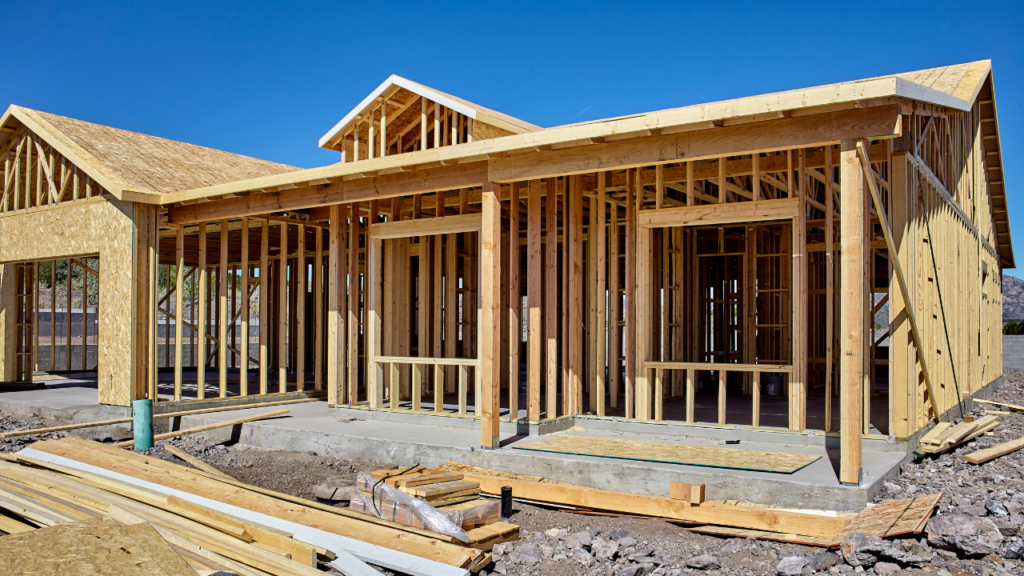
One of the biggest trends I’ve seen over the past several years is the growing number of buyers asking about new construction homes. Some buyers are tired of competing with multiple offers on resale homes. Others want modern layouts, energy efficiency, smart-home features, and the opportunity to personalize their home before moving in. And many first-time buyers are surprised to learn that in certain Minnesota communities, buying new construction can be just as affordable as purchasing an existing home. As a Minnesota real estate agent, I regularly work with buyers exploring both resale and new construction options. One of the first questions they ask is: “Lesley, where are the new construction communities in Minnesota?” The answer depends on your budget, lifestyle, commute preferences, and long-term goals. The Twin Cities metro continues to grow, and builders are actively developing new neighborhoods in many suburbs and surrounding communities. Let’s take a look at where new construction is happening, why these areas are growing, and what buyers should know before choosing a new construction community. Why So Many Buyers Are Choosing New Construction Before we talk about locations, it’s important to understand why new construction has become so popular. Many buyers are attracted to: Instead of spending money replacing roofs, furnaces, or appliances, buyers enjoy moving into a home where everything is brand new. For many families, that’s a major advantage. The Twin Cities Growth Pattern Most new construction activity follows growth corridors around the Minneapolis-St. Paul metro area. Builders generally look for: As a result, many of Minnesota’s newest communities are found in suburban areas surrounding Minneapolis and St. Paul. Lakeville Lakeville continues to be one of the most active new construction markets in Minnesota. Located south of the Twin Cities, Lakeville offers: Many builders continue developing new communities throughout Lakeville because buyer demand remains strong. Lakeville attracts: The city offers a balance between suburban living and convenient access to the metro. Farmington Farmington has experienced significant residential growth over the past decade. Many buyers appreciate: Farmington often appeals to buyers who want a newer home while stretching their budget further than they might in some closer-in suburbs. For many first-time buyers, Farmington offers excellent value. Rosemount Rosemount continues to attract buyers looking for newer construction communities. Popular features include: Many buyers find that Rosemount provides a newer suburban feel while remaining connected to the broader Twin Cities region. Otsego Otsego has become one of the fastest-growing communities in the northwest metro. Builders continue adding new neighborhoods because demand remains strong. Buyers are attracted by: Many families moving from more expensive suburbs discover they can get significantly more house for their money in Otsego. Rogers Rogers continues to see substantial residential growth. Located along the Interstate 94 corridor, Rogers attracts buyers seeking: Many new developments feature modern floor plans and family-friendly amenities. Dayton Dayton has become increasingly popular among buyers seeking newer homes. The city offers: Many buyers who previously focused on Maple Grove are now considering Dayton due to its growing inventory of new homes. Maple Grove While much of Maple Grove is already developed, new construction opportunities still exist in certain areas. Maple Grove remains attractive because of: New construction in Maple Grove often comes at a premium due to limited available land. Woodbury Woodbury continues to be one of the most sought-after suburbs in Minnesota. New construction remains active in various parts of the city. Buyers appreciate: Woodbury appeals to a wide range of buyers, including move-up families and professionals. Cottage Grove Cottage Grove continues experiencing residential expansion and new development activity. Many buyers choose Cottage Grove because of: Builders continue introducing new communities throughout the area. Blaine Blaine remains one of the most active northern metro suburbs for new construction. The city offers: Many buyers relocating within the Twin Cities place Blaine high on their list. Prior Lake Prior Lake continues attracting buyers seeking upscale suburban living. New construction opportunities often include: Buyers appreciate the community atmosphere and access to recreational opportunities. Victoria Victoria has become increasingly popular among buyers looking for newer communities with a small-town feel. Features include: Victoria often appeals to buyers seeking a quieter lifestyle while remaining connected to the metro area. What Builders Are Looking For Many buyers wonder why certain suburbs seem to have more new construction than others. Builders typically prioritize areas with: Available Land Without available land, large-scale development becomes difficult. School District Demand Strong school districts often attract families and drive demand. Transportation Access Proximity to highways remains important for many commuters. Retail and Employment Growth New restaurants, shopping centers, and employers often support residential growth. New Construction Isn’t Just for Luxury Buyers One misconception is that new construction only works for wealthy buyers. That’s simply not true. Minnesota builders currently offer homes ranging from: Many first-time buyers are surprised to discover that new construction may fit within their budget. Questions Buyers Should Ask Before choosing a new construction community, consider asking: What future development is planned? The empty field behind today’s home may become tomorrow’s neighborhood. What amenities are coming? New schools, parks, and shopping centers can impact long-term value. What homeowner association exists? Understand HOA fees and services. What upgrades are included? Model homes often display upgrades that increase the final purchase price. What is the timeline? Some homes are move-in ready while others require several months to complete. Why You Still Need a Realtor for New Construction One of the biggest mistakes buyers make is assuming they don’t need representation when buying from a builder. The builder’s sales representative works for the builder. Having your own Realtor can help you: Many buyers don’t realize this until they’re already deep into the process. FAQ Where is most new construction happening in Minnesota? Much of the activity is occurring in growing Twin Cities suburbs such as Lakeville, Woodbury, Blaine, Rogers, Farmington, Otsego, Dayton, and Rosemount. Are new construction homes more expensive? Not always. Pricing varies by location, builder, lot, and upgrades. Can first-time buyers purchase new construction?
What Is the Real Cost of Living in Minnesota? A 2026 Guide for New Residents and Homebuyers

When people ask about the cost of living in Minnesota, they usually want a simple answer. Is it expensive? Is it affordable? Will my money go further there? Can I buy a home and still enjoy my life? The honest answer is this: Minnesota is not the cheapest state, but for many people, it offers strong value for the lifestyle you get. That value is what makes Minnesota attractive to relocating families, first-time buyers, professionals, retirees, and people simply looking for a better balance between cost and quality of life. The real cost of living in Minnesota depends on where you live, whether you rent or buy, how far you commute, your household size, and the kind of lifestyle you want. Someone living in downtown Minneapolis will have a very different monthly budget than someone living in Buffalo, Farmington, Rochester, St. Cloud, or a smaller town outside the metro. So instead of asking whether Minnesota is cheap or expensive, a better question is: “What does it actually cost to live well in Minnesota?” Let’s break it down. Housing Is Usually the Biggest Expense For most people, housing is the largest part of the monthly budget. Minnesota offers a wide range of housing options, including: In the Twin Cities metro, prices vary widely depending on the community. Areas like Edina, Wayzata, Minnetonka, and parts of Minneapolis tend to be more expensive. Communities like Cottage Grove, Farmington, Elk River, Otsego, Big Lake, Buffalo, and Cambridge may offer more budget-friendly options. This is why location matters so much. Two homes with similar square footage can have very different prices depending on the neighborhood, school district, lot size, and commute. Renting vs Buying in Minnesota New residents often ask whether it makes more sense to rent first or buy right away. There is no one-size-fits-all answer. Renting may make sense if: Buying may make sense if: The real cost of living changes depending on which path you choose. Renting may offer flexibility, while buying may provide long-term financial benefits. Property Taxes Matter Property taxes are an important part of homeownership in Minnesota. They vary by: When comparing homes, don’t look only at the purchase price. Look at the full monthly payment, including taxes and insurance. A lower-priced home with higher property taxes may not be as affordable as it first appears. Utilities and Winter Costs Minnesota has real winters. That means heating costs are part of life here. During colder months, homeowners should plan for higher utility bills. Common utility costs may include: The good news is that many Minnesota homes are built for cold weather. Newer homes often include better insulation, energy-efficient windows, and modern heating systems. Older homes may have more character, but they can sometimes require more heating and maintenance. Transportation Costs Transportation depends heavily on where you live. If you live in Minneapolis or St. Paul, you may have access to: If you live in the suburbs or a smaller town, you may rely more on a vehicle. That means budgeting for: Sometimes a cheaper home farther away can cost more than expected once transportation is factored in. That’s why the real cost of living includes time, not just money. Groceries and Everyday Expenses Grocery costs in Minnesota are generally manageable for many households, but spending varies based on lifestyle. Families may spend more depending on: Minnesota has access to major grocery stores, local co-ops, farmers markets, warehouse stores, and neighborhood markets. Your choices will affect your monthly budget. Healthcare Costs Minnesota is known for strong healthcare access. Many residents value being near major healthcare systems, specialty care, and medical providers. Healthcare costs still depend on: For many families and retirees, access to quality healthcare is part of Minnesota’s overall value. Childcare and Family Costs For families with young children, childcare can be one of the largest monthly expenses. This is not unique to Minnesota, but it is important to plan for. Families should consider: The good news is that many Minnesota communities offer parks, libraries, youth programs, and school activities that help support family life. Lifestyle Costs Minnesota offers a lot of lifestyle value. Many enjoyable activities are low-cost or free. Residents enjoy: You can spend a lot on entertainment if you want to, especially in Minneapolis and St. Paul. But you can also enjoy a full life here without spending heavily every weekend. That’s one of the reasons many people feel Minnesota offers strong quality of life. What New Residents Often Notice People moving from higher-cost states often notice that their money may go further in Minnesota housing. They may be able to afford: People moving from lower-cost areas may find certain expenses higher, especially in desirable Twin Cities suburbs. That’s why your previous location plays a big role in how Minnesota feels financially. The Real Tradeoff Minnesota’s cost of living is about tradeoffs. You may pay more for: You may save more by choosing: The key is knowing what matters most to you. Is Minnesota Worth the Cost? For many residents, yes. Minnesota offers a strong mix of: It may not be the cheapest place to live, but many people feel the value is strong because of what they receive in return. Frequently Asked Questions Is Minnesota expensive to live in? Minnesota is not the cheapest state, but many residents find it offers strong value compared to the quality of life. What is the biggest cost in Minnesota? Housing is usually the largest expense for most households. Are Minnesota suburbs affordable? Some are, while others are more expensive. It depends on location, schools, commute, and housing type. Do winters make Minnesota expensive? Winter can increase heating and maintenance costs, but most residents plan for those seasonal expenses. Is Minnesota good for families financially? Many families find Minnesota offers a strong balance of schools, parks, housing, healthcare, and community amenities. Final Thoughts The real cost of living in Minnesota depends on how and where you want to live. For some people, Minnesota feels very affordable compared to