2026-07-13 · 4 min read · Minnesota
What Is Earnest Money and How Does It Work in Minnesota?
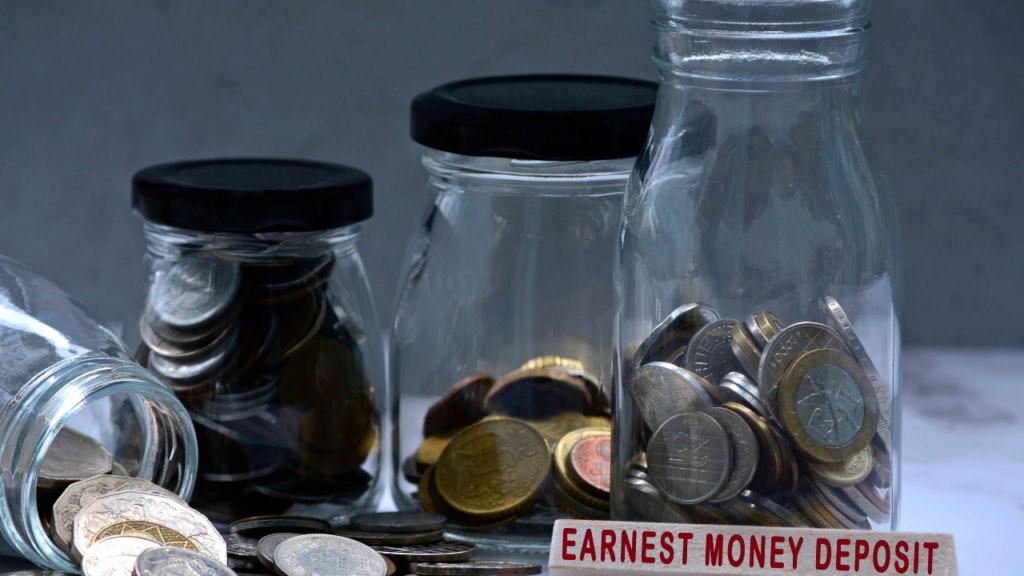
Earnest money is a deposit you make with your offer on a home to show the seller you are a serious buyer. In Minnesota it is held in escrow by a neutral third party, typically the title company, and it is applied to your down payment or closing costs when you close. If the sale ends early, whether you get it back depends on the contingencies in your purchase agreement.
What earnest money is
Earnest money is sometimes called a good faith deposit. It tells the seller you are not tying up their property while you keep looking at other homes.
You are committing real money, and there are consequences if you walk away without a valid reason.
How much earnest money buyers offer in Minnesota
Minnesota has no legally required amount of earnest money. The amount is negotiated between buyer and seller. It varies with the purchase price, how competitive the situation is, what the seller expects and local custom where you are buying.
Some sellers, especially those weighing more than one offer, state in the listing what amount they expect to see. We'll tell you what is customary for that home and price range.
A larger deposit can make an offer look stronger, because it shows commitment and lowers the seller's worry that the sale will fall apart. It also commits more of your funds, so the right amount balances the two.
Where the money goes and when it is due
Earnest money is never sent directly to the seller. It is typically deposited with the title company that will handle the closing, though a real estate brokerage can hold it in certain circumstances.
The money stays in escrow until the sale closes or ends. The seller can't access it, and you can't withdraw it.
Your purchase agreement sets the deadline for the deposit, usually a set number of business days after your offer is accepted. Missing it can be a breach of the agreement, so keep the funds where you can reach them quickly.
When earnest money is refundable
Contingencies are the parts of your purchase agreement that let you exit under specific circumstances without losing your deposit. These are the most common ones in Minnesota.
- The financing contingency protects you if you apply for your loan in good faith and it is not approved.
- The inspection contingency lets you end the agreement, within the stated timeframe, if the inspection shows conditions you won't accept.
- The appraisal contingency, when included, protects you if the home appraises below the purchase price and you can't reach a resolution with the seller.
If you end the agreement within the terms of an active contingency, your earnest money is generally refundable. If every contingency has expired or been removed and you decide you no longer want the home, the seller typically has a valid claim to the deposit. That is why we don't recommend waiving a contingency until you understand the financial risk.
Earnest money and your down payment
Earnest money is not an extra cost on top of your down payment. When the sale closes, it is applied toward the total funds you owe at closing, which include your down payment and closing costs.
Here is an example. Suppose you buy a $300,000 home with 10 percent down, which is $30,000, and you deposited $3,000 in earnest money. At closing you would bring the remaining $27,000 plus your closing costs.
Disputes and sellers who back out
If a sale ends and the two sides disagree about the deposit, the escrow holder can't choose a side. It will generally require a written agreement signed by both parties or a court order before it releases the funds. The money can sit in escrow for a long time, so many disputes are settled by negotiation.
If the seller is the one who breaches the purchase agreement, you are entitled to the return of your earnest money. You may have other legal remedies as well. This is general information and not legal advice, so confirm your own situation with a real estate attorney.
Common questions
Is there a minimum amount of earnest money required in Minnesota? No. The amount is a matter of negotiation between buyer and seller. A very small deposit may make an offer less competitive when the seller is weighing more than one offer.
Can I pay earnest money with a personal check? In most Minnesota transactions, yes. Some sellers or title companies require a cashier's check or a wire transfer. The title company will tell you what it needs for your purchase.
What happens to my earnest money if the home does not appraise? It depends on whether your offer includes an appraisal contingency. If it does and you can't reach a resolution with the seller, you can generally end the agreement and receive your deposit back. If you waived it, you may not have that protection.
How quickly is earnest money returned if the sale falls through? If both parties agree, the title company can release the funds once it has written authorization from both. If there is a dispute, the timing is much less certain.
If you want to talk through earnest money before you write an offer, send us a message. You can also read how we guide buyers through each step on our buying a home page.