2026-04-10 · 5 min read · Minnesota
Can I Buy a House If I Have Collections or Debt? (Minnesota Guide – 2026)
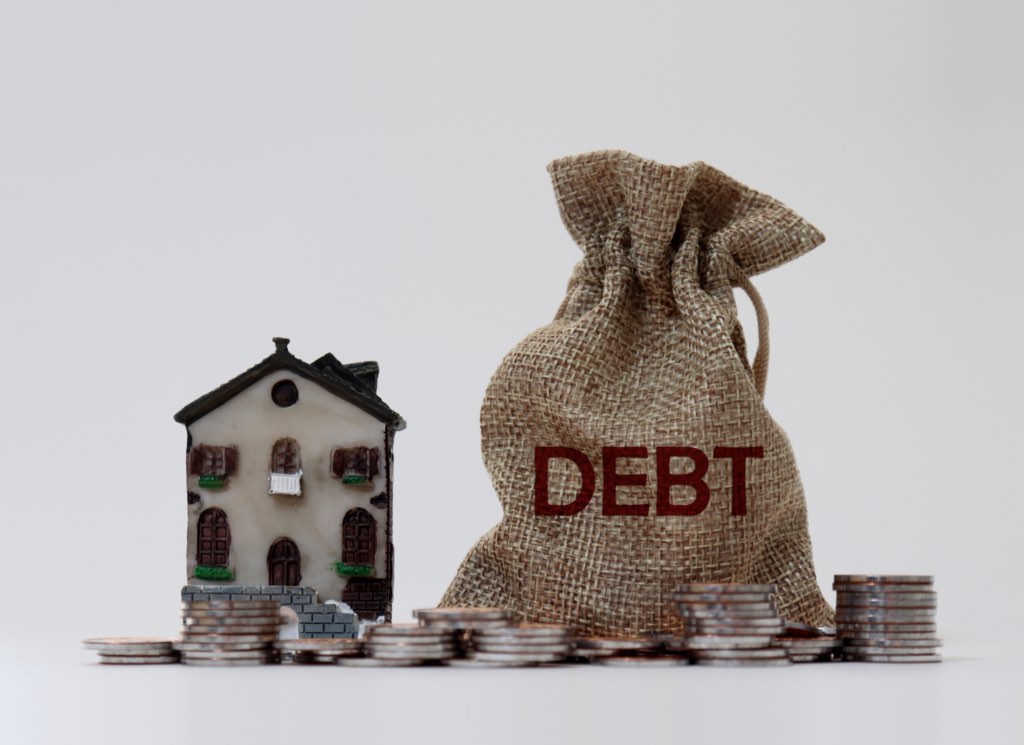
If you’ve ever checked your credit and seen collections, late payments, or debt, you’ve probably wondered:
“Can I still buy a house if I have collections or debt?”
And for many people, this question comes with a lot of doubt:
- “Will lenders deny me automatically?”
- “Do I need to pay everything off first?”
- “Is my credit too damaged?”
- “Should I even try right now?”
The truth is:
Yes, you can still buy a home even if you have collections or debt.
But:
It depends on the type of debt, how it’s managed, and your overall financial picture.
The Short Answer
You can buy a home with collections or debt if:
- Your credit score meets minimum requirements
- Your debt is within acceptable limits
- You can show stable income
You do NOT need:
Perfect credit or zero debt
But you DO need:
A strategy
First, Let’s Define Collections and Debt
Collections
Collections happen when:
- You miss payments
- The account is sent to a collection agency
Common examples:
- Medical bills
- Credit cards
- Utility bills
Debt
Debt includes:
- Credit cards
- Car loans
- Student loans
- Personal loans
Most buyers have some form of debt
Debt itself is NOT the problem
It’s how it’s managed
Why Collections and Debt Matter to Lenders
Lenders are asking one main question:
“Can this borrower handle a mortgage payment responsibly?”
Collections and debt can signal:
- Risk
- Payment history issues
- Financial strain
But they don’t automatically disqualify you
They just require closer review
How Collections Affect Your Ability to Buy
Let’s break this down.
1. Credit Score Impact
Collections lower your credit score
This can:
- Limit loan options
- Increase interest rates
BUT:
You can still qualify depending on your score
2. Loan Type Matters
Different loans treat collections differently.
FHA Loans
More flexible with collections
May allow:
- Unpaid collections (in some cases)
- Lower credit scores
Very popular for buyers with credit challenges
Conventional Loans
Stricter requirements
May require:
- Higher credit score
- Collections to be resolved
Key takeaway:
The loan you choose matters
Do You Have to Pay Off Collections First?
This is one of the biggest questions.
The answer is:
Not always
It depends on:
- The amount of the collection
- The type (medical vs non-medical)
- The lender’s guidelines
In some cases:
You can still qualify with collections on your report
In other cases:
You may need to:
- Pay them off
- Set up payment plans
This is why:
You need a personalized review
How Debt Affects Your Mortgage Approval
1. Debt-to-Income Ratio (DTI)
This is one of the most important factors
DTI measures:
How much of your income goes toward debt
Example:
- Income: $5,000/month
- Debt: $2,000/month
High DTI = harder to qualify
Lenders typically prefer:
DTI below 43%–50%
Lower is better
2. Type of Debt Matters
Not all debt is treated equally.
Installment Debt
- Car loans
- Student loans
More predictable
Revolving Debt
- Credit cards
Higher risk if balances are high
Managing your debt properly is key
A Real Situation I See All the Time
A buyer says:
“I have collections, I probably can’t buy”
We review their situation:
- Credit score is still above 600
- Income is stable
- Debt is manageable
Result:
They qualify with an FHA loan
Another buyer:
Has high debt + low score
Result:
Needs time to improve
Same concern, different outcomes
Common Misconceptions
❌ “Collections automatically disqualify me”
Not true
❌ “I need to be completely debt-free”
Not true, most buyers have debt
❌ “I should wait until everything is perfect”
This delays many buyers unnecessarily
The key is:
Understanding your specific situation
How to Improve Your Chances
If you have collections or debt, here’s what helps:
Improve Your Credit Score
Pay on time consistently
Reduce Credit Card Balances
Lower your utilization
Avoid Taking on New Debt
Keep your profile stable
Address Collections Strategically
Don’t blindly pay everything, get advice first
Work With the Right Lender
This is critical
Small changes can make a big difference
Should You Wait Before Buying?
This depends on your situation.
You may want to wait if:
- Your credit score is very low (below 580)
- Your debt is too high
- You can improve quickly
You may be ready if:
- You meet minimum requirements
- Your income is stable
- Your debt is manageable
The best move is:
Get clarity, not assume
The Role of the Right Lender (CRITICAL)
Not all lenders handle collections the same way.
The right lender will:
- Review your full situation
- Offer flexible loan options
- Guide you on what to fix (and what not to)
The wrong lender may:
Deny you without explanation
That’s a huge difference
The Role of the Right REALTOR®
This is where strategy comes in.
The right REALTOR® helps you:
- Connect with the right lender
- Understand your options
- Build a plan
And most importantly:
Help you move forward with confidence
Resources Matter
A well-connected REALTOR® knows:
- Which lenders work with credit challenges
- What programs are available
- How to position your application
This can change your outcome completely
Who This Applies To
Buyers with collections
Buyers with credit card debt
First-time buyers
Immigrant buyers
If you’re worried about your credit:
You’re not alone
FAQ: Collections, Debt, and Buying a Home
Can I buy a house with collections?
Yes, depending on your credit and loan type.
Do I need to pay off all debt first?
No, only certain debts may need to be addressed.
What credit score do I need?
Typically 580+ for FHA loans.
Is debt a dealbreaker?
No, it depends on how it’s managed.
Final Thoughts
Having collections or debt doesn’t mean:
You can’t buy a home
It means:
You need to understand your position and plan accordingly
Because lenders aren’t looking for:
Perfect finances
They’re looking for:
Manageable risk and consistent behavior
And if you can show that:
You may be closer than you think
Next Step
If you have collections or debt and are thinking about buying a home in Minnesota, the next step is to understand what you qualify for:
https://buy.dreamhomesminnesota.com/
This will help you:
- See your options
- Connect with the right lender
- Create a plan
Lesley The Realtor
Realtor in the Twin Cities & Surrounding Metro, Minnesota
Helping first-time and immigrant buyers overcome obstacles and move forward with confidence