2026-04-02 · 5 min read · Minnesota
How Can I Improve My Credit Before Buying a House in Minnesota? (2026 Guide)
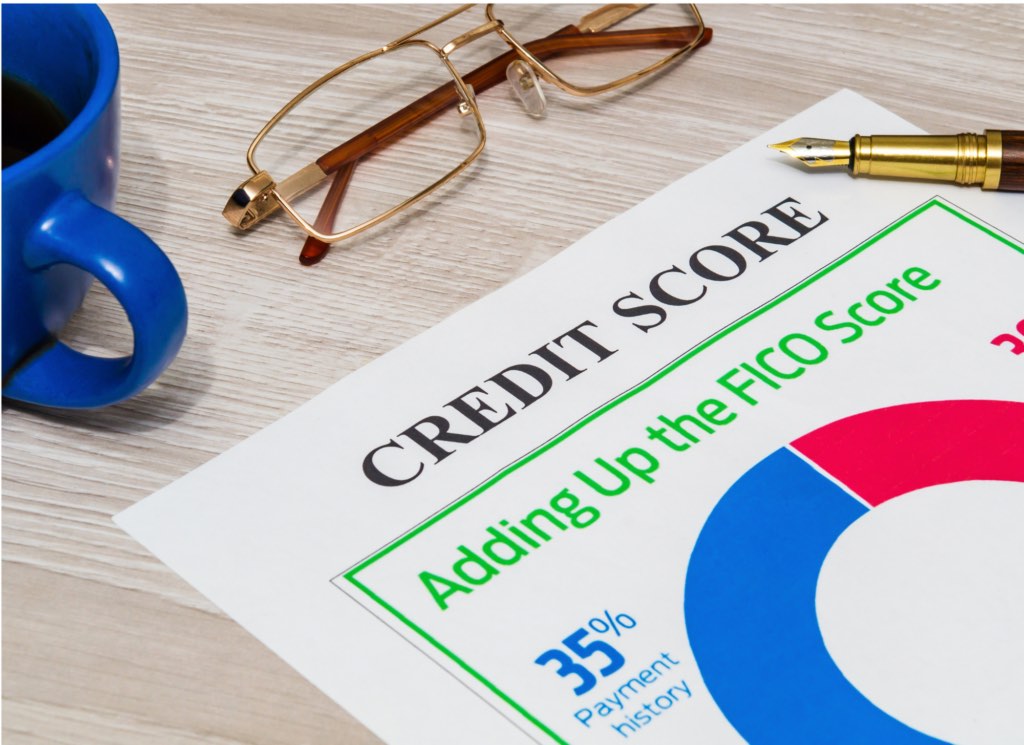
If you’re thinking about buying a home, but you’re not sure your credit is where it needs to be, you’re probably asking:
“How can I improve my credit before buying a house?”
And this is a smart question to ask.
Because your credit score plays a major role in:
- Whether you qualify
- What loan options you have
- What interest rate you get
- What your monthly payment looks like
The truth is:
You don’t need perfect credit to buy a home in Minnesota.
But improving your credit, even a little, can make a big difference.
The Short Answer
To improve your credit before buying a home, focus on:
- Paying all bills on time
- Reducing credit card balances
- Avoiding new debt
- Checking your credit report for errors
Even small improvements can:
- Increase your approval chances
- Lower your interest rate
- Improve your buying power
Why Credit Matters When Buying a Home
Your credit score helps lenders determine:
How reliable you are as a borrower
It directly affects:
- Loan approval
- Interest rate
- Monthly payment
- Loan program eligibility
Higher credit = better loan terms
Lower credit = more limitations (but still possible)
The Biggest Misconception
❌ “I need perfect credit to buy a home”
Not true
Many buyers qualify with:
Credit scores in the 580–680 range
The goal isn’t perfection
The goal is improvement
What Is a “Good” Credit Score?
Here’s a simple breakdown:
- 580–619 → Improving range
- 620–679 → Fair to good
- 680–739 → Strong
- 740+ → Excellent
Moving even one category up can make a big impact
The 5 Most Effective Ways to Improve Your Credit
Let’s focus on what actually works.
1. Pay Everything On Time (This Is #1)
Payment history is the biggest factor in your credit score
Even one missed payment can:
Lower your score significantly
What to Do:
- Pay all bills on time
- Set up auto-pay if needed
- Stay consistent
This alone can improve your score over time
2. Lower Your Credit Card Balances
This is one of the fastest ways to improve your credit.
Lenders look at your credit utilization
That means:
How much of your available credit you’re using
Example:
- Credit limit = $5,000
- Balance = $4,000
High utilization → lowers your score
Ideal Range:
Keep balances under 30% of your limit
Lower is even better
3. Don’t Open New Credit Accounts
When preparing to buy a home:
Avoid opening new credit cards or loans
Why?
- It can temporarily lower your score
- It increases your debt
- It affects your DTI
Stability is what lenders want to see
4. Check Your Credit Report for Errors
Many buyers don’t realize:
Credit reports can have mistakes
These may include:
- Incorrect balances
- Accounts that aren’t yours
- Outdated information
Fixing errors can improve your score quickly
What to Do:
- Review your credit report
- Dispute any inaccuracies
5. Pay Down Smaller Debts First
If you have multiple debts:
Focus on smaller balances first
Why?
Eliminating a payment:
- Improves your DTI
- Simplifies your finances
- Can boost your score
This creates momentum
How Long Does It Take to Improve Credit?
This is one of the most common questions.
It depends on your situation
General Timeline:
- Small improvements → 30–60 days
- Moderate improvements → 2–6 months
- Major changes → longer-term
The key is:
Start early
A Real Situation I See All the Time
A buyer says:
“I want to wait until my credit is perfect”
But when they talk to a lender:
They find out:
- They already qualify
- Or they’re very close
Waiting too long can delay opportunities
When You Should Start Improving Your Credit
The best time is:
Before you start house hunting
Even if you’re 3–6 months away:
Start now
This gives you:
- Time to improve
- More options
- Better loan terms
How Credit Impacts Your Monthly Payment
This is where it really matters.
Example:
Two buyers purchase the same home
Buyer A (higher credit):
- Lower interest rate
- Lower monthly payment
Buyer B (lower credit):
- Higher interest rate
- Higher monthly payment
Same home, different cost
Credit vs Loan Options
Your credit score also affects:
Which loan programs you qualify for
FHA Loans:
More flexible (580+ range)
Conventional Loans:
Typically require 620+
Improving your credit can open more options
What NOT to Do Before Buying
This is just as important.
❌ Don’t Miss Payments
Even one can hurt your score
❌ Don’t Max Out Credit Cards
High balances lower your score
❌ Don’t Take on New Debt
This affects both credit and DTI
❌ Don’t Close Old Accounts
This can impact your credit history
Keep things stable
Why You Should Talk to a Lender Early
Instead of guessing:
Talk to a lender early
They can:
- Review your credit
- Show you where you stand
- Give you a personalized plan
This is one of the smartest steps you can take
The Advantage of Having a Plan
When you know what to do:
Everything becomes easier
You can:
- Focus on the right actions
- Track your progress
- Move forward with confidence
This removes uncertainty
Who This Applies To
First-Time Buyers
- Unsure about credit requirements
- Want to prepare properly
Buyers With Lower Credit
- Need improvement
- Want better loan options
Relocation Buyers
- Want to be ready before moving
This is a critical step for many buyers
FAQ: Improving Credit Before Buying a Home
How can I improve my credit before buying a house?
Focus on on-time payments, lowering balances, and avoiding new debt.
How long does it take to improve credit?
Small changes can happen in 30–60 days, larger improvements take longer.
What credit score do I need to buy a home?
Typically 580–620+ depending on the loan.
Should I wait to improve my credit before buying?
Talk to a lender first, you may already qualify.
Final Thoughts
Improving your credit doesn’t have to be complicated.
It’s about:
- Consistency
- Awareness
- Small, intentional steps
Because you don’t need perfect credit…
You just need to be in a position that works
And many buyers who think they’re not ready…
Are closer than they realize
Next Step
If you’re thinking about buying a home in the Twin Cities & surrounding metro Minnesota, the next step is to see where your credit stands and what you qualify for:
https://buy.dreamhomesminnesota.com/
This will help you:
- Understand your options
- Create a plan
- Move forward with confidence
Lesley The Realtor
Realtor in the Twin Cities & Surrounding Metro, Minnesota
Helping first-time and relocation buyers find the right home and location