2026-05-15 · 6 min read · Minnesota
How Do I Start Building Credit Quickly in the U.S.? (2026 Guide for Immigrant Homebuyers in Minnesota)
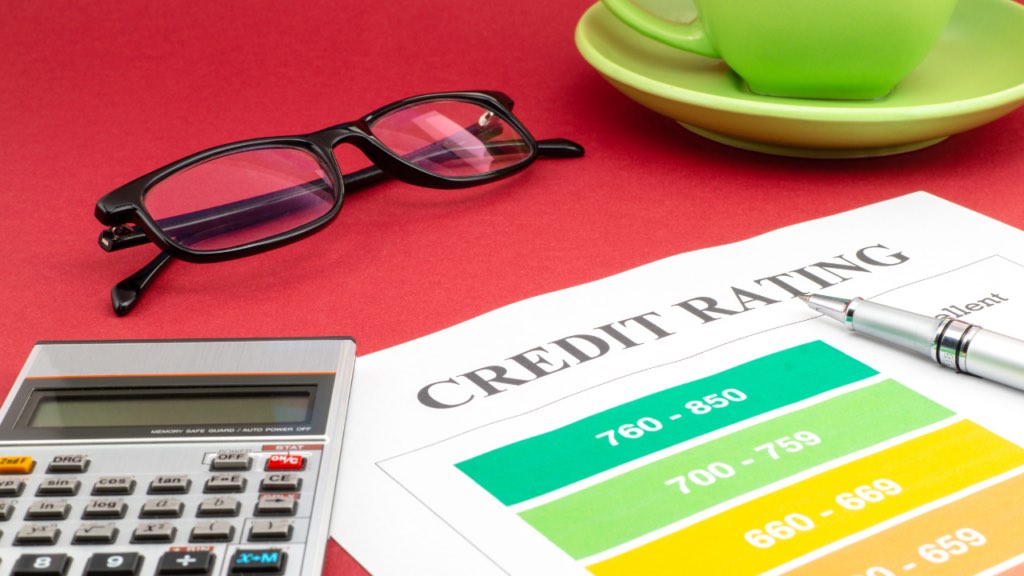
If you recently moved to the United States and want to buy a home someday, one of the first things you’ll probably hear is:
“You need to build credit.”
And honestly?
That can feel confusing and frustrating at first.
Especially because many immigrants arrive in the U.S. with:
Strong savings
Stable income
Professional careers
Excellent financial habits in their home country
But then discover:
They essentially have NO U.S. credit history.
A lot of immigrant buyers ask:
“How do I build credit FAST so I can qualify for a mortgage?”
This is a very common question.
Because in the U.S., your credit score affects:
Mortgage approval
Interest rates
Credit cards
Car loans
Apartment applications
Insurance rates in some cases
And honestly?
Learning how U.S. credit works early can make homebuying MUCH easier later.
You might be wondering:
• What’s the fastest way to build credit?
• How long does it take?
• Can I buy a house with no credit?
• Do secured credit cards help?
• Can rent payments build credit?
• What mistakes should I avoid?
• How much credit history do lenders want?
These are smart questions.
Because building credit correctly early on can:
Save you THOUSANDS later on mortgage interest.
The good news is:
Many immigrants can begin building strong U.S. credit faster than they expect.
But it’s important to:
Use the RIGHT strategy.
The Short Answer
The fastest way to build credit in the U.S. is usually by:
Opening a secured credit card
Making small purchases consistently
Paying on time every month
Keeping balances LOW
Avoiding late payments completely
Over time, this creates:
Positive credit history.
And that history is what lenders want to see.
Why Credit Matters So Much for Homebuying
Mortgage lenders use credit scores to help determine:
Loan approval
Interest rates
Risk level
Financing options
Generally:
Stronger credit can help you qualify for:
Better rates
Lower monthly payments
More loan options
Even small credit score improvements can significantly affect:
Long-term mortgage costs.
Why Many Immigrants Start With No Credit
This surprises many newcomers.
Your credit history from another country usually:
Does NOT automatically transfer to the U.S.
So even if you:
Owned property abroad
Had excellent financial history
Used credit responsibly for years
You may still begin in the U.S. with:
Little or no credit profile.
This is normal.
And honestly?
It’s very common.
Step 1: Open a Secured Credit Card
For many immigrants:
This is the BEST starting point.
A secured credit card works like this:
You provide:
A refundable security deposit.
That deposit becomes:
Your credit limit.
Example:
You deposit:
$500
Then your credit limit becomes:
Around $500
The card reports activity to credit bureaus.
And that helps:
Build credit history.
Why Secured Credit Cards Work So Well
They help lenders see:
Payment history
Responsible usage
Account management
Over time:
This helps generate your credit score.
The KEY is:
Use the card lightly
Pay on time
Keep balances low
Keep Your Utilization LOW
This is VERY important.
Your utilization ratio means:
How much of your available credit you use.
Example:
If your limit is:
$500
And you spend:
$450
That’s VERY high utilization.
Generally:
Lower utilization helps your score more.
Many experts suggest staying:
Under 30%
Ideally under 10% if possible
Payment History Matters MOST
This is critical.
Late payments can damage your credit FAST.
Even ONE missed payment may hurt:
Your score
Mortgage approval odds later
Future financing opportunities
The best strategy is:
Automatic payments.
Consistency matters more than:
Spending large amounts.
Small Purchases Work Fine
Many people think:
They need to spend heavily to build credit.
That’s NOT true.
Small consistent purchases work well.
Examples:
Gas
Groceries
Streaming subscriptions
Cell phone bills
Then:
Pay the balance responsibly.
How Fast Can You Build Credit?
This depends on:
Payment consistency
Account usage
Credit mix
Reporting activity
But many people begin generating:
Early credit scores within several months.
Building STRONG mortgage-ready credit usually takes:
Longer.
Especially for:
Better interest rates
Conventional mortgage approvals
Can Rent Payments Help Build Credit?
Sometimes:
Yes.
Some rent-reporting services may help report:
On-time rent payments
To:
Credit bureaus.
Not all landlords report automatically.
So you may need:
A third-party service.
This may help strengthen:
Payment history records.
Should You Open Multiple Credit Cards Quickly?
Usually:
No.
Opening too many accounts too fast may:
Lower your score temporarily
Create too many inquiries
Look risky to lenders
Generally:
Slow and steady works better.
Especially before:
Applying for a mortgage.
Avoid Carrying Large Balances
This is another common mistake.
Some people believe:
Carrying debt helps credit.
Not necessarily.
You do NOT need to:
Carry large balances
Pay interest unnecessarily
Responsible low-balance usage works well.
What About Thin Credit?
Thin credit means:
Limited credit history.
You may still qualify for mortgages with:
Thin credit
Limited accounts
But options may become:
More limited.
Some lenders can use:
Alternative credit data
Rent history
Utility history
Bank statements
Especially for immigrant buyers.
How Long of Credit History Do Mortgage Lenders Prefer?
This varies by:
Loan type
Lender guidelines
Overall financial profile
Generally:
Longer, stable history helps.
But some buyers may qualify sooner with:
Strong income
Good savings
Stable employment
Low debt
This is why talking with experienced lenders early matters.
Credit Mistakes to Avoid Before Buying a Home
This is VERY important.
Avoid:
❌ Late payments
❌ Maxing out cards
❌ Opening many new accounts quickly
❌ Closing old accounts unnecessarily
❌ Large unexplained bank activity
❌ Co-signing risky loans
❌ Missing bill payments
These mistakes may:
Hurt mortgage approval later.
Should You Close Old Credit Accounts?
Usually:
No.
Older accounts help show:
Longer credit history
Closing old accounts may:
Reduce available credit
Raise utilization ratios
Shorten account history
That may hurt your score.
What Credit Score Do You Need for a Mortgage?
This depends on:
Loan program
Down payment
Debt levels
Income
Lender guidelines
Some programs allow:
Lower scores than people expect.
But generally:
Higher scores create better financing opportunities.
Why Starting Early Matters So Much
Many immigrants wait until:
Right before buying.
But honestly?
The BEST strategy is:
Build credit EARLY.
Even if homebuying is:
1–2 years away
Starting now may:
Improve financing options dramatically later.
Real Situation I See Often
Someone relocates to Minnesota and initially thinks:
“I’ll wait until I’m ready to buy before worrying about credit.”
Then later realizes:
Mortgage preparation takes longer than expected.
The buyers who usually have smoother approvals are the ones who:
Started building credit early
Stayed consistent
Avoided common mistakes
Common Credit Mistakes Newcomers Make
❌ Ignoring credit entirely
❌ Opening too many accounts quickly
❌ Missing payments accidentally
❌ Carrying high balances
❌ Closing old accounts
❌ Waiting too long to start building history
These mistakes may:
Slow down future mortgage approval.
What Smart Immigrant Buyers Do Instead
Successful buyers usually:
Build credit early
Use secured cards responsibly
Keep utilization low
Pay everything on time
Monitor their credit regularly
Plan BEFORE applying for mortgages
Because good credit helps create:
Better homebuying opportunities later.
A Simple Way to Think About U.S. Credit
Credit is basically a system that shows lenders:
How consistently you manage borrowed money.
The goal is NOT:
Spending more.
The goal is:
Showing responsible financial behavior over time.
FAQ: Building Credit Quickly in the U.S.
What is the fastest way to build credit?
Many people start with secured credit cards and consistent on-time payments.
How long does building credit take?
Some scores may generate within months, but strong mortgage-ready profiles often take longer.
Can immigrants qualify for mortgages with limited credit?
Sometimes yes, depending on loan program and financial profile.
Should I carry balances to improve credit?
Not necessarily. Responsible low-balance usage is usually better.
Can rent payments help?
Sometimes, especially through rent-reporting services.
Final Thoughts
Building credit in the U.S. can feel confusing initially…
Especially for immigrants starting fresh financially here.
But honestly?
Many buyers build strong credit successfully by:
Starting early
Staying consistent
Avoiding major mistakes
Using credit responsibly over time
Because strong credit is not built through:
Perfection.
It’s built through:
Consistency.
Next Step
If you’re planning to buy a home in Minnesota and want guidance on mortgage preparation, financing options, and immigrant homebuying strategies:
https://buy.dreamhomesminnesota.com/
Lesley The Realtor is a Minnesota real estate agent helping immigrant buyers, relocation clients, and first-time homebuyers navigate the Minnesota homebuying process with confidence.