2026-06-23 · 4 min read · Minnesota
How Do I Time Selling and Buying a Home at Once in Minnesota?
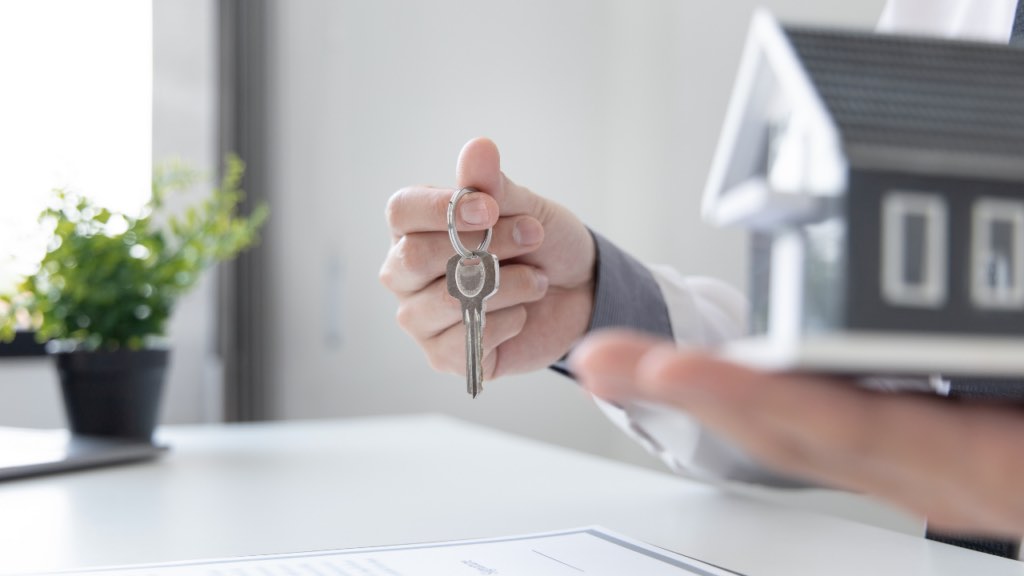
How do you time selling your home and buying your next one at the same time in Minnesota? Most sellers use a few tools together: closing dates set close to each other, a home sale contingency on the purchase, a written rent-back after the sale, or short-term financing a lender approves. The right mix depends on how much of your equity you need for the next down payment and how much risk you are comfortable carrying.
Why is timing two closings so tricky?
Each sale runs on its own calendar. Your sale needs prep, showings, an accepted offer, the buyer's inspection and loan approval. Your purchase needs a home search, an accepted offer, your own inspection and your own loan approval. The two calendars rarely line up on their own.
Money is the other piece. For most sellers, the equity in the current home pays for the next down payment and closing costs, and that equity is not available until your sale closes and the title company pays out the proceeds. You can see how that payout works in our article on when you receive your money after closing.
Can both closings happen on the same day?
Many sellers close the sale first and the purchase later the same day or within a few days. The proceeds from the sale can then go toward the purchase. This plan takes close coordination between both title companies, both lenders and both agents, and it leaves little room for a delay on either side.
A short gap of a few days between the two closings gives everyone more breathing room. It also means you need a place to stay and a plan for your belongings during that gap. We set the dates with your lender and the title companies before either purchase agreement is signed.
What is a home sale contingency?
A home sale contingency makes your offer on the next home depend on your current home selling, usually by a set date. If your home does not sell in time, the contingency gives you a way out of the purchase under the terms written in the agreement.
The trade-off is strength. A seller weighing several offers may prefer one without a contingency, so a contingent offer can be harder to win when homes are getting multiple offers. It tends to work better when your home is already listed, priced well and drawing showings, or when it is already under contract.
What is a rent-back, and when does it help?
A rent-back lets you stay in the home you sold for a short, agreed time after closing. You close, receive your proceeds and use them toward your purchase, then move once your new home is ready. The terms go in writing: the length of the stay, any daily or monthly charge, a deposit if there is one, who pays utilities, and the condition the home must be in when you leave.
Your buyer's lender may limit how long a rent-back can last, because the buyer's loan may require them to move in within a set time. We confirm those limits before we offer a rent-back in a negotiation. Both of you should also check insurance coverage for the stay. If the gap is longer, our article on renting after you sell covers that path.
Can I borrow against my home to buy first?
Some sellers use short-term financing so they can buy before they sell. Options can include a bridge loan or a home equity line of credit opened while you still own the current home. Lenders set the rules, the costs and who qualifies, and a lender confirms whether any option fits you.
The main risk is carrying two homes at once. Before you choose this route, ask a lender to show you the total monthly cost of both homes, including taxes and insurance, and how long you could carry that cost if your sale takes longer than planned. Our move-up buyer page explains how we plan a purchase when you already own a home.
What steps keep both sales on track?
A few habits make a coordinated move much calmer:
- Talk to a lender first. Ask what you qualify for with and without the sale of your current home.
- Know your net proceeds. An estimate of what you will walk away with tells you how much you can put down next.
- Prepare the home before you shop. A home that is ready to list lets you move quickly when the right purchase appears.
- Write flexible dates. A closing date or possession date with some room helps when one side runs late.
- Plan a backup. Know where you would stay and where your belongings would go if the dates do not meet.
Our take-home amount guide shows how to estimate the money you will have for the next purchase.
Frequently asked questions
Can I sell and buy with the same agent?
Yes, one agent can help you with both sides. That makes it easier to line up dates, contingencies and possession terms.
What happens if my purchase closes and my sale falls through?
You could end up owning both homes. A sale contingency or a lender's plan for carrying two payments can reduce that risk, so set them up before you commit.
How long can a rent-back last?
The buyer's loan program and lender often set the limit. We check it in writing before we include a rent-back in an agreement.
Do I need my sale proceeds for my next down payment?
Many sellers do. A lender can tell you whether you can buy first or need the sale to close before your purchase.
If you are planning to sell and buy in the same season, send us a message or call (651) 661-4770. We will map out both timelines with you and your lender.