2026-08-09 · 5 min read · Minnesota
Should I Use Video or Drone Footage for My Minnesota Listing?
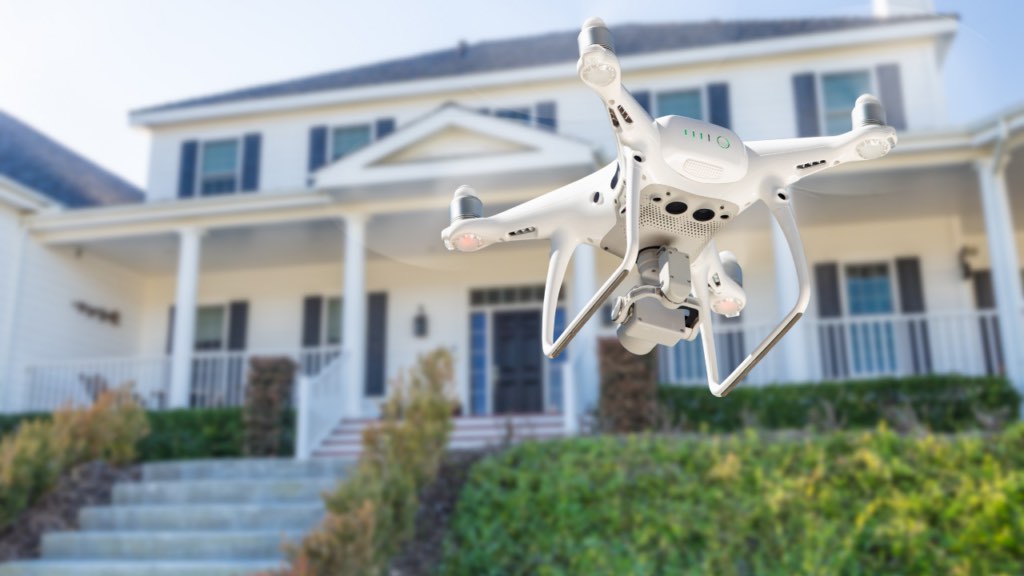
Should you use video or drone footage for your listing in Minnesota? It helps most when photos cannot show something important, such as a large lot, lake access, nearby trails or a layout buyers need to walk through. For a home on a typical suburban lot, strong photos and a floor plan may cover most of what buyers need. Anyone flying a drone for your listing must follow the Federal Aviation Administration's Part 107 rules for commercial drone work.
What does video show that photos do not?
Photos show one room at a time from fixed angles. A video walkthrough shows how the rooms connect: the path from the entry to the kitchen, how the living space opens to the deck, and where the bedrooms sit. Buyers get a better sense of flow and size before they visit.
- Layout: Video helps with split-levels, walkouts and homes with unusual floor plans.
- Distance buyers: Buyers moving to Minnesota from another state often narrow their list from video before they fly in.
- Social media: Short video clips travel further on social platforms than still photos do.
If you expect interest from buyers relocating to the Twin Cities, video is one of the most useful tools. Our relocation page shows how those buyers plan their search.
When does drone footage help?
Drone photos and video show the home in its setting. That matters most when the land or the location is a big part of the value.
- Larger lots and acreage: Aerial views show lot lines, outbuildings, woods and open land.
- Water: Lake and river homes benefit from showing the shoreline, the dock and the view.
- Location: Aerial shots can show how close the home sits to parks, trails, golf courses or open space.
- Exterior features: A roof, a long driveway or a large deck can be easier to see from above.
Drone footage adds less when the lot is small, the neighbors are close on every side, or the view from above is mostly rooftops. In those cases, we put the budget into photos and a floor plan instead.
What rules apply to drone footage?
Flying a drone for a business purpose, such as marketing a listing, falls under the Federal Aviation Administration's Part 107 rules. The FAA says pilots flying for work must pass a knowledge test to earn a Remote Pilot Certificate and must register the drone. Some airspace near airports also needs FAA authorization before a flight.
That means we hire certified drone pilots, not a friend with a new drone. Before a flight, ask to see the pilot's certificate, and ask whether the location needs airspace approval. Homes near Minneapolis-St. Paul International Airport and smaller regional airports may need extra planning.
We also ask pilots to keep the camera on your property and avoid close shots of neighbors' homes and yards.
How does the Minnesota season affect video and drone work?
Season changes what a camera can show. Green lawns, full trees and open water show well from the air in summer. In winter, snow can hide landscaping, patios and lot lines, but it can also give a clean, bright look to a well-kept exterior.
- If you list in winter, ask whether we have, or can use, summer exterior photos you own, and label them with the season.
- Schedule drone flights for a calm, clear day, since wind and snow can cancel a flight.
- Shoot video after the home is decluttered and cleaned, since moving footage shows more than photos.
How should I prepare the home for filming?
Video shows every surface as the camera moves, so preparation matters even more than for photos. Declutter counters and floors, close closet doors, turn on every light and open the blinds. Move cars out of the driveway, put away hoses and trash bins, and keep pets out of the home during the shoot. Plan to be away while filming happens, since a person passing through a frame means another take.
Who pays for video and drone footage?
Who pays depends on the marketing plan in your listing agreement. We go over what is included before you sign, so you know which items are part of our plan and which would be extra.
How do we decide for your home?
We look at four questions together. Does the lot or location add value that photos cannot show? Will buyers come from out of state? Is the layout hard to understand from photos? Is the home ready to film? If most answers are yes, video and drone footage are worth adding. Our article on what makes a listing stand out online covers the rest of the online presentation, and our home selling page shows the full marketing plan.
Frequently asked questions
Does video replace professional photos?
Video adds to photos but does not replace them. Buyers still scroll through photos first, so the photos need to be strong on their own.
Can my neighbor fly a drone for my listing?
A drone flight for listing marketing is business use under FAA rules. The pilot needs a Remote Pilot Certificate and a registered drone, so we hire certified pilots.
Is a 3D tour the same as a video?
A 3D tour lets buyers move through the home at their own pace, while a video follows a set path. Both help buyers who cannot visit right away.
Should I use drone footage in winter?
Winter drone footage works when it shows something useful, such as acreage, a lake or the home's location. If snow hides the features buyers care about, we may wait or use labeled summer images you own.
How long should a listing video be?
A walkthrough video usually works when it is short enough to hold attention, often a few minutes. Shorter clips of one or two features work well on social media.
Planning the marketing for your listing? Send us a message or call (651) 661-4770. What questions do you have?