2026-07-08 · 4 min read · Minnesota
What Are the Pros and Cons of Condos in Minnesota?
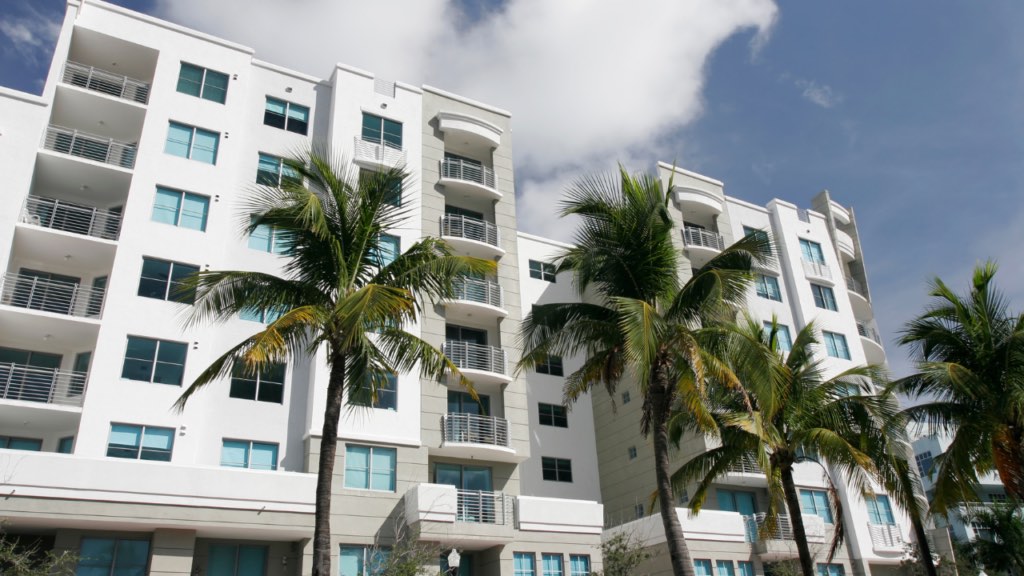
A condo in Minnesota gives you ownership without exterior upkeep, along with shared amenities and often a lower purchase price than a nearby house. In exchange, you pay monthly association fees, follow shared rules and carry the risk of special assessments. Whether it fits you depends on the building's finances and rules as much as on the unit.
What you own in a condo
In most condominiums, you own the interior of your unit from the paint on the walls inward. That includes your flooring, fixtures and appliances.
The exterior, the roof, the common areas and the building-wide mechanical systems are owned together by all unit owners and managed by the homeowners association, or HOA.
The governing documents spell this out. They are the declaration, the bylaws, and the rules and regulations. They define what you own, what the association handles and what rules apply to using or changing your unit. Read them before you buy, and ask an attorney about anything that is unclear.
The advantages
The biggest advantage is that exterior maintenance is handled for you.
- No exterior work. The association handles snow removal, roof care such as ice dams, and landscaping. Your monthly dues pay for it.
- Shared amenities. Depending on the building, these can include a fitness center, a rooftop deck, community rooms and underground heated parking, which is a real comfort on a January morning.
- Location. In some urban areas of Minneapolis and Saint Paul, few or no single-family homes are available, so a condo may be the main way to own there.
- A lower entry price. A condo often costs less than a comparable single-family home in the same area, so your budget may reach further.
The disadvantages
HOA fees are the cost that surprises buyers most. They vary widely from building to building, and they are owed every month whether or not you use the amenities.
Your true monthly cost is the mortgage payment plus the HOA fee, property taxes and insurance. A condo that looks affordable on the mortgage alone can feel very different once the fee is added. Your lender can confirm the full payment for your situation.
Special assessments are the other major risk. When a building faces a large expense that its reserve fund cannot cover, such as a roof, an elevator or a parking structure repair, the association can charge every owner a share of the shortfall.
There are everyday trade-offs as well.
- Limits on changes. Most buildings require HOA approval for anything beyond basic interior cosmetic changes. Windows, balconies and exterior doors are usually controlled by the association.
- Shared walls and spaces. You have less privacy and less control over your surroundings than in a detached home.
- Rental restrictions. Some buildings cap the number of units that can be rented, and others prohibit rentals except in specific circumstances.
Why resale can be more complicated
When you sell, a buyer using a loan needs their lender to approve the building as well as the buyer. Lenders look at the HOA's financial health, the owner-occupancy rate, how many owners are behind on dues and whether the association is involved in litigation.
A building that does not meet lender requirements has a smaller pool of buyers. That can affect how long a sale takes and the price you receive.
What to review before you buy
Ask for these documents and read them before you make an offer.
- The reserve fund balance and the most recent reserve study. A well-funded reserve points to an association that is prepared for major expenses. A poorly funded one is a warning sign.
- The budget and financial statements. These show whether dues are covering actual costs.
- Meeting minutes from the past one to two years. These reveal pending projects, ongoing issues and disputes.
- The declaration and bylaws. Check the rules on changes to the unit, rentals and pets.
- The owner-occupancy rate and any litigation. Both can affect which loans are available to you and to your future buyer.
Ask directly about upcoming major projects and pending assessments. In Minnesota, sellers must disclose known material defects, so read the seller's disclosure closely, including anything about windows and balcony doors.
Common questions
Are HOA fees tax deductible? Generally not for an owner who lives in the unit. Some situations, such as a home office or an investment property, may be treated differently, so ask a tax professional about yours.
Can I have pets in a Minnesota condo? It depends on the building's governing documents. Many buildings allow pets with limits on type, size or number. Check the pet policy before you buy.
How do I know if a building is financially healthy? Compare the reserve fund balance with the reserve study's recommendations. Then read the budget, the minutes and the rate of unpaid dues. Your agent and a real estate attorney can help you interpret them.
What happens if I stop paying HOA fees? The association can place a lien on your unit, and in some cases it can begin foreclosure. An attorney can explain how that works under Minnesota law.
If you are weighing a condo against a house, send us a message. We'll help you review the building as carefully as the unit. You can also read more on our buying a home page.